
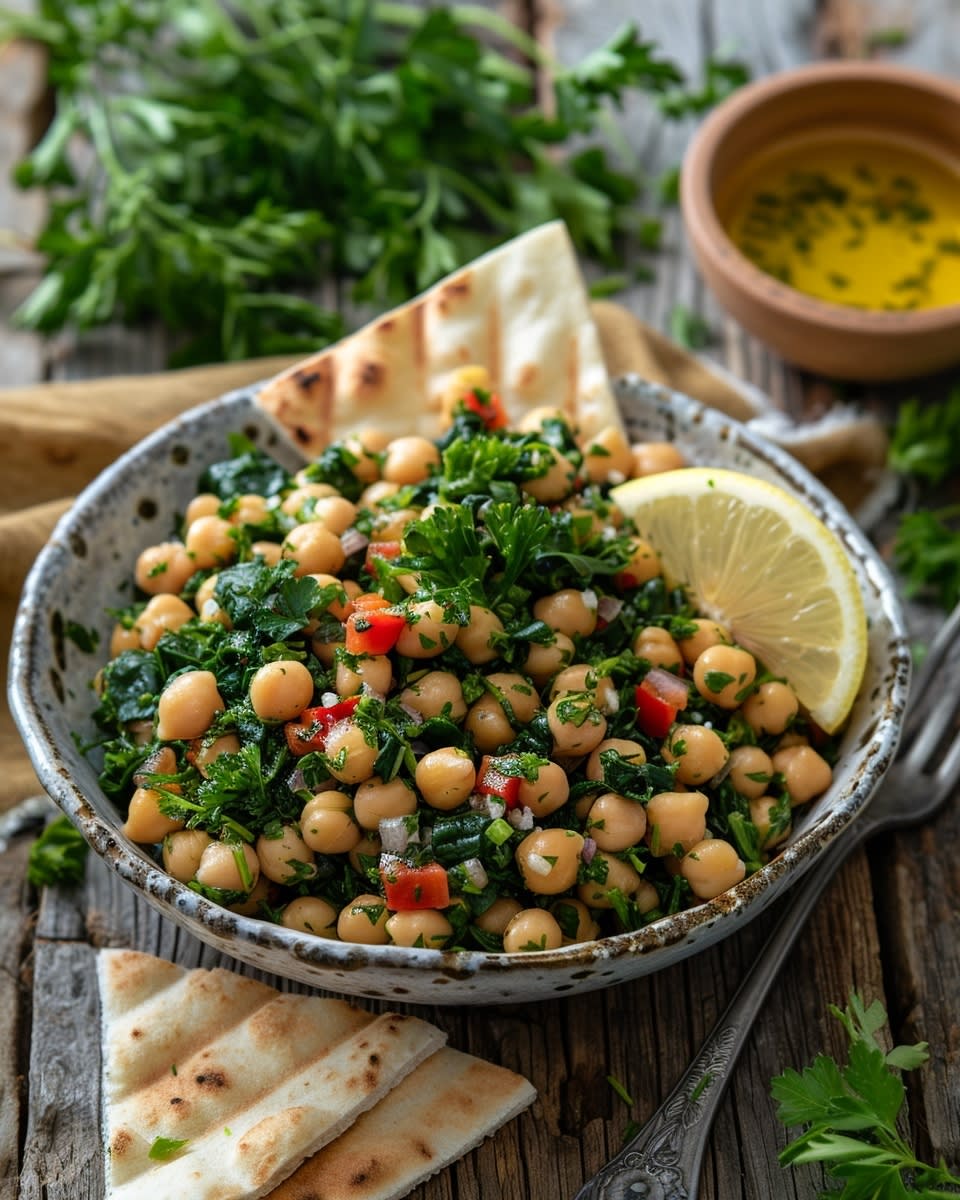
Last Tuesday, I came home after a long day with exactly 20 minutes before my next Zoom call. I was starving, but takeout wasn’t an option. That’s when I threw together what would become my go-to meal: a Spinach Chickpea Bowl. The best part? It tasted like I’d spent an hour cooking, but I was eating within 15 minutes.
The Spinach Chickpea Bowl has completely changed how I think about quick meals. This isn’t one of those dishes that leaves you hungry an hour later or makes you feel sluggish. It’s the kind of meal that actually gives you energy and keeps you full. I’ve made it at least twice a week for the past three months, and I’m still not bored with it.
What makes this bowl so great is how easy it is to customize. Following a vegan chickpea bowl diet? It works perfectly without any changes. Want to go for a Mediterranean chickpea bowl style? Add some olives and feta. Craving something with heat? Turn it into a spicy chickpea bowl with a few simple additions. The base stays the same, but you can adjust it to match whatever you’re in the mood for that day.
Let me tell you about the health benefits here, because they’re actually impressive. Spinach is packed with iron, which helps fight fatigue. It also has tons of vitamins A and C. Chickpeas bring protein and fiber to the table. One cup of chickpeas has about 15 grams of protein. That’s roughly the same as two eggs. The fiber keeps your digestion running smoothly and helps you stay full longer.
I first discovered this combination when I was looking for meals that wouldn’t make me crash in the afternoon. I used to eat sandwiches for lunch and would be falling asleep at my desk by 2 PM. Once I switched to these bowls, that afternoon slump disappeared. My energy levels stayed steady all day.
The texture combination is another reason I love this dish. You get the tender chickpeas, the slightly wilted spinach, and whatever grain you choose to add. Each bite has something different going on. It’s never boring or one-note.
This bowl also saves me money. When I was ordering lunch every day, I was spending at least $12 per meal. Now I can make four servings of this for about the same price as one takeout order. The ingredients are cheap and easy to find at any grocery store.
Ingredients for the Perfect Spinach Chickpea Bowl
The beauty of this bowl is that you don’t need many ingredients. I keep these items stocked in my pantry and fridge so I can make this meal anytime. Here’s what you’ll need for the basic version:
- Fresh spinach (about 4 cups, which will wilt down significantly)
- Canned chickpeas (one 15-ounce can, drained and rinsed)
- Olive oil (2 tablespoons for cooking)
- Garlic (3 cloves, minced or pressed)
- Lemon juice (from half a lemon, or about 2 tablespoons)
- Salt and pepper (to taste)
That’s the foundation. With just these six ingredients, you can make a delicious meal. But I rarely stop there. Let me share what I usually add to make it more filling and flavorful.
If you want to turn this into a complete meal that really sticks with you, add a grain. The chickpea bowl with rice combination is classic and works every time. I use brown rice because it has more fiber and keeps me full longer. White rice works too if that’s what you have. Cook about half a cup of dry rice, which will give you roughly 1.5 cups cooked.
Quinoa is my other favorite base for this bowl. It cooks faster than rice (about 15 minutes) and has even more protein. Plus, it’s naturally gluten-free if that matters to you. Quinoa adds a slightly nutty flavor that pairs really well with the chickpeas and spinach.
Now let’s talk about spices and seasonings. This is where you can really make the bowl your own. For a basic version that works with any style, I use:
- Cumin (1 teaspoon) – adds warmth and earthiness
- Paprika (1 teaspoon) – brings mild sweetness and color
- Garlic powder (half teaspoon, in addition to fresh garlic)
- Onion powder (half teaspoon) – adds depth
Want to make a spicy chickpea bowl? Here’s what I add when I’m craving heat:
- Red pepper flakes (half to 1 teaspoon, depending on your heat tolerance)
- Cayenne pepper (a quarter teaspoon for extra kick)
- Hot sauce (drizzle on top after cooking)
- Fresh jalapeños (sliced, added during cooking)
I learned the hard way not to go overboard with spice on your first try. Start with less and add more next time if needed. You can always make it spicier, but you can’t take the heat away once it’s there.
For a Mediterranean chickpea bowl flavor profile, I switch up the seasonings completely:
- Oregano (1 teaspoon dried, or 1 tablespoon fresh)
- Basil (1 teaspoon dried, or fresh leaves torn on top)
- Za’atar (1 teaspoon, if you have it)
- Fresh parsley (chopped, for garnish)
The chickpea tahini bowl version is probably my favorite when I want something creamy. For this style, you’ll want to make a quick tahini sauce. Add these to your ingredient list:
- Tahini paste (3 tablespoons)
- Water (2 tablespoons to thin the tahini)
- Extra lemon juice (1 tablespoon)
- Maple syrup (half teaspoon for balance)
Mix these together in a small bowl until smooth. The tahini will seize up at first when you add the water, but keep stirring and it will become creamy. Drizzle this over your finished bowl. It adds richness and makes the whole thing feel more indulgent.
If you want to go the chickpea and spinach curry route, you’ll need curry powder or a blend of curry spices. I use about 2 teaspoons of curry powder, plus a half cup of coconut milk added near the end of cooking. This transforms the dish into something completely different. It becomes saucier and has that warming curry flavor.
Here are some optional toppings that take this bowl from good to great:
- Cherry tomatoes (halved, adds freshness and acidity)
- Cucumber (diced, gives crunch)
- Red onion (thinly sliced, adds bite)
- Feta cheese (crumbled, if you’re not making it vegan)
- Avocado (sliced, adds healthy fats)
- Hemp seeds (sprinkled on top, extra protein)
- Nutritional yeast (for a cheesy flavor without dairy)
I keep most of these ingredients in my fridge throughout the week. That way, I can mix and match based on what sounds good that day. Sometimes I want the Mediterranean version with feta and tomatoes. Other days I crave the spicy version with avocado to cool things down.
One tip I’ve learned: always have canned chickpeas in your pantry. I buy them by the case now. They last forever and you can use them in so many ways. Same with spinach – I buy the big container of baby spinach every week because I know I’ll use it all.


Variations and Flavors That Keep This Bowl Interesting
Now that you’ve got all your ingredients ready, let’s talk about how to actually transform them into different flavor experiences. I promise this is where things get fun, because the same basic ingredients can taste completely different depending on which direction you take them.
The Mediterranean chickpea bowl is probably where I started getting really creative with this recipe. My friend Sofia is Greek, and after eating at her family’s house one Sunday, I realized I could bring those same flavors into my weeknight meals. The key is using lots of lemon, oregano, and adding some olives. I usually throw in about a quarter cup of kalamata olives, sliced in half. They add this salty, briny punch that makes the whole bowl taste more complex.
For the Mediterranean version, I also add cherry tomatoes while the chickpeas are cooking. Just toss them in the pan for the last two minutes. They’ll soften slightly and release some of their juices, which creates this light, flavorful sauce that coats everything. If you’re not strictly following a vegan chickpea bowl approach, crumble some feta cheese on top right before eating. The cold, tangy feta against the warm chickpeas is amazing.
Here’s something interesting about the Hello Fresh version of this dish. The mediterranean chickpea bowl hello fresh kit includes a lemony yogurt sauce that I’ve tried to recreate at home. They use Greek yogurt mixed with lemon zest, a bit of garlic, and fresh dill. I make my own version now by mixing half a cup of Greek yogurt with the zest of one lemon, one minced garlic clove, and about a tablespoon of chopped fresh dill. This sauce adds creaminess and tanginess that balances the earthiness of the chickpeas perfectly.
The chickpea tahini bowl variation deserves its own paragraph because it’s genuinely transformative. Tahini has this rich, almost nutty flavor that makes everything taste more substantial. When I first tried tahini, I thought it was just for hummus, but it’s so much more versatile than that. The tahini sauce I mentioned earlier gets drizzled over the top, but I also sometimes mix a spoonful directly into the spinach while it’s cooking. This creates little pockets of creamy richness throughout the bowl.
By the way, if you’ve never worked with tahini before, make sure you stir the jar really well before using it. The oil separates and sits on top, so you need to mix it thoroughly. I learned this after making a tahini sauce that was way too thick and another one that was way too oily. Once properly mixed, tahini should have the consistency of natural peanut butter.
The chickpea and spinach curry is what I make when I want something that feels like comfort food. This version is saucier and works best served over rice. I start by cooking the chickpeas with curry powder, turmeric, and a bit of ginger. Then I add coconut milk and let everything simmer for about five minutes. The spinach goes in last, wilting into that golden curry sauce. The result tastes like something from a restaurant, but it still only takes about 20 minutes.
One time I made this curry version for my sister, who claimed she didn’t like chickpeas. She finished the entire bowl and asked for the recipe. Sometimes presentation and flavoring can completely change how people perceive an ingredient they thought they didn’t enjoy.
For the spicy chickpea bowl lovers out there, I’ve developed a technique that builds layers of heat. First, I cook the chickpeas with red pepper flakes and a bit of cayenne. Then I add some sriracha to the spinach as it wilts. Finally, I top the finished bowl with sliced fresh jalapeños and a drizzle of hot sauce. This gives you different types of heat – the slow burn from the cayenne, the vinegary kick from the sriracha, and the fresh heat from the jalapeños. It’s much more interesting than just dumping hot sauce on top at the end.
Funny enough, my spice tolerance has increased dramatically since I started making these bowls regularly. I used to think mild salsa was too hot. Now I’m adding a whole teaspoon of cayenne to my meals without thinking twice. Your taste buds really do adapt.
If you’re looking for other grain-based bowls that offer similar satisfaction, you might enjoy a lentil quinoa bowl which follows the same basic concept but with different legumes and flavors. The techniques transfer really well between these types of dishes.
Preparing Your Spinach Chickpea Bowl Step by Step
Alright, let’s actually make this thing. I’m going to walk you through exactly how I prepare this bowl from start to finish. The order of operations matters more than you might think.
First thing: if you’re including a grain, start cooking that before you do anything else. Rice takes the longest, so get that going first. I use a rice cooker because it’s foolproof, but a pot on the stove works just fine. For one serving, cook about a third cup of dry rice with two-thirds cup of water. If you’re using quinoa, it’s one part quinoa to two parts water, and it’ll be done in 15 minutes.
While your grain is cooking, drain and rinse your chickpeas. This step is actually important – the liquid in the can (called aquafaba) can make things too watery and also has a slightly metallic taste. I put the chickpeas in a strainer and run cold water over them for about 30 seconds, shaking the strainer a few times.
Here’s the thing: you can use your chickpeas as-is, but I prefer to dry them a bit with a kitchen towel. This helps them get slightly crispy when they hit the hot pan. Just spread them on a clean kitchen towel and pat them gently. Some of the skins will come off, which is totally fine. I used to obsessively remove all the skins because I read somewhere that you should, but honestly, it doesn’t make enough difference to be worth the time.
Heat your largest skillet over medium-high heat. This is important – if your pan isn’t hot enough, the chickpeas will steam instead of getting that nice exterior. Add the two tablespoons of olive oil and let it heat for about 30 seconds. You’ll know it’s ready when you add one chickpea and it sizzles immediately.
Add all your chickpeas to the pan in a single layer if possible. Don’t stir them right away. This was a game-changer for me. I used to constantly stir everything while cooking, but letting the chickpeas sit undisturbed for about three minutes allows them to develop a golden, slightly crispy exterior. After three minutes, give them a stir and let them cook for another two minutes.
Now add your garlic and whatever spices you’re using. The garlic should cook for just about 30 seconds – any longer and it starts to burn and taste bitter. I learned this the hard way after making several bowls that tasted weirdly acrid. If you’re making the curry version, this is when you add your curry powder and let it bloom in the oil for about 15 seconds before adding the coconut milk.
The spinach comes next, and this part always looks dramatic. You’ll think you’re adding way too much spinach because the pan will be overflowing. But spinach loses about 90 percent of its volume when it cooks. Just start adding it by the handful, stirring as you go. It’ll wilt down within about two minutes. I usually add it in two or three batches, waiting for each batch to wilt a bit before adding more.
Once all your spinach is wilted, add your lemon juice and salt. Toss everything together and turn off the heat. The residual heat will continue cooking everything while you assemble your bowl, and you don’t want to overcook the spinach until it becomes mushy and drab.
Now for the assembly, which is where you can make this look really impressive. I use wide, shallow bowls rather than deep ones because you can see all the components better. Start with your grain on the bottom, spreading it out evenly. Then spoon the chickpea and spinach mixture on top. I usually place it on one side of the bowl rather than covering the whole thing, because then you have room for toppings.
This layering approach also works great for meal prep. You can keep the grain, the chickpea mixture, and your toppings in separate containers. Then when you’re ready to eat, just heat up the grain and chickpeas and assemble everything fresh. The textures stay much better this way than if you mix everything together ahead of time.
If you’re into meal prepping bowls like this, you might also appreciate how I prepare my roasted chicken and veggies using similar assembly techniques that keep everything fresh throughout the week.
For presentation, I arrange my toppings in separate sections. Cherry tomatoes in one area, cucumber in another, maybe some avocado slices fanned out on the side. It looks like something from a restaurant, but it takes literally 30 seconds to arrange. I drizzle my tahini sauce or yogurt sauce in a zigzag pattern across the top. Sometimes I take a photo before eating because it looks that good.
One last tip about cooking the chickpeas to perfection: if you have extra time and want them even crispier, you can roast them in the oven before adding them to the bowl. Toss the drained chickpeas with olive oil and spices, spread them on a baking sheet, and roast at 400 degrees for about 20 minutes. They’ll become almost crunchy, like a healthier version of croutons. This technique also works well for adding to baked salmon salad as a protein-rich topper.
The beauty of this preparation method is that once you’ve made it a few times, you won’t need to follow steps anymore. It becomes intuitive. Start the grain, cook the chickpeas, wilt the spinach, assemble. The whole process flows naturally, and you can have dinner ready faster than you could get delivery. Plus, unlike a veggie soup with beans that requires more simmering time, this bowl comes together quickly while still delivering amazing flavor and satisfaction.


Health Benefits and Nutritional Value
Let’s get real about why this bowl is so good for you. I’m not going to bore you with every single vitamin and mineral, but there are some genuinely impressive health benefits here that are worth understanding.
Chickpeas are basically nutritional powerhouses. One cup gives you about 15 grams of protein, 12 grams of fiber, and significant amounts of iron, folate, and manganese. The fiber content is particularly noteworthy because most Americans don’t get nearly enough fiber in their diets. That fiber does several important things – it keeps your digestive system working smoothly, helps control blood sugar levels, and keeps you feeling full for hours after eating.
I used to crash hard around 3 PM every afternoon. Like, couldn’t-keep-my-eyes-open kind of tired. My doctor suggested I look at what I was eating for lunch. Turns out, my usual sandwich and chips combo was causing blood sugar spikes followed by crashes. Once I switched to meals with more fiber and protein, like this chickpea bowl with rice, my energy stayed consistent throughout the day. No more desperate trips to the coffee machine at 2:30.
The protein in chickpeas is also plant-based, which is why this works so well as a vegan chickpea bowl. You’re getting substantial protein without any animal products. This matters for people following plant-based diets, but honestly, it’s beneficial for everyone to incorporate more plant proteins into their meals. They come with fiber and other nutrients that animal proteins don’t provide.
Spinach brings its own impressive nutritional profile to the table. It’s loaded with vitamin K, which is crucial for bone health and blood clotting. One cup of cooked spinach gives you more than 800 percent of your daily vitamin K needs. It also contains high amounts of vitamin A, which supports eye health and immune function. My optometrist actually mentioned that eating more leafy greens could help with my eye strain from staring at screens all day.
Here’s something interesting about spinach and iron absorption. Spinach does contain iron, but it’s non-heme iron, which your body doesn’t absorb as easily as the iron from meat. However, the vitamin C from the lemon juice I add to this bowl actually helps your body absorb that iron more efficiently. I didn’t plan this – I just added lemon because it tasted good – but it turns out there’s actual nutritional science backing up why these ingredients work so well together.
The combination of chickpeas and spinach also gives you a good amount of calcium, magnesium, and potassium. These minerals are essential for muscle function, nerve signaling, and maintaining healthy blood pressure. My mom has been dealing with high blood pressure, and her doctor told her to eat more potassium-rich foods. She’s been making this bowl twice a week, and her numbers have improved. Obviously, one meal isn’t a miracle cure, but it’s part of an overall healthier eating pattern.
When you add olive oil to this dish, you’re incorporating healthy monounsaturated fats. These fats are good for heart health and help your body absorb the fat-soluble vitamins in the spinach. Plus, they add flavor and help you feel satisfied after eating. Fat has gotten such a bad reputation over the years, but your body actually needs healthy fats to function properly.
If you make the chickpea tahini bowl version, you’re adding even more nutritional benefits. Tahini is made from sesame seeds, which contain calcium, healthy fats, and B vitamins. It’s calorie-dense, so you don’t need much, but a couple tablespoons adds richness and nutritional value.
One major advantage of this bowl for maintaining a balanced diet is how easy it is to control portions and know exactly what you’re eating. When you order restaurant meals or eat packaged foods, you often have no idea how much oil, salt, or hidden ingredients are in there. Making this at home means you control everything. I typically use just two tablespoons of olive oil for two servings, which is a reasonable amount of healthy fat.
The USDA provides helpful guidelines about healthy cooking methods that preserve nutrients in vegetables, and the quick sauté method I use for this bowl fits perfectly with their recommendations. You’re cooking the spinach just until wilted, which preserves more vitamins than if you boiled it for a long time.
Incorporating this dish into your weekly meal plan offers several practical benefits beyond just nutrition. First, it introduces variety while still being familiar and easy to prepare. I make some version of this bowl at least three times a week, but because I rotate between the Mediterranean, spicy, and curry variations, it never feels repetitive.
Second, having a reliable healthy meal in your rotation makes it much easier to stick to good eating habits. When I don’t have easy healthy options available, I’m much more likely to order takeout or grab something convenient but not nutritious. Knowing I can throw together a satisfying vegan chickpea bowl in 15 minutes removes the excuse of “healthy food takes too long.”
This bowl also works well for meal prep, which is crucial for maintaining healthy eating throughout a busy week. I usually cook a big batch of rice or quinoa on Sunday, prepare several servings of the chickpea and spinach mixture, and chop all my toppings. Then during the week, I just assemble everything in five minutes. This approach has probably saved me from ordering pizza at least once a week.
By the way, if you’re looking for more ideas to keep your midday meals interesting and nutritious, exploring different healthy lunch ideas can help you build a rotation of go-to recipes that prevent meal fatigue while supporting your health goals.
The anti-inflammatory properties of this meal are worth mentioning too. Both spinach and chickpeas contain compounds that help reduce inflammation in the body. Chronic inflammation is linked to all sorts of health problems, from heart disease to arthritis. The spices I add – especially turmeric in the curry version – have additional anti-inflammatory benefits.
For anyone managing their weight, this bowl is incredibly helpful. It’s filling and satisfying, which means you’re less likely to snack later or overeat at your next meal. The combination of protein, fiber, and healthy fats hits all the satiety signals in your body. I’m genuinely full for four to five hours after eating this, which is longer than most meals keep me satisfied.
The beauty of dishes like this is they prove that healthy eating doesn’t have to be complicated, expensive, or time-consuming. You don’t need exotic ingredients or complicated techniques. Just simple, whole foods prepared in a way that tastes good and makes you feel good.
Frequently Asked Questions About Spinach Chickpea Bowls
How can I make the Spinach Chickpea Bowl spicier?
There are several ways to add heat depending on your preference. Start by adding red pepper flakes or cayenne pepper while cooking the chickpeas – I usually use half to one teaspoon depending on how brave I’m feeling. You can also stir in sriracha or harissa paste with the spinach for a different type of heat. For fresh heat, top your finished bowl with sliced jalapeños or serrano peppers. Hot sauce at the end is always an option too, and it lets each person control their own spice level if you’re serving others.
What are some good toppings for the Spinach Chickpea Bowl?
The topping possibilities are basically endless, which is part of what keeps this bowl interesting. I regularly use cherry tomatoes, cucumber, avocado, and red onion for freshness and crunch. Feta cheese or crumbled goat cheese adds tanginess if you’re not keeping it vegan. Seeds like hemp, sunflower, or pumpkin add protein and texture. Fresh herbs like parsley, cilantro, or mint brighten everything up. Pickled vegetables like red onions or jalapeños add acidity and complexity. Just choose two or three toppings rather than piling on everything at once.
Can I use canned chickpeas instead of cooking them from scratch?
Absolutely, and honestly, I almost always use canned chickpeas. They’re convenient, affordable, and work perfectly for this recipe. Just make sure to drain and rinse them well to remove that slightly metallic liquid they’re packed in. The only time I cook chickpeas from scratch is when I’m already making a huge batch for multiple meals throughout the week. Dried chickpeas are cheaper per serving, but canned ones save so much time that they’re worth the small extra cost in my opinion.
Is the Spinach Chickpea Bowl suitable for people with dietary restrictions?
This bowl is incredibly adaptable to different dietary needs. The basic version is naturally vegan, vegetarian, dairy-free, and can easily be made gluten-free by choosing quinoa or rice instead of grains containing gluten. It’s also nut-free unless you add the tahini sauce, which you can easily skip or replace with a different dressing. For low-carb diets, you can skip the grain and double the spinach. The ingredients are whole foods without common allergens, making it suitable for most people with dietary restrictions.
How can I store leftovers of the Spinach Chickpea Bowl?
I store the components separately for best results. The grain goes in one container, the chickpea and spinach mixture in another, and any fresh toppings in a third container. Everything keeps in the refrigerator for about four days. The grain and chickpea mixture reheat well in the microwave or on the stovetop. Just add a splash of water or lemon juice when reheating to prevent things from drying out. Assemble with fresh toppings right before eating. If you’ve already mixed everything together, it’ll still keep for three days, but the textures won’t be quite as good.
Can I make this bowl ahead for meal prep?
This bowl is actually perfect for meal prep, which is one of my favorite things about it. I usually prepare four servings on Sunday afternoon. Cook your grain in a large batch, make a double or triple recipe of the chickpea and spinach mixture, and prep all your toppings. Store everything separately in containers. During the week, you just reheat and assemble, which takes maybe five minutes. The chickpea mixture actually tastes even better the next day after the flavors have had time to blend together.
What’s the best grain to use as a base for this bowl?
It really depends on what you’re going for. Brown rice is my default because it’s filling, affordable, and has a neutral flavor that works with any variation. Quinoa cooks faster and has more protein, plus it’s naturally gluten-free. White rice works fine if that’s what you have. Farro adds a chewy texture and nutty flavor that I really like with the Mediterranean version. Cauliflower rice is great if you’re watching carbs. Honestly, I’ve tried this bowl with at least seven different grains, and they all work.
Can I add other vegetables to this bowl?
Definitely! While spinach is the star, I often add other vegetables depending on what I have in my fridge. Roasted sweet potato cubes are amazing in this – they add sweetness and more fiber. Sautéed bell peppers work well, especially in the Mediterranean version. I sometimes add shredded carrots for crunch and color. Roasted cauliflower or broccoli florets make it more substantial. Just keep in mind that adding too many vegetables can make the bowl feel cluttered, so I usually stick to one or two additions beyond the spinach.
How do I prevent my chickpeas from getting mushy?
The key is not overcooking them and making sure they’re somewhat dry before they hit the pan. After draining and rinsing canned chickpeas, pat them dry with a kitchen towel. Use medium-high heat and let them cook undisturbed for a few minutes before stirring. This helps them develop a slightly crispy exterior instead of steaming. Don’t add liquid until the chickpeas have cooked for at least five minutes. If you add the spinach too early or with too much moisture, everything will steam rather than sauté, which leads to mushy chickpeas.
Is this bowl filling enough to be a complete meal?
For me, yes, especially when I include a grain as the base. The combination of protein from chickpeas, fiber from both the chickpeas and spinach, and complex carbs from the grain creates a balanced meal that keeps me full for hours. If I skip the grain, I’m usually hungry again within two hours, so I’d consider that more of a side dish or light meal. Adding toppings like avocado or tahini sauce increases the healthy fat content, which also helps with satiety. My husband, who’s much bigger than me, sometimes adds a fried egg on top to make it even more substantial.
Making this Spinach Chickpea Bowl part of your regular meal rotation is honestly one of the easiest ways to eat healthier without feeling like you’re sacrificing flavor or spending hours in the kitchen. Start with the basic version, find your favorite variation, and don’t be afraid to make it your own.
Ingredients
Equipment
Method
- Cook the grain according to package instructions if using.
- Drain and rinse the chickpeas under cold water and pat dry.
- Heat olive oil in a skillet over medium-high heat and add chickpeas in a single layer. Cook for 3 minutes without stirring.
- Stir the chickpeas and continue cooking for another 2 minutes.
- Add minced garlic and any optional spices, cooking for 30 seconds.
- Add spinach gradually, allowing it to wilt while stirring.
- Once spinach is wilted, add lemon juice, salt, and pepper; toss to combine.
- Assemble the bowl with your cooked grain, chickpea-spinach mixture, and any desired toppings.