
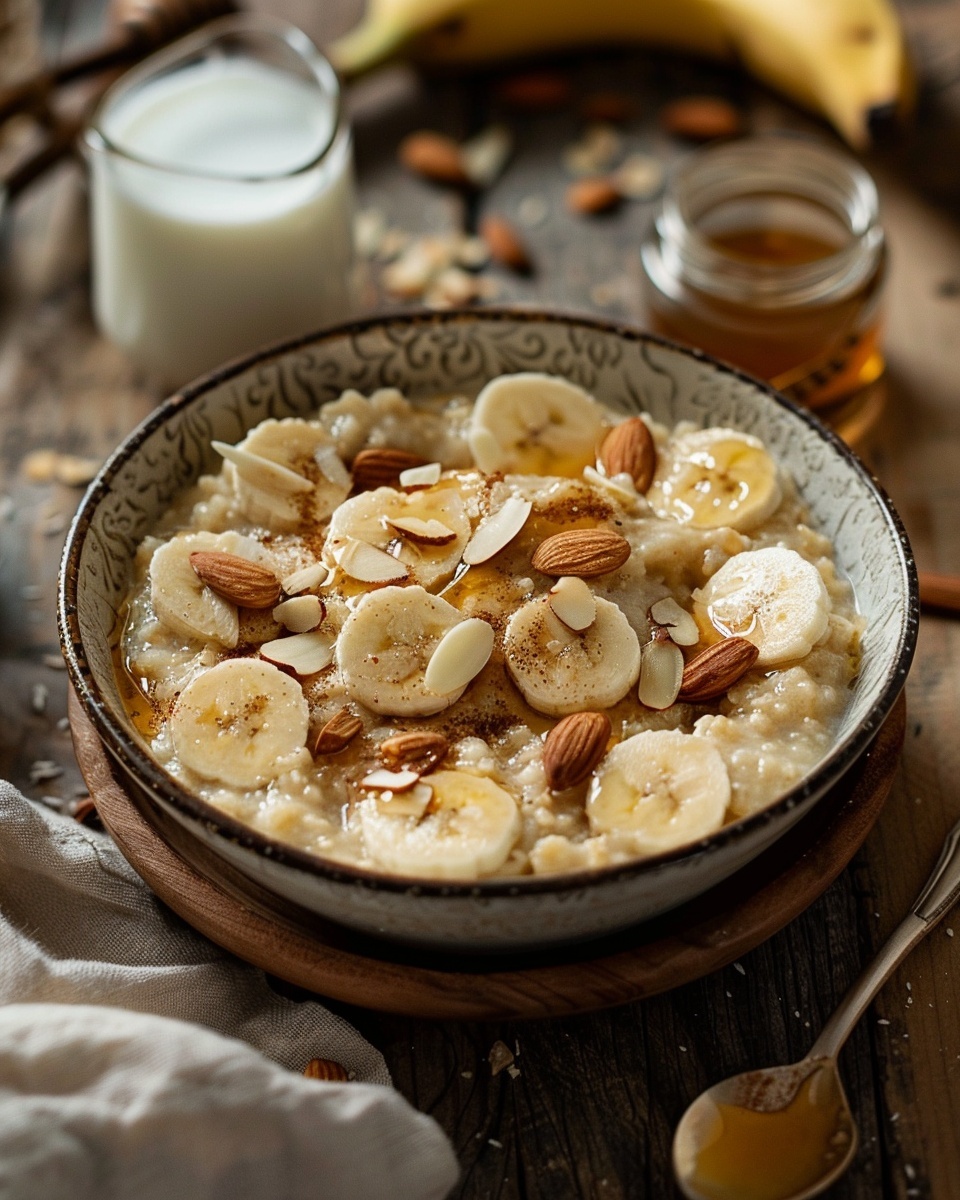
Introduction to Vanilla Almond Breakfast Porridge
I still remember the first time I tried vanilla almond breakfast porridge on a cold January morning. My kitchen smelled like a cozy bakery, and that first warm spoonful changed how I thought about breakfast forever. No more grabbing processed cereal or skipping the most important meal of the day.
If you’re tired of boring breakfasts that leave you hungry an hour later, vanilla almond breakfast porridge might be exactly what you need. This simple bowl of comfort gives you energy that lasts, tastes amazing, and takes less time to make than a trip through a drive-thru. I’m excited to share why this breakfast has become my go-to choice on busy mornings and lazy weekends alike.
The best part? You don’t need to be a chef or own fancy kitchen equipment. Just a few simple ingredients and about ten minutes of your time. Let me walk you through everything you need to know about this warming, satisfying breakfast that your whole family will love.
What is Vanilla Almond Breakfast Porridge?
Vanilla almond breakfast porridge is a creamy, warm breakfast dish that combines the heartiness of cooked grains with the sweet aroma of vanilla and the rich, nutty taste of almonds. Think of it as your regular morning porridge but elevated with flavors that make each bite feel like a treat.
The base of this dish is typically oats, though you can use other grains like quinoa or rice. The magic happens when you add pure vanilla extract or vanilla bean paste during cooking. Then you fold in sliced almonds or almond butter for that satisfying crunch and smooth texture. The result is a bowl that’s both comforting and exciting at the same time.
I learned through trial and error that the key to perfect vanilla almond breakfast porridge is the ratio of liquid to oats. Too much liquid makes it soupy. Too little leaves it dry and clumpy. You want that creamy, spoonable consistency that coats your spoon without being too thick.
The Main Ingredients That Make It Special
Let’s break down what goes into this amazing breakfast bowl. The beauty lies in the simplicity of the ingredients.
The porridge base usually consists of rolled oats, steel-cut oats, or quick oats. I prefer rolled oats because they cook quickly and create that perfect creamy texture. Steel-cut oats take longer but give you a chewier bite. Quick oats work when you’re really rushed, though they can get mushy if you’re not careful.
Vanilla brings warmth and natural sweetness without adding sugar. I use pure vanilla extract most days, but when I want to impress myself or guests, I’ll scrape a real vanilla bean into the pot. The tiny black specks look fancy, and the flavor is incredible. A little goes a long way, so start with half a teaspoon and adjust to your taste.
Almonds add protein, healthy fats, and that nutty flavor that makes this porridge stand out. You have options here. Sliced almonds give you crunch when toasted. Almond butter makes the porridge extra creamy. Almond milk works as your cooking liquid for a dairy-free version. I often use all three for maximum almond goodness.
The liquid you choose matters too. I’ve made this porridge with regular milk, almond milk, oat milk, and even coconut milk. Each one creates a slightly different flavor and texture. Water works in a pinch, but milk makes it creamier and more satisfying.
The Creamy and Comforting Texture
One thing that sets vanilla almond breakfast porridge apart is the texture. When cooked properly, it’s thick enough to hold together on your spoon but smooth enough to glide across your tongue. Not gummy, not watery, but just right.
The oats release their starches as they cook, creating natural creaminess without needing heavy cream or lots of butter. This happens through gentle simmering and occasional stirring. I usually cook mine over medium-low heat, stirring every minute or so. This prevents sticking and helps achieve that velvety consistency.
Adding almond butter at the end takes the creaminess to another level. It melts into the warm porridge and creates swirls of nutty richness. Even a tablespoon makes a noticeable difference in both texture and taste.
Temperature matters too. Porridge continues to thicken as it cools. I serve mine when it’s hot but not scalding. If it sits for a few minutes and gets too thick, a splash of warm milk loosens it right back up.
Natural Sweetness and Nutty Flavor
You might be surprised to learn that vanilla almond breakfast porridge doesn’t need much added sugar. The vanilla provides natural sweet notes that trick your taste buds into thinking the dish is sweeter than it actually is. This makes it perfect for anyone watching their sugar intake.
The almonds bring an earthy, slightly sweet nuttiness that balances the vanilla beautifully. When you toast sliced almonds before adding them, they become even more flavorful. I keep a small pan on the stove just for this. A couple of minutes over medium heat transforms bland almonds into aromatic, golden pieces of deliciousness.
I like to add a drizzle of honey or maple syrup if I’m in the mood for extra sweetness. But many mornings, I skip it entirely. The combination of vanilla and almonds satisfies my sweet tooth without any refined sugar.
Fresh fruit on top adds natural sweetness too. Sliced bananas, berries, or diced apples complement the vanilla almond flavors without overwhelming them. Plus, you get extra vitamins and fiber.
Can Vanilla Go Into Porridge?
Yes, vanilla absolutely belongs in porridge. In fact, it’s one of the best additions you can make to an otherwise plain bowl of oats. Vanilla has been used in cooking for centuries, and breakfast dishes are some of its best applications.
Some people worry that vanilla is only for desserts, but that’s not true at all. Vanilla extract is made from vanilla beans soaked in alcohol, and it adds depth and warmth to both sweet and savory dishes. In porridge, it enhances the natural grain flavors while adding its own subtle sweetness.
I add my vanilla extract after the porridge has cooked but while it’s still hot. Heat can sometimes make vanilla taste bitter if it cooks too long. Stirring it in at the end preserves the pure vanilla flavor you’re looking for.
If you prefer vanilla bean paste or scraped vanilla beans, you can add those at the beginning of cooking. The seeds hold up better to heat than extract does. Either way, vanilla transforms plain porridge into something special without adding calories, sugar, or anything artificial.
The vanilla also makes your kitchen smell amazing while the porridge cooks. My kids come running when they catch that scent drifting from the kitchen. It’s like a breakfast invitation that nobody can resist.


Health Benefits of Vanilla Almond Breakfast Porridge
Beyond the delicious aroma and comforting warmth, this breakfast brings some serious nutritional advantages to your morning routine. I started paying attention to these benefits when my doctor suggested I needed more fiber and better breakfast choices. Turns out, I’d accidentally stumbled onto something really good for my body.
The oats in your porridge deliver complex carbohydrates that break down slowly, giving you steady energy instead of the crash you get from sugary cereals. Each serving packs about 4 grams of fiber, which is roughly 15% of what you need daily. That fiber comes in two types: soluble and insoluble. The soluble kind forms a gel-like substance in your digestive system that helps lower cholesterol levels. I had no idea breakfast could actually help my heart health until my nutritionist explained this to me.
Now, here’s where things get even better. The combination of oats and almonds creates what I call a nutritional powerhouse duo. While the oats provide sustained energy and fiber, the almonds bring protein and healthy fats to the table. Just a quarter cup of sliced almonds adds about 6 grams of protein and 14 grams of healthy monounsaturated fats. These fats are the same kind found in olive oil and avocados, the ones that actually support brain function and reduce inflammation.
Almonds also contain vitamin E, magnesium, and calcium. The vitamin E acts as an antioxidant, protecting your cells from damage. Magnesium helps with muscle function and energy production. My personal favorite benefit? The magnesium helps me feel calmer and less stressed throughout the morning. Science backs this up too.
The vanilla isn’t just there to smell pretty, either. While it doesn’t add many vitamins or minerals, vanilla contains small amounts of antioxidants and has been linked to reduced inflammation. Some studies suggest vanilla’s aroma alone can have calming effects on your nervous system. I’m not saying it’s a miracle cure, but starting your day with something that tastes good and helps you relax seems like a win to me.
When you’re cooking something like Cajun steak tips in cheesy creamy Parmesan rotini for dinner, you’re probably not thinking about health benefits. But breakfast is different. It sets the tone for your entire day, and this porridge does it right.
What Are the Benefits of Almond Porridge?
Let me get specific about why adding almonds to your morning bowl changes everything. I used to make plain oatmeal and wonder why I felt hungry again by 10 a.m. Then I started adding almonds, and suddenly I could make it to lunch without snacking.
The protein and fat content in almonds slows down how quickly your body processes the carbs from the oats. This means your blood sugar stays stable instead of spiking and crashing. For anyone dealing with energy slumps or sugar cravings mid-morning, this makes a huge difference. My afternoon coffee habit basically disappeared once I got serious about eating almond porridge for breakfast.
Almond porridge specifically supports digestive health too. The fiber from both the oats and the almonds feeds the good bacteria in your gut. I know that sounds weird, but those bacteria need food just like we do, and fiber is their favorite meal. A healthy gut means better digestion, stronger immunity, and even improved mood. My digestive issues cleared up after about two weeks of consistent almond porridge breakfasts.
By the way, almonds are naturally gluten-free, and if you use certified gluten-free oats, your whole breakfast becomes safe for people with gluten sensitivities. I make this for my friend who has celiac disease, and she loves having a warm, comforting breakfast option that doesn’t upset her stomach.
The weight management benefits deserve mention too. Because almond porridge keeps you full and satisfied, you’re less likely to reach for unhealthy snacks later. The healthy fats signal to your brain that you’ve eaten something substantial. This isn’t about restriction or deprivation. It’s about feeling genuinely satisfied from your breakfast.
Is Porridge a Good Breakfast When Trying to Lose Weight?
I get asked this question all the time, especially in January when everyone’s focused on health goals. The short answer is yes, but let me explain why it actually works instead of just being another diet trend that fizzles out by February.
Porridge, especially vanilla almond breakfast porridge, checks all the boxes for a weight-loss-friendly meal. First, it’s filling. That fiber I mentioned earlier? It absorbs water and expands in your stomach, creating a feeling of fullness that lasts for hours. When I eat this for breakfast, I’m not thinking about food again until lunchtime. Compare that to a muffin or a bagel, which leave me starving within an hour.
The protein from the almonds plays a critical role here. Protein takes more energy to digest than carbs or fat, meaning your body burns more calories just processing your breakfast. It also helps preserve muscle mass when you’re in a calorie deficit. Losing weight without losing muscle is the goal, and protein helps you do that.
Funny enough, the vanilla actually helps with weight loss too, in an unexpected way. Because it makes the porridge taste slightly sweet without adding sugar, it satisfies sweet cravings naturally. I used to add two tablespoons of brown sugar to my oatmeal. Now I use vanilla and maybe a drizzle of honey, cutting my sugar intake significantly without feeling like I’m missing out.
Here’s the thing though: porridge only supports weight loss if you don’t load it up with high-calorie toppings. A basic bowl of vanilla almond porridge has around 250-300 calories. Add a tablespoon of almond butter, some sliced bananas, and a sprinkle of almonds, and you’re looking at a 400-calorie breakfast that keeps you energized and full. That’s reasonable and sustainable.
But if you dump in chocolate chips, brown sugar, dried fruit, granola, and a heavy pour of cream, you’ve created a 700-calorie dessert masquerading as breakfast. I learned this the hard way when I couldn’t figure out why I wasn’t losing weight despite “eating healthy.” Turns out, my “healthy” porridge had more calories than a creamy Cajun chicken rotini in garlic cheddar Parmesan sauce.
The beauty of porridge for weight management is its flexibility. You control exactly what goes into your bowl. Want to keep it lower in calories? Use water or unsweetened almond milk instead of whole milk. Skip the extra sweeteners and let the vanilla do its job. Top with fresh berries instead of dried fruit. These small changes add up without making you feel deprived.
One strategy that worked for me was adding volume without adding many calories. I’d stir in grated apple or mashed banana while the oats cooked. This made my portion look bigger and added natural sweetness and extra fiber. Psychologically, eating a larger bowl helped me feel more satisfied, even though the calorie count stayed reasonable.
Another trick: add a handful of spinach or grated zucchini to your porridge while it cooks. I know that sounds strange, but you honestly can’t taste it once you’ve added the vanilla and almonds. The greens add vitamins, minerals, and fiber without changing the flavor. My kids have no idea they’re eating vegetables for breakfast, and I’m not telling them.
For anyone serious about weight loss, preparing your porridge with intention makes all the difference. Measure your portions, especially the nuts and any added sweeteners. Those calories sneak up on you fast. I keep a quarter-cup measure in my almond container so I don’t accidentally pour half a cup and wonder why my jeans still don’t fit.
The fiber content deserves another mention here because it’s so crucial for weight loss. Fiber slows digestion, stabilizes blood sugar, and keeps you feeling full. It also helps with regular bathroom habits, which is important when you’re changing your eating patterns. Nobody talks about this enough, but digestive regularity matters when you’re trying to lose weight. Fiber helps everything move along smoothly, if you know what I mean.
Making your porridge even more nutritious doesn’t require complicated ingredients or expensive supplements. Here are some simple additions that boost nutrition without sabotaging your goals: a tablespoon of ground flaxseed adds omega-3 fatty acids and fiber; chia seeds provide protein and create an even creamier texture; a sprinkle of cinnamon helps regulate blood sugar; fresh or frozen berries add antioxidants and vitamin C; a dollop of Greek yogurt increases protein significantly.
I rotate through these additions to keep things interesting. Monday might be blueberries and flaxseed. Wednesday could be sliced strawberries and chia seeds. Friday I’ll go wild with raspberries, a small spoonful of almond butter, and some sliced almonds toasted until golden. The variety prevents breakfast boredom, which is a real thing that derails many people’s healthy eating plans.
Remember, sustainable weight loss isn’t about perfection or restriction. It’s about finding foods that nourish your body, taste good, and keep you satisfied. Vanilla almond breakfast porridge does all three. It’s not magic, but it’s a solid foundation for a healthy eating pattern that you can actually stick with long-term. And honestly? That’s worth more than any quick-fix diet out there.


How to Make Vanilla Almond Breakfast Porridge
Alright, let’s get to the fun part. I’m going to walk you through exactly how I make this porridge every morning. No fancy chef techniques required, I promise. If you can boil water and stir a pot, you can make this.
Here’s what you’ll need for one generous serving, though I usually double the recipe because my husband sneaks bites when he thinks I’m not looking:
Ingredients
- ½ cup rolled oats (not instant, those get too mushy)
- 1 cup milk of your choice (I swap between regular whole milk and unsweetened almond milk)
- ¼ cup water (this helps prevent the porridge from getting too thick)
- ½ teaspoon pure vanilla extract (the real stuff, not imitation)
- 1 tablespoon almond butter (smooth or crunchy, your call)
- 2 tablespoons sliced almonds
- Pinch of salt (trust me on this, it makes everything taste better)
- Optional: 1 teaspoon honey or maple syrup if you want it sweeter
Step-by-Step Instructions
Step 1: Toast those almonds first. Heat a small dry pan over medium heat and add your sliced almonds. Shake the pan every thirty seconds or so. They’ll go from pale to golden in about three minutes. Once you smell that nutty aroma, take them off the heat immediately. Burned almonds taste awful, and I’ve ruined plenty of batches by walking away to check my phone.
Step 2: In a medium saucepan, combine your oats, milk, water, and that pinch of salt. Turn the heat to medium and give it a good stir. I use a wooden spoon because it feels more authentic, but any spoon works fine.
Step 3: Bring the mixture to a gentle simmer. You’ll see small bubbles forming around the edges. Once that happens, reduce the heat to medium-low. This is where patience comes in. You want a slow, steady bubble, not a rolling boil.
Step 4: Stir the porridge every minute or so for about five to seven minutes. You’ll notice it getting thicker and creamier. The oats will absorb the liquid and start releasing their natural starches. This is the magic moment when plain ingredients transform into something wonderful.
Step 5: When the porridge reaches your desired thickness (I like mine thick enough to coat the back of my spoon but still pourable), remove it from the heat. Stir in the vanilla extract and almond butter. The residual heat will melt the almond butter into beautiful swirls.
Step 6: Pour your porridge into a bowl. Top with those toasted almonds you made earlier. Add honey or maple syrup if you’re using it. Sometimes I’ll throw on some sliced banana or a handful of blueberries I keep frozen for this exact purpose.
The whole process takes about ten minutes from start to finish. On mornings when I’m really rushing, I’ll skip toasting the almonds and just sprinkle them on raw. They still add nice texture and flavor, even if they’re not quite as amazing as the toasted version.
Customization Tips That Actually Work
Here’s where you can get creative and make this recipe your own. I’ve experimented with probably fifty variations over the past year, and these are my favorites.
Milk alternatives: Every type of milk creates a different experience. Coconut milk makes it tropical and rich. Oat milk gives you extra oat flavor and creamy texture. Regular dairy milk tastes classic and comforting. I’ve even used cashew milk when that’s all I had on hand. The recipe works with anything. Just avoid skim milk if you can, it makes the porridge taste watery and sad.
Different nut butters: While almond butter is the star here, I’ve substituted cashew butter, peanut butter, and even sunflower seed butter (for my nephew with nut allergies). Each one brings its own personality to the bowl. Peanut butter makes it taste almost like a peanut butter cookie. Cashew butter is mild and slightly sweet.
Spice additions: A quarter teaspoon of cinnamon transforms this into something that tastes like autumn. Cardamom gives it an exotic, almost chai-like quality. Nutmeg works beautifully during the holidays. Sometimes I’ll add a tiny pinch of sea salt on top at the end, which sounds weird but really makes the vanilla pop.
Topping combinations I love: Sliced strawberries with a few dark chocolate chips; diced apple with a sprinkle of cinnamon; banana slices with a drizzle of peanut butter; fresh raspberries with unsweetened coconut flakes; chopped dates with extra almonds for when I want it really sweet.
By the way, if you want to make this more substantial, stir in a scoop of your favorite protein powder after cooking. Vanilla protein powder is obviously perfect here, but I’ve used unflavored and chocolate too. It bumps up the protein content significantly and keeps you full even longer.
One trick I learned from my grandmother: add a tablespoon of ground flaxseed or chia seeds during cooking. They thicken the porridge naturally and add omega-3s. The texture becomes almost pudding-like, which I absolutely love on cold mornings when I want something extra comforting.
Making It Work for Your Schedule
I know mornings are chaotic. Some days I barely have time to brush my teeth, let alone stand at the stove stirring porridge. So I’ve developed some strategies to make this breakfast happen even on the craziest days.
The overnight method: Combine your oats, milk, water, and salt in a jar the night before. Store it in the fridge. In the morning, dump everything into a pot and heat it up. It cooks faster because the oats have already started softening. You’ll have breakfast ready in about four minutes instead of ten.
Batch cooking: Make a big batch on Sunday and portion it into containers. Store them in the fridge for up to five days. Each morning, scoop a portion into a bowl, add a splash of milk, and microwave for ninety seconds. Stir in your vanilla and almond butter after heating. It won’t be quite as good as fresh, but it’s pretty darn close and saves so much time.
The slow cooker version: For steel-cut oats specifically, you can make this in a slow cooker overnight. Use four parts liquid to one part oats, add your vanilla and a bit of almond butter, and cook on low for seven to eight hours. You wake up to hot porridge ready to eat. I do this when I have guests staying over and want breakfast ready without any morning effort.
Here’s the thing about meal prep though: freshly made porridge tastes better. The texture is creamier, the vanilla is more fragrant, and the whole experience is just nicer. But on those mornings when it’s either reheated porridge or no breakfast at all, I choose reheated every single time.
Seasonal Variations I Actually Make
Eating the same breakfast every day gets boring fast, no matter how good it is. I switch things up based on what’s in season and what I’m craving.
Spring version: Top with sliced strawberries and a sprinkle of lemon zest. The brightness wakes up your taste buds and feels refreshing as the weather warms up.
Summer version: Use coconut milk as your liquid and top with fresh peaches or blueberries. Sometimes I’ll add a few fresh mint leaves torn on top. Sounds strange, but it’s incredibly good.
Fall version: This is when I go heavy on the cinnamon and add diced apples while the porridge cooks. Top with a few chopped pecans along with the almonds and a drizzle of real maple syrup. Pure comfort food.
Winter version: Add a tablespoon of cocoa powder for a chocolate twist. Top with banana slices and maybe some chopped dates. It feels indulgent enough to be dessert but still counts as a nutritious breakfast.
Funny enough, my kids request different versions depending on their moods. My daughter loves the chocolate version so much she asks for it after school as a snack. I let her have it because at least she’s eating something homemade instead of processed snacks.
For anyone looking to build more healthy meals into their routine, starting with breakfast makes everything easier. Once you’ve nailed a nutritious morning meal, better choices throughout the day seem to follow naturally. That’s been my experience anyway.
Storage and Reheating Without Ruining It
Let me share what I’ve learned about storing this porridge properly, because I’ve definitely messed it up a few times before figuring out the right method.
Cooked porridge will keep in the refrigerator for up to five days in an airtight container. Let it cool completely before sealing the lid, otherwise condensation builds up and makes it watery. I portion mine into individual glass containers right after cooking, which makes grabbing breakfast quick and easy.
When you’re ready to reheat, add a splash of milk first. The porridge thickens considerably in the fridge, and that extra liquid brings it back to the right consistency. Microwave on fifty percent power for about ninety seconds, stirring halfway through. High power makes it explode all over your microwave (ask me how I know), so keep it on medium.
You can also reheat it on the stovetop over low heat, stirring constantly and adding milk until it reaches your desired consistency. This takes longer but gives you better control over the texture.
As for freezing, yes you can do it, though I rarely bother. Frozen porridge lasts about three months. Thaw it overnight in the fridge, then reheat as you would refrigerated porridge. The texture changes slightly after freezing, becoming a bit grainy, but it’s still perfectly edible.
One thing I don’t recommend: leaving cooked porridge at room temperature for more than two hours. It’s a breeding ground for bacteria, and food safety matters. If you’re not eating it right away, get it into the fridge.
If you’re looking for more ideas to round out your morning routine, exploring different breakfast options keeps things interesting and ensures you’re actually excited about what you’re eating. I rotate between this porridge, savory egg dishes, and occasionally something completely different just to keep my taste buds happy.
Final Thoughts
Making vanilla almond breakfast porridge has genuinely changed how I approach mornings. Instead of dreading breakfast or skipping it entirely, I actually look forward to sitting down with a warm bowl that smells like vanilla and tastes like comfort. The best part? Knowing I’m fueling my body with something that’ll keep me satisfied and energized until lunch. Give it a try tomorrow morning and see how it makes you feel. Your future self will thank you for starting the day right.
Frequently Asked Questions
Is oatmeal and porridge the same thing?
Not exactly, though people often use the terms interchangeably. Porridge is the general term for any grain or cereal boiled in water or milk until it reaches a thick consistency. Oatmeal is specifically porridge made from oats. You can make porridge from rice, quinoa, millet, or other grains, but oatmeal always uses oats as the base. In many English-speaking countries, “porridge” usually means oat porridge by default. So while all oatmeal is porridge, not all porridge is oatmeal, if that makes sense.
Can I use other types of nuts instead of almonds?
Absolutely, and I encourage you to experiment. Walnuts add omega-3 fatty acids and a slightly earthy flavor. Pecans bring a buttery sweetness that’s especially good in fall and winter versions. Cashews create an incredibly creamy texture when you use cashew butter. Hazelnuts pair beautifully with vanilla if you want something a bit different. Even pumpkin seeds or sunflower seeds work well if you have nut allergies in your household. The ratio stays the same regardless of which nut or seed you choose.
How long does it take to prepare Vanilla Almond Breakfast Porridge?
From the moment you pull out your pot to sitting down with a finished bowl takes about ten minutes total. Toasting the almonds needs three minutes. Cooking the porridge takes five to seven minutes depending on how thick you like it. Assembly and adding toppings takes another minute or so. If you skip toasting the almonds or use the overnight oats method where they’re pre-soaked, you can cut that time down to about five minutes. Either way, it’s faster than stopping for takeout and infinitely better for you.
Is this porridge suitable for people with dietary restrictions?
Yes, with a few simple modifications. For a gluten-free version, use certified gluten-free oats since regular oats are often processed in facilities that handle wheat. For vegans, swap regular milk for any plant-based milk and use maple syrup instead of honey. People with nut allergies can use sunflower seed butter and seeds instead of almond products. Those watching their sugar intake can skip all sweeteners and let the vanilla do the work. The basic recipe is naturally dairy-free if you use non-dairy milk, contains no refined sugar, and can easily be made to fit most dietary needs.
Can I make this porridge in advance and reheat it?
Definitely, and I do this all the time for busy weeks. Cook a large batch and divide it into individual portions in airtight containers. Store in the refrigerator for up to five days. When you’re ready to eat, add a splash of milk to loosen it up and microwave for about ninety seconds, stirring halfway through. You can also freeze portions for up to three months, though the texture changes slightly after freezing. I find the refrigerated version tastes almost as good as fresh, especially if you add your vanilla and almond butter after reheating rather than before storing.
What’s the best type of vanilla to use?
Pure vanilla extract works beautifully and is what I use ninety percent of the time because it’s convenient and affordable. Vanilla bean paste gives you those gorgeous little specks and a more intense flavor, perfect for when you want to impress yourself or guests. Real vanilla beans scraped into the pot create the most amazing aroma and flavor, but they’re expensive so I save them for special occasions. Whatever you do, avoid imitation vanilla extract. It has a chemical aftertaste that ruins the whole bowl. The real stuff costs more but makes a noticeable difference in taste.
How can I make my porridge creamier?
Several tricks work here. First, use full-fat milk instead of low-fat or skim versions. The extra fat creates natural creaminess. Second, stir in a tablespoon of almond butter or any nut butter after cooking, which melts into rich swirls. Third, cook your porridge low and slow rather than rushing it on high heat. The oats release more starch this way, thickening the liquid naturally. Fourth, add a tablespoon of chia seeds during cooking, they absorb liquid and create an almost pudding-like texture. Finally, stir frequently while cooking to encourage that creamy consistency you’re after.
Can I add protein powder to this recipe?
Yes, and it’s a great way to boost the protein content if you’re using this as a post-workout meal or need extra protein in your diet. Add one scoop of your favorite protein powder after the porridge has finished cooking and been removed from heat. Stir it in thoroughly along with the vanilla extract. Vanilla or unflavored protein powder works best since it won’t clash with the vanilla almond flavors. Adding it after cooking prevents the protein powder from clumping or developing a weird texture from the heat. This bumps your breakfast up to about thirty grams of protein depending on your powder.
What if my porridge turns out too thick or too thin?
Both problems have easy fixes. If your porridge is too thick, simply stir in warm milk a tablespoon at a time until it reaches your desired consistency. I keep a small pot of warm milk on the stove for exactly this reason. If it’s too thin and soupy, continue cooking it over low heat for another few minutes, stirring frequently. The extra cooking time allows more liquid to evaporate and the oats to absorb what remains. You can also stir in a tablespoon of quick oats, they’ll absorb excess liquid almost immediately and thicken things up fast.
Is it normal for the porridge to thicken as it cools?
Completely normal, and something to expect every single time. The starches in oats continue absorbing liquid even after you remove the pot from heat. What looks perfect in the pot might be quite thick by the time you finish eating. This is why I often make my porridge slightly thinner than I ultimately want it, knowing it’ll thicken up as it sits. If your bowl gets too thick while you’re eating, just stir in a splash of warm milk. Some people actually prefer their porridge quite thick and almost solid, while others like it pourable. There’s no wrong answer, just personal preference.
Ingredients
Equipment
Method
- Toast sliced almonds in a small dry pan over medium heat for about three minutes until golden.
- In a medium saucepan, combine oats, milk, water, and a pinch of salt; stir well.
- Bring the mixture to a gentle simmer, watching for small bubbles around the edges.
- Reduce heat to medium-low and stir the porridge every minute for about 5 to 7 minutes as it thickens.
- Once at desired thickness, remove from heat and stir in the vanilla extract and almond butter.
- Pour the porridge into a bowl and top with the toasted almonds and optional sweeteners or fruit if desired.