
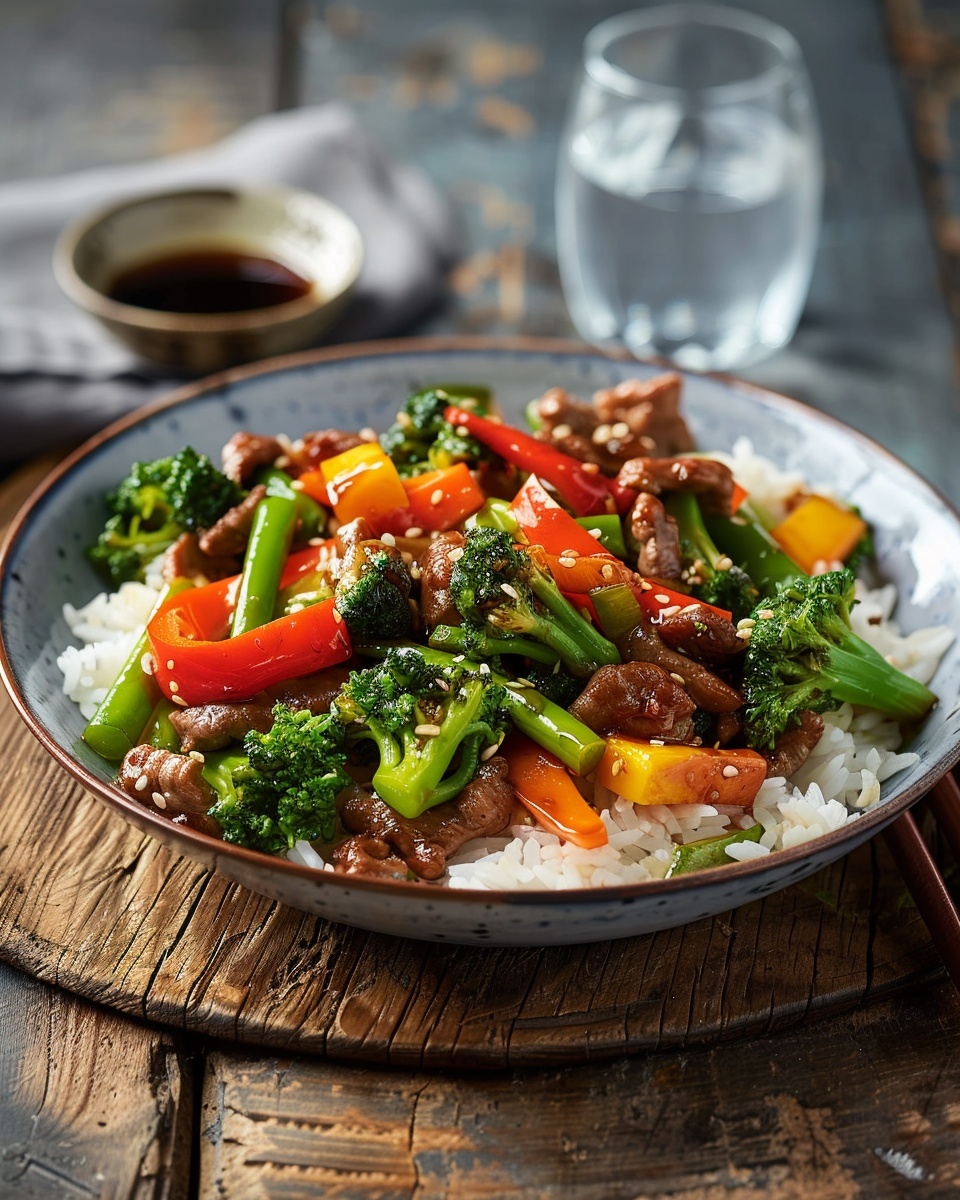
Welcome to My Kitchen: Let’s Make a Delicious Vegetable Stir Fry with Rice!
Last Tuesday, I stood in front of my fridge staring at a bunch of colorful vegetables. I had bell peppers turning soft, some broccoli that needed using, and half a bag of snow peas. Instead of letting them go to waste, I threw everything into my wok and created one of the best meals I’d had all week. That’s when I remembered why I love stir fry so much.
Welcome to my kitchen! Today, I’m excited to share with you a recipe that’s not only delicious but also healthy: the Vegetable Stir Fry with Rice. This dish has saved me countless times when I needed something quick, nutritious, and satisfying. The best part? You probably already have most of what you need in your kitchen right now.
This dish is perfect for those who love a good mix of flavors and want to keep their meals balanced and nutritious. I’ve been making stir fry for years, and it never gets old. Each time feels different because you can mix and match vegetables based on what’s in season or what you’re craving that day.
Whether you’re a fan of vegan stir fry, vegetarian stir fry noodles, or just looking for a simple yet satisfying meal, this guide will help you create a fantastic vegetable stir fry with rice. I’ll walk you through everything from choosing vegetables to getting that perfect crispy texture without making common mistakes.
What Vegetables Go in Stir Fry?
Let’s start by exploring the variety of vegetables that can go into your stir fry. From bell peppers to broccoli, there are so many options! The beauty of a healthy vegetable stir fry is that you can customize it based on your preferences and what’s available.
I’ll share my top picks and how to choose the best vegetables for your stir fry, ensuring you get a colorful and nutritious mix. After making hundreds of stir fries, I’ve learned which vegetables work best and which ones can turn mushy if you’re not careful.
My Favorite Stir Fry Vegetables:
- Bell Peppers – Red, yellow, and orange varieties add sweetness and vibrant color. They hold up well to high heat.
- Broccoli – Cut into small florets, it becomes tender while keeping a nice bite. Plus, it soaks up sauce beautifully.
- Snap Peas or Snow Peas – These add a satisfying crunch and slight sweetness. They cook in under two minutes.
- Carrots – Slice them thin so they cook quickly. They bring natural sweetness and that classic orange color.
- Mushrooms – Shiitake, button, or cremini all work great. They add an earthy flavor that makes the dish feel more substantial.
- Bok Choy – This is a staple in Chinese stir fry vegetables recipe. The white parts stay crunchy while the green leaves wilt perfectly.
- Zucchini – Cut into half moons and add it toward the end. It cooks fast and absorbs flavors well.
- Green Beans – Trim them first. They need a bit more cooking time than other vegetables.
- Cabbage – Both napa and regular cabbage work. Shred it for quick cooking.
- Baby Corn – These bring a fun texture and look great in the finished dish.
When I’m at the grocery store, I look for vegetables that are firm and brightly colored. Avoid anything that feels soft or has brown spots. Fresh vegetables make a huge difference in the final taste and texture of your vegan stir fry.
How to Choose the Best Combination:
I usually pick four to six different vegetables for each stir fry. This gives you variety without making the dish too complicated. Think about color first. A mix of green, red, orange, and white creates a visually appealing meal that’s more enjoyable to eat.
Consider texture next. You want a balance between crunchy vegetables like bell peppers and snap peas, and softer ones like mushrooms and zucchini. This variety keeps every bite interesting.
I also think about cooking times. Some vegetables need more time in the wok than others. Broccoli and carrots take longer, while leafy greens and zucchini cook in seconds. I’ll show you later how to time everything perfectly so nothing gets overcooked.
Seasonal Considerations:
In summer, I lean toward zucchini, bell peppers, and green beans. These vegetables are at their peak and taste amazing. Winter calls for heartier options like cabbage, carrots, and broccoli. Shopping seasonally not only saves money but also gives you the freshest ingredients.
What to Avoid:
Not every vegetable works well in stir fry. I’ve learned this through some disappointing meals. Watery vegetables like tomatoes and cucumbers release too much moisture and make your stir fry soggy. Leafy greens like spinach shrink down to almost nothing and don’t add much substance.
Potatoes don’t work either unless you pre-cook them. They take too long to soften in the wok and will burn before they’re done. Save those for other dishes.
Prepping Your Vegetables:
This step is critical for a successful stir fry. I cut everything before I start cooking because once that wok gets hot, things move fast. You won’t have time to chop while cooking.
Cut your vegetables into similar-sized pieces. This ensures even cooking. I aim for bite-sized chunks that are easy to eat with chopsticks or a fork. Thin slices work for carrots and bell peppers. Florets are perfect for broccoli and cauliflower.
Here’s a trick I use: arrange your cut vegetables in order of cooking time. Put the ones that need the most time on the left and the quick-cooking ones on the right. This makes adding them to the wok in the correct sequence much easier.
Fresh vs. Frozen Vegetables:
I prefer fresh vegetables for stir fry, but frozen can work in a pinch. If you use frozen, thaw them first and pat them completely dry with paper towels. Excess water is the enemy of a good stir fry. It creates steam instead of that desirable sear.
That said, frozen edamame and peas are exceptions. They work great straight from the freezer and add protein and color to your vegetarian stir fry protein options.
Building Flavor with Aromatics:
Beyond the main vegetables, don’t forget aromatics. These aren’t vegetables in the traditional sense, but they’re essential for flavor. Fresh ginger, garlic, and green onions form the base of most Chinese stir fry vegetables recipe variations.
I mince my garlic and ginger finely. They should be almost paste-like. This helps them distribute evenly and prevents burning. Green onions can be sliced on the diagonal for a professional look.
Some people add chili peppers for a spicy veggie stir fry. Thai bird’s eye chilies or jalapeños work well. Remove the seeds if you want less heat.


How to Make Veg Stir Fry with Rice
Now that you’ve got your vegetables prepped and ready to go, let’s actually cook this thing. I remember the first time I attempted stir fry – I had everything chopped beautifully, but then I panicked when the wok started smoking. Everything went in at once, and I ended up with a soggy mess. Don’t be like past me.
The key to a perfect vegetable stir fry with rice is understanding that this isn’t a slow-cooking method. You’re working with intense heat for a short time. Think of it like a sprint, not a marathon. Everything happens fast, which is why having all your ingredients ready before you turn on the stove matters so much.
Step One: Cook Your Rice First
Here’s something many people overlook – cook your rice before you start the stir fry. I use jasmine rice most of the time because it has a slightly sticky texture that works perfectly with stir fry. You need about one cup of uncooked rice for every two to three people.
Rinse the rice until the water runs clear. This removes excess starch and prevents clumping. Then cook it according to package directions. While the rice cooks, you can finish any last-minute vegetable prep. By the way, day-old rice actually works better than freshly cooked rice for fried rice variations, but for serving alongside stir fry, fresh is perfectly fine.
Step Two: Heat Management
Get your wok or large skillet screaming hot. I mean really hot. This is where most home cooks hesitate, but high heat is what creates that slightly charred, restaurant-quality flavor. If you don’t have a wok, a large skillet works fine – just make sure it’s the biggest one you have so vegetables aren’t crowded.
Add about two tablespoons of oil with a high smoke point. I prefer avocado oil or refined peanut oil. Olive oil doesn’t work well here because it can’t handle the heat. Swirl the oil around to coat the surface. You’ll know it’s ready when the oil shimmers and almost looks like it’s moving on its own.
Step Three: The Cooking Sequence
This is where timing becomes everything. Add your aromatics first – garlic, ginger, and if you’re making a spicy veggie stir fry, your chili peppers. These only need about 30 seconds. Stir constantly so they don’t burn. The smell will be incredible.
Next come the vegetables that take longest to cook. For me, that’s usually carrots and broccoli. Toss them in the hot oil and let them sit for about 30 seconds before stirring. This creates a slight sear. Then stir-fry for about two minutes. The vegetables should develop some brown spots but still have a bite to them.
Add your medium-cooking vegetables next – things like bell peppers, mushrooms, and green beans. Cook these for another minute or two. Keep everything moving with a spatula or by flipping the wok if you’re comfortable with that technique. Just like when I’m making grilled steak with roasted veggies, you want some caramelization but not mushiness.
Finally, add quick-cooking vegetables like snow peas, zucchini, and leafy greens. These need just 30 seconds to a minute. They should be bright and crisp when you’re done.
Step Four: The Sauce
Push your vegetables to the side of the wok and pour your sauce into the center. Let it bubble for a few seconds, then toss everything together. The sauce should coat the vegetables evenly without pooling at the bottom. If it seems too thick, add a splash of water or vegetable broth.
My go-to sauce is simple: three tablespoons soy sauce, one tablespoon rice vinegar, one tablespoon maple syrup or brown sugar, one teaspoon sesame oil, and one teaspoon cornstarch mixed with two tablespoons water. This creates a glossy coating that’s balanced between salty, sweet, and tangy.
For a healthy vegetable stir fry, you can reduce the sugar or use coconut aminos instead of soy sauce. The flavor changes slightly but it’s still delicious.
Step Five: Serving
Spoon your rice into bowls and top with the vegetable stir fry. I like to garnish with sesame seeds and sliced green onions. Sometimes I add a squeeze of fresh lime juice right at the end for brightness.
Common Mistakes and How to Avoid Them
Let me save you from the mistakes I’ve made over the years. The biggest one? Overcrowding the pan. If you pile too many vegetables in at once, they steam instead of searing. The temperature drops and you lose that crispy texture. Cook in batches if you’re feeding a crowd.
Another mistake is moving the vegetables too much. Yes, it’s called stir fry, but you also need to let things sit for a moment to develop color. Constant stirring prevents browning.
Using wet vegetables is another problem. Even a little water clinging to your broccoli can cause splattering and steaming. Pat everything dry after washing.
Funny enough, adding the sauce too early is something I see people do all the time. If you pour it in with raw vegetables, everything gets soggy. The sauce goes in at the very end, just to coat and glaze.
Adding Protein to Your Stir Fry
Here’s the thing – while a vegan stir fry is perfectly satisfying on its own, sometimes you want more substance. I get it. After a long day or a tough workout, vegetables and rice might not feel like enough. That’s where protein comes in.
The beauty of vegetarian stir fry protein options is that they’re incredibly versatile. Unlike when I’m preparing something like homemade meatloaf with gravy, you don’t need long cooking times. These proteins work with the quick-cooking method.
Tofu: The Classic Choice
Extra-firm tofu is what you want. Press it first to remove excess water – I wrap the block in a clean kitchen towel and place something heavy on top for about 15 minutes. Then cut it into cubes and either pan-fry it separately until golden before adding to your stir fry, or toss it with cornstarch and cook it right in the wok.
The cornstarch method creates this amazing crispy coating that soaks up the sauce beautifully. I learned this trick from a friend who grew up eating traditional Chinese stir fry vegetables recipe variations, and it completely changed how I cook tofu.
Tempeh: The Nutty Alternative
Tempeh has a firmer texture and nuttier flavor than tofu. It’s also packed with protein and fiber. I cut it into thin strips or small cubes, then steam it for about 10 minutes to remove any bitterness. After that, pan-fry it until crispy. The texture is more substantial than tofu, which some people prefer.
You can marinate tempeh before cooking. I use soy sauce, garlic, and a bit of maple syrup. Let it sit for at least 30 minutes, and the flavor really penetrates.
Edamame and Chickpeas
These are my lazy-day proteins. Frozen edamame goes straight from freezer to wok. Canned chickpeas just need to be drained and patted dry. Both add protein without much effort. The chickpeas get slightly crispy if you let them cook undisturbed for a minute or two, which is a nice texture contrast.
Seitan: The Meaty Option
If you’re craving something with a meat-like texture, seitan is your answer. It’s made from wheat gluten and has a chewy, substantial bite. I slice it thin and cook it just like you would chicken. It browns nicely and holds up well to the high heat. Similar to how proteins cook in dishes like shrimp scampi with pasta, seitan needs just a few minutes to develop good color.
Nuts and Seeds
Cashews are traditional in many stir fries. They add crunch and healthy fats. I toast them separately in a dry pan until golden, then toss them in at the very end. Peanuts work too, especially if you’re going for Thai-inspired flavors.
For vegetarian stir fry noodles, I sometimes swap the rice for rice noodles or udon. The cooking method stays mostly the same, but you add the cooked noodles right at the end with the sauce. They soak up all those flavors and make the meal even more filling.
The protein you choose can completely change the character of your stir fry. Just like how different vegetables work in stuffed bell peppers, each protein brings its own flavor and texture to the table. Don’t be afraid to experiment and find what works best for your taste.


Common Mistakes to Avoid When Making Vegetable Stir Fry
Let me tell you about the time I invited my neighbors over for dinner and confidently announced I’d make my “famous” stir fry. What they got instead was a watery, overcooked disaster that we politely ate while making small talk. I knew the basics, but I’d overlooked several crucial details that turned what should’ve been a crispy healthy vegetable stir fry into something resembling vegetable soup over rice.
Here’s the thing – even when you think you know what you’re doing, stir fry has a way of humbling you. The difference between restaurant-quality and cafeteria-quality often comes down to avoiding a handful of specific mistakes.
Using a Cold Wok or Pan
This might be the most frequent error I see. People add oil to a lukewarm pan and immediately throw in vegetables. What happens? Everything steams and releases water instead of searing. You need that initial blast of heat to seal in flavors and create texture.
I always heat my wok for at least two to three minutes before adding oil. Then I wait another 30 seconds after the oil goes in. You want to see that shimmery, almost wavy appearance. If you toss in a drop of water and it instantly sizzles and evaporates, you’re ready.
Adding Everything at Once
I mentioned this briefly before, but it deserves more attention because it’s probably the second biggest mistake. When you dump all your vegetables in together, the pan temperature drops dramatically. Suddenly you’re boiling vegetables in their own juices instead of frying them.
The solution is simple but requires discipline. Add vegetables in stages based on cooking time. Start with the toughest ones and work your way to the delicate stuff. Yes, it takes an extra minute or two, but the difference in texture is enormous.
Not Drying Your Vegetables Properly
Water is the enemy here. After washing your vegetables, they need to be completely dry. I use a salad spinner for leafy greens and a clean kitchen towel for everything else. Even a little moisture causes splattering and creates steam when it hits that hot oil.
One time I skipped this step because I was in a hurry. The oil popped so violently that I got a small burn on my forearm. Lesson learned – take the 30 seconds to dry everything thoroughly.
Drowning the Dish in Sauce
More isn’t always better. Too much sauce makes your vegan stir fry soggy and hides the natural flavors of the vegetables. The sauce should lightly coat everything, not pool at the bottom of your bowl. I use about three to four tablespoons of sauce for every four cups of vegetables. That’s it.
If you’re worried about flavor, remember that the sauce is concentrated. A little goes a long way. You can always serve extra on the side for people who want more.
Cutting Vegetables Inconsistently
When your carrot pieces are twice the size of your bell peppers, they won’t cook evenly. The small pieces turn mushy while the large ones stay raw. I take the time to cut everything roughly the same size – about one to one and a half inches works for most vegetables.
Uniformity matters more than you’d think. It’s not just about appearance; it’s about creating a dish where every bite has the same texture and doneness.
Skipping the Aromatics or Burning Them
Garlic and ginger form the flavor foundation of most Chinese stir fry vegetables recipe variations. But they burn quickly. Really quickly. If you add them to screaming hot oil and then walk away to grab something, you’ll come back to bitter, blackened bits.
I add aromatics, count to 30 while stirring constantly, then immediately add my first batch of vegetables. This gives the aromatics just enough time to release their oils without crossing into burnt territory.
Using the Wrong Oil
I’ve seen people reach for extra virgin olive oil for stir fry. Don’t do it. Olive oil has a low smoke point and will burn at the temperatures needed for proper stir frying. The result is an acrid taste that ruins everything.
Stick with oils that can handle heat: refined peanut oil, avocado oil, grapeseed oil, or vegetable oil. These stay stable at high temperatures and won’t add off-flavors to your dish.
Stirring Too Much
Funny enough, you can actually stir too much when making stir fry. Constantly moving vegetables prevents them from developing those slightly charred, caramelized edges that make restaurant stir fry so good. I’ve learned to toss things around, then let them sit for 30 to 45 seconds before stirring again.
This technique creates what Chinese cooks call “wok hei” – the breath of the wok. It’s that slightly smoky, charred flavor that you just can’t replicate with constant stirring.
Overcooking Until Everything’s Soft
Vegetables should still have some snap when you’re done. If your broccoli bends instead of breaking, you’ve gone too far. The cooking continues even after you remove the pan from heat, so I always take things off the stove when they’re just shy of perfect.
Think about it – nobody orders stir fry at a restaurant hoping for mushy vegetables. That crisp-tender texture is what makes the dish special. For a truly healthy vegetable stir fry, preserving that texture also helps retain more nutrients, which supports your metabolism better than overcooked vegetables would.
The Secret Ingredient in Stir Fry
Okay, I’m about to share something that took me years to figure out. There’s always that moment when you taste restaurant stir fry and think, “Why doesn’t mine taste like this?” You’ve got the vegetables, the sauce, the technique down – but something’s missing.
The secret isn’t one single ingredient. It’s actually a combination of small additions that most home cooks overlook.
Sesame Oil: The Flavor Finisher
This is probably the closest thing to a magic ingredient. But here’s the key – it goes in at the very end, not during cooking. Toasted sesame oil has a low smoke point and turns bitter when heated too much. I drizzle about half a teaspoon over the finished dish right before serving.
The aroma hits you immediately. It adds depth and that unmistakable Asian restaurant smell. Just a tiny amount transforms the entire dish. Too much, though, and it becomes overwhelming, so don’t go crazy with it.
White Pepper Instead of Black
This changed everything for me. White pepper has a different flavor profile – it’s sharper, more pungent, and slightly fermented tasting. It’s what gives many Chinese stir fry vegetables recipe dishes that characteristic bite you can’t quite identify.
I use about a quarter teaspoon for a full recipe. Add it to your sauce or sprinkle it directly on the vegetables near the end. Black pepper works too, but white pepper is the authentic choice and honestly just tastes better in stir fry.
A Touch of Sugar
Even in savory dishes, a small amount of sugar balances the salty and acidic elements. I use brown sugar, maple syrup, or even a tiny pinch of white sugar. It rounds out the flavors and helps the sauce caramelize slightly on the vegetables.
We’re talking one teaspoon for the entire batch. You won’t taste sweetness; you’ll just notice that everything tastes more complete.
Shaoxing Wine: The Professional Touch
This Chinese cooking wine is sold in most Asian grocery stores and even some regular supermarkets now. It adds complexity and a subtle sweetness that’s hard to describe. I splash in about a tablespoon after adding the vegetables but before the sauce.
The alcohol cooks off almost immediately, leaving behind a depth of flavor. If you can’t find Shaoxing wine, dry sherry works as a substitute. Don’t use regular wine – the flavor profile is too different.
MSG: The Controversial Game-Changer
Let’s address the elephant in the room. MSG (monosodium glutamate) has gotten a bad reputation, but it’s actually just a naturally occurring amino acid that enhances savory flavors. It’s what makes restaurant food taste so good.
I use a tiny pinch – maybe an eighth of a teaspoon – in my stir fry. It amplifies all the other flavors without adding any taste of its own. If you’re uncomfortable using it, that’s totally fine. Nutritional yeast gives a similar umami boost for a vegan stir fry.
Fresh Ginger Juice
Instead of just minced ginger, sometimes I grate fresh ginger and squeeze out the juice. This liquid gold adds ginger flavor without the fibrous texture. I add it to the sauce or drizzle it on at the end. It’s particularly good if you’re making a spicy veggie stir fry because it complements the heat beautifully.
Oyster Sauce (or Vegetarian Version)
Traditional oyster sauce isn’t vegetarian, but mushroom-based versions exist and work wonderfully. This thick, savory sauce adds richness and a slight sweetness. I use one to two tablespoons mixed into my main sauce.
It creates a glossy coating on vegetables and adds that restaurant-quality sheen. Without it, stir fry can look a bit dull. With it, everything glistens.
Cornstarch Slurry: The Texture Secret
This isn’t exactly a secret ingredient, but how you use it matters. Mix one teaspoon of cornstarch with two tablespoons of cold water and add it to your sauce. This thickens everything just enough to cling to the vegetables without being gloppy.
The timing is important. Add it right at the end and let it bubble for about 30 seconds. The sauce will transform from watery to silky right before your eyes.
Sichuan Peppercorns for Heat with a Twist
If you want to make a memorable spicy veggie stir fry, skip regular chili flakes and try Sichuan peppercorns. They create a unique tingling, numbing sensation that’s addictive. Toast them in a dry pan, crush them, and add a pinch to your dish.
They’re not traditionally used in every stir fry, but when you want something different, they’re incredible.
The Real Secret: Confidence and Heat
By the way, the actual secret ingredient isn’t something you can buy. It’s confidence and proper heat management. I know that sounds cheesy, but it’s true. When you cook with high heat and move quickly without second-guessing yourself, the food tastes better.
Hesitation leads to temperature drops and overcooked vegetables. Trust your prep work, commit to the heat, and keep things moving. That’s what separates good stir fry from great stir fry.
All these little additions work together. You don’t need every single one, but incorporating two or three of them will noticeably elevate your vegetable stir fry with rice. Experiment and find which combinations you like best. That’s how you develop your own signature version that friends will ask you to make again and again.
If you’re looking for more ways to level up your weeknight cooking, exploring different dinner recipes can give you fresh inspiration and techniques that translate across different cuisines.
The beauty of stir fry is that once you master these fundamentals and understand the secret touches, you can create dozens of variations without ever getting bored. Each time you cook it, you’ll get a little better, a little faster, and a little more confident. That’s the real reward – not just a delicious meal, but the satisfaction of knowing you can pull together something healthy, flavorful, and impressive any night of the week.
Frequently Asked Questions
Can I make stir fry without a wok?
Absolutely! A large skillet or sauté pan works just fine. The key is using the biggest pan you have to avoid overcrowding. Cast iron skillets are excellent because they retain heat well. You might not get the exact same flavor as a traditional wok, but you’ll still create a delicious stir fry. Just make sure your pan is completely dry before heating it.
How do I prevent my stir fry from becoming soggy?
Sogginess comes from excess moisture and low heat. Make sure all vegetables are completely dry before cooking. Use high heat throughout the cooking process and don’t overcrowd your pan. Add sauce only at the very end, and use just enough to coat the vegetables lightly. If you’re adding frozen vegetables, thaw and dry them first.
Can I prepare stir fry vegetables ahead of time?
Yes, prep work is perfect for advance planning. Chop all your vegetables and store them in airtight containers in the fridge for up to two days. Keep aromatics like garlic and ginger separate since they’re more perishable. However, don’t cook the stir fry ahead of time – it really needs to be made fresh for the best texture and flavor.
What’s the best rice to serve with vegetable stir fry?
Jasmine rice is my top choice because it’s slightly sticky and fragrant, which complements the vegetables beautifully. Brown rice works well if you want more fiber and nutrients. For a lower-carb option, cauliflower rice is surprisingly good. Just make sure whatever rice you choose is cooked properly and not mushy.
How can I make my stir fry spicier?
Add fresh sliced chili peppers when you cook the aromatics, use chili garlic sauce in your sauce mixture, or sprinkle red pepper flakes throughout. Sriracha or sambal oelek stirred into the finished dish works too. Start with less than you think you need – you can always add more heat, but you can’t take it away.
Is stir fry healthy for weight loss?
Yes, when made right. A vegetable-heavy stir fry is low in calories but high in fiber and nutrients, which helps you feel full. Watch your oil quantity – two tablespoons is plenty for most recipes. Choose brown rice over white for more fiber, and load up on vegetables rather than heavy sauces. Adding protein like tofu or edamame makes it even more satisfying.
Can I use frozen vegetables for stir fry?
You can, but fresh vegetables give better results. If using frozen, thaw them completely first and pat them very dry with paper towels. Frozen vegetables release more water during cooking, which can make your stir fry steamy instead of crispy. Frozen edamame and peas are exceptions – they work great straight from the freezer.
How do I store leftover stir fry?
Let it cool completely, then transfer to an airtight container. It’ll keep in the fridge for three to four days. Reheat in a hot skillet rather than the microwave if possible – this helps restore some of the original texture. The vegetables will be softer than when freshly made, but the flavor stays good.
What vegetables should I avoid in stir fry?
Stay away from watery vegetables like tomatoes, cucumbers, and lettuce. They release too much liquid and make everything soggy. Raw potatoes don’t work either since they take too long to cook. Delicate greens like spinach shrink down to almost nothing. Stick with firmer vegetables that hold their shape under high heat.
Do I need special equipment to make good stir fry?
Not really. A large pan, a good spatula, and a sharp knife for prep work are all you need. A wok is nice but not essential. If you make stir fry often, a wok is worth the investment, but many excellent stir fries come out of regular skillets. High heat matters more than special equipment – make sure your stove can get hot enough.
Ingredients
Equipment
Method
- Cook jasmine rice according to package directions; rinse the rice until the water runs clear.
- Heat a wok or large skillet until it is very hot.
- Add the oil and swirl to coat the surface.
- Add minced garlic and ginger; stir for about 30 seconds to avoid burning.
- Add broccoli and carrots; stir-fry for about 2 minutes until they begin to soften.
- Add bell peppers, mushrooms, and snap peas; cook for another 1-2 minutes, stirring frequently.
- Finally, add zucchini; stir-fry for 30 seconds to 1 minute until bright and crisp.
- Push the vegetables to the side and add the sauce mixture to the center of the wok; let it bubble for a few seconds.
- Toss everything to coat in the sauce evenly.
- Serve the vegetable stir fry over bowls of cooked jasmine rice; garnish with sesame seeds and green onions.