
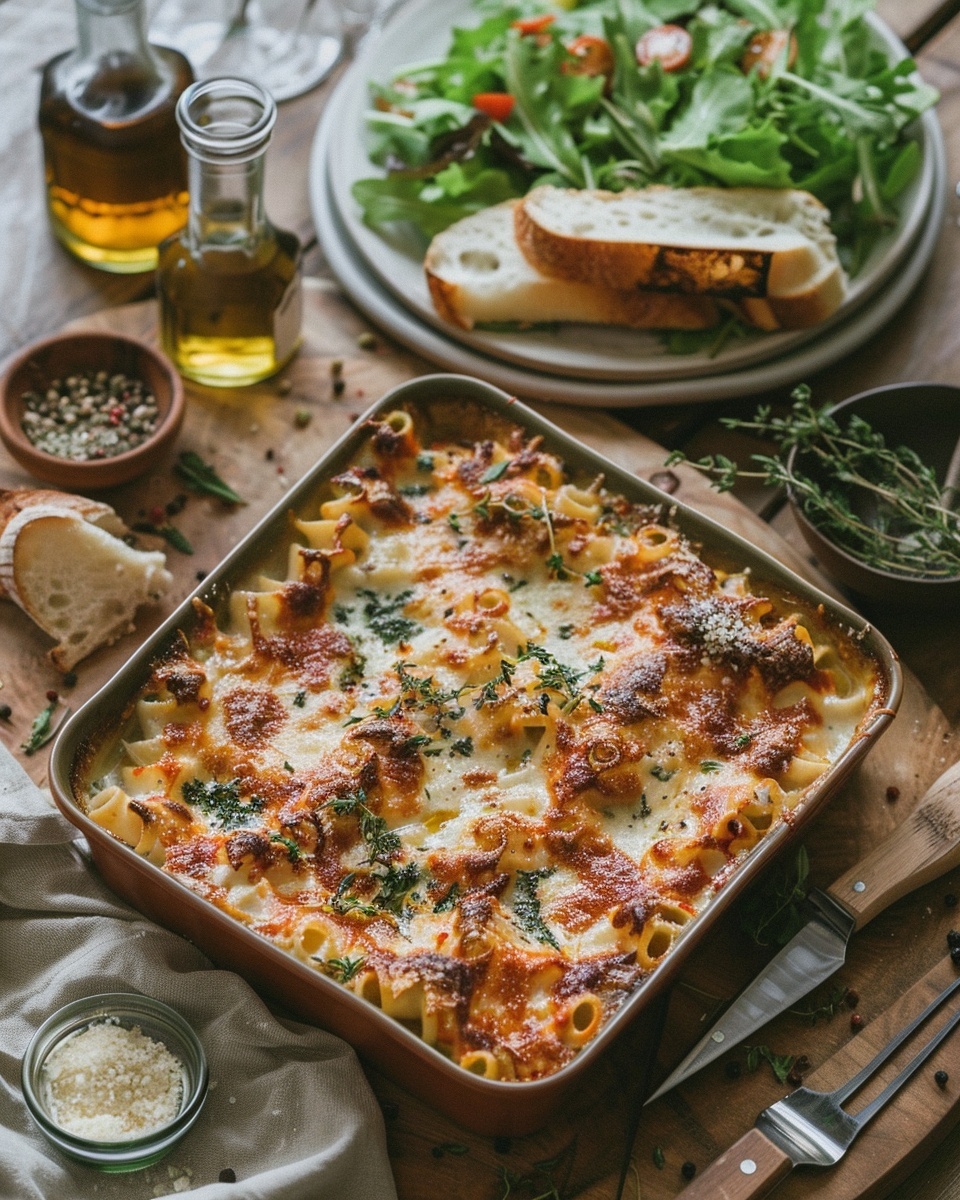
Why I’m Obsessed with Veggie Pasta Bake
Last Tuesday night, I opened my fridge to find a random assortment of vegetables that were just a day or two from going bad. You know that feeling, right? A half zucchini here, some bell peppers there, and a handful of cherry tomatoes. Instead of letting them waste away, I threw everything into a pasta bake. The result was so good that my kids actually asked for it again the next week. That’s when I knew I had struck gold.
Welcome to my kitchen, where today we’re exploring the wonderful comfort of veggie pasta bakes. Whether you’re a seasoned chef or a beginner, this dish is a fantastic way to enjoy a hearty, comforting meal packed with vegetables and flavor. There’s something magical about pulling a bubbling, golden-topped casserole from the oven. The cheese gets all crispy on top, the pasta soaks up the sauce, and the vegetables become tender and sweet.
In this article, I’ll share my favorite recipes, tips, and tricks for making the perfect veggie pasta bake, from creamy vegetable pasta bake to vegan pasta bake options, and everything in between. I’ve made countless versions over the years, and I’ve learned what works and what doesn’t. My goal is to save you from the mistakes I made early on, like soggy pasta or bland vegetables.
What Makes a Great Veggie Pasta Bake?
The key to a delicious veggie pasta bake is in the combination of textures and flavors. From the creamy, cheesy goodness to the vibrant, roasted vegetables, every bite should be a delight. You want that perfect balance where the pasta isn’t mushy, the vegetables still have some bite, and the sauce brings everything together without drowning the dish.
Think about it like building layers of flavor. First, you have your pasta base. Then comes the vegetables, which can be raw, sautéed, or roasted depending on your preference. Next is the sauce, whether it’s a rich tomato base, a silky béchamel, or a simple olive oil and garlic mixture. Finally, there’s the cheese that melts and browns on top, creating that irresistible crust we all love.
We’ll explore different variations like the baked pasta with vegetables and cheese, and the tomato pasta bake, which are both crowd-pleasers. I’ve served these at dinner parties, brought them to potlucks, and made them on busy weeknights. They never disappoint. The beauty of a pasta bake is that you can adjust it based on what you have available or what your family enjoys.
I’ll also share some insights on how to make a roasted vegetable pasta bake that will have everyone asking for seconds. Roasting vegetables before adding them to your pasta bake changes everything. The caramelization brings out natural sugars and creates deeper, richer flavors that you just can’t get from raw or boiled vegetables.
Understanding What Vegetables Work Best
What vegetables are good in a pasta bake? Honestly, most vegetables work well, but some shine brighter than others. I’ve found that vegetables with different textures create the most interesting dishes. You want a mix of soft and firm, sweet and savory.
Here are my go-to vegetables for pasta bakes:
- Bell peppers – They add sweetness and beautiful color
- Zucchini – Soaks up flavors and has a nice tender texture
- Mushrooms – Brings an earthy, meaty quality
- Spinach – Wilts down nicely and adds nutrients
- Eggplant – Creates a creamy texture when baked
- Cherry tomatoes – Burst with flavor and add moisture
- Broccoli – Holds its shape and adds a nice bite
- Cauliflower – Becomes tender and slightly sweet
For a vegetable pasta bake Jamie Oliver style, you’d focus on Mediterranean vegetables like eggplant, zucchini, and tomatoes. His approach often involves fresh herbs like basil and oregano, which really make the vegetables pop. I’ve adapted several of his techniques over the years, and they never fail.
If you’re making a baked pasta vegetarian Indian version, you might include vegetables like cauliflower, peas, and bell peppers with Indian spices like garam masala, turmeric, and cumin. I tried this variation after a friend from Mumbai shared her family recipe, and it opened up a whole new dimension of flavor.
The Great Vegetable Prep Debate
Do you cook vegetables before putting in a pasta bake? This is one of the most common questions I get, and the answer depends on the vegetable and the result you want.
Some vegetables absolutely need pre-cooking. Hard vegetables like carrots, butternut squash, and potatoes won’t soften enough during the baking time. I usually roast or boil these first. Onions and garlic also benefit from being sautéed beforehand, which brings out their sweetness and prevents any sharp, raw flavor.
Other vegetables can go in raw, especially if you cut them thin enough. Zucchini slices, cherry tomatoes, and spinach will cook perfectly in the oven. The moisture from the sauce and the heat will do the job. Just remember that vegetables release water as they cook, so you don’t want to overload your dish with high-moisture vegetables without accounting for that liquid.
For my roasted vegetable pasta bake, I always roast the vegetables first. I toss them with olive oil, salt, and pepper, then roast at 400°F for about 20 minutes. This step takes extra time, but the flavor payoff is enormous. The vegetables get these crispy, caramelized edges that add texture and depth to the final dish.
Common Mistakes That Can Ruin Your Pasta Bake
What are common pasta bake mistakes? I’ve made them all, trust me. Let me save you some disappointment by sharing what I’ve learned.
The biggest mistake is overcooking the pasta before baking. Should you boil pasta before pasta bake? Yes, but not completely. I always undercook my pasta by about 3 minutes less than the package directions. The pasta will continue cooking in the oven as it absorbs the sauce. If you cook it fully before baking, you’ll end up with mushy, overcooked pasta that falls apart.
Another common error is not using enough sauce. Pasta absorbs a lot of liquid while baking, so your dish needs more sauce than you might think. For a creamy vegetable pasta bake, I make sure the sauce generously coats everything. A dry pasta bake is sad and disappointing.
People also tend to skip the seasoning. Vegetables need salt, and they need it at different stages. I season my vegetables before roasting, season the sauce, and then taste the mixture before it goes in the oven. Under-seasoned food tastes bland no matter how good your ingredients are.
Not covering the dish for the first part of baking is another issue. If you want a cheesy vegetable pasta bake recipe that’s moist inside with a golden top, cover it with foil for the first 20-25 minutes. Then remove the foil for the last 10-15 minutes to let the cheese brown and bubble.
Creating the Perfect Sauce Base
The sauce makes or breaks your pasta bake. For a vegetarian pasta bake tomato base, I start with good quality canned tomatoes or fresh tomatoes when they’re in season. I sauté garlic and onions, add the tomatoes, and let everything simmer for at least 15 minutes. A splash of balsamic vinegar and a pinch of sugar balance the acidity.
For a vegan veggie pasta bake, you can make a cashew cream sauce that’s incredibly rich and satisfying. Soak raw cashews for a few hours, blend them with vegetable broth, nutritional yeast, garlic, and lemon juice. It creates a creamy sauce without any dairy that even non-vegans love.
My cheesy vegetable pasta bake recipe usually involves a simple béchamel sauce. Melt butter, whisk in flour, cook for a minute, then slowly add milk while whisking constantly. Once it thickens, I add grated cheese off the heat. Gruyère and sharp cheddar are my favorites, but mozzarella works great for that stretchy, gooey texture.


Picking Your Vegetables Like a Pro
Now that we’ve talked about sauces and the foundation of a great pasta bake, let’s get into the fun part—choosing exactly which vegetables to use. This is where you can really make the dish your own and adapt it to whatever’s in season or on sale at the market.
Here’s the thing: not all vegetables behave the same way in a hot oven. Some turn into wonderful, caramelized bites of sweetness, while others can release so much water that your pasta bake turns into a swimming pool. I learned this the hard way when I once added fresh tomatoes without thinking about their moisture content. The result was more like soup than a proper bake.
When I’m standing in my kitchen deciding what goes into my veggie pasta bake, I think about three main categories: sturdy vegetables, medium vegetables, and delicate ones. Sturdy vegetables like butternut squash, carrots, and sweet potatoes need more time and attention. They’re dense and take longer to soften. Medium ones include zucchini, bell peppers, and eggplant—these are my workhorses. They cook at a reasonable pace and hold their shape beautifully. Delicate vegetables like spinach, arugula, and fresh herbs wilt quickly and should be added more carefully.
One combination I absolutely love involves roasted red peppers, yellow squash, and red onions. The peppers bring this incredible sweetness, the squash adds a buttery texture, and the onions provide just enough sharpness to keep things interesting. Sometimes I’ll throw in some artichoke hearts from a jar because they add this Mediterranean flair that makes the whole dish feel a bit fancier. It’s similar to how I approach my stuffed zucchini boats, where the vegetable itself becomes part of the magic.
For a vegetarian pasta bake tomato based dish, I always include fresh basil and sometimes add sun-dried tomatoes along with regular ones. The sun-dried variety has this concentrated, almost sweet-tangy flavor that regular tomatoes just can’t match. My neighbor from Sicily taught me this trick, and it completely changed how I think about tomato-based dishes.
What about green vegetables? Broccoli and green beans work surprisingly well, though I’ll confess I wasn’t always a believer. My son used to pick out every piece of broccoli until I started roasting it first with a little parmesan. Now he actually requests it. Asparagus is another green that shines in a pasta bake, especially in spring when it’s at its peak. Just cut it into bite-sized pieces so it cooks evenly.
Mushrooms deserve their own moment here. They’re technically fungi, not vegetables, but who cares about technicalities when something tastes this good? For a baked pasta with vegetables and cheese, I use a mix of cremini and shiitake mushrooms. The cremini are affordable and reliable, while the shiitake add this deep, almost smoky flavor that makes people wonder what your secret ingredient is.
The Prep Work That Actually Matters
Alright, you’ve chosen your vegetables. Now comes the question that trips up a lot of home cooks: how much prep do these vegetables actually need before they go into the baking dish?
I used to think I could just toss everything in raw and let the oven do all the work. That approach gave me some pretty disappointing results—crunchy carrots, watery zucchini, and bland mushrooms. The truth is that different vegetables need different treatments, and once you understand this, your pasta bakes will improve dramatically.
For dense vegetables like butternut squash or sweet potatoes, I always pre-cook them. Always. You can roast them, boil them, or even microwave them if you’re short on time. I prefer roasting because it concentrates the flavors rather than diluting them with water. I cut them into small cubes, toss with olive oil and a generous pinch of salt, then roast at 425°F for about 15 minutes. They should be tender but not completely soft since they’ll cook more in the pasta bake.
Bell peppers and onions benefit hugely from a quick sauté. I heat some olive oil in a pan, throw in the peppers and onions with a pinch of salt, and cook them for maybe five or six minutes until they start to soften and get a little color on the edges. This step is especially important for a creamy vegetable pasta bake because it removes some of the raw vegetable taste and helps them blend better with the sauce. It’s the same principle I use when making stir-fried dishes where quick high-heat cooking brings out the best in vegetables.
Zucchini is tricky. If you add it raw, it releases a ton of water as it cooks, which can make your pasta bake watery. But if you roast it first, that moisture evaporates in the dry heat of the oven, and you get these lovely, slightly shriveled pieces that concentrate the flavor. My technique is to slice the zucchini, lay the pieces on a baking sheet, sprinkle with salt, and let them sit for about ten minutes. The salt draws out moisture. Then I pat them dry with paper towels before roasting. Is this extra work? Sure. Does it make a difference? Absolutely.
Mushrooms are another vegetable—fungi, whatever—that I almost always pre-cook. They’re like little sponges full of water, and when they cook, they release all that liquid. If you put raw mushrooms in your pasta bake, you’ll end up with a puddle at the bottom of your dish. Instead, I sauté them in a hot pan with just a tiny bit of oil. Don’t crowd the pan or they’ll steam instead of browning. Let them cook until they release their moisture and it evaporates, then they’ll start to brown. That’s when they develop that rich, meaty flavor that makes vegetarian dishes so satisfying.
Funny enough, spinach is one vegetable where you have options. You can add it raw, and it’ll wilt down during baking. Or you can wilt it first in a pan or even in the microwave, squeeze out the excess water, and then add it. I do it both ways depending on my mood and how much time I have. For a cheesy vegetable pasta bake recipe, I usually wilt it first because I want to control exactly how much liquid goes into my dish.
Here’s a trick I picked up from a chef I met at a cooking class: roasting vegetables for a roasted vegetable pasta bake isn’t just about cooking them. It’s about developing flavor through caramelization. When vegetables hit high heat, their natural sugars caramelize and create these deep, complex flavors that you simply cannot get from boiling or steaming. The same thing happens when you roast chicken properly, like in my oven-roasted chicken thighs recipe—that golden skin is all about the Maillard reaction and caramelization.
For eggplant, which can be bitter and spongy, I salt it generously and let it sit for at least twenty minutes. This draws out the bitter compounds and some of the moisture. Then I rinse off the salt, pat it dry, and either roast or grill it. The result is tender, sweet eggplant that doesn’t taste like a wet sponge. I learned this from an Italian grandmother at a farmers market, and it’s never failed me.
If you’re making a vegan veggie pasta bake, the vegetable prep becomes even more important because you don’t have the richness of cheese to hide behind. Every vegetable needs to bring its best flavor to the party. I roast almost everything for vegan versions—the caramelization adds a depth that compensates for the absence of dairy.
By the way, garlic deserves special mention. Raw garlic in a pasta bake can be harsh and overpowering. I always sauté it first, just until it’s fragrant and starting to turn golden. Some people like to roast whole garlic cloves until they’re soft and sweet, then squeeze them into the sauce. Both approaches work beautifully. The key is understanding that raw garlic and cooked garlic are almost like two different ingredients.
One last thing about vegetable prep: don’t make all your pieces the same size as each other across different vegetables. Cut denser vegetables smaller so they cook at the same rate as larger pieces of softer vegetables. If your carrots are in tiny dice and your zucchini is in big chunks, the carrots will still be crunchy while the zucchini turns to mush. I aim for similar cooking times, not similar sizes.
The preparation stage is where a baked pasta with vegetables and cheese goes from good to extraordinary. Yes, it takes more time than just throwing everything together raw. But the difference in the final dish is like night and day. Just like when I make lemon chicken with rice, proper prep of each component means the final dish comes together seamlessly, with each element perfectly cooked and full of flavor.


Perfecting Your Pasta Bake Through Smart Assembly
So you’ve picked your vegetables, prepped them beautifully, and now comes the moment where everything comes together. This is where a lot of home cooks either nail it or end up with something that’s just… okay. And honestly, “okay” is boring when you could have “amazing” with just a few smart moves.
Let’s talk about the pasta itself because this is where I see people mess up constantly. Should you boil pasta before pasta bake? Yes, absolutely, but here’s the critical part that changes everything: you need to undercook it. I’m talking serious undercooking here. If the box says eleven minutes, I’m pulling that pasta at seven or eight minutes max. It should still have a firm bite in the center, almost unpleasantly so if you were eating it plain.
Why does this matter so much? Because that pasta is going to sit in hot sauce, surrounded by vegetables, in a hot oven for another twenty-five to thirty minutes. It’s going to keep absorbing liquid and cooking the entire time. I learned this lesson the hard way when I made a creamy vegetable pasta bake for my in-laws and the pasta came out so mushy it was practically baby food. Nobody said anything, but I could see it in their faces. Now I set a timer for exactly three minutes less than the package directions, and I’ve never had mushy pasta again.
Here’s another thing about boiling pasta for a bake: save that pasta water! I know everyone says this, but seriously, that starchy water is liquid gold. When I drain my pasta, I always scoop out at least a cup of the cooking water before it goes down the drain. If my sauce seems too thick when I’m mixing everything together, I add splashes of pasta water to loosen it up. The starch in that water helps the sauce cling to the pasta and creates this silky texture that plain water or broth just can’t match.
One technique I picked up from a cooking show is to toss the drained pasta with a little olive oil or butter right after draining. This prevents it from sticking together while you’re getting everything else ready. For a vegan veggie pasta bake, I use olive oil. For everything else, a small knob of butter adds richness. Just don’t go overboard or your pasta will be greasy.
Now let’s address the elephant in the room: sauce quantity. This is probably the number one mistake I see, and it’s one I made repeatedly in my early cooking days. You need more sauce than seems reasonable. Like, way more. Pasta is incredibly absorbent, especially when it’s baking. What looks like plenty of sauce when you’re assembling the dish will get sucked up by the pasta within the first fifteen minutes of baking, leaving you with a dry, sad pasta bake.
My rule of thumb for a standard 9×13 inch baking dish is about four to five cups of sauce. That might sound excessive, but trust me on this. When you’re stirring everything together before it goes in the oven, the mixture should look almost soupy. You should see sauce pooling at the bottom of the bowl. By the time it comes out of the oven, that sauce will have been absorbed into the pasta and vegetables, creating a moist, flavorful dish instead of something dry and disappointing.
For a vegetarian pasta bake tomato version, I make my sauce extra tomatoey and add a good splash of red wine. The wine adds this depth and complexity that makes people think you slaved over the stove for hours. My uncle, who’s Italian and very opinionated about tomato sauce, actually approved of my pasta bake after I started adding wine. Coming from him, that was basically a Michelin star.
The layering technique matters more than you might think. Some people just dump everything in a bowl, stir it up, and call it a day. That works, sure, but if you want a baked pasta with vegetables and cheese that has those beautiful layers and textures, you need to be a bit more strategic. I start with a thin layer of sauce on the bottom of the dish to prevent sticking. Then I add half the pasta mixture, sprinkle some cheese, add more pasta, and finish with a generous layer of cheese on top. The cheese in the middle melts and creates these pockets of gooey goodness, while the top layer gets all crispy and golden.
Speaking of cheese, let’s talk about what kinds work best. Mozzarella is the classic choice because it melts beautifully and has that satisfying stretch when you serve it. But mozzarella alone can be bland. I always mix in something sharper like aged cheddar, gruyère, or parmesan. The combination gives you the best of both worlds: meltiness and flavor. For my cheesy vegetable pasta bake recipe, I typically use two-thirds mozzarella and one-third sharp cheddar or parmesan.
One trick that makes a huge difference is grating your own cheese. Pre-shredded cheese is coated with cellulose to prevent clumping, and that coating interferes with smooth melting. I know grating cheese is annoying, especially when you need three or four cups of it, but the texture difference in the final dish is noticeable. If you’re short on time, at least grate the top layer yourself so you get that perfect golden crust.
The baking temperature and time need precision too. I bake most of my pasta bakes at 375°F, which is hot enough to get everything bubbling and the top browned, but not so hot that the edges burn before the center is heated through. I cover the dish with foil for the first twenty minutes to trap moisture and prevent the top from browning too quickly. Then I remove the foil and bake for another fifteen to twenty minutes until the cheese is golden and bubbling.
Here’s where people mess up: they take it out of the oven and immediately try to serve it. Don’t do this! Let your veggie pasta bake rest for at least ten minutes after it comes out of the oven. This resting time allows the sauce to thicken up and the layers to set. If you cut into it immediately, you’ll have a landslide of pasta and vegetables that looks messy on the plate. After ten minutes of resting, it slices beautifully and holds its shape.
By the way, portion sizes matter more than people realize, especially when you’re serving something as rich and filling as a pasta bake. The CDC has some helpful information about portion control that can guide you toward serving sizes that satisfy without overwhelming. I usually cut my 9×13 dish into twelve pieces, which gives everyone a hearty serving without going overboard.
For a roasted vegetable pasta bake, I sometimes add a crunchy topping in the last ten minutes of baking. Panko breadcrumbs mixed with melted butter and parmesan create this incredible crispy layer that contrasts beautifully with the soft pasta underneath. I sprinkle it on after I remove the foil so it has time to toast but not burn. It’s a small detail that makes the dish feel more special.
Funny enough, I’ve found that pasta bakes actually taste better the next day. The flavors have time to meld together, and reheating individual portions is super easy. I always make extra so we can have leftovers for lunch. Just reheat covered in the microwave or oven to prevent it from drying out.
One last secret weapon: fresh herbs right before serving. After all that baking, a sprinkle of fresh basil, parsley, or even some microgreens on top brings everything back to life. The fresh, bright flavor cuts through the richness and makes each bite more interesting. It’s such a simple touch but it makes your dish look and taste restaurant-quality.
If you’re looking for more ways to make your weeknight dinners easier and more delicious, you’ll find plenty of inspiration in our collection of dinner recipes that are designed for real people with busy lives. The beauty of pasta bakes is that they fit perfectly into that category—substantial enough to satisfy everyone, versatile enough to adapt to what you have on hand, and forgiving enough that even beginners can achieve great results.
The mistakes I mentioned earlier—overcooked pasta, not enough sauce, skipping the vegetable prep—these are all things I’ve done myself. But once you understand why they’re mistakes and how to avoid them, making a perfect tomato pasta bake or any other variation becomes almost automatic. You develop instincts about how much sauce looks right, when the pasta has that perfect al dente texture, and how long things need in the oven.
Making a great veggie pasta bake isn’t about following a recipe to the letter. It’s about understanding the principles—proper pasta cooking, generous sauce, well-prepared vegetables, good cheese, and patient baking. Once you’ve got those down, you can improvise and create your own variations based on whatever’s in your fridge or whatever sounds good to you that day. That’s when cooking stops being stressful and starts being genuinely fun.
Keep experimenting, trust your instincts, and remember that even if something doesn’t turn out perfectly the first time, you’re learning valuable lessons for the next attempt. Every pasta bake I make now is built on the foundation of dozens of earlier ones, some amazing and some just okay. That’s how we all get better in the kitchen—one dish at a time, learning what works and what doesn’t, and applying those lessons to the next meal we make.
Frequently Asked Questions About Veggie Pasta Bakes
What vegetables are good in a pasta bake?
The best vegetables for pasta bakes include bell peppers, zucchini, mushrooms, eggplant, spinach, broccoli, cauliflower, and cherry tomatoes. I also love adding artichoke hearts and roasted red peppers for extra flavor. The key is mixing different textures—some vegetables that hold their shape like broccoli with others that become creamy like eggplant. Don’t be afraid to experiment with whatever’s in season or on sale at your local market.
Do you cook vegetables before putting in a pasta bake?
It depends on the vegetable. Dense vegetables like carrots, butternut squash, and potatoes definitely need pre-cooking, either by roasting or boiling. Onions and mushrooms benefit from sautéing to develop flavor and remove excess moisture. Softer vegetables like zucchini and bell peppers can go in raw if sliced thinly, but they taste much better when roasted first. Leafy greens like spinach can be added raw or wilted beforehand depending on your preference.
What are common pasta bake mistakes?
The biggest mistakes include overcooking the pasta before baking, not using enough sauce, under-seasoning the vegetables, and not covering the dish during the first part of baking. Other common errors are not letting the dish rest before serving, using only one type of cheese, and not accounting for moisture release from vegetables. Many people also skip the step of tasting and adjusting seasoning before the dish goes in the oven, which leads to bland results.
Should you boil pasta before pasta bake?
Yes, always boil your pasta before baking, but undercook it by about three minutes compared to the package directions. The pasta continues cooking in the oven while absorbing the sauce, so if you cook it fully beforehand, it will become mushy. I set a timer for exactly three minutes less than recommended, drain the pasta when it still has a firm bite, and then mix it with my sauce and vegetables. This technique ensures perfectly cooked pasta in the final dish.
Can I make a veggie pasta bake ahead of time?
Absolutely! In fact, I often assemble my pasta bakes the night before and refrigerate them until I’m ready to bake. Just cover the assembled dish tightly with plastic wrap or foil and store it in the fridge for up to twenty-four hours. When you’re ready to bake, let it sit at room temperature for about twenty minutes, then bake as directed, adding maybe five extra minutes to the cooking time since it’s starting cold. This makes weeknight dinners so much easier.
How do I prevent my pasta bake from being watery?
The key is managing moisture from vegetables and using the right amount of sauce. Pre-cook high-moisture vegetables like zucchini and mushrooms to release their water before they go into the bake. Salt zucchini slices and let them sit to draw out moisture, then pat them dry. Don’t add too much liquid to your sauce, and make sure your pasta is well-drained before mixing. If you notice liquid pooling after baking, let the dish rest for fifteen minutes so it can be reabsorbed.
What’s the best pasta shape for a pasta bake?
I prefer short pasta shapes with ridges or tubes that catch and hold the sauce. Penne, rigatoni, ziti, and shells all work beautifully because the sauce gets inside the pasta and the ridges help everything stick together. Fusilli is great too because the spirals trap vegetables and cheese. Avoid long pasta like spaghetti or fettuccine—they’re harder to serve neatly and don’t hold the sauce as well in a baked dish.
How long does leftover pasta bake last in the fridge?
Properly stored in an airtight container, leftover pasta bake will keep in the refrigerator for three to four days. I actually think it tastes even better the next day after the flavors have had time to blend together. Reheat individual portions in the microwave covered with a damp paper towel to prevent drying out, or reheat larger portions in the oven at 350°F covered with foil. You can also freeze pasta bake for up to three months, though the texture of some vegetables may change slightly.
Can I use gluten-free pasta for a veggie pasta bake?
Yes, gluten-free pasta works well in pasta bakes, though you need to be extra careful not to overcook it since it can become mushy more easily than regular pasta. I recommend using brown rice pasta or chickpea pasta, which hold up better during baking. Undercook it by about four minutes instead of three, and make sure you have plenty of sauce since gluten-free pasta can be more absorbent. The final result will be just as delicious as the traditional version.
What can I use instead of cheese for a vegan pasta bake?
Cashew cream sauce is my favorite dairy-free alternative—it’s rich, creamy, and surprisingly similar to a cheese sauce. Nutritional yeast adds a cheesy flavor without dairy. You can also use store-bought vegan cheese, though quality varies by brand. Another option is making a white sauce with plant-based milk and flour, then adding miso paste for depth of flavor. For the crispy top, try breadcrumbs mixed with olive oil and nutritional yeast instead of cheese.
Ingredients
Equipment
Method
- Preheat the oven to 375°F (190°C).
- Cook pasta in salted water for 3 minutes less than package directions until al dente.
- Meanwhile, prepare and roast the zucchini, bell pepper, eggplant, broccoli, and cauliflower with olive oil, salt, and pepper for about 20 minutes until tender.
- In a large bowl, combine the uncooked pasta, roasted vegetables, cherry tomatoes, spinach, and marinara sauce.
- Mix until everything is well-coated and the mixture looks somewhat soupy.
- Grease a 9x13 inch baking dish and layer half of the pasta mixture, then sprinkle with one cup of mozzarella cheese.
- Add the remaining pasta mixture and top with the remaining mozzarella and grated cheese.
- Cover the dish with foil and bake for 20 minutes.
- Remove the foil and bake for another 15-20 minutes until the cheese is bubbly and golden.
- Let the pasta bake rest for at least 10 minutes before slicing.
- Garnish with fresh herbs before serving.