
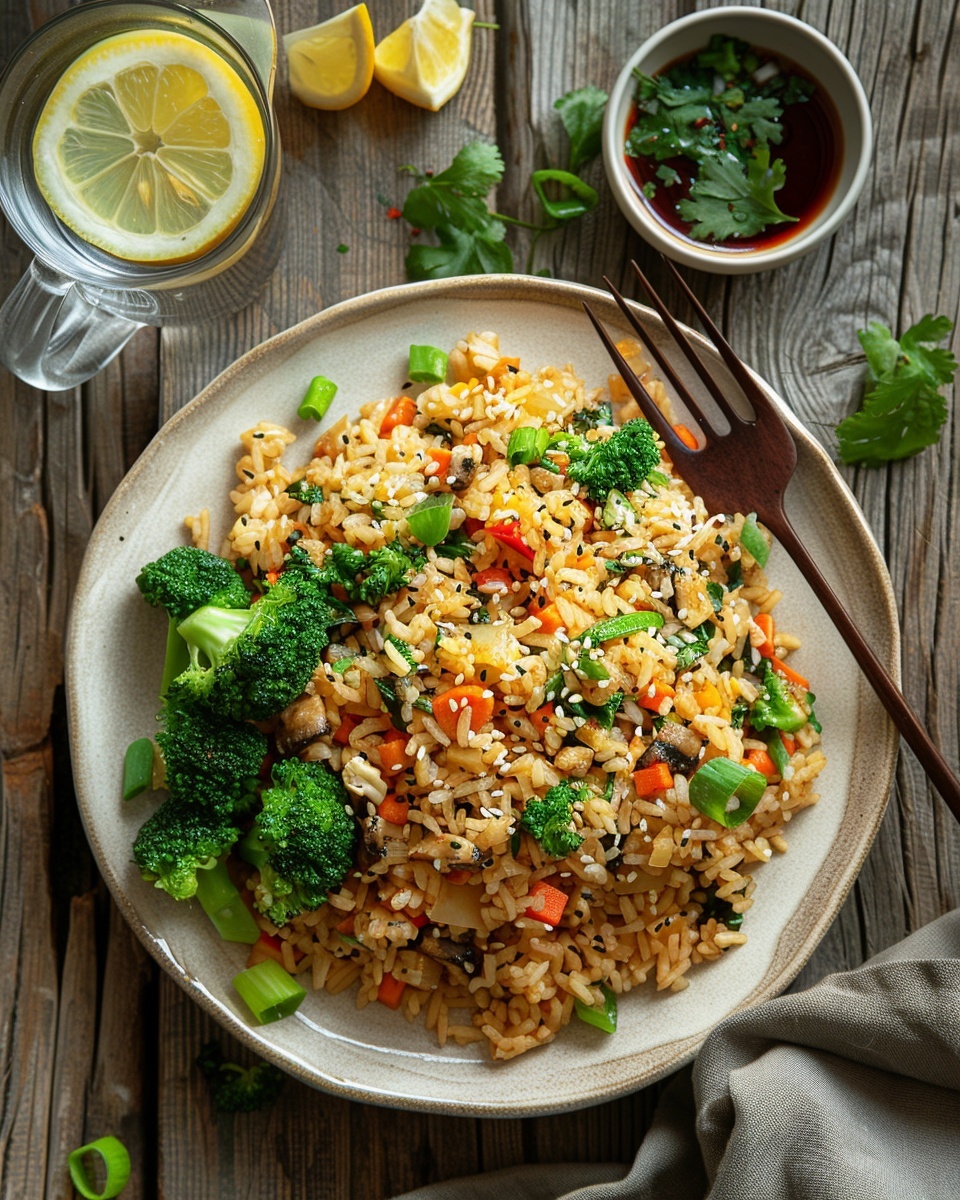
Welcome to My Kitchen: Let’s Talk Veggie Rice Stir Fry
Last Tuesday night, I stared into my fridge at 6 PM with zero dinner plans. I had half a bag of brown rice in the pantry, some wilting broccoli, a few carrots, and one lonely bell pepper. That’s when I threw together what became our family’s new favorite meal: a quick veggie rice stir fry. My kids devoured it. My husband asked for seconds. And I felt like a kitchen genius for turning random ingredients into something actually delicious.
This is exactly why I’m excited to share this recipe with you today. Veggie rice stir fry has become my go-to answer for those “what’s for dinner?” moments we all face. It’s fast, it’s flexible, and it works with whatever you have on hand.
Whether you’re looking for brown rice and vegetable recipes healthy enough for meal prep or just want a simple white rice with vegetables recipe for tonight, this dish delivers. It takes about 25 minutes from start to finish. You can make it vegetarian, vegan, or add protein. Best part? It tastes way better than takeout and costs a fraction of the price.
Why Choose Veggie Rice Stir Fry for Your Next Meal?
Here’s the truth: I used to think stir fry was complicated. I imagined needing a fancy wok, special ingredients, and serious cooking skills. I was wrong on all counts.
This easy vegetarian rice recipe for dinner works in any regular skillet. You don’t need exotic ingredients or culinary training. What you do need is rice, vegetables, and about five basic seasonings you probably already own.
The nutrition factor is hard to beat. When you make easy brown rice and vegetables at home, you control everything that goes in. No mystery oils. No excessive sodium. No weird preservatives. Just real food that fuels your body properly.
I’ve made this dish at least fifty times in the past year. Sometimes I use vegetable fried rice with egg when I need extra protein. Other nights, I keep it as a pure vegan stir fry by skipping the egg entirely. Both versions taste amazing.
The versatility is what keeps me coming back. Got leftover roasted veggies? Toss them in. Found some mushrooms in the back of your fridge? Perfect addition. That bag of frozen mixed vegetables you bought on sale? Yes, those work too. This recipe adapts to whatever your kitchen offers.
My friend Sarah is diabetic, and she asked me recently: Is stir-fry good for diabetics type 2? I did some research and learned that vegetable stir fry can actually be an excellent choice. The fiber from vegetables and brown rice helps manage blood sugar levels. Just watch the sauce amounts and skip added sugars. Sarah now makes this twice a week and says it keeps her blood sugar stable.
Another friend dealing with kidney issues wanted to know: Is fried rice good for dialysis patients? The answer depends on specific dietary restrictions. For kidney health, you’d want to limit sodium in the soy sauce, use low-potassium vegetables, and watch portion sizes. Always check with your doctor, but the base recipe can be modified for many dietary needs.
The Secret to Perfect Rice Every Time
Let me address the question everyone asks: Do you boil rice before stir frying it?
Yes, absolutely. You need to cook your rice completely before it hits the stir fry pan. Here’s my method that works every single time.
I cook my rice earlier in the day or even the night before. Cold rice actually works better for stir fry than fresh hot rice. Sounds weird, right? But freshly cooked rice is too moist and sticky. It turns mushy in the pan. Day-old rice from the fridge has dried out just enough to stay separate and get those crispy edges we all love.
When I know I’m making stir fry for dinner, I cook rice with my breakfast dishes. I spread it on a baking sheet, let it cool, then stick it in the fridge. By dinner time, it’s perfect.
Don’t have leftover rice? No problem. Cook it fresh, but spread it thin on a plate and let it cool for at least 30 minutes. Stick it in the freezer for 15 minutes if you’re really rushed. This quick-chill method works in a pinch.
Ingredients You’ll Need for Amazing Veggie Rice Stir Fry
The beauty of learning how to cook rice with mixed vegetables is that your ingredient list stays simple and flexible. Here’s what I keep stocked for this recipe.
For the Rice Base:
- 3 cups of cooked rice (brown or white, your choice)
- Brown rice adds more fiber and nutrients
- White rice cooks faster and has a lighter texture
- I alternate between both depending on my mood
For the Vegetables:
- Bell peppers (any color, I love the red ones for sweetness)
- Broccoli florets (fresh or frozen both work)
- Carrots (julienned or shredded thin)
- Snap peas or snow peas
- Mushrooms (button, cremini, or shiitake)
- Green onions (for garnish and flavor)
You don’t need all these vegetables. Pick three or four that you like. I’ve made this vegetable stir fry with just broccoli and carrots and it still tasted great.
For the Flavor Base:
- 3 cloves of garlic (minced fine)
- 1 tablespoon fresh ginger (grated or minced)
- 3 tablespoons soy sauce (low sodium works best)
- 1 tablespoon sesame oil (this adds amazing flavor)
- 2 tablespoons vegetable oil for cooking
Optional Protein Additions:
- 2 eggs (scrambled right in the pan)
- Firm tofu (pressed and cubed)
- Tempeh (crumbled or sliced)
- Edamame (shelled, adds protein and texture)
When I make vegetable fried rice with egg, I scramble the eggs first in the pan, remove them, then add them back at the end. This keeps them fluffy instead of rubbery.
I always recommend prepping all ingredients before you turn on the stove. Stir fry moves fast once you start cooking. Having everything chopped, measured, and ready makes the process smooth and stress-free.
My cutting board looks like a rainbow when I prep this dish. Orange carrots, green broccoli, red peppers, white onions. It makes me happy just looking at it. Plus, eating a variety of colors means you’re getting different nutrients. Your body will thank you.
One thing I’ve learned: don’t crowd your vegetables. Cut them into similar-sized pieces so they cook evenly. Small florets for broccoli. Thin strips for peppers. Matchsticks for carrots. This attention to detail makes a real difference in the final dish.
Ready to start cooking? The prep work is done. Your ingredients are lined up. In the next section, I’ll walk you through the actual cooking process step by step. Trust me, it’s easier than you think.


How to Make Veggie Rice Stir Fry Step by Step
With all your ingredients prepped and waiting, it’s time to turn up the heat and actually cook this thing.
I’m going to walk you through this exactly like I’m standing next to you in your kitchen. No fancy chef talk. Just real instructions that work.
First thing: get that skillet or wok screaming hot. I mean really hot. This is where most people mess up their stir fry. Medium-high heat is your friend here. If you’re nervous about burning things, you can start at medium and increase as you get comfortable. But trust me, high heat is what gives you those slightly charred, caramelized edges that make restaurant stir fry taste so good.
Add two tablespoons of vegetable oil to your hot pan. Swirl it around so it coats the entire surface. The oil should shimmer and almost smoke. That’s when you know it’s ready.
Now here’s where timing matters. Start with your hardest vegetables first. For me, that’s carrots. They take the longest to soften. Toss them in and let them sizzle for about two minutes. Don’t stir constantly. Let them sit for 30 seconds at a time. This creates those beautiful brown spots.
Next comes broccoli. Add it to the pan with the carrots. Stir it around. Listen to that sizzle. After another two minutes, throw in your bell peppers and snap peas. These cook faster, so they go in later. The whole vegetable cooking process takes maybe five to seven minutes total.
Here’s a trick I learned from my friend who spent a year in Thailand: add a tablespoon of water and cover the pan for about 90 seconds. This creates steam that helps cook the vegetables through without burning them. When you lift that lid, everything will be perfectly tender-crisp.
Now for the egg part if you’re making vegetable fried rice with egg. Push all your vegetables to one side of the pan. Seriously, just shove them over. Add a tiny bit more oil to the empty side. Crack your eggs right into that space. Let them sit for about ten seconds, then scramble them with your spatula. Once they’re mostly cooked but still a bit wet, mix them into the vegetables.
Time for the star of the show: your cold cooked rice. Add it all at once. Break up any clumps with your spatula. Now comes the fun part. You’re going to press the rice down into the hot pan and let it sit for about 45 seconds without stirring. This creates those crispy bits that make fried rice addictive. Then flip sections over and press again. Repeat this a few times.
Drizzle your soy sauce over everything. Add the minced garlic and grated ginger. Toss everything together for another two to three minutes. The rice should start to look slightly golden and smell absolutely incredible. If you love the nutty flavor, add that tablespoon of sesame oil now. Just drizzle it around the edges of the pan and mix it through.
Funny enough, my kids started eating this dish because I let them sprinkle the green onions on top. They felt involved. Now they request this easy vegetarian rice recipe for dinner at least once a week. Sometimes getting kids to eat vegetables is just about presentation and participation.
The whole cooking process from the moment you heat the pan to plating should take maybe 12 minutes. That’s it. Twelve minutes for a complete meal that looks like you spent an hour on it.
Tips for Perfecting Your Veggie Rice Stir Fry
Let me share some things I’ve learned through trial and error, mostly error if I’m being honest.
The biggest mistake I made early on was overcrowding the pan. When you pack too many vegetables in at once, they steam instead of fry. You end up with soggy, sad vegetables instead of crispy, caramelized ones. If you’re cooking for more than four people, do it in batches. Your arm might get tired, but the results are worth it.
Temperature control matters more than I ever realized. When I first started making stir fry, I’d panic and turn down the heat when things got too loud or started smoking. Don’t do that. Keep it hot. Just keep your ingredients moving. The high heat is what creates flavor through something called the Maillard reaction. I looked it up after my husband mentioned it. Basically, high heat browns your food and makes it taste amazing.
Here’s something nobody told me: the order you add ingredients changes everything. Dense vegetables like carrots and broccoli stems need more time than delicate ones like spinach or bean sprouts. I once threw everything in at once and ended up with mushy peppers and crunchy carrots. Not great. Now I add things in stages based on cooking time, similar to how I approach my chicken rice bowl with veggies where timing is everything.
Let’s talk about leftover rice for a second. I mentioned this before, but it deserves emphasis. Day-old rice from the refrigerator is genuinely better than fresh rice. The grains dry out slightly and separate. Fresh rice is too moist and clumps together. If you’re planning ahead, cook extra rice with dinner tonight so you have perfect stir-fry rice tomorrow. I actually cook double rice portions now just for this purpose.
One time I ran out of soy sauce halfway through cooking. Panic mode. I added a bit of tamari, a splash of Worcestershire sauce, and some salt. Honestly? It tasted different but still delicious. The point is, don’t stress if you need to substitute. Coconut aminos work for people avoiding soy. Liquid aminos are another option. Even a bit of miso paste thinned with water adds umami flavor.
By the way, if you’re making this as a vegan stir fry, skip the egg and add some cashews or peanuts for crunch and protein. I do this version probably 40% of the time now. Tofu works great too if you press it well and cube it small. I’ll crisp up the tofu separately in the pan first, remove it, then add it back at the end like I would with egg.
Seasoning adjustments happen at the end. Taste your stir fry before you serve it. Need more salt? Add a bit more soy sauce or just plain salt. Want it spicier? Sriracha, red pepper flakes, or fresh chilies all work. Too salty? Squeeze some lime juice over it to balance things out. A little sweetness from honey or maple syrup can round out sharp flavors.
The texture of your vegetables should be crisp-tender. That means they still have a slight crunch but aren’t raw. If you like softer vegetables, add that splash of water I mentioned earlier and cover for an extra minute. My mom prefers her vegetables really soft, so when she visits, I adjust the cooking time for her portion.
Here’s a weird tip that actually works: freeze your ginger root. Seriously. Frozen ginger grates beautifully on a microplane without getting all stringy and annoying. I keep mine in a freezer bag and just pull it out whenever I need some. Same goes for garlic if you buy those pre-peeled cloves in bulk.
Want to add more protein without eggs or tofu? Edamame is fantastic. So are chickpeas. I’ve even tossed in some shredded rotisserie chicken when I had leftovers. The base recipe is forgiving enough to handle all sorts of additions, kind of like how versatile a beef sandwich with lettuce can be when you want to customize your meal.
Rice vinegar is my secret weapon. Just a tablespoon added at the very end brightens everything up. It cuts through the richness of the oil and adds a subtle tang. I didn’t discover this until maybe my twentieth attempt at perfecting this dish. Game changer.
If you’re watching sodium for health reasons, start with low-sodium soy sauce and taste as you go. You can always add more, but you can’t take it away. I’ve also made versions with just garlic, ginger, and black pepper that were surprisingly good. The vegetables themselves have plenty of flavor if you cook them right.
One last thing about perfecting this dish: practice makes progress, not perfection. My first veggie rice stir fry was honestly pretty mediocre. The rice was mushy. The vegetables were either raw or overcooked. But I kept trying. Each time I learned something new. Now I can throw this together without even thinking about it, much like how I’ve gotten comfortable with my pasta salad with chicken after making it dozens of times.
The beauty of learning how to cook rice with mixed vegetables is that you develop instincts. You start to know by smell when garlic is perfectly toasted versus burnt. You can tell by the sound whether your pan is hot enough. You understand by feel when vegetables hit that sweet spot of done-but-not-overdone. These skills transfer to other dishes too. It’s like learning to ride a bike. Wobbly at first, then suddenly it clicks.
Don’t forget that stir fry is incredibly forgiving once you understand the basics. Too much soy sauce? Balance it with rice vinegar or a squeeze of citrus. Vegetables a bit too soft? Add some crunchy toppings like sesame seeds or crushed peanuts. Rice getting too dry? Drizzle in a bit of vegetable broth. There’s almost always a fix.
I keep a jar of toasted sesame seeds in my pantry specifically for garnishing dishes like this. That little sprinkle on top adds visual appeal and a nutty crunch that elevates the whole plate. Same with fresh cilantro or Thai basil if you have it. These finishing touches take your homemade version from good to restaurant-quality.
Making this dish repeatedly teaches you about your own preferences too. Maybe you discover you love extra ginger. Or that you prefer your rice slightly crispy all over. Perhaps you realize mushrooms are your favorite vegetable for this preparation. That’s the journey. There’s no single “correct” way, just your perfect way. Similar to how I’ve customized my baked fish with rice recipe over time to match what my family actually enjoys eating.


Making This Veggie Rice Stir Fry Your Own
The beautiful thing about mastering how to cook rice with mixed vegetables is that once you nail the basics, the creative possibilities become endless. I want to share some ways I’ve personalized this dish that might inspire you to experiment too.
Last month, I started keeping a stir fry journal. Sounds nerdy, I know. But I jot down what vegetables I used, what sauces I tried, and how my family reacted. It’s helped me figure out our favorites. Turns out my daughter loves water chestnuts for the crunch, my son prefers extra mushrooms, and my husband goes crazy for anything with a bit of heat. Now I can customize portions of the same batch to keep everyone happy.
Regional variations have become my latest obsession. I’ve experimented with Thai-inspired versions using fish sauce instead of soy sauce, adding Thai basil and a squeeze of lime. Then there’s the Chinese restaurant style with oyster sauce and Chinese five-spice powder. I even tried a Korean twist with gochujang and kimchi mixed in. Each variation teaches me something new about flavor combinations.
Here’s something I discovered by accident: roasted vegetable stir fry. One night I had leftover roasted Brussels sprouts and sweet potato from dinner. Instead of reheating them separately, I tossed them into my stir fry. The caramelized edges from roasting added this incredible depth. Now I sometimes intentionally roast vegetables first, especially harder ones like cauliflower or butternut squash. It adds an extra step, but the flavor payoff is worth it.
Sauce customization has become my playground. Beyond basic soy sauce, I’ve built a collection of finishing sauces that transform the same base recipe. A peanut sauce made with peanut butter, lime juice, and a touch of maple syrup turns this into a Thai-style dish. Teriyaki sauce with extra ginger gives it Japanese flair. Even a simple mixture of tahini, lemon juice, and garlic creates a Middle Eastern fusion that surprises people.
The texture game matters more than I initially realized. Some nights I want everything uniform and cohesive. Other times I crave contrast. That’s when I’ll add crispy elements at the end. Fried shallots, toasted cashews, crispy chickpeas from the oven, or even those crunchy noodles you get with takeout. These additions don’t cook with everything else. They go on top right before serving to maintain their crunch.
Batch cooking this dish has saved my sanity on busy weeks. I’ll make a huge batch on Sunday, portion it into containers, and refrigerate. It keeps beautifully for four days. Some people worry about food safety with rice, and that’s valid. Rice can develop bacteria if left at room temperature too long. But if you cool it quickly and refrigerate within two hours of cooking, you’re fine. I spread mine on baking sheets to cool it fast, then pack it away. Maintaining proper cooking consistency with food safety practices ensures your meals stay both delicious and safe throughout the week.
By the way, reheating stir fry properly makes all the difference. Microwaves work but can make things soggy. I prefer reheating in a skillet over medium heat with a tiny splash of water or broth. Cover it for two minutes to steam it through, then remove the lid and crisp it up for another minute. Tastes almost as good as fresh.
Meal prep containers matter too. I learned this the hard way. Those cheap containers that don’t seal well? Your rice dries out and your fridge smells like soy sauce. Invest in decent glass containers with rubber seal lids. They keep everything fresh and prevent flavor transfer to other foods.
Speaking of meal planning, this easy vegetarian rice recipe for dinner works perfectly for those nights when everyone eats at different times. My teenagers have sports practices that end at all hours. Having stir fry ready means they can heat up a proper meal instead of grabbing chips. As a mom, that peace of mind is priceless.
Funny enough, this dish has become my potluck contribution. People always ask for the recipe. I bring it in a big serving bowl, garnished with green onions and sesame seeds, and it disappears within minutes. Nobody believes me when I say it took less than half an hour to make. They assume I slaved away for hours. I just smile and accept the compliments.
Seasonal variations keep things interesting throughout the year. Summer stir fry features zucchini, yellow squash, and fresh corn cut off the cob. Fall brings butternut squash, Brussels sprouts, and kale. Winter means heartier root vegetables like parsnips and turnips. Spring celebrates asparagus, snap peas, and baby bok choy. Following the seasons means better flavor and lower prices at the grocery store. Win-win.
One unexpected benefit of making this vegan stir fry regularly is how much my vegetable consumption has increased. I used to struggle to eat the recommended daily servings. Now I easily pack two to three cups of vegetables into one meal. My doctor noticed improvements in my blood work at my last checkup. She asked what changed, and I told her about my stir fry habit. She actually wrote it down to recommend to other patients.
The cost savings compared to takeout are genuinely shocking. I did the math once. Ordering vegetable fried rice from our local Chinese restaurant costs about fourteen dollars for a portion that feeds two people, maybe. Making it at home costs roughly four dollars and feeds our family of four with leftovers. Over a year, if I make this just twice a month instead of ordering out, I save over two hundred dollars. That’s a nice dinner out or new kitchen equipment.
Teaching my kids to make this has been rewarding beyond just the practical life skill aspect. My son, who’s twelve, can now make dinner for the family when my husband and I both work late. He follows the recipe, chooses his vegetables, and plates everything nicely. The confidence boost has been incredible. Plus, kids who cook are more likely to try new foods. My daughter now eats bell peppers, which she refused for years, simply because she started cooking them herself.
Here’s the thing about building cooking skills: every dish you master makes the next one easier. The knife skills you develop chopping vegetables for stir fry transfer to every other recipe. The understanding of how heat affects food applies everywhere. The confidence you gain from successfully feeding yourself or your family compounds over time. This simple white rice with vegetables recipe might be just the beginning of a whole cooking journey.
I’ve started thinking of variations as “flavor profiles” rather than strict recipes. Once you understand the basic formula, you can plug in different ingredients based on what sounds good. It’s like having a template. Rice plus vegetables plus protein plus sauce plus aromatics equals dinner. The specifics change, but the formula remains constant. This mental framework has made me a much more confident cook overall, whether I’m exploring options from our lunch collection or trying something completely new.
Consider this your invitation to experiment. Maybe your version includes ingredients I’ve never thought of. Perhaps you’ll discover a combination that becomes your signature dish. Cooking shouldn’t feel rigid or stressful. It’s supposed to be creative and fun. This vegetable stir fry is just your starting point.
Trust yourself in the kitchen more than you probably do right now. Your instincts are better than you think. If something sounds good to you, try it. The worst-case scenario is one mediocre meal. The best-case scenario is discovering something amazing. Those odds are worth taking.
Your Questions About Veggie Rice Stir Fry Answered
How to make veg stir-fry with rice?
Start by cooking and cooling your rice ahead of time, then prep all your vegetables by chopping them into uniform pieces. Heat a large skillet or wok over high heat with oil, add your hardest vegetables first, then work your way to softer ones. Once vegetables are crisp-tender, add your cold rice and break up any clumps. Drizzle soy sauce and sesame oil over everything, add minced garlic and ginger, then toss everything together for a few minutes until heated through and slightly crispy. The whole cooking process takes about twelve minutes once your ingredients are prepped.
Is stir-fry good for diabetics type 2?
Yes, vegetable stir fry can be an excellent choice for managing type 2 diabetes when prepared thoughtfully. The high fiber content from vegetables and brown rice helps slow down glucose absorption and stabilize blood sugar levels. Choose brown rice over white for more fiber and nutrients, load up on non-starchy vegetables like broccoli and peppers, and watch your portion sizes. Be mindful of sauce amounts since many contain added sugars, and consider using low-sodium soy sauce to keep salt intake reasonable. Always monitor your individual blood sugar response and consult with your healthcare provider about portion sizes appropriate for your needs.
Is fried rice good for dialysis patients?
Fried rice can work for dialysis patients, but requires careful modifications based on individual dietary restrictions. The main concerns are sodium content from soy sauce, potassium levels in certain vegetables, and phosphorus from some protein additions. Use low-sodium soy sauce or alternative seasonings, choose lower-potassium vegetables like cabbage, bell peppers, and green beans, and limit portion sizes to control phosphorus intake. Skip high-potassium ingredients like tomatoes, spinach, and potatoes. Always work with your renal dietitian to determine what modifications work best for your specific lab values and restrictions, as kidney disease requirements vary significantly from person to person.
Do you boil rice before stir frying it?
Yes, rice must be fully cooked before you stir fry it, but the technique matters for best results. Cook your rice completely using your preferred method, then spread it on a baking sheet to cool quickly. Day-old refrigerated rice actually works better than freshly cooked rice because the grains dry out slightly and separate, preventing mushiness in the pan. Fresh rice contains too much moisture and tends to clump together and turn gummy when stir-fried. If you only have fresh rice, spread it thin on a plate and refrigerate for at least thirty minutes, or freeze for fifteen minutes to cool it quickly.
Can I use frozen vegetables for veggie rice stir fry?
Absolutely, frozen vegetables work wonderfully for stir fry and I use them frequently. The key is to not thaw them first, which creates excess moisture. Toss frozen vegetables directly into your hot pan, and they’ll release some water as they thaw. Let that water cook off before adding your rice. Frozen vegetables are actually picked and frozen at peak ripeness, so they often have better nutrition than fresh vegetables that have been sitting in your fridge for a week. I keep bags of frozen broccoli, mixed stir fry vegetables, and edamame in my freezer specifically for this purpose.
What’s the best type of rice for stir fry?
Long-grain rice varieties work best because they stay separate and don’t get mushy when stir-fried. Jasmine rice is my personal favorite for its subtle floral aroma and fluffy texture. Basmati also works beautifully and adds a nutty flavor. Brown rice is the healthiest option with more fiber and nutrients, though it takes longer to cook initially. Short-grain rice tends to be stickier and doesn’t create the same texture, though it still tastes good if that’s what you have. Whatever type you choose, making sure it’s cold and day-old matters more than the specific variety.
How do I prevent my stir fry from getting soggy?
Soggy stir fry usually results from three mistakes: using fresh hot rice instead of cold, overcrowding the pan, or cooking over heat that’s too low. Always use day-old refrigerated rice or rice that’s been cooled for at least thirty minutes. Don’t pack too many vegetables into the pan at once since they’ll steam instead of fry. Keep your heat at medium-high to high so moisture evaporates quickly rather than pooling. Also, make sure your vegetables are thoroughly dry after washing them, and don’t add too much sauce at once. These simple adjustments will give you that perfect crispy texture every time.
Can I make veggie rice stir fry ahead of time?
Yes, this dish is fantastic for meal prep and actually keeps really well. I make large batches on Sundays and store them in airtight containers in the refrigerator for up to four days. The key to food safety with rice is cooling it quickly after cooking and refrigerating it within two hours. When reheating, I prefer using a skillet with a splash of water or broth rather than the microwave, which can make things soggy. You can also freeze portions for up to three months, though the texture of some vegetables changes slightly after freezing. It’s a lifesaver for busy weeknights when you need a quick, healthy meal ready to go.
What proteins work best in vegetarian stir fry?
Eggs are my go-to protein addition since they cook quickly and add richness. Firm tofu that’s been pressed and cubed creates a great meat-like texture, especially if you crisp it up separately first. Tempeh works beautifully and has a nutty flavor that complements the vegetables. Edamame adds both protein and a nice pop of color. Chickpeas, either canned and drained or roasted for extra crunch, boost protein significantly. Even nuts like cashews or peanuts add protein along with healthy fats and crunch. The beauty of this recipe is you can rotate different protein sources to keep meals interesting throughout the week.
How can I add more flavor to my stir fry without extra calories?
Focus on aromatics and acids rather than oils and heavy sauces. Fresh ginger and garlic add incredible flavor with almost no calories. A squeeze of lime or lemon juice at the end brightens everything without adding fat. Rice vinegar gives tanginess for just a few calories. Fresh herbs like cilantro, Thai basil, or green onions pack major flavor punch. Red pepper flakes, white pepper, or fresh chilies add heat without calories. Toasted sesame seeds give nutty flavor with minimal calorie impact. Even a splash of low-sodium vegetable broth instead of extra oil helps carry flavors while keeping things light. The key is layering these flavor elements so your taste buds stay excited without loading up on excess calories.
This veggie rice stir fry isn’t just another recipe to add to your collection. It’s your answer to those nights when you need something quick, healthy, and satisfying. Start with the basic version I’ve shared, then make it yours. Your perfect stir fry is waiting to be discovered in your own kitchen.
Ingredients
Equipment
Method
- Heat a skillet or wok over medium-high heat until very hot.
- Add 2 tablespoons of vegetable oil and swirl to coat the pan.
- Add carrots and let them sizzle for about two minutes without stirring constantly.
- Add broccoli and stir; cook for another two minutes.
- Toss in bell peppers and snap peas; cook for an additional one to two minutes.
- Add a tablespoon of water and cover for 90 seconds to steam the vegetables.
- Push the vegetables to one side of the pan, add more oil, and scramble the eggs on the other side.
- Once eggs are mostly cooked, mix them in with the vegetables.
- Add the cold cooked rice and break up clumps with a spatula.
- Press the rice down into the hot pan and let it cook without stirring for about 45 seconds to crisp.
- Flip sections of rice and press down; repeat a few times.
- Drizzle soy sauce, garlic, and ginger over the rice; toss everything together.
- Cook for two to three minutes until rice is slightly golden.
- Drizzle sesame oil around the edges of the pan and mix through.
- Serve garnished with green onions.