
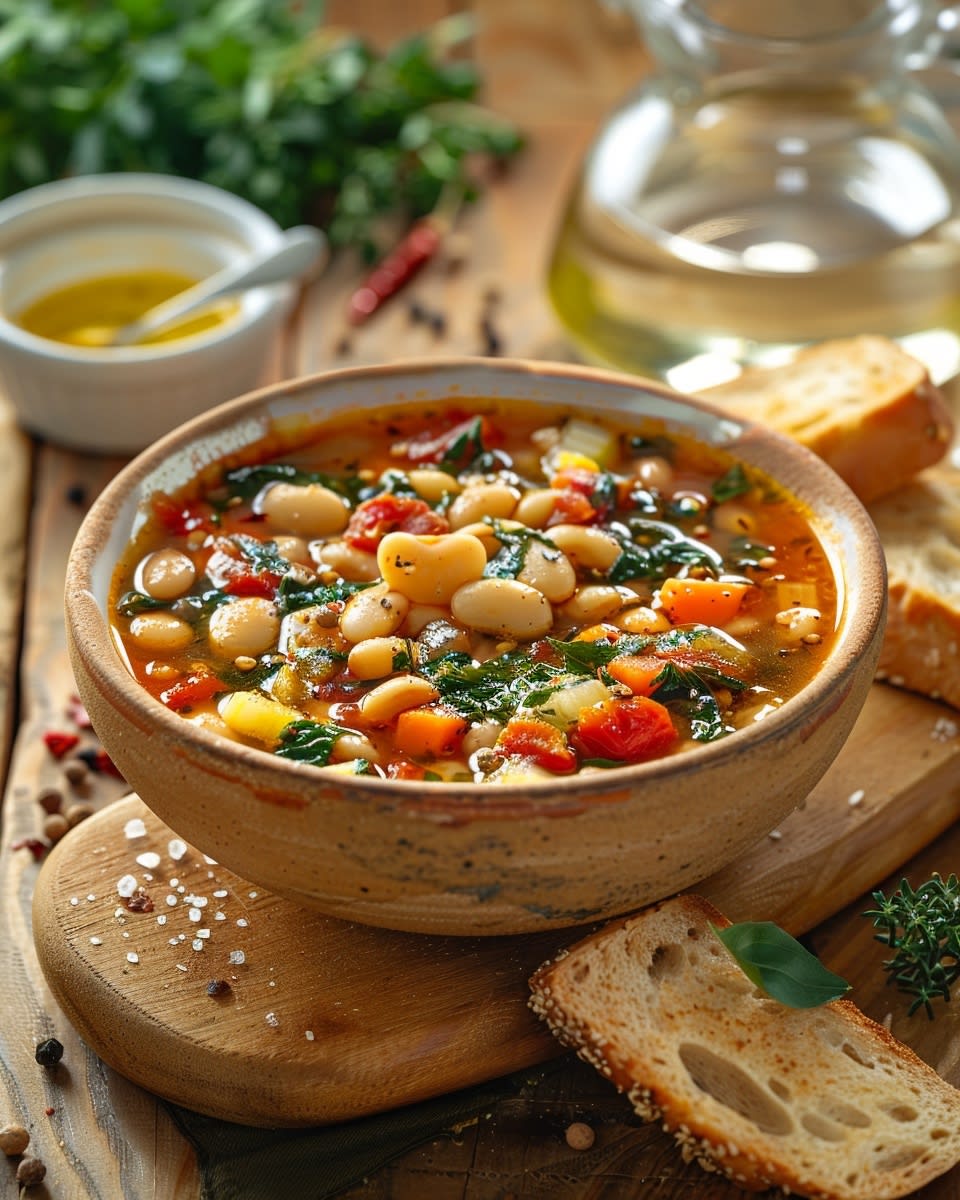
Welcome to the Warm Comfort of Veggie Soup with Beans
Last winter, I found myself staring into my refrigerator at 6 PM on a Tuesday. A few lonely carrots, half a bag of spinach, and a can of beans stared back at me. My stomach growled. My energy was low. But instead of ordering takeout, I threw everything into a pot with some broth and spices. Thirty minutes later, I had the most satisfying bowl of veggie soup with beans I’d ever tasted. That moment changed how I think about cooking.
Welcome to my kitchen, where today we’re making the kind of soup that saves dinner plans and warms souls. This veggie soup with beans is more than just a recipe. It’s your answer to busy weeknights, tight budgets, and the constant question of “what’s for dinner?” The best part? You probably have most of the ingredients sitting in your pantry right now.
This soup works for anyone. Whether you’re feeding a family of five or meal prepping for the week, it delivers every single time. I’ve made this recipe on Sunday afternoons when I had all the time in the world. I’ve also thrown it together in twenty minutes when my kids were melting down and I needed food on the table fast. Both versions turned out great.
Why Choose Veggie Soup with Beans?
Let me tell you why this soup deserves a permanent spot in your meal rotation. I’m not talking about fancy chef reasons or complicated nutrition science. These are real benefits that make a difference in your daily life.
The Health Benefits Are Real
Beans are nutritional powerhouses. A single cup of beans gives you around 15 grams of protein and 15 grams of fiber. That’s impressive for something that costs less than a dollar. The protein keeps you full for hours. The fiber helps your digestive system work smoothly and keeps your blood sugar stable.
The vegetables add their own magic to the mix. Carrots bring vitamin A for your eyes. Spinach or kale pack in iron and calcium. Tomatoes offer vitamin C and antioxidants. Celery adds potassium for heart health. When you combine all these ingredients, you get a complete meal in one bowl.
My doctor once told me that eating more plant-based meals could help lower my cholesterol. This soup became my secret weapon. It’s packed with nutrients but contains almost no saturated fat. You can eat a huge, satisfying portion without any guilt.
Perfect for Different Dietary Needs
Here’s what I love most about this recipe. It works for almost everyone at your table. Your vegan friend? Check. Your sister who’s trying to lose weight? Perfect. Your dad who needs to watch his blood sugar? This soup is actually ideal for diabetics.
The combination of beans and vegetables creates a low glycemic index meal. This means the carbohydrates break down slowly in your body. Your blood sugar won’t spike and crash like it does with white bread or pasta. The high fiber content slows down digestion even more, which is exactly what people managing diabetes need.
I have a neighbor with type 2 diabetes who asks me for this recipe at least once a month. She tells me it’s one of the few comfort foods she can eat without worrying about her glucose readings. That means everything to me.
The soup is also naturally gluten-free if you use the right broth. It’s dairy-free without even trying. You can make it oil-free by sautéing your vegetables in broth instead of olive oil. Whatever your dietary restrictions, this soup can adapt.
Your Wallet Will Thank You
Let’s talk money. A batch of this soup costs me about eight to ten dollars to make. That batch feeds my family of four for two full meals. Compare that to takeout, which costs us at least thirty dollars for one meal. The math is pretty simple.
Beans are one of the cheapest protein sources you can buy. Dried beans cost even less than canned, though canned beans save you time. I keep both in my pantry. On lazy days, I grab the canned ones. When I plan ahead, I use dried beans and save a few extra dollars.
The vegetables don’t need to be fresh and perfect either. I use whatever is on sale that week. Sometimes I buy the “ugly” produce that stores discount. Other times I raid my freezer for vegetables I froze when they were about to go bad. This soup forgives everything.
Easy Enough for Anyone
You don’t need cooking skills to make this soup. If you can chop vegetables and stir a pot, you’re qualified. I taught my thirteen-year-old daughter to make this recipe last month. She now makes it by herself when she gets home from school.
The basic process goes like this. Chop your vegetables. Cook them in a pot for a few minutes. Add broth, beans, and seasonings. Let everything simmer. That’s it. No complicated techniques or special equipment required.
You also can’t really mess it up. I’ve accidentally burned the onions a little. I’ve forgotten to add salt until the end. I’ve thrown in random vegetables that didn’t quite match. Every single time, the soup still tasted good. It’s that forgiving.
One Recipe, Endless Variations
This soup changes based on what I have available and what I’m craving. Last week I made an Italian version with white beans, tomatoes, and basil. The week before, I went Mexican-style with black beans, corn, and cumin. Both used the same basic method.
You can adjust the texture too. Want a brothy soup you can sip? Add more liquid. Prefer a thick, hearty stew? Use less broth and mash some of the beans. Looking for something in between? You control it all.
The seasonings completely transform the flavor profile. Curry powder creates an Indian-inspired version. Smoked paprika gives it a Spanish vibe. Fresh herbs at the end brighten everything up. You’re basically getting twenty different recipes in one.


Let’s Get Cooking: What You Need for Amazing Veggie Soup with Beans
Now that you know why this soup belongs in your life, let’s talk about actually making it. I’m going to walk you through everything from picking ingredients to stirring the pot. Don’t worry—this is the fun part.
The Foundation: Choosing Your Beans
What beans go in vegetable soup? Honestly, almost any kind works. But I have my favorites that I reach for again and again. Cannellini beans create this creamy, luxurious texture that makes the soup feel fancy even though it’s simple. Navy beans and great northern beans work similarly. They’re mild and they blend into the soup beautifully.
Kidney beans bring more texture and hold their shape better. I use them when I want the soup to feel heartier. Black beans turn the broth darker but add an earthy flavor that pairs perfectly with cumin and chili powder. Chickpeas are firmer and create little pockets of protein that feel satisfying in your mouth.
Here’s the thing about choosing beans for this soup. If you’re cooking for someone managing diabetes, beans are actually one of the best ingredients you can use. The soluble fiber in beans slows down how quickly your body absorbs sugar. This keeps blood sugar levels stable instead of causing those scary spikes. My aunt has diabetes, and her nutritionist actually told her to eat more bean soups.
You can use canned or dried beans. Canned beans save me on weeknights when I’m exhausted. I just drain them, rinse them under cold water to remove excess sodium, and toss them in. Dried beans cost less and taste slightly better, but they require planning. I soak them overnight in cold water, then drain and rinse them before cooking. If I forget to soak them, I use the quick-soak method—cover them with water, boil for two minutes, then let them sit for an hour before draining.
The Vegetables That Make It Special
I always start with what I call the aromatic trio: onions, celery, and carrots. These three vegetables create the flavor foundation. The onions add sweetness when they cook down. Celery brings this subtle savory note that you don’t really notice, but you’d miss it if it wasn’t there. Carrots add natural sweetness and turn soft and tender in a way that feels comforting.
From there, I add whatever vegetables look good at the store or whatever I need to use up. Zucchini works great and cooks quickly. Bell peppers add color and a slight sweetness. Green beans give you that satisfying snap when you bite into them. Kale or spinach stirred in at the end adds nutrition and a pop of color.
Tomatoes deserve their own paragraph because they’re that important. I usually use canned diced tomatoes because they’re consistent and flavorful year-round. Fresh tomatoes work too, but honestly, they’re only worth it in summer when they’re actually ripe and delicious. The tomatoes add acidity that brightens all the other flavors. They also create a richer, more complex broth.
When choosing vegetables, I look for ones that feel firm and heavy for their size. Carrots should snap when you bend them, not bend like rubber. Celery should be crisp, not limp. Onions should feel solid without soft spots. That said, vegetables that look a little tired on the outside often work fine in soup since everything gets chopped and cooked down anyway.
Funny enough, frozen vegetables work beautifully in this soup. I keep bags of mixed vegetables in my freezer specifically for soup emergencies. They’re already cut, they’re frozen at peak ripeness, and they’re usually cheaper than fresh. Just toss them in frozen—no need to thaw.
The Liquid Gold: Your Broth Choice
Vegetable broth is my go-to base. I buy low-sodium versions so I can control the salt level myself. Sometimes I use half broth and half water to stretch it further and save money. Other times I go all-in with straight broth for maximum flavor.
You can also make your own broth by saving vegetable scraps in a freezer bag. I save onion peels, carrot tops, celery leaves, and herb stems. When the bag gets full, I simmer everything in water for an hour, strain it, and boom—free broth. It tastes more complex than store-bought because it contains flavors from dozens of different vegetables.
The Secret Ingredient That Changes Everything
What is the secret ingredient in vegetable soup? For me, it’s a tie between two things. The first is a parmesan rind. I know, I know—this technically makes the soup not vegan. But if you eat cheese, save your parmesan rinds in the freezer. Throw one into the soup while it simmers. The rind melts slowly and adds this deep, savory, almost meaty flavor called umami. It makes people say “what IS that amazing taste?” and they can never guess.
The second secret weapon is a splash of something acidic at the very end. I use balsamic vinegar, red wine vinegar, or fresh lemon juice. Just a tablespoon brightens every single flavor in the pot. It’s like turning up the volume on a song. Suddenly everything tastes more like itself. The vegetables taste more vegetable-y. The beans taste richer. The herbs pop.
By the way, smoked paprika deserves an honorable mention. A teaspoon adds this subtle smoky depth that makes people think you cooked something over a fire for hours. I discovered this trick from a roasted chicken recipe years ago, and now I sneak it into everything.
How to Cook Beans for Diabetics and Everyone Else
Let me share exactly how to cook beans for diabetics in a way that maximizes their benefits. The key is cooking them thoroughly but not overcooking them into mush. Properly cooked beans maintain more of their resistant starch, which is exactly what helps control blood sugar.
If you’re using dried beans, soak them for at least eight hours. This reduces compounds that cause gas and makes them easier to digest. After soaking, drain and rinse them thoroughly. Put them in a pot with fresh water—about three cups of water for every cup of beans. Bring to a boil, then reduce to a gentle simmer. Don’t add salt yet because it can make the beans tough. Simmer until they’re tender but still hold their shape, usually about an hour depending on the bean type.
For people managing diabetes, slightly firmer beans are actually better than super-soft ones. The firmer texture means the starches break down more slowly in your digestive system, leading to better blood sugar control. My aunt taught me this after attending a diabetes education class.
Canned beans work perfectly fine too. The processing doesn’t significantly change their glycemic impact. Just rinse them well to remove about forty percent of the added sodium. This makes them healthier for anyone watching their blood pressure, which often goes hand-in-hand with diabetes management.
The Actual Cooking Process: Step by Step
Okay, let’s make this soup. First, I heat a large pot over medium heat. I add a drizzle of olive oil or, if I’m going oil-free, a few tablespoons of vegetable broth. Then in go my diced onions. I let them cook for about five minutes, stirring occasionally, until they turn translucent and soft.
Next I add the celery and carrots, both diced into similar-sized pieces so they cook evenly. These need about five more minutes to start softening. This process of cooking the vegetables before adding liquid is called sweating, and it brings out their natural sweetness. Your kitchen will start smelling amazing right about now.
Then I add garlic—lots of it, because I love garlic. Usually four or five cloves, minced. Garlic burns easily, so I only cook it for about a minute, stirring constantly, just until it smells fragrant. If you burn garlic, it turns bitter and there’s no saving it, so watch carefully.
Now comes the easy part. I pour in my broth, add the tomatoes with their juice, and toss in my beans. If I’m using dried beans, they’re already cooked at this point. If I’m using canned, they go in straight from the can after rinsing. I add any seasonings now too—salt, black pepper, bay leaves, thyme, whatever I’m in the mood for.
I bring everything to a boil, then immediately reduce the heat to low so it just barely simmers. This is important. A rolling boil will make your vegetables fall apart into mush. A gentle simmer cooks everything perfectly. The surface of the liquid should just barely move with tiny bubbles.
How long you simmer depends on your vegetables. Hardy vegetables like potatoes or winter squash need thirty to forty minutes. Tender vegetables like zucchini only need fifteen to twenty minutes. I usually aim for about thirty minutes total, which gives the flavors time to marry while keeping some texture in the vegetables.
In the last five minutes, I add any quick-cooking vegetables like spinach, frozen peas, or fresh herbs. These just need to heat through. Spinach wilts almost instantly. This is also when I add that splash of vinegar or lemon juice I mentioned earlier.
Variations That Keep Things Interesting
The beautiful thing about this soup is how easily it transforms. Last month I made a version inspired by a lentil quinoa bowl I’d been making for lunch. I added curry powder, coconut milk, and some red lentils along with the beans. It tasted completely different but used the same basic technique.
For a Mexican-style version, I use black beans, add a diced jalapeño with the aromatics, season with cumin and chili powder, and finish with fresh cilantro and lime juice. Sometimes I throw in frozen corn for sweetness and texture.
The Italian version uses white beans, lots of garlic, dried oregano and basil, and I finish it with fresh basil and a drizzle of good olive oil. Sometimes I throw in some small pasta during the last ten minutes of cooking to make it more filling.
If you want to make it heartier without adding meat, try this trick. When you’re cooking your aromatics, add a tablespoon of tomato paste and let it cook for a minute until it darkens slightly. This adds incredible depth. Or add a tablespoon of miso paste when you add the broth—it creates that savory umami flavor similar to what you get from that parmesan rind.
You can adjust the thickness by mashing some of the beans against the side of the pot with your spoon. This releases their starch and creates a creamier texture without adding any cream. I usually mash about a quarter of the beans. It makes the soup feel more substantial.
For people who need low-sodium options, use unsalted broth and add your own seasonings. Fresh herbs, lemon juice, garlic, and spices provide tons of flavor without any sodium. You really won’t miss the salt if you layer in enough other flavors.
Sometimes I make a batch of this soup, then transform half of it into something else the next day. I’ll blend part of it into a smooth soup. Or I’ll drain some of the liquid and serve it over rice or quinoa as more of a stew. I’ve even used it as a filling for burritos. This kind of flexibility reminds me of how I use leftover components from a baked salmon dinner in completely different ways throughout the week.
The point is, once you understand the basic technique, you’re not following a recipe anymore. You’re cooking. And that’s when things get really fun.


Making the Most of Your Veggie Soup with Beans: Serving Ideas That Elevate Every Bowl
So you’ve got a pot of gorgeous, bubbling soup sitting on your stove. The hard part is done. Now comes the fun part—deciding how to serve it and what to pair it with. This is where you can get creative and make the meal feel special, even on a random Tuesday night.
I like serving this soup in big, wide bowls that hold plenty of broth. There’s something about a proper soup bowl that makes the meal feel more intentional, more comforting. My husband laughs at me for being picky about bowls, but I swear it makes a difference. If the bowl is too small, you’re just refilling it constantly. Too shallow, and your spoon doesn’t work right.
Crusty bread is my number one pairing. I’m talking about a good sourdough or a rustic Italian loaf with a hard crust that shatters when you tear it. You dip it into the broth, and it soaks up all those flavors. Sometimes I brush slices with olive oil and garlic, then toast them in the oven to make simple garlic bread. Other times I’m lazy and just buy a baguette from the grocery store bakery. Both work.
A fresh salad on the side turns this into a complete restaurant-quality meal. I usually keep it simple—mixed greens, cucumbers, cherry tomatoes, and a quick vinaigrette. The crisp, cool salad contrasts beautifully with the warm, hearty soup. It also adds different textures to your meal, which makes eating more interesting.
Here’s something I started doing last year that my kids absolutely love. I set up a toppings bar. I put out small bowls of shredded cheese, sour cream, fresh herbs, croutons, hot sauce, and lemon wedges. Everyone customizes their own bowl. My son loads his up with cheese and croutons. My daughter prefers hers plain with just a squeeze of lemon. My husband dumps hot sauce on everything. It’s the same soup, but everyone gets exactly what they want.
Funny enough, this soup also works cold. I discovered this by accident when I ate leftovers straight from the fridge one summer morning because I was too impatient to heat it up. It tasted like a chunky gazpacho. Not what I expected, but surprisingly refreshing. Now I sometimes make it specifically to eat cold during hot weather.
Storing Your Soup the Right Way
Let’s talk about storage because this soup makes great leftovers—sometimes even better than the first day. All those flavors have more time to blend and develop overnight. The soup will keep in your refrigerator for about five days if you store it properly.
I let the soup cool to room temperature before putting it away. Don’t stick a hot pot directly in the fridge because it raises the temperature inside, which can affect other foods. Once it’s cooled down, I transfer it to airtight containers. Glass containers work best because they don’t absorb odors or stains like plastic sometimes does. Plus you can see exactly what’s inside without opening them.
Here’s a tip I learned the hard way. Don’t fill your containers all the way to the top. Leave about an inch of space because liquids expand slightly when they freeze. I once filled a container to the brim, froze it, and came back to find the lid popped off and soup everywhere. Not my finest moment.
This soup freezes beautifully for up to three months. I portion it into individual servings before freezing so I can thaw exactly what I need. Those single-serve portions have saved me countless times when I needed lunch but had zero energy to cook. Just grab a container from the freezer in the morning, and by lunchtime it’s thawed enough to heat up quickly.
One word of caution about freezing. If your soup contains pasta or potatoes, they might get a little mushy when you reheat them. The soup still tastes good, but the texture changes. I usually freeze my soup before adding those ingredients, then throw in fresh pasta or potatoes when I reheat it.
Reheating Without Losing the Magic
Reheating soup seems straightforward, but there are ways to do it that preserve all those wonderful flavors and textures you worked to create. The stovetop method is my favorite. I pour the soup into a pot over medium-low heat and stir it occasionally as it warms up. This gentle reheating keeps everything intact.
If you’re in a hurry, the microwave works fine. I use fifty percent power and stop to stir every minute or so. This prevents hot spots where the soup is boiling in one area while still cold in another. Covering the bowl loosely with a paper towel stops splatters without trapping too much steam.
The soup might thicken up in the fridge as the beans and vegetables absorb liquid. No problem. Just add a splash of water or broth when you reheat it. Start with a quarter cup, stir it in, and see if you need more. You want the consistency to look like it did when you first made it.
Sometimes I actually prefer thicker leftover soup. I’ll serve it over rice or quinoa instead of eating it as soup. It becomes more like a stew or a topping, which gives you a completely different meal from the same batch. This kind of flexibility is why I make soup almost every week.
Making This Recipe Truly Yours
I need you to understand something important. This recipe is just a starting point. It’s a framework, not a rule book. The real magic happens when you start experimenting and making it your own. I’ve given you the technique and some ideas, but your kitchen, your ingredients, and your taste buds are all different from mine.
Start by swapping vegetables based on what you love or what’s in your fridge. Hate celery? Leave it out and add extra carrots. Love mushrooms? Throw in a couple cups of sliced ones. They’ll add this earthy, meaty flavor that makes the soup even heartier. I have a friend who adds diced sweet potato to every batch. She swears it makes the soup more filling and adds natural sweetness that balances the acidity from the tomatoes.
The beans are equally flexible. Try mixing different types in the same pot. Half kidney beans and half chickpeas create interesting textural contrast. Or go completely off-script and use lentils, which cook faster than beans and create a thicker, creamier soup. By the way, if you’re exploring more plant-based meals, there are some great approaches to building balanced dishes in these healthy lunch ideas that use similar techniques.
Seasonings are where your personality really shines through. If you love spicy food, add red pepper flakes or fresh jalapeños. If you prefer milder flavors, stick with herbs like thyme and parsley. I’ve made versions with ginger and turmeric that tasted almost medicinal in the best way—like something that was healing you while you ate it. I’ve also made versions loaded with fresh dill that tasted bright and summery.
Think about add-ins toward the end of cooking too. A handful of cooked pasta makes it more substantial. A dollop of pesto stirred in at the end adds complex herby flavors without any extra work. Nutritional yeast gives it a cheesy taste if you’re avoiding dairy. A spoonful of tahini creates creaminess and adds protein. The possibilities genuinely are endless.
Understanding Portions and Listening to Your Body
One beautiful thing about this soup is that it naturally encourages mindful eating. The high fiber and protein content means you’ll feel satisfied with a reasonable portion. You don’t need to eat until you’re uncomfortably full to feel like you’ve had a real meal. This matters for everyone, but it’s especially important if you’re managing weight or blood sugar levels.
The CDC offers some helpful guidance on portion control that applies beautifully to soups like this. Generally, a serving is about one and a half to two cups, which fills a standard soup bowl. Pay attention to how you feel as you eat. When you start to feel satisfied—not stuffed, just content—that’s probably enough. You can always have more later if you’re genuinely hungry again.
I’ve noticed that eating this soup makes me more aware of my hunger signals. Because it’s warm and brothy, you have to eat it slowly. You can’t just shovel it in like you might with other foods. That slowness gives your brain time to register fullness. It takes about twenty minutes for your stomach to tell your brain it’s had enough food. Soup naturally paces you.
Here’s the thing. This soup is so nutritious and low in calories that you don’t need to stress about portions the way you might with heavier foods. A big bowl might only be three hundred calories but will keep you full for hours. That’s the power of fiber-rich beans and vegetables. They take up space in your stomach, slow down digestion, and stabilize your energy.
If you’re tracking nutrition for health reasons, this soup makes it easy. The ingredients are simple and measurable. Most recipe apps let you plug in your exact ingredients and portions to calculate nutrition information. But honestly? For a soup this healthy, I don’t usually bother. I just eat it and trust that I’m doing something good for my body.
Remember that food is more than just nutrition numbers. It’s comfort, tradition, creativity, and connection. This soup has become comfort food in my house. My kids request it when they’re feeling sick. I make it for neighbors who just had babies. I’ve brought it to potlucks where it always disappears first. Those experiences matter just as much as the vitamins and minerals.
So go ahead. Make a pot this week. Taste it as it cooks and adjust the seasonings until it makes you happy. Serve it however feels right to you. Share it with people you care about, or save it all for yourself and enjoy having easy meals ready to go. There’s no wrong way to do this.
Frequently Asked Questions About Veggie Soup with Beans
Can I make veggie soup with beans in a slow cooker?
Absolutely, and it’s one of my favorite methods when I have time to plan ahead. Add all your ingredients except quick-cooking vegetables and fresh herbs to the slow cooker in the morning. Cook on low for six to eight hours or high for three to four hours. Add spinach, peas, or fresh herbs in the last thirty minutes. The long, slow cooking creates incredibly deep flavors. Just make sure your beans are either canned or pre-cooked before adding them since dried beans can be unpredictable in slow cookers.
What if my soup turns out too salty?
This happens to everyone eventually, especially if you use regular store-bought broth and don’t taste as you go. The easiest fix is adding a peeled potato to the soup and simmering for fifteen minutes—the potato absorbs excess salt. Remove it before serving. You can also dilute the soup with unsalted broth, water, or even coconut milk if the flavor profile works. Adding a splash of vinegar or lemon juice helps balance saltiness too. In the future, always use low-sodium broth and add salt gradually at the end.
How can I make this soup more filling without adding meat?
There are tons of ways to boost the heartiness without any animal products. Add a grain like quinoa, farro, or small pasta during the last fifteen to twenty minutes of cooking. Stir in some cooked rice or barley from your fridge. Increase the bean quantity—use two or three cans instead of one. Add diced potatoes or sweet potatoes for starch and substance. You could also blend part of the soup to create a thicker, creamier base while keeping some chunks for texture. A spoonful of nut butter stirred in adds healthy fats that increase satiety.
Is this soup safe for someone with a gluten allergy?
The basic veggie soup with beans is naturally gluten-free, which makes it perfect for anyone with celiac disease or gluten sensitivity. The main thing to watch is your broth—some brands contain gluten or are processed in facilities that handle wheat. Look for products specifically labeled gluten-free. Don’t add pasta unless it’s certified gluten-free pasta. If you’re serving it with bread, obviously choose gluten-free bread. The soup itself—vegetables, beans, tomatoes, herbs, and spices—contains zero gluten.
Can kids eat this soup or is it too healthy for them to like it?
My kids love this soup, and I’ve watched plenty of other children devour it too. The key is keeping the flavors kid-friendly—not too spicy, nothing too weird. I stick with familiar vegetables like carrots, corn, and green beans when I’m serving kids. I also blend about a third of the soup to make it creamier, which kids often prefer. Letting them add their own toppings makes them feel involved and more likely to eat it. If your kids are suspicious of anything healthy, call it something fun like “superhero soup” or “power-up stew.” Works every time.
What’s the best way to avoid gas from eating beans?
Bean-related gas happens because beans contain oligosaccharides that our bodies can’t fully digest. Several tricks help minimize this issue. Always rinse canned beans thoroughly before using them—this removes much of the gas-causing compounds. If using dried beans, soak them for at least twelve hours and change the water several times. Adding a strip of kombu seaweed while cooking beans makes them more digestible. Start with smaller portions if you’re not used to eating beans regularly, and gradually increase as your digestive system adapts. The more regularly you eat beans, the less gas they cause because your gut bacteria adjust.
Can I use an Instant Pot or pressure cooker?
Yes, and it speeds everything up significantly. Sauté your aromatics using the sauté function, then add all your ingredients including dried beans—no soaking required. Add liquid, secure the lid, and cook on high pressure for twenty-five to thirty minutes depending on your bean type. Let the pressure release naturally for about ten minutes, then quick-release any remaining pressure. The soup comes out perfectly cooked and the flavors meld beautifully under pressure. This method is perfect when you forgot to plan ahead but want dried beans instead of canned.
How do I know when the soup is actually done?
The soup is ready when all your vegetables are tender enough to pierce easily with a fork but haven’t completely fallen apart into mush. The beans should be creamy inside but still hold their shape. The broth should taste well-seasoned and flavorful—not watery or bland. I always taste the soup about five minutes before I think it’s done, then adjust seasonings if needed. If something tastes flat or missing, it usually needs salt, acid (lemon juice or vinegar), or both. Trust your taste buds—they’re the best judge of doneness.
Why does my soup taste bland even after following the recipe?
Bland soup usually means underseasoning, which is super common because everyone’s taste preferences differ. Salt is the biggest factor—soup needs more than you think, especially if you’re using low-sodium broth. Add it gradually and taste frequently. Acid is the second most overlooked element—that splash of vinegar or lemon juice at the end wakes up all the flavors. Make sure you’re using enough aromatics like onions and garlic. Fresh or dried herbs add another flavor dimension. Sometimes the issue is simply that the soup hasn’t simmered long enough for the flavors to develop and blend together.
Can I make this soup ahead for meal prep?
This soup is absolutely perfect for meal prep—probably one of the best recipes for it actually. Make a big batch on Sunday and portion it into containers for the week ahead. It stays fresh in the fridge for five days and often tastes better on day two or three as the flavors continue developing. If you’re prepping for longer than a week, freeze individual portions. Label them with the date so you remember what’s what. Pair each portion with different sides throughout the week—bread one day, salad another day, over rice a third day—so you don’t get bored eating the same thing repeatedly.
This veggie soup with beans has honestly become more than just a recipe in my kitchen. It’s become a reliable friend, always there when I need something warm, nourishing, and comforting. I hope it becomes that for you too. Make it once, adjust it to your taste, and suddenly you’ll have a skill you can use for the rest of your life.
Ingredients
Equipment
Method
- Heat a large pot over medium heat and add olive oil or vegetable broth.
- Add the diced onions and cook for about five minutes until transparent.
- Incorporate the diced celery and carrots, cooking for an additional five minutes.
- Stir in the minced garlic and sauté for one minute until fragrant.
- Pour in the vegetable broth and add the diced tomatoes and drained beans.
- Season with salt, black pepper, bay leaves, and any additional herbs.
- Bring to a boil, then reduce to a gentle simmer for about 30 minutes.
- In the last five minutes, add quick-cooking vegetables (e.g., spinach, frozen peas) and a splash of vinegar or lemon juice.
- Taste and adjust seasonings as necessary before serving.