
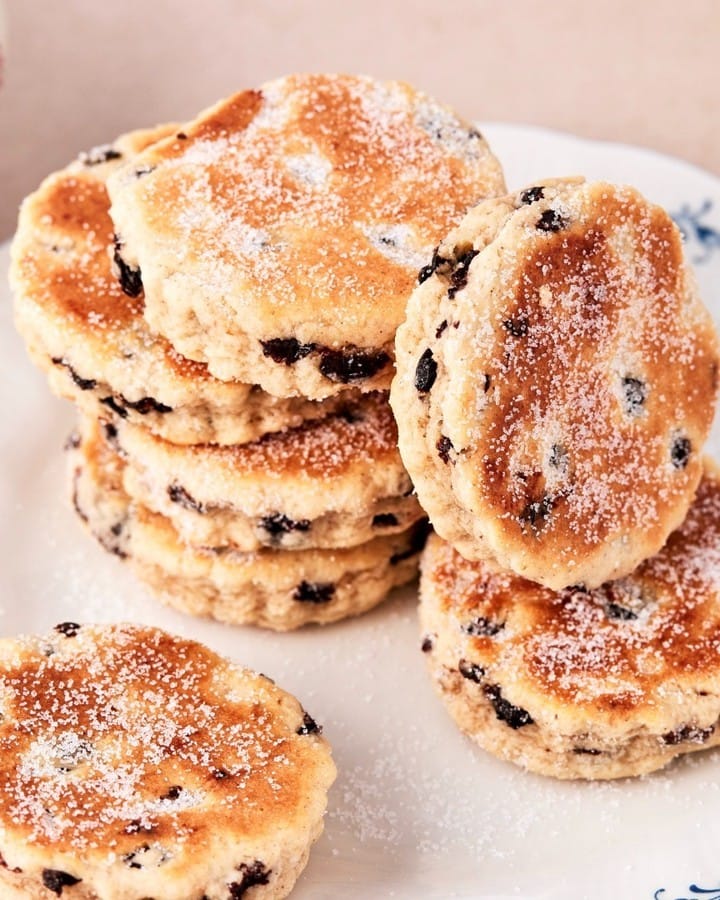
Welsh Cakes: A Taste of Cozy Warmth
You know that feeling when you bite into something warm, spiced, and buttery, and it just feels like a hug? That’s a Welsh cake for you. I first tried them on a drizzly afternoon in a Welsh kitchen that smelled like cinnamon and childhood. They’re not quite a cookie, not quite a scone, but something entirely perfect in between. Today, I’m sharing my go-to recipe for these delightful griddle cakes, a staple that has earned a permanent spot in my family’s treat tin.
The Humble History of Our Welsh Cakes Delight
These little cakes hail from Wales, where they’re known as “Picau ar y Maen” (cakes on the stone). Traditionally, they were cooked on a bakestone over an open fire. Moms and grandmas would whip up a batch for miners’ packed lunches or for a special family tea. The beauty lies in their simplicity—a few pantry staples transformed by the slow, gentle heat of a pan. While currants are classic, you’ll find modern twists with chocolate chips or even dried cherries. But for me, the original spiced version, dusted with sugar while still warm, is pure magic.
Why You’ll Love This Welsh Cake Recipe
If you’re looking for a simple, rewarding bake that fills your home with the most incredible aroma, this is it. They come together faster than preheating an oven! There’s no fussy chilling or complicated techniques—just a straightforward dough, a hot pan, and about twelve minutes of your time. The result is a batch of tender, lightly spiced cakes with crispy, sugary edges. They’re perfect for snacking, gifting, or serving with a cup of strong tea. Kids love helping cut them out, making it a fantastic family baking project.
Perfect Occasions for Your Welsh Cakes Delight
Welsh cakes are your secret weapon for so many moments. Pack them for a picnic, bring a platter to a book club, or stack them high for a cozy weekend breakfast. They’re ideal for holidays—think St. David’s Day, of course! I love wrapping them in pretty paper for a heartfelt homemade gift, far more special than anything store-bought. Anytime you need a touch of simple, homemade comfort, these cakes are the answer.
Ingredients for Your Welsh Cakes Delight
For about 16 perfect little cakes, you’ll need:
- For the Dough: 250g all-purpose flour, 2 tsp baking soda, ½ tsp cinnamon, ½ tsp nutmeg, 2 pinches allspice, 2 pinches cloves, 75g sugar, 120g soft butter, 1 tbsp milk, 1 medium egg, 100g currants.
- Aside from That: 1 tsp sunflower oil (for the pan), 3 tbsp sugar (for coating), some flour for your work surface.
Easy Swaps: Substitution Options
No currants? Raisins or sultanas work beautifully. Out of nutmeg? Just use a full teaspoon of cinnamon for a different but still lovely spice profile. If you’re dairy-free, a solid plant-based butter and a splash of oat milk will do the trick. For a citrusy zing, add the zest of an orange or lemon to the dough.
How to Make Perfect Welsh Cakes: A Step-by-Step Guide
Step 1: Make the Spiced Dough
Grab a large mixing bowl and whisk together the flour, sugar, baking soda, and all those wonderful spices—cinnamon, nutmeg, allspice, and cloves. The smell alone is heavenly! Now, add your soft butter in little cubes. Use your fingertips to rub the butter into the dry mix. You’re looking for a texture like coarse breadcrumbs. Next, crack in the egg and pour in the milk. Add the currants and start to bring it all together with your hands. Knead gently until you have a soft, uniform dough ball. Don’t overwork it; just until it’s no longer crumbly.
Step 2: Roll, Cut, and Chill
Lightly dust your countertop with flour. Place your dough ball in the center and roll it out to about a 5mm (1/4-inch) thickness. This is the perfect thickness for a cake that’s substantial but still cooks through. Use a 6cm (roughly 2.5-inch) round cutter—a fluted one makes them extra pretty—to cut out your cakes. Press the scraps together, re-roll, and cut until all the dough is used. Now, pop them on a plate and into the fridge for about 20 minutes. This short chill helps them keep their shape in the pan.
Pro tip: If you don’t have a cutter, a clean, upside-down glass works perfectly!
Step 3: The Low-and-Slow Fry
This is the most important step! Heat a good non-stick pan or a well-seasoned cast-iron skillet over the lowest heat setting. Lightly rub the surface with oil using a paper towel. Carefully place your chilled cakes in the pan, leaving a little space between them. Let them cook slowly for about 5-6 minutes on the first side. You’ll know it’s time to flip when the edges look set and the bottom is a gorgeous golden brown, and you see little bubbles forming on the top. Gently flip them with a spatula and cook for another 5-6 minutes. Patience is key here—too hot, and they’ll burn before cooking through.
Step 4: The Sugary Finish
As soon as your Welsh cakes come out of the pan, while they’re still warm and fragrant, scatter your extra sugar onto a plate. Coat each cake generously on both sides. The residual heat helps the sugar stick, creating that classic, slightly crunchy, sweet shell. Serve them immediately with a pot of tea for the ultimate experience. They are truly best warm from the pan.
Chef’s tip: For extra flavor, mix a little cinnamon into your coating sugar.
Welsh Cakes Delight Timetable
Prep Time: 15 minutes
Chilling Time: 20 minutes
Cooking Time: 12 minutes (per batch)
Total Time: About 50 minutes
Servings: 16 cakes
Chef’s Secret for the Best Welsh Cakes
The magic is in the low heat. Think of it as “toasting” the cakes rather than frying them. This allows the baking soda to work its magic fully, giving you a lovely rise and ensuring the center is cooked without the outside getting too dark. If your pan is too hot, you’ll end up with a raw middle and a burnt bottom—trust me, I’ve been there!
A Little Extra Welsh Cake Info
In Wales, you’ll often find Welsh cakes sold in paper bags from little market stalls, still warm and dusted with sugar. They were designed to be economical and filling, using staples every household would have. The currants add little bursts of sweetness, but surprisingly, understanding the nutritional benefits of dried fruit like currants can make you appreciate these humble ingredients even more.
What You’ll Need to Make Them
- Large mixing bowl
- Rolling pin
- 6cm round cutter (fluted or plain)
- Non-stick or cast-iron frying pan
- Spatula
- Plate for sugar coating
Storing Your Welsh Cakes Delight
Let your Welsh cakes cool completely to room temperature before storing. Any residual warmth can create steam and make them soggy. I like to layer them between sheets of parchment paper in an airtight tin. This keeps them from sticking together and protects their texture.
Properly stored, they will stay fresh and delicious for up to a week. Their flavor actually deepens a little on the second day! If you want to keep them longer, they freeze beautifully. Just freeze them on a tray first, then transfer to a freezer bag. Thaw at room temperature.
To refresh day-old Welsh cakes, just pop them in a toaster or a warm oven for a minute. They’ll taste nearly as good as fresh! You could even enjoy them as part of a larger spread of delicious desserts for a special afternoon tea.
Tips and Advice for Welsh Cake Success
- Your butter must be soft for easy rubbing into the flour.
- Don’t skip the chilling step—it firms up the butter, preventing spreading.
- If your dough feels too dry when combining, add a tiny splash more milk.
- Clean your pan between batches with a paper towel to avoid burnt sugar bits.
How to Present Your Welsh Cakes Beautifully
Stack them high on a rustic wooden board for a casual feel. For a party, arrange them in a spiral on a fancy cake stand. Tie a few in a cellophane bag with a ribbon for a lovely gift. Serve alongside clotted cream and jam for an indulgent twist, or simply with a dusting of powdered sugar.
Healthier & Fun Welsh Cake Variations
Feel like mixing it up? Here are six delicious twists on the classic Welsh Cakes Delight:
- Whole Wheat Welsh Cakes: Swap half the all-purpose flour for whole wheat flour for a nuttier flavor and extra fiber.
- Gluten-Free Welsh Cakes: Use a good 1:1 gluten-free flour blend. The result is just as tender and delicious.
- Vegan Welsh Cakes: Use plant-based butter and a “flax egg” (1 tbsp ground flax mixed with 3 tbsp water).
- Chocolate Chip Welsh Cakes: Replace the currants with dark chocolate chips for a kid-friendly favorite.
- Lemon & Poppy Seed Welsh Cakes: Omit the spices, add the zest of two lemons and two tablespoons of poppy seeds.
- Savory Cheese Welsh Cakes: Skip the sugar and spices, add 100g of grated sharp cheddar and a pinch of black pepper. Fantastic with soup!
Common Mistakes to Avoid
Mistake 1: Using a Pan That’s Too Hot
This is the biggest pitfall. A blazing-hot pan will give you Welsh cakes with a charred outside and a doughy, raw center. The baking soda needs time to create air pockets for a proper rise. How to avoid it: Always cook on the lowest flame. If your stove runs hot, use a heat diffuser. The cakes should take a good 5-6 minutes per side to turn a perfect golden brown.
Mistake 2: Overworking the Dough
Kneading the dough like bread will develop the gluten, leading to tough, chewy cakes instead of tender, crumbly ones. How to avoid it: Once you add the wet ingredients, mix just until the dough comes together. It’s okay if it looks a bit shaggy at first. Gentle kneading for 30 seconds is all you need.
Mistake 3: Rolling the Dough Too Thin or Too Thick
Rolling thinner than 5mm (1/4 inch) will yield crisp, cracker-like cakes. Rolling thicker will leave you with an undercooked, dense center. How to avoid it: Use guide sticks (like two chopsticks) on either side of your dough as you roll. This ensures an perfectly even thickness every single time.
Mistake 4: Adding Coating Sugar When Cakes Are Cool
If you wait until the cakes are cold to sugar them, the sugar won’t stick properly. You’ll get a sad, patchy coating. How to avoid it: Have your sugar plate ready right by the stove. As soon as a cake comes out of the pan, immediately coat it on both sides. The warmth and slight residual butter will act like glue.
Frequently Asked Questions About Welsh Cakes
Can I bake Welsh cakes in the oven instead?
While the traditional method is on a griddle or pan, you can bake them. Preheat your oven to 350°F (180°C) and bake on a parchment-lined sheet for about 12-15 minutes, flipping halfway. They’ll be slightly drier but still tasty. The stovetop method gives that unique, slightly crisp exterior that is signature to a proper Welsh cake.
What can I use if I don’t have currants?
Raisins or sultanas are the closest substitute and work very well. For a different flavor, try dried cranberries or chopped dried apricots. If you’re making them for kids, mini chocolate chips are always a hit. Just keep the total volume the same (about 100g).
Why did my Welsh cakes spread too much?
This usually happens for two reasons. First, your butter might have been too soft or melted. Second, you might have skipped or shortened the chilling time. The 20 minutes in the fridge solidifies the butter, so the cakes hold their shape when they hit the warm pan.
Can I make the dough ahead of time?
Absolutely! You can prepare the dough, wrap it tightly in plastic wrap, and keep it in the fridge for up to two days. Let it sit at room temperature for 10-15 minutes to soften slightly before rolling. You can also freeze the raw, cut-out cakes on a tray, then store them in a bag. Cook from frozen, adding a minute or two to the cooking time.
Are Welsh cakes served warm or cold?
They are absolutely best served warm, right after sugaring. The contrast of the warm, soft cake with the crunchy sugar is divine. That said, they are still delicious at room temperature and are often packed in lunchboxes. If you have leftovers, a quick toast refreshes them perfectly.
What’s the difference between a Welsh cake and a scone?
While both are quick breads, scones are baked in an oven and are typically taller and flakier, often served split with cream and jam. Welsh cakes are cooked on a stovetop, are flatter and denser (but still tender), and are usually eaten plain or just with sugar. Think of a Welsh cake as a scone’s cousin who visited the frying pan.
Can I use self-rising flour instead?
Yes, you can! If you use self-rising flour, simply omit the baking soda called for in the recipe. The result will be very similar, as self-rising flour already contains a leavening agent.
How do I prevent them from burning?
Low, low, low heat is the answer. Also, make sure your pan is properly heated before adding the cakes. A good test is to sprinkle a tiny pinch of flour in the pan—if it sizzles gently and turns golden in about 30 seconds, it’s ready. If it instantly smokes and turns black, it’s too hot.
Can I add other spices?
Of course! The spice blend is flexible. Some like a pinch of ginger or cardamom. You can also increase the cinnamon if you’re a big fan. Start with the classic blend first, then get creative on your next batch.
Are Welsh cakes freezer-friendly?
They freeze exceptionally well. Once completely cooled, place them in a single layer in a freezer bag or airtight container. They’ll keep for up to 3 months. Thaw at room temperature or warm them gently in a toaster or oven.
Your New Favorite Treat Awaits
And there you have it—the simple joy of making Welsh cakes. This recipe is a true classic, passed down through generations for good reason. It’s forgiving, fast, and fills your kitchen with the coziest smell imaginable. Whether you’re enjoying them fresh from the pan with a cuppa or packing them for a hike, they bring a little bit of Welsh warmth wherever they go. I hope this recipe becomes a staple in your home just like it is in mine. Now, go grab your pan and get baking! And if you’re looking for other inspiring dishes, why not try a fresh and elegant Crab Apple Tiramisu, some crowd-pleasing Chicken Tostadas, a vibrant Street Corn Chicken Bowl, or a classic Creamy Cheesecake for your next dessert adventure?
Welsh Cakes Delight
Ingredients
Equipment
Method
- In a large mixing bowl, whisk together the flour, sugar, baking soda, and spices.
- Add the cubed butter and rub it into the dry mix until it resembles coarse breadcrumbs.
- Add the egg and milk, followed by the currants, and mix gently to form a soft dough ball.
- Roll out the dough to about 5mm thickness on a floured surface and cut out 6cm rounds.
- Chill the cut cakes in the fridge for about 20 minutes.
- Heat a non-stick pan over low heat and lightly oil it.
- Cook the cakes on one side for 5-6 minutes until golden brown, then flip and cook for another 5-6 minutes.
- Coat the warm cakes in sugar once removed from the pan and serve immediately.