
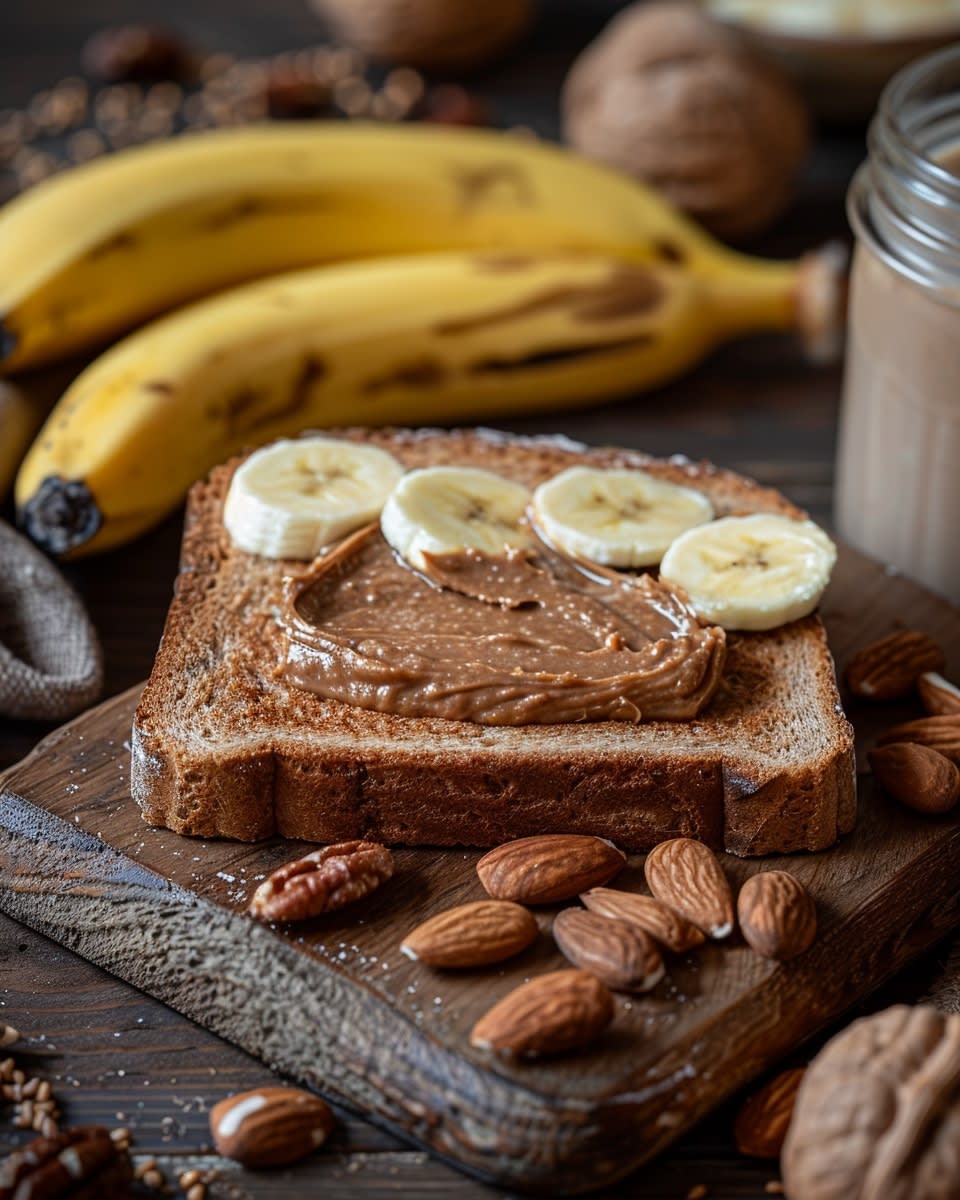
Welcome to My Kitchen: Let’s Talk About Whole Grain Toast with Nut Butter
I still remember the morning I decided to switch from my usual sugary cereal to something better. I was tired of that mid-morning energy crash, and I needed a change. That’s when I discovered the magic of whole grain toast with nut butter. It seemed almost too simple to be satisfying, but after one bite, I was hooked. The nutty crunch, the creamy spread, and that feeling of actually fueling my body instead of just filling it – this breakfast changed everything for me.
Welcome to my kitchen, where we’re all about making healthy choices that taste amazing! I’m not a fan of complicated recipes that require twenty ingredients and an hour of prep time. Give me something quick, delicious, and good for me, and I’m happy. That’s exactly what we’re working with today.
Today, I’m excited to share with you one of my favorite breakfasts: whole grain toast with nut butter. This simple yet delicious meal is not only easy to make but also packed with nutrients and flavor. You can whip it up in less than five minutes, even on your busiest mornings. I’ve made this breakfast hundreds of times, and I still look forward to it.
The beauty of this meal lies in its simplicity. You don’t need fancy cooking skills or expensive equipment. Just good bread, quality nut butter, and maybe a few toppings if you’re feeling creative. It’s the kind of breakfast that works whether you’re rushing out the door or enjoying a lazy weekend morning.
Why Choose Whole Grain Toast for Your Morning Meal?
Let me tell you why I switched from white bread to whole grain, and why I’ll never go back. The difference isn’t just about taste – it’s about how my body feels for the rest of the day.
Whole grains are a complete package. Unlike refined grains, they contain all three parts of the grain: the bran, germ, and endosperm. This means you’re getting everything nature intended. White bread, on the other hand, has been stripped of the bran and germ during processing. Those are the parts that contain most of the good stuff.
The health benefits of whole grains are impressive. They provide fiber that keeps your digestive system running smoothly. I used to struggle with feeling hungry an hour after breakfast, but whole grain toast keeps me satisfied until lunch. The fiber slows down digestion, which means steady energy instead of spikes and crashes.
Whole grain toast also delivers important vitamins and minerals your body needs. You’re getting B vitamins like thiamin, riboflavin, and niacin. These help your body convert food into energy. You’ll also find iron, magnesium, and selenium in whole grains. Iron carries oxygen in your blood, magnesium supports muscle and nerve function, and selenium acts as an antioxidant.
What are the health benefits of whole grain toast? Studies show that eating whole grains regularly can lower your risk of heart disease. The fiber in whole grains helps reduce cholesterol levels. Whole grains also help regulate blood sugar, which is great news if you’re watching your glucose levels or trying to prevent diabetes.
The difference between whole grain and white bread goes beyond nutrition labels. Whole grain bread has more texture and a richer, nuttier flavor. It tastes like real food, not like the spongy, bland stuff that comes in plastic bags. When I toast whole grain bread, my kitchen smells incredible – warm, toasty, and slightly sweet.
When shopping for whole grain bread, check the ingredient list carefully. The first ingredient should say “whole grain” or “whole wheat,” not just “wheat flour.” Some breads try to trick you with brown coloring or names like “multigrain.” Read those labels and make sure you’re getting the real thing.
Exploring Different Types of Nut Butters
Now let’s talk about the star topping: nut butter. This is where you can really have fun and customize your toast with nut butter to match your taste preferences and nutritional goals.
Peanut butter is probably the most popular choice, and for good reason. It’s affordable, widely available, and tastes great. Two tablespoons of peanut butter give you about 8 grams of protein and healthy fats that keep you full. I grew up on peanut butter toast, and it still hits the spot. Look for natural peanut butter with just peanuts and maybe a bit of salt. Skip the versions loaded with added sugar and oils.
Almond butter has become my personal favorite over the years. It has a slightly sweeter, more delicate flavor than peanut butter. Almond butter contains more vitamin E, magnesium, and calcium than peanut butter. It’s also rich in monounsaturated fats, the same heart-healthy fats found in olive oil. The texture is smooth and creamy, and it spreads beautifully on warm toast.
Cashew butter is the mild-mannered member of the nut butter family. It has a subtle, almost sweet taste that works well if you find other nut butters too strong. Cashew butter is lower in protein than peanut or almond butter, but it’s loaded with iron, zinc, and magnesium. The creamy texture is incredibly smooth, making it easy to spread.
Walnut butter isn’t as common, but it’s worth seeking out. Walnuts contain omega-3 fatty acids, which support brain health and reduce inflammation. The flavor is rich and earthy. I like to mix walnut butter with a bit of honey for an extra special breakfast.
Sunflower seed butter is technically not a nut butter, but it deserves a mention. It’s perfect if you have nut allergies or if your kids’ school is nut-free. Sunflower seed butter is high in vitamin E and has a unique, slightly sweet flavor.
Which nut butter is the healthiest? The truth is, they’re all nutritious in different ways. Almond butter wins for vitamin E and magnesium. Peanut butter offers the most protein per serving. Walnut butter provides those important omega-3s. The healthiest nut butter is the one you’ll actually eat and enjoy.
When choosing nut butter, I always recommend reading the ingredients. The best versions contain just nuts and salt. Some brands add sugar, palm oil, or other fillers you don’t need. Natural nut butters separate, with oil rising to the top. That’s normal. Just stir it well and store it in the fridge.
For pairing with whole grain toast, you really can’t go wrong with any nut butter. I rotate through different types to keep things interesting. Monday might be almond butter with sliced banana. Wednesday could be peanut butter with a drizzle of honey. Friday feels like cashew butter with fresh berries. The combinations are endless, and each one brings its own nutritional benefits to your breakfast table.


How to Make the Perfect Whole Grain Toast with Nut Butter
Now that you know which nut butter speaks to your taste buds, let’s get into the actual making of this breakfast masterpiece. I know it sounds funny to have a “guide” for making toast, but trust me – there’s a difference between mediocre toast and toast that makes your morning.
How do you make the perfect slice of whole grain toast? It starts with choosing your bread. I keep my whole grain loaf in the freezer because I live alone and it stays fresher longer that way. You don’t need to thaw frozen slices before toasting – they go straight from freezer to toaster. If you keep yours in the pantry, that works too.
The thickness of your slice matters more than you might think. Too thin, and your toast gets brittle and breaks when you spread the nut butter. Too thick, and the inside stays soft while the outside burns. I aim for slices about half an inch thick. Most pre-sliced bread gets this right, but if you’re slicing your own loaf, keep that measurement in mind.
Here’s where people mess up: the toaster settings. My toaster has numbers from one to six, and I’ve learned that four is my sweet spot. Your toaster will be different, so you need to experiment. I want my toast golden brown with a nice crunch on the outside but still soft enough in the middle that it doesn’t hurt my teeth. The edges should be crispy, not burnt. There’s a fine line between perfectly toasted and charcoal, and nobody wants to start their day scraping burnt bits into the sink.
If you don’t have a toaster, no problem. I actually prefer using a cast-iron skillet sometimes. Heat it over medium heat for a couple minutes, then place your bread slices in the dry pan. No butter or oil needed. Let them toast for about two to three minutes on each side, checking occasionally. The skillet method gives you more control and creates these beautiful toasted patterns that make your breakfast look Instagram-worthy.
The broiler in your oven works too. Place bread slices on a baking sheet and set them under the broiler for one to two minutes per side. Watch them like a hawk though – broilers are notorious for burning things when you look away for just a second. I learned this the hard way when I burnt four slices in a row while checking my phone.
Now comes the nut butter spreading technique, which matters more than you’d think. Here’s my method: as soon as the toast pops up, put it on your plate and let it cool for about thirty seconds. Not long enough to get cold, just enough so it won’t be lava-hot. Take your nut butter straight from the jar with a butter knife. I use about two tablespoons, but you do you.
Start spreading from the center and work your way outward in gentle circular motions. Don’t press too hard or your toast will break. The warmth of the toast softens the nut butter as you spread, making it easier. If your nut butter is too thick or cold, microwave it for about ten seconds to soften it up. This trick changed my life when I discovered it last winter.
Make sure you spread all the way to the edges. Nothing’s sadder than biting into a corner of toast with no nut butter on it. I see people leave the crusts bare, and I don’t understand why. Every bite should be delicious.
Toppings and Additions That Take Your Toast to the Next Level
Alright, this is where we get creative. Plain whole grain toast with nut butter is great, but adding toppings transforms it from a simple breakfast into something you actually get excited about eating.
What are some tasty toppings for whole grain toast with nut butter? Let me walk you through my favorite combinations, starting with the classics.
Banana slices are the obvious choice, and there’s a reason they’re so popular. The sweetness of ripe banana pairs perfectly with any nut butter, especially peanut or almond. I slice mine about a quarter-inch thick and arrange them in overlapping rows. Sometimes I sprinkle cinnamon on top. The banana adds natural sweetness, extra potassium, and a creamy texture that complements the crunch of the toast.
Honey is my go-to when I want something sweet but simple. Just a light drizzle – maybe a teaspoon – adds gorgeous flavor without overwhelming the nut butter. Raw honey is best because it contains enzymes and antioxidants that processed honey loses. The combination of honey and almond butter on whole grain bread tastes like a dessert but keeps you full for hours.
Chia seeds might look like tiny specks, but don’t underestimate them. I sprinkle about a tablespoon over my nut butter before adding other toppings. They don’t have much flavor, but they add omega-3 fatty acids, fiber, and protein. Plus they give your toast this interesting texture. By the way, if you’re into nutrient-dense breakfasts, you might also enjoy a smoothie bowl with spinach and mango on days when you want something cold and refreshing.
Fresh berries are incredible on toast with nut butter. Strawberries, blueberries, raspberries – they all work. I wash and slice strawberries, then press them lightly into the nut butter so they stick. Berries add vitamin C, antioxidants, and a burst of flavor. The tartness of raspberries against sweet cashew butter is one of my favorite taste combinations ever.
Apple slices give you that satisfying crunch. I use a crisp variety like Honeycrisp or Granny Smith. Thin slices work better than thick chunks. The apple adds fiber and makes each bite more substantial. This combination reminds me of eating apple slices dipped in peanut butter as a kid, except fancier.
Hemp hearts are these little seeds that taste nutty and slightly sweet. Two tablespoons give you ten grams of protein and healthy fats. They’re soft enough that they don’t affect the texture much, but they boost the nutrition significantly. I discovered these at a health food store and now I can’t imagine my pantry without them.
Funny enough, some of my best topping ideas came from desperate mornings when I threw together whatever I had in the kitchen. That’s how I discovered that pomegranate seeds on almond butter toast with a tiny pinch of sea salt is absolutely magical. The seeds pop in your mouth, the salt enhances the sweetness, and it looks beautiful too.
Dark chocolate chips deserve a mention for weekend mornings when you want to treat yourself. I’m talking about the 70% cacao kind, not the super sweet milk chocolate chips. Sprinkle a tablespoon over warm toast and watch them soften slightly. It feels indulgent but dark chocolate contains antioxidants and minerals. This works especially well with peanut butter.
Sliced figs, either fresh or dried, create an elegant breakfast. Fresh figs are seasonal, but when you can get them, they’re worth it. The texture is unique and the flavor is sweet without being cloying. This combination feels like something you’d get at a fancy brunch spot. For more creative breakfast ideas, check out this quinoa breakfast bowl with almond milk that offers similar nutritional benefits.
Sometimes I go savory instead of sweet. A thin layer of mashed avocado over sunflower seed butter, topped with everything bagel seasoning and red pepper flakes, makes for an interesting twist. Not traditional, but surprisingly good. The creaminess of avocado works with the seed butter in unexpected ways.
Serving Suggestions for Every Occasion
Here’s the thing about whole grain toast with nut butter – it’s way more versatile than people realize. Most folks think of it as strictly breakfast food, but I’ve learned to embrace it at different times throughout the day.
When is the best time to eat whole grain toast with nut butter? Honestly, whenever you’re hungry and need real fuel. But let me break down when I reach for it and why.
Morning is the obvious choice. This breakfast gives you complex carbs from the whole grain bread, protein and healthy fats from the nut butter, and whatever extra nutrition your toppings provide. It’s balanced enough to keep your energy steady until lunch. I make this on rushed weekday mornings when I need something quick, and on lazy Sunday mornings when I can take my time choosing toppings.
Mid-morning or afternoon snacks are when this really shines. That three o’clock slump when you’d normally grab chips or cookies? One slice of whole grain toast with nut butter handles it perfectly. You get satisfaction without the sugar crash. I usually go lighter on toppings for snack-time toast – just the nut butter and maybe some berries.
Pre-workout fuel is something I discovered by accident. About an hour before I exercise, I eat one slice with almond butter and banana. The carbs give me energy, the protein helps my muscles, and it’s light enough that I don’t feel weighed down. My gym performance improved noticeably when I started doing this.
Post-workout recovery works too, especially if you add extra protein toppings like hemp hearts or a harder nut butter. Your muscles need to recover, and this combination delivers. Some people prefer a cottage cheese with fresh fruit combo after exercising, but I find toast more satisfying.
Light dinner happens in my house more than I’d like to admit. Some evenings I’m just not that hungry, or it’s too hot to cook, or I got home late. Two slices of whole grain toast with nut butter and various toppings make a legitimate meal. I pair it with a side salad or some cut vegetables to round things out. It’s not fancy, but it’s nutritious and keeps me from ordering takeout.
Late-night snacks shouldn’t be heavy, but sometimes you need a little something before bed. One slice with cashew butter and a light drizzle of honey satisfies without leaving you too full to sleep. The complex carbs might even help you sleep better. I’ve read that whole grains can promote the production of serotonin, which helps regulate sleep.
For kids’ lunches, this beats a regular sandwich any day. Pack the toast in a container, put nut butter in a small container on the side, and let them spread it themselves. Add some apple slices and carrot sticks, and you’ve got a lunch that actually has nutritional value. My neighbor does this for her kids and says they actually eat it, unlike the fancy bento boxes she used to make.
When I have friends over for brunch, I set up a toast bar. I toast a whole loaf of whole grain bread, set out three or four different nut butters, and arrange various toppings in small bowls. Everyone makes their own creation. It’s interactive, fun, and way easier than cooking eggs for a crowd. People get surprisingly creative when given options. Similar to how you might set up a sweet potato breakfast hash station, the toast bar becomes a conversation starter.
The beauty of this meal is that it adapts to your life instead of requiring your life to adapt to it. Whether you’re eating it standing over the kitchen sink before rushing out the door, or sitting down with a cup of coffee and the morning paper, it works. That’s what makes it a staple in my kitchen, and hopefully in yours too.


Understanding the Nutritional Power of Your Toast
Let’s get into the real science behind why whole grain toast with nut butter makes such a smart choice. I’m not going to bore you with a nutrition lecture, but understanding what you’re putting in your body makes the meal even more satisfying.
When I first started paying attention to nutrition labels, I was honestly overwhelmed. All those numbers and percentages seemed like they required a degree to understand. But breaking down this simple breakfast taught me that healthy eating doesn’t have to be complicated.
The macronutrient breakdown is where things get interesting. Macronutrients are the big three: carbohydrates, protein, and fats. Your body needs all three to function properly, and this breakfast delivers them in a balanced way.
Let’s start with the whole grain toast. One slice typically contains about 80 to 120 calories, depending on the brand and thickness. You’re getting around 15 to 20 grams of carbohydrates, which are your body’s preferred energy source. But these aren’t the simple carbs that spike your blood sugar and leave you crashing an hour later. These are complex carbohydrates that digest slowly and provide steady energy. The fiber content – usually 2 to 4 grams per slice – is what makes the difference. Fiber slows digestion, keeps you full longer, and helps maintain stable blood sugar levels.
The protein in whole grain bread might surprise you. Each slice contains about 3 to 5 grams. That’s not a huge amount, but it’s more than white bread offers. This protein helps repair tissues and keeps your metabolism humming along.
Now add two tablespoons of nut butter to the equation. This is where the nutrition really jumps. Nut butter contributes about 180 to 200 calories, 7 to 8 grams of protein, and 16 to 18 grams of fat. I know fat sounds scary if you grew up during the low-fat diet craze like I did, but these are healthy fats. Specifically, monounsaturated and polyunsaturated fats that actually benefit your heart and brain.
Put it all together and you’re looking at roughly 260 to 320 calories per serving, with about 10 to 13 grams of protein, 35 to 40 grams of carbs, and 16 to 18 grams of healthy fats. That’s a legitimately balanced meal that hits all three macronutrient categories.
The micronutrients are equally impressive. These are the vitamins and minerals your body needs in smaller amounts but can’t function without. Whole grains provide B vitamins – specifically thiamin, riboflavin, niacin, and folate. These vitamins help your body convert food into usable energy. They support your nervous system and help form red blood cells. I used to feel tired all the time before I started eating more whole grains, and I genuinely think these B vitamins made a difference.
Iron is another micronutrient you’ll find in this breakfast. Iron carries oxygen throughout your bloodstream. If you’ve ever felt exhausted despite getting enough sleep, low iron might be the culprit. Two slices of whole grain toast with nut butter provide a decent amount of your daily iron needs.
Magnesium is the unsung hero mineral that most people don’t get enough of. It supports over 300 biochemical reactions in your body. Muscle function, nerve transmission, blood sugar regulation – magnesium does it all. Both whole grain bread and nut butter contain magnesium, so you’re doubling down on this essential mineral.
Vitamin E, especially abundant in almond butter, acts as an antioxidant. It protects your cells from damage and supports immune function. Zinc, found in various nut butters, helps with wound healing and immune response. Selenium from whole grains supports thyroid function and acts as another antioxidant.
Here’s something I learned from a nutritionist friend: the importance of balanced nutrition isn’t just about getting all the nutrients. It’s about getting them in the right proportions. Your body works best when you eat foods that provide multiple nutrients together, not just isolated vitamins from supplements.
Think of your body like a car. You wouldn’t put just gas in the tank and ignore the oil, coolant, and brake fluid, right? Same principle with food. The carbs are your gas – they provide immediate and sustained energy. The protein is like your oil – it keeps everything running smoothly and repairs wear and tear. The healthy fats are your coolant – they regulate processes and prevent overheating, so to speak.
How does whole grain toast with nut butter fit into a healthy diet overall? I see it as a foundational meal that makes eating well throughout the day easier. When you start your morning with balanced nutrition, you set yourself up for better choices later. I’ve noticed that on days when I eat this breakfast, I’m less likely to raid the vending machine at work or overeat at dinner.
The role of this simple meal in disease prevention shouldn’t be underestimated either. Research consistently shows that people who eat whole grains regularly have lower rates of heart disease, type 2 diabetes, and certain cancers. The fiber helps lower cholesterol levels. The antioxidants reduce inflammation. The steady blood sugar control prevents insulin resistance.
By the way, speaking of healthy eating habits, proper food handling matters just as much as choosing nutritious ingredients. Following guidelines for safe meal preparation ensures that your wholesome breakfast doesn’t make you sick. I always check expiration dates on nut butter and store bread properly to prevent mold.
Is whole grain toast with nut butter good for weight loss? This question comes up constantly, and I get why people are curious. The short answer is yes, it can absolutely support weight loss, but it’s not a magic solution.
Here’s my take based on personal experience and what nutritionists have told me: weight loss comes down to consuming fewer calories than you burn while still getting adequate nutrition. This breakfast checks both boxes. It’s satisfying enough that you won’t feel deprived and snack constantly, but it’s not so calorie-dense that it blows your daily budget.
The protein and healthy fats increase satiety – that feeling of fullness that lasts. When I switched to this breakfast from my old cereal habit, I stopped needing a mid-morning snack. That alone probably saved me 200 calories a day. Over time, those calories add up.
The fiber content plays a huge role in weight management. Fiber fills you up without adding many calories. It also helps regulate your digestive system, which can affect weight. Some studies suggest that people who eat more fiber tend to weigh less than those who don’t, even when eating similar calorie amounts.
Portion control matters though. Two tablespoons of nut butter is a reasonable serving. I’ve watched people glob on a quarter cup without thinking about it, which changes the calorie equation significantly. I actually measure my nut butter now, at least most of the time. On weekends I’m more relaxed about it, but during the week I keep it measured.
The quality of your ingredients affects weight loss success too. Natural nut butter without added sugar keeps calories in check. Whole grain bread that’s truly whole grain – not just brown-colored white bread – provides more fiber and nutrition per calorie. These choices make a difference.
Another aspect people forget is that successful weight loss isn’t about deprivation. It’s about finding foods you genuinely enjoy that also nourish your body. I tried so many restrictive diets before figuring this out. Meals like whole grain toast with nut butter prove that healthy food can taste great. When you enjoy what you’re eating, you’re more likely to stick with it long-term. That’s what makes the real difference – consistency over time, not short-term dramatic changes.
One thing I’ll mention is that this breakfast fits well into various eating styles. If you’re trying intermittent fasting, this makes an excellent first meal to break your fast. It provides solid nutrition without overwhelming your system. For people managing diabetes, the fiber and protein help prevent blood sugar spikes. Athletes appreciate the combination of quick and slow-burning energy. Even kids benefit from the balanced nutrition that helps them focus at school.
If you’re looking for more ways to incorporate nutritious morning meals into your routine, I highly recommend exploring various healthy breakfast recipes that can complement or alternate with your toast routine throughout the week.
The mental aspect of eating well deserves attention too. Food should bring you joy, not stress. When you make whole grain toast with nut butter, you’re choosing to nourish yourself. That’s an act of self-care. Every time you opt for something wholesome over something empty, you’re telling yourself that you matter and your health matters. That mindset shift makes a bigger difference than people realize.
I hope you’re feeling inspired to give this breakfast a real chance. It’s simple, it’s delicious, and it genuinely supports your health goals whatever they might be. The best meal is one you’ll actually make and eat consistently, and this one fits that description perfectly.
Common Questions About Whole Grain Toast with Nut Butter
What are the health benefits of whole grain toast?
Whole grain toast provides fiber that aids digestion and helps you feel full longer. It delivers B vitamins that convert food to energy and support nervous system function. The complex carbohydrates offer sustained energy without blood sugar crashes. Regular consumption of whole grains is linked to reduced risk of heart disease, type 2 diabetes, and certain cancers. Whole grain toast also contains important minerals like iron, magnesium, and selenium that support various body functions.
Which nut butter is the healthiest?
All natural nut butters offer health benefits in different ways, so the healthiest choice depends on your specific nutritional needs. Almond butter contains the most vitamin E and magnesium, making it great for skin health and muscle function. Peanut butter provides the most protein per serving, which helps with satiety and muscle repair. Walnut butter offers omega-3 fatty acids that support brain health and reduce inflammation. Look for versions with just nuts and salt as ingredients, avoiding added sugars and oils.
How do you make the perfect slice of whole grain toast?
Start with bread sliced about half an inch thick for the ideal texture. Toast it until golden brown with crispy edges but still slightly soft in the center – this usually takes a medium-high setting on most toasters. Let the toast cool for about thirty seconds before spreading to prevent tearing. Spread nut butter from the center outward using gentle circular motions, making sure to cover all the way to the edges. If your nut butter is too thick, microwave it for ten seconds to make spreading easier.
What are some tasty toppings for whole grain toast with nut butter?
Fresh fruit toppings like banana slices, berries, or apple slices add natural sweetness and extra nutrients. A drizzle of honey provides simple sweetness while chia seeds or hemp hearts boost protein and omega-3 content. Cinnamon sprinkled on top adds flavor without calories, and dark chocolate chips make it feel indulgent. For savory options, try mashed avocado with everything bagel seasoning. Pomegranate seeds with a pinch of sea salt create an interesting sweet-salty combination that’s surprisingly delicious.
When is the best time to eat whole grain toast with nut butter?
This versatile meal works for breakfast, providing balanced nutrition to start your day with steady energy. It makes an excellent mid-morning or afternoon snack to combat energy slumps without causing sugar crashes. About an hour before exercise, it provides fuel without weighing you down. After workouts, it aids in recovery with its combination of carbs and protein. Some people even enjoy it as a light dinner or late-night snack when they want something satisfying but not too heavy.
Is whole grain toast with nut butter good for weight loss?
Yes, this breakfast can definitely support weight loss when eaten in appropriate portions. The combination of fiber, protein, and healthy fats creates lasting satiety, reducing the urge to snack throughout the day. It provides balanced nutrition that prevents feelings of deprivation common with restrictive diets. The key is measuring your nut butter – stick to about two tablespoons per serving. Because it’s satisfying and delicious, you’re more likely to maintain this habit long-term, which is what really matters for sustainable weight loss.
Can I use any type of nut butter for this recipe?
Absolutely! Any nut butter works beautifully on whole grain toast, and each brings unique flavors and nutritional benefits. Peanut butter is classic and affordable, while almond butter offers a sweeter, more delicate taste. Cashew butter provides mild flavor that’s great for picky eaters, and walnut butter brings omega-3 fatty acids. For those with nut allergies, seed butters like sunflower or pumpkin seed butter work wonderfully. Feel free to rotate through different types to keep your breakfast interesting and access various nutrients.
Are there any alternatives to whole grain toast for this recipe?
Yes, several alternatives provide similar benefits if you can’t eat traditional bread. Whole grain English muffins or bagels work well and offer the same nutritional advantages. Rice cakes provide a gluten-free option with a different texture that’s lighter and crunchier. Sweet potato toast – thick slices of sweet potato toasted until tender – has become popular in recent years. Gluten-free bread made from whole grain alternatives like quinoa or brown rice suits those with celiac disease. Whole grain waffles also make a fun base for nut butter.
How should I store nut butter and whole grain bread?
Natural nut butter should be stored in the refrigerator after opening to prevent the oils from going rancid and to maintain freshness. Stir well before refrigerating since natural versions separate, with oil rising to the top. Whole grain bread stays freshest when stored in the freezer if you won’t use it within three to four days. You can toast frozen slices directly without thawing. If you keep bread at room temperature, store it in a cool, dry place in an airtight bag or container to prevent mold growth.
Can kids eat whole grain toast with nut butter safely?
Most kids love this breakfast and benefit greatly from its balanced nutrition. The protein and complex carbs help them focus at school and maintain steady energy. However, check with your pediatrician before introducing nut products to very young children, as food allergies can develop. For school lunches, verify that the school allows nut products, as many have nut-free policies. If nuts are prohibited, seed butters make excellent substitutes that provide similar nutrition. Getting kids involved in choosing toppings makes them more excited about eating this healthy breakfast.
Ingredients
Equipment
Method
- Slice the whole grain bread into a piece about half an inch thick.
- Toast the bread until it's golden brown and crispy on the edges, about 3 minutes.
- Let the toast cool for about thirty seconds to avoid burning while spreading.
- Take nut butter straight from the jar using a butter knife.
- Spread the nut butter from the center outward in gentle circular motions, covering all the way to the edges.
- Add your desired toppings such as banana slices, a drizzle of honey, or fresh berries.