
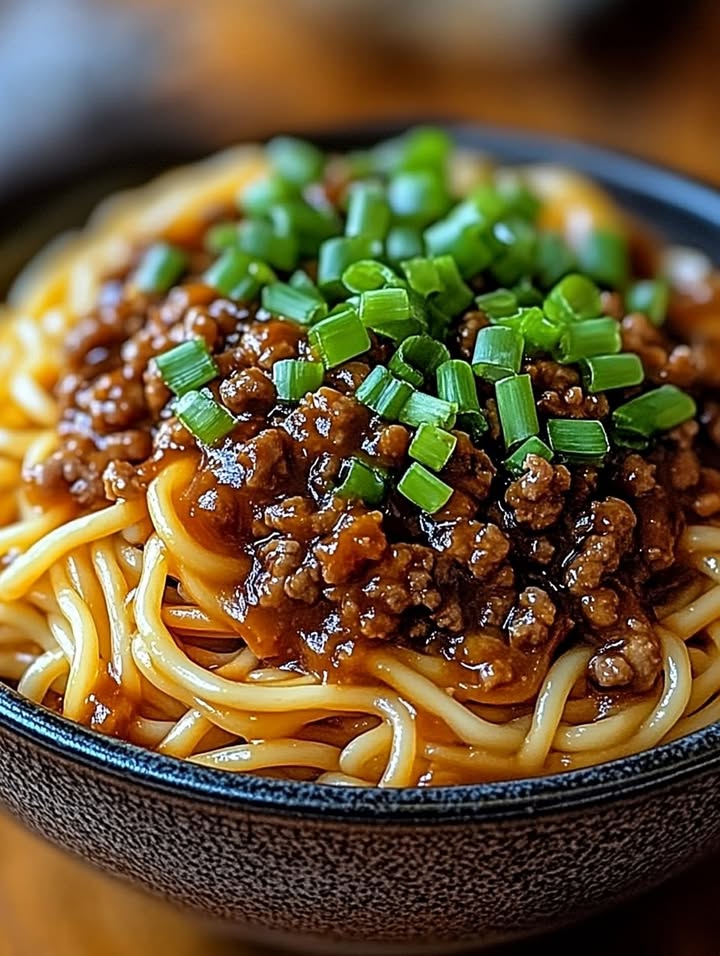
Get Ready to Savor the Flavor of Mongolian Ground Beef Noodles
Imagine a dish that combines the rich, savory flavors of Mongolian beef with the comforting texture of noodles. This is exactly what you get with Mongolian Ground Beef Noodles. It’s a crowd-pleaser in my home, and I’m excited to share this recipe with you. Let’s dive into why this dish is so special and how you can make it in your own kitchen.
A Brief History of Mongolian Beef Noodles
While traditional Mongolian cuisine is more about hearty stews and grilled meats, the concept of Mongolian beef has been adapted and popularized in Chinese-American cuisine. The modern version of Mongolian beef typically features stir-fried beef with a sweet and savory sauce. Adding noodles to this mix creates a fusion dish that’s both satisfying and versatile. In my family, we love experimenting with different types of noodles, from ramen to udon, to find our perfect match.
Why You’ll Love This Recipe
This Mongolian Ground Beef Noodles recipe is a hit for several reasons. First, the combination of ground beef and noodles is incredibly comforting. The sauce, made with soy sauce, brown sugar, and garlic, is both sweet and savory, creating a depth of flavor that’s hard to resist. Plus, it’s a one-pan meal, making cleanup a breeze. Trust me, once you try this, it’ll become a regular in your rotation.
Perfect Occasions to Prepare This Recipe
Whether it’s a busy weeknight or a casual weekend gathering, Mongolian Ground Beef Noodles are always a great choice. It’s perfect for a quick dinner when you’re short on time but still want something delicious. It also makes a fantastic potluck dish, as it travels well and can be served at room temperature. Your friends and family will be asking for the recipe!
Ingredients
- 1 tbsp vegetable oil
- 500g (1 lb) ground beef
- 3 garlic cloves, minced
- 1/3 cup soy sauce
- 1/4 cup brown sugar
- 1/2 cup beef broth or water
- 1 tbsp cornstarch mixed with 2 tbsp water
- 250g (8 oz) noodles (e.g., ramen, udon, or spaghetti)
- 2 green onions, sliced
- Red pepper flakes (optional)
Substitution Options
- Ground Beef: You can use ground turkey or chicken for a leaner option.
- Soy Sauce: Tamari or coconut aminos work well for a gluten-free alternative.
- Brown Sugar: Honey or maple syrup can be used for a natural sweetener.
- Noodles: Feel free to use any type of noodle you prefer, such as soba or rice noodles.
Preparation Section
Step 1: Cook the Noodles
Start by cooking the noodles according to the package instructions. While they’re boiling, you can prepare the other ingredients. The noodles should be al dente, which means they have a slight bite to them. This will help them hold up well in the sauce.
Step 2: Brown the Ground Beef
In a large skillet, heat the vegetable oil over medium-high heat. Add the ground beef and cook until it’s nicely browned, breaking it up into small pieces as it cooks. The sizzle and aroma will make your kitchen feel like a cozy bistro. Pro tip: Use a wooden spoon to break up the meat for even browning.
Step 3: Add Garlic and Aromatics
Once the beef is browned, add the minced garlic and cook for about 1 minute. The garlic will release its fragrance, adding a delightful layer of flavor to the dish. Be careful not to burn the garlic, as it can turn bitter quickly.
Step 4: Stir in the Sauce Ingredients
Pour in the soy sauce, brown sugar, and beef broth. Stir everything together until the sugar dissolves. The mixture will start to bubble and thicken slightly, filling your kitchen with a rich, savory aroma. Pro tip: Adjust the amount of brown sugar to your taste preference.
Step 5: Thicken the Sauce
After the sauce simmers for 2-3 minutes, add the cornstarch slurry. Stir continuously until the sauce thickens. The cornstarch will give the sauce a smooth, glossy finish. Pro tip: If the sauce is too thick, you can add a little more broth or water to thin it out.
Step 6: Combine Noodles and Beef Mixture
Add the cooked noodles to the skillet and toss them in the beef and sauce mixture. Make sure the noodles are well coated. The colors and textures will blend beautifully, creating a visually appealing dish. Pro tip: Use tongs to gently toss the noodles and avoid breaking them.
Step 7: Add Green Onions and Serve
Finally, sprinkle the sliced green onions over the top. If you like a bit of heat, add some red pepper flakes. Stir everything together and serve hot. The green onions add a fresh, crisp element to the dish, balancing the rich flavors. Pro tip: Garnish with sesame seeds for an extra touch of flavor and texture.
Timing
Here’s a breakdown of the timing for this recipe:
– Prep Time: 10 minutes
– Cooking Time: 20 minutes
– Total Time: 30 minutes
Chef’s Secret
To take this dish to the next level, try adding a splash of rice vinegar to the sauce. The acidity will cut through the richness and add a bright, tangy note. It’s a small tweak that makes a big difference.
Extra Info
Did you know that Mongolian beef isn’t actually from Mongolia? It’s a Chinese-American creation that became popular in the 1950s. The name “Mongolian” was likely inspired by the idea of a nomadic, hearty dish, rather than its actual origin. Isn’t it fascinating how food stories evolve?
Necessary Equipment
- Large skillet or wok
- Pot for boiling noodles
- Wooden spoon or spatula
- Measuring cups and spoons
- Tongs (for tossing the noodles)
Storage
Leftovers of Mongolian Ground Beef Noodles can be stored in an airtight container in the refrigerator for up to 3 days. The flavors actually meld together nicely, making the leftovers even more delicious. To reheat, simply microwave or warm in a pan with a little bit of water to prevent the noodles from drying out. For longer storage, you can freeze the dish for up to 3 months. Just make sure to thaw it overnight in the refrigerator before reheating.
Tips and Advice
- Use Fresh Ingredients: Fresh garlic and green onions will make a big difference in the flavor.
- Adjust the Sauce: Taste the sauce as you go and adjust the sweetness and saltiness to your liking.
- Don’t Overcook the Noodles: Al dente noodles will hold up better in the sauce and provide a better texture.
Presentation Tips
- Garnish with sesame seeds and additional green onions for a pop of color.
- Serve in a large, shallow bowl to showcase the beautiful colors and textures.
- Add a side of steamed vegetables, like broccoli or snap peas, for a balanced meal.
Healthier Alternative Recipes
- Zucchini Noodles: Replace the traditional noodles with spiralized zucchini for a low-carb option. The zucchini will absorb the flavors of the sauce beautifully.
- Lean Ground Turkey: Use ground turkey instead of beef for a leaner protein. The flavors will still be rich and satisfying.
- Vegetarian Version: Substitute the ground beef with crumbled tofu or tempeh. The texture will be different, but the flavors will remain robust.
- Quinoa Noodles: Use quinoa noodles for a gluten-free and high-protein alternative. They have a slightly nutty flavor that complements the sauce well.
- Stir-Fried Vegetables: Add a variety of stir-fried vegetables like bell peppers, carrots, and mushrooms to boost the nutritional value and add more color to the dish.
- Coconut Aminos Sauce: Use coconut aminos instead of soy sauce for a soy-free and lower-sodium option. The flavor is milder but still delicious.
Common Mistakes to Avoid
Mistake 1: Overcooking the Noodles
Overcooked noodles can become mushy and unappetizing. To avoid this, follow the package instructions carefully and aim for al dente. This means the noodles should still have a slight bite to them. Pro tip: Test the noodles a few minutes before the suggested cooking time to ensure they don’t overcook.
Mistake 2: Not Browning the Beef Enough
Not browning the ground beef enough can result in a bland and watery dish. Make sure to cook the beef until it’s well-browned, which will enhance the flavor and texture. Pro tip: Use a hot skillet and break the beef into small pieces for even browning.
Mistake 3: Overcrowding the Pan
Overcrowding the pan can lead to steaming instead of browning. This can make the beef less flavorful and the sauce watery. Use a large skillet or cook the beef in batches if necessary. Pro tip: If you need to cook in batches, set aside the first batch and combine it with the second batch after browning.
Mistake 4: Not Tasting the Sauce
Not tasting the sauce as you go can result in a dish that’s either too salty or too sweet. Taste the sauce and adjust the seasoning to your preference. Pro tip: Start with a smaller amount of brown sugar and add more gradually to avoid oversweetening.
Mistake 5: Not Using Fresh Ingredients
Using old or stale ingredients, especially garlic and green onions, can affect the overall flavor of the dish. Fresh ingredients will provide the best taste and aroma. Pro tip: Always check the freshness of your ingredients before starting the recipe.
FAQ
Can I use ground turkey instead of ground beef?
Yes, you can use ground turkey or even ground chicken as a leaner alternative. The flavors will still be delicious, and the texture will be similar. Just make sure to brown the meat well for the best flavor.
Is there a gluten-free option for this recipe?
Absolutely! You can use tamari or coconut aminos instead of soy sauce and choose gluten-free noodles like rice noodles or quinoa noodles. These substitutions will keep the dish flavorful and suitable for those with gluten sensitivities.
How do I store leftover Mongolian Ground Beef Noodles?
Store the leftovers in an airtight container in the refrigerator for up to 3 days. To reheat, microwave or warm in a pan with a little bit of water to prevent the noodles from drying out. For longer storage, you can freeze the dish for up to 3 months. Thaw it overnight in the refrigerator before reheating.
Can I add vegetables to the dish?
Definitely! Adding vegetables like bell peppers, carrots, and broccoli can enhance the nutritional value and add more color and texture to the dish. Stir-fry the vegetables separately and then add them to the beef and noodle mixture.
What can I use if I don’t have cornstarch?
If you don’t have cornstarch, you can use arrowroot powder or potato starch as a substitute. These alternatives work similarly to thicken the sauce. Just mix them with a little water to create a slurry before adding to the sauce.
Is this dish spicy?
The dish is not inherently spicy, but you can add red pepper flakes to give it a kick. Start with a small amount and adjust to your taste. The red pepper flakes add a nice, subtle heat that complements the sweet and savory flavors.
Can I make this dish ahead of time?
You can prepare the beef and sauce ahead of time and store them in the refrigerator. When ready to serve, reheat the beef and sauce, cook the noodles, and combine everything. This makes it a great option for meal prep or when you need to save time.
What type of noodles work best?
Any type of noodle works well, but some favorites include ramen, udon, and spaghetti. Choose the type of noodle you prefer, whether it’s for its texture or flavor. Each type will bring a unique element to the dish.
Can I use honey instead of brown sugar?
Yes, you can use honey or maple syrup as a natural sweetener. Start with a smaller amount and adjust to your taste. Honey and maple syrup have a distinct flavor, so they may change the profile of the dish slightly, but it will still be delicious.
How do I make the sauce thicker?
If the sauce is too thin, you can add a little more cornstarch slurry. Mix a small amount of cornstarch with water and stir it into the sauce. Continue to simmer until the sauce thickens to your desired consistency. Be sure to stir continuously to avoid lumps.
Final Thoughts
Making Mongolian Ground Beef Noodles is a delightful and rewarding experience. The combination of rich, savory flavors and comforting textures makes it a favorite in my home. Whether you’re looking for a quick weeknight dinner or a dish to impress your guests, this recipe is sure to be a hit. Don’t forget to experiment with different noodles and ingredients to make it your own. Happy cooking!
Mongolian Beef Noodles
Ingredients
Equipment
Method
- Cook the noodles according to the package instructions until al dente.
- In a large skillet, heat the vegetable oil over medium-high heat and brown the ground beef.
- Add the minced garlic and cook for about 1 minute until fragrant.
- Stir in the soy sauce, brown sugar, and beef broth, mixing until the sugar dissolves.
- Add the cornstarch slurry and stir continuously until the sauce thickens.
- Combine the cooked noodles with the beef mixture and toss well to coat.
- Sprinkle with sliced green onions and red pepper flakes if desired, then serve hot.