
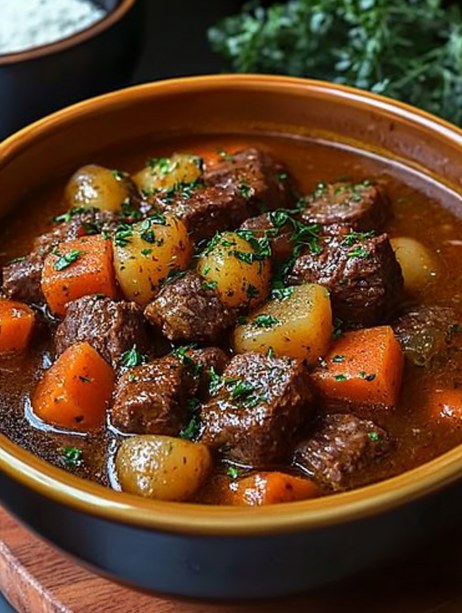
Warm Up with the Best Ever Hearty Beef Stew
There’s nothing quite like a big, steaming bowl of Hearty Beef Stew to warm you up on a chilly evening. This recipe is a family favorite, and I’ve been perfecting it for years. It’s the kind of dish that makes your kitchen smell amazing and brings everyone to the table with a smile. Let’s dive in and see why this stew is a must-try!
A Brief History of Hearty Beef Stew
Beef stew has been a beloved comfort food for centuries. Originating from humble beginnings as a way to use up leftover meats and vegetables, it has evolved into a rich, satisfying dish that’s perfect for any occasion. My grandmother used to make a version of this stew, and I’ve added my own twists to make it even more delicious. The combination of tender beef, savory vegetables, and a rich, flavorful broth is simply irresistible.
Why You’ll Love This Hearty Beef Stew Recipe
This Hearty Beef Stew is all about deep, rich flavors and comforting textures. The beef is melt-in-your-mouth tender, and the vegetables are perfectly cooked, retaining their vibrant colors and natural sweetness. Plus, it’s incredibly easy to make, requiring just a few simple steps. The best part? It only gets better with time, so you can make it ahead and enjoy it even more the next day.
Perfect Occasions to Prepare This Hearty Beef Stew
Whether you’re hosting a cozy dinner party, looking for a hearty meal after a long day, or just craving some serious comfort food, this Hearty Beef Stew is perfect. It’s a hit at family gatherings, potlucks, and even as a special treat for yourself. Serve it with crusty bread or over rice for a complete and satisfying meal.
Ingredients
- Beef Stew Meat: 2 pounds, cut into chunks
- All-Purpose Flour: 1/2 cup
- Seasoning Salt: 1 tablespoon
- Olive Oil: 2 tablespoons
- Black Pepper: 1/2 teaspoon
- Garlic: 3 cloves, minced
- Onion: 1 large, diced
- Carrots: 4 medium, sliced
- Potatoes: 4 medium, peeled and cubed
- Celery: 2 stalks, sliced
- Beef Broth: 4 cups
- Tomato Paste: 2 tablespoons
- Bay Leaves: 2
- Thyme: 1 teaspoon
- Salt and Black Pepper: To taste
- Fresh Parsley (Optional): Chopped, for garnish
Substitution Options
- Beef Stew Meat: Substitute with lamb or pork for a different flavor.
- Carrots: Use parsnips or turnips for a similar texture and sweetness.
- Potatoes: Sweet potatoes or butternut squash can add a touch of sweetness.
- Celery: Fennel or leeks can add a unique, aromatic flavor.
Preparation Section
Step 1: Prepare the Beef
In a large bowl, toss the beef stew meat with flour, seasoning salt, and black pepper until evenly coated. The flour will help create a rich, thick gravy later on, and the seasoning salt adds a nice depth of flavor. Make sure each piece of beef is well-coated for the best results.
Step 2: Sear the Beef
Heat olive oil in a large Dutch oven or heavy-bottomed pot over medium-high heat. Add the coated beef in batches, searing until browned on all sides. This step is crucial for developing a rich, caramelized flavor. Remove the beef from the pot and set aside. The aroma of sizzling beef will make your mouth water!
Step 3: Sauté the Vegetables
In the same pot, add the diced onion, garlic, carrots, celery, and a pinch of salt. Sauté for 5-6 minutes until softened and fragrant. The vegetables will start to release their natural sugars, adding a sweet, earthy flavor to the stew. The kitchen will be filled with the wonderful smells of sautéing onions and garlic.
Step 4: Combine Ingredients
Stir in the tomato paste, cooking for 1 minute to enhance its flavor. Add the beef broth, bay leaves, thyme, and the seared beef. Bring the mixture to a boil. The tomato paste adds a rich, deep flavor, and the herbs infuse the broth with a delightful aroma. Watch as the ingredients come together to create a beautiful, bubbling stew.
Step 5: Simmer the Stew
Reduce heat to low, cover, and simmer for 1 hour, stirring occasionally. The slow simmering allows the flavors to meld and the beef to become incredibly tender. The house will be filled with the comforting smell of a home-cooked meal. Pro tip: If you have a slow cooker, you can transfer everything to it and let it cook on low for 6-8 hours for even more tender results.
Step 6: Add Potatoes
After 1 hour, add the cubed potatoes to the pot. Continue simmering for an additional 30-40 minutes, or until the beef and potatoes are tender. The potatoes will absorb the rich flavors of the broth and become soft and creamy. The stew will thicken slightly as the potatoes cook, creating a luscious, velvety texture.
Step 7: Adjust Seasoning
Taste the stew and adjust the seasoning with additional salt and pepper if needed. This is the time to make sure the flavors are balanced and the stew is perfectly seasoned. A little extra salt and pepper can go a long way in enhancing the overall taste.
Step 8: Serve
Remove the bay leaves and garnish with fresh parsley if desired. Serve hot with crusty bread or over rice for a complete meal. The stew is now ready to be enjoyed, and the aroma will have everyone at the table eager to dig in. Chef’s tip: For an extra touch, add a dollop of sour cream or a sprinkle of grated Parmesan cheese on top.
Timing
Prep Time: 20 minutes
Cooking Time: 1 hour 30 minutes
Total Time: 1 hour 50 minutes
Chef’s Secret
One of my secret tricks is to add a splash of red wine to the stew while it’s simmering. The wine adds a rich, complex flavor and helps to tenderize the beef even more. Just a small amount, about 1/2 cup, can make a big difference. Give it a try and see how it elevates the entire dish!
Extra Info
Did you know that beef stew was originally a peasant dish? It was a way to use up cheaper cuts of meat and whatever vegetables were available. Over time, it became a beloved classic, and now it’s a staple in many households. The beauty of this dish is in its simplicity and versatility, making it a true comfort food for all ages.
Necessary Equipment
- Large mixing bowl
- Dutch oven or heavy-bottomed pot
- Wooden spoon or spatula
- Measuring cups and spoons
- Knife and cutting board
- Slow cooker (optional)
Storage
Store the Hearty Beef Stew in an airtight container in the refrigerator for up to 5 days. The flavors will continue to develop, making it even more delicious. If you want to freeze it, let it cool completely, then transfer it to a freezer-safe container. It can be stored in the freezer for up to 3 months. When reheating, make sure to stir it occasionally to ensure even heating.
Tips and Advice
- Use a good quality beef broth for the best flavor.
- Don’t overcrowd the pot when searing the beef; do it in batches for the best browning.
- Add the potatoes later in the cooking process to prevent them from getting too mushy.
- Feel free to add other vegetables like mushrooms or green beans for extra flavor and nutrition.
Presentation Tips
- Garnish with fresh parsley or a sprinkle of fresh herbs like thyme or rosemary.
- Serve the stew in a rustic, deep bowl for a cozy, inviting look.
- Add a side of crusty bread or a dollop of sour cream for a touch of elegance.
Healthier Alternative Recipes
- Vegetarian Stew: Replace the beef with a variety of mushrooms and add extra vegetables like bell peppers and zucchini for a hearty, plant-based option.
- Chicken Stew: Use chicken thighs instead of beef for a lighter, yet still comforting, version. Add some white beans for extra protein and fiber.
- Bean and Vegetable Stew: Use a mix of beans and a variety of colorful vegetables for a nutritious and filling stew. Add some quinoa or barley for a grainy texture.
- Spicy Stew: Add a pinch of cayenne pepper or a chopped jalapeño for a bit of heat. This variation is perfect for those who love a little kick in their comfort food.
- Slow Cooker Stew: Transfer all the ingredients to a slow cooker and let it cook on low for 6-8 hours. This method is perfect for busy days when you want a hands-off, delicious meal.
- Instant Pot Stew: Use an Instant Pot to pressure cook the stew for a quick and easy version. This method is great for last-minute meals and retains all the flavors and nutrients.
Common Mistakes to Avoid
Mistake 1: Overcooking the Beef
Overcooking the beef can make it tough and dry. To avoid this, make sure to sear the beef in batches and not overcrowd the pot. Once the beef is browned, remove it from the pot and set it aside. It will finish cooking in the stew, becoming tender and flavorful. Pro tip: Use a meat thermometer to check the internal temperature; it should reach 160°F (71°C) for optimal tenderness.
Mistake 2: Not Using Enough Liquid
Not using enough liquid can result in a dry, unappetizing stew. Make sure to use 4 cups of beef broth, and if the stew starts to look too thick, add a little more broth or water. The liquid is essential for creating a rich, flavorful gravy and for keeping the beef and vegetables moist and tender.
Mistake 3: Adding Potatoes Too Early
Adding the potatoes too early can cause them to break down and become mushy. Wait until the beef has simmered for about an hour before adding the potatoes. This way, the potatoes will retain their shape and texture, and the stew will have a perfect consistency. Pro tip: Cut the potatoes into uniform cubes to ensure they cook evenly.
Mistake 4: Not Seasoning Properly
Under-seasoning can make the stew bland, while over-seasoning can make it too salty. Start with the recommended amounts of seasoning salt, black pepper, and thyme, and taste the stew as it simmers. Adjust the seasoning gradually, adding a little more salt and pepper if needed. Remember, you can always add more, but you can’t take it away once it’s in there.
Mistake 5: Skipping the Tomato Paste
Skipping the tomato paste can result in a less rich and flavorful stew. The tomato paste adds a deep, umami flavor and helps to thicken the stew. Make sure to stir it in and let it cook for a minute to enhance its flavor. This step is key to achieving a well-rounded, delicious stew.
FAQ
Can I use a different type of meat?
Absolutely! While beef is traditional, you can use lamb, pork, or even chicken for a different flavor. Just make sure to adjust the cooking time as needed, as different meats may require different cooking times.
How can I make the stew spicier?
To add some heat, you can include a pinch of cayenne pepper, a chopped jalapeño, or a dash of hot sauce. Start with a small amount and adjust to your taste. The spices will add a nice kick to the stew without overpowering the other flavors.
What can I substitute for beef broth?
If you don’t have beef broth, you can use chicken broth or vegetable broth. For a richer flavor, you can also use a combination of broth and red wine. The wine will add a deep, complex flavor to the stew.
Can I make this stew in a slow cooker?
Yes, you can! After searing the beef and sautéing the vegetables, transfer everything to a slow cooker. Add the remaining ingredients and cook on low for 6-8 hours. This method is perfect for busy days when you want a hands-off, delicious meal.
How do I store the leftover stew?
Store the leftover stew in an airtight container in the refrigerator for up to 5 days. The flavors will continue to develop, making it even more delicious. If you want to freeze it, let it cool completely, then transfer it to a freezer-safe container. It can be stored in the freezer for up to 3 months.
Can I add other vegetables to the stew?
Definitely! Feel free to add other vegetables like mushrooms, bell peppers, green beans, or butternut squash. These additions will not only add more flavor but also increase the nutritional value of the stew. Just make sure to cut them into similar sizes for even cooking.
How do I reheat the stew?
To reheat the stew, place it in a pot and warm it over medium heat, stirring occasionally. If the stew is too thick, you can add a little water or broth to thin it out. Make sure to heat it thoroughly, and if you’re using a microwave, stir it halfway through to ensure even heating.
Is this stew gluten-free?
The traditional recipe includes all-purpose flour, which contains gluten. To make it gluten-free, you can use a gluten-free flour blend or cornstarch as a thickener. Just make sure to check the labels of all your ingredients to ensure they are gluten-free.
Can I make this stew ahead of time?
Absolutely! This stew is perfect for making ahead of time. In fact, the flavors will intensify and become even more delicious. You can make it a day or two in advance and store it in the refrigerator. When you’re ready to serve, simply reheat it and adjust the seasoning if needed.
What can I serve with the stew?
This Hearty Beef Stew is versatile and can be served with a variety of sides. Crusty bread, mashed potatoes, or a simple green salad are all great options. You can also serve it over rice or noodles for a heartier meal. The choice is yours, and any of these sides will complement the rich, comforting flavors of the stew.
Final Thoughts on the Best Ever Hearty Beef Stew
There’s something truly special about a Hearty Beef Stew that warms both the body and the soul. This recipe is a testament to the power of simple, well-loved ingredients coming together to create a dish that’s greater than the sum of its parts. Whether you’re making it for a cozy night in or a special gathering, this stew is sure to be a hit. So, roll up your sleeves, get your apron on, and let’s make some magic in the kitchen. Happy cooking!
Hearty Beef Stew
Ingredients
Equipment
Method
- Toss the beef stew meat with flour, seasoning salt, and black pepper until evenly coated.
- Heat olive oil in a large Dutch oven or heavy-bottomed pot over medium-high heat and sear the beef in batches until browned on all sides. Remove and set aside.
- In the same pot, add onion, garlic, carrots, celery, and a pinch of salt; sauté for 5-6 minutes until softened.
- Stir in tomato paste and cook for 1 minute. Then add beef broth, bay leaves, thyme, and the seared beef. Bring to a boil.
- Reduce heat to low, cover, and simmer for 1 hour, stirring occasionally.
- After 1 hour, add cubed potatoes and continue to simmer for an additional 30-40 minutes until tender.
- Taste the stew and adjust seasoning with additional salt and pepper if needed.
- Remove bay leaves, garnish with fresh parsley if desired, and serve hot with crusty bread or over rice.