
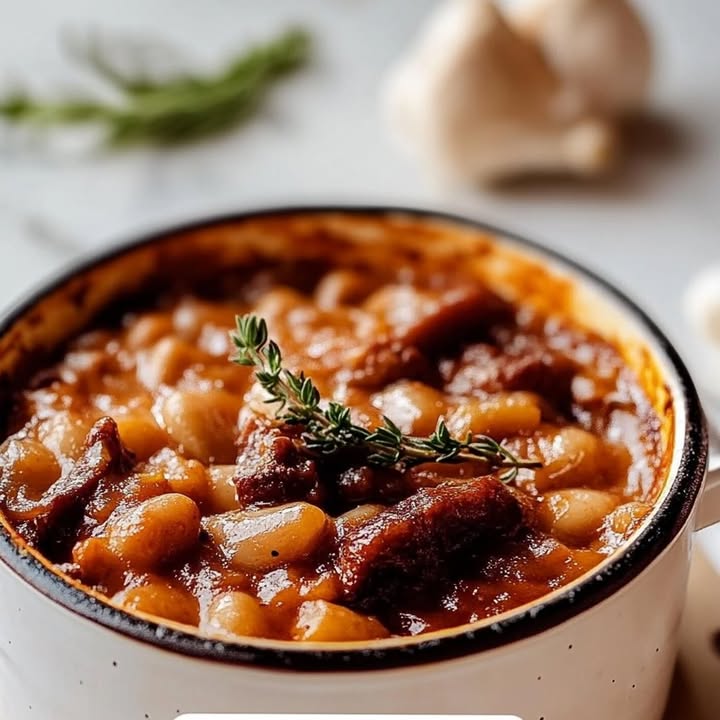
A Traditional Cassoulet Delight: A Hearty French Classic
I still remember the first time I tried a traditional Cassoulet. It was at a cozy little bistro in Castelnaudary, and the aroma of slow-cooked beans, rich meats, and fragrant herbs filled the air. The dish was so comforting and delicious that I knew I had to recreate it at home. This recipe is my go-to for a hearty, soul-warming meal, and I’m excited to share it with you.
The Rich History of Cassoulet
Cassoulet has a long and fascinating history. Originating in the Languedoc region of France, this dish was traditionally made with whatever meats were available, often including duck, pork, and sausages. The name “cassoulet” comes from the earthenware pot, or cassole, in which it was traditionally cooked. Over the years, different regions have put their own spin on the recipe, but the essence remains the same: a rich, flavorful stew that brings people together.
Why You’ll Love This Traditional Cassoulet Delight
This Traditional Cassoulet Delight is a true crowd-pleaser. The combination of tender beans, succulent meats, and aromatic vegetables creates a symphony of flavors that will make your taste buds sing. Plus, it’s a one-pot wonder, making cleanup a breeze. The slow cooking process allows all the ingredients to meld together, resulting in a deeply satisfying and comforting dish.
Perfect Occasions to Prepare This Recipe
This Cassoulet is perfect for a variety of occasions. Serve it at a family gathering, a cozy dinner party, or even as a special treat for a weekend meal. It’s also a great dish to make ahead, as the flavors only get better with time. Whether you’re celebrating a special occasion or just looking for a hearty, comforting meal, this Cassoulet fits the bill.
Ingredients
- 250 g of white beans
- 4 Toulouse sausages
- 200 g of pork shoulder or breast
- 150 g of lard
- 1 onion
- 2 carrots
- 2 cloves of garlic
- 1 bouquet garni (thyme, bay leaf, parsley)
- 1 liter of chicken broth
- 1 tablespoon of duck fat
- Salt and pepper
Substitution Options
- If you can’t find Toulouse sausages, use any mild, meaty sausage.
- Pork shoulder can be replaced with pork belly for a richer flavor.
- Duck fat can be substituted with butter or olive oil.
Preparation Section
Step 1: Soak the Beans
The night before, soak the white beans in cold water. This helps them cook more evenly and reduces the cooking time. Drain and rinse the beans the next day.
Step 2: Cook the Beans
Place the soaked beans in a large pot with fresh water. Bring to a boil, then reduce the heat and let them simmer for about an hour until they are tender. The beans should be soft but not mushy.
Step 3: Brown the Sausages
In a skillet, heat the duck fat and add the Toulouse sausages. Cook until they are nicely browned on all sides. Remove the sausages and set them aside. The smell of sizzling sausages is simply irresistible!
Step 4: Sauté the Meats
In the same skillet, add the diced lard and pork. Cook until they are well-browned. This step is crucial for developing a rich, deep flavor in the Cassoulet.
Step 5: Add the Vegetables
Add the chopped onion, sliced carrots, and crushed garlic to the skillet. Sauté until the vegetables are softened and the aromas fill your kitchen. The colors and textures of the vegetables add a beautiful touch to the dish.
Step 6: Combine Everything in the Cocotte
Transfer the cooked beans, browned meats, and sautéed vegetables to a large cocotte. Add the bouquet garni and chicken broth. Season with salt and pepper to taste. The mixture should be well-combined and ready to simmer.
Step 7: Simmer the Cassoulet
Add the browned sausages to the cocotte. Cover and let it simmer on low heat for about 2 hours. The slow cooking process allows all the flavors to meld together, creating a rich and comforting stew. Pro tip: Stir occasionally to prevent sticking and ensure even cooking.
Step 8: Final Touches
After 2 hours, check the consistency of the Cassoulet. If it’s too thick, add a bit more broth. If it’s too thin, let it simmer a bit longer. Remove the bouquet garni before serving. The final result should be a rich, flavorful stew with perfectly tender beans and meats.
Timing
- Prep Time: 30 minutes
- Cooking Time: 3 hours
- Total Time: 3.5 hours
Chef’s Secret
For an extra layer of flavor, try adding a splash of red wine to the cocotte while it simmers. The alcohol will evaporate, leaving behind a rich, complex flavor that complements the other ingredients beautifully.
Extra Info
Did you know that Cassoulet is often served at festivals and celebrations in the Languedoc region? It’s a symbol of community and sharing, and the tradition of making and enjoying Cassoulet is a cherished part of the local culture.
Necessary Equipment
- Large pot or Dutch oven
- Skillet
- Cutting board
- Knife
- Measuring cups and spoons
- Wooden spoon
Storage
This Cassoulet keeps well in the refrigerator for up to 5 days. Store it in an airtight container to maintain its freshness. When reheating, add a little water or broth to prevent it from drying out. For longer storage, you can freeze the Cassoulet for up to 3 months. Thaw it overnight in the refrigerator before reheating. The flavors actually improve with time, so don’t hesitate to make a big batch and enjoy it over several days.
Tips and Advice
- Use high-quality, fresh ingredients for the best flavor.
- Don’t skimp on the soaking and simmering times; they are key to achieving the right texture and flavor.
- Feel free to adjust the seasoning to your taste. Some like it a bit saltier, others prefer a milder flavor.
Presentation Tips
Serve the Cassoulet in a large, rustic bowl or individual ramekins for a charming presentation. Garnish with a sprinkle of fresh parsley or a drizzle of olive oil. A crusty baguette on the side is a must for soaking up the delicious sauce.
Healthier Alternative Recipes
- Vegetarian Cassoulet: Replace the meats with a variety of mushrooms, such as shiitake and portobello, and add some smoked tofu for a rich, meaty flavor.
- Chicken Cassoulet: Use bone-in, skin-on chicken thighs for a lighter version. The skin adds a nice crispy texture when browned.
- Bean and Vegetable Cassoulet: Focus on a variety of colorful vegetables, such as bell peppers, zucchini, and sweet potatoes, along with the white beans for a vibrant, nutritious dish.
- Low-Fat Cassoulet: Reduce the amount of lard and use lean cuts of pork. Add more vegetables and use a light broth to keep the flavors rich without the added fat.
- Spicy Cassoulet: Add a pinch of cayenne pepper or a few slices of hot chili peppers for a spicy kick. This version is perfect for those who love a bit of heat.
- Herb-Crusted Cassoulet: Top the Cassoulet with a breadcrumb and herb mixture before baking. This adds a delightful, crunchy texture to the dish.
Common Mistakes to Avoid
Mistake 1: Not Soaking the Beans
Skipping the soaking step can lead to unevenly cooked beans, with some being hard and others being mushy. Soaking the beans overnight ensures they cook evenly and absorb the flavors better. Pro tip: If you forget to soak the beans, you can quick-soak them by boiling them for a few minutes, then letting them sit for an hour.
Mistake 2: Overcooking the Meats
Overcooking the meats can make them tough and dry. Make sure to brown them well but avoid overcooking them. The goal is to achieve a nice, caramelized exterior while keeping the inside tender and juicy.
Mistake 3: Not Using Enough Liquid
Not using enough liquid can result in a dry and unappetizing Cassoulet. Make sure to use enough broth to keep the beans and meats moist and flavorful. If the Cassoulet looks too dry during cooking, add a bit more broth or water.
Mistake 4: Not Seasoning Properly
Under-seasoning can make the Cassoulet bland. Taste and adjust the seasoning as you go, adding salt and pepper to bring out the full depth of flavors. Remember, you can always add more, but you can’t take it away once it’s in there.
Mistake 5: Rushing the Cooking Process
Cassoulet is a dish that benefits from slow, gentle cooking. Rushing the process can result in undercooked beans and tough meats. Take your time and let the flavors develop slowly. The end result will be worth the wait.
FAQ
Can I use canned beans instead of dried beans?
While you can use canned beans, the texture and flavor won’t be the same. Dried beans, when soaked and cooked, provide a better, creamier texture. If you do use canned beans, make sure to drain and rinse them, and reduce the cooking time significantly.
What if I can’t find Toulouse sausages?
If Toulouse sausages are unavailable, you can substitute them with any mild, meaty sausage. Italian sausages or even bratwurst can work well. Just make sure they are not overly spiced, as you want the natural flavors to shine through.
How can I make the Cassoulet spicier?
To add some heat, you can include a pinch of cayenne pepper or add a few slices of hot chili peppers. You can also use a spicy sausage or add a dash of hot sauce to the broth. Start with a small amount and adjust to your taste.
Can I make this recipe in a slow cooker?
Yes, you can! After browning the meats and sautéing the vegetables, transfer everything to a slow cooker. Cook on low for 6-8 hours. This method is great for busy days when you want a hands-off approach to cooking.
Is Cassoulet a healthy dish?
Traditional Cassoulet is quite rich and high in calories due to the meats and fats used. However, you can make it healthier by using leaner cuts of meat, reducing the amount of lard, and adding more vegetables. The beans are a good source of fiber and protein, making it a balanced option.
Can I prepare this recipe in advance?
Absolutely! Cassoulet is a great make-ahead dish. You can prepare it up to a day in advance and store it in the refrigerator. Reheat it gently on the stovetop, adding a little water or broth if needed to keep it moist.
What is the best way to reheat Cassoulet?
The best way to reheat Cassoulet is on the stovetop. Place it in a pot and heat it gently, stirring occasionally. Add a little water or broth if it looks too dry. You can also reheat it in the oven, covered, at 350°F (175°C) for about 20-30 minutes.
Can I use a different type of broth?
Yes, you can use beef or vegetable broth instead of chicken broth. Each type of broth will give the Cassoulet a slightly different flavor profile, so choose the one that suits your taste preferences.
What can I serve with Cassoulet?
Cassoulet is traditionally served with a crusty baguette to soak up the delicious sauce. A simple green salad or steamed vegetables can also complement the rich, hearty flavors of the Cassoulet.
Is Cassoulet suitable for a gluten-free diet?
Yes, Cassoulet is naturally gluten-free, as long as you use gluten-free broth and check the labels of any processed ingredients. Just make sure to serve it with a gluten-free bread if you’re offering it as a side.
Conclusion
This Traditional Cassoulet Delight is a true labor of love, but the end result is absolutely worth it. The rich, comforting flavors and the joy of sharing a homemade meal with family and friends make it a special dish. Whether you’re a seasoned chef or a beginner, this recipe is a wonderful way to experience the heartwarming traditions of French cuisine. Bon appétit!
Traditional Cassoulet Delight
Ingredients
Equipment
Method
- The night before, soak the white beans in cold water.
- Drain and rinse the beans the next day.
- Place the soaked beans in a large pot with fresh water and bring to a boil.
- Reduce the heat and let the beans simmer for about an hour until tender.
- In a skillet, heat the duck fat and add the Toulouse sausages, browning them on all sides.
- Remove the sausages and set aside.
- In the same skillet, add the diced lard and pork, cooking until browned.
- Add the chopped onion, sliced carrots, and crushed garlic to the skillet, sautéing until softened.
- Transfer the cooked beans, browned meats, and sautéed vegetables to a large cocotte.
- Add the bouquet garni and chicken broth, seasoning with salt and pepper.
- Add the browned sausages to the cocotte and cover.
- Let it simmer on low heat for about 2 hours, stirring occasionally.
- After 2 hours, check the consistency and adjust with more broth if too thick, or simmer longer if too thin.
- Remove the bouquet garni before serving.