
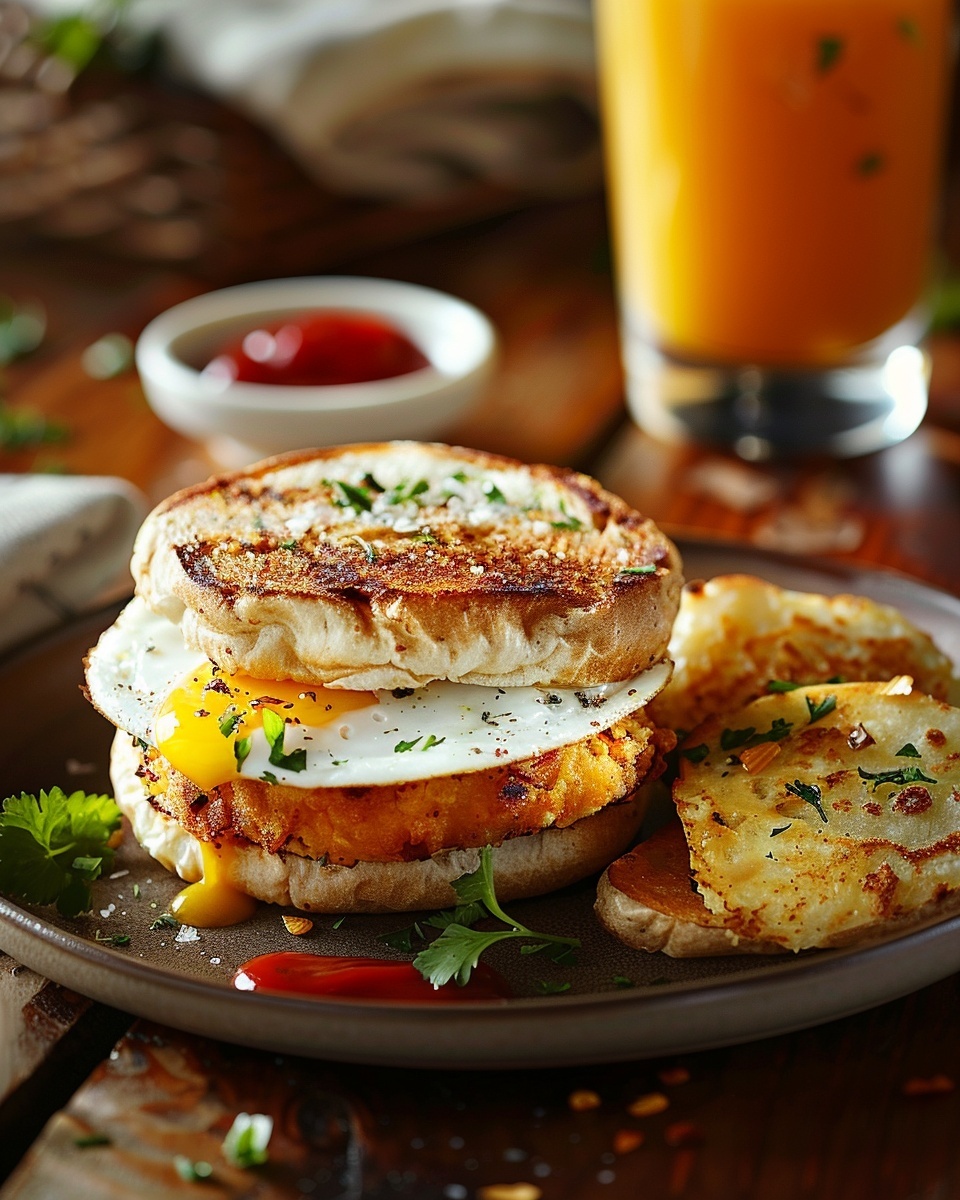
Introduction: Your Guide to the Perfect Homemade Breakfast Sandwich with Egg
I’ll never forget the morning I watched my dad make his famous breakfast sandwich. He was running late for work but still took five minutes to toast bread, fry an egg, and layer it with cheese. “A good breakfast sets the whole day right,” he said between bites. He was onto something. That simple sandwich gave him energy and put a smile on his face before heading out the door.
A homemade breakfast sandwich with egg is one of those meals that feels special but doesn’t require a culinary degree. It’s warm, filling, and ready in less time than it takes to wait in a drive-through line. Whether you’re rushing to get the kids to school or just want something tasty to start your weekend, this sandwich delivers.
Breakfast really is important. I know you’ve heard that a million times, but it’s true. Your body needs fuel after sleeping for hours. A proper morning meal helps you focus, gives you energy, and keeps you from getting hangry by 10 a.m. The problem is that many of us skip breakfast because we think it takes too long or requires too much effort.
That’s where the breakfast sandwich comes in. It’s quick enough for busy mornings but substantial enough to keep you satisfied. You can make it in about ten minutes, and every ingredient serves a purpose. The bread gives you carbs for energy. The egg provides protein to keep you full. Add some cheese, vegetables, or your favorite breakfast meat, and you’ve got a complete meal between two slices.
In this article, I’ll show you exactly how to make a delicious breakfast sandwich at home. We’ll cover why homemade beats store-bought every time, what ingredients work best, and how to customize your sandwich to match your taste. I’ll also share some helpful tips I’ve picked up over the years. By the end, you’ll be able to whip up a restaurant-quality breakfast sandwich in your own kitchen.
Why a Homemade Breakfast Sandwich with Egg is a Great Choice
Making your breakfast sandwich at home changes everything. I used to grab frozen sandwiches from the store and microwave them. They were convenient, sure, but they always tasted a bit off. The bread got soggy. The eggs had that weird rubbery texture. Something was missing.
When you make your own, you control every single element. You pick the bread you like. You cook the egg exactly how you want it. You decide what goes inside and what stays out. That level of control means each sandwich tastes fresh and matches your preferences perfectly.
Freshness makes a huge difference. The ingredients you use at home are simply better quality than what goes into mass-produced sandwiches. Your egg was probably in the fridge yesterday, not frozen months ago in a factory. Your bread is soft and tasty, not preserved with a dozen chemicals you can’t pronounce. Even the cheese melts better when it’s real cheese instead of processed cheese product.
Here are some key benefits of making breakfast sandwiches at home:
- You save money compared to buying breakfast out every day
- You know exactly what ingredients go into your food
- You can adjust portion sizes to your appetite
- You reduce packaging waste from takeout containers
- You can prep ingredients ahead to make mornings even faster
- You avoid excess sodium and preservatives found in frozen options
The customization factor is really where homemade shines. Maybe you’re watching your calories and want to use egg whites instead of whole eggs. Perhaps you’re vegetarian and want to skip the bacon. Or maybe you just really hate tomatoes and want them nowhere near your sandwich. When you make it yourself, you’re the chef. No special orders or complicated requests needed.
I love experimenting with different combinations. Some mornings I keep it simple with just egg and cheese. Other days I add avocado, spinach, or hot sauce. My husband likes his with ham and Swiss cheese. My daughter prefers turkey and cheddar. We can all have exactly what we want without ordering from three different restaurants.
What Are the Health Benefits of Eating Eggs for Breakfast?
Eggs are the star of any breakfast sandwich, and for good reason. They’re packed with nutrients your body needs to function well. One large egg contains about six grams of high-quality protein. That protein helps build and repair tissues, keeps your muscles strong, and makes you feel full longer than carbs alone.
The nutritional profile of eggs is impressive. They contain:
- Vitamin D for bone health and immune support
- Vitamin B12 for energy and brain function
- Choline for memory and cognitive performance
- Selenium for thyroid health and antioxidant protection
- Vitamin A for eye health and skin
- Iron for healthy blood cells
Despite what you might have heard years ago, eggs don’t harm your heart health when eaten in moderation. Research has shown that dietary cholesterol from eggs doesn’t significantly impact blood cholesterol levels for most people. In fact, eggs can be part of a heart-healthy diet.
Eating eggs for breakfast helps with weight management too. The protein keeps you satisfied, so you’re less likely to snack before lunch. I’ve noticed that when I have an egg sandwich in the morning, I don’t get those mid-morning cravings for cookies or chips. The sustained energy is real.
Eggs are also incredibly versatile. You can fry them, scramble them, poach them, or make them over easy. Each cooking method creates a different texture and eating experience. That variety means you won’t get bored even if you eat breakfast sandwiches several times a week.
Why Homemade Beats Store-Bought Every Time
I used to think those frozen breakfast sandwiches were a decent shortcut. Pop one in the microwave, wait two minutes, and breakfast is done. But after making my own for a while, I can’t go back. The difference in taste and quality is night and day.
Store-bought options are loaded with sodium to preserve them and enhance flavor. A single frozen breakfast sandwich can contain 700 to 900 milligrams of sodium. That’s almost half your daily recommended intake in one small sandwich. When you make your own, you can keep the sodium in check by using fresh ingredients and controlling how much salt you add.
The texture issue bothers me too. Frozen sandwiches never quite get the bread right. It’s either soggy from condensation or tough and chewy from being overcooked. The eggs are often dense and rubbery. Cheese doesn’t melt properly. Everything just tastes processed.
Price is another factor. A box of four frozen breakfast sandwiches costs around $8 to $10 at my grocery store. That’s $2 to $2.50 per sandwich. I can make a better homemade version for about $1.50 or less, depending on what ingredients I use. Over a month of weekday breakfasts, those savings really add up.
Making breakfast sandwiches at home also lets you avoid ingredients you don’t want. Many commercial versions contain artificial flavors, colors, and preservatives. Some use egg substitutes instead of real eggs. The cheese might be processed. The meat could be full of fillers. When you make your own, you choose real, whole ingredients.
The environmental impact matters too. Every frozen sandwich comes in packaging. That’s cardboard boxes, plastic wrap, and sometimes individual wrappers for each sandwich. All that waste adds up. Making breakfast at home reduces your environmental footprint while giving you a better meal.


Essential Ingredients for Your Homemade Breakfast Sandwich with Egg
Now that you know why making your own is worth it, let’s talk about what you’ll actually need. The beauty of a breakfast sandwich is that the ingredient list stays pretty simple, but each component matters.
First up is the bread. This is your foundation, so don’t just grab whatever’s been sitting in your pantry for two weeks. I like using English muffins because they have those nooks and crannies that catch melted cheese and hold everything together. Bagels work great too, though they’re denser and more filling. Regular sandwich bread is fine, but toast it well so it doesn’t get soggy. Croissants are my weekend treat when I want something a bit fancier. They’re buttery and flaky and make the whole sandwich feel special.
Eggs are obviously non-negotiable. I buy large eggs and keep them as fresh as possible. The fresher your eggs, the better they’ll taste and the nicer the yolk will look. For one sandwich, you’ll need one or two eggs depending on how hungry you are and how you’re cooking them.
Cheese is next. American cheese melts beautifully and gives you that classic breakfast sandwich experience. Cheddar adds more flavor and a sharper taste. Swiss is mild and pairs well with ham. Pepper jack brings some heat if you like spicy food. I usually go with sharp cheddar myself, but honestly, use whatever cheese makes you happy. Just make sure it’s the kind that melts well, not something crumbly like feta.
Beyond the basics, you’ll want some kind of fat for cooking. Butter gives the best flavor when you’re frying eggs or toasting bread. Olive oil works too and is a bit healthier. Some people use cooking spray, which is fine if you’re watching calories.
Here’s what I keep on hand for my standard breakfast sandwich:
The Foundation: English muffins, bagels, or your preferred bread (one per sandwich)
The Protein: Two large eggs per sandwich
The Cheese: One or two slices of your favorite melting cheese
For Cooking: Butter or oil, plus a pinch of salt and pepper
Optional Add-Ins: Cooked bacon, sausage patties, ham slices, tomato slices, spinach leaves, avocado, hot sauce, ketchup, or mayo
The add-ins are where you can really personalize things. My neighbor makes hers with turkey sausage and arugula. My coworker swears by adding a slice of tomato and some sriracha. Sometimes I go simple with just egg and cheese. Other mornings I load it up with bacon, avocado, and everything I can find. There’s no wrong answer here.
Can I Use Other Types of Bread for a Breakfast Sandwich?
Absolutely. The bread world is your oyster, or something like that. I’ve tried probably twenty different bread options over the years, and most of them work just fine.
For a gluten-free version, there are decent gluten-free English muffins and bagels at most grocery stores now. They’re not exactly the same texture as regular bread, but they get the job done. I’ve also used gluten-free sandwich bread, toasted until it’s crispy enough to hold together.
Whole wheat bread or English muffins add more fiber and nutrients. They have a nuttier taste that I actually prefer some mornings. Sourdough is another option that brings a tangy flavor and works especially well if you’re using stronger ingredients like sausage or pepper jack cheese.
Brioche buns are rich and slightly sweet. They feel indulgent, almost dessert-like, which makes your breakfast sandwich feel like a special occasion. I save these for lazy Sunday mornings when I have more time.
Funny enough, I once used leftover cinnamon french toast as the bread for a breakfast sandwich when I ran out of English muffins. It was weird but surprisingly good, especially with the sweet and savory combination. Would I do it again? Maybe not regularly, but it shows you can get creative.
Tortillas or flatbreads turn your sandwich into more of a wrap, which is easier to eat in the car if you’re really in a hurry. Just scramble your eggs, add your cheese and other ingredients, roll it up, and go. It’s less traditional but totally practical.
The main thing is choosing bread that can handle moisture without falling apart. Eggs and cheese produce steam and grease, so you need something sturdy. That’s why I always toast my bread, no matter what type I’m using. The toasting creates a barrier that keeps everything from getting soggy.
Picking Quality Ingredients That Make a Difference
Here’s the thing about ingredients: you don’t need to buy the most expensive version of everything, but quality does matter when your recipe is this simple.
For eggs, I try to buy ones from local farms when I can find them at the farmers market. The yolks are darker orange and the flavor is richer. But honestly, regular store-bought eggs work perfectly fine too. Just check the date and make sure they’re fresh. If you crack an egg and the yolk stands up nice and high instead of spreading out flat, that’s a good sign it’s fresh.
With cheese, I avoid the individually wrapped slices if possible. They’re convenient, but they contain more additives and don’t melt as nicely. I buy a block of cheese and slice it myself, or I get sliced cheese from the deli counter. It costs a bit more but tastes significantly better. You can really taste the difference between real cheddar and processed cheese product.
Bread freshness matters too. I squeeze the package gently to make sure it’s soft. If it feels hard or stale, I skip it. Some grocery stores have bakery sections where they make fresh English muffins or bagels daily. Those are worth seeking out.
If you’re adding meat, quality varies a lot. Bacon with fewer ingredients listed on the package usually tastes better. Same with sausage. I look for versions without too many fillers or artificial ingredients. The meat should be the main component, not a bunch of mystery additives. Similar to how you’d choose ingredients for something hearty like a breakfast hash with potatoes and sausage, you want real, recognizable ingredients.
Step-by-Step Instructions for the Perfect Homemade Breakfast Sandwich
Making the actual sandwich is easier than you might think. I’m going to walk you through it exactly how I do it on a typical Wednesday morning when I’m half-awake and need something fast.
Start by getting your bread situation handled. Split your English muffin or slice your bagel in half. If you’re using regular bread, just grab two slices. Put them in the toaster or toaster oven. I toast mine on the medium setting because I want them golden and crispy but not burnt. While that’s happening, you can start on the egg.
Heat a small nonstick pan over medium heat. Add about half a tablespoon of butter and let it melt. This is important: don’t let the butter burn. If it starts turning brown right away, your heat is too high. Turn it down a bit and wait for the pan to cool slightly.
For a fried egg, crack your egg directly into the pan once the butter is melted and foamy. Sprinkle a tiny pinch of salt and pepper on top. Cook it for about two to three minutes until the white is set but the yolk is still a bit runny. If you want the yolk fully cooked, either flip it over carefully for another minute or put a lid on the pan to steam the top.
By the way, scrambled eggs work great too and they’re actually easier to handle in a sandwich. For scrambled, crack two eggs into a bowl, add a splash of milk, and whisk them together with a fork. Pour into your buttered pan and stir gently with a spatula. Keep them moving around the pan until they’re just set but still soft and a bit glossy. Don’t overcook them or they’ll get dry. The whole process takes maybe three minutes. This technique is similar to what you’d use for scrambled eggs with toast and avocado, though for a sandwich you might want them slightly firmer so they don’t fall out.
Once your egg is nearly done, place your cheese on top of it. The heat from the egg will start melting it right away. If it needs help, just put a lid on the pan for thirty seconds.
Your toast should be ready by now. Take it out and put a thin layer of butter on the inside of each piece while it’s still hot. This adds flavor and creates another moisture barrier.
Now comes assembly, which is simpler than it sounds. Put the bottom half of your bread on a plate. If you’re adding any condiments like mayo or hot sauce, spread them on now. Add your egg with the melted cheese on top. If you’re including bacon, sausage, or veggies, layer those on next. Put the top piece of bread on, press down gently so everything sticks together, and you’re done.
How Do I Cook the Perfect Egg for a Breakfast Sandwich?
This question comes up a lot, and the answer depends on what you prefer. I’ve tried every method, and they all have their advantages.
Fried eggs are classic. They give you that runny yolk that oozes when you bite into the sandwich. It’s messy but delicious. The key is medium heat and patience. Too high and the bottom burns before the top cooks. Too low and the egg just sits there forever getting rubbery.
Scrambled eggs are practical because they stay inside the sandwich better. No yolk dripping down your chin. They’re also forgiving. If you slightly overcook them, they’re still fine. I make mine soft-scrambled, taking them off the heat when they’re still a bit wet-looking because they’ll continue cooking from residual heat.
Over-easy eggs split the difference. You flip them once, cook for just a minute on the second side, and you get a yolk that’s thick but still runny. They’re a bit trickier because you have to flip without breaking the yolk, but with practice it becomes second nature.
Poached eggs are the fancy option. They’re healthier because you’re not using butter or oil. The texture is silky and the yolk is perfectly runny. But they’re harder to time right and they can be intimidating if you’ve never done it. I usually save poached eggs for weekends when I’m not rushing.
Here’s a trick I learned: if you want your fried or scrambled egg to fit perfectly on your English muffin, use a round cookie cutter or a metal ring as a mold. Put it in the pan, crack the egg into it, and the egg will cook into a perfect circle that matches your bread. Game changer.
Season your eggs while they cook, not after. Salt and pepper go directly in the pan. You can also add garlic powder, paprika, or whatever spices you like. Just a small pinch makes a difference.
Temperature control is honestly the most important skill. Medium heat gives you time to cook everything evenly. High heat seems faster but usually results in burnt edges and raw centers. Low heat takes forever and dries everything out. Medium is your friend. Trust me on this.
One more thing: don’t walk away from cooking eggs. They go from perfect to overcooked in about thirty seconds. I learned this the hard way many times. Stay by the stove, keep an eye on things, and you’ll get it right. Even if you’re trying to brew coffee or pack lunches at the same time, just keep glancing at that pan. Your future self will thank you when you bite into a perfectly cooked egg instead of a rubbery one.
Just like when you’re preparing something comforting like a blueberry banana oatmeal bowl, the quality of your basic technique matters more than fancy ingredients. Master the simple stuff, and everything else falls into place.


Creative Variations and Toppings for Your Homemade Breakfast Sandwich with Egg
Here’s where things get fun. Once you’ve mastered the basic breakfast sandwich, the world opens up. I’ve been making these for years, and I still find new combinations that surprise me.
Let’s start with classic additions that never fail. Bacon is probably the most popular add-on, and for good reason. That salty, crispy, smoky flavor pairs perfectly with eggs and cheese. I cook mine until it’s just crispy, not burnt, and I use two or three strips per sandwich. Sausage patties are heartier and have more seasoning already built in. You can buy them pre-made or form your own from ground sausage. Just flatten them into patties about the size of your bread and cook them in the same pan you’ll use for your egg.
Ham is underrated in my opinion. A slice or two of deli ham adds protein and a slightly sweet flavor that balances out sharp cheese. It’s also faster since you don’t have to cook it, just warm it up. Canadian bacon is similar but has a different texture, kind of like thick-cut ham. My dad always used Canadian bacon on his sandwiches, so it makes me think of him every time I use it.
Now for vegetables, which honestly transform a good sandwich into a great one. Spinach or arugula add freshness and a bit of green to your meal. I just throw a handful right on top of the hot egg so it wilts slightly. Tomato slices bring acidity and moisture, though they can make things messy. I salt my tomato slices lightly and let them sit on a paper towel for a minute to remove excess water. Avocado is creamy and rich, basically made for breakfast sandwiches. I mash mine with a fork and spread it on the bread, or I just slice it thin and layer it on.
Sautéed mushrooms and onions turn your sandwich into something you’d order at a fancy brunch place. Just slice them thin, cook them in butter until they’re soft and golden, and pile them on. The sweetness of caramelized onions with eggs is honestly amazing. I make extra and keep them in the fridge to add throughout the week.
Condiments change everything too. A thin layer of mayo adds richness. Hot sauce brings heat. Ketchup is classic for a reason, even if some people judge you for it. I like sriracha mayo, which I make by mixing equal parts sriracha and mayo. Pesto is another favorite of mine, especially with mozzarella and tomato for an Italian-style breakfast sandwich.
Here are some specific combinations I’ve tried and loved:
- The Classic Diner: Fried egg, American cheese, bacon, and a squirt of ketchup on a toasted English muffin
- The Southwestern: Scrambled eggs, pepper jack cheese, avocado, salsa, and a sprinkle of cilantro on a whole wheat bagel
- The Veggie Deluxe: Over-easy egg, Swiss cheese, sautéed mushrooms, spinach, and tomato on sourdough
- The Protein Power: Two scrambled eggs, turkey sausage, cheddar cheese, and sriracha on a whole grain English muffin
- The Italian: Fried egg, mozzarella, pesto, and roasted red peppers on a ciabatta roll
- The Southern Comfort: Scrambled eggs, sausage gravy, cheddar cheese, and a hash brown patty on a biscuit
That last one is ridiculous and indulgent and absolutely worth trying if you’re really hungry. The hash brown adds this crispy texture that contrasts perfectly with the soft eggs and gravy.
By the way, don’t sleep on breakfast meats beyond the usual suspects. I’ve used leftover grilled chicken, sliced steak, and even pulled pork on breakfast sandwiches. Leftover taco meat works surprisingly well. Basically, if it’s protein and it tastes good, it probably belongs on a breakfast sandwich.
What Are Some Unique Toppings for a Breakfast Sandwich?
Let me share some combinations that might sound weird but actually work. I’m talking about the stuff you wouldn’t think of right away but that takes your sandwich to another level.
Pickled jalapeños add vinegary heat without overwhelming everything. Just a few slices give you flavor without making the whole sandwich spicy. I keep a jar in my fridge specifically for this purpose.
Cream cheese might sound strange, but it melts into the eggs and creates this rich, tangy element. I use it instead of regular cheese sometimes, especially on bagels. Add some smoked salmon and you’ve basically got breakfast and lunch combined.
Kimchi is my secret weapon. I know, I know, it sounds crazy. But the fermented, spicy, tangy flavor cuts through the richness of eggs and cheese perfectly. My friend who’s Korean introduced me to this, and now I can’t stop. Just a small spoonful is enough.
Hash brown patties inside the sandwich instead of on the side create this amazing texture contrast. You get crispy potato with every bite. Some fast food places do this, and there’s a reason it’s popular.
Apple slices sound sweet for a breakfast sandwich, but thin slices of tart green apple with cheddar cheese and sausage are genuinely delicious. The crunch and slight sweetness balance the savory elements.
Here’s something I stumbled on by accident: leftover roasted vegetables from dinner. I had some roasted bell peppers and zucchini in the fridge, warmed them up, and threw them on my sandwich. It was fantastic. Now I intentionally roast extra veggies at dinner knowing I’ll use them for breakfast.
Peanut butter is controversial, but hear me out. A thin layer of peanut butter on toasted bread, topped with a fried egg and a drizzle of honey, creates this sweet and savory combination that’s addictive. It’s not for everyone, but if you like peanut butter and eggs separately, give it a try.
Coleslaw might be the weirdest thing on this list, but it works. The crunchy, tangy slaw adds texture and freshness. I use it on breakfast sandwiches that have pulled pork or fried chicken for a kind of breakfast-meets-BBQ situation.
Experimenting is the whole point. Don’t be afraid to try things that sound odd. Some of my best sandwiches came from using whatever random ingredients I had in the fridge. Thinking about food responsibility also means reducing waste by using up ingredients before they go bad, and breakfast sandwiches are perfect for that.
I encourage you to keep a running list on your phone of combinations you want to try. When you’re at the grocery store, grab one or two new ingredients to experiment with. Maybe it’s a different cheese you’ve never tried, or a fancy aioli, or a type of bread you usually skip. The breakfast sandwich is your canvas.
Common Questions About Making a Homemade Breakfast Sandwich with Egg
What Are the Best Cheeses to Use in a Breakfast Sandwich with Egg?
The best cheese is honestly the one you like most, but some work better than others. American cheese melts beautifully and has that classic breakfast taste. Cheddar, especially sharp cheddar, adds more flavor and still melts well. Swiss is mild and pairs nicely with ham or turkey. Pepper jack brings heat if you like spicy food. Mozzarella is stretchy and mild, perfect if you’re adding lots of other flavors. I avoid cheeses that don’t melt well, like feta or goat cheese, unless I’m specifically going for a cold or crumbled texture.
How Can I Make a Breakfast Sandwich Ahead of Time?
Making breakfast sandwiches ahead is a total game-changer for busy mornings. Cook all your components, assemble the sandwiches completely, and wrap each one tightly in plastic wrap or aluminum foil. Store them in the fridge for up to three days or freeze them for up to a month. To reheat from the fridge, unwrap and microwave for about 60 seconds. From frozen, microwave for 90 seconds to two minutes. The bread might be slightly softer than fresh, but it’s still way better than store-bought frozen options. I make a batch of six every Sunday and grab them throughout the week.
Is It Healthier to Make a Breakfast Sandwich at Home?
Absolutely, and it’s not even close. Homemade breakfast sandwiches let you control exactly what goes in. You can use whole grain bread for more fiber, real cheese instead of processed, and fresh eggs instead of egg substitutes. You control the salt, so you’re not eating half your daily sodium in one meal. You can add vegetables for vitamins and nutrients. You avoid preservatives and artificial ingredients found in frozen or fast food versions. Plus, you can adjust portions to match your actual hunger and nutritional needs instead of eating whatever predetermined size comes in a package.
What Are Some Low-Carb Options for a Breakfast Sandwich?
If you’re watching carbs, you have several good options. Use a lettuce wrap instead of bread for a super low-carb version. Large romaine or butter lettuce leaves work best. You can also make the eggs themselves into the “bread” by cooking flat omelets and using those to wrap your cheese and meat. Portobello mushroom caps, grilled until tender, make excellent bread substitutes. Cloud bread, made from eggs and cream cheese, is another popular low-carb option. Some people use bell pepper halves or tomato slices as the base. I’ve even seen people use sliced deli meat as the wrapper, which sounds weird but apparently works.
Can I Add Vegetables to My Breakfast Sandwich with Egg?
You absolutely should add vegetables. Spinach, arugula, tomatoes, mushrooms, onions, bell peppers, and avocado all work beautifully. Vegetables add nutrients, fiber, color, and flavor without many calories. I sauté heartier vegetables like mushrooms, onions, and peppers before adding them so they’re tender and flavorful. Leafy greens can go on raw or you can wilt them slightly by putting them on the hot egg. Tomatoes and avocados are perfect raw. Adding vegetables makes your sandwich more filling and balanced, turning it from just protein and carbs into a more complete meal.
How Do I Keep My Breakfast Sandwich from Getting Soggy?
The key is creating barriers between wet ingredients and bread. Always toast your bread well so it’s crispy and less absorbent. Spread a thin layer of butter, mayo, or cream cheese on the inside surfaces to create a moisture barrier. If using tomatoes, salt them and let them drain on a paper towel first. Don’t add wet condiments like ketchup or hot sauce until right before eating. If making ahead, put lettuce or cheese directly against the bread to protect it from wetter ingredients like eggs and tomatoes. Assemble with the wettest ingredients in the middle, surrounded by drier ones.
What’s the Best Way to Cook Multiple Breakfast Sandwiches at Once?
When I’m meal prepping or cooking for my family, I use multiple pans or a large griddle. I can cook four to six eggs at once on a griddle, along with any meat. For scrambled eggs, I make a big batch in one pan and divide them among sandwiches. The oven also works great for batch cooking bacon or sausage while you handle eggs on the stovetop. Toast all your bread at once in the oven on a baking sheet. Set up an assembly line with all your ingredients laid out, then build all the sandwiches one after another. It’s much faster than making them individually.
Can I Use Egg Substitutes for a Breakfast Sandwich?
Sure, egg substitutes work if you have dietary restrictions or preferences. Liquid egg whites from a carton are convenient and lower in calories and cholesterol. They cook just like regular eggs but don’t have the rich yolk. Plant-based egg substitutes made from mung beans or other ingredients are available and work for vegans. The texture is slightly different, but they scramble reasonably well. Just Egg is a popular brand that many people like. Tofu scramble is another vegan option that’s been around longer. Season it well with turmeric for color and nutritional yeast for a slightly cheesy flavor.
How Long Does a Cooked Breakfast Sandwich Last in the Fridge?
A fully cooked and assembled breakfast sandwich stays good in the fridge for about three days when wrapped properly. Make sure it cools to room temperature before wrapping to avoid condensation, which makes things soggy. Wrap tightly in plastic wrap or foil, or store in an airtight container. I write the date on mine with a marker so I know when I made them. If you’re not going to eat them within three days, freeze them instead. They’ll last up to a month in the freezer. I’ve pushed it to four or five days in the fridge before and they were fine, but three days is the safe recommendation.
What Are Some Good Side Dishes for a Breakfast Sandwich?
A breakfast sandwich is pretty complete on its own, but sometimes you want a little something extra. Fresh fruit is my go-to, especially berries or sliced melon. Hash browns or home fries add more substance if you’re really hungry. A small side salad with a light vinaigrette balances the richness of the sandwich. Yogurt with granola gives you something cool and creamy to contrast the warm sandwich. I sometimes have a handful of baby carrots or cherry tomatoes just to get more vegetables in. Coffee or fresh juice completes the meal. Honestly though, the sandwich is usually enough by itself.
If you’re looking for more inspiration to fill out your morning meals beyond just the sandwich itself, exploring other breakfast options can help you mix up your routine while still keeping things simple and homemade.
Making your own breakfast sandwiches at home isn’t complicated, and the rewards are immediate. You get better flavor, healthier ingredients, and the satisfaction of creating something with your own hands. Start with the basics, then let your creativity run wild. Before you know it, you’ll be the person everyone asks for breakfast sandwich tips, and you’ll have your own signature combinations that make your mornings something to look forward to.
Ingredients
Equipment
Method
- Split the English muffin or slice the bagel in half and toast it until golden and crispy.
- Heat a small nonstick pan over medium heat and add half a tablespoon of butter.
- Once the butter is melted, crack the egg into the pan and season with salt and pepper.
- Cook the egg for 2-3 minutes until the white is set and the yolk is still runny, or longer if fully cooked is preferred.
- If using cheese, place it on top of the egg to melt.
- Once toasted, spread a thin layer of butter or desired condiment on the hot inside of the bread.
- Assemble the sandwich by placing the egg with cheese on the bottom piece of bread, adding any optional ingredients, and topping it with the other piece of bread.
- Gently press down to secure the sandwich and enjoy!