
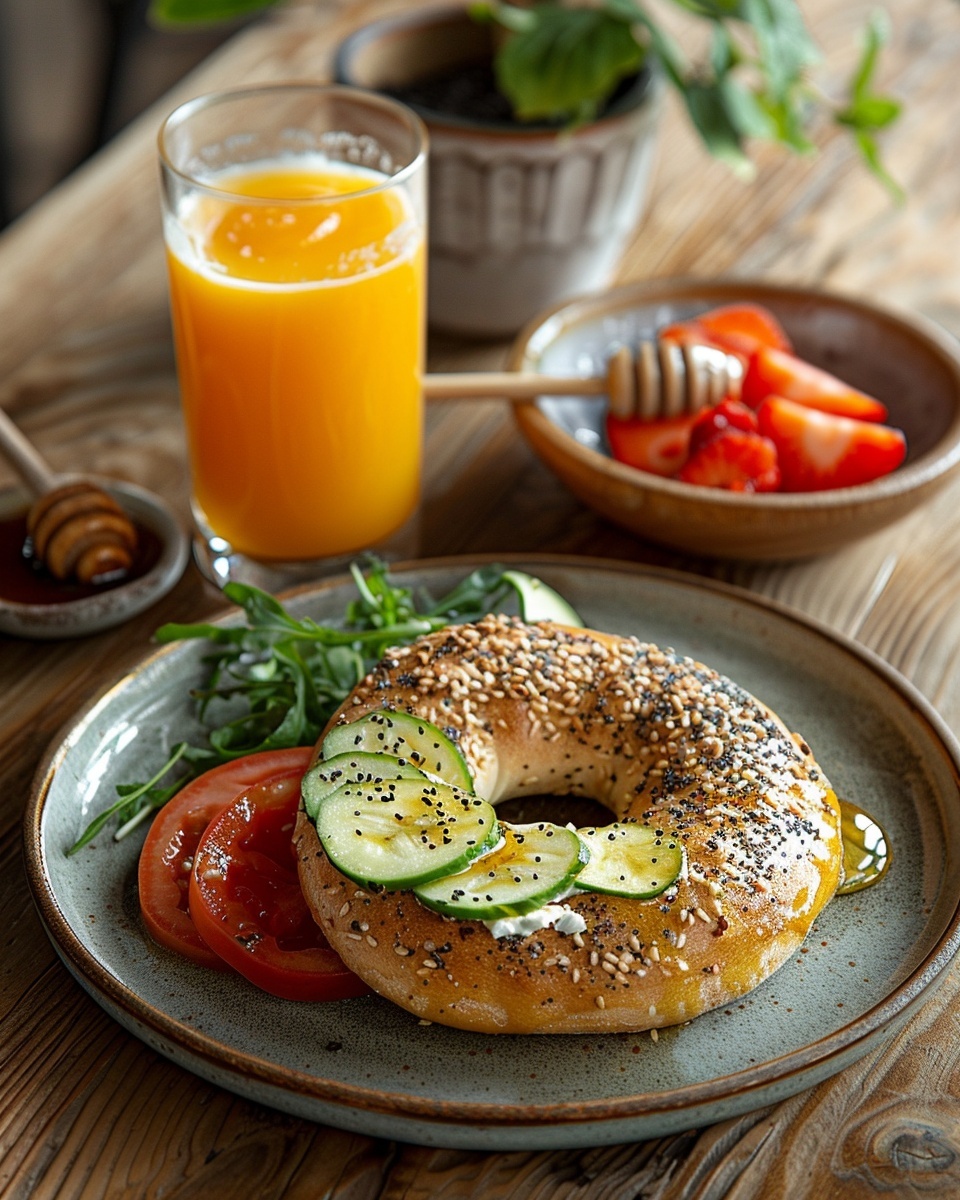
Why I’m Obsessed with Toasted Bagels, Cream Cheese, and Fresh Fruit
Last summer, I stumbled into a small coffee shop in Portland, desperately hungry after an early morning hike. The menu was limited, but one item caught my eye: a toasted bagel with cream cheese and seasonal berries. I’ll be honest—I almost ordered something fancier. But that bagel changed everything. The warm, crispy edges. The cool, tangy cream cheese. The burst of sweet strawberries with each bite. It was simple perfection.
That moment turned me into someone who genuinely gets excited about bagels. I started making them at home, experimenting with different fruits and cream cheese flavors. My kitchen became a bagel laboratory, and I haven’t looked back since.
A toasted bagel with cream cheese and fruit isn’t just breakfast. It’s a reliable friend that works for any time of day. Need a quick breakfast before work? This takes five minutes. Want an afternoon snack that actually satisfies you? Done. Late-night craving for something that feels indulgent but won’t wreck your health goals? Perfect.
The beauty of this combination lies in its flexibility. You can dress it up or keep it basic. Use plain cream cheese or go wild with flavored varieties. Top it with berries, sliced peaches, banana, or whatever fruit looks good at the market. Every version tastes different, yet they’re all reliably delicious.
This simple meal brings real nutritional value too. Bagels provide energy through carbohydrates. Cream cheese adds protein and calcium. Fresh fruit delivers vitamins, fiber, and natural sweetness without added sugar. Together, they create a balanced option that keeps you full longer than sugary cereals or pastries.
I love that this isn’t complicated cooking. You don’t need special skills or expensive equipment. If you can operate a toaster, you’re qualified. That’s the kind of recipe that fits into real life, where not everyone has time to cook elaborate meals every morning.
What Makes a Toasted Bagel with Cream Cheese and Fruit Special?
A toasted bagel with cream cheese and fruit combines three simple components into something greater than their parts. At its core, you’re looking at a sliced bagel that’s been toasted until golden and slightly crisp. You spread cream cheese across the warm surface, then top it with fresh fruit of your choice.
The magic happens in how these elements work together. Each piece serves a purpose and brings something unique to your plate.
This combination has become wildly popular because it checks every box. It’s quick to make. It tastes amazing. It looks good enough to photograph for social media if you’re into that. And it actually fills you up, unlike those trendy smoothies that leave you hungry an hour later.
The Art of Toasting Your Bagel
Toasting transforms a bagel completely. A fresh, untoasted bagel is good—soft and chewy. But toasting brings out something special. The outside gets crispy and develops these golden-brown spots that add a slight crunch. The inside stays soft and warm.
Heat changes the flavor too. Toasting brings out the natural sweetness in the bread. If you’re using an everything bagel or one with seeds, those toppings become more fragrant and flavorful when heated. The difference between toasted and untoasted is like comparing a regular marshmallow to a perfectly roasted one.
Should a bagel with cream cheese be toasted? My answer is yes, absolutely. The contrast between the warm bagel and cool cream cheese creates this incredible temperature and texture combination. The cream cheese melts slightly into the bagel’s nooks and crannies, making every bite more flavorful.
Plus, toasting keeps everything from getting soggy. The firm, toasted surface holds up better under cream cheese and juicy fruit. Nobody wants a sad, mushy bagel falling apart in their hands.
I toast mine to a medium-golden color. Not so light that it barely changes. Not so dark that it becomes crunchy all the way through. You want that perfect balance where the outside has texture but the inside remains tender.
Why Cream Cheese Is the Perfect Spread
Cream cheese isn’t just a topping—it’s the glue that holds this whole concept together. Its creamy, rich texture spreads easily across the warm bagel surface. The slight tang balances the bread’s mild sweetness and the fruit’s natural sugars.
I’ve tried other spreads. Butter is fine but one-dimensional. Peanut butter works but completely changes the flavor profile. Ricotta is interesting but too mild. Cream cheese just hits differently. It has enough flavor to stand out without overwhelming everything else.
The temperature contrast I mentioned earlier? That’s crucial. When you spread cold cream cheese on a hot bagel, it softens just enough to become extra creamy without melting completely. You get this luxurious texture that makes even a basic bagel feel special.
You can stick with plain cream cheese, which I often do. But flavored varieties open up new possibilities. Strawberry cream cheese with fresh blueberries. Honey-walnut cream cheese with sliced apples. Chive cream cheese with tomatoes if you want something savory. The combinations are endless.
Fresh Fruit: The Secret Star of the Show
The fruit component elevates this from “pretty good” to “actually amazing.” Fresh fruit brings natural sweetness that makes the whole thing feel like a treat. It adds color and visual appeal. And it packs in vitamins, minerals, and fiber that turn your bagel into a more complete meal.
I rotate through different fruits depending on the season. Summer means strawberries, blueberries, and peaches. Fall brings apple slices and pears. Winter is great for citrus like orange segments. Spring welcomes back fresh berries as they come into season.
What goes well on top of a bagel with cream cheese? Honestly, most fruits work beautifully. Berries are classic—strawberries, blueberries, raspberries, blackberries. They’re easy to prep and their tartness balances the rich cream cheese perfectly.
Sliced bananas create a sweeter, more dessert-like version. Add a drizzle of honey and you’ve got something that satisfies serious sweet cravings. Kiwi slices bring bright green color and a tropical vibe. Mango chunks work surprisingly well, especially on a whole wheat bagel.
Fresh fruit also makes this meal feel healthier, which matters to me. I can enjoy a bagel without guilt because I’m adding real nutrition. The fiber in fruit helps slow down how quickly your body processes the bagel’s carbohydrates. That means more steady energy instead of a sugar spike and crash.
The fruit doesn’t need to be complicated. I usually just wash and slice it. No cooking required. No special preparations. Keep it simple and let the natural flavors shine through.


Why Toasting a Bagel with Cream Cheese is a Must
Now that we’ve covered the basics, let me dive deeper into something that honestly changed my whole bagel game.
Here’s the thing about toasting—it’s not just a preference. It’s actually what separates an okay bagel experience from something you’ll crave later that afternoon. I learned this the hard way when I hosted brunch for some friends last spring. I was rushing around, trying to get everything ready, and I skipped toasting half the bagels to save time. Big mistake. The untoasted ones sat there looking sad while everyone fought over the toasted ones.
When you apply heat to a bagel, chemistry happens. The sugars in the bread caramelize slightly, bringing out these nutty, almost sweet undertones that you just don’t get otherwise. The Maillard reaction—that fancy cooking term for browning—creates new flavor compounds that make your taste buds wake up and pay attention. It’s the same reason a grilled cheese tastes better than cold cheese between bread slices.
The texture transformation is equally important. A properly toasted bagel develops this satisfying crunch on the outside while keeping a tender, pillowy interior. That contrast makes each bite interesting instead of monotonous. Your teeth break through that crispy exterior, then sink into the soft middle. It’s the kind of textural experience that keeps you reaching for another bite.
I toast mine for about three to four minutes in a standard toaster, set to medium-high. But honestly, every toaster is different, and every bagel requires its own timing. A thick, dense bagel needs longer than a thin one. A fresh bagel from the bakery toasts faster than one that’s been sitting in your pantry for a few days. You’ve got to watch it and adjust.
My technique involves cutting the bagel evenly so both halves toast at the same rate. Nothing worse than one side burnt while the other barely changes color. I also let the toaster do one full cycle, then check the progress. If it needs more time, I give it another thirty seconds rather than starting with a higher setting that might burn the outside before the inside warms through.
Funny enough, I once accidentally discovered that slightly stale bagels actually toast better than super fresh ones. The reduced moisture content means they crisp up more evenly without getting tough. So if your bagel is a day or two old, don’t toss it—toast it. You might like the results even better.
The warmth from toasting also serves a practical purpose beyond flavor and texture. When you spread cream cheese on a hot surface, it becomes this luxurious, silky layer instead of a cold chunk that refuses to spread properly. The gentle heat softens the cream cheese just enough that it melts into all those little nooks and crannies, creating pockets of creamy goodness throughout the bagel.
And let’s talk about structural integrity for a second. Fresh fruit releases juice—especially berries. If you put juicy strawberries on an untoasted bagel, within minutes you’ve got a soggy mess. The toasted exterior acts like a barrier, holding up much better against moisture. Your bagel stays enjoyable from the first bite to the last instead of deteriorating halfway through.
One morning last month, I was running really late for a meeting. I grabbed a bagel, skipped toasting it to save ninety seconds, slapped on some cream cheese and blueberries, and wrapped it up to eat in the car. By the time I got to a red light and unwrapped it, the bagel had turned into this mushy, unappetizing thing. Lesson learned. Those ninety seconds of toasting are worth it every single time.
Adding Variety with Different Fruits
The fruit selection is where this simple recipe becomes endlessly customizable, and honestly, it’s my favorite part of the whole process.
Strawberries are probably my go-to choice during their peak season. I slice them thin—about a quarter-inch thick—so they layer nicely and you get fruit in every bite. The natural sweetness of ripe strawberries paired with tangy cream cheese creates this perfect sweet-tart balance. Plus, the bright red color against white cream cheese just looks beautiful. Sometimes I add a tiny drizzle of honey if the strawberries aren’t quite sweet enough.
Blueberries work differently than sliced fruits. You can’t really slice them, so I just scatter them across the cream cheese. What I love about blueberries is how some of them burst when you bite down, releasing this intense fruity flavor. They’re also packed with antioxidants, which makes me feel like I’m doing something genuinely healthy for breakfast. During summer, I’ll use fresh ones. In winter, I’ve even used frozen blueberries that I let thaw for about ten minutes—they work surprisingly well.
Peaches are a late-summer treasure that people seriously underestimate on bagels. When peaches are perfectly ripe, they’re juicy and sweet with this delicate floral quality. I slice them thin and fan them out across the cream cheese. The combination reminds me of peach cobbler, especially if I’m using cinnamon-raisin bagels. One time I grilled the peach slices for about thirty seconds per side before adding them to my bagel, and wow—the caramelization took everything to another level.
Bananas create a completely different vibe. They’re sweeter and more filling than berries. I usually go with bananas when I know I won’t have time for lunch or need something that’ll stick with me through a busy morning. Slice them about half an inch thick and arrange them in a single layer. If you’re feeling fancy, a sprinkle of cinnamon or a few chopped walnuts takes it from good to restaurant-worthy. This combination actually reminds me of comfort food done right, just in breakfast form.
By the way, I’ve started experimenting with fruit combinations rather than sticking to just one type. Strawberries and blueberries together create this patriotic-looking situation that’s great for summer gatherings. Raspberries and blackberries give you this sophisticated mixed-berry situation that tastes like fancy jam but fresher. Apple slices with a handful of pomegranate seeds add crunch and these little bursts of tartness.
Kiwi is underrated and deserves more attention. The bright green color is visually striking, and kiwis have this tropical, slightly tart flavor that cuts through rich cream cheese beautifully. I peel them completely and slice them into thin rounds. They’re also ridiculously high in vitamin C—more than oranges, actually—which is perfect during cold season.
Mango brings tropical vibes that transport me straight to vacation mode, even on a regular Tuesday morning. I dice it into small chunks rather than slices because mangos are so juicy that slices tend to slide around. The sweetness level is intense, so I usually pair mango with plain cream cheese rather than flavored varieties. The contrast works better that way.
Here’s something I discovered recently that changed everything: fruit compote. Sometimes I’ll cook down whatever berries I have with a tiny bit of sugar and lemon juice until they become this jammy, concentrated mixture. It takes maybe ten minutes on the stove. Then I let it cool and spread it on top of the cream cheese layer. It’s like having homemade jam but with more texture and fresher flavor. This method works especially well with slightly overripe fruit that’s too soft for fresh slices but still tastes great.
Citrus fruits require a different approach. You can’t just slice an orange and plop it on a bagel—too messy. Instead, I supreme them, which is a fancy chef term for removing all the membrane and getting just the pure fruit segments. It takes practice, but once you get it down, orange or grapefruit segments on cream cheese create this bright, refreshing option that wakes you up better than coffee. The technique is similar to how you’d carefully prepare ingredients for something like Mediterranean-inspired dishes where fresh, quality components matter.
Pears are my fall favorite. I use them when apple season hits but I want something a little more delicate. Pears have this subtle sweetness and smooth texture that feels elegant. I slice them thin and sometimes add a tiny bit of honey and crushed pistachios. It sounds fancy, but it takes the same five minutes as any other version.
Some of my favorite combinations I keep coming back to: strawberries with a touch of balsamic reduction for something sophisticated, blueberries with lemon zest sprinkled on top for brightness, sliced peaches with fresh basil leaves for an unexpected herbal note, and bananas with a tiny bit of nutella swirled into the cream cheese for when I need something that feels like dessert.
The nutritional benefits vary by fruit, but they all bring something valuable. Berries are antioxidant powerhouses. Citrus fruits deliver immune-boosting vitamin C. Bananas provide potassium for muscle function. Apples and pears add fiber that aids digestion. You’re essentially turning your bagel into a more balanced meal by piling on whatever fruit looks good that day.
What I appreciate most is how seasonal eating naturally happens when you follow this approach. In spring, I’m excited about the first strawberries. Summer means berry overload and stone fruits. Fall brings apples and pears. Winter has citrus at its peak. Following the seasons means you’re getting fruit at its most flavorful and affordable, which just makes sense. It’s the same philosophy behind working with fresh, seasonal ingredients in any type of cooking.
Don’t be afraid to get creative here. I’ve seen people use grilled pineapple, fresh figs when they’re in season, even pomegranate arils scattered across like little jewels. The bagel is your canvas. The cream cheese is your base. The fruit is where your personality shows up. Make it yours, and don’t worry about following anyone else’s rules too strictly. If it tastes good to you, that’s what matters, just like finding the right balance of flavors in any favorite recipe.


Health Considerations and Dietary Options
Let’s talk about something that comes up a lot when I mention my love for bagels—the health side of things. I get it. Bagels have gotten a bad reputation over the years, and people worry about whether they fit into their dietary needs.
Can diabetics eat cream cheese and bagels? This question hits home for me because my dad was diagnosed with type 2 diabetes a few years ago, and suddenly everything became about managing blood sugar. The short answer is yes, but with some important considerations. A regular bagel is high in refined carbohydrates, which can cause blood sugar spikes. However, diabetics can absolutely enjoy this meal with smart modifications.
The key is choosing the right type of bagel. Whole grain or whole wheat bagels have more fiber, which slows down how quickly your body absorbs the carbohydrates. I’ve switched to whole grain bagels for my dad when he visits, and honestly, once you get used to them, they taste just as good—maybe even better because they have more flavor depth. The nuttiness of whole wheat actually complements the cream cheese really nicely.
Portion size matters too. A typical bakery bagel is often two to three times the size of what nutritionists consider a single serving. I started buying mini bagels or thin-sliced bagels, which give you all the satisfaction with about half the carbohydrates. My dad doesn’t feel deprived, and his blood sugar stays more stable. It’s honestly worked out better than either of us expected.
For the cream cheese component, going with reduced-fat or light cream cheese cuts down on saturated fat and calories without sacrificing too much flavor. I’ll be honest—the first time I tried light cream cheese, I was skeptical. But when it’s spread on a warm bagel with fresh fruit, you really don’t notice much difference. The texture is slightly less rich, but the overall experience stays delicious.
Fruit selection becomes crucial for blood sugar management. Berries are your best friends here. Strawberries, blueberries, raspberries, and blackberries all rank low on the glycemic index, meaning they won’t spike blood sugar the way tropical fruits like mango or pineapple might. They’re also packed with fiber and antioxidants. I load up my dad’s bagels with mixed berries, and he actually prefers them now to the banana versions I used to make.
Pairing your bagel with protein helps stabilize blood sugar even more. Sometimes I’ll add a thin layer of almond butter underneath the cream cheese, or I’ll serve the bagel alongside some scrambled eggs. The protein slows down digestion and prevents that rapid glucose spike. Understanding these nutrition basics has really helped me make better choices for myself and my family.
Here’s something I discovered that changed the game: adding seeds and nuts. A tablespoon of ground flaxseed mixed into the cream cheese adds omega-3 fatty acids, fiber, and protein without changing the taste much. Chia seeds work similarly. I’ve also started sprinkling sliced almonds or chopped walnuts on top of the fruit. That extra crunch is amazing, plus you’re getting healthy fats and protein that make the meal more balanced and filling.
For those watching their weight or trying to eat cleaner, Greek yogurt can partially or completely replace cream cheese. I mix half cream cheese and half plain Greek yogurt sometimes. The tanginess actually intensifies, which I love, and you’re getting way more protein with fewer calories and less fat. It spreads a bit differently—slightly looser—but it works beautifully once you adjust your expectations.
Calorie-conscious friends of mine swear by using whipped cream cheese instead of regular. Because air is whipped into it, you get more volume with fewer calories. A two-tablespoon serving of whipped cream cheese has about a third fewer calories than regular cream cheese. You can pile it on more generously and still keep the calorie count reasonable. That psychological satisfaction of seeing a generous spread matters more than people realize.
People following low-carb or keto diets obviously struggle with traditional bagels. But I’ve seen some pretty impressive low-carb bagel recipes made with almond flour or coconut flour that my keto-following sister actually enjoys. They don’t taste exactly like wheat bagels—let’s be real—but they satisfy that bagel craving while keeping carbs minimal. Top them with full-fat cream cheese and berries, and you’ve got a keto-friendly version that works within those dietary restrictions.
For vegan eaters, dairy-free cream cheese alternatives have gotten really good lately. I tried several brands when my friend came to visit last spring, and some of them are genuinely impressive. Cashew-based cream cheese has this rich, creamy texture that works perfectly on bagels. Almond-based versions are slightly lighter but still tasty. Paired with fresh fruit, you’ve got a completely plant-based breakfast that doesn’t feel like a compromise.
Gluten-free folks can absolutely join the bagel party too. Gluten-free bagels have improved dramatically over the past few years. They used to be dense and crumbly, but newer recipes and brands have nailed the texture much better. Toast them well—maybe even a bit longer than wheat bagels—and they develop that crispy exterior that makes the whole thing work.
Portion control deserves its own mention because it’s easy to go overboard. One bagel with a reasonable amount of cream cheese and fruit is a satisfying meal. Two bagels, or loading on half a container of cream cheese, turns it into something excessive. I measure out my cream cheese now—about two tablespoons per bagel half—which sounds restrictive but actually looks like plenty when you spread it evenly.
The timing of when you eat this matters too, especially for blood sugar management. Having your bagel as part of a balanced breakfast rather than as an isolated snack helps. I usually pair mine with some protein on the side, or I make sure I’m eating it after I’ve had some water and maybe a small handful of nuts. That way, my body processes everything more gradually.
Hydration is something nobody talks about but it matters. Bagels are pretty dense and can be dehydrating, especially if you’re eating a larger one. I always have a big glass of water with mine, or sometimes herbal tea. It helps with digestion and makes the whole meal more satisfying. Plus, staying hydrated helps you feel full and prevents that urge to keep snacking afterward.
For people with food allergies or sensitivities, this meal is actually pretty adaptable. Nut allergies? Skip the almond butter or walnut toppings and stick with sunflower seeds instead. Dairy issues? Use dairy-free cream cheese. Egg allergy? Not a problem since this recipe doesn’t typically include eggs anyway. It’s one of those flexible meals that can work for almost anyone with a few tweaks.
Cultural Variations and Fun Facts
One question that makes me smile every time: What is a toasted bagel with cream cheese in French? The straightforward translation would be “bagel grillé avec fromage à la crème,” but here’s the funny thing—bagels aren’t really a traditional French thing. When I was in Paris a couple years ago, I searched everywhere for a decent bagel. Most French people I talked to associated bagels with American culture, not their own cuisine.
That said, the French have absolutely embraced tartines, which are open-faced sandwiches on toasted bread, often with cream cheese or soft cheese and various toppings. It’s basically their version of what we’re doing with bagels. The concept of putting quality ingredients on toasted bread isn’t uniquely American—it’s universal. People everywhere figured out that toasted bread plus spreadable dairy plus something fresh equals delicious.
The bagel itself has this fascinating history that most people don’t know. Bagels originated in Jewish communities in Poland back in the 16th or 17th century. The distinctive ring shape and boiling process before baking made them unique. Jewish immigrants brought bagels to New York City in the late 1800s, and that’s where they really took off in American culture. By the mid-1900s, bagels had become synonymous with New York breakfast culture.
Cream cheese on bagels is actually a relatively recent pairing in the grand scheme of food history. It became popular in New York delis in the early 1900s. Before that, bagels were eaten plain or with butter. Someone had the genius idea to pair them with cream cheese, and the combination stuck. Now you literally cannot imagine one without the other—at least not in American food culture.
Different cultures have put their own spin on this basic concept. In Montreal, they make bagels differently—smaller, sweeter, denser, and always baked in wood-fired ovens. Montreal-style bagels have a completely different character than New York bagels. I tried them when I visited a friend up there, and while they’re delicious, they’re definitely their own thing. She topped hers with cream cheese and local blueberries, which felt very Canadian.
In Israel, bagels are called “beigels” and they’re often topped with za’atar, sesame seeds, or other Middle Eastern flavors. The cream cheese situation is similar, but you’ll also find them served with labneh—a thick, tangy yogurt cheese that’s incredible. I tried this combination at a breakfast spot in Tel Aviv, and honestly, labneh might be even better than cream cheese. Don’t tell my regular breakfast routine I said that.
London has developed its own bagel culture, particularly in areas with large Jewish populations like the East End. Brick Lane is famous for its 24-hour bagel bakeries that have been operating since the 1970s. They serve bagels with smoked salmon and cream cheese, which the British have thoroughly adopted as their own. It’s become part of London food culture in a way that feels completely natural there.
Here’s a random fun fact: bagels were actually taken into space. In 2008, astronaut Gregory Chamitoff brought 18 sesame bagels with him to the International Space Station. They were individually wrapped and packed carefully so he could enjoy them in zero gravity. Imagine floating around in space, eating a bagel with cream cheese. That’s dedication to the bagel lifestyle right there.
The phrase “lox and schmear” has become iconic in American food language. “Schmear” is Yiddish for “spread,” and it specifically refers to that generous layer of cream cheese you spread on your bagel. A proper schmear isn’t skimpy—it’s a thick, luxurious layer that makes every bite creamy and rich. Some delis are famous for their schmears, which have almost cult followings.
Celebrity bagel fans are everywhere once you start noticing. Jerry Seinfeld has talked extensively about his love for New York bagels. Oprah once included H&H Bagels on her “Favorite Things” list, which caused their sales to explode. Even British royals have been spotted enjoying bagels—apparently Kate Middleton is a fan. Something about bagels transcends cultural and class boundaries. Everyone can appreciate good bread, cream cheese, and fresh toppings.
Regional variations within the United States are fascinating too. In California, bagels tend to be lighter and fluffier—almost bread-like. New Yorkers will tell you these aren’t real bagels. Chicago has its own bagel culture that falls somewhere in between. The debates about which region makes the best bagels get surprisingly heated. People have strong opinions about their breakfast carbs.
If you’re looking for more inspiration for morning meals that bring comfort and satisfaction, exploring other breakfast recipes can give you ideas for rotating your routine while still keeping things simple and delicious.
Wrapping It All Up
The beauty of a toasted bagel with cream cheese and fruit is that it grows with you. Your tastes change, your nutritional needs shift, seasons come and go—and this simple meal adapts to all of it. Start with the basic version and see where your creativity takes you. Maybe you’ll discover that you’re a blueberry person, or perhaps grilled peaches become your summer obsession. Trust your instincts, play with flavors, and don’t be afraid to break the “rules” if something sounds good to you. That’s how the best food discoveries happen anyway—when you stop overthinking and just make what sounds delicious.
Frequently Asked Questions
Should a bagel with cream cheese be toasted?
Absolutely, and I’ll stand by this every time. Toasting transforms the bagel’s texture, creating that perfect contrast between crispy exterior and soft interior. The warmth also helps the cream cheese spread more easily and melt slightly into the bagel. Plus, toasting provides a barrier against moisture from the fruit, keeping everything from getting soggy. The flavor improves too—toasting brings out natural sweetness and creates those delicious browned spots. Those extra minutes of toasting are always worth it.
Can diabetics eat cream cheese and bagels?
Yes, diabetics can enjoy this meal with smart modifications. Choose whole grain bagels for more fiber, which slows carbohydrate absorption. Opt for smaller portions or thin-sliced bagels to reduce total carbs. Use reduced-fat cream cheese and top with low-glycemic fruits like berries instead of tropical fruits. Adding protein like nuts or having eggs alongside helps stabilize blood sugar. Portion control matters, so stick to one bagel half or a mini bagel rather than oversized bakery versions.
What goes well on top of a bagel with cream cheese?
So many options work beautifully! Fresh berries like strawberries, blueberries, and raspberries are classics. Sliced bananas with cinnamon create a sweeter version. Peaches, kiwi, and mango bring different flavor profiles. Try apple slices with honey, or pomegranate seeds for texture. You can also add savory toppings like cucumber and tomato for a different direction. Nuts, seeds, and a drizzle of honey add extra layers of flavor and nutrition. Mix and match based on what’s in season and what you’re craving.
What is a toasted bagel with cream cheese in French?
The literal translation is “bagel grillé avec fromage à la crème,” though bagels aren’t traditionally French. In France, you’d more likely encounter tartines—open-faced toasted bread with various spreads and toppings. The concept is similar even if the specific bread differs. French cafés that cater to international tastes might offer bagels, but they’re viewed as an American import rather than French cuisine. That said, the French absolutely understand the appeal of quality bread, creamy cheese, and fresh ingredients combined.
How many calories are in a toasted bagel with cream cheese and fruit?
This varies based on portion sizes and specific ingredients, but a typical version has 350-450 calories. A medium plain bagel contains about 275 calories. Two tablespoons of regular cream cheese add roughly 100 calories. Fresh fruit adds minimal calories—maybe 30-50 depending on the type and amount. Using whole wheat bagels, light cream cheese, or smaller portions can reduce the total. Adding nuts or using larger bagels increases it. It’s a reasonable calorie count for a filling breakfast that keeps you satisfied for hours.
Can you make this ahead of time?
I wouldn’t recommend assembling it completely ahead, as the bagel gets soggy and the fruit releases moisture. However, you can prep components separately. Toast bagels and store them in an airtight container for up to two days—just reheat briefly before serving. Pre-slice fruit and keep it refrigerated in containers. Portion out cream cheese the night before. In the morning, assembly takes just two minutes. This prep strategy works great for busy mornings when you want something quick but fresh-tasting.
What’s the best way to store leftover bagels?
For short-term storage (2-3 days), keep bagels in a paper bag at room temperature—never plastic, which makes them chewy. For longer storage, slice them first, then freeze in a freezer bag with as much air removed as possible. Frozen bagels last several months and toast directly from frozen—actually, they toast better than refrigerated bagels. Never refrigerate bagels; the cool temperature causes them to go stale faster. I always freeze extras within a day of buying them to preserve that fresh texture.
Are there low-carb alternatives for bagels?
Yes, several options exist for low-carb eaters. You can find or make bagels using almond flour, coconut flour, or a combination of both. These typically have 5-10g of carbs versus 50-60g in regular bagels. Some recipes use mozzarella and cream cheese as the base (called “fathead dough”) which creates surprisingly bagel-like results. Cloud bread is another ultra-low-carb option, though the texture differs significantly. Portobello mushroom caps can even substitute for bagels if you’re going extremely low-carb—toast them and top as you would a bagel.
How do you prevent cream cheese from being too hard to spread?
Take cream cheese out of the refrigerator about 15-20 minutes before you plan to use it, allowing it to soften at room temperature. If you forget, microwave it for 10-15 seconds—just enough to soften without melting. Alternatively, toast your bagel first, then spread the cold cream cheese immediately on the hot surface; the warmth softens it naturally. Whipped cream cheese spreads more easily straight from the fridge than block-style. You can also mash cold cream cheese with a fork first to break it down before spreading.
Can you use frozen fruit instead of fresh?
Absolutely, frozen fruit works well, especially for berries. Let them thaw for about 10 minutes at room temperature—they’ll be soft enough to eat but not mushy. Frozen fruit is often picked at peak ripeness and flash-frozen, so the flavor can be excellent. It’s more affordable than fresh, especially off-season. The texture is slightly softer than fresh, and they release more juice, so add them just before eating rather than letting them sit. I keep frozen berries on hand specifically for mornings when I haven’t shopped for fresh fruit.
Ingredients
Equipment
Method
- Slice the bagel in half.
- Toast the bagel until golden and slightly crispy, about 3-4 minutes.
- Spread cream cheese evenly across the warm bagel halves.
- Top with fresh fruit, layering as desired.