
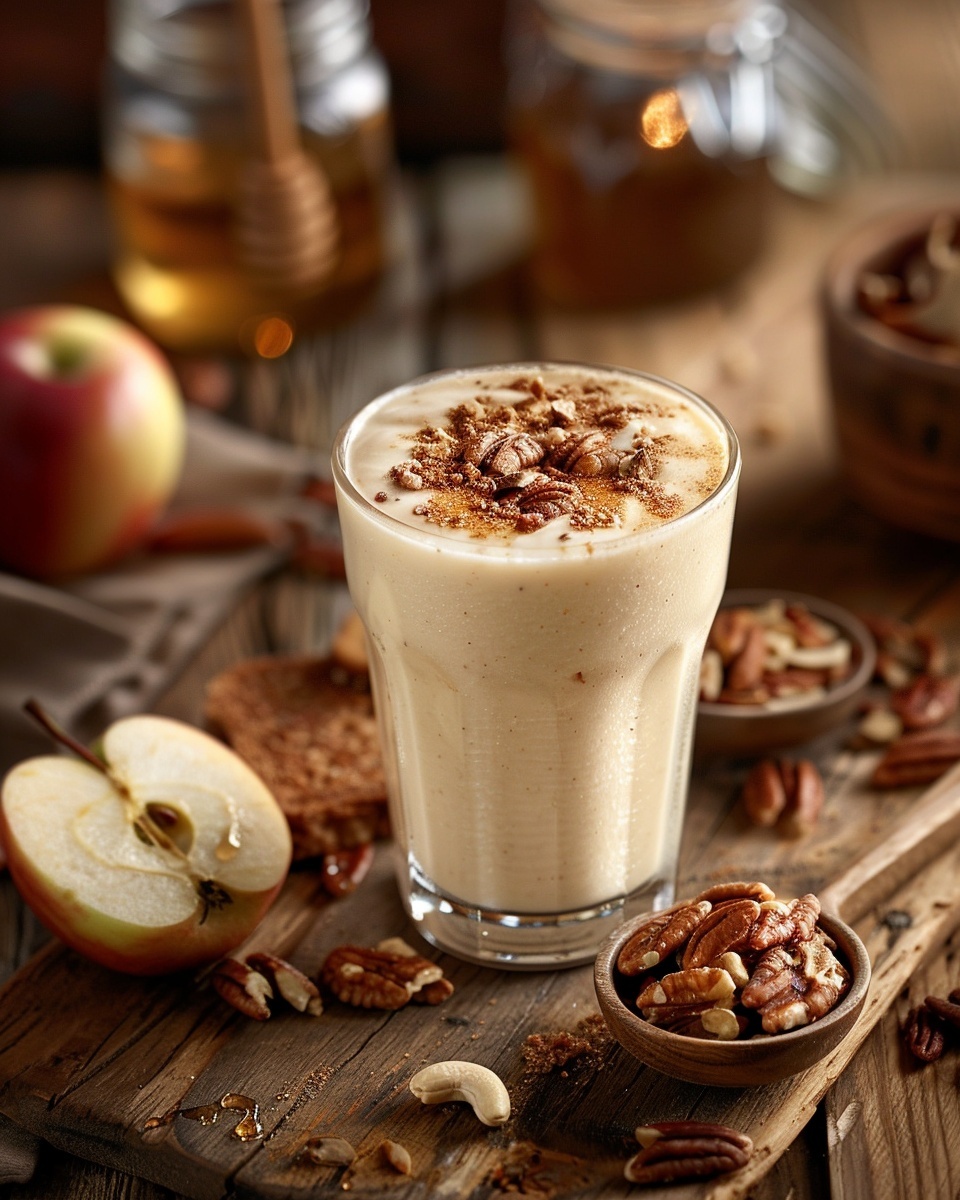
Starting Your Day Right with an Apple Banana Smoothie for Breakfast
I’ll never forget the morning my alarm didn’t go off and I had exactly twelve minutes to get ready for work. My usual breakfast routine was toast and eggs, but there was no time for that. I grabbed an apple and a banana from the counter, tossed them in my blender with some milk, and ran out the door with my smoothie in hand. That rushed morning turned into a daily habit that completely changed how I feel throughout my day.
An apple banana smoothie for breakfast has become my go-to morning meal, and I’m not alone in this discovery. Thousands of people are swapping their heavy breakfasts for this simple blend that takes less than five minutes to make. The best part? You can drink it on your commute, at your desk, or while getting the kids ready for school.
Starting your day with a healthy and refreshing smoothie does more than just save time. It gives your body a quick dose of vitamins, minerals, and natural energy without the crash that comes from sugary cereals or pastries. Your digestive system wakes up gently instead of being shocked by heavy, greasy foods. I noticed within the first week that my mid-morning energy slump disappeared completely.
The recipe is incredibly versatile too. You can make an apple banana smoothie with water if you’re watching calories, switch to an apple banana smoothie with milk for extra protein, or blend up an apple banana smoothie with yogurt for a creamy, probiotic-rich breakfast. Parents love making an apple banana smoothie for babies as a first food introduction. People with acid reflux find relief with this gentle combination. The options are endless.
Why Choose an Apple Banana Smoothie for Breakfast?
Let me break down exactly what makes this breakfast choice so powerful. When you ask “Is an apple and banana good for breakfast?” the answer is a resounding yes, and here’s why.
Bananas pack a serious nutritional punch in their bright yellow peels. One medium banana gives you about 105 calories, 27 grams of carbohydrates, and 3 grams of fiber. But the real star is potassium. A single banana contains roughly 422 milligrams of this essential mineral that helps regulate your heartbeat and blood pressure. Your muscles need potassium to function properly, which is why athletes reach for bananas before and after workouts.
Bananas also deliver vitamin B6, which helps your body produce serotonin. That’s the feel-good chemical in your brain. Starting your morning with a banana can literally improve your mood. I used to be grumpy until my second cup of coffee, but now I feel more positive right from the start.
Apples bring their own set of benefits to your morning smoothie. A medium apple contains about 95 calories and 4 grams of fiber. That fiber is split between soluble and insoluble types, which means it helps your digestive system in multiple ways. Soluble fiber feeds the good bacteria in your gut, while insoluble fiber keeps things moving smoothly.
The antioxidants in apples are worth noting too. Quercetin, catechin, and chlorogenic acid all work to fight inflammation in your body. These compounds may help reduce your risk of chronic diseases over time. Plus, apples contain vitamin C, which supports your immune system and helps your body absorb iron from other foods.
Can I eat apple and banana together in the morning? Absolutely. These two fruits complement each other perfectly. The banana provides quick energy from natural sugars, while the apple’s fiber slows down digestion and keeps you full longer. This combination prevents blood sugar spikes and crashes that leave you raiding the snack drawer by 10 AM.
An apple banana smoothie is a great choice for breakfast because it balances macronutrients in a way that satisfies your body’s needs. You get carbohydrates for immediate energy, fiber for sustained fullness, and when you add ingredients like yogurt or peanut butter, you increase the protein content significantly.
Speaking of additions, an apple banana peanut butter smoothie has become my favorite variation. Two tablespoons of peanut butter add 8 grams of protein and healthy fats that keep me satisfied until lunch. The creamy texture makes the smoothie feel more like a treat than a health food.
The energy-boosting properties of this smoothie deserve special attention. Unlike coffee or energy drinks that give you a jolt followed by a crash, this breakfast provides steady energy. The natural sugars in fruit enter your bloodstream at a controlled pace thanks to the fiber content. Your brain gets the glucose it needs to function, and your muscles receive fuel for movement.
I used to struggle with focus during morning meetings. My mind would wander and I’d find myself reading the same email three times. After switching to an apple banana smoothie for breakfast, my concentration improved noticeably. The combination of B vitamins, natural sugars, and minerals helps my brain fire on all cylinders.
For people wondering about weight management, an apple banana smoothie for weight loss can be incredibly effective. The key is controlling portions and choosing your liquid base wisely. An apple banana smoothie with water keeps calories low while still providing all the fruit benefits. You feel full from the fiber but don’t consume excessive calories. I’ve seen friends drop stubborn pounds simply by replacing their bagel-and-cream-cheese breakfast with this smoothie.
Is it good to have a banana smoothie for breakfast? When combined with an apple, yes. The apple adds complexity and additional nutrients that a banana-only smoothie would lack. The tartness of the apple balances the sweetness of the banana, creating a more interesting flavor profile that doesn’t taste one-dimensional.
What fruit smoothies are good for acid reflux? The apple banana smoothie without orange juice is excellent for people with sensitive stomachs. Bananas are naturally low in acid and actually help coat your stomach lining. Many apples, particularly sweeter varieties like Gala or Fuji, are less acidic than citrus fruits. I have a friend with terrible acid reflux who can’t drink orange juice or eat tomatoes without pain. She drinks this smoothie every morning with zero problems.
The beauty of this breakfast is its adaptability. New moms blend an apple banana smoothie for babies starting around six months old. The smooth texture requires no chewing, and the mild flavors are perfect for tiny taste buds just discovering food. You can thin it with breast milk or formula for younger babies, then gradually make it thicker as they grow.
Some people prefer an apple banana orange smoothie for weight loss, which adds vitamin C and a citrus kick. However, if you’re watching calories or dealing with acid sensitivity, leaving out the orange works just fine. The apple and banana combination stands perfectly well on its own.
This smoothie kickstarts your day by giving your body exactly what it needs after hours of fasting during sleep. Your blood sugar stabilizes, your hydration improves, and your nutrient stores get replenished. You’re not dragging yourself through the morning on willpower and caffeine alone. You’re actually nourished and ready to tackle whatever comes your way.


Building Your Perfect Apple Banana Smoothie with Basic Ingredients
Now that you understand why this smoothie works so well, let’s talk about actually making it. The beauty of this recipe lies in its simplicity, and you probably have everything you need already sitting in your kitchen.
At its core, you need just three things: one medium apple, one ripe banana, and about one cup of liquid. That’s it. Three ingredients between you and a fantastic breakfast. I keep a bowl of apples and bananas on my counter specifically for this purpose. When those bananas start getting brown spots, they’re actually perfect for smoothies because the natural sugars are fully developed and the texture blends smoother.
The apple should be fresh and crisp. I don’t bother peeling mine because the skin contains a huge portion of the fiber and nutrients. Just wash it thoroughly, cut out the core and seeds, and toss the chunks right into your blender. Any variety works, but I’ve found that Honeycrisp apples give the sweetest flavor while Granny Smith apples create a tarter, more refreshing drink. My kids prefer the sweeter versions, so I usually go with Gala or Fuji apples during the school week.
For the banana, ripeness matters more than you might think. Those bright yellow bananas with just a few brown spots blend into a creamy consistency that you can’t achieve with underripe, greenish bananas. Plus, the riper banana adds natural sweetness that might eliminate your need for any additional sweeteners. I learned this the hard way after making a smoothie with a barely-ripe banana that left me with grainy chunks floating in my drink. Not pleasant.
Here’s where the variations come in, and this is where you can really customize your apple banana smoothie for breakfast to match your specific needs and preferences.
An apple banana smoothie with water is my go-to when I’m focused on keeping calories low. One cup of water adds zero calories while still giving you the liquid needed to blend everything smoothly. This version tastes lighter and more refreshing, almost like a juice but with all the fiber intact. It’s perfect for hot summer mornings when you want something cool and hydrating. My neighbor makes this version every morning before her run, and she swears it sits lighter in her stomach than milk-based smoothies.
Switching to an apple banana smoothie with milk transforms the entire experience. Whether you use dairy milk or plant-based alternatives like almond milk or oat milk, you’re adding protein, calcium, and a creamier texture. I typically use unsweetened almond milk because it adds a subtle nutty flavor without extra sugar. One cup of almond milk contributes about 30-40 calories and makes the smoothie feel more substantial. If you’re looking to build muscle or need more protein in your diet, regular cow’s milk adds 8 grams of protein per cup. Sometimes when I know I won’t have time for lunch, I’ll use whole milk for the extra staying power.
By the way, the apple banana smoothie with yogurt has become my weekend luxury. I use about half a cup of Greek yogurt and half a cup of water or milk. The yogurt adds probiotics that support gut health, and the protein content jumps significantly. A half cup of Greek yogurt can add 10-15 grams of protein depending on the brand. The texture becomes incredibly thick and smooth, almost like a milkshake. I actually eat this version with a spoon sometimes instead of drinking it. The tanginess of the yogurt balances the fruit sweetness in a way that tastes more sophisticated than the basic version.
Funny enough, my absolute favorite variation is the apple banana peanut butter smoothie. Adding two tablespoons of peanut butter changes everything. The healthy fats and protein make this smoothie a complete meal that keeps me satisfied for hours. The flavor combination tastes like dessert, honestly. It reminds me of those peanut butter and apple slices I used to eat as an after-school snack. You can use almond butter, cashew butter, or sunflower seed butter if you have nut allergies. I’ve tried them all, and they each bring their own character to the drink. Just make sure you’re using natural nut butter without added sugars or oils for the healthiest option.
When choosing your fruits, freshness makes a difference but frozen works too. I actually keep frozen banana slices in my freezer specifically for smoothies. Peel ripe bananas, slice them, and freeze them in a single layer on a baking sheet before transferring to a freezer bag. This creates an extra-thick, cold smoothie without needing ice. Ice can water down your drink and dilute the flavors. Frozen bananas give you that frosty texture while maintaining the full fruit flavor.
For apples, organic is great if you can afford it since apples are often heavily treated with pesticides. If you’re buying conventional apples, just wash them really well under running water. I use a vegetable brush to scrub the skin. The color of the apple doesn’t affect the nutrition much, so pick based on your taste preference. Red apples tend to be sweeter, green apples are tarter, and yellow apples fall somewhere in between.
One trick I’ve learned is to add a small squeeze of lemon juice to prevent the apple from browning if I’m prepping ingredients the night before. Just a teaspoon keeps everything looking fresh and adds a bright note to the flavor. This works great if you’re meal-prepping smoothie bags for the week. I portion out my apple chunks, banana slices, and any other add-ins into individual freezer bags. In the morning, I dump one bag into the blender with my liquid of choice, and I’m done in two minutes. If you’re anything like me and mornings feel chaotic, this prep strategy is a game-changer. It’s almost as quick as grabbing a toasted bagel with cream cheese, but way healthier.
Health Benefits and How This Smoothie Fits Special Diets
Let me get specific about what this smoothie actually does for your body, especially if you’re dealing with particular health concerns or following a special diet.
The apple banana smoothie for weight loss works because it provides volume and nutrition without excessive calories. When I was trying to lose twenty pounds after my second kid, this smoothie became my secret weapon. A basic version with water clocks in around 200 calories but fills me up like a 500-calorie meal would. The fiber expands in your stomach and triggers satiety signals to your brain. You feel genuinely full, not just momentarily satisfied like you would after eating empty carbs.
The natural sugars in the fruit don’t spike your insulin the way processed sugars do. That fiber we keep talking about slows down sugar absorption, which means your blood sugar stays stable. Stable blood sugar means no intense cravings an hour later. I used to get these overwhelming urges for something sweet mid-morning when I ate cereal for breakfast. Those cravings completely disappeared when I switched to this smoothie.
For people dealing with acid reflux, the apple banana smoothie without orange juice offers relief that citrus-based smoothies can’t provide. My dad has suffered from heartburn for years, and his doctor told him to avoid acidic foods. He can’t drink the typical tropical smoothies packed with pineapple and orange juice without paying for it later. But this apple-banana combination doesn’t trigger his reflux at all. Bananas actually help neutralize stomach acid, and most apple varieties aren’t acidic enough to cause problems.
What fruit smoothies are good for acid reflux? This one tops the list. The banana’s pH level sits around 5.0, which is much less acidic than oranges at 3.0. Remember, lower pH numbers mean higher acidity. Sweet apple varieties like Gala register around 3.5 to 4.0, which most people with mild to moderate acid reflux can tolerate just fine. Skip the Granny Smith apples if you’re particularly sensitive since they’re more acidic. The smooth texture also helps because you’re not introducing rough, hard-to-digest foods into an already irritated digestive system.
Here’s the thing about using this as a breakfast replacement for weight management: you need to be mindful of what you add. That apple banana peanut butter smoothie I love? It clocks in around 350-400 calories depending on how generous I am with the peanut butter. That’s still reasonable for a complete breakfast, but if you add peanut butter, full-fat yogurt, honey, and granola, you might end up with a 600-calorie drink. Nothing wrong with that if it fits your needs, but know what you’re consuming.
The apple banana orange smoothie for weight loss that some people prefer adds vitamin C and additional fiber, but it also adds sugar and calories. An orange contributes about 60 calories and 12 grams of sugar. If you love the citrus flavor and don’t have acid issues, go for it. Just be aware of your total calorie intake if weight loss is your goal. Personally, I think the apple and banana stand perfectly well on their own without needing extra fruit, but taste preferences vary.
Parents often ask me about making an apple banana smoothie for babies as a first food or early breakfast option. This can work beautifully starting around six months when babies begin eating solids. The key is adjusting the consistency. For younger babies, blend it really well and thin it with breast milk, formula, or water until it’s almost drinkable. You can offer it in a bottle or let them practice with a sippy cup.
As babies get older and more comfortable with textures, you can make it thicker. Around eight or nine months, I made these smoothies for my daughter and she loved them. The natural sweetness appeals to babies without introducing added sugars. The smooth texture means no choking hazards. And the nutrition supports their rapid growth and development. Just make sure there’s no family history of fruit allergies before introducing new foods. Start with just banana if you’re being cautious, then add apple a few days later to watch for any reactions.
One thing I appreciate about this smoothie for different dietary needs is how easily it adapts. Lactose intolerant? Use water or plant-based milk. Vegan? Skip the dairy yogurt and use coconut or almond yogurt. Watching sugar intake for diabetes management? The fiber helps control blood sugar response, though you should still monitor your individual reaction. It’s way better than juice, which contains all the sugar but none of the fiber.
The digestive benefits deserve more attention too. That combination of soluble and insoluble fiber from both fruits keeps your digestive system running smoothly. I know it’s not glamorous to talk about, but regular bowel movements matter for overall health. Since making this smoothie a daily habit, I’ve noticed my digestion has become incredibly regular. No more uncomfortable bloating or irregularity. The probiotics from yogurt in my weekend version add even more digestive support by populating my gut with beneficial bacteria.
For athletic performance, this smoothie provides the carbohydrates your muscles need for energy without the heaviness of a big meal. I have a friend who runs marathons, and she drinks this about an hour before long training runs. The potassium from the banana helps prevent muscle cramps, and the quick-digesting carbs fuel her workout without sitting heavy in her stomach. She’s way more dedicated than I am, but I do notice I have more energy for my morning workouts when I’ve had this smoothie. It’s definitely more energizing than the breakfast quesadilla with eggs and cheese I used to make, which left me feeling sluggish.
The immune-supporting properties come from the vitamin C in apples and the vitamin B6 in bananas. During cold and flu season, I make sure my whole family starts their day with this smoothie. We don’t get sick as often as we used to, and I genuinely think this daily nutrient boost plays a role. It’s not a magic cure, obviously, but consistent nutrition matters for maintaining a strong immune system.


Making the Perfect Apple Banana Smoothie: A Step-by-Step Guide
Let me walk you through exactly how I make this smoothie every single morning. Once you’ve done it a few times, the whole process becomes automatic and takes less time than brewing coffee.
First, grab your blender and set it on your counter. I learned this the hard way after knocking my blender off the shelf one groggy morning and sending banana slices flying across my kitchen. Just get everything ready before you start assembling ingredients.
Start by preparing your apple. Wash it thoroughly under cold running water, scrubbing with your hands or a vegetable brush. I don’t peel my apples because that’s where most of the fiber lives, but if you prefer a smoother texture or you’re making an apple banana smoothie for babies, go ahead and peel it. Cut the apple into quarters, remove the core and seeds, then chop each quarter into smaller chunks. Smaller pieces blend faster and more evenly.
Next, peel your banana and break it into three or four pieces. If you’re using a frozen banana like I often do, you can toss it in whole, but breaking it up helps some blenders handle it better. I have a mid-range blender, nothing fancy, and breaking up frozen fruit makes a huge difference in how smoothly everything blends.
Now add your liquid. Pour in one cup of your chosen base. For an apple banana smoothie with water, use cold filtered water. For an apple banana smoothie with milk, I prefer unsweetened almond milk, but regular dairy milk, oat milk, soy milk, or coconut milk all work great. If you’re making an apple banana smoothie with yogurt, add half a cup of yogurt and half a cup of liquid. The yogurt makes it thick, so you need that extra liquid to get everything moving in the blender.
Here’s where blending technique actually matters. Don’t just hit the highest speed immediately. I start on low for about ten seconds to get everything moving and breaking down. Then I gradually increase to medium speed for another twenty seconds. Finally, I blast it on high for thirty to forty-five seconds until everything is completely smooth. If you hear your blender struggling or see chunks bouncing around without getting blended, stop and use a spoon to push everything down toward the blades. Then blend again.
The right consistency should be pourable but not watery. When you pour it into your glass, it should have a slight thickness that coats the glass as it flows. If it’s too thick, add a splash more liquid and blend for another few seconds. If it’s too thin, toss in a few ice cubes or another banana chunk and blend again. I like mine thick enough that I can see little bubbles on the surface from the blending process.
One trick that changed everything for me was the order I add ingredients. Liquid goes in first, then soft ingredients like banana, then harder ingredients like apple on top. This creates a natural flow in the blender where the liquid pulls everything down toward the blades instead of having hard chunks sitting at the bottom unable to move.
Funny enough, the sound your blender makes tells you when it’s done. When you first start blending, you hear chunky, interrupted sounds as pieces hit the blades. As everything breaks down, the sound becomes smoother and more consistent. When that happens, you’re good to go.
Now let’s talk about boosting your smoothie with additional ingredients. The basic recipe is fantastic, but sometimes you want more flavor, more nutrition, or more staying power.
My apple banana peanut butter smoothie gets two tablespoons of natural peanut butter added right after the fruit. The healthy fats and protein transform this from a snack into a legitimate meal replacement. Almond butter works equally well if you want a slightly sweeter, less intense flavor. I’ve even used tahini when I was out of nut butter, and it was surprisingly good with a subtle nutty taste.
For an apple banana orange smoothie for weight loss, peel one small orange and add the segments to your blender. This bumps up the vitamin C content significantly and adds a bright citrus note that tastes really refreshing. The orange also adds natural sweetness without needing any honey or other sweeteners. Just remember this version isn’t suitable if you’re avoiding acidic foods for reflux issues.
I sometimes throw in a handful of spinach or kale, which sounds weird but you genuinely cannot taste it. The fruit completely masks the greens, and you get an extra serving of vegetables before 8 AM. My kids have no idea they’re drinking spinach, and I’m not about to tell them. The smoothie might turn a slightly brownish-green color instead of the pretty tan of the basic version, but the taste remains the same.
A tablespoon of chia seeds or ground flaxseed adds omega-3 fatty acids and even more fiber. These seeds absorb liquid and expand, which makes your smoothie more filling. I let my smoothie sit for about five minutes after adding chia seeds so they can plump up. The texture becomes almost pudding-like, which I actually love.
For sweetness without added sugar, try a pitted date or two. Medjool dates blend up completely and add a caramel-like sweetness that pairs beautifully with apple and banana. A tiny pinch of cinnamon or vanilla extract can elevate the whole flavor profile too. I add cinnamon to mine during fall and winter because it makes my kitchen smell amazing and adds warmth to the taste.
If you’re looking for more protein, a scoop of your favorite protein powder works well. Vanilla and chocolate flavors both complement the fruit nicely. I use vanilla protein powder on days when I’m lifting weights because I need that extra protein for recovery. Making smart healthy food choices throughout the day becomes easier when you start your morning with something this nutritious.
Here’s something I figured out recently: adding a small piece of fresh ginger gives this smoothie an incredible zing and supports digestion. Just a quarter-inch piece is enough. Peel it first, then toss it in with everything else. The ginger adds a subtle spiciness that wakes up your taste buds.
For texture variation, try adding a tablespoon of rolled oats. They blend up surprisingly well and add complex carbohydrates that provide even longer-lasting energy. The smoothie becomes heartier and more substantial, almost like drinking overnight oats.
By the way, if you’re making this for kids or just want it extra cold and thick, use frozen fruit for everything. Frozen banana slices and frozen apple chunks create an almost ice-cream-like consistency without watering anything down with ice cubes. My kids think they’re getting dessert for breakfast.
The cleanup is ridiculously easy, which matters when you’re doing this every morning. Immediately after pouring your smoothie, fill the blender about halfway with warm water and add a drop of dish soap. Blend on high for thirty seconds. Rinse thoroughly and you’re done. The whole cleanup takes less than a minute. If you let the smoothie residue dry in your blender, it becomes a nightmare to clean later. Trust me on this.
One more blending tip: if your smoothie seems foamy or has too many air bubbles, let it sit for a minute before drinking. The foam will settle and you’ll get a smoother drinking experience. I actually like a little foam on mine, but some people find it off-putting.
The possibilities really are endless once you understand the basic formula. One apple, one banana, one cup of liquid, and then whatever extras sound good to you that morning. Some days I keep it simple with just water. Other days I go all out with yogurt, peanut butter, chia seeds, and spinach. Both versions work beautifully.
When you’re exploring different breakfast options, this smoothie stands out because it adapts to whatever your body needs that particular day. Feeling extra hungry? Add more protein. Want something light? Keep it basic with water. Need an energy boost before a workout? Throw in some oats and dates. It’s like having a custom breakfast designed specifically for you every single morning.
Frequently Asked Questions About Apple Banana Smoothies
Is it good to have a banana smoothie for breakfast?
Absolutely, especially when you pair the banana with an apple like in this recipe. A banana smoothie provides quick energy from natural sugars, potassium for muscle function, and vitamin B6 for mood regulation. The combination with apple adds fiber that prevents blood sugar spikes and keeps you full longer than a banana alone would. I’ve been starting my day with this smoothie for over a year now and consistently feel more energized and focused throughout my morning. It’s definitely better than skipping breakfast or grabbing something processed on your way out the door.
Can I eat apple and banana together in the morning?
Yes, apple and banana make an excellent morning combination. These two fruits complement each other nutritionally, with the banana providing quick energy and potassium while the apple contributes fiber and antioxidants. Some outdated nutrition myths suggest not combining certain fruits, but there’s no scientific basis for avoiding apple and banana together. In fact, the fiber from both fruits helps slow down sugar absorption, making this combination ideal for steady morning energy. I’ve eaten this combination in various forms for years without any digestive issues or problems.
Are there any potential side effects of having an apple banana smoothie every day?
For most people, drinking this smoothie daily is perfectly safe and healthy. However, some individuals might experience mild bloating when first adding more fiber to their diet, though this typically resolves within a week as your digestive system adjusts. If you have a banana allergy or apple sensitivity, obviously avoid this smoothie. People with diabetes should monitor their blood sugar response since fruit contains natural sugars, though the fiber helps moderate the impact. I drink this every single day and haven’t experienced any negative effects, but everyone’s body is different. If you notice any digestive discomfort or unusual reactions, consider reducing frequency or adjusting the ingredients.
How can I store the smoothie if I want to prepare it in advance?
You can store a prepared smoothie in an airtight container in the refrigerator for up to 24 hours, though the texture and flavor are best when fresh. The smoothie will separate as it sits, so shake it well before drinking. I prefer to prep my ingredients in advance rather than making the actual smoothie ahead of time. I portion apple chunks and banana slices into individual freezer bags and store them in the freezer. In the morning, I dump one bag into the blender with my liquid and blend fresh. This gives me the convenience of meal prep with the quality of a freshly made smoothie. If you do make it ahead, fill your container to the top to minimize air exposure, which can cause oxidation and browning.
What’s the best time to drink an apple banana smoothie for weight loss?
Drinking it for breakfast works best for weight loss because it controls your appetite throughout the morning and prevents unhealthy snacking. The fiber and nutrients provide sustained energy that keeps you satisfied until lunch without the calorie load of a traditional cooked breakfast. Some people also enjoy this smoothie as a post-workout recovery drink since it replenishes energy stores and provides nutrients for muscle repair. Avoid drinking it late at night since the natural sugars might interfere with sleep, and your body doesn’t need that energy when you’re about to rest. I stick to morning consumption and find it sets me up for making better food choices all day long.
Can I make an apple banana smoothie without a high-powered blender?
Definitely, I use a basic blender that cost about forty dollars and it works perfectly fine. The key is cutting your apple into smaller chunks and breaking your banana into pieces before blending. If you’re using frozen fruit, let it sit at room temperature for five minutes to soften slightly before blending. Start on low speed and gradually increase to high, blending for a full minute or more if needed. You might need to stop and scrape down the sides once or twice with a cheaper blender. The texture might not be quite as silky-smooth as what you’d get from an expensive high-powered blender, but it’s still delicious and totally drinkable.
How many calories are in a basic apple banana smoothie?
A basic apple banana smoothie with water contains approximately 200-210 calories, coming from about 95 calories in the apple and 105 calories in the banana. If you use unsweetened almond milk instead of water, add another 30-40 calories. Regular dairy milk adds about 100-150 calories depending on whether you use skim, 2%, or whole milk. Greek yogurt adds roughly 80-100 calories per half cup. Additional ingredients like peanut butter add about 95 calories per tablespoon. I track my smoothie calories in a food app, and my typical version with almond milk and peanut butter comes to around 340 calories, which is perfect for keeping me full until lunch.
Is this smoothie suitable for diabetics?
People with diabetes can enjoy this smoothie, but should monitor their individual blood sugar response and possibly adjust portion sizes. The fiber in both fruits helps slow sugar absorption compared to drinking fruit juice, making this a much better option. Using an apple banana smoothie with water instead of sweetened liquids keeps the sugar content lower. Adding protein from Greek yogurt or peanut butter further helps stabilize blood sugar levels. Some diabetics prefer using half a banana instead of a whole one to reduce carbohydrate intake. My uncle has type 2 diabetes and his doctor approved this smoothie as part of his meal plan, though everyone should consult their own healthcare provider for personalized advice.
Can I use frozen apples in my smoothie?
Yes, frozen apples work great and actually make the smoothie extra cold and thick without needing ice. I freeze apple chunks regularly by washing, coring, and chopping fresh apples, then spreading them on a baking sheet to freeze individually before transferring to a freezer bag. Frozen apples blend just as smoothly as fresh ones and maintain all their nutritional value. The texture of the final smoothie becomes creamier and more refreshing, similar to a frozen treat. This is particularly nice during summer months when you want something really cold. Frozen fruit also means you can make this smoothie year-round without worrying about seasonal availability or fruit going bad before you use it.
What can I do if my smoothie is too thick or too thin?
If your smoothie turns out too thick, simply add liquid a tablespoon at a time while blending until you reach your desired consistency. Water is the easiest option since it doesn’t change the flavor, but milk works too. If your smoothie is too thin, add more fruit (another half banana or some frozen apple chunks), a handful of ice cubes, or a tablespoon of yogurt to thicken it up. I’ve also used a tablespoon of oats to thicken a watery smoothie, which works surprisingly well. The perfect consistency is personal preference, so experiment until you find what you like best. I prefer mine thick enough to need a straw with a wider opening, but not so thick that I need a spoon.
Starting your morning with an apple banana smoothie for breakfast has genuinely transformed how I approach my day, and I hope sharing my experience helps you discover the same energy and satisfaction I’ve found in this simple, delicious drink.
Ingredients
Equipment
Method
- Wash the apple thoroughly under cold running water and cut it into quarters, removing the core and seeds.
- Chop the apple quarters into smaller chunks for easier blending.
- Peel the banana and break it into three or four pieces.
- Add the chosen liquid to the blender first, followed by the banana pieces, and then the apple chunks.
- Blend on low speed for 10 seconds, then increase to medium speed for 20 seconds.
- Finally, blend on high for 30-45 seconds until smooth.
- Adjust the consistency by adding more liquid if too thick or frozen fruit if too thin, and blend again as needed.