
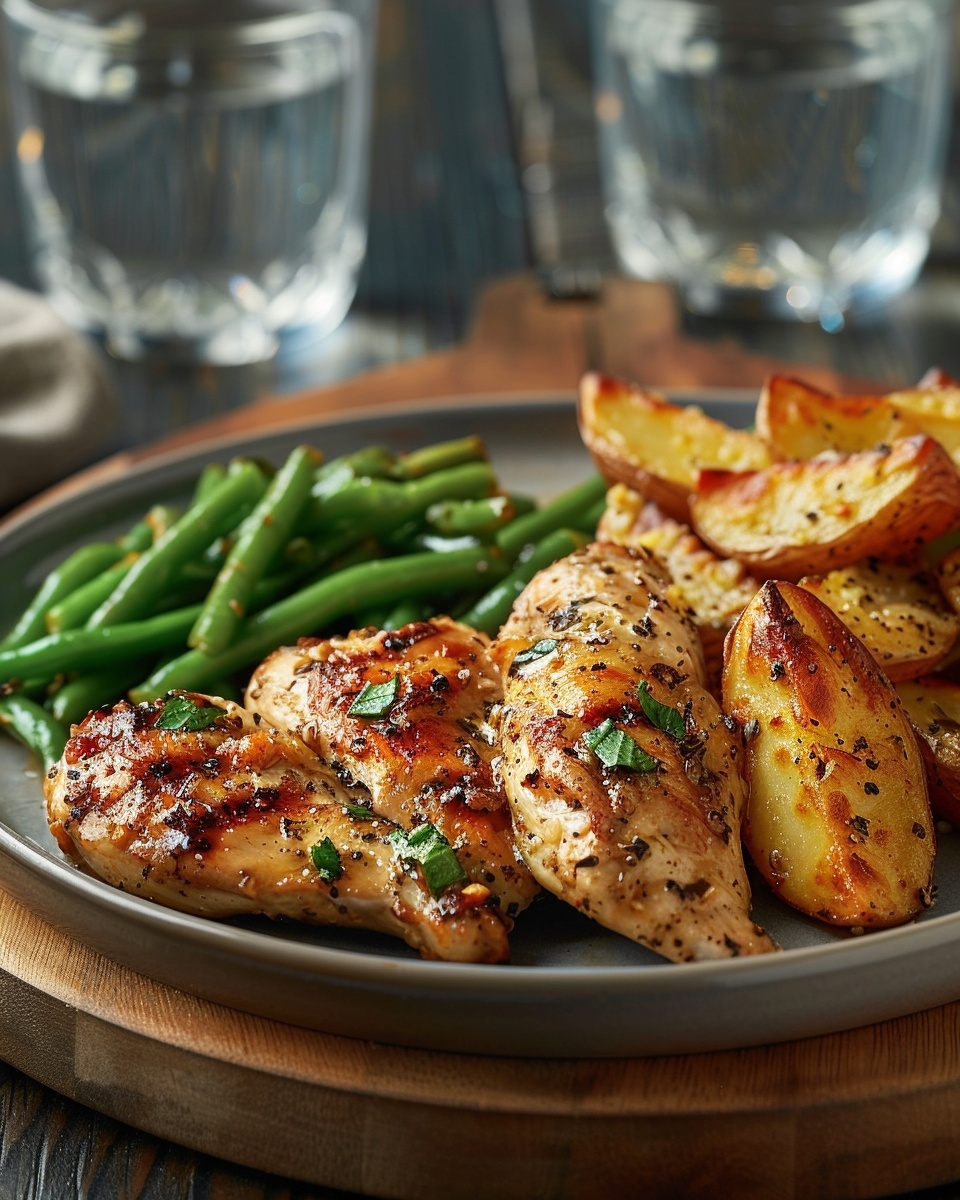
Garlic Butter Chicken with Potatoes Recipe: A Simple One-Pan Dinner
Picture this: It’s 6 PM on a Tuesday. You’re tired from work, and the last thing you want is to spend hours in the kitchen. But you also don’t want to order takeout again. I’ve been there more times than I can count. That’s when I turn to my trusty garlic butter chicken with potatoes. This recipe saved me on countless busy weeknights, and I promise it will become your new best friend too.
The smell of garlic and butter filling your kitchen is pure magic. It’s comfort food at its finest without all the fuss. My family asks for this dish at least twice a month, and I never get tired of making it. The best part? Everything cooks in one pan, which means less cleanup and more time to relax after dinner.
I love this recipe because it strikes the perfect balance. It tastes like you spent hours cooking, but it takes less than 45 minutes from start to finish. The chicken comes out juicy and tender. The potatoes get crispy on the outside and soft on the inside. And that garlic butter sauce? It’s so good you’ll want to lick the pan.
You’ll love this recipe for the same reasons I do. It’s simple enough for a weeknight but impressive enough for guests. You don’t need fancy cooking skills or expensive ingredients. Just good quality basics and a bit of patience. Plus, it’s a complete meal in one pan. No need to make three different side dishes or dirty a dozen pots.
In this guide, I’ll walk you through everything you need to know. We’ll cover the ingredients, how to prep them properly, and the exact cooking steps. I’ll share my tips for getting the chicken perfectly golden and the potatoes crispy. You’ll learn my secrets for making that incredible garlic butter sauce that brings everything together. By the end, you’ll be able to make this one pan chicken and potatoes dish with your eyes closed.
Ingredients You’ll Need for Perfect Garlic Butter Chicken with Potatoes
Let’s talk ingredients. The beauty of this recipe is that you probably have most of these items in your kitchen already. Nothing here is weird or hard to find. Just honest, simple ingredients that work together beautifully.
Here’s your complete shopping list:
- Chicken breasts (4 medium pieces, about 6 ounces each)
- Yukon gold potatoes (1.5 pounds, cut into chunks)
- Fresh garlic (6 to 8 cloves, minced)
- Unsalted butter (4 tablespoons)
- Olive oil (2 tablespoons)
- Fresh herbs (thyme and rosemary work best)
- Salt (to taste)
- Black pepper (freshly ground)
- Lemon juice (2 tablespoons)
- Paprika (1 teaspoon, optional but recommended)
Now let me share some tips on picking the right ingredients. Trust me, quality matters here. I learned this the hard way after a few disappointing dinners.
Choosing the best chicken breasts: Look for chicken that’s pinkish in color, not gray. The meat should feel firm when you touch it, not slimy or mushy. I prefer organic or free-range chicken when my budget allows. It tastes better and cooks more evenly. Try to find pieces that are roughly the same size so they cook at the same rate. If you can only find really thick breasts, butterfly them or pound them to an even thickness.
What are the best types of potatoes for this recipe? I tested this recipe with different potato varieties, and Yukon gold potatoes win every time. They have the perfect balance of starch and moisture. They get crispy on the outside while staying creamy inside. Red potatoes work well too if you can’t find Yukon golds. I don’t recommend russet potatoes for this dish. They fall apart too easily and don’t crisp up as nicely.
When choosing the best potatoes for roasting, look for firm ones without soft spots or sprouts. Medium-sized potatoes work better than huge ones. You want them to cook through in the same time as the chicken. I usually cut them into 1.5-inch chunks. Not too small or they’ll turn to mush. Not too big or they’ll still be hard when the chicken is done.
Fresh garlic is non-negotiable for me. Sure, the jarred minced garlic is convenient. But nothing beats the flavor of fresh garlic cloves. When you’re buying garlic, feel the bulbs. They should be firm and heavy for their size. Avoid any with soft spots or green shoots coming out the top. I usually mince my garlic by hand. It takes two minutes and makes a huge difference in taste.
For the butter, I always use unsalted butter. This lets me control the salt level in the dish. Salted butter can make things too salty, especially when you’re also seasoning the chicken and potatoes. Buy good quality butter if you can. It’s one of the main flavors here, so cheap butter will affect the final taste.
The olive oil helps prevent the butter from burning at high heat. I use regular olive oil, not extra virgin. Save the fancy extra virgin for salads where you can really taste it. Regular olive oil has a higher smoke point, which is what we need here.
Fresh herbs take this dish from good to amazing. I love using fresh thyme and rosemary together. The woody, earthy flavors pair perfectly with chicken and potatoes. If you can only get one, go with thyme. Dried herbs can work in a pinch, but use half the amount. Dried herbs are more concentrated than fresh.
Don’t skip the lemon juice. A squeeze of fresh lemon at the end brightens up all the rich, buttery flavors. It cuts through the heaviness and makes everything taste fresh and balanced. Always use fresh lemon juice, not the bottled stuff.
The paprika is optional but I highly recommend it. It adds a subtle sweetness and gives the chicken a beautiful color. Smoked paprika is even better if you have it. It adds a hint of smoky depth that makes people wonder what your secret ingredient is.
One more tip: Bring your chicken to room temperature before cooking. Take it out of the fridge 20 to 30 minutes before you start. Cold chicken doesn’t cook evenly. The outside overcooks while the inside stays raw. Room temperature chicken cooks through perfectly and stays juicy. This is one of the biggest mistakes I see home cooks make.
Same goes for the butter. Room temperature butter mixes better with the garlic and herbs. It creates a smoother, more flavorful sauce. Cold butter straight from the fridge doesn’t blend as well.
I know this seems like a lot of detail for simple ingredients. But these small choices add up to make a huge difference in your final dish. After making this garlic butter chicken with potatoes dozens of times, I’ve learned what works and what doesn’t. Following these ingredient tips will help you nail it on your first try.


Preparation and Cooking Steps
With your quality ingredients lined up on the counter, it’s time to turn them into something magical. This is where the real fun starts, and honestly, it’s easier than you think. I’m going to walk you through each step like I’m right there in your kitchen with you.
Marinating the Chicken
Here’s the thing about chicken breasts. They can be dry and boring if you just throw them in the pan. But when you marinate them properly? Game changer. The best marinade for chicken doesn’t have to be complicated. My secret marinade uses ingredients you already have for this recipe anyway.
I mix together two tablespoons of olive oil, half the minced garlic, salt, pepper, and a pinch of that paprika. Sometimes I add a teaspoon of dried Italian herbs if I’m feeling fancy. Pat your chicken breasts dry with paper towels first. This is crucial. Wet chicken won’t brown properly, and you’ll miss out on those delicious crispy edges.
Rub the marinade all over each piece of chicken. Get it into every nook and cranny. I use my hands for this because a brush just doesn’t do the job as well. Make sure both sides are well coated. The oil helps the seasonings stick and keeps the chicken moist during cooking.
Now, people always ask me how long to marinate chicken. For this recipe, you don’t need hours. Even fifteen to twenty minutes makes a difference. If you have more time, up to two hours in the fridge is perfect. I wouldn’t go much longer than that with the garlic in there. Fresh garlic can get a bit funky if it sits on raw chicken too long.
Last Tuesday, I forgot about the chicken marinating in my fridge and left it for almost four hours. It was still good, but the garlic flavor was almost too strong. Stick to the two-hour maximum and you’ll be golden. If you’re really pressed for time, even a quick five-minute marinade while you prep everything else helps.
Preparing the Potatoes
While the chicken is marinating, let’s tackle those potatoes. The way you cut and season them makes all the difference between soggy potatoes and crispy, golden perfection. I learned this the hard way after serving mushy potatoes to my in-laws. Never again.
First, wash your potatoes well but don’t peel them. The skin adds flavor and texture, plus it crisps up beautifully in the oven. I usually give them a good scrub with a vegetable brush under running water. Pat them dry with a clean kitchen towel.
When figuring out how to cut potatoes for roasting, size consistency is everything. I cut mine into chunks about 1.5 inches. Some people go smaller, but then they turn to mush. Go bigger, and they won’t cook through. I aim for all pieces being roughly the same size so they finish cooking at the same time.
Here’s my method: Cut each potato in half lengthwise, then cut each half into thirds or quarters depending on the size. You want chunky pieces, not dainty little cubes. Those bigger pieces hold up better to the long cooking time and develop amazing crispy exteriors.
Toss your potato chunks into a large bowl. Drizzle them with olive oil, about a tablespoon and a half. Add salt, pepper, and whatever fresh herbs you’re using. I pull the leaves off a couple sprigs of thyme and roughly chop a bit of rosemary. By the way, if you enjoy cooking with herbs and potatoes, you might also love my breakfast potatoes with herbs recipe for weekend mornings.
The seasoning for roasted potatoes doesn’t need to be complicated. Salt, pepper, and herbs are plenty. Sometimes I add a tiny bit of garlic powder to the potatoes too, but not the fresh garlic yet. That goes on later so it doesn’t burn.
Use your hands to toss everything together. Make sure every piece gets coated with oil and seasonings. The oil is what makes them crispy. Don’t skimp on it, but don’t drown them either. They should look glossy but not swimming in oil.
Combining and Baking
Now comes my favorite part. Bringing it all together in one glorious pan. I use a large roasting pan or a big cast-iron skillet. You need something that can fit all the chicken and potatoes in a single layer without crowding. Crowding makes everything steam instead of roast, and you’ll end up with sad, pale chicken and soggy potatoes.
Preheat your oven to 400 degrees Fahrenheit. This oven temperature is the sweet spot. Hot enough to get good browning and crispy potatoes, but not so hot that the outside burns before the inside cooks through. I’ve tried this recipe at different temperatures, and 400 really is perfect.
Spread your seasoned potato chunks in the pan first. Give them some space to breathe. Then nestle the marinated chicken breasts on top and around the potatoes. The chicken will release juices as it cooks, and those juices will flavor the potatoes underneath. It’s beautiful the way it all works together.
In a small bowl, melt your butter. You can do this in the microwave for about thirty seconds or in a small pan on the stove. Add the remaining minced garlic to the melted butter along with the lemon juice and another pinch of salt. This is your basting liquid, and it’s absolutely magical.
Pour about half of this garlic butter mixture over the chicken and potatoes. Save the rest for basting later. This initial coating helps everything start developing flavor right away.
Pop the whole pan into your preheated oven. Set a timer for twenty minutes. This is when you can clean up your prep dishes or maybe start making a simple side salad. Actually, this dish is so complete on its own that you barely need sides. But sometimes I like serving it with something fresh and green to balance all that butter richness.
After twenty minutes, pull the pan out and baste everything with more of that garlic butter. Spoon it over the chicken breasts and drizzle it over the potatoes. The chicken should be starting to turn golden, and the potatoes should be getting some color on the edges. If you enjoy dishes that develop beautiful golden color in the oven, you might also appreciate baked eggs with spinach for a lighter meal option.
Put it back in the oven for another fifteen to twenty minutes. The exact baking time depends on how thick your chicken breasts are. I always use a meat thermometer to check. The internal temperature should reach 165 degrees Fahrenheit in the thickest part of the breast.
Funny enough, I used to just guess when chicken was done by cutting into it. But that lets all the juices run out, and you end up with dry chicken. A cheap meat thermometer changed my cooking life. Best ten dollars I ever spent.
In the last five minutes of cooking, I like to turn on the broiler for just a bit. This gives the chicken skin and potato edges an extra crispy finish. But watch it carefully. The line between perfectly crispy and burnt is thin under the broiler. Don’t walk away during this step. I learned that lesson after setting off my smoke alarm twice in one month.
When everything’s done, let the pan rest for about five minutes before serving. This lets the chicken juices redistribute, keeping everything moist and tender. Use this time to drizzle any remaining garlic butter over the top and maybe squeeze a bit more fresh lemon juice over everything.
How do I make sure the chicken and potatoes cook evenly? This is probably the most common question I get about this recipe. The key is using chicken breasts that are similar in size and cutting your potatoes uniformly. Starting with room temperature chicken helps too. If one piece of chicken is way thicker than the others, it’ll still be raw when the thin ones are overdone. Either pound them to even thickness or just buy pieces that match in size.
Another trick is arranging everything with space between pieces. Air needs to circulate around the food for even cooking. If your pan is too crowded, use two pans. Better to dirty an extra dish than serve half-cooked chicken. Similar to techniques I use for homemade granola with yogurt, spreading ingredients properly ensures even cooking and better texture.
The potatoes sometimes cook faster than the chicken. If they’re getting too dark before the chicken’s done, I cover the pan loosely with foil for the last ten minutes. The foil slows down the browning while everything finishes cooking through. You can also start the potatoes a few minutes before adding the chicken, but I usually don’t bother. The timing works out well if you cut them the right size.
Trust me, after you make this a couple times, you’ll develop a feel for it. You’ll know just by looking when everything’s ready. But until then, use that thermometer and don’t be afraid to check. There’s no shame in making sure your chicken is cooked properly. Food safety matters, especially when cooking for your family. And if you’re looking for another comforting dish to add to your repertoire, warm cinnamon rice pudding makes a wonderful dessert after this hearty meal.


Serving and Variations for Your Garlic Butter Chicken with Potatoes
Alright, your kitchen smells incredible. That pan of golden, glistening garlic butter chicken with potatoes just came out of the oven, and honestly, you could probably just grab a fork and dig in straight from the pan. I’ve done that more times than I’d like to admit when I’m home alone. But if you’re serving this to family or guests, let me share some ideas to make the whole meal shine even brighter.
Perfect Sides to Complement Your Main Dish
Here’s the beautiful thing about this recipe. It’s already a complete meal. You’ve got your protein and your starch right there in one pan. But sometimes you want a little something extra to round things out, especially if you’re feeding a crowd or just want more variety on the table.
Side dishes don’t need to be complicated when your main course is this flavorful. I usually keep things light and fresh to balance all that rich, buttery goodness. A simple mixed greens salad is my go-to choice. I toss together whatever greens I have, maybe some arugula, spinach, and romaine. A light vinaigrette with lemon juice, olive oil, and a touch of Dijon mustard is perfect. The acidity cuts through the butter and makes your palate feel refreshed between bites.
Sometimes I throw in some cherry tomatoes, thinly sliced red onion, and cucumber. Keep it simple. The salad shouldn’t compete with your main dish. It’s there to provide a fresh counterpoint, not steal the show. Last Sunday, I added some toasted pine nuts and shaved Parmesan to my salad, and my sister-in-law literally asked for the recipe. It was just salad, but those little touches matter.
Roasted vegetables are another fantastic option. Green beans work beautifully with this meal. I toss them with a bit of olive oil, salt, and pepper, then roast them at the same temperature as the chicken for about fifteen minutes. They come out slightly charred and tender-crisp. The natural sweetness of roasted green beans pairs wonderfully with the savory garlic butter chicken.
Asparagus is probably my favorite side for this dish, especially in spring when it’s in season. I snap off the woody ends and arrange the spears on a separate pan. Drizzle them with olive oil, sprinkle with salt and pepper, maybe a bit of lemon zest. They roast in about twelve to fifteen minutes at 400 degrees, which means you can pop them in during the last part of your chicken cooking time. When they come out with those crispy, almost caramelized tips? Chef’s kiss.
If you want something heartier, sautéed spinach with garlic is incredible. The irony of adding more garlic to a garlic-heavy meal isn’t lost on me, but it works. Heat some olive oil in a pan, add sliced garlic, let it get fragrant but not brown, then toss in several handfuls of fresh spinach. It wilts down in minutes. Season with salt, pepper, and a squeeze of lemon. Done.
Crusty bread is non-negotiable in my house when I make this. You need something to soak up all that garlic butter sauce pooling in the bottom of the pan. A good sourdough or French baguette is perfect. I warm it in the oven for a few minutes to get the crust crispy again. My kids fight over who gets to mop up the last bits of sauce with the bread. It’s honestly the best part.
For a lighter option, steamed broccoli or roasted Brussels sprouts work great too. Brussels sprouts get wonderfully caramelized in the oven if you halve them and roast them cut-side down. They develop these crispy, almost nutty edges that contrast nicely with the tender chicken and potatoes.
Variations and Substitutions to Make It Your Own
One of the reasons I keep coming back to this recipe is how adaptable it is. You can tweak it in so many ways depending on what you have on hand, what you’re craving, or who you’re feeding. Let me walk you through some variations I’ve tried over the years.
Can I use other types of meat instead of chicken? Absolutely. This method works beautifully with different proteins. I’ve made this with bone-in, skin-on chicken thighs instead of breasts, and honestly, it might even be better. Thighs stay juicier and have more flavor. They take about the same cooking time, maybe five minutes longer. The skin gets incredibly crispy under the broiler at the end.
Pork chops are another excellent substitute. Use bone-in pork chops about an inch thick. They cook in roughly the same time as chicken breasts. The garlic butter works just as well with pork. I sometimes add a bit of sage to the butter when I’m using pork because those flavors are best friends.
Even turkey cutlets work. They’re leaner than chicken, so watch them carefully. They cook faster and can dry out if you’re not paying attention. But on Thanksgiving week when I’m tired of whole turkeys, this garlic butter treatment makes turkey feel special again.
For a vegetarian version of garlic butter chicken, you might think it’s impossible, but hear me out. I’ve made this with thick slices of cauliflower steaks instead of chicken. Cut a whole head of cauliflower into thick slabs, season them the same way, and roast them with the potatoes. It’s not the same as chicken, obviously, but it’s delicious in its own right. The cauliflower soaks up all that garlic butter and gets these amazing caramelized edges.
Firm tofu also works for a vegetarian option. Press extra-firm tofu to remove moisture, cut it into thick slabs, and marinate it just like you would the chicken. It won’t have the same texture as chicken, but it absorbs the flavors beautifully. My vegetarian neighbor requests this version every time we have her over for dinner.
Using different spices can completely change the vibe of this dish. Sometimes I go in an Italian direction by adding dried oregano, basil, and a pinch of red pepper flakes to the marinade. Other times I make it more French by using herbes de Provence and a splash of white wine in the garlic butter.
For a Mediterranean twist, I add dried oregano, a bit of cumin, and finish everything with crumbled feta cheese and kalamata olives in the last five minutes of cooking. Sounds weird maybe, but trust me, it’s fantastic. The salty feta melts slightly and mingles with the garlic butter in the most incredible way.
Adding a kick with chili flakes is one of my favorite modifications when I want some heat. I sprinkle red pepper flakes over everything before it goes in the oven. Not too much, just enough to give a gentle warmth that builds with each bite. If you really love spice, try adding some cayenne pepper to the marinade or drizzle everything with hot honey when it comes out of the oven. Sweet and spicy with that garlic butter? Mind-blowing.
Here’s the thing about variations. Once you master the basic technique, you can play around endlessly. I keep a list in my phone of different flavor combinations I want to try. Last month I did a lemon-herb version with tons of fresh parsley and extra lemon zest. The week before that, I tried a smoky version with smoked paprika and a touch of liquid smoke in the butter. Both were hits.
You can switch up the potatoes too. Sweet potatoes work beautifully in this recipe, though they cook a bit faster than regular potatoes. Cut them slightly larger to compensate. The natural sweetness of sweet potatoes with garlic butter is a combination I didn’t know I needed until I tried it. My kids actually prefer it this way now.
Baby potatoes are another great option. Use them whole or halved. They cook evenly and have that perfect creamy texture inside. Fingerling potatoes are fancy and delicious if you can find them. They’re more expensive, but they make the dish feel special for a dinner party.
Sometimes I add other vegetables to the mix. Quartered onions roast up sweet and tender alongside the potatoes. Bell peppers add color and a slight sweetness. Cherry tomatoes burst in the oven and create even more sauce. Carrots work if you cut them into similar-sized pieces as the potatoes. Just remember that different vegetables cook at different rates, so you might need to adjust.
Want to make it fancier? Add a splash of white wine or chicken broth to the pan before roasting. It creates even more sauce and adds depth to the flavor. I do this when I’m serving guests and want to look like I spent way more effort than I actually did. The nutritional benefits of garlic become even more pronounced when you combine it with other whole foods like vegetables and lean proteins in a balanced meal like this.
For a creamy variation, I sometimes add a few spoonfuls of heavy cream or cream cheese to the garlic butter in the last ten minutes of cooking. It creates this luscious, creamy sauce that coats everything. Not exactly diet food, but sometimes you just need that extra richness. Birthday dinners, anniversaries, rough Mondays… you know, the important occasions.
You can also change up the herbs completely. Dill and lemon create a bright, fresh version that feels almost summery. Sage and brown butter instead of regular butter gives it a fall vibe that’s perfect for October and November. Cilantro and lime with a bit of cumin makes it feel vaguely Latin-inspired. The basic technique stays the same, but the flavor profiles shift dramatically.
By the way, this recipe scales really well. I’ve made it for just my husband and me using two chicken breasts and a handful of potatoes in a smaller pan. I’ve also made it for twelve people by using multiple pans in the oven at the same time. The timing stays roughly the same, which makes it perfect for entertaining. You’re not standing at the stove babysitting multiple pots. Everything roasts away while you hang out with your guests.
Meal prep fans, listen up. This reheats surprisingly well, which makes it great for batch cooking. I sometimes make a double batch on Sunday and portion it out for lunches during the week. The chicken stays moist if you reheat it gently, and the potatoes crisp back up nicely in a hot oven or air fryer. More on reheating in the FAQ section below.
Don’t be afraid to experiment. The worst that happens is it tastes a little different than expected. I’ve had a few variations that didn’t quite hit the mark, like the time I tried to add curry powder and it clashed with the butter. But mostly, this recipe is pretty forgiving. The combination of garlic, butter, chicken, and potatoes is so fundamentally good that it’s hard to mess up completely.
If you’re looking for more comforting dinner ideas that bring the family together around the table, I’ve got plenty of other recipes that use similar simple techniques to create maximum flavor with minimal fuss.
The beauty of home cooking is making recipes your own. My version of garlic butter chicken might taste different from yours, and that’s exactly how it should be. Cook it the way you like it. Add the flavors your family loves. Make it spicy if that’s your thing. Keep it simple if you prefer. There’s no wrong answer here, just delicious dinner waiting to happen.
So go ahead and make this recipe tonight. Let that garlic butter work its magic in your kitchen. Whether you stick to the classic version or branch out with one of these variations, I promise you’re in for a treat. This is the kind of meal that makes weeknight cooking feel less like a chore and more like the best part of your day. And isn’t that what we’re all looking for?
Frequently Asked Questions
How do I store leftover Garlic Butter Chicken with Potatoes?
Let everything cool to room temperature first, but don’t leave it out for more than two hours. Transfer the chicken and potatoes to an airtight container and refrigerate. They’ll keep well for three to four days. I usually store them together, but you can separate them if you prefer. The garlic butter sauce will solidify in the fridge, but it melts again when you reheat. Make sure your container seals well because the garlic smell will take over your entire fridge otherwise. I learned that lesson after my leftovers made everything taste like garlic, including the milk.
Is this dish suitable for a low-carb diet?
The chicken part definitely is, but potatoes are fairly high in carbs. If you’re following a strict low-carb or keto diet, you can swap the potatoes for low-carb vegetables like cauliflower, zucchini, or radishes. Radishes actually taste surprisingly potato-like when roasted, which blew my mind the first time I tried it. You could also just make the garlic butter chicken without any starchy vegetables and serve it with a side salad or steamed greens. The recipe is flexible enough to adapt to most dietary needs without losing its essential deliciousness.
Can I prepare this dish ahead of time?
Yes, with some modifications. You can marinate the chicken up to 24 hours in advance and keep it covered in the fridge. You can also cut and season the potatoes the night before and store them in an airtight container in the fridge. I wouldn’t recommend fully cooking it ahead though, because reheated chicken is never quite as good as fresh. However, you can get everything prepped and ready to go, then just assemble and bake when you’re ready to eat. This makes it perfect for entertaining because you’re not frantically chopping vegetables while guests arrive.
What if I don’t have fresh garlic, can I use garlic powder?
Fresh garlic really is best for this recipe since it’s such a star ingredient, but garlic powder can work in a pinch. Use about one teaspoon of garlic powder for every four cloves of fresh garlic called for. The flavor won’t be quite as bright and pungent, but it’ll still taste good. Don’t use garlic salt though, or you’ll end up with an overly salty dish. I’d honestly rather run to the store for fresh garlic than use powder for this particular recipe, but I understand sometimes you just can’t. If you use powder, maybe add a bit extra at the end when you’re finishing the dish to boost the flavor.
How do I reheat the leftovers without drying out the chicken?
The oven method works best. Preheat to 350 degrees, place your chicken and potatoes in an oven-safe dish, and add a tablespoon or two of chicken broth or water to create steam. Cover with foil and heat for about fifteen to twenty minutes until warmed through. The foil and added moisture prevent the chicken from drying out. You can also use the microwave in a pinch, but use 50% power and heat in short bursts, checking frequently. The air fryer actually works great for reheating the potatoes separately at 375 degrees for about five minutes. They crisp back up beautifully.
Can I use sweet potatoes instead of regular potatoes?
Absolutely, and they’re delicious in this recipe. Sweet potatoes cook a bit faster than regular potatoes, so cut them into slightly larger chunks or add them to the pan about ten minutes after the chicken. They caramelize beautifully with the garlic butter and add a subtle sweetness that complements the savory chicken. I like mixing half regular potatoes and half sweet potatoes for variety in color and flavor. Just make sure to adjust cooking time as needed since sweet potatoes can get mushy if they cook too long.
Is this dish kid-friendly?
In my experience, yes. Most kids love chicken and potatoes, and the garlic butter flavor is savory without being too intense or spicy. If your kids are picky about visible herbs, you can skip the fresh herbs or use less. My nephew picks off every visible green thing from his food, but he devours this dish as long as I mince the herbs super fine so he doesn’t notice them. You can also dial back the garlic slightly for very young kids who might find the flavor too strong. The basic combination of butter, chicken, and potatoes is pretty universally appealing to children.
How can I make this recipe spicier?
There are several ways to add heat. Red pepper flakes sprinkled over everything before baking give a nice subtle warmth. For more kick, add cayenne pepper to your marinade, starting with a quarter teaspoon and adjusting to taste. Fresh jalapeños sliced and roasted alongside the potatoes add great flavor and heat. Hot sauce drizzled over the finished dish works too. I sometimes make a spicy garlic butter by adding sriracha or sambal oelek to the melted butter mixture. Start small with spice additions because you can always add more at the table, but you can’t take it away once it’s in there.
Can I make this in a slow cooker instead of the oven?
The texture won’t be quite the same since slow cookers don’t provide the crispy, caramelized exterior that oven roasting does, but it can work. Layer your potatoes on the bottom, place seasoned chicken on top, and pour the garlic butter over everything. Cook on low for six to seven hours or high for three to four hours. The chicken will be very tender and the potatoes soft, but nothing will be crispy. If you want some browning, you can transfer everything to a baking dish and broil for a few minutes at the end. I prefer the oven method, but slow cooker works if that’s what you have available.
What’s the best way to get crispy skin on the chicken?
First, make sure you’re using skin-on chicken if you want crispy skin. Pat the skin very dry with paper towels before seasoning, because moisture is the enemy of crispiness. Don’t cover the pan while baking, and make sure your oven is fully preheated to 400 degrees. The broiler trick I mentioned earlier really helps, just a few minutes under high heat at the end creates beautifully golden, crispy skin. Some people like to start the chicken skin-side down for ten minutes, then flip it, but I find that fussier than necessary. Just dry skin, high heat, and a quick broil at the end usually does the trick perfectly.
Ingredients
Equipment
Method
- Marinate chicken breasts in a mix of olive oil, half the minced garlic, salt, pepper, and paprika for 15-20 minutes.
- Wash and dry the Yukon gold potatoes, cutting them into 1.5-inch chunks.
- Toss potato chunks in a bowl with olive oil, salt, pepper, and fresh herbs, ensuring they are well coated.
- Preheat the oven to 400 degrees Fahrenheit.
- Spread the seasoned potatoes in a large roasting pan or cast-iron skillet.
- Nestle the marinated chicken breasts on top of the potatoes.
- Melt the butter and mix in the remaining minced garlic, lemon juice, and a pinch of salt; pour half over the chicken and potatoes.
- Roast everything in the oven for 20 minutes.
- After 20 minutes, baste with the remaining garlic butter mixture and return to the oven for another 15-20 minutes, or until chicken reaches an internal temperature of 165 degrees Fahrenheit.
- Optional: In the last 5 minutes, turn on the broiler for extra crispiness.
- Let rest for 5 minutes before serving, optionally adding more lemon juice and garlic butter on top.