
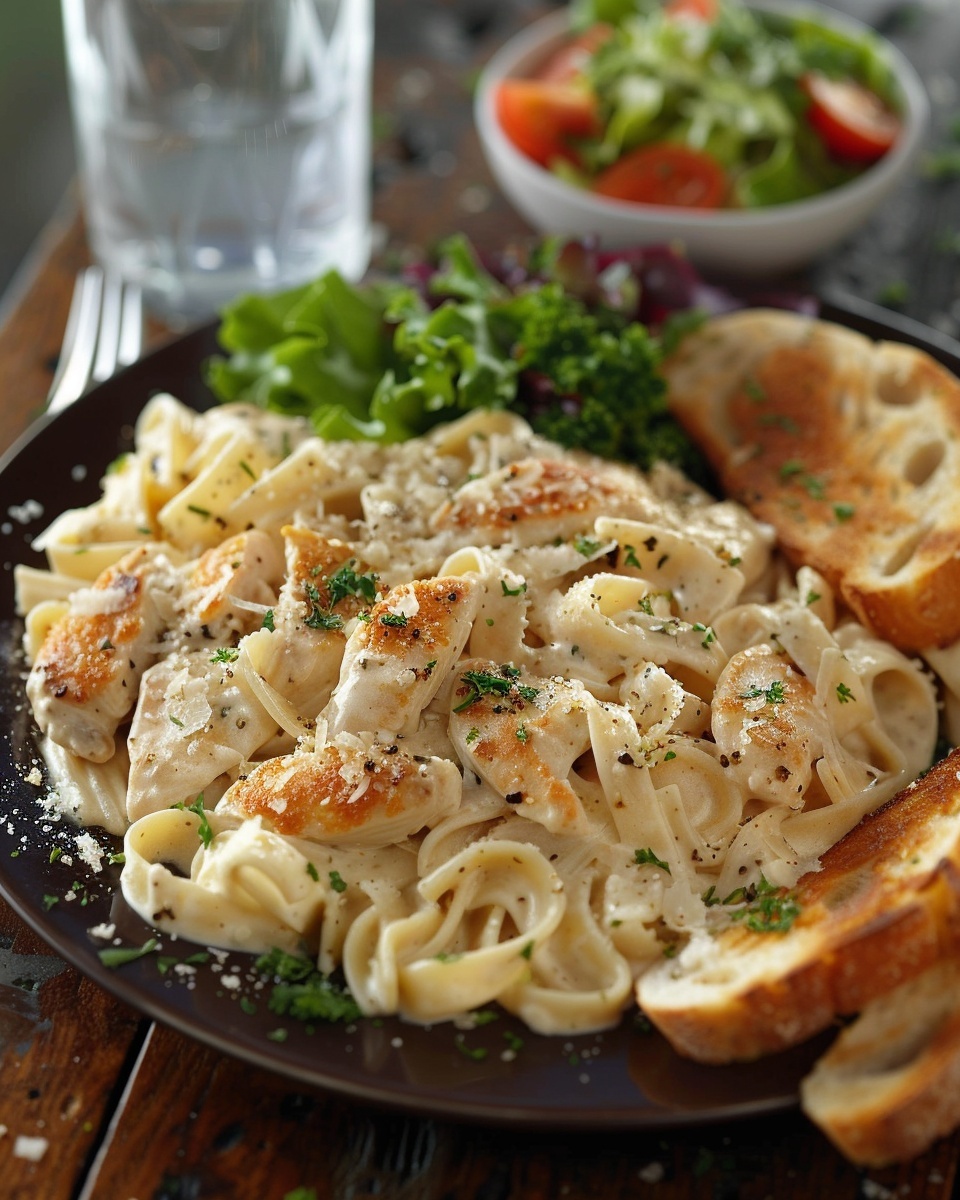
Introduction: Why This Chicken Alfredo Pasta Will Change Your Weeknight Dinners
Last Tuesday night, I stood in my kitchen at 6 PM with absolutely no dinner plan. My kids were hungry, I was exhausted, and takeout seemed like the only option. Then I remembered I had chicken in the fridge and pasta in the pantry. Thirty minutes later, we were all sitting down to steaming bowls of creamy chicken alfredo pasta. That’s when it hit me: this recipe is a total lifesaver.
Welcome to my kitchen! Today, I’m excited to share with you my favorite recipe for chicken alfredo pasta. Whether you’re a seasoned home cook or a beginner, this creamy and delicious dish is sure to become a staple in your meal rotation. I’ve made this recipe at least a hundred times over the past five years, and it never gets old.
The best part? You don’t need fancy ingredients or culinary school training. This is comfort food at its finest, made with simple ingredients you probably already have. Your family will think you spent hours in the kitchen, but we’ll keep the quick prep time our little secret.
In this article, we’ll cover everything from choosing the right pasta to adding those extra touches that make your chicken alfredo pasta truly special. I’ll share the tips I’ve learned through trial and error, so you don’t have to make the same mistakes I did. Let’s dive in!
What Pasta is Best for Chicken Alfredo?
When it comes to making the perfect chicken alfredo pasta, the type of pasta you choose can make a big difference. I’ve tried pretty much every pasta shape out there with alfredo sauce, and some definitely work better than others.
I prefer using fettuccine or penne, as they hold the creamy sauce beautifully. Fettuccine is the traditional choice you’ll find at restaurants like Olive Garden. Those long, flat ribbons of pasta are made for clinging to rich sauces. When you twirl your fork, you get pasta and sauce in every bite.
If you’re looking for a classic option, chicken alfredo penne is always a great choice. The tubular shape of penne captures the rich, creamy sauce, making each bite a delightful experience. The little tubes fill up with sauce, and if you have chunks of chicken, they nestle right in there too.
Here’s what I’ve learned about different pasta shapes:
- Fettuccine: The classic choice. Wide, flat noodles that coat evenly with sauce. This is what I use when I want that authentic Italian restaurant feel.
- Penne: My go-to for chicken alfredo pasta bake. The tubes hold sauce inside and out, and they’re easier for kids to eat with a fork.
- Linguine: Similar to fettuccine but slightly thinner. Works great if you want a lighter feel.
- Rigatoni: Larger tubes with ridges. Perfect when I’m adding vegetables like broccoli because everything stays together nicely.
- Rotini or fusilli: Those fun spiral shapes. Kids love them, and they grab onto every bit of that creamy chicken alfredo sauce.
However, you can also try other shapes like linguine or even spiral pasta for a fun twist. I once made this with bow-tie pasta for a dinner party, and it looked beautiful on the plate.
One time, I was out of fettuccine and only had spaghetti. I used it anyway, and honestly? It still tasted amazing. The sauce didn’t cling quite as well, but my family devoured it just the same. So don’t stress too much about having the “perfect” pasta. Use what you have.
Understanding the Magic of Chicken Alfredo Sauce
The heart of any great chicken alfredo pasta recipe is the sauce. This isn’t just any white sauce. It’s a silky, dreamy combination of butter, cream, and Parmesan cheese that coats every strand of pasta.
When I first started making chicken alfredo sauce, I thought it would be complicated. I was wrong. The basic sauce needs just four ingredients: butter, heavy cream, garlic, and freshly grated Parmesan cheese. That’s it. No cream of whatever soup, no shortcuts.
The key is using real Parmesan cheese that you grate yourself. I know it’s tempting to grab the green can from the shelf, but trust me on this one. Fresh Parmesan melts smoothly and creates that restaurant-quality texture. The pre-grated stuff often contains anti-caking agents that make the sauce grainy.
Here’s what makes a truly creamy chicken alfredo pasta:
- Full-fat heavy cream (don’t even think about using milk)
- Real butter (not margarine)
- Freshly grated Parmesan cheese
- Fresh garlic (not the jarred kind)
- A pinch of salt and pepper
- Optional: a tiny bit of nutmeg for depth
I remember the first time I made alfredo sauce. I was so worried about it breaking or getting lumpy. I stood at the stove, stirring constantly, sweating bullets. Now I know the secret: low heat and patience. You can’t rush good alfredo sauce.
Variations Worth Trying
Once you master the basic chicken alfredo pasta recipe, the fun really begins. I love experimenting with different additions to keep things interesting.
My personal favorite is chicken alfredo with broccoli. The bright green florets add color, nutrition, and a nice texture contrast to the creamy pasta. I steam the broccoli separately and toss it in at the end. My kids actually eat their vegetables this way without complaining.
Another variation I make often is a chicken alfredo pasta bake. I prepare everything on the stovetop, then transfer it to a baking dish. I top it with extra cheese and breadcrumbs, then bake until golden and bubbly. It’s perfect for potlucks or when I need to make dinner ahead of time.
Some other ideas I’ve tried:
- Adding sun-dried tomatoes for a tangy kick
- Mixing in spinach for extra greens
- Using cajun seasoning on the chicken for a spicy twist
- Throwing in mushrooms for an earthy flavor
- Adding crispy bacon because everything’s better with bacon
I’ve also seen some interesting chicken alfredo pasta recipes online, including ones from Tasty that look amazing. The beauty of this dish is how flexible it is. You can make it your own.
When I’m craving restaurant-style chicken alfredo pasta but don’t want to spend the money eating out, I make this at home. It tastes just as good as what you’d get at Olive Garden, maybe even better because it’s made with love in my own kitchen.


Essential Ingredients for Perfect Chicken Alfredo Pasta
Now that we’ve covered which pasta shapes work best, it’s time to raid the fridge and gather what we need.
Here’s the thing about making chicken alfredo pasta at home: you really don’t need a grocery cart full of ingredients. In fact, when I first started making this dish, I was shocked at how short the shopping list was. I’d been intimidated by creamy pasta dishes for years, assuming they required special culinary ingredients I couldn’t pronounce.
The foundation starts with boneless, skinless chicken breasts. I usually grab two large breasts, which feeds my family of four with maybe a little leftover for lunch the next day. Sometimes I use chicken thighs instead because they’re juicier and more forgiving if you accidentally overcook them. My neighbor swears by thighs, and I get it. They have more flavor and stay tender even when you’re distracted by kids asking homework questions while you cook.
For the sauce itself, you’ll need heavy cream. This is non-negotiable, folks. I tried making it with half-and-half once to save calories, and it just wasn’t the same. The sauce was thin and didn’t have that luxurious, velvety texture that makes creamy chicken alfredo pasta so irresistible. If you’re going to make alfredo, commit to the cream. You can eat a salad tomorrow.
Next up is butter. Real butter. The good stuff. I keep unsalted butter on hand because it gives me better control over the seasoning. You’ll use it both for cooking the chicken and building the sauce. It adds richness that you just can’t replicate with olive oil or any other substitute.
Fresh garlic is absolutely essential. I’m talking about actual cloves that you peel and mince yourself, not the pre-minced stuff in jars. The flavor difference is huge. I typically use four or five cloves because my family loves garlic, but you can adjust based on your preference. My sister uses only two cloves, and her version still tastes great. Just avoid garlic powder here. It’s not the same.
The star of the show is Parmesan cheese. And not just any Parmesan, friends. You want a real wedge of Parmigiano-Reggiano that you grate yourself right before making the sauce. I buy a chunk from the deli section and keep it wrapped in my cheese drawer. It lasts for weeks and makes such a difference. The flavor is nutty and complex, and it melts into the cream beautifully without clumping. Trust me, once you taste the difference, you’ll never go back to the pre-shredded kind.
Salt and pepper round out the basics. I use kosher salt for seasoning the chicken and a bit in the sauce. For pepper, I always use freshly ground black pepper. My husband gave me a pepper mill years ago, and it’s one of my most-used kitchen tools.
If you want to elevate your chicken alfredo pasta recipe even further, consider adding fresh herbs. I keep Italian parsley in my fridge almost always, and I love the bright, fresh flavor it brings when sprinkled over the finished dish. Fresh basil is another fantastic choice, especially in summer when I can grab it from my little herb garden on the patio. Sometimes I’ll add both because why not?
By the way, if you love creamy, garlicky chicken dishes like I do, you should definitely check out this garlic butter chicken with potatoes recipe. It has similar flavors but goes in a totally different direction.
Step-by-Step Creamy Chicken Alfredo Pasta Recipe
Alright, ingredients assembled. Let’s actually make this thing.
I’m going to walk you through exactly how I make chicken alfredo pasta on a typical weeknight. I’ve streamlined this process over the years, so everything flows smoothly without requiring three hands or professional chef skills.
First things first: get a large pot of water boiling for your pasta. I fill it about three-quarters full and add a generous amount of salt. My Italian friend once told me the water should taste like the sea, and she’s right. This is your only chance to season the pasta itself, so don’t be shy with the salt.
Once the water is at a rolling boil, add your pasta. I set a timer for two minutes less than the package directions say. For fettuccine, that’s usually about 9 minutes instead of 11. You want it al dente, which means it still has a slight bite to it. The pasta will continue cooking a bit when you toss it with the hot sauce later.
While the pasta cooks, it’s chicken time. I slice my chicken breasts in half horizontally to make thinner cutlets. This trick changed my life because thinner pieces cook faster and more evenly. Nobody wants a dried-out chicken breast that’s overcooked on the outside and still raw in the middle. Season both sides generously with salt and pepper.
Heat a large skillet over medium-high heat and add about two tablespoons of butter. When it’s melted and just starting to foam, add your minced garlic. Let it sizzle for maybe thirty seconds until it smells amazing but hasn’t turned brown yet. Burned garlic is bitter, and we don’t want that.
Add the chicken to the pan. Don’t move it around! This was hard for me to learn. I used to poke and flip and fuss with the chicken constantly. But if you let it sit undisturbed for about 5-6 minutes, it develops this beautiful golden crust. Then flip it once and cook the other side for another 5-6 minutes until it’s cooked through. The internal temperature should hit 165°F if you want to be precise about it.
Remove the cooked chicken to a cutting board and let it rest while you make the sauce. This is similar to how I handle chicken in my creamy Tuscan chicken recipe, where resting the meat keeps it juicy.
In that same pan with all those flavorful browned bits, reduce the heat to medium-low. Add another tablespoon of butter and let it melt. Pour in about two cups of heavy cream. Watch it carefully and let it come to a gentle simmer. You’ll see little bubbles around the edges. This is perfect.
Now comes the cheese. Start adding your freshly grated Parmesan a handful at a time, stirring constantly. I use a whisk for this part. The cheese will melt into the cream and the sauce will start to thicken. Keep stirring until it’s smooth and creamy. If it seems too thick, splash in a little pasta water. If it’s too thin, let it simmer a bit longer or add more cheese.
Taste the sauce and adjust the seasoning. Add salt if needed and plenty of black pepper. Sometimes I add a tiny pinch of nutmeg, which sounds weird but adds this subtle warmth that makes people wonder what your secret ingredient is.
Slice your rested chicken into strips. My kids like thicker slices, but I sometimes go thin so there’s chicken in every bite. Both ways work.
By now your pasta should be done. Reserve about a cup of that starchy pasta water before draining. I learned this tip from watching too many cooking shows, but it actually works. That pasta water is liquid gold for adjusting sauce consistency.
Add the drained pasta directly to the pan with the sauce. Toss everything together using tongs. The pasta should be completely coated in that gorgeous chicken alfredo sauce. Add the sliced chicken and toss again. If the sauce seems tight or the pasta is clumping, add splashes of that reserved pasta water until everything looks silky and moves easily in the pan.
Funny enough, this process isn’t that different from making beef stroganoff with mushrooms, where you’re also combining protein with a creamy sauce and pasta or noodles. The techniques translate across dishes once you understand the basics.
The whole thing from start to finish takes me about thirty minutes. Seriously. That’s less time than it takes to pick up takeout and drive home.
One more thing: if you want to make a chicken alfredo pasta bake, here’s what I do. Prepare everything exactly as described above, but slightly undercook the pasta by another minute. Transfer the combined pasta, chicken, and sauce to a greased 9×13 baking dish. Sprinkle the top with about a cup of shredded mozzarella cheese and maybe some breadcrumbs if you’re feeling fancy. Bake at 375°F for about 20-25 minutes until the cheese is melted and bubbly with golden spots on top. This version is incredible and reheats beautifully for leftovers.
The baked version is what I make when I’m having people over or need to bring a dish to a potluck. It looks impressive, travels well, and you can make it ahead of time. Just assemble it earlier in the day, keep it covered in the fridge, and pop it in the oven when you’re ready to eat. Add an extra five minutes to the baking time if you’re starting from cold.
If you’re looking for other impressive yet easy dishes to serve alongside this, I love pairing it with something light like baked salmon with lemon when I’m feeding a crowd with different preferences.


What Makes Chicken Alfredo Taste Better?
Okay, so you’ve mastered the basic chicken alfredo pasta recipe. The sauce is creamy, the chicken is perfectly cooked, and your family is already asking when you’ll make it again. But here’s where things get really fun: taking that solid foundation and making it absolutely extraordinary.
I’ll be honest with you. The first dozen times I made this dish, I stuck to the exact same recipe every single time. It was delicious, don’t get me wrong. But eventually, I started wondering what else I could do with it. That’s when I started experimenting, and let me tell you, some additions work way better than others.
My absolute favorite way to upgrade chicken alfredo with broccoli is adding fresh broccoli florets. I know, I mentioned this earlier, but I want to dive deeper because it’s truly game-changing. Not only does the bright green color make the dish look restaurant-worthy, but it also adds a satisfying crunch that contrasts beautifully with the creamy sauce. Plus, you’re sneaking vegetables into what might otherwise be a pretty indulgent meal. Your body needs those essential nutrients, and broccoli delivers vitamins K and C along with fiber.
Here’s my method: I cut the broccoli into bite-sized florets and steam them for about four minutes until they’re tender-crisp. You want them to still have some structure, not turn to mush. Then I run them under cold water to stop the cooking and keep that vibrant green color. Right before serving, I toss them into the pasta. My kids actually request the broccoli version now more than the plain one, which feels like a parenting win.
Sun-dried tomatoes are another incredible addition I discovered almost by accident. I had half a jar leftover from making another recipe and thought, why not? The concentrated tomato flavor adds this sweet-tart punch that cuts through the richness of the cream. I use the kind packed in oil, drain them, and chop them into smaller pieces. About a quarter cup is plenty for a full batch of pasta. They add these little bursts of flavor that make every bite interesting.
Mushrooms are something I go back and forth on. My husband loves them, I’m kind of neutral, and one of my kids picks them out. But objectively speaking, they’re fantastic in creamy chicken alfredo pasta. I slice baby bellas and sauté them in butter until they’re golden brown before adding them to the sauce. The earthy, umami flavor they bring deepens the whole dish. If you’re a mushroom person, definitely try this.
Roasted red peppers bring sweetness and a subtle smokiness that’s really special. I buy the jarred ones to save time, drain them well, and slice them into strips. Sometimes I’ll use both sun-dried tomatoes and roasted red peppers together, which gives you this beautiful mix of red colors throughout the pasta. It looks impressive when you’re serving guests.
Here are some other additions I’ve tried that worked surprisingly well:
- Crispy bacon or pancetta: Because honestly, what isn’t better with bacon? I cook it until crispy, crumble it, and sprinkle it on top just before serving. The salty, smoky crunch is absolutely addictive.
- Fresh spinach: I add a few handfuls right into the hot sauce and let it wilt. It virtually disappears but adds nutrition and a subtle flavor. Great for picky eaters who claim they don’t like greens.
- Cajun or blackened seasoning on the chicken: This creates a whole different flavor profile. The spicy, smoky crust on the chicken against the cool, creamy sauce is incredible. I do this version when my husband and I want something with more kick.
- Lemon zest: Just a little bit brightens everything up. I grate some fresh lemon zest over the finished dish, and it cuts the richness without being overly lemony.
- Crushed red pepper flakes: For heat lovers. I keep a jar on the table so people can add their own.
- Different cheeses: Sometimes I mix in a bit of Romano cheese along with the Parmesan for extra sharpness, or add mozzarella to make it extra stretchy and gooey.
One time I had leftover grilled chicken from a barbecue, and I used that instead of cooking fresh chicken. The smoky flavor from the grill added this whole new dimension to the chicken alfredo sauce. Now I sometimes grill the chicken on purpose just for that flavor.
Fresh herbs make a massive difference too. I’ve already talked about parsley and basil, but I want to emphasize how much they elevate the dish. Dried herbs just don’t compare here. The fresh, bright flavors wake up your palate. I chop them roughly and scatter them over the top right before serving. Sometimes I’ll put out a little bowl of extra herbs on the table so people can add more if they want.
By the way, if you’re looking to expand your dinner repertoire beyond pasta, there are so many other comforting dishes worth exploring that use similar techniques.
Finding the Best Chicken Alfredo Pasta Near Me
Look, I get it. Some nights you just don’t want to cook. Even though this recipe is relatively easy, there are evenings when even thirty minutes feels like too much. Maybe you’ve had a brutal day at work, or the kids have been wild, or you’re just not feeling it. No judgment here whatsoever.
When I’m craving chicken alfredo pasta but can’t muster the energy to make it myself, I have a few go-to spots. The obvious choice is Olive Garden, which pretty much built their reputation on this dish. Their chicken alfredo pasta Olive Garden version is consistently good, and let’s be real, those breadsticks don’t hurt either. I’ve tried to recreate those breadsticks at home multiple times with mixed results, but that’s a story for another day.
The thing about Olive Garden is that it’s reliable. You know exactly what you’re getting. The portions are huge, so I often order one dish and split it with my daughter. They’re also good about takeout if you don’t want to sit in the restaurant.
But don’t sleep on smaller, local Italian restaurants. I’ve found some absolute gems by just searching for “chicken alfredo pasta near me” and reading reviews. There’s this little family-owned place about fifteen minutes from my house that makes their pasta fresh every day. Their version is slightly different, a bit lighter on the cream and heavier on the Parmesan, and it’s outstanding. The owner is this sweet Italian grandmother who sometimes comes out of the kitchen to chat with customers.
Food delivery apps have been a lifesaver for discovering new places too. I use them to browse menus and read reviews from actual customers. You can usually tell from the reviews which places make their sauce from scratch versus opening a jar. Look for comments about the sauce being “fresh-tasting” or “house-made” as opposed to “too thick” or “gummy,” which usually indicates a lower-quality version.
Here’s my strategy for finding good chicken alfredo pasta near me:
- Check Google reviews specifically for mentions of their alfredo sauce
- Look at photos posted by customers to see what the actual dish looks like
- Read reviews from people who seem knowledgeable about Italian food
- Call and ask if they make their sauce from scratch (good restaurants are proud to say yes)
- Try lunch first, which is usually cheaper, before committing to a full dinner order
Some chain restaurants beyond Olive Garden that serve decent versions include Carrabba’s and Romano’s Macaroni Grill. I’ve had mixed experiences at both, but when they get it right, it’s pretty good. The quality seems to depend heavily on which location you visit and probably who’s in the kitchen that day.
A word of warning about cheaper Italian chain places: I’ve learned the hard way that rock-bottom prices usually mean rock-bottom quality. I once ordered creamy chicken alfredo pasta from a place running a special for like six dollars, and it was basically pasta with white glue. My family and I couldn’t finish it. Sometimes it’s worth paying a bit more for ingredients that actually taste like food.
If you’re trying to recreate the Olive Garden experience at home, their recipe is actually pretty close to the basic version I’ve shared here. The main difference is they use a blend of cheeses including Romano, and they add a touch of cream cheese for extra richness. You can find copycat recipes online that claim to be the exact formula, and honestly, some of them are pretty spot-on.
Funny enough, once you’ve made chicken alfredo pasta at home a few times, it’s hard to justify paying restaurant prices for it. I look at the menu and think, “I could make this for a quarter of the cost.” But there’s still value in someone else doing the cooking and cleaning, especially on those particularly exhausting days.
Quick Tips for Reheating and Storing Leftover Chicken Alfredo
Let’s talk about leftovers, because alfredo sauce can be tricky to reheat properly. I’ve had many disappointing experiences with dried-out, separated pasta that barely resembled the creamy dish from the night before.
The biggest mistake people make is reheating it in the microwave without adding any liquid. The sauce separates and the pasta gets rubbery. Here’s what works for me: I put the leftover pasta in a microwave-safe bowl and add a splash of milk or cream. Maybe two tablespoons per serving. Then I cover it with a damp paper towel and microwave it in thirty-second intervals, stirring between each one. This gentle reheating brings the sauce back together.
On the stovetop, I reheat it in a pan over low heat with a bit of cream or even some chicken broth. Stir it constantly until it’s heated through and creamy again. This method takes longer but gives better results.
For storage, I keep leftovers in an airtight container in the fridge for up to three days. Beyond that, the quality really starts to decline. I don’t recommend freezing chicken alfredo pasta because cream-based sauces generally don’t freeze well. They separate when thawed and never quite come back together properly. I’ve tried it, hoping to make big batches ahead, but was disappointed every time.
If you know you’re going to have leftovers and want them to reheat better, slightly undercook the pasta the first time. It’ll finish cooking when you reheat it and won’t turn to mush.
One clever trick I discovered: if your leftover pasta seems beyond saving, add beaten eggs and form it into patties. Fry them in butter until golden and crispy on both sides. You’ve just made alfredo pasta fritters, and they’re surprisingly delicious. My kids think this is a completely different meal and get excited about it.
I hope these insights help you not just make chicken alfredo pasta successfully, but really make it your own. Once you understand the basics, you can adapt it to whatever you’re craving or whatever ingredients you happen to have on hand. That’s what cooking should be about anyway, not rigid rules but flexible guidelines that work with your life.
Frequently Asked Questions About Chicken Alfredo Pasta
What pasta is best for chicken alfredo?
Fettuccine is the traditional and most popular choice because its flat, wide ribbons hold the creamy sauce perfectly. Penne is my second favorite, especially for baked versions, because the tubes capture sauce both inside and out. Linguine works well if you want something slightly lighter, while rigatoni is excellent if you’re adding vegetables like broccoli. Honestly though, any pasta shape will work as long as you’re using good ingredients and proper technique.
What are the ingredients for chicken alfredo?
The essential ingredients are boneless chicken breasts, heavy cream, butter, fresh garlic, and freshly grated Parmesan cheese. You’ll also need salt, pepper, and your choice of pasta. That’s genuinely all you need for a basic version. Optional additions include fresh parsley, a pinch of nutmeg for depth, or extra seasonings based on your taste preferences. The key is using high-quality ingredients, especially real Parmesan cheese that you grate yourself rather than the pre-shredded stuff.
What makes chicken alfredo taste better?
Fresh ingredients make the biggest difference, particularly freshly grated Parmesan cheese and real garlic. Beyond the basics, adding vegetables like broccoli or sun-dried tomatoes elevates both flavor and nutrition. I love finishing the dish with fresh herbs like parsley or basil for brightness. Cooking your chicken properly so it stays juicy rather than dry is crucial too. Some people add a squeeze of lemon juice or a pinch of nutmeg to deepen the flavors, and both work beautifully.
What to add to chicken alfredo?
Broccoli is my go-to addition because it adds color, crunch, and nutrition without overwhelming the dish. Sun-dried tomatoes bring a sweet-tart flavor that cuts through the richness. Mushrooms add earthiness, while bacon or pancetta brings salty, smoky notes. Fresh spinach wilts right into the sauce and virtually disappears, making it perfect for picky eaters. You can also try roasted red peppers, artichoke hearts, or even grilled shrimp for variety.
Can I make chicken alfredo ahead of time?
You can prepare the components separately and assemble them just before serving for the best results. Cook the chicken and make the sauce ahead, then store them separately in the fridge. When you’re ready to eat, cook fresh pasta and reheat the sauce gently with a splash of cream. For a baked version, you can assemble the entire dish up to 24 hours ahead, cover it tightly, and refrigerate until you’re ready to bake it. Just add a few extra minutes to the baking time if it’s coming straight from the fridge.
How do I keep alfredo sauce from separating?
The key is using low to medium-low heat and never letting the sauce boil vigorously. Add the cheese gradually while stirring constantly, which helps it melt smoothly into the cream. Using freshly grated Parmesan instead of pre-shredded cheese makes a huge difference because pre-shredded varieties contain anti-caking agents that can cause graininess. If your sauce does start to separate, whisk in a splash of hot pasta water, which often brings it back together thanks to the starch.
Can I use milk instead of heavy cream?
I really don’t recommend it because milk lacks the fat content that creates that signature creamy, luxurious texture. The sauce will be thin and won’t coat the pasta properly. If you’re concerned about calories, half-and-half is a better compromise than milk, though the sauce still won’t be quite as rich. Some people thicken milk-based versions with a bit of cream cheese or flour, but at that point, you’re working pretty hard to avoid just using cream in the first place.
How long does chicken alfredo last in the refrigerator?
Properly stored in an airtight container, chicken alfredo will last about three days in the fridge. Beyond that, the quality really starts to decline and food safety becomes a concern. I don’t recommend freezing it because cream-based sauces typically separate when frozen and thawed. If you have leftovers approaching the three-day mark and can’t eat them, consider repurposing them into something like pasta fritters or adding them to soup rather than tossing them out.
Why is my alfredo sauce grainy or lumpy?
This almost always comes from using pre-shredded Parmesan cheese, which contains anti-caking agents that don’t melt smoothly. It can also happen if you add cheese to sauce that’s too hot or boiling, which causes the proteins to seize up. The fix is to use freshly grated Parmesan cheese from a wedge and add it to sauce that’s warm but not boiling. Reduce your heat, add cheese slowly while whisking constantly, and the sauce should come together smoothly.
Can I make chicken alfredo without chicken?
Absolutely! The alfredo sauce is delicious on its own, which is how it originated in Italy anyway. You can make it vegetarian by skipping the chicken entirely, or swap in other proteins like shrimp, salmon, or even Italian sausage. I’ve made versions with just vegetables like broccoli, mushrooms, and sun-dried tomatoes that were completely satisfying without any meat. The creamy sauce is so rich and flavorful that it doesn’t necessarily need chicken to be delicious, though my family definitely prefers the chicken version.
There’s something incredibly satisfying about pulling together a restaurant-quality meal in your own kitchen, especially when it’s as comforting and delicious as this one. Whether you’re making it for the first time or the hundredth, I hope you enjoy every creamy, garlicky bite as much as my family does.
Ingredients
Equipment
Method
- Bring a large pot of salted water to a rolling boil.
- Add the pasta and cook for about 2 minutes less than the package instructions for al dente texture.
- While the pasta cooks, slice chicken breasts in half horizontally to create thinner cutlets and season with salt and pepper.
- In a skillet over medium-high heat, melt 2 tablespoons of butter and add minced garlic for about 30 seconds.
- Add the chicken to the pan and cook undisturbed for 5-6 minutes or until golden, then flip and cook for another 5-6 minutes until cooked through.
- Remove cooked chicken and let it rest on a cutting board.
- In the same skillet, reduce heat to medium-low and melt an additional tablespoon of butter.
- Pour in the heavy cream and let it simmer gently, without boiling.
- Gradually whisk in the Parmesan cheese until the sauce is smooth and creamy; adjust consistency with reserved pasta water if needed.
- Season the sauce with salt, pepper, and optional nutmeg.
- Slice the rested chicken into strips.
- Drain the pasta and add it to the sauce, tossing to coat.
- Add sliced chicken and mix thoroughly; adjust with reserved pasta water as needed.
- Serve immediately with optional fresh herbs sprinkled on top.