
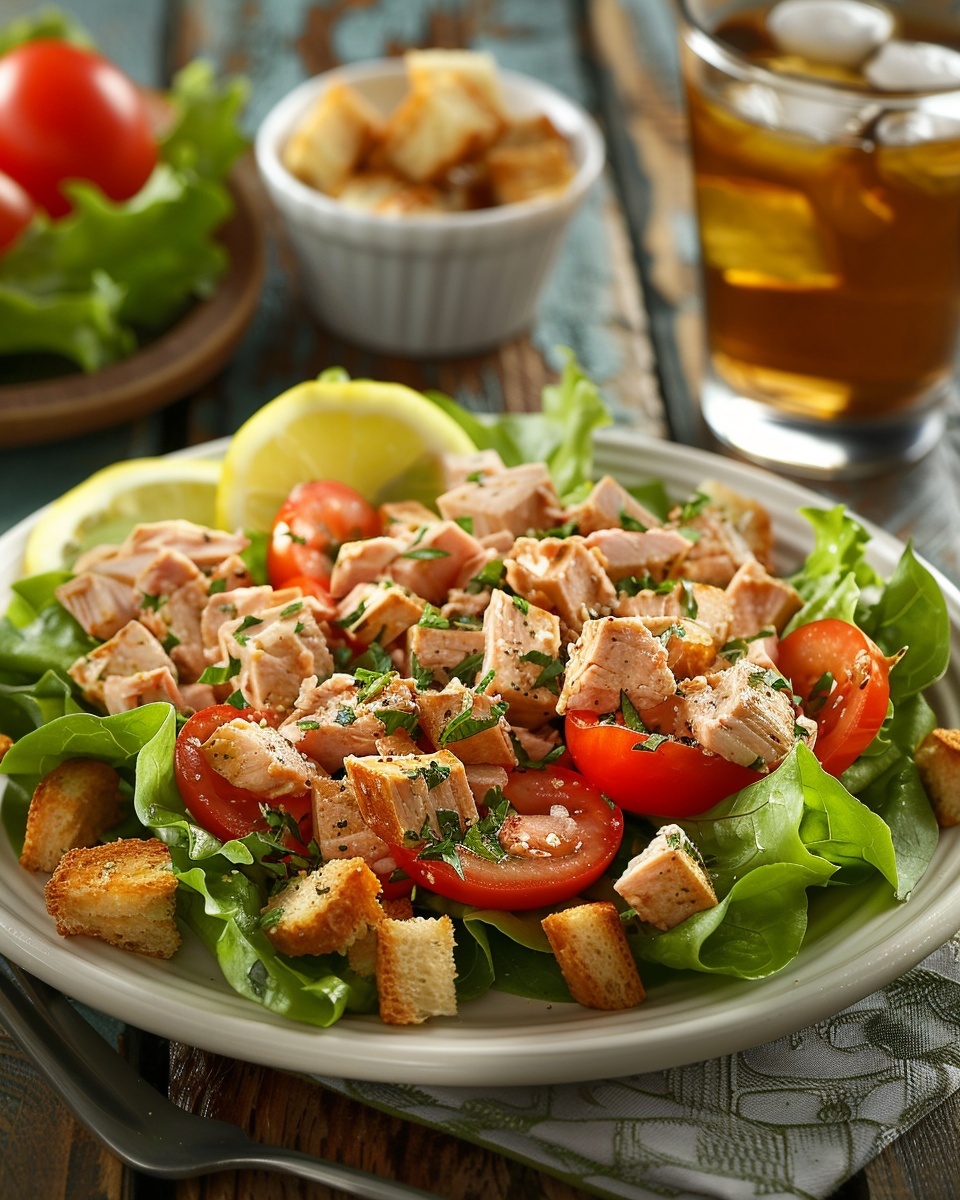
Why I Love Making Tuna Salad with Lettuce
Last Tuesday, I opened my fridge at noon and stared at the shelves for a good five minutes. I needed lunch, but I didn’t want anything heavy or complicated. That’s when I spotted a can of tuna and some crisp lettuce sitting in the crisper drawer. Twenty minutes later, I was eating one of the best tuna salads I’d made in months.
This happens to me more often than I’d like to admit. I get caught up in my day and forget to plan meals. But here’s the thing about tuna salad with lettuce—it’s become my favorite backup plan. It’s quick, it’s fresh, and it never feels like I’m settling for second best.
I started making this salad years ago when my Filipino neighbor shared her version with me. The tuna salad with lettuce pinoy style she made was different from what I’d grown up eating. It had more vegetables, a touch of sweetness, and way more personality. Since then, I’ve been hooked on creating different versions of this simple dish.
What makes this salad so special is how flexible it is. You can eat it straight from the bowl, stuff it into a sandwich, wrap it in lettuce leaves, or serve it at a party. I’ve brought it to potlucks, packed it for picnics, and eaten it alone while binge-watching my favorite shows. It works every single time.
The health benefits don’t hurt either. Tuna gives you protein and omega-3 fatty acids that your body needs. Lettuce adds fiber and keeps things light. When you make it at home, you control what goes in. No mystery ingredients or preservatives. Just real food that tastes good and makes you feel good.
Making this salad is incredibly easy. You don’t need cooking skills or fancy equipment. If you can open a can and chop some vegetables, you’re already qualified. I’ve taught my teenage niece how to make it, and now she makes it for herself after school. That’s how simple it is.
Ingredients for Tuna Salad with Lettuce
Let me walk you through what you’ll need for a basic tuna salad recipe. The beauty of this dish is that you probably have most of these items already sitting in your pantry and fridge.
The Essential Ingredients:
- Two cans of tuna in water or oil (I prefer water for a lighter taste)
- Fresh lettuce—romaine, iceberg, or butter lettuce all work great
- Mayonnaise for creaminess and binding
- Salt and pepper to taste
- A squeeze of lemon juice for brightness
That’s the foundation. But here’s where it gets fun. You can take this basic recipe and make it your own.
For a lettuce salad with century tuna, I often use Century Tuna Flakes in Oil. Many Filipino home cooks swear by this brand because it has great flavor and texture. The oil-packed version adds richness that water-packed tuna sometimes lacks. If you’re making a century tuna salad, this brand brings authentic taste that reminds me of my neighbor’s cooking.
Popular Additions and Variations:
- Cherry tomatoes or diced regular tomatoes for a tuna salad with lettuce and tomato
- Cucumbers add crunch and freshness to your tuna salad with lettuce and cucumber
- Red onions give a sharp, savory bite
- Hard-boiled eggs make it more filling
- Sweet corn adds a touch of sweetness
- Celery brings extra crunch
- Bell peppers contribute color and vitamins
- Green peas for a century tuna vegetable salad
- Carrots, either shredded or diced small
I can’t stress this enough—use fresh, high-quality ingredients. The salad is only as good as what you put in it. Wilted lettuce will make the whole thing sad and limp. Old mayo tastes off. Cheap tuna can be mushy and bland.
When I buy lettuce, I look for leaves that are crisp and bright green. I avoid any that have brown edges or feel slimy. For tuna, I check the expiration date and give the can a gentle shake. You shouldn’t hear too much liquid sloshing around.
Fresh vegetables make a huge difference. I buy tomatoes that are firm and smell sweet. Cucumbers should be hard, not soft. If you’re adding onions, go for ones that feel heavy and solid. These small choices add up to a much better final dish.
How to Make an Easy Tuna Salad with Lettuce
Now let’s make this happen. I’m going to share my basic method for creating an easy tuna salad with lettuce that you can have ready in under 15 minutes.
Step 1: Prepare Your Lettuce
Wash your lettuce thoroughly under cold water. I’ve found dirt and grit hiding in lettuce more times than I care to count. After washing, dry it completely. Wet lettuce will make your salad watery and dilute the mayo.
I use a salad spinner, but paper towels work fine too. For a tuna salad with shredded lettuce, chop or tear the leaves into bite-sized pieces. Some people prefer bigger chunks. I like mine smaller because it mixes better with the tuna.
Step 2: Drain and Prep Your Tuna
Open your tuna cans and drain them well. Press down gently with a fork to squeeze out excess liquid. This step matters more than you think. Too much liquid makes the salad soupy and unpleasant.
Transfer the tuna to a mixing bowl. Use a fork to flake it apart. You want it broken into small pieces, not big chunks. This helps it mix evenly with the other ingredients.
Step 3: Add Your Mayo
Here’s where people often go wrong. Too little mayo and the salad is dry. Too much and it becomes a gloppy mess. For a tuna salad with lettuce and mayo, I start with two tablespoons per can of tuna. You can always add more, but you can’t take it away.
Mix the mayo with the tuna first, before adding anything else. This creates a good base. Look at the consistency. It should hold together when you scoop it, but not look overly wet or shiny.
Step 4: Season and Mix
Add salt, pepper, and a squeeze of lemon juice. The lemon brightens everything up and cuts through the richness of the mayo. Start with a pinch of salt and a few grinds of pepper. Taste it. Adjust if needed.
If you’re adding vegetables like tomatoes, cucumbers, onions, or corn, this is the time. Fold them in gently. Don’t overmix or you’ll bruise the vegetables and make everything mushy.
Step 5: Combine with Lettuce
You have two options here. You can mix the lettuce directly into the tuna mixture, or you can serve the tuna on top of a bed of lettuce. I do both depending on my mood.
When I mix them together, I add the lettuce last and toss gently. The goal is to coat the lettuce without making it soggy. When I serve it on top, I arrange the lettuce on a plate and scoop the tuna mixture over it. Both ways taste great.
Pro Tips I’ve Learned:
- Let the tuna mixture sit for five minutes before serving. The flavors blend better.
- If you’re meal prepping, keep the lettuce separate until you’re ready to eat.
- Add a tiny bit of mustard for extra flavor depth.
- Try Greek yogurt instead of some of the mayo for a healthier version.
- Chill your salad for 30 minutes before eating on hot days.
The most common mistake I see people make is rushing. Take your time with each step. Drain that tuna well. Mix things properly. Taste as you go. These small efforts turn a basic salad into something you’ll actually crave.
Another mistake is using too much of everything. You don’t need a mountain of mayo or a ton of salt. Start small. You’re building flavors, not burying them. I learned this the hard way after making a batch that was so salty I couldn’t eat it.
Do you put lettuce in tuna salad? Absolutely. The lettuce adds freshness and crunch that balances the creamy tuna. It also makes the dish feel lighter and more satisfying. Without it, tuna salad can feel heavy and one-note.
This salad works for so many situations. I’ve eaten it for lunch at my desk, served it to friends on game night, and packed it for beach trips. It’s affordable, nutritious, and endlessly customizable. Once you get the basic method down, you can experiment with different additions and find your perfect version.


Variations and Creative Twists on Tuna Salad with Lettuce
Once you’ve mastered the basics, the real fun begins. I’ve spent years playing around with different versions of this salad, and I’m always surprised by how many directions you can take it. Some days I want something light and simple. Other days I’m craving bold flavors and lots of texture.
The tuna salad with shredded lettuce approach is my go-to when I want everything evenly distributed. I grab my sharpest knife and cut the lettuce into thin ribbons. This way, every bite has lettuce, tuna, and whatever vegetables I’ve thrown in. It’s less about presentation and more about getting all the flavors in one forkful. My sister prefers big chunks of lettuce because she likes the dramatic crunch, but I’m team shredded all the way.
Here’s the thing about the tuna salad with lettuce pinoy style—it opened my eyes to how much personality you can pack into such a simple dish. The Filipino version often includes ingredients I never would have thought to add. Sweet relish shows up frequently, giving it a tangy-sweet element that completely changes the flavor profile. Some versions have pineapple chunks, which sounds wild until you try it. The sweetness plays against the savory tuna in a way that just works.
I remember the first time my neighbor brought over her version for a backyard gathering. She’d added green peas, carrots, and a bit of sweetened condensed milk mixed into the mayo. I thought she was messing with me about the condensed milk, but one bite and I was converted. It wasn’t overly sweet—just enough to balance the acidity and create this rounded, complete flavor. Now I keep a small can in my pantry specifically for this purpose.
Another Pinoy twist involves using century tuna salad as a base and building from there. The brand itself has a distinct flavor that many Filipino families grew up with, so using it brings a certain authenticity. I’ve seen people add raisins, apples, and even grapes. The fruit additions might seem strange if you’re used to traditional American tuna salad, but they create this interesting contrast between creamy, crunchy, and juicy.
When I’m making a tuna salad with lettuce and cucumber, I like to salt the cucumber first. Sounds fussy, but hear me out. Cucumbers release water when they sit in salad, making everything soggy. If you dice them, sprinkle with salt, let them sit for ten minutes, then pat them dry, they keep their crunch without watering down your mayo. This little trick came from a cooking show I watched years ago, and it’s stuck with me ever since.
For a heartier meal, I’ll sometimes create what I call a century tuna vegetable salad by loading it up with everything colorful I can find. Red bell peppers, yellow corn, green peas, orange carrots, purple cabbage. It looks like a rainbow exploded in my bowl, and honestly, it makes me more excited to eat it. We eat with our eyes first, right? Same principle applies whether you’re making this salad or trying something fancy like garlic butter steak bites.
By the way, if you want to make your tuna salad with lettuce and tomato without it getting watery, use Roma tomatoes instead of regular ones. They have less juice and firmer flesh. I scoop out the seeds too, which is where most of the liquid hides. Takes an extra minute, but your salad stays fresh and crisp for hours instead of turning into soup.
Sometimes I’ll wrap my tuna salad in big lettuce leaves instead of mixing everything together. This works great if you’re watching carbs or just want something handheld and portable. Butter lettuce is perfect for this because the leaves are soft and pliable. I spoon the tuna mixture into the center, add some shredded carrots and cucumber, then fold it like a taco. It’s similar to how you might wrap a grilled chicken caesar wrap, but lighter and ready in half the time.
Funny enough, I’ve started adding ingredients inspired by completely different dishes. A handful of chopped fresh dill transforms the whole thing. So does a spoonful of capers or some finely diced pickles. I borrowed the pickle idea from a deli sandwich I had in New York, and now I can’t imagine my tuna salad without that briny bite. If you enjoy experimenting with sandwiches, you might also like trying a turkey avocado sandwich where similar flavor principles apply.
One variation I make for parties involves serving the tuna mixture in individual lettuce cups. I wash and separate iceberg or romaine leaves, arrange them on a platter, and let people fill their own. It’s interactive, looks fancy, and everyone can customize how much filling they want. Plus, no one’s fighting over who got more tomatoes or cucumbers.
Don’t be afraid to get weird with it. I’ve added everything from diced apples to sunflower seeds. Once I threw in some leftover quinoa to make it more filling, kind of like a mediterranean quinoa salad but with tuna. It worked surprisingly well and kept me full for hours. The point is, this salad is your canvas. If you think an ingredient might taste good, try it. Worst case, you learn what doesn’t work. Best case, you discover your new favorite combination.
Health Benefits and Nutritional Considerations
Let’s talk about why tuna salad with lettuce isn’t just delicious—it’s actually pretty good for you when you make smart choices. I started paying more attention to nutrition a few years back, and I was pleasantly surprised to learn how many benefits this simple meal offers.
Tuna is packed with protein, which your muscles need to repair and grow. A single can gives you around 20-25 grams of protein, depending on the brand and size. That’s roughly the same amount you’d get from a chicken breast. For someone like me who doesn’t always feel like cooking meat, this is huge. The protein keeps you full, which means you’re less likely to raid the snack cabinet an hour later.
Then there’s the omega-3 fatty acids. These are the good fats that support heart health, reduce inflammation, and help your brain function properly. Tuna is one of the best sources of omega-3s you can get without eating salmon or taking supplements. I noticed that when I eat tuna regularly, my joints feel better and my mood seems more stable. Could be coincidence, but I’ll take it.
Lettuce doesn’t get enough credit. Sure, it’s mostly water, but it also provides fiber, vitamins A and K, and antioxidants. The fiber helps with digestion and keeps things moving, if you know what I mean. Different lettuces offer different benefits—romaine has more nutrients than iceberg, but both are better than no vegetables at all.
Now, about the question I get asked a lot: Is tuna salad ok for high blood pressure? The answer depends on how you make it. Tuna itself is fine for people managing blood pressure because it’s low in saturated fat and high in omega-3s, which can actually help lower blood pressure. The problem comes from what you add to it.
Regular mayo is loaded with sodium, and too much salt raises blood pressure. Canned tuna also contains sodium, especially if you buy the kind packed in brine instead of water. If you’re watching your blood pressure, check the labels carefully. Look for low-sodium or no-salt-added tuna. It exists, and honestly, I can barely taste the difference once I’ve added my other ingredients.
For the mayo situation, you have options. Light mayo has less fat and often less sodium than regular. Greek yogurt mixed with a little olive oil can replace mayo entirely and actually adds probiotics and extra protein. I do half mayo, half Greek yogurt in mine now, and it tastes creamy and tangy without the guilt. You could also use mashed avocado as a binder, which gives you healthy fats and a completely different flavor profile.
Adding more vegetables automatically makes your salad healthier. More veggies mean more vitamins, minerals, and fiber. They also add volume without adding many calories, so you feel satisfied with a reasonable portion. When I load mine up with cucumbers, tomatoes, bell peppers, and onions, I’m getting antioxidants and nutrients I might not get elsewhere in my day.
If you’re concerned about mercury in tuna, which is a valid worry, consider how often you’re eating it. Health experts generally say two to three servings of tuna per week is safe for most adults. Pregnant women and young children should eat less. I rotate my protein sources throughout the week—tuna one day, eggs another, chicken or beans on others. This way I’m not overdoing it on any one thing.
Want to make your salad even healthier? Skip the white bread if you’re making a sandwich and use whole grain instead. Or ditch the bread entirely and serve it over mixed greens. Add nuts or seeds for extra crunch and healthy fats. Swap out some of the mayo for hummus. These small changes add up over time.
The beauty of making your own tuna salad recipe at home is complete control over ingredients. Restaurant versions are often drowning in mayo and loaded with hidden sugars and preservatives. When you make it yourself, you know exactly what’s going in. You can adjust portions, reduce sodium, increase vegetables, and create something that fits your specific health needs.
I’m not saying tuna salad is a superfood or a miracle diet solution. But it’s a solid choice for a quick meal that offers real nutrition without much effort. Compared to grabbing fast food or eating processed snacks, this salad wins every time. It gives you energy, keeps you full, and doesn’t leave you feeling sluggish an hour later.
The key is balance and common sense. Don’t eat it every single day. Don’t drown it in mayo. Do add plenty of vegetables. Do choose quality ingredients. Listen to your body and adjust based on how you feel. That’s the approach I take with most of my eating, and it’s served me well so far.


Common Mistakes to Avoid When Making Tuna Salad with Lettuce
I’ve messed up tuna salad more times than I’d like to admit. There was the time I added so much mayo that it looked like soup. Then the batch where I forgot to drain the tuna properly and ended up with a watery mess. And don’t even get me started on the day I let it sit too long before serving and the lettuce turned into brown mush. These mistakes taught me what not to do, and I want to save you from the same headaches.
The biggest mistake I see people make is drowning their tuna salad with lettuce and mayo in way too much mayo. I get it—mayo makes things creamy and delicious. But there’s a line between creamy and gloppy. When you add too much, you can’t taste the tuna anymore. It becomes this weird mayo vehicle with fish bits floating around. Start with less than you think you need. You can always add a bit more after tasting, but you can’t scoop it back out once it’s mixed in.
Another common problem is not draining the tuna well enough. Those cans hold more liquid than you realize. If you just pop the lid and dump the tuna straight into your bowl, all that water or oil comes with it. Your salad ends up soupy and the flavors get diluted. I press down on the tuna with the lid or use a fork to really squeeze out every drop. Takes an extra thirty seconds, but it makes a world of difference in texture and taste.
Overmixing is sneaky because it seems like you’re doing something right. You want everything combined, so you stir and stir. But here’s what happens—the tuna breaks down into mush, the vegetables get bruised and release water, and the lettuce wilts before you even serve it. Once I started mixing gently with a light hand, my salads stayed fresher and prettier. Fold ingredients together instead of beating them to death.
Using old or low-quality ingredients will sabotage even the best technique. I learned this the hard way when I tried to save money by buying the cheapest tuna at the store. It tasted metallic and had a weird texture. Same with wilted lettuce or mayo that’s been sitting in the fridge for six months. Fresh ingredients aren’t that much more expensive, and the difference in taste is huge. Check expiration dates. Smell things before you add them. Trust your instincts.
Timing matters more than people think. If you mix your lettuce into the tuna salad with shredded lettuce hours before eating, it’ll wilt and get soggy. The mayo and salt pull moisture out of the lettuce, turning it limp and sad. I keep my lettuce separate until right before serving. If I’m meal prepping, I pack the tuna mixture in one container and the lettuce in another, then combine them at lunchtime. Keeps everything crisp and fresh.
Not seasoning properly is a mistake I made constantly when I first started cooking. I’d make the whole salad, taste it, and think something was off but couldn’t figure out what. Usually it was salt. Tuna needs salt to bring out its flavor. A squeeze of lemon or a dash of pepper can transform bland into amazing. Season in layers—add a little salt to the tuna, taste, add more if needed. Don’t just dump it all in at once and hope for the best.
Some people make the mistake of treating all lettuce the same. Different types have different textures and water contents. Iceberg is crunchy but doesn’t have much flavor. Romaine holds up better over time. Butter lettuce is delicate and wilts quickly. Arugula adds a peppery kick but can be overpowering. Match your lettuce to how you’re serving the salad. For a century tuna vegetable salad that needs to sit at a party, I’d choose romaine. For something I’m eating immediately, butter lettuce works great.
Here’s something nobody talks about—temperature. If your ingredients are too warm, especially the mayo, your salad won’t hold together properly and could even become unsafe to eat if it sits out too long. I keep my tuna and mayo refrigerated until I’m ready to use them. If it’s a hot day or I’m bringing the salad somewhere, I pack it in a cooler with ice packs. Food safety isn’t sexy, but it beats getting sick.
Adding ingredients at the wrong time causes problems too. If you add tomatoes or cucumbers to your tuna salad with lettuce and tomato way ahead of time, they release moisture and make everything watery. I dice these vegetables fresh right before mixing. If I’m prepping in advance, I keep them separate. Same goes for any fruit like apples or grapes—add them last minute for maximum crunch.
Not tasting as you go is amateur hour. I used to make the whole thing, serve it, then realize it needed more salt or lemon or something. Now I taste after each major addition. After mixing the tuna and mayo, I taste. After adding vegetables, I taste again. This way I can adjust before it’s too late. Your taste buds are your best tool in the kitchen.
Using too much onion ruins tuna salad faster than almost anything else. Raw onion is strong, and a little goes a long way. I once added half a large onion to a batch thinking more flavor was better. The onion completely overpowered everything else. Now I use maybe a quarter of a small onion, diced fine. If you’re sensitive to onion, soak the diced pieces in cold water for ten minutes before adding them. It mellows the harsh bite.
Skipping the acid is a mistake that leaves your salad tasting flat. Lemon juice, vinegar, or even a bit of pickle juice brightens all the flavors and cuts through the richness of the mayo. Without it, the salad feels heavy and one-dimensional. Just a tablespoon or two transforms everything. I keep a lemon in my fridge specifically for this purpose.
By the way, storing the salad incorrectly leads to disappointment later. If you leave it uncovered in the fridge, it’ll absorb other food smells and dry out. I always use an airtight container. And I never leave it at room temperature for more than two hours. Mayo-based salads can grow bacteria quickly in warm conditions. Better safe than sorry.
What are the common mistakes when making tuna salad? To sum it up: too much mayo, not draining the tuna, overmixing, using poor ingredients, adding lettuce too early, underseasoning, ignoring lettuce types, wrong temperatures, bad timing on wet ingredients, not tasting, too much onion, skipping acid, and improper storage. Avoid these and your easy tuna salad with lettuce will turn out great every single time.
One more thing I’ve learned—don’t be afraid to experiment, but understand the basics first. Once you know how to make a solid, classic version, then start getting creative. Add weird ingredients. Try different dressings. Mix in unexpected vegetables. But get the foundation right before you start building. It’s like learning to play an instrument—master the scales before you try to improvise jazz.
When you’re making thoughtful decisions about your ingredients and how you prepare them, you’re also making ethical food choices that support both your health and responsible food practices. Choosing quality tuna from sustainable sources, fresh local vegetables when possible, and preparing meals at home instead of relying on processed foods all add up to better eating habits overall.
If you’re looking for more ideas on simple, satisfying meals you can throw together without much fuss, check out other options in our lunch section where you’ll find plenty of inspiration for quick midday meals that actually taste good.
Frequently Asked Questions About Tuna Salad with Lettuce
Do you put lettuce in tuna salad?
Absolutely, and it makes the whole dish better. Lettuce adds crunch, freshness, and lightness that balances the creamy tuna. Without it, tuna salad can feel heavy and monotonous. You can mix shredded lettuce directly into the salad or serve the tuna on top of lettuce leaves. Both methods work great depending on your preference and how you’re planning to eat it.
What’s in Matthew McConaughey tuna salad?
Matthew McConaughey apparently makes his tuna salad with some unexpected ingredients that give it a Texas twist. From what I’ve read, he includes things like jalapeños for heat, pickles for tanginess, and sometimes avocado for creaminess. He keeps it simple but flavorful, much like his laid-back personality. It’s a reminder that you can make tuna salad your own by adding ingredients that reflect your personal taste. His version sounds like it has more kick than the traditional recipe, which I’d definitely try.
Is tuna salad ok for high blood pressure?
Tuna salad can be fine for people with high blood pressure if you make it carefully. Choose low-sodium or no-salt-added tuna and use light mayo or Greek yogurt instead of regular mayo. Skip adding extra salt and rely on herbs, lemon juice, and pepper for flavor instead. The omega-3 fatty acids in tuna actually support heart health and may help lower blood pressure over time. Just watch your sodium intake and control your portions, and it can fit into a heart-healthy diet.
What are the common mistakes when making tuna salad?
The most common mistakes include using too much mayo, not draining the tuna properly, overmixing the ingredients, and adding lettuce too early which makes it soggy. People also often underseason their salad or skip the acid like lemon juice that brightens everything up. Using old or low-quality ingredients sabotages the final result. Another mistake is not tasting as you go, which means you can’t adjust flavors before serving. Avoid these pitfalls and your salad will be much better.
Can I make tuna salad ahead of time?
You can prepare the tuna mixture ahead of time and store it in an airtight container in the fridge for up to two days. However, don’t add the lettuce until you’re ready to serve. Lettuce wilts and gets soggy when mixed with mayo-based salads and left to sit. If you’re meal prepping, pack the tuna mixture and lettuce separately, then combine them right before eating. This keeps everything fresh and crisp.
What type of lettuce works best for tuna salad?
Romaine lettuce is my favorite because it’s crunchy, holds up well, and has more nutrients than iceberg. Iceberg works too if you like a milder flavor and classic crunch. Butter lettuce is great for wraps because the leaves are soft and flexible. Arugula adds a peppery bite but can overpower mild tuna. Mix different types if you want varied textures and flavors in your salad.
How long does tuna salad with lettuce last in the fridge?
If you keep the lettuce separate from the tuna mixture, the tuna part will last about two to three days in the fridge. Once you mix the lettuce in, eat it within a few hours because it wilts quickly. Always store your salad in an airtight container and keep it refrigerated. If it starts to smell off or look discolored, throw it out. Food safety comes first, always.
Can I use canned chicken instead of tuna?
Definitely. Canned chicken works almost exactly the same way as tuna in this type of salad. Drain it well, flake it with a fork, and mix it with mayo and your other ingredients just like you would with tuna. The flavor will be milder and less fishy, which some people actually prefer. It’s a great option if you want variety or if someone in your family doesn’t like tuna.
Is tuna salad good for weight loss?
Tuna salad can support weight loss if you make smart choices. Tuna is high in protein and low in calories, which keeps you full without adding a lot of fat. The problem is usually the mayo, which adds calories quickly. Use light mayo, Greek yogurt, or less mayo overall. Load up on vegetables to add volume and fiber without many calories. Serve it over lettuce instead of on bread to cut carbs. Made this way, it’s a filling, nutritious meal that won’t derail your goals.
What can I use instead of mayo in tuna salad?
Greek yogurt is my favorite mayo substitute because it’s creamy, tangy, and adds protein. Mashed avocado works well and provides healthy fats. Hummus gives a different flavor profile but binds everything nicely. Some people use cottage cheese blended smooth for a protein boost. You can also mix these alternatives with a small amount of mayo to get the flavor you’re used to while cutting calories and fat. Experiment to find what you like best.
Making a great tuna salad with lettuce really comes down to respecting your ingredients, avoiding those easy mistakes, and trusting your taste buds along the way. Once you find your rhythm with this simple dish, it becomes one of those reliable meals you can make without thinking—but one that still brings real satisfaction every time you eat it.
Ingredients
Equipment
Method
- Wash and dry the lettuce thoroughly.
- Open the tuna cans and drain the liquid well.
- Flake the tuna into a mixing bowl using a fork.
- Add mayonnaise to the tuna and mix until well combined.
- Season with salt, pepper, and lemon juice; adjust to taste.
- Fold in any additional vegetables if using (e.g., tomatoes, cucumbers).
- Combine the tuna mixture with the lettuce by either mixing them together or serving the tuna on top of the lettuce.