
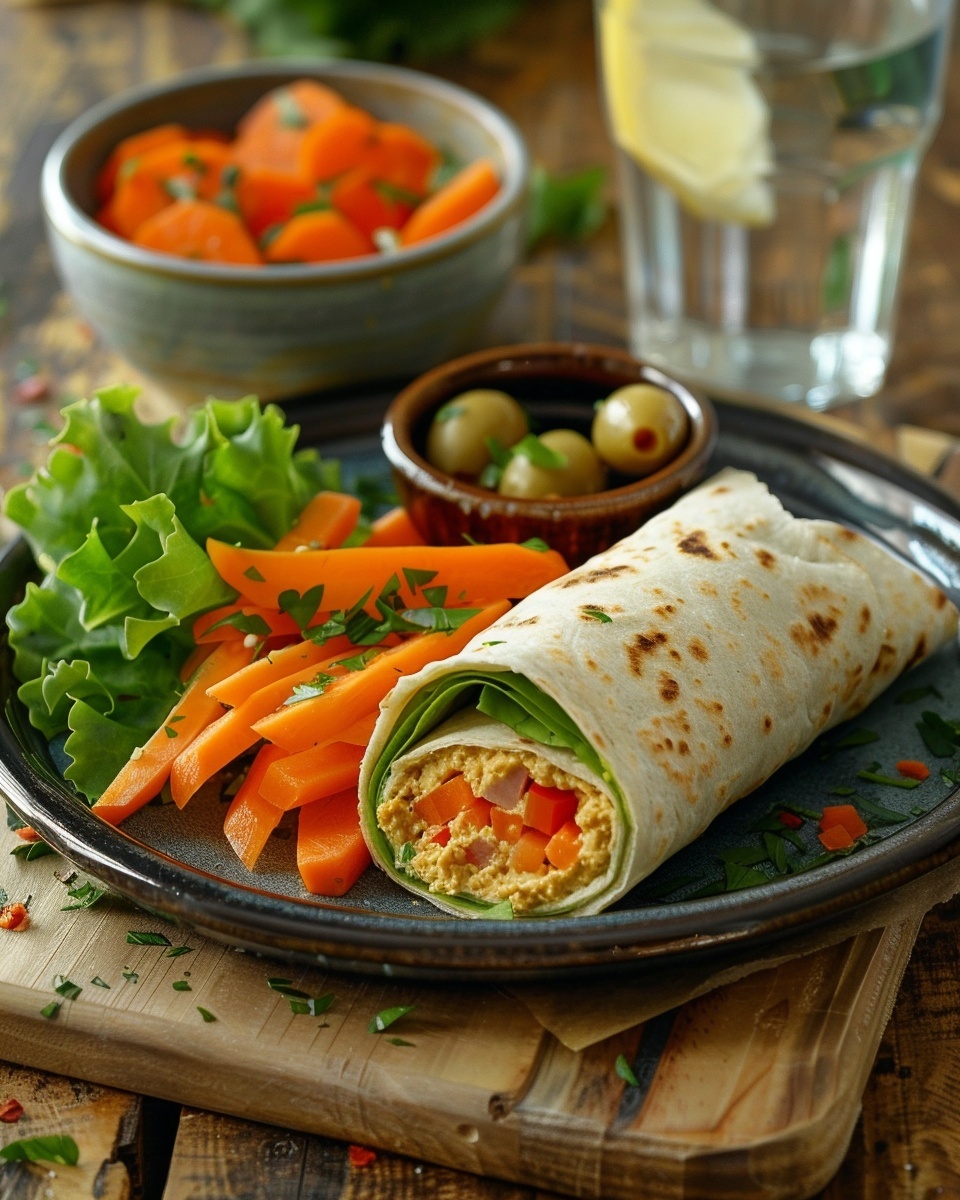
Why I Can’t Stop Making Hummus Veggie Wraps
Last Tuesday, I stood in front of my fridge at noon, staring at leftover vegetables and wondering what to make for lunch. I spotted a container of hummus, grabbed a tortilla, and threw together what became my new favorite meal. That simple hummus veggie wrap was so good that I’ve made it five times since. No joke.
The hummus veggie wrap has become my go-to lunch when I want something that tastes amazing but doesn’t leave me feeling heavy or sluggish. It’s fresh, crunchy, and packed with flavor. Plus, I can make one in less than five minutes, which is perfect for those days when I’m working from home and only have a short break.
What I love most about this meal is how flexible it is. You can use whatever vegetables you have on hand, switch up the type of hummus, or add protein if you want something more filling. Some days I keep it simple with just three ingredients. Other days I load it up with everything in my produce drawer.
I’m going to share everything I’ve learned about making the perfect hummus veggie wrap at home. You’ll get my favorite veggie combinations, tips for keeping your wrap from getting soggy, and ideas for taking this basic recipe in different directions. If you’re looking for a hummus veggie wrap near me, I’ll also help you know what to look for when ordering one.
What Veggies to Put in a Hummus Wrap?
The vegetables you choose make or break your wrap. I learned this the hard way after making a few sad, limp wraps with vegetables that just didn’t work well together. Now I know which veggies give you the best texture, flavor, and crunch.
The secret is mixing different types of vegetables. You want some that are crunchy, some that add moisture, and some that bring color and nutrition. A raw veggie hummus wrap works best when you think about texture first. Nobody wants a wrap that’s all soft or all watery.
Bell peppers are my number one choice. They’re sweet, crispy, and come in different colors that make your wrap look beautiful. I slice them into thin strips so they’re easy to bite through. Red and yellow peppers are sweeter than green ones, which is why I usually reach for those.
Cucumbers add a refreshing crunch that pairs perfectly with creamy hummus. I remove the seeds before slicing because they can make your wrap soggy. Persian cucumbers are even better since they have fewer seeds and stay crispy longer.
Spinach or mixed greens give you that leafy base without overpowering the other flavors. I prefer spinach because it’s milder than arugula and doesn’t wilt as fast as regular lettuce. A handful is usually enough.
Shredded carrots bring sweetness and a satisfying crunch. You can buy them pre-shredded to save time, or use a vegetable peeler to make long ribbons. The ribbons look fancier and have a better texture.
Red onion adds a sharp, tangy flavor that cuts through the richness of the hummus. I use it sparingly because raw onion can be strong. Thin slices work better than chunks.
Tomatoes are tricky. They’re delicious but watery. If you want to include them, use Roma tomatoes and remove the seeds and gel. Or skip fresh tomatoes and use sun-dried ones instead. They have concentrated flavor without the moisture problem.
Avocado makes your wrap more filling and adds healthy fats. Vegetarian wraps with avocado have become super popular, and for good reason. The creamy texture works beautifully with crunchy vegetables. I slice it thin so it doesn’t overpower everything else.
My Favorite Veggie Combinations
Here are the veggie wrap recipes I make most often. Each one has a different flavor profile, so you won’t get bored eating the same thing every day.
The Classic Mediterranean
- Red bell pepper strips
- Cucumber slices
- Spinach
- Red onion
- Kalamata olives
- Crumbled feta cheese (optional)
This is my standard simple hummus veggie wrap. It takes me back to the Greek salads I ate during a trip to Athens. The olives and feta add salty pops of flavor that make each bite interesting.
The Rainbow Crunch
- Yellow bell pepper
- Shredded purple cabbage
- Shredded carrots
- Cucumber
- Sprouts or microgreens
This one is all about color and texture. The cabbage adds an extra crunch that I really love. It’s also the prettiest wrap, which makes it perfect for meal prep when you want your lunch to look as good as it tastes.
The Garden Fresh
- Mixed greens
- Cherry tomatoes (seeded and halved)
- Cucumber ribbons
- Fresh basil leaves
- A drizzle of balsamic glaze
This version tastes like summer. The fresh basil makes a huge difference. Don’t skip it if you can help it.
Nutritional Benefits of Loading Up on Veggies
One reason I feel good about eating hummus wraps for lunch is the nutrition. You’re getting fiber from the vegetables and the hummus, protein from the chickpeas, and healthy fats if you add avocado.
Bell peppers are loaded with vitamin C. One medium pepper has more vitamin C than an orange. They also have vitamin A, which is good for your eyes and skin.
Cucumbers keep you hydrated since they’re about 95% water. They also have vitamin K and potassium. They’re low in calories but high in nutrients.
Spinach gives you iron, calcium, and vitamins A and K. It’s one of the most nutrient-dense foods you can eat. A handful in your wrap adds serious nutrition without changing the flavor much.
Carrots provide beta-carotene, which your body converts to vitamin A. They’re also good for your immune system and skin health.
The hummus veggie wrap calories depend on what you put inside, but a basic wrap with vegetables and two tablespoons of hummus is usually between 250 and 350 calories. That’s a solid lunch that will keep you full without weighing you down.
If you want more protein, you can add grilled chicken to make a chicken hummus wrap. That bumps up the calories but also makes it more filling. I do this when I know I’ll be active in the afternoon and need extra fuel.
Tips for Raw Veggie Success
Making a great raw veggie hummus wrap is about more than just throwing vegetables in a tortilla. Here’s what I’ve learned through trial and error.
First, dry your vegetables after washing them. Excess water makes everything soggy. I use a salad spinner for greens and pat other vegetables dry with a paper towel.
Second, slice your vegetables thin. Thick chunks are hard to bite through and can cause everything to fall out the other end. Thin slices fold better and distribute evenly.
Third, don’t overfill your wrap. I used to cram as many vegetables as possible into my tortilla. Then I’d struggle to roll it, and half the filling would fall out when I took a bite. Less is more. You want to be able to close your wrap properly.
Fourth, layer strategically. Spread hummus on the entire surface of your tortilla first. This acts as glue and keeps everything together. Then add your sturdiest vegetables first, followed by delicate greens on top.
If you’re buying a veggie hummus wrap from Trader Joe’s or another store, check how fresh it looks. The vegetables should be crisp and colorful, not wilted or brown.
You can also look at the hummus veggie wrap tropical smoothie recipe if you like their version. Many people try to recreate it at home because it has a special combination of vegetables and seasonings that make it unique.


How to Make the Perfect Simple Hummus Veggie Wrap at Home
Now that you know which vegetables work best, let me walk you through actually making one of these wraps. I promise it’s easier than you think.
Here’s what you need for one basic simple hummus veggie wrap:
One large tortilla or wrap – I prefer whole wheat or spinach wraps because they have more flavor and fiber than plain white ones. They should be soft and pliable, not stiff or cracked.
Three to four tablespoons of hummus – Any flavor works, though I usually stick with classic, roasted red pepper, or garlic. Store-bought is perfectly fine. I keep two containers in my fridge at all times.
One cup of mixed vegetables – Use any combination from the sections above. I measure loosely because I’m not making a science experiment here.
Optional additions – A drizzle of tahini, hot sauce, lemon juice, or a sprinkle of za’atar seasoning.
The process takes about three minutes once you have everything ready. First, lay your tortilla flat on a clean cutting board or plate. Some people warm their tortilla first, but I actually prefer it at room temperature for veggie wraps. Warming works better when you have hot ingredients.
Spread your hummus across the entire surface of the tortilla, leaving about an inch around the edges. This is important. The hummus acts like glue that holds everything together. I use the back of a spoon and make circular motions until it’s evenly distributed.
Next, arrange your vegetables in a line down the center of the tortilla. Think of it like you’re making a vegetable highway running horizontally across the middle. Start with your leafy greens as the base, then add your crunchier vegetables on top. This layering method prevents the wrap from falling apart.
Here’s where people often mess up. Don’t pile your vegetables too high. If your vegetable stack is taller than your thumb, you’ve added too much. Trust me on this.
To roll it, fold the bottom edge up and over the vegetables, tucking it tightly underneath them. Then fold in the sides like you’re wrapping a present. Finally, roll the whole thing away from you, keeping it tight as you go. The tighter you roll, the easier it is to eat.
If you’re taking it to work or eating it later, wrap it in parchment paper or aluminum foil. Cut it in half diagonally because diagonal cuts just taste better. I can’t explain why, but every sandwich shop does it for a reason.
Store-Bought Options When You’re in a Rush
Sometimes I don’t even want to spend three minutes making lunch. On those days, the veggie hummus wrap from Trader Joe’s saves me. Their version comes pre-made and stays fresh for a few days in the fridge.
What I like about the Trader Joe’s version is that they use their cilantro jalapeño hummus, which has more kick than regular hummus. The vegetables are always crisp, and they add this lemony tahini sauce that’s really good. It’s not exactly like my homemade version, but it’s convenient and costs about four dollars.
If you don’t have a Trader Joe’s nearby, most grocery stores now have pre-made veggie wraps in their deli section. Just check the date and make sure the vegetables look fresh. I also peek at the ingredient list to avoid wraps with too many preservatives or weird additives.
By the way, if you’re searching for a hummus veggie wrap near me, Mediterranean restaurants and health-focused cafes usually make the best ones. They understand how to balance the flavors and use quality ingredients. Chain smoothie places also make decent versions, though they tend to be pricier.
Making a Tropical Smoothie-Inspired Version
The hummus veggie wrap tropical smoothie recipe has its own fan base. People love that specific combination, and I’ve spent time figuring out what makes it different from a regular veggie wrap.
Their version includes a few ingredients I don’t always use. They add banana peppers for tang, which is genius. The pickled flavor cuts through the richness of the hummus in a way that fresh peppers don’t. They also use a specific cilantro hummus and add a little bit of balsamic vinaigrette.
To recreate it at home, use romaine lettuce instead of spinach, add sliced banana peppers from a jar, include diced tomatoes even though they’re watery, throw in some mozzarella cheese, and drizzle everything with balsamic vinegar before rolling.
I make this version when I’m craving something with more zing. It’s tangier and more interesting than my classic Mediterranean version. My husband actually prefers this one, even though I think it’s a bit too busy. But that’s the beauty of wraps – everyone can make them exactly how they like.
Understanding Hummus Veggie Wrap Calories
Let’s talk numbers because I know some of you are wondering about the hummus veggie wrap calories and whether this is actually a healthy lunch option.
A basic veggie wrap with a whole wheat tortilla, three tablespoons of hummus, and a cup of mixed vegetables comes in around 280 to 320 calories. That’s assuming you don’t add cheese, avocado, or extra sauces.
Here’s how it breaks down: The tortilla is usually 120 to 150 calories depending on the brand and size. Hummus adds about 100 to 120 calories for three tablespoons. The vegetables themselves are minimal, maybe 20 to 30 calories for a full cup of mixed veggies.
If you add half an avocado, you’re adding another 120 calories. Feta cheese adds about 75 calories per ounce. These additions make it more filling and satisfying, which might help you avoid snacking later.
Compare this to other typical lunch options. A turkey sandwich with mayo and cheese is usually 450 to 550 calories. A chicken pasta salad from a deli can easily hit 600 calories because of all the mayonnaise. Even a seemingly healthy tuna salad with lettuce can be 400 calories if it’s made with a lot of mayo.
What makes the hummus veggie wrap special isn’t just the calorie count. It’s the quality of those calories. You’re getting fiber from the vegetables and whole grain tortilla, which keeps you full longer. The chickpeas in hummus provide plant-based protein. The vegetables give you vitamins and minerals that your body actually needs.
Plus, you don’t get that afternoon crash that comes from eating something heavy or carb-loaded. I can eat a hummus wrap for lunch and still have energy for my 2 PM meeting. When I eat a big pasta dish or a burger, I want to nap by 3 PM.
Creative Ways to Use Hummus in Your Wraps
Someone once asked me, “Can you make a wrap out of hummus?” At first I thought they meant using hummus as a wrap itself, which would be messy and impossible. But then I realized they were asking about creative ways to incorporate hummus beyond just spreading it on a tortilla.
The answer is yes, you can get really creative. Here’s what I’ve tried that actually works.
You can thin out your hummus with a little lemon juice and olive oil to make a dressing that you drizzle over the vegetables instead of spreading it on the tortilla. This gives you more even distribution and less of that thick, pasty texture some people don’t like.
You can mix hummus with Greek yogurt to make it creamier and add more protein. This works especially well if you’re making a wrap that includes spicy elements. The yogurt cools everything down.
You can use two different flavors of hummus in one wrap. I sometimes spread classic hummus on one half of the tortilla and roasted red pepper hummus on the other half. Each bite tastes slightly different, which keeps things interesting.
Funny enough, hummus also works as a binding agent when you’re making wraps with other proteins. If I’m making a shrimp rice bowl with vegetables and have leftovers, I’ll sometimes wrap those leftovers in a tortilla with hummus. The hummus helps the rice stick together and adds extra flavor.
You can even use hummus as a dip on the side rather than inside the wrap. Roll up your vegetables in a plain tortilla, then cut the wrap into pinwheels and serve them with hummus for dipping. This works great for parties or when you’re making lunch for kids who like to dip their food.
Here’s the thing about hummus – it’s so versatile that you really can’t mess it up. I’ve put it in wraps alongside ingredients you wouldn’t expect, and it almost always works. I once had leftover components from a beef and veggie stir fry and wrapped them with hummus in a tortilla. It was weird but good.
The nutritional benefits stay consistent no matter how you use it. Hummus provides folate, iron, phosphorus, and B vitamins. It’s also anti-inflammatory because chickpeas contain compounds that help reduce inflammation in your body. When you eat hummus wraps for lunch regularly, you’re doing something genuinely good for yourself.
Don’t overthink it. The best wrap is the one you’ll actually make and eat. Start simple, experiment with what you like, and adjust from there. That’s exactly what I did, and now I genuinely look forward to lunch instead of just grabbing whatever’s fastest.


Vegetarian Wraps with Avocado and Other Creative Variations
Let me tell you about the day avocado changed my wrap game completely. I was making my usual Mediterranean version when I realized I had a perfectly ripe avocado sitting on my counter. I sliced half of it into the wrap, and honestly, it was like upgrading from regular cable to streaming. The creamy texture paired with the crispy vegetables created this amazing contrast that I hadn’t experienced before.
Vegetarian wraps with avocado have become their own category in my lunch rotation. The avocado adds healthy fats that make the meal more satisfying without adding much prep time. You’re still looking at under five minutes to make lunch, but now you’re getting that full, content feeling that lasts until dinner.
Here’s my favorite avocado-forward combination. I call it the California Dreaming wrap because it reminds me of the fresh, healthy food you find on the West Coast. Start with your tortilla, spread garlic hummus generously, then add sliced avocado, sprouts, shredded carrots, cucumber ribbons, and a handful of sunflower seeds for extra crunch. Drizzle with a tiny bit of sriracha if you like heat. The sunflower seeds add this nutty flavor and a satisfying crunch that takes everything up a level.
Another variation I make regularly is what I call the Protein-Packed version. This is still vegetarian but has way more staying power than a basic veggie wrap. Use a whole grain tortilla, spread your hummus, add sliced avocado, black beans that you’ve drained and rinsed, corn, diced bell peppers, and a sprinkle of pumpkin seeds. The beans and pumpkin seeds bump up the protein significantly. My sister, who works twelve-hour nursing shifts, swears by this version because it keeps her full through her entire afternoon.
The Spicy Southwest is perfect when you want something with more personality. Spread chipotle hummus on your tortilla, layer in sliced avocado, pickled jalapeños, red cabbage, cilantro, lime juice, and a few crushed tortilla chips for texture. Yes, chips in your wrap. It sounds weird but it’s incredible. The chips stay crunchy if you eat it right away, adding this unexpected element that makes lunch feel special.
By the way, if you’re concerned about keeping your avocado from turning brown, squeeze a little lemon juice over the slices before adding them to your wrap. The citric acid slows down oxidation. I learned this trick from my roommate who went to culinary school, and it actually works.
For people who want something sweeter, try the Harvest wrap. This one uses butternut squash hummus if you can find it, or regular hummus works too. Add sliced avocado, dried cranberries, chopped walnuts, mixed greens, and thinly sliced apples. The fruit might seem strange in a savory wrap, but the sweetness of the apple and cranberries balances the earthy hummus perfectly. I make this one a lot in fall when apples are at their best.
When You Want Protein: The Chicken Hummus Wrap
Not everyone wants a vegetarian lunch every day. I get it. Some days you need more protein, especially if you’re active or trying to build muscle. That’s when the chicken hummus wrap becomes your best friend.
I usually use leftover grilled chicken from dinner, which makes this super convenient. If you’re starting from scratch, season a chicken breast with salt, pepper, and garlic powder, then cook it in a skillet for about six minutes per side. Let it rest for five minutes before slicing. This resting step is important because it keeps the chicken juicy instead of dry.
The chicken version works with all the same vegetable combinations I mentioned earlier. My go-to is spreading garlic hummus on a whole wheat tortilla, adding sliced grilled chicken, cucumber, tomatoes, red onion, mixed greens, and a drizzle of tzatziki sauce on top of the hummus. It tastes like a chicken shawarma but takes a fraction of the time to make.
Another combination I love is the Buffalo chicken approach. Use plain hummus as your base, add sliced chicken that you’ve tossed in buffalo sauce, shredded carrots, celery sticks, and a little bit of blue cheese or ranch dressing. It satisfies that buffalo wing craving without the mess or the fryer.
If you’re watching calories but want chicken, skip the tortilla entirely and make a hummus chicken bowl instead. Layer your greens in a container, add your chicken and vegetables, then dollop hummus on top. Mix it all together when you’re ready to eat. This gives you all the flavors without the extra carbs from the wrap. When considering portion information for nutritional needs, this bowl approach can help you better control serving sizes while still enjoying all the components you love.
Finding Great Hummus Veggie Wraps When You’re Out
Sometimes you’re not near your kitchen, and you need to know where to find a good hummus veggie wrap near me. I’ve done the research through lots of trial and error, so let me save you from some disappointing lunches.
Mediterranean restaurants almost always nail it. They understand hummus. They know which vegetables work together. They don’t skimp on portions. Look for places that make their own hummus in-house. You can usually tell because they’ll advertise it. The hummus tastes fresher and has better texture than the store-bought stuff.
Tropical Smoothie Cafe makes a decent version if you’re near one. Their wrap includes hummus, that cilantro I mentioned earlier, banana peppers, and a balsamic drizzle. It’s about seven dollars depending on your location. Not cheap, but convenient when you’re traveling or running errands.
Panera has a Mediterranean veggie sandwich that’s similar to what we’re talking about, though it comes on bread instead of a wrap. You can ask them to put it in a wrap instead. Their staff is usually pretty accommodating about substitutions.
Local health food stores often have a deli section with pre-made wraps. These are hit or miss. Check the date, look at the vegetables through the plastic container, and avoid any that look wilted or brown around the edges. Fresh wraps should look vibrant and appealing.
Here’s the thing about ordering out – you can almost always customize. I’ve walked into sandwich shops that didn’t have a hummus wrap on their menu and just asked them to make one. Most places that have tortillas, hummus, and a vegetable bar can throw one together for you. Don’t be shy about asking.
Coffee shops are starting to offer healthier lunch options too. Starbucks has a veggie wrap, though it’s more of a breakfast wrap with egg whites. But many independent coffee shops now stock Mediterranean-style wraps made by local vendors. These are usually in the cold case near the pastries.
If you’re at an airport or train station, this gets trickier. Your best bet is looking for anything labeled Mediterranean or looking at salad bars where you can build your own. Some airports now have fresh food markets where you can assemble your own wrap situation from their ingredients.
One trick I use when I’m skeptical about where to eat is checking recent reviews on Google Maps or Yelp. Search for “fresh” or “vegetables” in the reviews to see what people say about the quality of produce. If multiple people mention wilted lettuce or soggy wraps, keep looking.
Tips for Meal Prepping Hummus Wraps
Here’s something I wish someone had told me earlier: you can meal prep these wraps, but you have to do it right or you’ll end up with a soggy mess by Wednesday.
The key is keeping wet and dry ingredients separate until you’re ready to eat. I prep all my vegetables on Sunday, store them in separate containers, and keep my tortillas and hummus in their original packaging. Then I assemble the wrap the morning I’m going to eat it, or even at my desk right before lunch.
If you absolutely must assemble them ahead of time, here’s what works. Spread hummus on your tortilla, but then add a layer of spinach leaves directly on the hummus before adding your other vegetables. The spinach creates a barrier that prevents moisture from other vegetables from making the tortilla soggy. Wrap it tightly in parchment paper, not plastic wrap. Parchment breathes a little, which helps prevent condensation.
Another approach is making what I call “wrap kits.” Put your tortillas in one container, hummus in a small container, and all your prepped vegetables in another container. Pack them all in a lunch bag with an ice pack. When lunchtime hits, you assemble it fresh. Takes maybe ninety seconds, and it tastes way better than a pre-made wrap.
For vegetables that brown easily like avocado or apple, prep those the morning you’re taking them. Cucumbers, peppers, and carrots can be prepped three or four days ahead without any issues. Keep them in airtight containers in the fridge.
I also keep a stash of individual hummus cups at work. Those little single-serve containers are perfect for making a wrap at your desk. Pair that with a bag of pre-washed spinach and whatever vegetables you brought from home, and you’re set.
Making It Work for Your Lifestyle
The beauty of hummus wraps for lunch is how well they adapt to different situations. When I’m working from home, I make them fresh and eat them immediately. When I’m going into the office, I use the wrap kit method. When I’m traveling, I know which chains I can trust to make a decent version.
If you’re feeding kids, let them build their own wraps. Set out all the ingredients buffet-style and let them choose what goes inside. My friend does this with her two daughters every Saturday, and they call it Wrap Day. The kids are way more likely to eat vegetables they picked themselves.
For people who think they don’t have time to make lunch, I challenge you to time yourself. Seriously, set a timer. From getting ingredients out of the fridge to wrapping up your finished product, you’re looking at three to four minutes max. That’s less time than standing in line at a drive-through.
These wraps also work great for potlucks or casual gatherings. Make a bunch of them, cut them in half diagonally, and arrange them on a platter. They look impressive but require minimal effort. I brought a platter to a work potluck last month, and they disappeared before the hot dishes even came out.
If you’re exploring more meal ideas that balance convenience with nutrition, check out other quick and satisfying options in our lunch recipes collection where you’ll find plenty of inspiration for keeping your midday meals interesting.
The reality is, once you get comfortable making these wraps, you’ll start seeing possibilities everywhere. Leftover roasted vegetables from dinner? Wrap them up with hummus. Random vegetables in your crisper drawer that need to be used? Wrap situation. That’s the freedom of having a flexible lunch template that works with whatever you have on hand.
I hope this gives you everything you need to make hummus veggie wraps a regular part of your life. They’ve genuinely made my lunches better, and I think they’ll do the same for you. Start with the simple versions, figure out what you like, then experiment from there. There’s really no wrong way to do this.
Frequently Asked Questions
What goes well with hummus on a wrap?
Besides the vegetables I’ve covered, hummus pairs wonderfully with pickled items like banana peppers, pickled onions, or even kimchi if you’re feeling adventurous. Fresh herbs like cilantro, parsley, or basil add brightness. Cheese works too – feta, mozzarella, or even sharp cheddar create interesting flavor combinations. Nuts and seeds like sunflower seeds, pumpkin seeds, or crushed almonds add texture and healthy fats. The key is balancing creamy, crunchy, and bright flavors so each bite stays interesting.
Which vegetables go best with hummus?
Bell peppers, cucumbers, and carrots are my top three because they stay crisp and don’t make the wrap soggy. Leafy greens like spinach and romaine provide a fresh base without overpowering the hummus. Red onion adds sharpness, while sprouts or microgreens bring a delicate crunch. Roasted vegetables like eggplant, zucchini, or sweet potato work if you’re making a warm wrap. Avoid super watery vegetables like regular tomatoes unless you remove the seeds first. The best vegetables are ones that offer contrasting textures to the creamy hummus.
Can you make a wrap out of hummus?
You can’t literally make a wrap out of hummus since it’s too soft to hold shape on its own. However, you can use hummus creatively in several ways beyond just spreading it on a tortilla. Try thinning it with lemon juice to make a dressing, mixing it with Greek yogurt for extra creaminess, or using it as a dip alongside your wrap. You can also stuff vegetables like bell pepper halves with hummus and other fillings for a different take on the concept. Some people make hummus-based flatbreads by mixing chickpea flour with hummus, but that’s getting into more complex cooking territory.
How do you keep a hummus veggie wrap from getting soggy?
Dry all your vegetables thoroughly after washing them, especially leafy greens. Use a salad spinner or pat them dry with paper towels. Spread hummus on the entire tortilla surface to create a moisture barrier. Add a layer of sturdy greens like spinach directly on the hummus before adding wetter vegetables. Remove seeds from cucumbers and tomatoes since that’s where most moisture hides. If you’re making wraps ahead of time, wrap them in parchment paper instead of plastic wrap, and keep wet ingredients separate until you’re ready to eat. These steps will keep your wrap crisp and fresh.
What’s the best tortilla to use for hummus veggie wraps?
Whole wheat tortillas are my favorite because they have more flavor and fiber than white flour versions. They’re sturdy enough to hold lots of vegetables without tearing. Spinach or tomato-flavored wraps add extra color and subtle flavor. Make sure your tortilla is fresh and pliable, not stiff or cracked around the edges. Large burrito-size tortillas work better than small fajita-size ones because they’re easier to roll tightly. If you’re gluten-free, look for cassava or almond flour tortillas, though they’re usually more delicate and require gentler handling when rolling.
How long do homemade hummus wraps last in the fridge?
If you’ve already assembled the wrap, eat it within 24 hours for best quality. After that, the vegetables start releasing moisture and the tortilla gets soggy. If you keep the components separate, the prepped vegetables last three to four days in airtight containers. Hummus stays fresh for about a week after opening. Tortillas last until their package date if stored properly. For meal prep, I recommend the wrap kit method where you keep everything separate and assemble fresh each day. This way you get the convenience of prep work without sacrificing texture or taste.
Can I freeze hummus veggie wraps?
I don’t recommend freezing wraps with fresh vegetables because they’ll be watery and limp when thawed. The high water content in cucumbers, lettuce, and tomatoes doesn’t freeze well. If you absolutely must freeze wraps, use only heartier ingredients like roasted vegetables, grains, and beans with hummus, and skip fresh raw vegetables entirely. Wrap them individually in plastic wrap, then foil, and eat within a month. Let them thaw overnight in the fridge, not on the counter. Honestly though, these wraps are so quick to make that freezing doesn’t make much sense.
What can I add to make my hummus wrap more filling?
Adding avocado immediately makes any wrap more satisfying because of the healthy fats. Grilled chicken or chickpeas boost protein significantly. Quinoa or brown rice add substance and make it feel like a proper meal. Beans like black beans or white beans pair well with hummus and provide both protein and fiber. Cheese adds richness and protein. Seeds and nuts contribute healthy fats and stay crunchy. If you’re keeping it vegetarian, the combination of hummus, avocado, and chickpeas gives you a protein-packed lunch that will keep you full for hours.
Are hummus veggie wraps good for weight loss?
They can be part of a weight loss plan because they’re naturally lower in calories while being high in fiber and nutrients. The fiber from vegetables and whole grain tortillas keeps you full longer, which helps prevent snacking. Hummus provides protein that supports satiety. A basic veggie wrap runs about 280 to 320 calories, which is reasonable for lunch. The key is watching portion sizes of calorie-dense additions like avocado, cheese, and extra hummus. Focus on loading up with vegetables, which add volume and nutrients without many calories. They’re definitely better than most fast food options for weight management.
What’s the difference between a hummus wrap and a falafel wrap?
A hummus wrap uses hummus as the main protein and flavor component, paired with fresh vegetables. A falafel wrap includes fried chickpea patties called falafel as the protein, often with hummus or tahini sauce as a condiment. Falafel wraps are significantly higher in calories because the falafel is deep-fried, usually adding 150 to 200 extra calories compared to a veggie-only hummus wrap. Both are delicious and Mediterranean-inspired, but the hummus wrap is lighter and quicker to make at home since you don’t need to fry anything. If you want the falafel experience without the work, some people add store-bought falafel to their hummus wraps for the best of both worlds.
Making these wraps part of your routine doesn’t require perfection or fancy ingredients – just start with what you have, keep it simple, and let your taste preferences guide you toward combinations you’ll actually look forward to eating.
Ingredients
Equipment
Method
- Lay your tortilla flat on a clean cutting board or plate.
- Spread hummus across the entire surface of the tortilla, leaving about an inch around the edges.
- Arrange your vegetables in a line down the center of the tortilla, starting with leafy greens, then adding crunchier vegetables on top.
- Do not overfill; keep vegetable height to no taller than your thumb.
- Fold the bottom edge of the tortilla over the vegetables, tucking it tightly underneath.
- Fold in the sides and roll the tortilla away from you tightly to secure the filling.
- If taking the wrap for later, wrap it in parchment paper or aluminum foil and slice in half diagonally.