
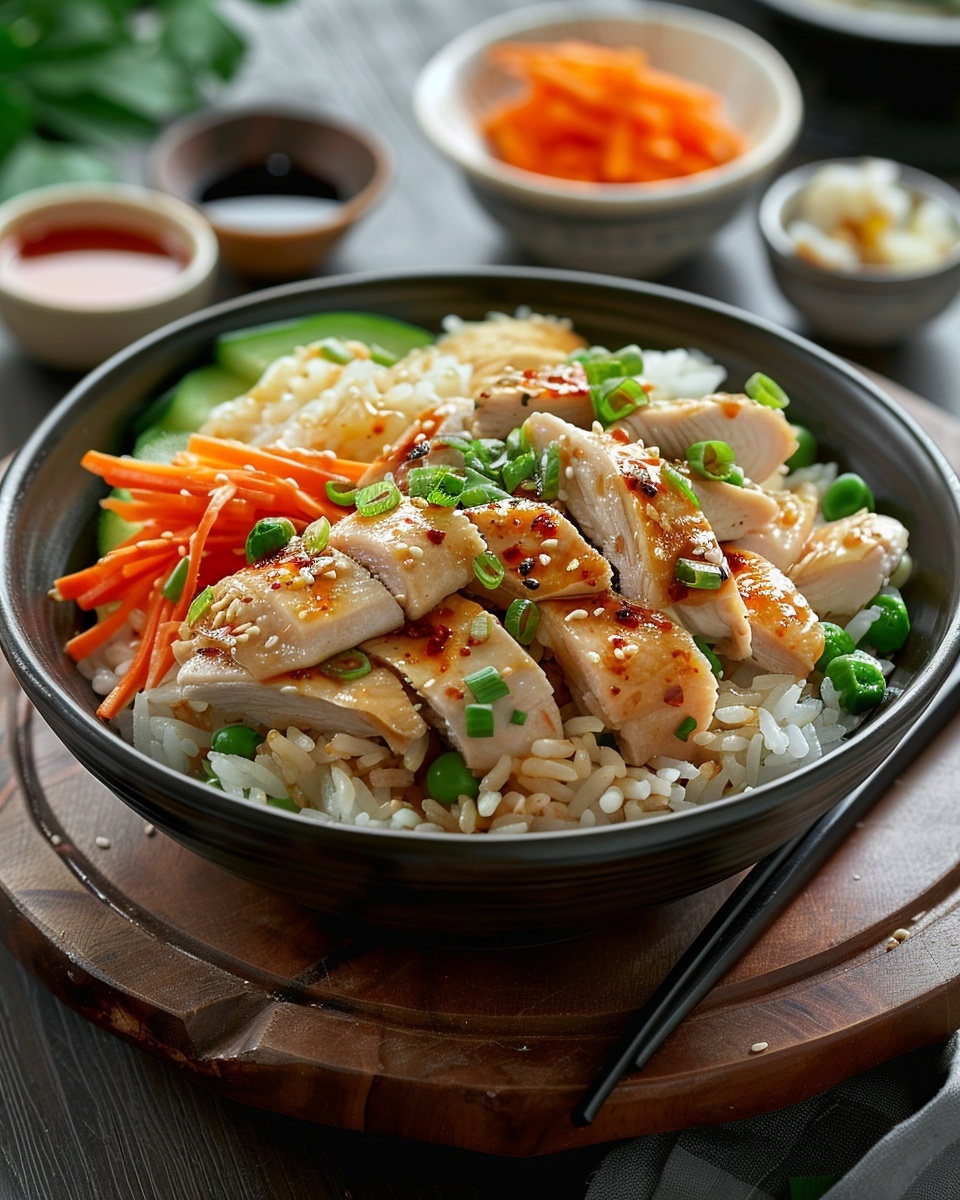
Last Tuesday, I stood in my kitchen staring at leftover chicken, half a bag of rice, and some sad-looking broccoli in my fridge. I was tired, hungry, and tempted to order takeout for the third time that week. But something clicked. I threw everything into one bowl, added a few simple seasonings, and ended up with the most satisfying meal I’d eaten in days. That moment reminded me why the chicken rice bowl with veggies has become my go-to dinner when life gets busy.
This simple meal has saved me countless times. It’s quick to make, actually tastes good, and keeps me full for hours. Better yet, it checks all the boxes for what our bodies need without requiring a nutrition degree to figure out.
In this guide, I’ll walk you through everything you need to know about making the perfect chicken rice bowl. We’ll look at why this combination works so well, how to avoid the mistakes that make it bland or boring, and the real benefits you get from eating it regularly. Whether you’re meal prepping for the week or just need dinner on the table fast, this dish delivers.
Why a Chicken Rice Bowl with Veggies is a Great Meal
Let me answer the question I get asked all the time: is chicken, rice, and veggies a good meal? The short answer is absolutely yes. The longer answer is even better.
This combination isn’t just good because it’s easy to make. It actually gives your body exactly what it needs to function well. You’re getting three essential food groups in one bowl, which means you don’t have to overthink your nutrition or worry about missing something important.
Chicken brings high-quality protein to the table. Your body uses this protein to build and repair muscle, keep your immune system strong, and maintain healthy skin and hair. A typical serving of chicken breast gives you about 25-30 grams of protein with very little fat. That’s a solid foundation for any meal.
Rice provides the carbohydrates your body runs on. I know carbs get a bad reputation sometimes, but they’re actually your body’s preferred energy source. Your brain alone uses about 20% of your daily carb intake just to function properly. Rice also digests easily and doesn’t upset most people’s stomachs. Brown rice adds extra fiber and nutrients, while white rice works great when you need quick energy.
The vegetables complete the picture by adding fiber, vitamins, and minerals. Fiber keeps your digestive system running smoothly and helps you feel full longer. The vitamins and minerals support everything from your eyesight to your bone health. Each vegetable brings something different to the mix.
Here’s what makes this meal truly complete:
- Protein from chicken keeps you satisfied and supports muscle health
- Complex carbs from rice provide steady energy without crashes
- Fiber from vegetables aids digestion and helps control appetite
- Vitamins and minerals from all three components support overall health
- Low in processed ingredients when made at home
The balance matters here. Each part of the meal serves a purpose. When you eat just protein, you might feel satisfied but low on energy. When you eat just carbs, you get a quick boost that fades fast. When you combine all three, your blood sugar stays steady and your energy lasts.
I’ve noticed this myself during my workday. When I eat a proper chicken rice bowl for lunch, I don’t hit that 3 PM slump that used to send me running for coffee and snacks. My energy stays level, and I actually feel satisfied until dinner.
Another benefit I love is how adaptable this meal is. You can adjust the portions based on your goals. Need more energy for an active day? Add more rice. Trying to build muscle? Increase the chicken portion. Want to feel fuller with fewer calories? Load up on the vegetables. The basic formula stays the same, but you can tweak it to match what your body needs.
The nutritional profile looks impressive when you break it down. A typical chicken rice bowl with veggies contains:
- Around 400-600 calories depending on portions
- 30-40 grams of protein
- 40-60 grams of carbohydrates
- 5-10 grams of healthy fats
- 5-8 grams of fiber
- Significant amounts of vitamins A, C, K, and B vitamins
- Important minerals like iron, potassium, and magnesium
People often ask me: will I lose weight eating chicken, rice, and vegetables? The answer depends on your overall calorie intake and activity level. This meal can definitely support weight loss because it’s nutrient-dense without being calorie-heavy. You get a lot of food volume and nutrition for a reasonable number of calories.
The high protein content helps preserve muscle while you lose fat. The fiber keeps you feeling full so you’re less likely to snack on junk food later. The steady energy from complex carbs means you won’t experience the hunger crashes that sabotage many diets.
I’ve maintained my weight easily by eating this meal regularly because it prevents overeating. When your body gets proper nutrition, those random cravings for chips or sweets happen less often. You feel genuinely satisfied instead of just stuffed.
The combination also works well for people with different dietary needs. It’s naturally gluten-free if you stick with plain rice. It’s dairy-free unless you add cheese on top. It’s low in saturated fat. It doesn’t contain common allergens beyond what you might add yourself.
Let me share what happens in your body when you eat this balanced meal. The protein starts breaking down in your stomach, releasing amino acids your body uses for various functions. The carbs begin converting to glucose, providing fuel for your cells. The vegetables release their vitamins and minerals, supporting countless biological processes.
Your body recognizes this as real food. It knows what to do with chicken, rice, and vegetables because humans have eaten these foods for thousands of years. There are no weird chemicals to process or artificial ingredients to filter out.
The meal also supports stable blood sugar levels. When you eat balanced portions of protein, carbs, and fiber together, your blood sugar rises gradually and stays steady. This prevents the spike-and-crash cycle that leaves you tired and cranky.
I used to experience major energy swings throughout the day. Breakfast would leave me starving by 10 AM. Lunch would make me sleepy an hour later. Once I started eating more balanced meals like chicken rice bowls, those swings evened out. My energy became predictable and reliable.
This matters more than most people realize. Stable blood sugar affects your mood, concentration, and decision-making. When your blood sugar crashes, everything feels harder. Simple tasks become frustrating. Healthy choices seem impossible. A balanced meal prevents all of that.


How to Make the Perfect Chicken Rice Bowl with Veggies
Now that we understand why this meal works so well, let me walk you through actually making it. I’ve tested countless variations over the years, and I’ve learned what separates a mediocre bowl from one that makes you genuinely excited about leftovers.
The beauty of this dish is that you don’t need fancy equipment or culinary school training. Just basic kitchen tools and a bit of attention to detail. I make this in my tiny apartment kitchen with a cheap stove and hand-me-down pans, so trust me when I say anyone can do this.
First, let’s talk about cooking the chicken. This is where most people either nail it or end up with something rubbery and disappointing. I prefer using boneless, skinless chicken breasts or thighs. Thighs stay juicier and have more flavor, but breasts work great if you cook them right.
Here’s my method: Take your chicken out of the fridge about 15 minutes before cooking. Cold chicken straight from the fridge cooks unevenly. Pat it completely dry with paper towels because moisture prevents browning. Season both sides generously with salt, pepper, and whatever spices you like. I usually go with garlic powder, paprika, and a pinch of cumin.
Heat a skillet over medium-high heat with a tablespoon of oil. When the oil shimmers, lay the chicken in gently. Don’t touch it for at least 4-5 minutes. I know it’s tempting to flip it constantly, but resist. Let it develop that golden crust. When it releases easily from the pan, flip it once. Cook the other side for another 4-5 minutes depending on thickness.
The trick I learned from my neighbor who used to work in restaurants: use a meat thermometer. Pull the chicken when it hits 165°F internally. This changed everything for me. No more guessing, no more dry chicken, no more worrying about food safety.
Let the chicken rest for five minutes after cooking. During this time, the juices redistribute throughout the meat instead of spilling all over your cutting board. Then slice it against the grain into strips. This makes it tender and easier to eat.
By the way, you can also bake the chicken if you’re making multiple servings. Check out this baked chicken with rice recipe for an even easier method that works great for meal prep.
Next up is the rice. This seems straightforward, but texture matters more than you’d think. Mushy rice ruins the whole bowl. Crunchy undercooked rice is even worse.
I rinse my rice thoroughly before cooking. Put it in a bowl, cover with cold water, swish it around, and drain. Repeat until the water runs mostly clear. This removes excess starch that makes rice gummy. Takes an extra two minutes but makes a huge difference.
For white rice, I use a 1:1.5 ratio of rice to water. One cup of rice gets one and a half cups of water. Bring it to a boil, stir once, then reduce to the lowest heat setting. Cover tightly and don’t peek for 15-18 minutes. Seriously, leave the lid on. Every time you lift it, steam escapes and your rice cooks unevenly.
When the timer goes off, remove from heat but keep it covered for another 5 minutes. This final steaming step ensures every grain cooks through. Fluff with a fork before serving.
Brown rice takes longer, about 45 minutes, and needs more water, usually a 1:2 ratio. It has a chewier texture and nuttier flavor that I actually prefer most days. The extra fiber keeps me satisfied longer too.
Now for the fun part: vegetables. People always ask me what is the best vegetable to eat with chicken and rice? Honestly, there’s no single answer because different vegetables bring different benefits.
Broccoli is my default choice. It cooks quickly, adds vibrant color, and packs serious nutrition. I cut it into small florets and either steam it for 4-5 minutes or roast it at 425°F for about 15 minutes. Roasting gives it crispy edges and deeper flavor.
Bell peppers add sweetness and crunch. Red, yellow, and orange varieties taste sweeter than green ones. I slice them thin and either sauté them with the chicken or add them raw for extra crunch.
Carrots bring natural sweetness and beta-carotene. I peel and slice them thin so they cook evenly. They work great roasted alongside other vegetables.
Spinach wilts down beautifully and barely needs cooking. I throw a handful into the bowl and let the heat from the other ingredients soften it. Simple and packed with iron.
Funny enough, mixing vegetables creates the best results. When I combine broccoli, carrots, and bell peppers, each bite tastes different. The variety prevents flavor fatigue, which is what happens when you eat the same taste repeatedly.
If you’re looking for more veggie inspiration, this hummus veggie wrap has some excellent vegetable combinations that translate well to rice bowls.
For cooking vegetables, I’ve found roasting at high heat beats steaming almost every time. Toss your chosen vegetables with a bit of oil, salt, and pepper. Spread them on a baking sheet in a single layer. Roast at 425°F until they get brown edges, usually 15-20 minutes depending on what you’re cooking. The caramelization adds so much flavor that you won’t need heavy sauces.
Assembly matters too. I start with rice as the base, add vegetables next, then top with sliced chicken. This layering looks better and makes it easier to get everything in one forkful. A drizzle of sauce, maybe some sesame seeds or sliced green onions, and you’re done.
Here’s the thing about sauces: they can make or break your bowl. My go-to is a simple mixture of soy sauce, rice vinegar, sesame oil, and a touch of honey. Mix equal parts soy sauce and rice vinegar, add half as much sesame oil, and just a teaspoon of honey. This balances salty, tangy, and slightly sweet.
The technique for stir-frying works great if you want everything in one pan. Heat your pan very hot, cook the chicken first and set it aside, then quickly cook your vegetables. The method is similar to this beef and veggie stir fry technique, just with chicken instead.
Common Mistakes to Avoid
Let me save you from the mistakes I’ve made over the years. Some of these seem obvious in hindsight, but they’re surprisingly easy to mess up when you’re tired and rushing.
The biggest mistake is overcooking the chicken. Dry, stringy chicken turns this healthy meal into a chore to eat. I used to cook chicken until it was practically chicken jerky because I was paranoid about food safety. Then I learned that 165°F is the magic number. Hit that temperature and stop. Carryover cooking will take it a few degrees higher even after you remove it from heat.
Another common error is underseasoning everything. Chicken, rice, and vegetables are all fairly mild on their own. They need salt, spices, and aromatics to taste like anything worth eating. I season each component separately. Salt the chicken before cooking. Add salt to the rice water. Toss vegetables with seasonings before roasting. This builds layers of flavor instead of trying to fix bland food with sauce at the end.
People often ask what are some common mistakes in chicken and rice and not cooking the rice properly always tops my list. Using too much water makes it mushy. Not enough water leaves it hard and crunchy. Not rinsing it first creates a gummy texture. Stirring it constantly while cooking releases too much starch. These small details add up.
I see people skip the resting time for chicken constantly. They cook it, immediately slice it, and watch all the juices run out onto the cutting board. Those juices should stay in the meat. Five minutes of patience makes the chicken noticeably more tender and moist.
Overcrowding the pan ruins both chicken and vegetables. When you pack too much food into one pan, it steams instead of browning. Steam creates pale, soft texture instead of the crispy, caramelized exterior we want. Cook in batches if you need to. It takes a few extra minutes but produces way better results.
Here’s a mistake I made for years: adding vegetables at the wrong time. Dense vegetables like carrots and broccoli need more cooking time than delicate ones like spinach or snap peas. I used to throw everything in together and end up with either mushy spinach or crunchy carrots. Now I add vegetables based on cooking time, starting with the ones that need longest and finishing with quick-cooking greens.
Not prepping ingredients before you start cooking is another recipe for disaster. Once that pan heats up, things move fast. If you’re still chopping vegetables while your chicken burns, you’re in trouble. I measure everything, chop everything, and line it all up before I turn on the stove. Professional cooks call this mise en place, which is just fancy French for “get your stuff together before you start.”
Temperature control trips up a lot of home cooks. Cooking chicken over heat that’s too high burns the outside before the inside cooks through. Too low and it never develops color. Medium-high heat works for most stovetops, but you need to adjust based on your specific equipment. My old apartment had a weak stove that barely got hot enough. My current place runs super hot. You’ve got to know your tools.
Using the wrong type of rice for your needs causes confusion too. Instant rice cooks fast but tastes bland and has a weird texture. Long grain rice like basmati or jasmine stays fluffy and separated. Short grain rice gets stickier. Brown rice takes forever. Match the rice to your available time and preferred texture. Similar principles apply when you’re making something like lentil soup with vegetables where cooking times really matter.
The last major mistake is making too much or too little food. I’ve made single servings that left me hungry an hour later. I’ve also made enormous batches that went bad before I could finish them. A good starting point is 4-6 ounces of chicken, about a cup of cooked rice, and 1-2 cups of vegetables per person. Adjust from there based on your appetite and activity level.
Avoiding these mistakes doesn’t require perfection. It just takes awareness and a bit of practice. Every time you make this meal, you’ll get a little better at timing everything and seasoning to your taste. That’s actually part of what makes cooking satisfying.


Health Benefits and Weight Loss with Chicken Rice Bowls
Let’s get into what really happens inside your body when you make this meal a regular part of your eating routine. I’m talking about real, noticeable changes that go beyond just feeling full after dinner.
Chicken delivers more than just protein. It’s loaded with B vitamins, especially niacin and B6, which your body uses to convert food into energy. I noticed this most during a particularly stressful work period last year. When I stuck to eating chicken regularly, my energy stayed consistent even during long days. The selenium in chicken also supports your thyroid function, which controls your metabolism. One serving gives you nearly half your daily selenium needs.
The lean protein in chicken does something interesting with your metabolism too. Your body actually burns more calories digesting protein compared to carbs or fats. This is called the thermic effect of food. Basically, about 25-30% of the calories in protein get used just breaking it down. That’s significantly higher than the 5-10% for carbs or the 0-3% for fats. You’re literally burning calories while you eat.
Rice provides more value than people give it credit for. Yes, it’s primarily a carbohydrate source, but it’s also naturally sodium-free and cholesterol-free. Brown rice specifically contains manganese, which helps your body produce energy and acts as an antioxidant. It also has magnesium, which supports nerve and muscle function. I sleep better on nights when I’ve eaten brown rice with dinner, probably because magnesium helps regulate sleep cycles.
White rice gets unfairly criticized sometimes. Sure, it’s less nutrient-dense than brown rice, but it digests easier and works great when your stomach feels sensitive. During a stomach bug last winter, plain white rice with chicken was the first real meal I could handle. It gave me energy without causing discomfort.
The vegetables bring an impressive array of benefits depending on what you choose. Broccoli contains compounds called glucosinolates that research suggests may have cancer-fighting properties. It’s also ridiculously high in vitamin C, actually more than an orange by weight. Bell peppers pack even more vitamin C plus vitamin A for eye health. Carrots deliver beta-carotene, which your body converts to vitamin A.
Here’s what I find fascinating: the combination of these foods together creates benefits beyond what each provides alone. The protein helps your body absorb and use the vitamins from vegetables more effectively. The small amount of fat you add during cooking helps with absorption of fat-soluble vitamins like A, D, E, and K. Everything works together.
Now for the question everyone really wants answered: will I lose weight eating chicken, rice, and vegetables? This depends entirely on how much you eat and what else you’re consuming throughout the day.
The meal itself supports weight loss in several ways. First, the high protein content increases satiety hormones like GLP-1 and peptide YY while reducing ghrelin, your hunger hormone. Translation: you feel fuller longer and experience fewer cravings. I used to snack constantly between meals. Once I increased my protein intake with dishes like this, those snack cravings mostly disappeared.
Second, the fiber from vegetables and especially brown rice adds bulk to your meals without adding many calories. Fiber slows digestion, which keeps your blood sugar stable and prevents those energy crashes that make you reach for quick-fix sugary snacks. When I switched from eating pastries for breakfast to having leftover chicken rice bowls in the morning, my mid-morning hunger vanished completely.
The meal is also naturally portion-controlled if you build it right. Fill half your bowl with vegetables, a quarter with rice, and a quarter with chicken. This creates a calorie deficit for most people while still providing complete nutrition. You’re not starving yourself or cutting out entire food groups. You’re just eating reasonable amounts of real food.
My neighbor lost about 30 pounds over six months eating variations of this meal for lunch and dinner. She didn’t count calories obsessively or follow some complicated diet plan. She just focused on this balanced formula and stopped eating processed snacks. The weight came off steadily without the misery usually associated with dieting.
But portion control matters more than most people realize. Even healthy food causes weight gain if you eat too much of it. Here’s the framework that works for me:
- Vegetables should fill half your bowl – This gives you volume and nutrients with minimal calories
- Protein should be about 4-6 ounces – Roughly the size of your palm or a deck of cards
- Rice should be around 1/2 to 1 cup cooked – Less if you’re sedentary, more if you’re very active
- Healthy fats from cooking oil – One tablespoon is plenty for the whole meal
- Sauce in moderation – A tablespoon or two adds flavor without drowning everything
Your specific portions might differ based on your size, activity level, and goals. A 6’2″ guy who lifts weights needs more food than a 5’4″ woman with a desk job. That’s just reality. The ratio stays similar, but the total amount changes.
Proper ingredient preparation affects both nutrition and portion control. When you measure your rice before cooking it, you know exactly what you’re eating. When you weigh your chicken, you’re not accidentally doubling your intended portion. I resisted this at first because it felt obsessive, but honestly, it takes about thirty seconds and removes all the guesswork.
One thing that helped me maintain healthy portions was using smaller bowls. It sounds almost too simple, but it works. The same amount of food looks more substantial in a smaller bowl, which psychologically makes you feel more satisfied. I switched from dinner plates to cereal-sized bowls for these meals, and it genuinely changed how full I felt afterward.
The weight loss benefits extend beyond just the meal itself. When you eat this balanced combination, you’re less likely to experience energy crashes that lead to poor food choices later. You know that feeling at 3 PM when you’re exhausted and suddenly a vending machine full of candy bars seems like the answer to all your problems? Stable blood sugar from balanced meals prevents that scenario.
Your body composition improves too, not just your weight. The high protein helps preserve muscle mass while you lose fat. This matters because muscle tissue burns more calories at rest than fat tissue. When people lose weight through extreme calorie restriction without adequate protein, they lose muscle along with fat. Their metabolism slows down, making it harder to keep weight off. This meal prevents that problem.
I’ve noticed my recovery from workouts improved dramatically when I started eating this meal regularly. The carbs replenish glycogen stores in my muscles. The protein repairs muscle tissue. The vitamins and minerals support all the biological processes involved in getting stronger. Everything my body needs is right there in one bowl.
The anti-inflammatory benefits matter too. Chronic inflammation contributes to weight gain and makes it harder to lose fat. Vegetables like broccoli and leafy greens contain anti-inflammatory compounds. Lean protein doesn’t promote inflammation the way processed meats do. Whole grains like brown rice have anti-inflammatory properties compared to refined grains.
Here’s something most diet articles won’t tell you: consistency matters infinitely more than perfection. I eat this meal probably four or five times a week. The other days, I eat pizza or tacos or whatever sounds good. I haven’t gained weight because most of my meals follow a healthy pattern. You don’t need to eat perfectly all the time. You just need to eat well most of the time.
The meal also supports healthy digestion, which affects weight management more than people realize. The fiber feeds beneficial gut bacteria that influence everything from nutrient absorption to appetite regulation. Since I’ve been eating more fiber-rich meals, my digestion has become incredibly regular. That might be TMI, but it’s a legitimate health benefit that affects how you feel every day.
Blood sugar control is probably the most underrated aspect of weight management. When your blood sugar spikes and crashes throughout the day, your body releases insulin repeatedly. High insulin levels promote fat storage, especially around your midsection. The balanced combination of protein, complex carbs, and fiber in this meal keeps insulin levels steady. You’re not just eating fewer calories; you’re actually optimizing your hormone levels for fat loss.
One practical tip: eat this meal when you’re genuinely hungry, not just because it’s mealtime. I used to eat lunch at exactly noon whether I was hungry or not. Now I wait until I actually feel hungry. Sometimes that’s 11 AM, sometimes it’s 1 PM. Listening to your body’s signals helps regulate your intake naturally without forcing yourself into rigid schedules.
By the way, if you’re looking for more balanced meal ideas that follow similar nutritional principles, you might want to explore other lunch options that emphasize whole ingredients and proper portion control.
The psychological benefits contribute to weight loss too. When you eat food that actually tastes good and satisfies you, you don’t feel deprived. Deprivation leads to binge eating and giving up on healthy eating entirely. This meal feels like real food, not diet food. That mental difference keeps you consistent over months and years instead of just days or weeks.
Track your results honestly. Take measurements or photos rather than obsessing over the scale. Your weight fluctuates daily based on water retention, stress, sleep, and other factors. Progress photos every couple of weeks show real changes that daily weigh-ins miss. I take photos on the first day of each month, and looking back over several months shows changes I couldn’t see day-to-day.
Remember that weight loss isn’t linear. Some weeks you’ll lose weight, some weeks nothing changes, occasionally the scale goes up even when you’ve done everything right. That’s normal. Your body isn’t a simple math equation. Water weight, hormones, stress, sleep quality, and dozens of other factors affect what the scale says. Focus on the overall trend over months, not daily fluctuations.
The bottom line is this: chicken, rice, and vegetables provide complete nutrition in reasonable portions that most people can sustain long-term. It’s not a quick fix or a miracle solution, but it’s a solid foundation for healthy eating that actually works in real life. You can make this meal interesting with different seasonings, vegetables, and cooking methods so you never get bored. That sustainability is what makes it effective for lasting change.
If you’re ready to start making better food choices without turning your life upside down, this meal is honestly one of the best places to begin. It’s simple enough that you won’t get overwhelmed, flexible enough that you can adapt it to your preferences, and nutritious enough that you’ll actually see benefits. Just start with one meal this week and see how you feel.
Frequently Asked Questions
Will I lose weight eating chicken, rice, and vegetables?
You can definitely lose weight eating this combination if you control your portions and maintain a calorie deficit overall. The meal supports weight loss through high protein that keeps you full, fiber that aids digestion, and balanced nutrition that prevents cravings. However, weight loss ultimately depends on your total daily calorie intake compared to what you burn. This meal makes it easier to eat fewer calories while feeling satisfied, which is why it works for so many people. Track your portions and stay consistent for best results.
What is the best vegetable to eat with chicken and rice?
There’s no single best vegetable since different ones offer different benefits, but broccoli is probably the most popular choice. It cooks quickly, provides excellent nutrition including vitamin C and fiber, and pairs well with various seasonings. That said, mixing vegetables gives you more complete nutrition and prevents flavor fatigue. Bell peppers add sweetness and crunch, carrots contribute natural sweetness and beta-carotene, and leafy greens like spinach pack iron and other minerals. Choose vegetables you actually enjoy eating so you’ll stick with the habit.
Is chicken, rice, and veggies a good meal?
Yes, this is an excellent meal that provides balanced nutrition from all major food groups. You get high-quality protein from chicken, energy-providing carbohydrates from rice, and essential vitamins, minerals, and fiber from vegetables. The combination supports muscle maintenance, steady energy levels, healthy digestion, and overall wellness. It’s naturally low in saturated fat, free from processed ingredients, and adaptable to various dietary needs. This meal can support weight loss, muscle building, or maintenance depending on how you adjust portions.
What are some common mistakes in chicken and rice?
The most common mistakes include overcooking the chicken until it becomes dry and rubbery, using too much or too little water for the rice resulting in mushy or crunchy texture, and underseasoning everything so it tastes bland. Other frequent errors include not rinsing rice before cooking, skipping the resting time for chicken after cooking, overcrowding the pan which prevents proper browning, and adding all vegetables at once regardless of their different cooking times. Not preparing all ingredients before you start cooking also leads to timing problems and burnt food.
How many calories are in a chicken rice bowl with vegetables?
A typical chicken rice bowl contains approximately 400-600 calories depending on portion sizes and cooking methods. This usually includes 4-6 ounces of chicken (around 150-250 calories), 1 cup of cooked rice (about 200-250 calories), and 1-2 cups of vegetables (roughly 50-100 calories). Added fats from cooking oil and sauces contribute another 50-100 calories. You can adjust these amounts based on your calorie needs, increasing portions for weight gain or athletic performance, or decreasing them slightly for weight loss.
Can I meal prep chicken rice bowls for the week?
Absolutely, this meal is perfect for meal prepping and actually tastes better when flavors have time to blend. Cook all components, let them cool completely, then divide into individual containers with tight-fitting lids. Store in the refrigerator for up to 4-5 days. Keep sauces separate if possible to prevent sogginess. Some people prefer to prep components separately and assemble bowls fresh each day. The chicken and rice reheat beautifully in the microwave for 2-3 minutes, though vegetables may soften slightly.
Should I use white rice or brown rice for my bowl?
Both work well depending on your priorities and preferences. Brown rice offers more fiber, vitamins, and minerals with a nuttier flavor and chewier texture. It keeps you full longer and supports digestive health. White rice digests more easily, cooks faster, and has a milder flavor that some people prefer. It works better when your stomach is sensitive or you need quick energy. Neither is inherently bad; choose based on your nutritional goals, taste preferences, and available time.
What’s the best way to season chicken for rice bowls?
Simple seasonings often work best so they complement rather than overwhelm the other ingredients. A basic combination of salt, pepper, garlic powder, and paprika works for almost any flavor profile. For Asian-inspired bowls, add ginger and a touch of soy sauce. For Mediterranean flavors, use oregano, lemon zest, and a pinch of cumin. For Mexican-style bowls, try chili powder and cumin. Always season the chicken before cooking rather than after, as this allows flavors to penetrate the meat.
Can I eat chicken rice bowls every day?
You can eat this meal daily without nutritional concerns as long as you vary your vegetable choices and don’t develop taste fatigue. The combination provides complete nutrition including protein, carbs, fats, fiber, vitamins, and minerals. However, dietary variety generally benefits overall health by exposing you to different nutrients and preventing boredom. I typically eat this meal 4-5 times weekly and choose other healthy options on remaining days. If you do eat it daily, rotate through different vegetables, seasonings, and cooking methods to maintain interest and nutritional diversity.
How long does cooked chicken rice bowl last in the fridge?
Properly stored chicken rice bowls last 3-4 days in the refrigerator at 40°F or below. Make sure to refrigerate within two hours of cooking to prevent bacterial growth. Use airtight containers to maintain freshness and prevent the food from absorbing other refrigerator odors. The rice may dry out slightly during storage, but adding a splash of water or broth before reheating fixes this. If the chicken smells off or the vegetables look slimy, discard the meal regardless of how long it’s been stored.
Making this simple meal a regular part of your routine doesn’t require perfection or complicated planning. Start with the basic formula, adjust it to your taste, and you’ll quickly develop a rhythm that works for your schedule. The confidence you gain from mastering this one reliable dish often inspires you to expand your cooking skills in other directions too.
Ingredients
Equipment
Method
- Take the chicken out of the fridge 15 minutes before cooking to warm up slightly.
- Pat the chicken dry with paper towels and season both sides with salt, pepper, and spices (garlic powder, paprika, and cumin).
- Heat a skillet over medium-high heat and add one tablespoon of oil.
- Place the chicken in the skillet and cook undisturbed for 4-5 minutes until golden brown.
- Flip the chicken and continue cooking for an additional 4-5 minutes until the internal temperature reaches 165°F.
- Remove the chicken from the skillet and let it rest for 5 minutes before slicing against the grain into strips.
- Rinse the rice thoroughly to remove excess starch.
- For white rice, use a 1:1.5 rice-to-water ratio, bring to boil, stir, reduce heat, cover, and cook for 15-18 minutes.
- For brown rice, use a 1:2 ratio and cook for about 45 minutes.
- Prepare vegetables by steaming or roasting them until tender (broccoli: 4-5 minutes, bell peppers: sauté or eat raw, carrots: roast or cook, spinach: add raw).
- Assemble the bowl by starting with rice, adding vegetables, and topping with sliced chicken.
- Drizzle with sauce, and add sesame seeds or sliced green onions if desired.