
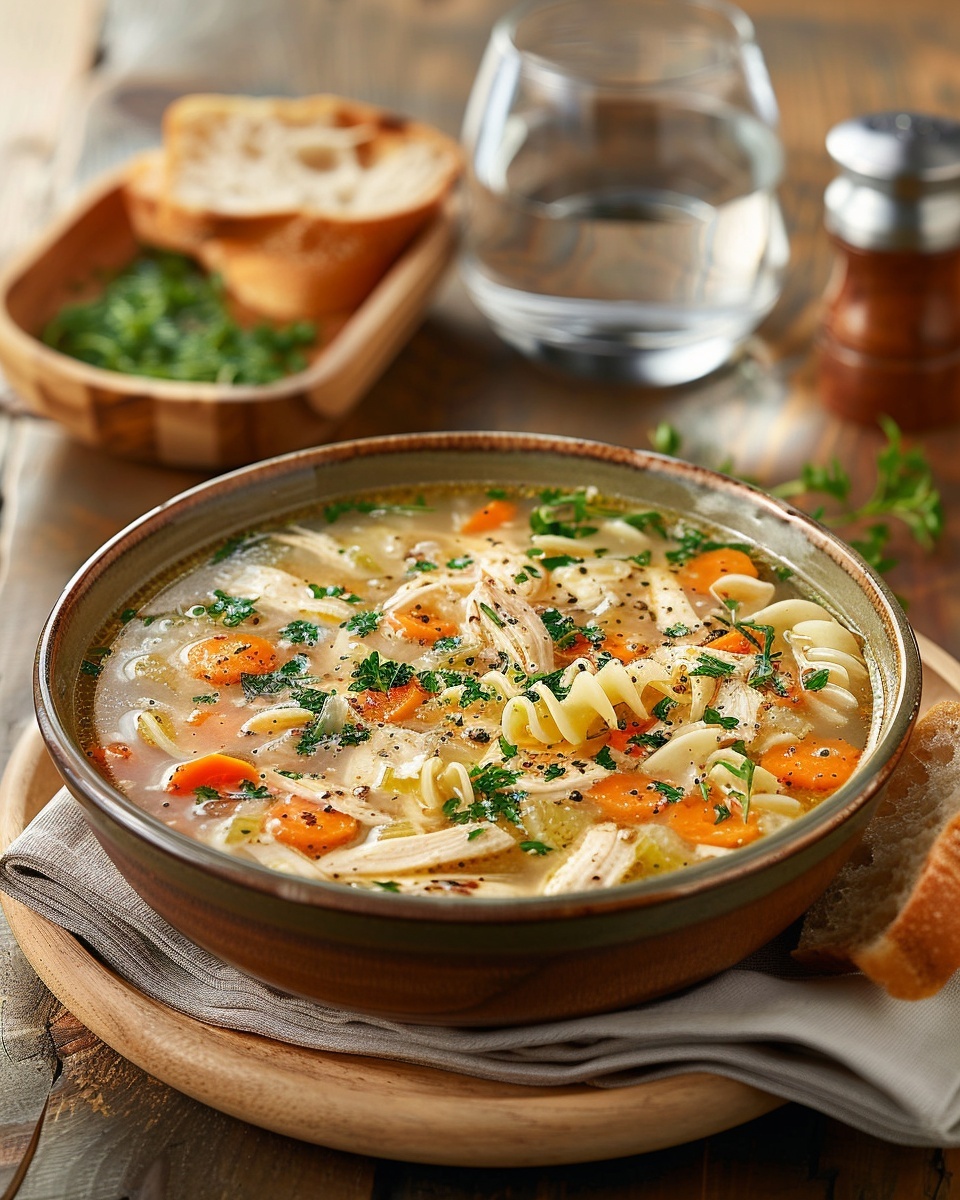
Why I Love Making Chicken Noodle Soup from Scratch
Last winter, I was stuck in bed with the worst cold I’d had in years. My mom showed up at my door with a steaming pot of her famous chicken noodle soup, and I swear I felt better after just one bowl. That’s the magic of homemade chicken noodle soup—it’s more than just food. It’s comfort in a bowl, a hug from the inside, and proof that simple ingredients can create something truly special.
There’s a reason people have been making chicken noodle soup for generations. It works when you’re sick, when you’re cold, when you’re sad, or when you just need something warm and familiar. Kids love it. Adults crave it. And the best part? You don’t need to be a professional chef to make an amazing pot from scratch.
I’ll be honest with you—canned soup just doesn’t compare. Once you taste homemade chicken noodle soup from scratch, those grocery store versions feel flat and lifeless. Making your own means you control every single ingredient. You know exactly what’s going into your pot. No weird preservatives, no mystery ingredients, just real food that nourishes your body and soul.
The secret to truly great chicken noodle soup comes down to one thing: quality ingredients. I learned this the hard way after making a batch with whatever sad vegetables I had wilting in my fridge and some questionable chicken that had been frozen for who knows how long. The result was watery, bland, and disappointing. Fresh carrots, crisp celery, good chicken, and a rich broth make all the difference between soup that’s just okay and soup that people ask for the recipe.
In this article, I’m going to walk you through everything you need to know about making the perfect chicken noodle soup. We’ll cover the essential ingredients, the best types of chicken to use, which noodles work best, and all the tips I’ve picked up over years of making this classic dish. Whether you’re making a traditional recipe, trying a spicy chicken noodle soup, or experimenting with a creamy chicken noodle soup, the basics stay the same.
You’ll learn how to build deep flavor, avoid common mistakes, and customize the recipe to fit your taste. I’ll share my favorite homemade chicken noodle soup recipe and show you how to adapt it for a chicken noodle soup slow cooker version when you want to come home to dinner already made. By the end, you’ll have all the knowledge you need to make soup that rivals anything from your favorite restaurant or your grandmother’s kitchen.
What Ingredients Go in Chicken Noodle Soup?
The beauty of chicken noodle soup is its simplicity. You need just a handful of basic ingredients to create something amazing. Let me break down each component so you understand why it matters and how to choose the best options.
At its core, every chicken noodle soup recipe needs four main elements: chicken, noodles, vegetables, and broth. That’s it. Everything else is just customization based on your preferences. But the quality and type of each ingredient will determine whether your soup is memorable or forgettable.
The Chicken: Your Soup’s Foundation
Let’s talk about chicken first because it’s literally in the name. The type of chicken you choose affects both the flavor of your broth and the texture of the meat in your final soup. I’ve tried every variation, and here’s what I’ve learned.
Bone-in, skin-on chicken produces the richest, most flavorful broth. The bones release gelatin as they simmer, giving your soup body and depth. The skin adds fat, which carries flavor and makes the broth taste fuller. I usually use chicken thighs with bones and skin, or a whole chicken cut into pieces. Thighs stay moist and tender even after long cooking, while breast meat can get dry if you’re not careful.
Some people prefer boneless, skinless chicken for convenience. It’s faster and easier to handle. You can use boneless chicken breasts or thighs, but your broth won’t be as rich. If you go this route, I recommend using store-bought chicken stock as your base and adding the chicken pieces to cook in the soup for the last 20 to 30 minutes.
Here’s my favorite trick: use bone-in chicken to make the broth, then remove the meat from the bones once it’s cooked. You get the best of both worlds—amazing flavor and tender, shreddable chicken meat. It takes a few extra minutes, but the results are worth it.
The Noodles: More Than Just Filler
The right noodles can make or break your soup. Chicken noodle soup with egg noodles is the classic choice for good reason. Egg noodles have a slightly rich flavor and a tender texture that soaks up the broth beautifully. They’re substantial without being heavy.
I prefer wide egg noodles because they’re easier to eat with a spoon and they hold up well in the soup. Some people like the thin ones, which is fine too. The key is to cook them properly. Never overcook your noodles or they’ll turn mushy and make your broth cloudy.
You can also use other types of noodles if you want to mix things up. Rotini or small shells work great. Rice noodles are perfect if you’re making an Asian-inspired version. For a healthy chicken noodle soup recipe, try whole wheat noodles or even zucchini noodles.
One important tip: if you’re making soup to store as leftovers, cook the noodles separately and add them to each bowl as you serve. Noodles continue to absorb liquid as they sit, which means your soup can turn into chicken noodle paste overnight. Trust me on this one—I learned it the hard way.
The Vegetables: Flavor and Nutrition
The classic vegetable trio for chicken noodle soup ingredients is carrots, celery, and onions. The French call this combination “mirepoix,” and it’s the flavor base for countless soups and stews around the world. There’s a reason this combo has stood the test of time.
Carrots add natural sweetness and a pop of color. They also hold their shape well during long cooking. I cut mine into rounds or half-moons, about a quarter-inch thick. Some people like to dice them small, but I prefer being able to see and taste distinct pieces of carrot in my soup.
Celery brings a subtle, earthy flavor that balances the richness of the chicken. Don’t skip it just because you think you don’t like celery. When it’s cooked in soup, it mellows out and adds depth rather than that sharp, raw celery taste. I use both the stalks and some of the leaves for extra flavor.
Onions are non-negotiable. They provide the savory, aromatic base that makes your kitchen smell amazing while the soup cooks. Yellow onions work best for soup because they’re not too sharp or too sweet. I dice mine into small pieces so they practically melt into the broth.
Beyond the basics, you can add other vegetables too. Fresh parsley or dill at the end adds brightness. Garlic is a must in my kitchen—I add at least four cloves, minced. Some chicken noodle soup recipes include peas, corn, or mushrooms. The chicken noodle soup pioneer woman style often includes plenty of herbs and sometimes a splash of cream for richness.
The Broth: Where Magic Happens
Your broth is what ties everything together. Making broth from scratch by simmering chicken bones and vegetables in water creates liquid gold. The flavor is incomparable to anything from a box or can.
If you’re short on time, starting with store-bought chicken stock is perfectly acceptable. Look for low-sodium versions so you can control the salt level yourself. I like to doctor up store-bought stock with extra aromatics like bay leaves, peppercorns, and fresh thyme to boost the flavor.
For a creamy chicken noodle soup, you can add heavy cream or milk near the end of cooking. For a spicy chicken noodle soup, throw in some red pepper flakes, fresh ginger, or a spoonful of sriracha. The broth is your blank canvas.
Season your broth carefully and taste as you go. Salt, pepper, and herbs should build layers of flavor. I add salt gradually throughout the cooking process rather than all at once. Your soup should taste balanced—not too salty, not bland, with all the flavors working together in harmony.


Homemade Chicken Noodle Soup Recipes
Now that you know what goes into great soup, let’s talk about how to actually make it. The wonderful thing about chicken noodle soup recipes is their flexibility. You can stick with a traditional approach, throw everything in a slow cooker, or jazz things up with different flavors and textures. I’ve made this soup probably a hundred different ways over the years, and honestly, it’s hard to mess up as long as you follow a few basic principles.
Some nights I want that classic, straightforward homemade chicken noodle soup from scratch that tastes like childhood. Other times I’m too busy to stand over the stove, so I dump everything into my slow cooker before work. And then there are days when I’m feeling adventurous and want something with a little heat or extra creaminess. All of these versions start with the same foundation we just covered, but they take different paths to get to your bowl.
The recipes I’m about to share are ones I come back to again and again. They’re practical, forgiving, and delicious. I’ve tested them enough times to know what works and what doesn’t, so you can skip all the trial and error I went through.
Classic Homemade Chicken Noodle Soup Recipe
This is the version I make most often. It’s straightforward, reliable, and hits all the right notes. The whole process takes about an hour and a half if you’re using bone-in chicken, or closer to 45 minutes with boneless pieces.
Start by heating a couple tablespoons of olive oil or butter in your largest pot over medium-high heat. Once it’s shimmering, add your diced onions and a good pinch of salt. Cook them for about five minutes until they’re soft and starting to turn translucent. The salt helps draw out moisture and speeds up the softening process. Then toss in your minced garlic and cook for another minute until your kitchen smells absolutely amazing.
Here’s where people sometimes rush things, and I get it. But giving your aromatics this initial cooking time builds a flavor foundation that you just can’t achieve by throwing everything in cold water. It’s kind of like how stir-frying vegetables properly requires that initial high heat to develop their flavors.
Next, add your chicken pieces. If you’re using bone-in chicken, nestle them right into the pot with the onions. Pour in about eight to ten cups of water or low-sodium chicken stock. Toss in a couple of bay leaves, some fresh thyme sprigs if you have them, and about ten whole black peppercorns. Bring everything to a boil, then reduce the heat to maintain a gentle simmer.
Let this simmer for about 30 to 40 minutes if you’re using bone-in chicken pieces. You’ll know it’s ready when the chicken is cooked through and starting to fall off the bones. Skim off any foam or impurities that rise to the surface during the first ten minutes of simmering. Don’t skip this step because it keeps your broth clear and clean-tasting.
Once the chicken is cooked, carefully remove it from the pot and set it aside to cool slightly. Add your sliced carrots and celery to the broth. This is the perfect time to taste your broth and adjust the seasoning. It should taste like something you’d want to sip on its own. Add more salt if needed, but remember that the noodles will absorb some of the saltiness later.
While the vegetables simmer for about ten minutes, shred or dice your cooled chicken, discarding the skin and bones. When the veggies are tender but still have a little bite, add your noodles. Fresh egg noodles take about three to four minutes, while dried ones need closer to eight to ten minutes. Check the package directions but start testing a minute or two early.
Return the chicken to the pot during the last few minutes of cooking. Finish with a handful of chopped fresh parsley or dill. That’s it. That’s your classic homemade chicken noodle soup recipe that’ll make you feel like a kitchen hero.
Slow Cooker Chicken Noodle Soup
By the way, if you’re someone who’s never home during the day, the chicken noodle soup slow cooker method will change your life. I discovered this version during a particularly crazy work week when I was leaving at seven in the morning and not getting home until after eight at night. Coming home to soup that’s been cooking all day is honestly one of life’s simple pleasures.
The process is slightly different but just as easy. In the morning, put your raw chicken pieces directly into the slow cooker. Add your roughly chopped onions, carrots, and celery. Don’t bother sautéing anything first because you literally don’t have time for that. Throw in your garlic cloves (I just smash them with the flat of a knife), bay leaves, and dried herbs. Pour in your chicken stock or water and season with salt and pepper.
Set your slow cooker on low and cook for six to eight hours. The chicken will be fall-apart tender by the time you get home. When you’re ready to eat, carefully remove the chicken, shred it, and return it to the pot. Here’s the important part: add your noodles now, not in the morning. Dried noodles only need about 20 to 30 minutes on high heat in the slow cooker. If you add them at the beginning, you’ll come home to chicken noodle mush instead of soup.
The broth from a slow cooker tends to be incredibly rich because nothing evaporates during the long cooking time. Sometimes I find it’s almost too concentrated, so I’ll add an extra cup or two of stock or water when I add the noodles. Funny enough, this method actually produces some of the most flavorful soup I’ve ever made, even without the initial sautéing step.
One thing to note: if you’re planning to have leftovers, this is definitely a situation where you want to cook the noodles separately and add them to individual bowls. Otherwise, they’ll continue soaking up liquid overnight and you’ll wake up to thick chicken stew instead of soup. Not terrible, but not what you were going for.
Spicy and Creamy Variations
Once you’ve got the basics down, it’s time to have some fun. Spicy chicken noodle soup is my go-to when I’m fighting off a cold or just want something with more personality. The heat opens up your sinuses and adds a whole different dimension of flavor. It reminds me a bit of how adding heat transforms simple dishes like a chickpea wrap with the right sauce can completely change the experience.
To make a spicy version, I add fresh ginger along with the garlic at the beginning. Use about a tablespoon of grated fresh ginger for a noticeable but not overwhelming kick. Then I’ll throw in some red pepper flakes—start with half a teaspoon and add more if you want more heat. Sometimes I’ll add a couple of Thai bird chilies or a sliced jalapeño to the broth while it simmers. You can always fish them out before serving if you just want the flavor without the visible peppers.
For an Asian-inspired twist, use rice noodles instead of egg noodles and add a splash of fish sauce or soy sauce to your broth. Fresh cilantro and a squeeze of lime at the end makes it taste like something you’d order at a restaurant. A drizzle of sesame oil right before serving adds amazing depth.
Now, creamy chicken noodle soup is a completely different animal, but it’s so comforting and satisfying. The creaminess makes it feel more substantial, almost like chicken pot pie in soup form. To make this version, follow your basic recipe but stop before adding the noodles.
Make a simple roux by melting three tablespoons of butter in a separate small pan and whisking in three tablespoons of flour. Cook this for about a minute until it’s golden and smells nutty. Slowly whisk in about a cup of milk or cream until you have a smooth mixture. Add this to your soup pot, stirring well to incorporate it. The soup will thicken slightly and take on a silky, velvety texture.
Then add about a cup of heavy cream or half-and-half. Some people prefer milk for a lighter version, which works too but won’t be quite as rich. Simmer for a few minutes to let everything meld together, then add your cooked noodles. The cream can curdle if the soup boils too vigorously, so keep the heat moderate once you’ve added the dairy.
I sometimes add a handful of frozen peas or corn to creamy chicken noodle soup because the sweetness balances the richness. Fresh herbs are crucial here too—dill is particularly good with the creamy version. It’s similar to how adding fresh ingredients elevates something simple like a pasta salad with chicken—the freshness cuts through the richness.
Here’s the thing about variations: don’t be afraid to combine ideas. I’ve made spicy creamy chicken noodle soup by adding jalapeños and a bit of cream. I’ve made healthy chicken noodle soup recipe versions using whole wheat noodles, tons of extra vegetables, and coconut milk instead of dairy. The basic technique stays the same, and once you understand that, you can riff on it endlessly.
Sometimes I’ll even borrow techniques from completely different dishes. The way you layer flavors in soup isn’t that different from how you’d approach something like seasoning baked fish with complementary ingredients. It’s all about building depth and balance, no matter what you’re cooking.


Tips for Perfecting Your Chicken Noodle Soup
Making decent soup is easy. Making exceptional soup that people remember and request? That requires a few insider secrets I’ve picked up over the years, mostly through trial and error. Some of these tips might seem small, but they make a massive difference in the final result.
The Secret to Good Chicken Soup: Time and Patience
Here’s what nobody tells you when you’re starting out: the secret to good chicken soup is time. I know we’re all busy and want dinner on the table fast, but rushing the broth is where most people go wrong. When you simmer chicken bones and vegetables slowly over low heat, something magical happens. The collagen in the bones breaks down into gelatin, which gives your broth that silky, luxurious texture. Minerals and nutrients leach out into the liquid. Flavors meld and deepen in a way they simply can’t when you rush the process.
My grandmother used to simmer her soup for three hours minimum. I thought she was being dramatic until I tried it myself. The difference between a 30-minute simmer and a 90-minute simmer is noticeable. The broth goes from tasting like chicken-flavored water to tasting like actual liquid gold. If you have the time, let that pot bubble away gently for at least an hour, preferably longer.
The low and slow approach applies whether you’re making homemade chicken noodle soup from scratch or doctoring up store-bought stock. Even if you start with boxed broth, simmering it with aromatic vegetables, herbs, and chicken for an extended period transforms it into something that tastes homemade. Low heat is crucial too because a rolling boil makes the broth cloudy and can make the chicken tough. You want just a few lazy bubbles breaking the surface.
Common Mistakes to Avoid
Let me save you from the mistakes I’ve made so you don’t have to learn them the hard way. First major error: overcooking your vegetables. I get it, you want everything soft and tender, but vegetables that have been simmering for an hour turn to mush and lose all their flavor. Carrots and celery should still have a bit of bite when you serve the soup. They’ll continue to soften in the hot broth even after you turn off the heat.
Add your vegetables in stages based on how long they take to cook. Onions can go in early because they basically melt into the broth and add flavor. But carrots and celery? Wait until the last 15 to 20 minutes. Any quick-cooking vegetables like peas, corn, or fresh greens should go in during the final five minutes. Honestly, learning proper timing changed my soup game completely.
Another huge mistake is under-seasoning. By the way, this is probably the most common problem I see when people tell me their soup tastes flat or boring. Salt brings out all the other flavors in your soup. Without enough salt, even the best ingredients taste muted and dull. But here’s the catch: you need to season in layers throughout the cooking process, not just at the end.
I add a pinch of salt when I’m sautéing the onions. Another pinch goes in when I add the broth. Then I taste and adjust after the vegetables are added. And finally, I check the seasoning one last time before serving. This layered approach builds depth. Also, remember that if you’re cooking noodles directly in the soup, they’ll absorb some salt, so you might need to add a bit more after they’re cooked.
Don’t forget about acid either. A squeeze of fresh lemon juice or a splash of white wine vinegar at the very end brightens all the flavors and makes your soup taste more complex. Just a tablespoon or two makes everything pop. I didn’t believe this mattered until a chef friend insisted I try it, and now I never skip this step.
Using cold chicken straight from the fridge into boiling broth is another mistake. It shocks the meat and can make it seize up and become tough. Let your chicken sit at room temperature for about 15 to 20 minutes before adding it to the pot. This helps it cook more evenly and stay tender. Same principle applies to techniques for preparing quality protein sourcing across different cooking methods.
Not tasting as you go is the biggest amateur move. Professional cooks taste constantly throughout the cooking process. Your soup should taste good at every stage, getting better and more refined as you add ingredients. If it tastes bland halfway through, it’s going to taste bland at the end unless you fix it. Keep a spoon nearby and taste, taste, taste.
Making Healthy Chicken Noodle Soup
People often ask me how to make a healthy chicken noodle soup recipe without sacrificing flavor, and it’s actually easier than you might think. The soup is already pretty nutritious as is, but there are ways to boost the health factor without making it taste like diet food.
Start by using skinless chicken breast or lean chicken thighs. You’ll lose a tiny bit of flavor compared to skin-on chicken, but you’ll cut the fat content significantly. If you want the richness that fat provides, add just one tablespoon of olive oil or butter for sautéing instead of two or three. That small change adds up.
Loading up on vegetables is the easiest way to make your soup healthier. I’m talking way more than the standard carrot-celery-onion combo. Throw in zucchini, bell peppers, kale, spinach, green beans, or whatever vegetables you enjoy. More vegetables mean more fiber, vitamins, and minerals. They also add volume to your soup, making it more filling without adding many calories.
Funny enough, adding extra veggies actually makes the soup taste better too, not just healthier. Different vegetables bring different flavors and textures. Kale adds an earthy, slightly bitter note that balances the richness. Zucchini adds substance without overpowering other flavors. Bell peppers contribute sweetness.
Switch to whole wheat noodles or try alternatives like chickpea pasta or lentil pasta. These options add protein and fiber while lowering the glycemic impact. If you’re watching carbs, spiralized zucchini or shirataki noodles work great. I’ll admit whole wheat noodles have a slightly different texture and nuttier flavor, but in a flavorful soup, you honestly don’t notice much difference.
Go easy on the salt and let fresh herbs and spices carry more of the flavor load. Fresh dill, parsley, cilantro, thyme, and rosemary all add tons of flavor without any sodium or calories. Black pepper, garlic powder, onion powder, and even a bit of smoked paprika can boost taste without the need for excessive salt. Is chicken noodle soup good for a heart patient? Absolutely, especially when you control the sodium and use lean protein.
One trick I love is adding a parmesan rind to the broth while it simmers. It adds incredible umami depth and richness without much fat or sodium. Just toss the rind in with your broth ingredients and fish it out before serving. Your soup will taste way more complex and satisfying.
Taking Inspiration from Popular Variations
The chicken noodle soup pioneer woman approach has some brilliant ideas worth borrowing. Ree Drummond’s recipes often include unexpected touches that elevate the classic soup. She’s known for adding things like fresh dill in generous amounts, which gives the soup an almost pickle-like brightness that’s incredibly refreshing. She also sometimes stirs in a bit of cream at the end for richness, and tops bowls with crispy crackers or homemade croutons for texture contrast.
What I appreciate about popular recipe developers is they’re not afraid to break the rules a little. Some add a splash of white wine when sautéing the vegetables. Others throw in a parmesan rind or a splash of soy sauce for extra umami. There’s even versions with a whole lemon, sliced thin, simmering in the broth for brightness.
Here’s the thing: once you master the fundamentals, you should absolutely experiment. Try adding roasted garlic instead of raw for a sweeter, mellower flavor. Throw in some fresh ginger and turmeric for an anti-inflammatory boost. Add coconut milk and curry powder for a Thai-inspired twist. The basic technique of building flavor, simmering broth, and cooking ingredients properly stays the same regardless of the flavor profile you’re going for.
I’ve borrowed ideas from all over the place. Sometimes I’ll make an Italian version with orzo pasta, white beans, and lots of basil and oregano. Other times I’ll go Mexican-inspired with lime, cilantro, jalapeños, and a bit of cumin. These experiments usually happen when I’m planning a full meal and want the soup to complement other dishes, maybe something substantial like other satisfying lunch options I’m serving throughout the week.
The point is, don’t feel locked into doing things one specific way. Chicken noodle soup recipes are meant to be adapted to your taste, your dietary needs, and what you have available. Some of my best soups have come from improvising when I was missing an ingredient or wanted to use up vegetables before they went bad.
One last tip that might seem obvious but makes a huge difference: serve your soup hot. Like, really hot. Lukewarm soup is depressing. Heat your bowls by running them under hot water first if you want to get fancy. Hot soup is comfort food. Room temperature soup is just sad.
When you put all these tips together—taking your time with the broth, avoiding common mistakes, seasoning properly, adding plenty of vegetables, and not being afraid to make the recipe your own—you end up with soup that’s miles beyond anything you’d get from a can or restaurant. You’ll have people asking for your recipe and wondering how you made something so simple taste so incredible. And the best part? You’ll know exactly what went into it and can feel good about feeding it to the people you care about.
Frequently Asked Questions
What ingredients go in chicken noodle soup?
The essential chicken noodle soup ingredients include chicken (bone-in for best flavor), egg noodles, carrots, celery, onions, garlic, chicken broth or water, salt, pepper, and fresh herbs like parsley or dill. Bay leaves and thyme add extra depth. You can customize from there by adding vegetables like peas, corn, or green beans, or by incorporating cream for richness or spices for heat. The beauty of this soup is its flexibility while maintaining those core components.
What is the secret to good chicken soup?
Time is the real secret. Simmering your broth low and slow for at least an hour allows the chicken bones to release gelatin and minerals, creating a rich, flavorful base. Using bone-in, skin-on chicken makes a dramatic difference compared to boneless pieces. Layering your seasoning throughout the cooking process rather than adding it all at once also builds depth. Finally, adding a splash of acid like lemon juice at the end brightens all the flavors and makes the soup taste more complete.
What are common mistakes when making chicken soup?
The biggest mistakes include overcooking the vegetables until they’re mushy, under-seasoning the broth, and cooking everything on too high of heat which makes the broth cloudy. Many people also add noodles too early if they’re storing leftovers, resulting in soggy, expanded noodles. Not sautéing the aromatics before adding liquid misses an opportunity to build flavor. Rushing the simmering process produces thin, watery broth instead of rich, full-bodied soup that tastes like it took hours to make.
Is chicken noodle soup good for a heart patient?
Yes, especially when you make it at home and control the sodium content. Use low-sodium or homemade broth, lean skinless chicken breast, and load up on vegetables for fiber and nutrients. Skip or minimize added salt and let herbs and spices provide flavor instead. The vegetables and lean protein make it a heart-healthy meal. Store-bought versions often contain excessive sodium, which is problematic for heart patients, so homemade is definitely the better option for anyone watching their heart health.
Can I freeze chicken noodle soup?
You can definitely freeze homemade chicken noodle soup, but here’s the trick: don’t add the noodles before freezing. Noodles get mushy and unpleasant after being frozen and reheated. Instead, freeze just the soup base with the chicken and vegetables. When you’re ready to eat it, thaw and reheat the soup, then cook fresh noodles and add them. The soup will taste just as good as the day you made it. It keeps well in the freezer for up to three months in airtight containers.
How long does homemade chicken noodle soup last in the fridge?
Properly stored in airtight containers, homemade chicken noodle soup from scratch lasts three to four days in the refrigerator. Make sure you cool it down relatively quickly by dividing large batches into smaller containers. Don’t let it sit at room temperature for more than two hours. The noodles will continue absorbing liquid as it sits, so you might need to add a bit of broth when reheating. If your soup smells off or looks questionable at all, trust your instincts and throw it out.
What’s the best chicken to use for soup?
Bone-in, skin-on chicken thighs are my personal favorite because they stay moist during long cooking and produce the richest broth. A whole chicken cut into pieces works wonderfully too. Chicken breasts are fine but can get dry if overcooked. If convenience matters more than maximum flavor, boneless chicken works but use store-bought stock as your base since boneless chicken won’t create much broth on its own. Rotisserie chicken is great for a quick version where you just need the meat.
Can I make chicken noodle soup in an Instant Pot?
Absolutely. The chicken noodle soup slow cooker method translates well to an Instant Pot too. Add your chicken, vegetables, broth, and seasonings to the pot. Cook on high pressure for 15 minutes for boneless chicken or 25 minutes for bone-in. Do a quick release, remove and shred the chicken, then return it to the pot. Add your noodles and cook on sauté mode for about five to eight minutes until they’re tender. It’s much faster than stovetop but still produces flavorful soup.
What can I substitute for egg noodles?
You have tons of options beyond traditional chicken noodle soup with egg noodles. Rice noodles work great for an Asian-inspired version. Small pasta shapes like ditalini, orzo, or shells are excellent. For a low-carb option, try zucchini noodles, shirataki noodles, or even cauliflower rice. Whole wheat noodles add extra fiber. Even rice or quinoa can replace noodles if you want a different texture. The soup is forgiving enough to work with whatever you prefer or have available.
Why is my chicken noodle soup bland?
Bland soup almost always comes down to insufficient seasoning. You need more salt than you think, added gradually throughout cooking. Make sure you’re using enough aromatics like onions and garlic. Fresh herbs at the end make a huge difference. If your broth itself tastes weak, simmer it longer to concentrate the flavors or add a bouillon cube or two. A splash of lemon juice or vinegar at the end can also wake up flat flavors. Don’t be timid with seasoning—taste constantly and adjust.
Making homemade chicken noodle soup really is one of those life skills that pays dividends forever. Once you’ve got it down, you’ll have a go-to recipe that comforts you when you’re sick, warms you up on cold days, and makes your house smell like home. The confidence you gain from mastering this classic will spill over into other cooking projects too, and you’ll find yourself experimenting more and trusting your instincts in the kitchen. So grab a pot, gather your ingredients, and make yourself a batch this week—you won’t regret it.
Ingredients
Equipment
Method
- Heat olive oil or butter in a large pot over medium-high heat.
- Add diced onions and salt; cook for about 5 minutes until soft.
- Stir in minced garlic and cook for another minute.
- Add chicken pieces to the pot.
- Pour in chicken stock or water, and add bay leaves, thyme, and peppercorns.
- Bring to a boil, then reduce the heat to a simmer for 30-40 minutes.
- Carefully remove the chicken, allowing it to cool slightly.
- Add sliced carrots and celery to the broth and simmer for 10 minutes.
- Shred or dice the cooled chicken, discarding the skin and bones.
- Return chicken to the pot, and add the noodles.
- Cook until noodles are tender (3-4 minutes for fresh, 8-10 minutes for dried).
- Adjust seasoning and garnish with fresh herbs.