
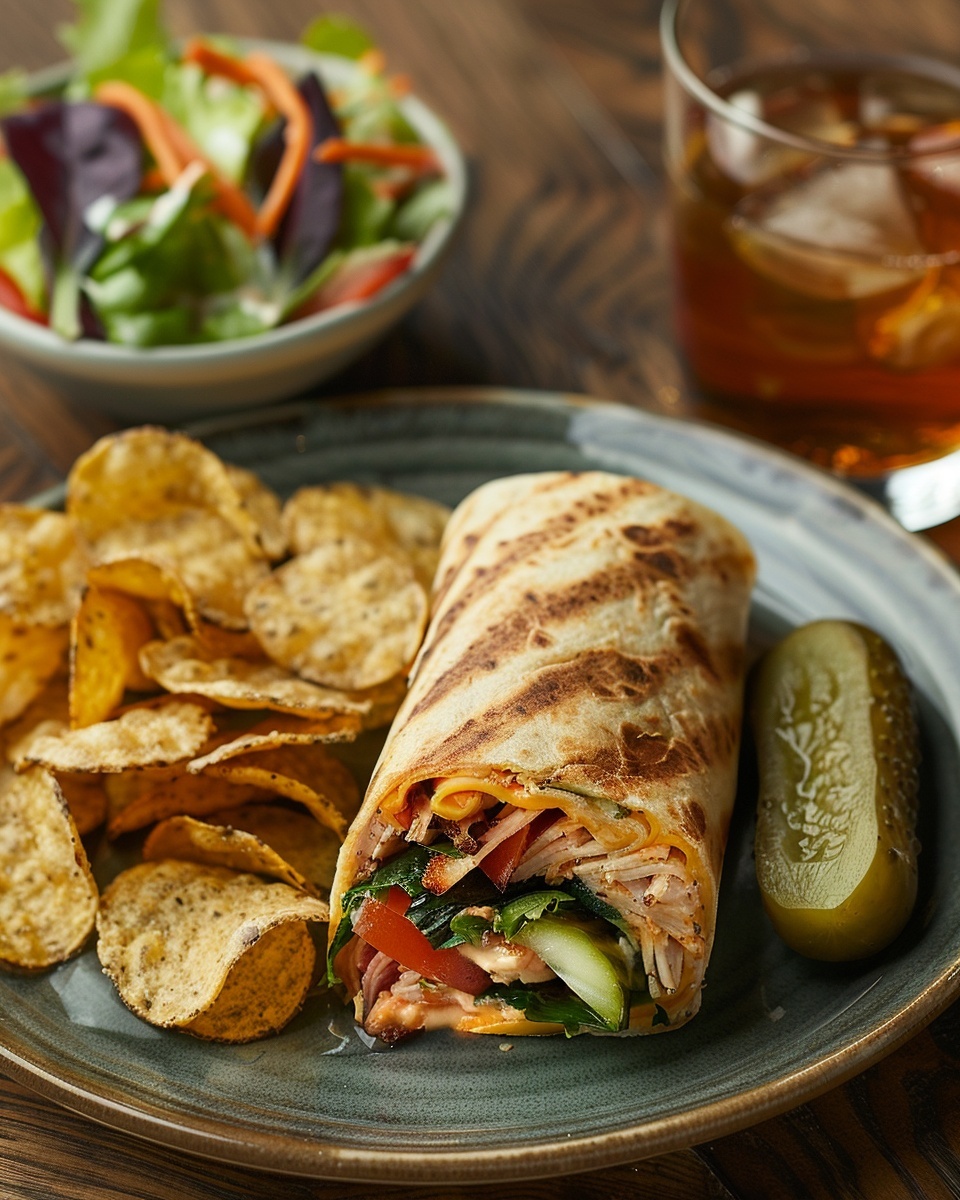
Last Tuesday, I found myself staring into my fridge at noon, hungry and tired, with zero motivation to cook. That’s when I spotted the deli turkey, a pack of cheese, and some tortillas. Five minutes later, I was biting into the most satisfying lunch I’d had all week. It reminded me why the turkey and cheese wrap has been my go-to meal for years.
Welcome to my blog where I share my favorite recipes and tips for healthy, delicious meals. Today, I’m excited to talk about the turkey and cheese wrap, a versatile and tasty option that’s perfect for any time of day. Whether you’re looking for a quick lunch, a healthy school snack, or a satisfying dinner, this wrap has got you covered.
The beauty of this recipe is its simplicity. You don’t need fancy ingredients or cooking skills. Just grab a few basic items, and you’re ready to create something delicious. I’ve made these wraps for busy mornings, packed them in my kids’ lunchboxes, and even served them at casual get-togethers. They never disappoint.
The Basics of a Turkey and Cheese Wrap Recipe
Let’s start with the basics: what goes into a classic turkey and cheese wrap recipe. I’ll share my go-to ingredients and steps to make a simple yet delicious wrap that you can customize to your taste.
Here’s what you’ll need for a basic wrap:
- 1 large flour tortilla (whole wheat works great too)
- 3-4 slices of deli turkey
- 2 slices of your favorite cheese
- Lettuce or spinach leaves
- Sliced tomatoes
- Your choice of dressing or spread
The process is straightforward. Lay your tortilla flat on a clean surface. Place the turkey slices in the center, leaving about an inch of space on each side. Add your cheese on top of the turkey. Then layer your veggies. I usually add a handful of crisp lettuce and a few tomato slices.
Now comes the fun part: adding flavor. You can spread mayo, mustard, or a healthy dressing for turkey wrap directly on the tortilla before adding your fillings. I like to mix things up depending on my mood. Sometimes I go classic with honey mustard. Other days I want something creamy like ranch or even a bit of hummus.
To wrap it up, fold in the sides first. Then roll from the bottom up, keeping everything tight as you go. The key is not overstuffing it. I learned this the hard way when my first attempts resulted in ingredients falling out everywhere.
For a hot turkey and cheese wrap, you can grill it in a pan for 2-3 minutes on each side. The cheese melts beautifully, and the tortilla gets a nice golden color. My kids absolutely love the warm version, especially on cooler days.
Choosing the Right Cheese
One question I get asked all the time is: what kind of cheese do you put on a turkey wrap? The answer depends on your personal taste, but I’ll walk you through some excellent options.
Cheddar cheese is my personal favorite. It has a sharp, bold flavor that pairs wonderfully with turkey. I use mild cheddar when making wraps for my younger kids and sharp cheddar when I want more punch. The taste holds up well whether you eat the wrap cold or warm it up.
Swiss cheese is another fantastic choice. It has a mild, slightly nutty flavor that doesn’t overpower the turkey. Swiss also melts beautifully if you’re making a hot wrap. I find it works especially well when I add a bit of honey mustard as my turkey wrap dressing.
Provolone brings a smooth, creamy taste to your wrap. It’s not too strong, making it perfect for picky eaters. I use provolone when I’m adding stronger flavored ingredients like peppers or onions because it balances everything out nicely.
For something different, try pepper jack cheese. It adds a spicy kick that can turn a basic wrap into something exciting. I discovered this combination by accident when I grabbed the wrong cheese one morning. Now it’s a regular rotation in my house.
Cream cheese might seem unusual, but hear me out. Spread a thin layer on your tortilla before adding the turkey, and it creates a creamy base that holds everything together. This works especially well for turkey and cheese roll ups no bread when you want a different texture.
Monterey Jack is mild and creamy, making it great for kids’ lunches. It doesn’t have a strong smell, which matters when packing a turkey and cheese wrap school lunch. My daughter’s teacher once told me how other kids were always asking to trade for her lunch.
Here’s a quick comparison of cheese options:
| Cheese Type | Flavor Profile | Best For |
|---|---|---|
| Cheddar | Sharp and bold | All-purpose wraps |
| Swiss | Mild and nutty | Hot wraps |
| Provolone | Smooth and creamy | Balanced flavor wraps |
| Pepper Jack | Spicy kick | Adults who like heat |
| Cream Cheese | Rich and spreadable | Roll-ups |
| Monterey Jack | Very mild | Kids’ lunches |
When thinking about what kind of cheese goes well with turkey, consider the other ingredients you’re using. If you’re adding lots of veggies and a flavorful dressing, a milder cheese like Monterey Jack or provolone works best. If you’re keeping things simple, go for a stronger cheese like sharp cheddar.
I usually keep two or three types of cheese in my fridge at all times. This way, I can switch things up and never get bored with my wraps. Some weeks I’m all about the classic cheddar. Other weeks I want that melty Swiss experience.
The turkey and cheese wrap calories can vary based on your cheese choice too. Harder cheeses like cheddar tend to be higher in calories than softer options. If you’re watching your intake, use one slice instead of two, or choose a reduced-fat version.
One tip I’ve learned: let your cheese come to room temperature before making a cold wrap. It tastes better and blends with the other ingredients more smoothly. For hot wraps, add the cheese right before you’re done warming it so it melts perfectly.
Don’t be afraid to experiment. I once tried a combination of cream cheese and sharp cheddar that turned out amazing. Sometimes the best turkey wrap recipe variations come from happy accidents in the kitchen.


Nutritional Value and Health Benefits
Now that we’ve covered the cheese situation, let’s dig into why this wrap is actually good for you. I used to think wraps were just boring diet food, but when I started paying attention to the numbers, I realized how nutritious they really are.
A basic turkey and cheese wrap typically contains between 300 and 450 calories, depending on what you stuff inside. That’s actually pretty reasonable for a complete meal. The breakdown goes something like this: your tortilla brings about 120-180 calories, the turkey adds around 60-100, cheese contributes 80-110, and the veggies are basically free at 10-20 calories. Add your dressing, and you might tack on another 50-100.
What really matters to me is the protein content. Turkey is lean meat, which means you’re getting about 15-20 grams of protein per wrap without tons of fat. The cheese adds another 6-8 grams. When I’m trying to stay full until dinner, protein is my best friend. I’ve noticed on days when I eat a turkey wrap for lunch, I’m not reaching for snacks an hour later like I do with some other meals.
Here’s the thing about the turkey and cheese wrap calories though. They can sneak up on you if you’re not careful. I learned this when I was tracking my food for a few weeks. My “healthy” wraps were pushing 600 calories because I was drowning them in ranch dressing and adding three types of cheese. Once I scaled back to reasonable portions, everything balanced out nicely.
The sodium content is something worth mentioning. Deli turkey can be pretty salty, sometimes packing 400-600mg per serving. If you’re watching your salt intake like my dad has to, look for low-sodium turkey options. They taste almost identical but cut the sodium by more than half. I started buying them for him, and honestly, I can barely tell the difference.
By the way, these wraps are surprisingly high in vitamins when you load them with vegetables. The lettuce and tomatoes provide vitamin A and C, while spinach throws in some iron and folate. My doctor told me during my last checkup that getting vegetables in any form counts, and wraps make it so much easier than forcing myself to eat a plain salad.
If you’re looking for other balanced meal options, you might also enjoy my veggie rice stir fry recipe, which packs similar nutritional benefits with a different flavor profile.
Making It a School Lunch Staple
Let me tell you about the game-changer moment in my parenting life: discovering that my kids would actually eat the turkey and cheese wrap school lunch without complaining. This might not sound revolutionary, but if you’ve ever dealt with a picky eater, you know this is huge.
The trick with packing these for school is all about preparation and presentation. I make them the night before, but I don’t add the wet ingredients until morning. Tomatoes especially will make everything soggy if they sit overnight. Instead, I pack them separately in a small container, and my older daughter adds them herself at lunch. She actually feels more grown-up doing this, so it’s a win-win.
Temperature control matters more than I initially thought. I invested in an insulated lunch bag with an ice pack after my son came home saying his wrap tasted “weird” one hot September day. Food safety isn’t something to mess around with, especially with deli meat. The ice pack keeps everything at a safe temperature until lunchtime, usually about four hours later.
Funny enough, my kids prefer their wraps cut into pinwheels for school. I roll the wrap extra tight, slice it into thick rounds, and secure each piece with a toothpick. They look fancy, they’re easier for smaller hands to manage, and honestly, my daughter says they taste better this way. I don’t understand the logic, but I’m not arguing with success.
One mom trick I figured out: use the cream cheese method for school lunches. A thin spread of cream cheese acts like glue, keeping the tortilla sealed and preventing the dreaded lunchtime explosion. It also adds a bit of calcium, which I’m always trying to sneak into my kids’ diets however I can.
The turkey wrap recipe I pack for school is usually simpler than what I make for myself. Kids don’t need fancy ingredients. Turkey, cheddar, a little mayo, and some lettuce usually does the trick. My son refuses anything that might “taste weird,” which apparently includes mustard, all peppers, and most vegetables besides lettuce. Parenting is a journey, people.
Storage containers matter too. I use beeswax wraps instead of plastic sometimes, but for school, I stick with reusable silicone bags. They’re easy to clean, they don’t leak, and my kids can open them without help. Plus, they’re better for the environment than throwing away plastic bags every single day.
For variety during the school week, I sometimes swap the tortilla for a pita pocket or use turkey and cheese roll ups no bread by wrapping the turkey and cheese around cucumber sticks. My kids think these are hilarious and call them “turkey tubes.” Whatever gets them to eat lunch, right?
If you need more lunch box inspiration beyond wraps, my chickpea wrap with sauce is another kid-approved option that’s equally portable.
Hot vs. Cold: Which is Better?
Should you heat up your wrap or eat it cold? I’ve spent way too much time thinking about this question, and the answer is: it depends on your mood and situation.
Cold wraps are my go-to for busy days. They’re grab-and-go perfection. No heating required means I can eat them while driving, at my desk, or even standing in the kitchen between errands. The cheese stays firm, the lettuce stays crisp, and everything maintains its individual texture. There’s something refreshing about a cold wrap, especially during summer when the last thing I want is hot food.
But then there’s the hot turkey and cheese wrap, which is a completely different experience. When you grill or panini-press these babies, magic happens. The cheese melts into the turkey, the tortilla gets crispy edges, and everything melds together into this warm, comforting package. I discovered this version during a particularly cold January, and it became my obsession for weeks.
The hot version takes about five minutes total. Heat a skillet over medium heat, place your assembled wrap seam-side down, and press it gently with a spatula. Give it two to three minutes per side until you see golden-brown grill marks. The key is not rushing it. Too high heat burns the tortilla before the cheese melts. Too low heat just makes everything sad and soggy.
Here’s my personal take: cold wraps are better when you’re using delicate ingredients like fresh spinach, avocado, or sprouts. These ingredients don’t hold up well to heat and can turn mushy. Hot wraps shine when you’re going for comfort food vibes and using heartier ingredients like pickles, onions, or bacon.
My husband prefers hot wraps exclusively. He says the melted cheese makes everything taste better, and he might have a point. The warmth seems to intensify the flavors somehow. I catch him making these for late-night snacks, which probably defeats the health benefits, but I’m not the food police.
What to put on a wrap with turkey changes a bit depending on temperature too. For cold wraps, crisp vegetables like cucumber, bell peppers, and shredded carrots add great texture. For hot wraps, I lean toward caramelized onions, roasted red peppers, or even some leftover bacon bits. The heat brings out sweeter, deeper flavors in these ingredients.
One trick I learned from a cafe: if you’re making a hot wrap but want to keep some ingredients cold, add them after grilling. Grill your wrap with just turkey and cheese, then open it up and stuff in fresh lettuce and tomatoes. You get the best of both worlds, warm and melty meeting cool and crisp.
For days when I want something warming but don’t have time for a hot wrap, I sometimes pair my cold wrap with a bowl of soup. My chicken noodle soup alongside a turkey wrap makes for a satisfying combination that hits all the right notes.
The healthy dressing for turkey wrap choice also varies by temperature. Greek yogurt-based dressings work great on cold wraps but can separate when heated. Oil-based dressings like Italian vinaigrette hold up better with heat. Mayo is weird because it’s fine either way, though some people get squeamish about hot mayo. I’m not one of them.
Honestly, both versions deserve a place in your rotation. I probably make cold wraps seventy percent of the time just because they’re easier, but when I want something special, I break out the skillet. Try both and see what speaks to you. There’s no wrong answer here, just personal preference and whatever fits your schedule that day.
If you’re exploring other protein options for wraps, you might find some inspiration in my baked fish with rice recipe, which offers similar ease but with seafood instead.


Dressings and Sauces for Your Wrap
Here’s where things get interesting. You can have the perfect tortilla, the best turkey, and ideal cheese, but the wrong sauce can ruin everything. On the flip side, a great dressing can transform a basic wrap into something you actually crave.
I learned this lesson the hard way when I made wraps for a family picnic and forgot the sauce entirely. Everyone was polite, but I could tell something was off. The wraps tasted dry and boring. Since then, I’ve become a bit obsessed with finding the perfect turkey wrap dressing for every occasion.
The sauce you choose sets the entire mood of your wrap. Creamy dressings like ranch or Caesar give you that rich, indulgent feeling. Tangy options like mustard or vinaigrette add brightness and cut through the richness of cheese. Spicy sauces bring heat and excitement. I usually keep four or five different options in my fridge so I can match my dressing to whatever mood I’m in.
Classic mayo is honestly hard to beat for simplicity. I use regular mayo probably forty percent of the time because it just works. It adds moisture without overwhelming the other flavors. My trick is mixing mayo with a little bit of Dijon mustard, maybe a two-to-one ratio. This combination gives you creaminess with a slight tang that wakes up your taste buds.
Honey mustard is my comfort food choice. There’s something about that sweet and tangy combination that reminds me of childhood. I make my own by mixing equal parts honey and yellow mustard, then adding a splash of mayo to smooth it out. Store-bought works fine too, but homemade tastes fresher and you can control the sweetness level.
Ranch dressing is polarizing, I know. People either love it or think it’s overrated. I’m firmly in the love camp. The herby, garlicky flavor pairs beautifully with turkey. Just watch the portion size because ranch calories add up quickly. I use about two tablespoons per wrap, spread thin across the entire tortilla.
For something different, try pesto. Basil pesto especially brings this fresh, summery vibe that makes your wrap feel fancy. I discovered this combination at a local deli, and now I keep a jar in my fridge specifically for wraps. It’s particularly good when you’re adding fresh mozzarella instead of regular cheese.
Buffalo sauce mixed with a little ranch creates this spicy, creamy situation that’s addictive. My teenage son requests this version constantly. The heat level is manageable even for people who don’t love super spicy food, but it definitely adds personality to your wrap.
Here’s something I bet you haven’t tried: cranberry sauce. Not the jellied stuff from a can, but actual cranberry relish or a good cranberry spread. It brings this sweet-tart element that reminds you of Thanksgiving. I usually add this during November and December, and it makes a regular Tuesday lunch feel festive.
Chipotle mayo has become really popular lately, and for good reason. It’s smoky, slightly spicy, and incredibly flavorful. You can buy it prepared, or make your own by blending a chipotle pepper in adobo sauce with regular mayo. One pepper is enough for about a cup of mayo, giving you weeks worth of sauce.
Hummus might seem like an odd choice, but it works surprisingly well. The creamy texture and earthy flavor complement turkey nicely. I especially like roasted red pepper hummus or garlic hummus. Spread it thick, and it almost replaces the need for cheese if you’re trying to cut calories.
Balsamic glaze is my sophisticated option. When I want my wrap to feel a bit more grown-up, I drizzle some balsamic reduction inside. It’s sweet, tangy, and complex. This works especially well when you’re adding fresh vegetables like arugula or roasted red peppers.
Healthy Dressing Options
Let’s talk about making your wrap healthier without sacrificing flavor. This matters to me because I genuinely want to eat well, but I also refuse to eat sad, bland food. Life’s too short for that.
Greek yogurt-based dressings are game-changers. I make a simple one by mixing plain Greek yogurt with lemon juice, garlic powder, dried dill, salt, and pepper. It tastes similar to ranch but has way more protein and fewer calories. A two-tablespoon serving of this has maybe fifty calories compared to over a hundred for regular ranch. That’s a significant difference when you’re trying to manage your turkey and cheese wrap calories.
Another healthy dressing for turkey wrap option is avocado spread. Mash half an avocado with lime juice and a pinch of salt. Yes, avocados have fat, but it’s the good kind that actually helps your body. Plus, the creaminess is incredible, and it keeps you full longer. I noticed when I use avocado instead of mayo, I don’t get hungry again as quickly.
Mustard by itself is basically calorie-free and adds tons of flavor. Yellow mustard, Dijon, whole grain, spicy brown—each variety brings something different. I’ve started appreciating straight mustard more as I’ve gotten older. When I was younger, I thought it was too strong, but now I love the punch it provides without any guilt.
Salsa is another winner. It’s mostly vegetables, so the calorie count is minimal. I use it when I want something fresh and zippy. The liquid from salsa can make your wrap a bit messy though, so I drain it slightly or use chunky salsa instead of restaurant-style. This also adds vegetables to your meal, which is always a bonus.
Tahini thinned with lemon juice creates this nutty, tangy sauce that’s legitimately delicious. Mix two tablespoons of tahini with the juice of half a lemon and enough water to reach a drizzle-able consistency. Add garlic and salt to taste. This has healthy fats and a unique flavor that makes your wrap feel special.
Balsamic vinegar mixed with a tiny bit of olive oil gives you flavor without heavy calories. I use about two parts vinegar to one part oil, which is the reverse of traditional vinaigrette ratios. It’s tangy and light, perfect for when you’re loading your wrap with lots of vegetables and don’t want a heavy dressing weighing everything down.
Hot sauce is your friend if you like spice. It’s practically zero calories and adds tremendous flavor. I keep three different hot sauces in my fridge—a mild one for kids, a medium for everyday, and a serious one for when I want to feel alive. Just a few dashes can completely transform your wrap.
When thinking about what sauce goes well on turkey wraps from a health perspective, focus on options with simple, recognizable ingredients. I started reading labels more carefully, and you’d be surprised how much sugar and weird additives hide in regular dressings. Making your own takes literally two minutes and gives you complete control.
One recipe I make in batches is a lemon herb dressing. Combine olive oil, lemon juice, minced garlic, dried oregano, dried basil, salt, and pepper in a jar. Shake it up and store it in the fridge. It lasts for weeks and works on wraps, salads, or as a marinade. This multipurpose approach saves time and money.
If you’re interested in exploring more about mindful food choices and how they impact your overall wellbeing, there’s great information about conscious eating practices that can help you make more intentional decisions about what you put in your wraps.
Honestly, switching to healthier dressings hasn’t felt like a sacrifice. Some of them taste even better than the high-calorie versions because the flavors are brighter and fresher. My waistline is happier, my energy levels are more stable, and I feel good about what I’m feeding my family.
Variations and Alternatives
After you’ve made the basic turkey and cheese wrap about fifty times, you might want to mix things up. I’ve experimented with dozens of variations over the years, and I’m excited to share the ones that actually worked.
The California turkey wrap adds avocado, bacon, and ranch dressing to the standard setup. It’s basically everything good in the world wrapped in a tortilla. I make this version when I’m treating myself or when I’ve had a particularly rough day and need comfort food that’s still somewhat reasonable.
Mediterranean turkey wraps bring a completely different vibe. Use hummus as your spread, add feta cheese instead of cheddar, throw in some cucumbers, tomatoes, red onion, and maybe some olives if you like them. A drizzle of tzatziki sauce finishes it perfectly. This version tastes fresh and light, ideal for summer days.
Italian turkey wraps are another favorite in my house. Use provolone cheese, add some pepperoni or salami if you want extra protein, include roasted red peppers, banana peppers, red onion, and Italian dressing. Sometimes I even add a few basil leaves. It tastes like your favorite sub sandwich but easier to eat.
The BBQ ranch turkey wrap sounds weird but trust me on this. Mix BBQ sauce with ranch dressing, add your turkey, cheddar cheese, some crispy fried onions, and shredded lettuce. It’s like a party in your mouth. My husband came up with this combination during a football game, and it’s been requested regularly ever since.
Now let’s talk about turkey and cheese roll ups no bread, which are perfect for low-carb eating or when you just don’t want the tortilla. The simplest version is literally laying out a slice of turkey, putting a slice of cheese on it, and rolling it up. Secure it with a toothpick if needed. These are great for snacking or appetizers.
You can get fancier with roll-ups though. Spread cream cheese on the turkey slice, add some diced pickles or peppers, place the cheese slice on top, and roll it tight. Cut into smaller pieces and you’ve got cute little pinwheels that work great for parties or kids’ snacks.
Lettuce wraps are another alternative. Use large romaine or butter lettuce leaves instead of tortillas. They’re crunchy, fresh, and basically zero calories. I find them a bit messier to eat, but the flavor is excellent. This option works especially well for Asian-inspired variations where you might add sesame ginger dressing and shredded carrots.
Pita pockets offer a different texture than flour tortillas. They’re sturdier and hold up better to wet ingredients. I stuff them the same way I would make a regular wrap, but they feel more substantial somehow. My kids prefer pitas because they’re easier to eat without ingredients falling out.
Collard green wraps are having a moment right now. You blanch a large collard leaf for about ten seconds to make it pliable, then use it like a tortilla. It’s super healthy and adds a subtle vegetal flavor. I tried this during a health kick phase, and while I don’t make them regularly, they’re actually pretty good.
For breakfast variations, try adding scrambled eggs to your turkey and cheese. Sounds strange, but it’s delicious and gives you a protein-packed start to your day. Add some salsa and you’ve got a breakfast wrap that beats anything from a drive-through.
The Thanksgiving leftover wrap is something I look forward to every November. Use your leftover turkey instead of deli meat, add stuffing, cranberry sauce, and a bit of gravy. It’s messy and weird and absolutely wonderful. This is the one time of year when my turkey wrap recipe gets truly creative.
When you’re exploring different wrap options throughout the week, you might want to check out more ideas in my lunch category where I share tons of midday meal inspiration beyond just wraps.
Apple slices in a turkey wrap might sound bizarre, but the sweetness paired with sharp cheddar and turkey is surprisingly good. Add some honey mustard and you’ve got this sweet-savory combination that’s really unique. I discovered this at a restaurant and had to recreate it at home.
Pickle wraps are polarizing. Some people think they’re genius, others think they’re gross. Spread cream cheese on a tortilla, lay out turkey and cheese, add a whole dill pickle spear, and roll it tight. The crunch and tanginess from the pickle cuts through the creaminess perfectly. My daughter absolutely loves these.
Sometimes I make Asian-inspired turkey wraps with teriyaki sauce, shredded cabbage, carrots, and sesame seeds. It’s a fusion situation that probably doesn’t make cultural sense, but it tastes good, which is what matters at lunchtime. The crunch from the cabbage and carrots adds great texture.
Don’t be afraid to use up whatever vegetables are dying in your fridge. I’ve added roasted vegetables, leftover grilled zucchini, sautéed mushrooms, and even chopped broccoli to wraps. As long as you’ve got good turkey, decent cheese, and a flavorful sauce, you can make almost anything work.
Remember, the beauty of wraps is their flexibility. There’s no wrap police coming to judge your choices. If you want to add something unconventional, go for it. Some of my best wrap creations happened because I was just using up random ingredients and stumbled onto a winning combination.
Keep experimenting until you find your perfect variation. What works for my family might not work for yours, and that’s totally fine. The point is having a quick, satisfying meal that you actually enjoy eating.
Whether you stick with the classic turkey and cheese wrap or venture into creative territory, you now have the knowledge to make something delicious. These wraps have saved me from countless fast food trips, given my kids lunches they actually eat, and provided quick dinners on busy evenings. They’re simple, versatile, and endlessly customizable. Start with the basics, then make them your own. Your future hungry self will thank you.
FAQ Section
What kind of cheese do you put on a turkey wrap?
The most popular choices are cheddar, Swiss, provolone, and pepper jack. Cheddar brings a sharp, bold flavor that holds up well to turkey. Swiss offers a milder, nuttier taste that melts beautifully for hot wraps. Provolone provides smooth creaminess without overpowering other ingredients. Pepper jack adds a spicy kick for those who like heat. You can also use cream cheese as a spread, which helps hold the wrap together while adding richness.
What kind of cheese goes well with turkey?
Turkey pairs well with both mild and sharp cheeses depending on your preference. Sharp cheddar is the classic choice that never disappoints. Monterey Jack works great for kids because it’s very mild and doesn’t have a strong smell. Brie or goat cheese offer sophisticated options if you want something different. Feta cheese works wonderfully in Mediterranean-style wraps. The best cheese depends on what other ingredients you’re using—milder cheeses work better with lots of vegetables and strong dressings, while sharper cheeses shine in simpler wraps.
What to put on a wrap with turkey?
Beyond cheese, popular additions include lettuce, tomatoes, cucumbers, red onion, and bell peppers for crunch and freshness. Avocado adds creaminess and healthy fats. Bacon brings smoky flavor and crispiness. Pickles offer tanginess and texture. Spinach or arugula provide nutrients with different flavor profiles than regular lettuce. Roasted red peppers, banana peppers, or jalapeños add variety. Don’t forget about spreads like hummus, pesto, or cream cheese. The key is balancing textures and flavors so nothing overpowers the turkey.
What sauce goes well on turkey wraps?
Mayo and mustard are the classics that work almost every time. Honey mustard adds sweetness that complements turkey beautifully. Ranch dressing brings herby, garlicky flavor that many people love. Chipotle mayo offers smoky spice. Italian dressing or balsamic vinaigrette work well when you want something lighter. Hummus can serve as both spread and sauce. Buffalo sauce mixed with ranch creates a spicy-creamy combination. For healthier options, try Greek yogurt-based dressings, straight mustard, salsa, or tahini sauce thinned with lemon juice.
How do you keep a turkey wrap from getting soggy?
The trick is creating a barrier between wet ingredients and your tortilla. Spread your sauce or dressing directly on the tortilla first, then add cheese as a protective layer before adding vegetables. Pat wet ingredients like tomatoes dry with a paper towel before adding them. If packing for later, keep wet ingredients separate and add them right before eating. Use heartier vegetables like bell peppers instead of watery ones like cucumbers when possible. A thin layer of cream cheese spread on the tortilla acts like waterproofing. Always roll your wrap tightly to minimize air pockets where moisture can collect.
Can you make turkey wraps ahead of time?
Yes, but with some precautions. You can assemble wraps the night before for lunch the next day, but skip the tomatoes and other wet ingredients until you’re ready to eat. Wrap them tightly in plastic wrap or store in airtight containers. Keep them refrigerated with an ice pack if they’ll be sitting for more than two hours. Wraps hold up better when you use cream cheese as a spread because it seals the tortilla. They’re good for about 24 hours when stored properly. If you’re meal prepping, prepare all your ingredients separately and assemble fresh wraps each morning—this takes less than five minutes once everything is prepped.
Are turkey and cheese wraps healthy?
They can be quite healthy depending on what you include. A basic turkey and cheese wrap contains about 300-450 calories with a good balance of protein, carbs, and fat. Turkey is lean protein with about 15-20 grams per wrap. Adding lots of vegetables increases fiber, vitamins, and minerals without many calories. The main concerns are sodium from deli turkey and calories from cheese and dressing. Choose low-sodium turkey, use moderate amounts of cheese, and opt for lighter dressings to keep it healthy. Whole wheat tortillas add fiber compared to white flour versions. Overall, they’re a much better choice than most fast food options.
How long do turkey wraps last in the fridge?
Assembled wraps are best eaten within 24 hours for optimal taste and texture. The tortilla starts breaking down from moisture after that. If you’ve made wraps with just turkey, cheese, and dry ingredients, they might last up to 48 hours. Any wraps containing mayonnaise, wet vegetables, or other moist ingredients should definitely be eaten within a day. Individual ingredients last much longer—deli turkey keeps for 3-5 days after opening, cheese lasts 1-2 weeks, and vegetables vary depending on type. Your best bet for meal prep is storing ingredients separately and assembling wraps fresh each day.
Can you freeze turkey and cheese wraps?
I don’t recommend freezing fully assembled wraps because the texture suffers when thawed. The lettuce and vegetables become mushy, and the tortilla gets soggy. However, you can freeze just the turkey and cheese portions if needed. Some people freeze wraps made with only turkey, cheese, and cream cheese spread, leaving out all vegetables and wet ingredients. If you try this, wrap them very tightly in plastic wrap and aluminum foil. Thaw overnight in the refrigerator and add fresh vegetables when you’re ready to eat. Honestly though, since wraps take minutes to make, freezing them doesn’t save enough time to be worth it.
What’s the difference between a wrap and a burrito?
Wraps are typically smaller, use thinner tortillas, and contain cold or lightly warmed ingredients. They often include deli meats, cheese, and vegetables with various dressings. Burritos are larger, use thicker flour tortillas, and contain fully cooked, usually hot ingredients like rice, beans, seasoned meats, and Mexican-style toppings. Burritos are rolled and fully enclosed on both ends. Wraps might be open on one or both ends and are rolled more loosely. The flavor profiles are different too—wraps can be Italian, Mediterranean, or American style, while burritos stick to Mexican-inspired ingredients. Both are delicious, just different meal concepts.
Ingredients
Equipment
Method
- Lay the tortilla flat on a clean surface.
- Place turkey slices in the center, leaving about an inch of space on each side.
- Add cheese on top of the turkey.
- Layer on your veggies, such as lettuce and tomato slices.
- Spread dressing or sauce over the fillings as desired.
- Fold in the sides of the tortilla first, then roll from the bottom up, keeping the filling tight.
- If desired, grill the wrap in a pan for 2-3 minutes on each side to warm it and melt the cheese.