
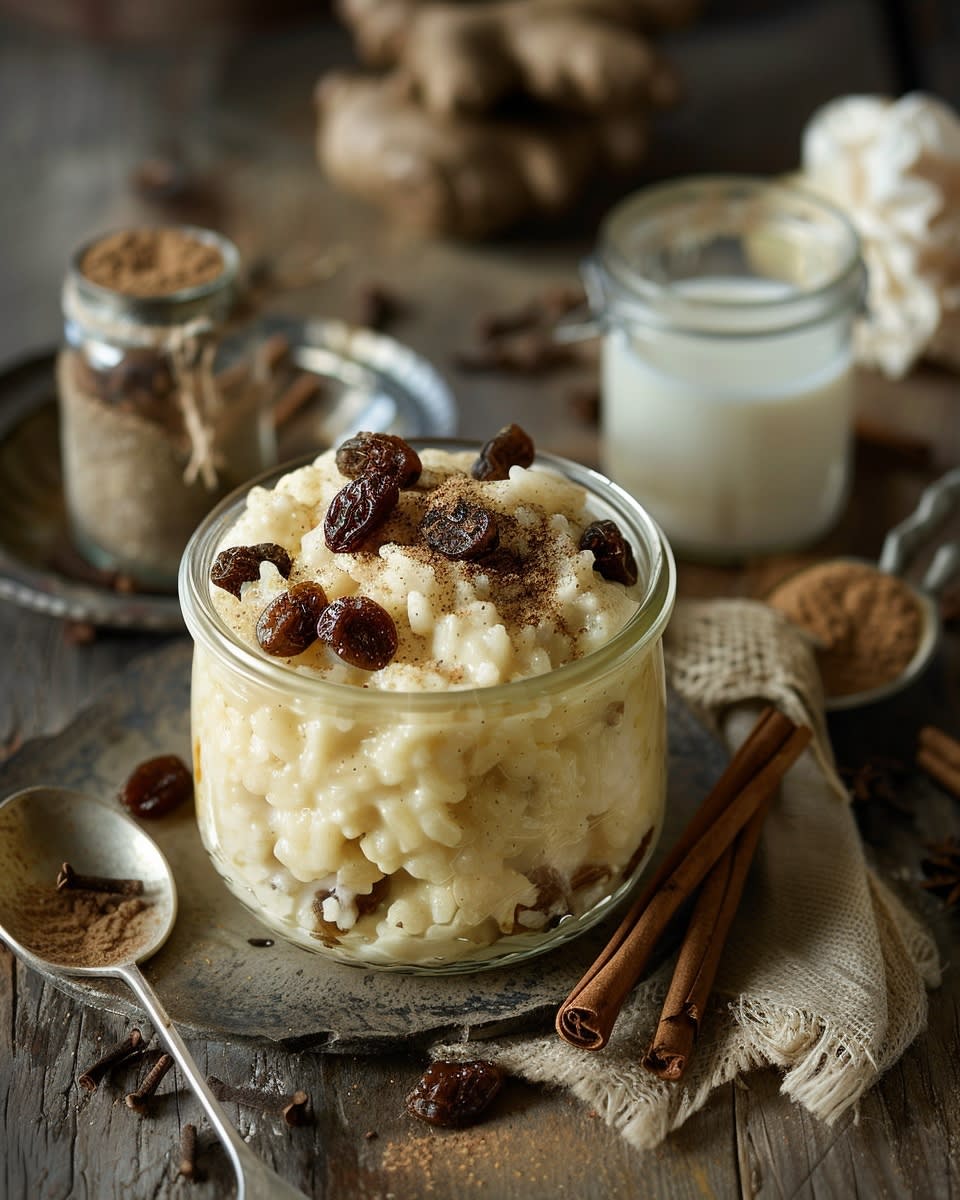
Welcome to My Vanilla Rice Pudding Kitchen
Last winter, I found myself craving something warm and comforting after a long day. I opened my pantry and spotted a bag of arborio rice sitting next to a bottle of vanilla extract. That’s when it hit me – I needed to make vanilla rice pudding. Growing up, my grandmother would make this dessert every Sunday afternoon. The smell would fill her entire house, and we’d all gather around the kitchen table with our bowls. Now, I make it at least twice a month, and it brings back those precious memories every single time.
Rice pudding is one of those desserts that never goes out of style. It’s been around for centuries, appearing in cultures across the globe. From Indian kheer to Spanish arroz con leche, this simple dish has captured hearts everywhere. The best part? You don’t need fancy equipment or hard-to-find ingredients. Just a good pot, some patience, and a handful of pantry staples will get you there.
I remember the first time I tried making stovetop rice pudding on my own. I was convinced it would be too difficult. But after that first creamy, vanilla-scented spoonful, I realized how wrong I was. This recipe is surprisingly simple. Even if you’ve never made pudding before, you can nail this one.
Why Vanilla Rice Pudding?
There’s something special about the marriage of vanilla and rice. The grains become tender and plump as they absorb the sweet milk. The vanilla weaves through every bite, creating a flavor that feels both simple and luxurious at the same time.
What makes this creamy vanilla rice pudding stand out is its texture. It’s not too thick, not too thin. It coats your spoon just right. Each grain of rice stays tender but holds its shape. The cream adds richness without making it feel heavy. You can eat a bowl and feel satisfied without that uncomfortable full feeling.
This dessert works for any occasion. Serve it warm on a cold evening, or chill it for a refreshing summer treat. I’ve brought it to potlucks where it disappeared within minutes. I’ve also enjoyed it alone on my couch while watching my favorite shows. It’s that kind of versatile recipe.
Kids love this pudding because it’s sweet and creamy. Adults appreciate the subtle vanilla flavor and nostalgic comfort it provides. I’ve served rice pudding for two on date nights, and I’ve made big batches for family gatherings. It scales up or down easily, which makes it perfect for any situation.
The beauty of this recipe is that it doesn’t require eggs. Many traditional recipes call for eggs, but this rice pudding no egg version keeps things simple. You get the same creamy result without the extra step of tempering eggs. This also makes it perfect for anyone with egg allergies or sensitivities.
What Makes This Recipe Different
I’ve tried dozens of rice pudding recipes over the years. Some turned out too watery. Others became gummy and overcooked. Some required constant stirring for what felt like hours. This recipe avoids all those problems.
My version comes together in about 30 to 40 minutes from start to finish. That makes it a truly quick rice pudding option. You can start it after dinner and have dessert ready before the dishes are even done.
The secret lies in using the right type of rice and the proper ratio of liquid to grain. Short-grain rice releases starch as it cooks, which naturally thickens the pudding. You don’t need cornstarch or other thickeners. The rice does all the work for you.
I sometimes make this as rice pudding for one when I’m treating myself. I simply cut the measurements down and use a small saucepan. It’s ready in the same amount of time, and I don’t end up with leftovers sitting in my fridge.
Ingredients You’ll Need for Perfect Vanilla Rice Pudding
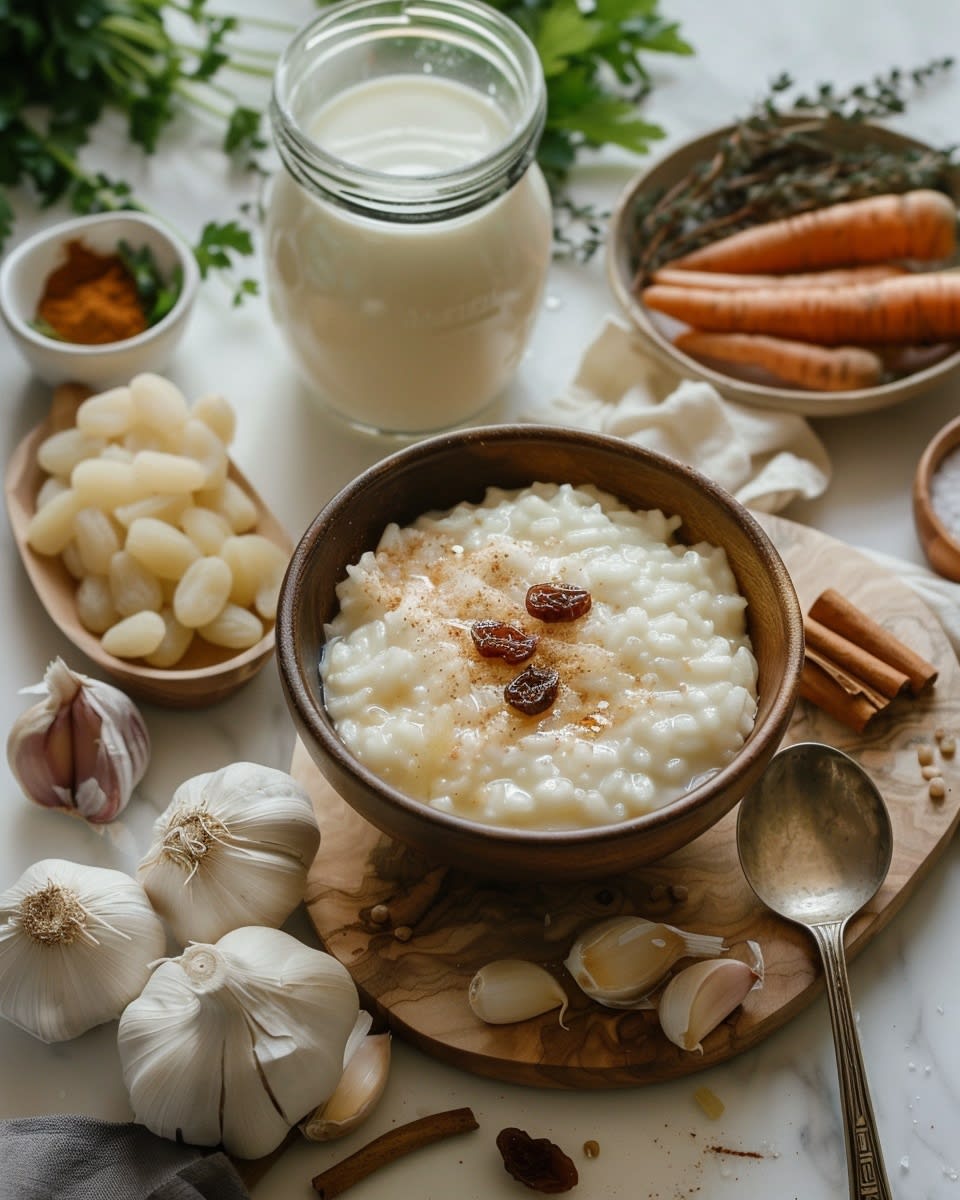
One of my favorite things about this recipe is how few ingredients it requires. You probably have most of them in your kitchen right now. No specialty store trips needed. No expensive imports. Just honest, simple ingredients that work together beautifully.
Here’s everything you need to create this creamy vanilla rice pudding:
- Arborio rice – This short-grain rice is the same type used for risotto. It releases starch as it cooks, creating that signature creamy texture. You can also use any short-grain rice you have on hand. Regular white rice works too, though the texture will be slightly different.
- Milk – Whole milk gives the best flavor and richness. You can use 2% if that’s what you have, but whole milk makes the pudding extra creamy. I always keep a carton in my fridge just for making this dessert.
- Heavy cream – This ingredient takes your pudding from good to amazing. It adds a silky richness that whole milk alone can’t achieve. If you’re watching calories, you can skip it. But trust me, it’s worth including.
- Sugar – Regular white sugar works perfectly. I use about 1/2 cup for a balanced sweetness. You can adjust this based on your preference. Some people like it sweeter, others prefer it less so.
- Vanilla extract – This is where the magic happens. Pure vanilla extract gives the best flavor. If you want to go fancy, you can use a vanilla bean instead. Just split it lengthwise and scrape out the seeds.
That’s it. Five simple ingredients create a dessert that tastes like you spent hours in the kitchen. No eggs needed for this rice pudding no egg version, which keeps things straightforward.
Optional Add-Ins and Variations
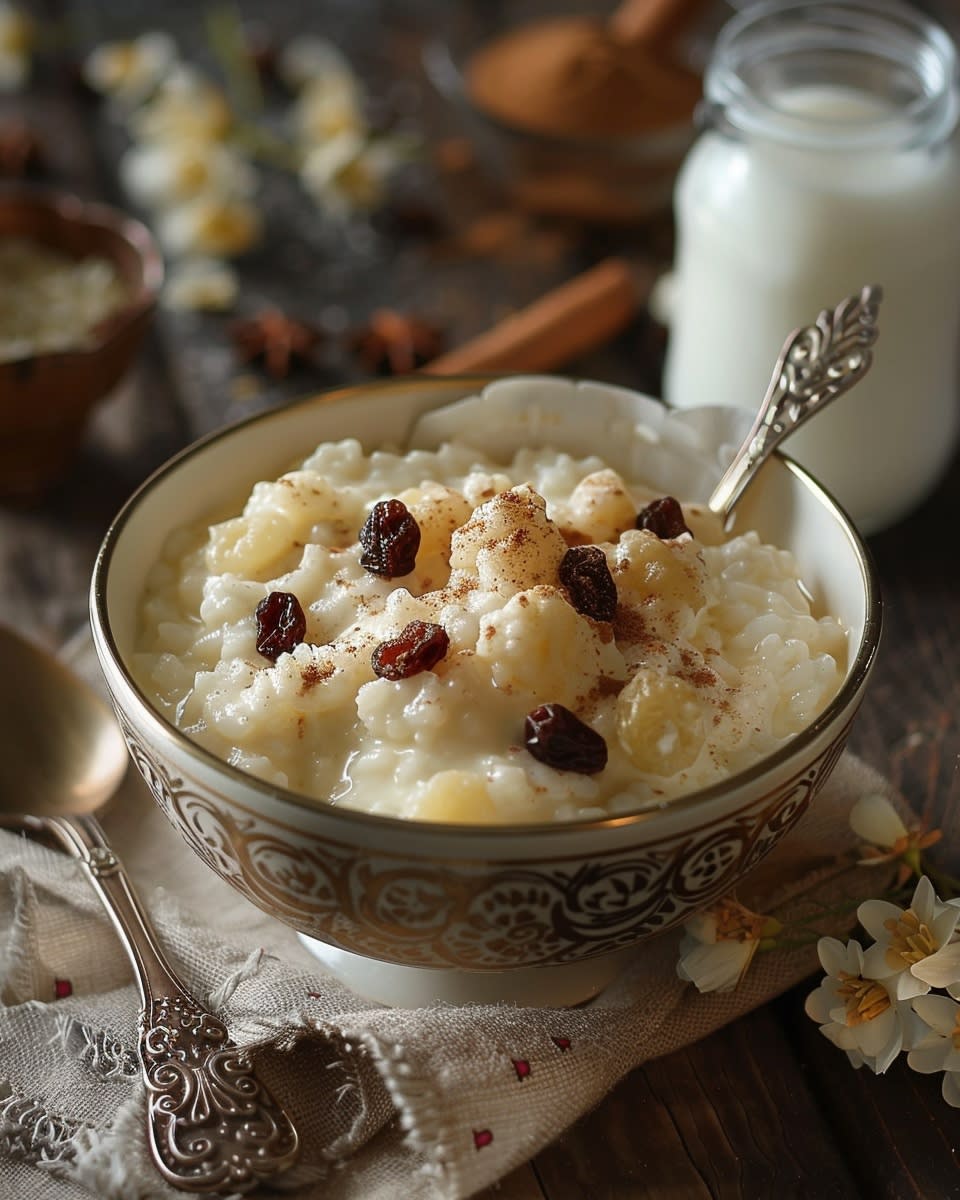
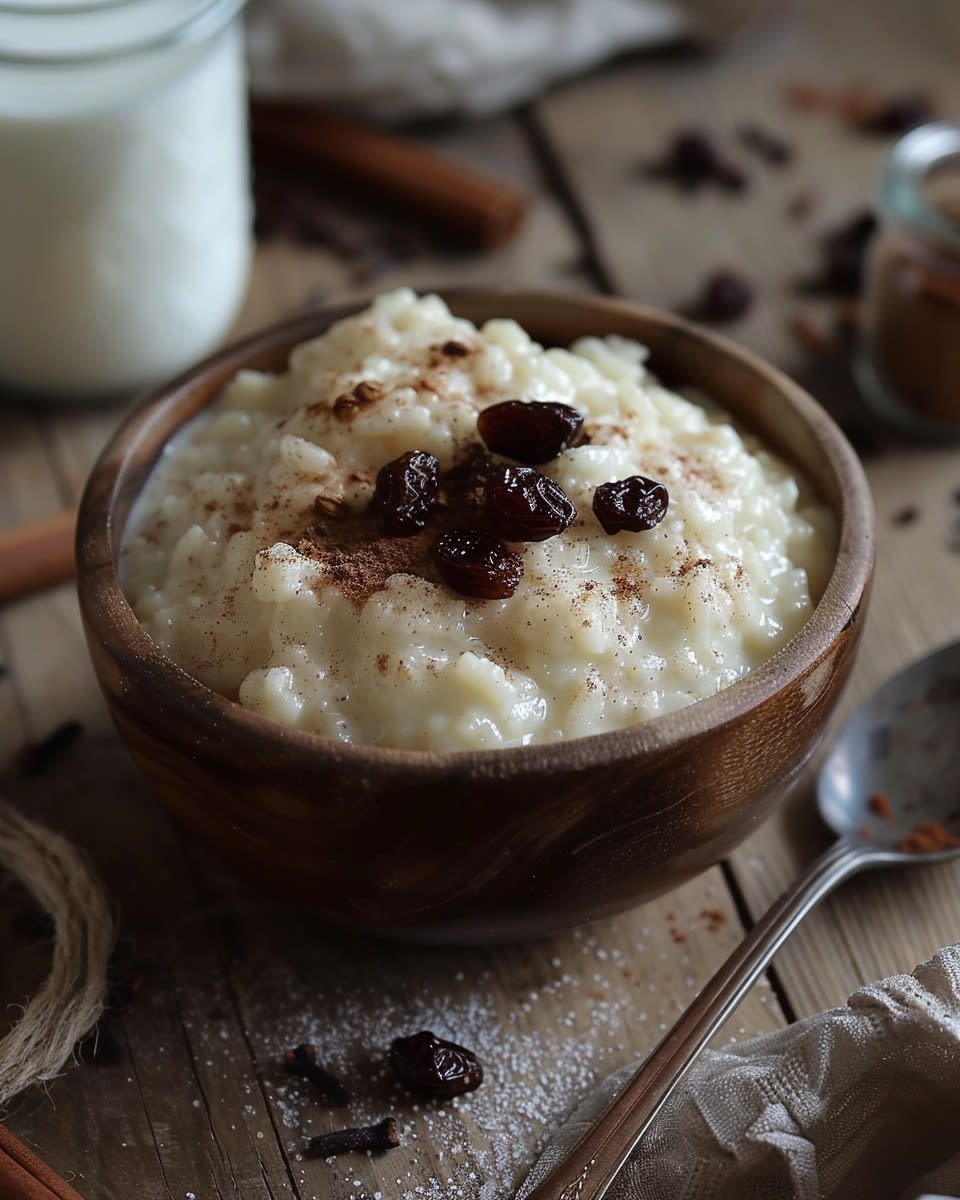
Once you master the basic recipe, you can get creative. I love adding a pinch of cinnamon or nutmeg while the pudding cooks. Some evenings, I’ll stir in raisins or dried cranberries during the last few minutes. Fresh fruit on top adds color and freshness.
My friend swears by adding a splash of rum or brandy at the end. Another friend uses coconut milk instead of regular milk for a tropical twist. The base recipe is forgiving enough to handle these variations.
I’ve also made this vanilla rice pudding with cooked rice when I have leftovers from dinner. It cuts the cooking time in half. Just adjust the liquid amounts and simmer until everything comes together. It’s a great way to use up that rice sitting in your fridge.
Whether you stick to the classic version or experiment with flavors, this arborio rice pudding serves as the perfect foundation. It’s reliable, delicious, and comforting every single time.


How to Make Vanilla Rice Pudding
Now that you’ve got your ingredients lined up, it’s time to actually make this thing. I promise you’ll be surprised by how straightforward the process is.
The first time I made stovetop rice pudding, I kept waiting for something to go wrong. I figured there had to be some tricky technique I’d mess up. But honestly? It’s just about patience and a little bit of stirring. Nothing complicated. You’ve got this.
Step 1: Prepare the Rice
Here’s where you have options, and I love that about this recipe. If you’re starting with uncooked arborio rice, give it a quick rinse under cold water first. This removes excess starch and prevents clumping. Then cook it according to the package directions – usually about 15 to 20 minutes in simmering water.
But let me tell you about my favorite shortcut. Last Tuesday, I had leftover white rice from Chinese takeout sitting in my fridge. Instead of tossing it, I used it to make vanilla rice pudding with cooked rice. Game changer. The whole process took maybe 20 minutes instead of 40. The texture was slightly different, sure, but still absolutely delicious.
When using pre-cooked rice, you’ll need less liquid overall since the grains are already tender. I usually cut the milk down by about a third. Keep an eye on the consistency as it cooks, and you’ll know when it’s just right.
Some people swear by rinsing cooked rice before using it in pudding. I’ve tried it both ways, and honestly? I don’t bother anymore. The extra starch from unrinsed rice actually helps thicken the pudding naturally. Less work, better results – that’s my kind of recipe.
Step 2: Combine the Ingredients
Grab your largest saucepan. Trust me on this one – I learned the hard way when milk boiled over onto my stovetop during my third attempt. Not fun to clean up.
Pour in your cooked rice, then add the milk and heavy cream. I like to use a ratio of about 3 cups milk to 1 cup cream, but you can adjust based on how rich you want your pudding. My aunt prefers rice pudding with cream in a 2:1 ratio because she likes it extra indulgent. Her house, her rules.
Place the pan over medium heat and bring everything to a gentle simmer. The key word here is “gentle.” You’re not making pasta – you don’t want a rolling boil. Just soft bubbles breaking the surface every few seconds. This slow approach is what transforms ordinary ingredients into creamy vanilla rice pudding.
Stir occasionally as it heats up. I usually stir every minute or so at first, then more frequently once it starts simmering. This prevents the rice from sticking to the bottom and burning. Burned rice pudding is not something you want to experience, believe me.
Here’s the thing about stirring – you don’t need to stand there like a statue with your spoon. I usually put on a podcast or chat with whoever’s in the kitchen with me. Just give it a stir whenever you think about it. The pudding is forgiving as long as you don’t completely ignore it.
Step 3: Add Sugar and Vanilla
Once you’ve got a nice simmer going, it’s time for the magic ingredients. Pour in your sugar – I use half a cup, but taste and adjust as you go. Some people have a serious sweet tooth and go up to three-quarters of a cup. Others keep it at a third. There’s no wrong answer here.
Stir until the sugar dissolves completely. You’ll know it’s ready when you can’t feel any grittiness if you dip a spoon in and taste it. Which you should absolutely do. Quality control is important, right?
Now add the vanilla extract. I’m generous with this – usually about two teaspoons. The vanilla flavor should be noticeable but not overwhelming. It should complement the creamy sweetness, not dominate it. When I’m feeling fancy, I’ll use vanilla bean paste instead of extract. Those little black specks throughout the pudding make it look so elegant, like something you’d get at a restaurant.
Keep cooking and stirring frequently. This is the phase where the pudding transforms from a soupy rice mixture into something thick and luxurious. It usually takes 15 to 20 minutes of simmering for uncooked rice, or just 10 to 12 minutes if you started with cooked rice.
Watch for the consistency you want. I like mine thick enough to coat the back of a spoon but still pourable. Some folks prefer it thicker, almost like a risotto consistency. The longer you cook it, the thicker it gets. Just remember it’ll thicken more as it cools, so stop cooking when it’s slightly looser than you want the final result to be.
By the way, if you’re making rice pudding for one, divide all these measurements by four and use a small saucepan. Same technique, same timing, just smaller quantities. Perfect for those nights when you want something sweet but don’t need a week’s worth of leftovers.
For couples looking for a cozy dessert, this recipe scales down beautifully as rice pudding for two. Cut everything in half, use a medium saucepan, and you’ll have just enough for two generous servings with maybe a little left over for midnight snacking. My partner and I make this version all the time on weekend evenings.
Quick Rice Pudding Tips
Let’s talk about speed. Sometimes you need dessert fast. Maybe unexpected guests showed up, or you just decided at 8 PM that you need pudding in your life right now. I get it.
The fastest quick rice pudding I ever made took exactly 18 minutes from start to finish. Here’s how I did it: I used leftover jasmine rice from dinner, increased the cream ratio to equal parts milk and cream, and cranked the heat up just slightly higher than usual. The extra fat from the cream helped everything thicken faster without requiring as much cooking time.
Another speed trick? Use instant rice. I know, I know – rice purists are cringing right now. But honestly? In a pinch, it works. The texture isn’t quite as perfect as proper arborio rice pudding, but it’s still tasty and comes together in about 15 minutes total.
You can also make this in a pressure cooker if you have one. Seven minutes on high pressure with a natural release gives you perfectly tender rice and creamy pudding. I don’t use this method often because I actually enjoy the therapeutic stirring process, but it’s there if you need it.
If you’re looking for inspiration from other creamy desserts, you might enjoy checking out this raspberry mousse cake that also features a wonderfully smooth texture. The techniques for achieving creaminess translate across different desserts surprisingly well.
One more tip that changed my pudding game: add a pinch of salt along with the sugar. It might sound weird, but salt enhances sweetness and brings out the vanilla flavor. Just a tiny pinch makes everything taste more alive and less flat.
Sometimes I’ll make a double batch and store half in the fridge. It keeps for about four days in an airtight container. When I want some, I just scoop out a portion and either eat it cold or warm it up gently on the stove with a splash of milk to loosen it back up. Much like how you’d handle leftover strawberry cheesecake, proper storage makes all the difference.
The beauty of this nigella rice pudding inspired approach is that it doesn’t require any fussy techniques or special equipment. No water baths, no tempering, no precise temperatures. Just rice, milk, cream, sugar, and vanilla coming together through gentle heat and patience. Similar to how simple ingredients create magic in chocolate banana cake, this pudding proves that basic pantry staples can create something truly special.
When you’re finished cooking, remove the pan from heat and let it sit for about five minutes. The pudding will continue thickening as it cools. This resting period also lets the flavors meld together beautifully. Then you can serve it warm, or transfer it to a bowl and chill it for later. Both ways are equally delicious, just different experiences.
The warm version feels like a hug in a bowl – comforting and soothing. The chilled version is refreshing and elegant, almost like a sophisticated version of rice pudding cups you might have had as a kid. On hot summer days, I’ll top cold pudding with fresh berries, similar to how you’d garnish lemon sugar cookies with a simple glaze.
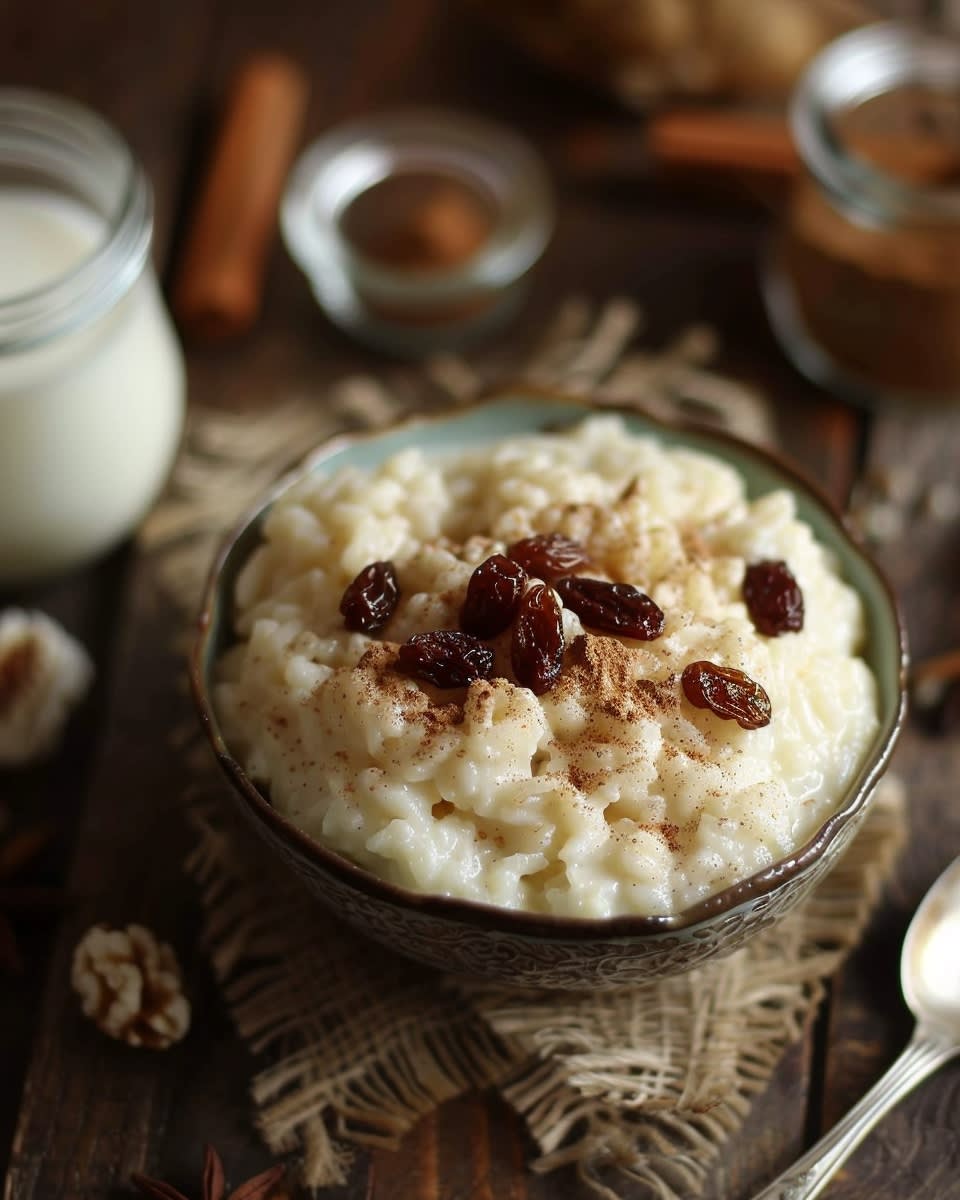
Variations and Serving Suggestions for Your Vanilla Rice Pudding
Here’s where things get really fun. Once you’ve nailed the basic recipe, you can spin it in about a hundred different directions. I’ve been experimenting with variations for years now, and I still discover new combinations that surprise me.
The beauty of this dessert is how it welcomes creativity. Unlike some finicky recipes that fall apart if you change one ingredient, rice pudding is basically bulletproof. You can swap flavors, adjust textures, and play around with toppings until you find your perfect version.
Nigella-Inspired Rice Pudding
I stumbled across Nigella Lawson’s approach to rice pudding a few years back, and it completely changed how I thought about this dessert. She adds warming spices that transform the whole experience. Now, my nigella rice pudding variation includes a quarter teaspoon of ground cardamom and a pinch of freshly grated nutmeg.
The cardamom brings this slightly floral, citrusy note that makes people ask “what’s that amazing flavor?” They can never quite put their finger on it. The nutmeg adds warmth without being obvious. Together, these spices create something more sophisticated than plain vanilla, though I still love the classic version too.
I make this spiced version mostly in fall and winter. Something about those flavors just feels right when it’s cold outside. Add the spices at the same time you add the vanilla extract. They need a few minutes to bloom in the hot liquid and release their oils.
My neighbor tried this version at a dinner party last month and immediately texted me for the recipe. She said it reminded her of chai tea but in pudding form. That’s actually a perfect description. If you love chai lattes, you’ll go crazy for this variation.
Scaling for Different Occasions
Let me tell you about portion control, because it matters more than you might think. I’ve made the mistake of preparing a full batch when I’m home alone. Next thing I know, I’m eating rice pudding for breakfast, lunch, and dinner for three days straight. Not my finest moment, though also not entirely regrettable.
When I’m cooking rice pudding for one, I use a third of a cup of uncooked rice, one cup of milk, a quarter cup of cream, and adjust the sugar and vanilla proportionally. It comes together in the same amount of time but yields just enough for one generous serving, maybe with a tiny bit left for a midnight snack.
For a romantic dessert, rice pudding for two works beautifully. I’ll use two-thirds cup of rice, two cups of milk, and half a cup of cream. It’s enough to feel indulgent without leaving you with tons of leftovers. Last Valentine’s Day, I made this version and served it in pretty glass bowls with raspberries on top. My partner still brings it up as one of the best desserts I’ve ever made, which makes me laugh because it’s literally the easiest thing in my repertoire.
The single-serving version is also perfect for testing out new flavor combinations. Want to try orange zest? Make a small batch first. Curious about coconut milk? Test it out without committing to a huge quantity. This way, you’re not stuck with a giant pot of experimental pudding that didn’t quite work out.
Creative Flavor Twists
Beyond the basic variations I’ve mentioned, there are endless possibilities for customization. I keep a running list in my phone of combinations I want to try. Some have been hits, others less so, but that’s part of the fun.
Coffee rice pudding became an accidental favorite when I added a tablespoon of instant espresso powder to the milk. The result was this sophisticated, grown-up version that tastes like a latte and dessert had a baby. I serve it with a drizzle of caramel sauce on top, and people lose their minds over it.
Citrus versions work surprisingly well too. I’ll add the zest of one lemon or orange while the pudding cooks, then fish it out before serving. The flavor infuses throughout, giving you this bright, fresh taste that cuts through the richness. It’s especially good in summer when you want something creamy but not too heavy.
Chocolate vanilla rice pudding happens when I stir in a quarter cup of cocoa powder and an extra tablespoon of sugar. My niece requests this version every time she visits. She calls it “chocolate cloud rice” which is honestly the cutest name ever, so that’s what we call it now in our family.
Here’s an odd combination that actually works: maple and bacon. I know, I know, it sounds weird. But crispy bacon bits sprinkled on top of maple-sweetened rice pudding (use maple syrup instead of sugar) creates this sweet and savory situation that’s genuinely delicious. My brother-in-law, who claimed he didn’t like rice pudding, ate three servings of this version.
Topping Ideas That Transform the Experience
Sometimes the topping makes the whole dessert. I learned this when I started really paying attention to how restaurants plate their rice pudding. They always add something interesting on top that takes it from homestyle to restaurant-quality.
Fresh berries are the obvious choice, but they’re obvious for a reason. Raspberries, blueberries, or sliced strawberries add color, freshness, and a tartness that balances the sweet cream. I like macerating the berries first with a teaspoon of sugar and letting them sit for fifteen minutes. They release their juices and create this beautiful syrup.
Caramelized bananas are ridiculously good. Slice a banana, toss the pieces in a hot pan with butter and brown sugar, and cook until golden. Spoon them over warm pudding. It’s basically banana bread and rice pudding having a party in your mouth.
Toasted nuts add crunch and richness. Almonds, pistachios, or pecans all work great. I’ll toast them in a dry pan until fragrant, then chop them roughly and scatter them on top. The textural contrast against the creamy pudding is exactly what the dish needs.
Fruit compotes are another level entirely. Last week I made a quick cherry compote by simmering frozen cherries with sugar and a splash of almond extract. Spooned over cold rice pudding, it tasted like something from a fancy dessert menu. The whole thing took maybe ten extra minutes but elevated the entire experience.
When I’m feeling really extra, I’ll make a brûléed top. Sprinkle sugar on chilled pudding in a ramekin, then hit it with a kitchen torch until the sugar caramelizes. That crackling sugar crust against cold, creamy pudding underneath? Absolute perfection. You don’t need a torch though – your oven’s broiler works too, just watch it carefully so it doesn’t burn.
Serving Temperatures and Presentation
Temperature changes everything about this dessert. I’ve served the same batch of stovetop rice pudding both warm and cold, and people swear they’re different recipes. They’re not – but temperature affects how you perceive flavor and texture.
Warm pudding feels more comforting and homey. The vanilla aroma is stronger when it’s warm. The texture is looser and more pourable. I serve it warm in mugs sometimes, like a thick beverage. It’s perfect for cozy nights when you want something soothing.
Cold pudding from the fridge is firmer and more set. It holds its shape better, which makes it great for layering in parfait glasses with fruit and granola. The flavors taste slightly muted when cold, which is why I sometimes add an extra splash of vanilla to batches I plan to chill.
Room temperature falls somewhere in between. Honestly, this might be my favorite way to eat it. The texture is creamy but not too thick. The flavors come through clearly. Plus, you don’t have to wait for it to chill or worry about it getting cold while you eat.
Presentation-wise, I’ve learned a few tricks over the years. Individual serving glasses or ramekins look more elegant than serving from a big bowl, even though it’s the exact same pudding. A light dusting of cinnamon or cocoa powder on top adds visual interest without any extra work. A mint leaf garnish makes it look fancy with minimal effort.
For parties, I’ll sometimes do a rice pudding bar. I put out a big bowl of plain creamy vanilla rice pudding along with small bowls of different toppings – berries, nuts, chocolate chips, caramel sauce, whipped cream, whatever I have around. People love building their own perfect bowl. It takes pressure off me and gives guests something fun to do.
Storage and Reheating Tips
Leftover rice pudding is a gift to your future self. I always make extra on purpose now because it’s such a great snack to have in the fridge. Just store it in an airtight container, and it’ll keep for up to five days.
The pudding will thicken considerably as it sits in the fridge. That’s totally normal and not a problem. When you want to eat it, you have options. You can eat it cold and thick, which some people prefer. Or you can reheat it gently on the stove with a splash of milk to thin it back out.
I usually add about a quarter cup of milk per two cups of pudding when reheating. Warm it over low heat, stirring frequently. It’ll loosen up and become creamy again within a few minutes. Don’t microwave it at full power – I’ve learned this the hard way. The pudding can get weird and grainy if it heats too quickly. If you must use the microwave, use fifty percent power and stir every thirty seconds.
Funny enough, I’ve also frozen rice pudding with decent success. It’s not quite as perfect when thawed as fresh pudding, but it works in a pinch. Freeze it in individual portions in freezer-safe containers. Thaw overnight in the fridge, then reheat gently. The texture might be slightly different, but the flavor is still there.
By the way, if you’re looking for more dessert recipes that are just as comforting and versatile as rice pudding, there’s a whole world of options to explore. Sometimes I’ll make rice pudding one night and something completely different the next, but they all share that same homemade warmth.
Making It Your Own
The best advice I can give you is to stop following recipes exactly after you’ve made them once or twice. I mean it. Use the recipe as a foundation, then trust your instincts. You know what you like better than anyone else does.
If you think it needs more vanilla, add more vanilla. If you prefer it less sweet, cut back on the sugar. Want it thicker? Cook it longer. Prefer it thinner? Add more milk. There’s no rice pudding police who’s going to show up and tell you you’re doing it wrong.
I’ve been making this arborio rice pudding for years now, and I rarely make it exactly the same way twice. Sometimes I’m in the mood for something simple and classic. Other times I want to experiment with new flavors. Both approaches are equally valid and delicious.
One thing worth mentioning about cooking temperatures – while rice pudding is fairly forgiving, you do want to maintain that gentle simmer throughout cooking. Too high heat can cause scorching, and nobody wants that. Keep it at a temperature where you see small bubbles breaking the surface but nothing aggressive.
The most important thing is that you enjoy the process. Cooking should be fun, not stressful. If you burn a batch, laugh it off and try again. If your pudding turns out too thin, call it rice soup and eat it anyway. I’ve had plenty of imperfect batches over the years, and you know what? They still tasted pretty good.
Remember that this rice pudding with cream is meant to bring you joy. Whether you’re making it for yourself, for someone you love, or for a crowd, the point is to create something warm and comforting. Don’t get so caught up in perfection that you forget to actually enjoy what you’re making.
FAQ
Can I use brown rice instead of white rice for vanilla rice pudding?
Yes, you can absolutely use brown rice, though the results will be different. Brown rice takes much longer to cook – usually about 45 minutes instead of 20 – and won’t release as much starch, so the pudding won’t be quite as creamy. The texture will be chewier, and the flavor will be nuttier. I’d recommend increasing the cream ratio and maybe adding a tablespoon of cornstarch if you want it creamier. It’s healthier though, with more fiber and nutrients, so it’s a worthwhile trade-off if that matters to you.
Why did my rice pudding turn out watery?
Watery pudding usually means you didn’t cook it long enough or used too much liquid. Remember that the pudding thickens as it cools, so it should look slightly looser than you want the final result while it’s still hot. If this happens, put it back on the stove and simmer it longer, stirring frequently. You can also mix a tablespoon of cornstarch with a little cold milk, then stir that into the pudding and cook for a few more minutes. Next time, reduce the liquid slightly or increase the cooking time until it reaches that coating-the-spoon consistency.
Can I make vanilla rice pudding dairy-free?
Definitely! I’ve made successful dairy-free versions using coconut milk, almond milk, or oat milk. Full-fat coconut milk from a can works best because it has the richness needed to replace cream. For other plant milks, choose unsweetened versions and add a bit more sugar to compensate. The texture might be slightly different than traditional pudding, but it’s still delicious. Some plant milks are thinner, so you might need to cook it a bit longer or add a thickener like cornstarch. Oat milk creates surprisingly creamy results in my experience.
What’s the best type of vanilla to use?
Pure vanilla extract gives the best flavor for everyday pudding. Those imitation vanilla flavors just don’t compare – they taste artificial and leave a weird aftertaste. If you want to go fancy, vanilla bean paste is incredible because you get those beautiful black specks throughout the pudding and intense flavor. For special occasions, I’ll sometimes use a whole vanilla bean – split it lengthwise, scrape out the seeds, and add both the seeds and the pod to the milk as it cooks. Just remember to fish out the pod before serving. It’s pricier but creates an amazing depth of flavor.
Can I add eggs to make it richer?
You can, though this recipe is specifically designed as rice pudding no egg for simplicity. If you want to add eggs, temper two egg yolks by slowly whisking hot pudding into them, then stir that mixture back into the pot and cook for a few more minutes until thickened. This creates a custard-like richness. Just be careful not to let it boil after adding eggs, or they’ll scramble. Personally, I think the cream provides enough richness without the extra step, but eggs do create a slightly different texture that some people prefer.
How do I prevent skin from forming on top?
That skin happens when the pudding’s surface dries out as it cools. The easiest fix is pressing plastic wrap directly onto the surface of the pudding before refrigerating. Make sure the wrap touches the entire surface with no air gaps. Some people don’t mind the skin and just stir it back in, which works fine too. Another trick is placing a piece of parchment paper on top instead of plastic wrap. If skin does form and you don’t want to eat it, just peel it off before serving – no big deal.
Can I use jasmine or basmati rice?
Yes, though these long-grain varieties won’t create the same creamy texture as short-grain rice. They don’t release as much starch, so your pudding will be less thick. That said, I’ve used leftover jasmine rice many times when making vanilla rice pudding with cooked rice, and it still tastes great – just different. The grains stay more separate rather than melding together. If you want it creamier with these rice types, add a tablespoon of cornstarch mixed with cold milk toward the end of cooking. Or just embrace the different texture and enjoy it for what it is.
Is it normal for the rice to look mushy?
It depends on what you mean by mushy. The rice should be very soft and tender, breaking down slightly, but individual grains should still be visible. If it looks like complete mush with no grain definition at all, you probably cooked it too long or stirred too vigorously. Aggressive stirring breaks down the rice more than gentle stirring. That said, some people prefer a mushier consistency, so if you like it that way, there’s nothing wrong with it. The texture is really a personal preference thing. I like mine where you can still see the rice shape but it’s very soft.
Why does my pudding have a starchy taste?
A starchy taste usually means you either didn’t cook it long enough or didn’t rinse your rice before cooking. Rinsing removes excess surface starch that can create an unpleasant flavor. The pudding needs enough time for the starches to fully cook and integrate into the creamy mixture. Make sure you’re simmering it for the full cooking time, not rushing it. Also, quality rice makes a difference – older rice or lower-quality brands can sometimes taste starchier. If this happens, add an extra splash of vanilla and a pinch of salt, which can help balance the flavor.
Can I make this in a slow cooker or Instant Pot?
Absolutely! For a slow cooker, combine everything except the vanilla and cook on low for 2-3 hours, stirring occasionally, then add vanilla at the end. For an Instant Pot, use the rice setting or pressure cook on high for 7 minutes with natural release. You’ll need to adjust liquid ratios slightly – reduce by about a quarter cup since there’s less evaporation. I don’t use these methods often because I actually enjoy the stovetop stirring process, but they’re great hands-off options when you’re busy. The texture might be slightly different but still delicious, and you can’t beat the convenience.
I hope this guide helps you fall in love with making vanilla rice pudding at home. It’s become one of those recipes I turn to again and again, whether I need a quick dessert or want to recreate those childhood memories. Trust the process, have fun experimenting, and don’t stress about getting it perfect. The best rice pudding is the one you actually make and enjoy.
Ingredients
Equipment
Method
- Rinse uncooked Arborio rice under cold water to remove excess starch.
- In a large saucepan, combine cooked rice, milk, and cream, and heat over medium.
- Add sugar and stir until dissolved, then incorporate the vanilla extract and cook for an additional 15-20 minutes until pudding thickens to your liking.