
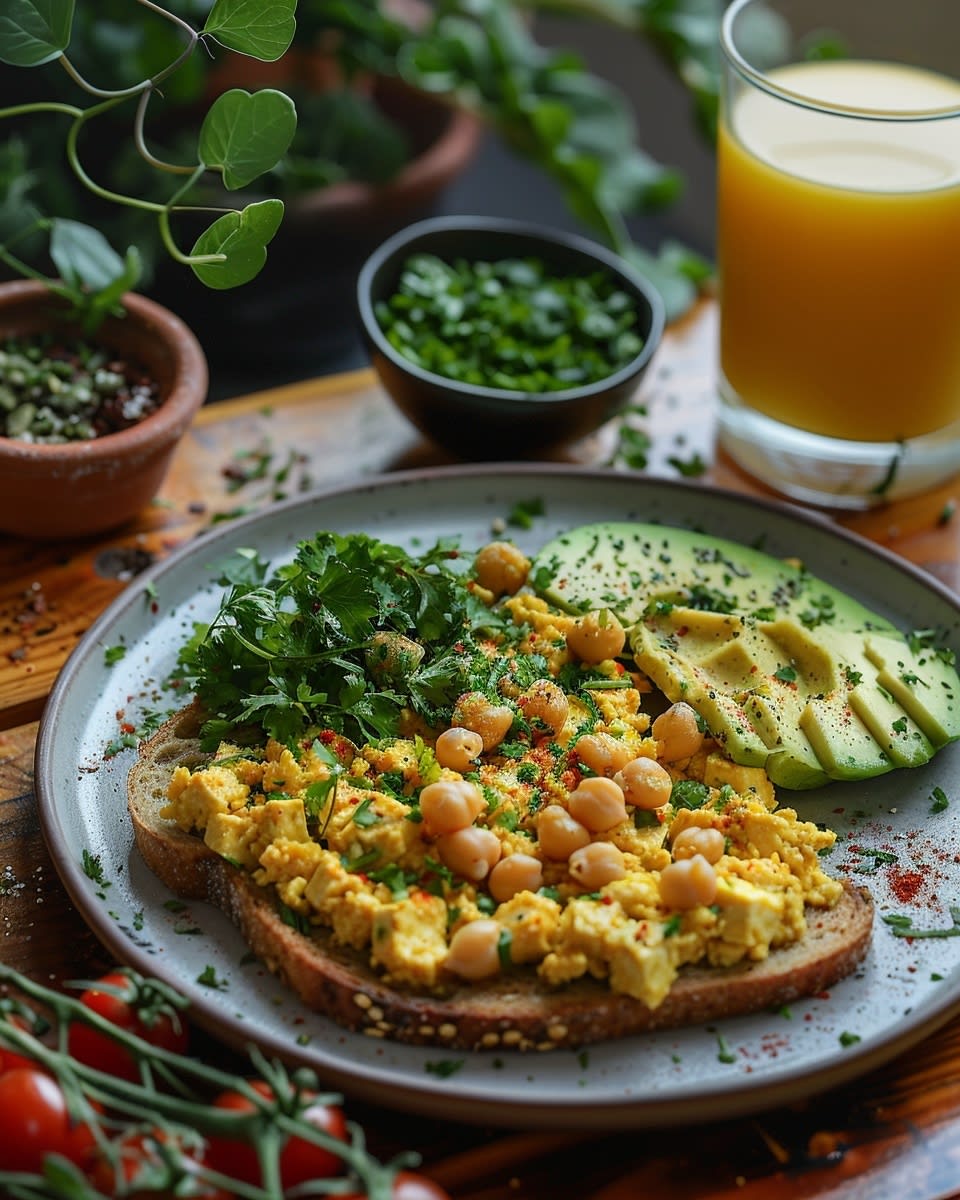
My Morning Game-Changer: Tofu Scramble with Chickpeas
I still remember the first time I tried making a tofu scramble. I was skeptical. Could crumbled tofu really replace the fluffy scrambled eggs I grew up eating? Then I added chickpeas to the mix, and everything changed. The combination created this hearty, satisfying breakfast that kept me full until lunch. That was five years ago, and I’ve been hooked ever since.
This tofu scramble with chickpeas has become my go-to breakfast when I need energy and comfort in one plate. The best part? It’s packed with plant-based protein, takes less than 20 minutes to make, and works for any meal of the day. Whether you’re vegan, trying to eat less meat, or just looking for new breakfast ideas, this dish delivers on all fronts.
In this article, I’ll walk you through everything you need to know about making the perfect tofu scramble with chickpeas. You’ll learn why this dish is so nutritious, discover tips for choosing the right ingredients, and get answers to common questions people ask about cooking with tofu. By the end, you’ll have all the knowledge you need to make this protein-rich breakfast part of your regular routine.
Why Tofu Scramble with Chickpeas is a Great Breakfast Option
Let’s talk about what makes this dish special. I’ve tried countless vegan breakfast options over the years, and this one stands out for good reasons.
First, the nutrition profile is impressive. One serving gives you around 20 grams of protein, thanks to the tofu and chickpeas working together. That’s more protein than two large eggs. You also get fiber from the chickpeas, which helps with digestion and keeps you feeling satisfied longer. Traditional scrambled eggs can’t offer that.
The iron content in this nutritious breakfast is another win. Tofu provides iron, and when you add chickpeas, you boost those levels even more. I always add a squeeze of lemon juice at the end because the vitamin C helps your body absorb the iron better. It’s a simple trick that makes a real difference.
This scramble is also lower in cholesterol compared to egg-based breakfasts. Actually, it has zero cholesterol. For anyone watching their heart health or just trying to eat cleaner, that’s significant. You get the comfort and satisfaction of a scrambled egg breakfast without any of the dietary cholesterol.
The versatility factor is huge for me. Some mornings I keep it simple with just turmeric and black salt. Other days, I load it up with bell peppers, spinach, tomatoes, and whatever vegetables need using up in my fridge. The base recipe stays the same, but the flavor possibilities are endless. That’s what makes it perfect for busy people who don’t want to eat the same thing every day.
As one of the easy tofu recipes in my collection, this scramble requires minimal cooking skills. You don’t need to flip anything or worry about overcooking. You just crumble, season, and stir. Even my friends who claim they can’t cook have mastered this dish after making it once or twice.
The texture is what surprises most people. When you cook the tofu properly and let it get a little crispy around the edges, it develops this satisfying bite. The chickpeas add a different texture that makes each forkful interesting. You’re not eating mush. You’re eating something with real substance and character.
Ingredients You’ll Need
Getting the right ingredients makes all the difference. Here’s what you need to create the perfect tofu scramble with chickpeas.
Main Ingredients
- 14 ounces firm or extra-firm tofu (one standard block)
- 1 can (15 ounces) chickpeas, drained and rinsed
- 2 tablespoons olive oil or coconut oil for cooking
- 1/2 teaspoon turmeric powder for that golden egg-like color
- 1/4 teaspoon black salt (kala namak) for an eggy flavor
- 1/2 teaspoon garlic powder
- 1/4 teaspoon black pepper
- 1/2 teaspoon regular salt (or to taste)
Optional Add-Ins
- 1 small onion, diced
- 1 bell pepper, chopped
- 2 cups fresh spinach or kale
- 1 cup cherry tomatoes, halved
- 2 cloves fresh garlic, minced
- Nutritional yeast for a cheesy flavor
- Red pepper flakes for heat
- Fresh herbs like cilantro or parsley
Tips for Choosing the Right Tofu
The tofu scramble ingredients list starts with picking good tofu. This matters more than you might think. I learned this the hard way after making watery scrambles that looked nothing like the photos I’d seen online.
Always choose firm or extra-firm tofu for scrambles. Soft or silken tofu contains too much water and won’t give you the texture you want. The package should feel solid when you press it gently. If it feels mushy or too soft, skip it.
I prefer organic tofu when possible. It usually has a cleaner taste and better texture. Non-GMO tofu is also worth looking for if that matters to you. The ingredient list should be short: soybeans, water, and a coagulant like calcium sulfate or magnesium chloride.
Press your tofu before cooking. This step removes excess water and helps the tofu absorb flavors better. I wrap my tofu block in a clean kitchen towel, place it on a plate, and set something heavy on top for 15 minutes. A cast-iron skillet or a few cookbooks work great. Some people buy tofu presses, but I’ve never needed one.
Fresh tofu makes a difference too. Check the expiration date and pick the freshest package available. Fresh tofu has a mild, slightly sweet smell. If it smells sour or off, don’t buy it.
Selecting Quality Chickpeas
For chickpeas, I usually use canned because they’re convenient. Look for cans with no added salt if you want to control the sodium level yourself. I always drain and rinse canned chickpeas thoroughly. This removes the thick liquid and any metallic taste from the can.
You can also use dried chickpeas that you’ve cooked yourself. They taste better and have a firmer texture. If you go this route, cook them until they’re tender but not mushy. You’ll need about 1.5 cups of cooked chickpeas to replace one can.
Some brands of canned chickpeas are softer than others. I prefer chickpeas that hold their shape well when stirred into the scramble. Goya and Bush’s are reliable brands in my experience, but try different ones to find your favorite.


How to Prepare Your Tofu Scramble with Chickpeas
Once you’ve got your ingredients ready, the actual cooking process is surprisingly straightforward. I’ve made this tofu scramble recipe on rushed weekday mornings and lazy Sundays, and it works perfectly either way.
Start by heating your oil in a large skillet over medium-high heat. I use a non-stick or well-seasoned cast-iron pan because tofu can stick if you’re not careful. While the pan heats up, unwrap your pressed tofu and crumble it with your hands into bite-sized pieces. Don’t worry about making them uniform. Actually, different-sized pieces create better texture because some get crispy while others stay soft.
Here’s where the magic starts. Add the crumbled tofu to your hot pan and let it sit undisturbed for about two minutes. This step is crucial. Resisting the urge to stir immediately lets the bottom develop a golden crust. I learned this from other high-protein breakfast experiments where patience really paid off.
After those two minutes, give everything a good stir and add your turmeric, garlic powder, and black salt. The turmeric does double duty here, giving you that sunny yellow color and adding earthy flavor. The black salt is what people always ask me about. It has this sulfurous smell that mimics eggs almost perfectly. If you can’t find it at regular grocery stores, Indian markets always carry it, or you can order it online for a few dollars.
Now toss in your drained chickpeas. Stir everything together and let it cook for another five minutes, stirring occasionally. You want some of the chickpeas to get slightly crispy on the outside. That textural contrast between the tofu and chickpeas is what makes this dish work so well. Season with regular salt and black pepper to taste.
If you’re adding vegetables, timing matters. Hard vegetables like onions and bell peppers should go in before the tofu so they have time to soften. I add them right after heating the oil. Garlic goes in about thirty seconds before the tofu to prevent burning. Leafy greens like spinach go in during the last two minutes of cooking, and tomatoes right at the end since they release water quickly.
Getting the Texture Just Right
Cooking tofu properly is all about moisture control and heat management. The biggest mistake I see people make is using too low heat. Medium-high is your friend here. You need enough heat to evaporate the moisture and create those crispy edges.
Don’t overcrowd your pan. If you pile everything in too tight, the tofu will steam instead of sauté. Steam creates mushiness. Use a large skillet that gives everything room to breathe. If your pan seems crowded, cook in batches or use two pans at once.
The press time before cooking really matters. When I skip pressing my tofu because I’m rushed, I always regret it. The extra water dilutes your seasonings and prevents proper browning. Those fifteen minutes of pressing save you from a bland, soggy scramble.
Another trick: after you add the seasonings, resist stirring too much. I stir about every minute or so. This gives parts of the tofu time to develop color and texture. Think of it like making hash browns. You need contact with the hot pan to get that golden crust.
Nutritional yeast is optional but fantastic for adding depth. I sprinkle in two tablespoons during the last minute of cooking. It melts slightly and creates this cheesy, savory coating that takes the dish from good to amazing.
Ways to Customize Your Scramble
The beauty of tofu scramble variations is that you can adapt this recipe to whatever you’re craving or whatever’s in your fridge. I’ve probably made fifty different versions over the years.
My Mexican-inspired version includes cumin, smoked paprika, diced jalapeños, and fresh cilantro. It reminds me of the filling in a breakfast burrito I love. Sometimes I serve it with salsa and avocado on the side.
For Mediterranean flavors, I add sun-dried tomatoes, kalamata olives, fresh basil, and oregano. A squeeze of lemon at the end brightens everything up. This version is incredible with some crusty bread for dipping.
The Indian-style scramble uses garam masala, fresh ginger, green chili, and curry leaves when I can find them. I finish it with fresh tomatoes and cilantro. It tastes like the savory breakfast my friend’s mom used to make when I visited her house in college.
Mushrooms are a game-changer if you like umami flavors. I sauté sliced mushrooms until they’re golden before adding the tofu. They add meatiness and depth that makes the whole dish richer. Shiitake or cremini mushrooms work especially well.
Health Benefits of This Protein-Packed Breakfast
Let me break down why this combination is so good for you beyond just the protein numbers I mentioned earlier.
Tofu nutrition is actually pretty impressive when you look closely. A half-cup of firm tofu contains about 10 grams of protein and provides all nine essential amino acids your body needs. That makes it a complete protein source, which is relatively rare in plant foods. You’re also getting calcium if your tofu is made with calcium sulfate, which most brands are. We’re talking about 20-30% of your daily calcium needs in one serving.
The isoflavones in tofu have been studied extensively. Research suggests they may help with heart health and bone density, especially as we age. I’m not a doctor, but I appreciate that my breakfast is doing more than just filling me up. Some people worry about soy and hormones, but current scientific evidence shows that moderate soy consumption is safe and actually beneficial for most people.
Tofu is also low in calories relative to its protein content. You get substantial nutrition without the calorie density of many animal proteins. For anyone managing their weight while trying to build or maintain muscle, that’s a practical advantage.
Now, chickpea benefits add another layer to this dish. These little legumes are nutritional powerhouses. They’re loaded with fiber, about 12 grams per cup. That fiber slows digestion and helps stabilize blood sugar levels. I notice I don’t get that mid-morning energy crash when I eat this scramble, unlike when I used to eat sugary cereals or pastries.
Chickpeas contain resistant starch, which feeds the beneficial bacteria in your gut. Good gut health affects everything from your immune system to your mood. Plus, that fiber keeps your digestive system running smoothly, if you know what I mean.
The mineral content in chickpeas is worth mentioning too. You’re getting manganese, folate, copper, and magnesium. These nutrients support energy production, brain function, and bone health. Funny enough, I started taking fewer supplements after making this breakfast a regular thing.
When you combine tofu and chickpeas, you create this plant-based protein synergy that covers all your amino acid bases thoroughly. The complementary proteins work together, giving your body everything it needs to repair tissues, build enzymes, and maintain muscle. After my morning workouts, this scramble helps with recovery just as well as any protein shake I’ve tried.
The antioxidants from turmeric deserve a mention. Curcumin, the active compound in turmeric, has anti-inflammatory properties. Combined with black pepper, which increases curcumin absorption by up to 2000%, you’re getting real therapeutic benefits with your breakfast.
Serving Ideas That Make This Dish Shine
How you serve this scramble can completely transform the eating experience. I rarely eat it the same way twice.
The classic approach is piling it onto whole grain toast. I use thick sourdough or multigrain bread, toasted until it’s crunchy. Sometimes I rub a cut garlic clove on the warm toast before adding the scramble. This method turns it into a knife-and-fork meal that feels substantial and satisfying.
Wrapping it in a warm tortilla creates an entirely different meal. I use large flour or whole wheat tortillas, add the scramble, then pile on avocado slices, salsa, and hot sauce. Roll it up and you’ve got a portable breakfast that’s perfect for eating in the car or at your desk. The handheld format reminds me of a hearty breakfast plate, but more convenient for busy mornings.
Serving it over greens turns this into a breakfast salad that’s surprisingly good. I use baby arugula or spinach as a base, top it with warm scramble, and drizzle everything with lemon juice and olive oil. The warm tofu slightly wilts the greens, and the contrast between cold, crisp lettuce and hot scramble is really pleasant.
For tofu scramble sides, I love adding roasted potatoes. I make crispy breakfast potatoes seasoned with rosemary and garlic. The combination of creamy scramble and crunchy potatoes hits all the right notes. Hash browns work great too, especially the extra-crispy kind.
Fresh fruit on the side balances the savory flavors. Sliced oranges, berries, or melon add brightness and natural sweetness. The contrast keeps your palate interested throughout the meal.
Sometimes I make this scramble for dinner instead of breakfast. It works beautifully served alongside a simple green salad or roasted vegetables. There’s no rule saying this has to be morning food. By the way, leftovers reheat surprisingly well for next-day lunches too.
Garnishes matter more than you’d think. Fresh herbs like cilantro, parsley, or chives add color and freshness. A dollop of dairy-free sour cream or plain cashew cream adds richness. Sliced avocado is always welcome. Hot sauce or sriracha gives it a kick if you like heat. These little touches take the dish from everyday breakfast to something that feels special.


Tips for Making the Best Tofu Scramble with Chickpeas
After making this dish more times than I can count, I’ve picked up some tofu scramble tips that really make a difference. These aren’t the obvious things you’ll find in every recipe. They’re the little details I discovered through trial and error.
First, let your pressed tofu sit out for about ten minutes after pressing. Room temperature tofu cooks more evenly than cold tofu straight from the fridge. I learned this accidentally one morning when I got distracted by a phone call. The scramble turned out noticeably better, and I’ve done it that way ever since.
Season in layers instead of dumping everything in at once. I add half my spices when the tofu first goes in, then adjust at the end. This technique builds deeper flavor because the spices toast slightly and develop complexity. It’s similar to how professional chefs season throughout cooking rather than just at the beginning or end.
Here’s something nobody talks about: the type of oil matters. Olive oil gives you Mediterranean vibes. Coconut oil adds a subtle sweetness that works beautifully with curry spices. Sesame oil brings nutty depth. I switch between them depending on what flavor profile I’m going for. Avocado oil is my go-to when I want something neutral that can handle high heat without smoking.
Don’t drain your chickpeas too thoroughly. I used to rinse them until the water ran completely clear, but keeping just a tiny bit of that liquid helps the spices adhere better. We’re talking maybe a tablespoon or two in the pan. It creates a light sauce that coats everything nicely.
Smashing a few of the chickpeas with your spoon while cooking adds creaminess to the scramble. I mash about a quarter of them against the side of the pan. They break down and create this binding effect that holds the whole dish together. The intact chickpeas still give you that textural pop, but the smashed ones add body.
Adding a splash of plant milk during the last minute of cooking makes the scramble creamier. I use unsweetened soy or oat milk, maybe two tablespoons. It softens the texture without making anything soggy. This trick transformed my scrambles from good to restaurant-quality.
Staying hydrated while cooking might sound random, but it actually affects how you taste and season your food. The CDC emphasizes proper water intake for overall health, and I’ve noticed I make better seasoning decisions when I’m well-hydrated. Your taste buds literally work better.
Common Mistakes and How to Avoid Them
Let me tell you about the tofu scramble mistakes I’ve made so you don’t have to repeat them. Some of these set me back weeks before I figured out what went wrong.
The biggest mistake is using silken or soft tofu. I did this once when the store was out of firm tofu and I thought it wouldn’t matter that much. Wrong. The scramble turned into a watery mess that looked like baby food. No amount of cooking could fix it. Always use firm or extra-firm. This isn’t one of those flexible recipe guidelines.
Skipping the pressing step is tempting when you’re rushed, but it’s a mistake every single time. That extra water dilutes your seasonings and prevents browning. I’ve tried every shortcut, and none of them work as well as properly pressing the tofu. If you’re really short on time, buy pre-pressed tofu. Some brands sell it vacuum-sealed in packages that contain less water to begin with.
Over-stirring is something I did constantly at first. I was nervous about burning things, so I kept stirring. But that prevents the tofu from developing those golden, crispy bits that make the texture interesting. Stir every 60-90 seconds, not every 15 seconds. Trust your pan and let the heat do its work.
Under-seasoning is super common because tofu is so mild. You need more salt and spices than you think. I taste and adjust at least twice during cooking. What seems like enough seasoning while it’s hot in the pan often tastes bland once it cools slightly on your plate. Be generous, especially with the black salt if you want that eggy flavor.
Adding delicate vegetables too early ruins their texture. I used to throw spinach in at the beginning, and it would cook down to nothing. Leafy greens need just a minute or two. Tomatoes should go in right at the end because they release moisture quickly and can make your scramble watery if they cook too long.
Using old spices is a subtle mistake that affects flavor significantly. Turmeric and garlic powder lose potency over time. I replace my spices every six months or so. Fresh spices make a noticeable difference in how vibrant and flavorful your scramble tastes. If your spice jar has been sitting in your cabinet for two years, it’s probably time for a new one.
Experiment with Flavors and Spices
The fun really starts when you get creative with flavoring tofu. This scramble is like a blank canvas waiting for whatever you’re in the mood for.
Smoky flavors work incredibly well. I sometimes add smoked paprika or a tiny bit of liquid smoke. It gives the whole dish this campfire quality that’s really comforting. Smoked sea salt is another option that adds complexity without much effort.
Fresh ginger changes everything. I grate about a teaspoon of fresh ginger and add it with the garlic. It brightens the whole dish and adds this zingy warmth that dried spices can’t replicate. If you like Asian flavors, try adding a splash of soy sauce or tamari along with the ginger.
Herbs go beyond just garnish. I’ve cooked fresh thyme and rosemary right into the scramble for an earthy, almost breakfast-sausage vibe. Fresh dill and lemon create something that tastes spring-like and fresh. Dried oregano and basil lean Italian. The herb you choose basically determines what cuisine the dish feels like.
Don’t be afraid of heat. Red pepper flakes, cayenne, fresh jalapeños, or harissa paste all work beautifully. I adjust the heat level based on who I’m cooking for, but I personally love a spicy scramble that wakes me up in the morning. Heat also seems to enhance the other flavors rather than just making things burn.
Miso paste is a secret weapon I discovered last year. I whisk a teaspoon of white or yellow miso with a splash of water and stir it in during the last minute. It adds this deep umami savoriness that’s hard to identify but makes everyone ask what your secret ingredient is. By the way, miso also adds beneficial probiotics.
Curry powder creates a whole different breakfast experience. Not just a pinch, but a full tablespoon transforms this into something that feels like it came from a completely different cuisine. I serve it with mango chutney on the side when I make the curry version. Funny enough, it also works great as a filling for dosas or stuffed parathas.
Sweet and savory combinations surprise people but work really well. I’ve added a tiny drizzle of maple syrup with smoked paprika and it created this sweet-smoky-savory thing that was unexpectedly delicious. Dried cranberries mixed in at the end add little bursts of sweetness that contrast with the savory base.
Frequently Asked Questions
What are the benefits of adding chickpeas to a tofu scramble?
Chickpeas add fiber, which tofu lacks, making the meal more filling and better for digestion. They also contribute extra protein, iron, and minerals like manganese and folate. The texture contrast between creamy tofu and slightly firm chickpeas makes each bite more interesting. Plus, chickpeas help stabilize blood sugar levels thanks to their low glycemic index. Together with tofu, they create a complete nutritional profile that keeps you energized for hours.
Can I use different types of tofu for this recipe?
You really need firm or extra-firm tofu for scrambles. Medium-firm can work in a pinch if you press it really well, but softer varieties contain too much water and won’t give you the right texture. Silken tofu will turn into mush no matter how long you cook it. I’ve tried them all, and firm or extra-firm is the only way to get that satisfying, slightly crispy texture. Super-firm tofu (the kind that comes vacuum-sealed) works great and requires less pressing time.
How can I make the tofu scramble more flavorful?
Black salt is the game-changer for eggy flavor, but don’t stop there. Add nutritional yeast for cheesy, savory notes. Use fresh garlic instead of powder when possible. Season in layers throughout cooking rather than all at once. A splash of soy sauce or miso paste adds umami depth. Fresh herbs at the end brighten everything up. Also, make sure you’re using enough salt overall because tofu needs generous seasoning to shine.
Is Tofu Scramble with Chickpeas suitable for meal prep?
Absolutely, and I do this all the time. The scramble keeps well in airtight containers in the fridge for up to five days. I portion it into individual containers with any sides I want for the week. It reheats beautifully in the microwave for about 90 seconds or in a skillet over medium heat for a few minutes. The texture holds up surprisingly well, especially if you don’t overcook it initially. I actually think the flavors deepen after a day in the fridge.
Can I freeze the Tofu Scramble with Chickpeas?
Yes, but with some caveats. The scramble freezes okay for up to two months in freezer-safe containers. However, the tofu texture changes slightly after freezing and becomes a bit spongier. The chickpeas hold up better. I freeze individual portions and thaw them overnight in the fridge before reheating. It’s not quite as good as fresh, but it works fine for those mornings when you need something quick. Add fresh herbs or a squeeze of lemon after reheating to freshen it up.
Are there any substitutes for chickpeas in this recipe?
White beans like cannellini or great northern beans work well and have a creamier texture. Black beans add a different flavor profile but taste great, especially in Mexican-style versions. Lentils are another option, though they’re softer and less distinct texturally. You could use cooked quinoa for added protein, though it won’t give you the same bite. Even diced potatoes or sweet potatoes can replace chickpeas if you’re looking for something different, though you’ll lose some of the protein content.
How long does it take to prepare Tofu Scramble with Chickpeas?
If your tofu is already pressed, the active cooking time is only about 15 minutes from start to finish. Pressing the tofu adds another 15 minutes, but that’s hands-off time where you can prep your vegetables or make coffee. So total time from refrigerator to plate is about 30 minutes. Once you’ve made it a few times and get into a rhythm, you can easily have this on the table in 20 minutes. It’s genuinely one of the quickest substantial breakfasts I make.
Is Tofu Scramble with Chickpeas gluten-free?
The basic recipe is naturally gluten-free since tofu, chickpeas, and all the spices contain no gluten. However, always check your black salt and any seasoning blends for hidden gluten-containing additives. Some brands add anti-caking agents that might contain gluten. Nutritional yeast is typically gluten-free but verify the package. If you’re serving it with bread or in a wrap, you’ll need to choose gluten-free options for those components. The scramble itself is safe for celiac and gluten-sensitive folks.
Can I make this scramble without oil?
Yes, though the texture won’t be quite as good. Use a really good non-stick pan and add a few tablespoons of vegetable broth or water instead of oil. You’ll need to stir more frequently to prevent sticking. The tofu won’t get as crispy and golden, but it still tastes good. I’ve done this when cooking for friends who avoid added oils, and they enjoyed it. You might want to increase the seasonings slightly since fat helps carry flavors. Adding a bit more nutritional yeast helps compensate for the richness that oil provides.
What’s the best way to reheat leftover tofu scramble?
A skillet works better than the microwave if you want to restore some crispiness. Heat a tiny bit of oil over medium heat and add your leftover scramble, stirring occasionally for three to four minutes. The microwave is faster and works fine if you’re not picky about texture—just heat for 60-90 seconds, stirring halfway through. Either way, add a splash of water or plant milk if it seems dry. I often add fresh vegetables or herbs when reheating to make leftovers feel like a fresh meal. A squeeze of lemon juice also revives the flavors nicely.
If you’re looking for more ways to start your day with satisfying, protein-rich meals, check out these high-protein breakfast ideas that’ll keep you energized all morning. This tofu scramble with chickpeas deserves a permanent spot in your breakfast rotation. Make it once, adjust it to your taste, and it’ll become one of those recipes you return to again and again without even needing to check the instructions. That’s when you know you’ve found something special.
Ingredients
Equipment
Method
- Heat the oil in a large skillet over medium-high heat.
- Crumble the pressed tofu into bite-sized pieces and add to the hot pan, letting it sit undisturbed for about two minutes to develop a golden crust.
- Stir in turmeric, garlic powder, and black salt.
- Add the drained chickpeas and cook for another five minutes, stirring occasionally.
- If using, add hard vegetables like onions and bell peppers before the tofu, then garlic shortly before adding tofu, and leafy greens and tomatoes towards the end of cooking.
- Season with regular salt and black pepper to taste.
- (Optional) Add nutritional yeast for extra flavor during the last minute of cooking.