
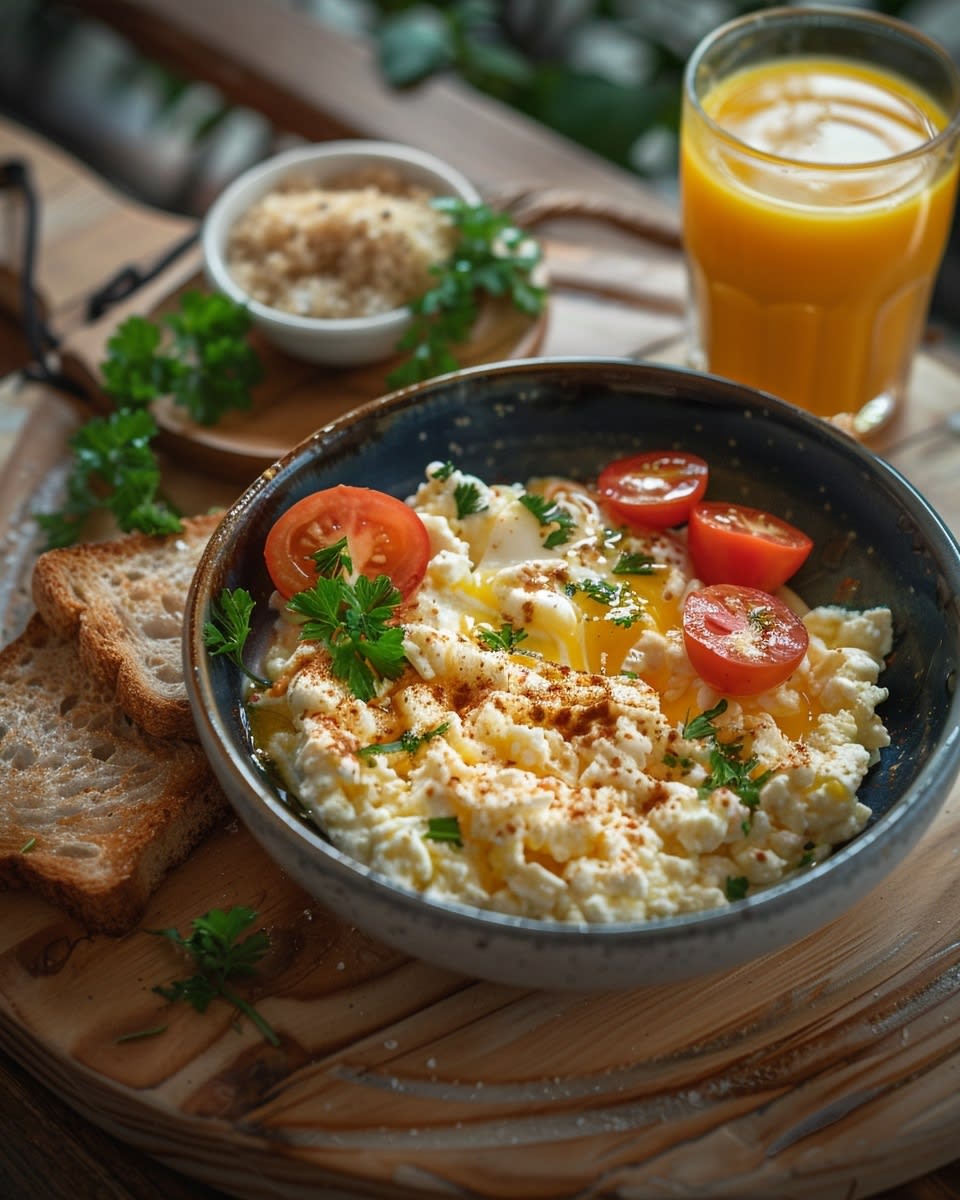
Last Tuesday morning, I stared into my fridge feeling completely uninspired. I needed something quick, filling, and healthy. That’s when I spotted the carton of eggs next to a tub of cottage cheese. Within ten minutes, I had created what became my new breakfast obsession: the eggs and cottage cheese bowl. I’ve made it at least twenty times since then, and I’m still not tired of it.
The eggs and cottage cheese bowl has taken social media by storm, and for good reason. This simple meal combines protein-packed ingredients that keep you full for hours. I’m talking about a breakfast that gives you energy without weighing you down. No mid-morning crashes or desperate snack runs to the vending machine.
What makes this dish so special? It’s the perfect balance of complete proteins, healthy fats, and essential nutrients. Eggs provide about 6 grams of protein each, while cottage cheese adds another 14 grams per half cup. That means you’re getting close to 30 grams of protein in one bowl. Your muscles will thank you, and your stomach will stay satisfied until lunch.
I love this meal because it works any time of day. I’ve eaten it for breakfast before early morning meetings. I’ve made it for lunch when I needed something light but filling. I’ve even enjoyed it as a quick dinner after long days when cooking felt impossible. The versatility alone makes it worth learning.
Health benefits go beyond just protein content. Eggs contain choline, which supports brain function and memory. They’re loaded with vitamin D, B vitamins, and selenium. Cottage cheese brings calcium for strong bones and probiotics for gut health. Together, these ingredients create a nutritional powerhouse that supports your overall wellness.
The best part? You can customize this bowl to match your taste preferences. Some days I go savory with everything bagel seasoning and smoked salmon. Other days I keep it simple with just salt, pepper, and fresh herbs. The base recipe stays the same, but the toppings change based on my mood or what’s in my fridge.
What You’ll Need for Your Eggs and Cottage Cheese Bowl
Building the perfect bowl starts with quality ingredients. I learned this the hard way after using cheap cottage cheese that tasted bland and watery. Now I’m picky about what goes into my bowl, and the difference is night and day.
Here’s everything you need to create a basic eggs and cottage cheese bowl:
- Fresh eggs (2-3 per serving, depending on your appetite)
- High-quality cottage cheese (1/2 to 3/4 cup)
- Butter or olive oil for cooking
- Salt and black pepper to taste
Those four ingredients create the foundation. Everything else is optional but highly recommended. Let me share my favorite toppings that transform this simple dish into something special:
- Sliced avocado for creaminess and healthy fats
- Cherry tomatoes (halved) for a burst of freshness
- Fresh chives or green onions for mild onion flavor
- Everything bagel seasoning for a flavor explosion
- Red pepper flakes if you like heat
- Fresh dill or parsley for an herby touch
- Smoked salmon or cooked bacon for extra protein
- Cucumber slices for crunch
Quality matters more than you might think. I used to buy whatever eggs were cheapest, but switching to better eggs changed my cooking. The yolks are brighter, the flavor is richer, and they cook more evenly. You don’t need to spend a fortune, but investing a little extra pays off.
Here’s my quick tip for selecting fresh eggs at the store: Check the date first, obviously. But also pick up the carton and gently shake it. You shouldn’t hear or feel the eggs moving around much inside their shells. Fresh eggs have thick whites that hold the yolk in place. Older eggs have thinner whites, so they slosh around more. Open the carton before you leave the dairy section and check for cracks. I’ve grabbed cracked eggs more times than I care to admit.
For cottage cheese, the options can feel overwhelming. You’ll see full-fat, low-fat, fat-free, small curd, large curd, and flavored varieties. I recommend full-fat or 2% cottage cheese for the best taste and texture. Fat-free versions often taste chalky and don’t mix as well with the eggs. The fat content makes the bowl more satisfying too.
Check the ingredient list on cottage cheese containers. The best ones have just a few simple ingredients: cultured milk, cream, salt, and enzymes. Avoid brands with lots of additives, gums, or stabilizers. These ingredients change the texture and can leave a weird aftertaste.
Small curd versus large curd comes down to personal preference. I like large curd because it has more texture. My partner prefers small curd because it mixes more smoothly with the eggs. Try both and see what you enjoy.
Cottage cheese freshness matters just as much as egg freshness. Look for containers with the latest expiration date. Give the container a gentle shake. You should see some liquid (that’s the whey), but not excessive amounts. Too much liquid means the cheese is breaking down or wasn’t made properly.
I buy my cottage cheese from brands that use milk from grass-fed cows when possible. It costs a bit more, but the flavor is noticeably better. The cheese tastes cleaner and less tangy. If that’s outside your budget, don’t stress about it. Regular cottage cheese works perfectly fine.
For toppings like avocado, buy them a few days before you plan to use them. Avocados need time to ripen at home. I keep mine on the counter until they yield slightly to gentle pressure. Then I move them to the fridge to slow down ripening. This gives me a wider window to use them before they go bad.
Cherry tomatoes should be firm and brightly colored. Avoid any with soft spots or wrinkled skin. I store mine at room temperature for better flavor. Cold tomatoes from the fridge taste bland and mealy.
Fresh herbs make a huge difference in this bowl. Dried herbs can’t compare to the bright, clean flavor of fresh chives or dill. Buy them in small bunches so you use them while they’re still perky. I wrap herb stems in a damp paper towel and store them in a plastic bag in the fridge. They last about a week this way.
Having quality ingredients ready to go makes throwing together an eggs and cottage cheese bowl effortless. I prep my toppings on Sunday and keep them in containers. During busy mornings, I just cook the eggs and assemble everything in under five minutes. That’s faster than going through a drive-through, and infinitely healthier.


Now that your ingredients are prepped and ready, let’s get to the fun part: actually making this incredible bowl.
Preparing the Perfect Eggs and Cottage Cheese Bowl
The beauty of this dish lies in its simplicity, but that doesn’t mean there isn’t technique involved. I’ve tested every possible way to cook eggs for this bowl, and each method creates a completely different eating experience. Some mornings I want creamy scrambled eggs mixed into my cottage cheese. Other days I crave a runny poached egg that creates its own sauce when the yolk breaks.
Let me walk you through my three favorite methods, starting with the easiest one.
The scrambled egg method is where most people start, and honestly, it’s probably what I make 70% of the time. Heat a non-stick pan over medium-low heat. Yes, medium-low, not medium-high like you might be tempted to do. Lower heat makes creamier, more luxurious scrambled eggs. Add a small pat of butter and let it melt completely.
While the butter melts, crack your eggs into a bowl and whisk them until the whites and yolks are fully combined. I don’t add milk or cream. The cottage cheese adds enough richness, so your eggs can stay simple. Pour the eggs into your pan and let them sit for about twenty seconds before you start moving them around.
Here’s where most people mess up scrambled eggs: they stir constantly. Instead, use a spatula to gently push the eggs from the edges toward the center, then let them sit again. This creates those beautiful soft curds rather than tiny, dried-out bits. Keep doing this pushing motion every twenty seconds or so. The eggs should take about three to four minutes to cook.
Remove them from heat when they still look slightly wet. They’ll continue cooking from residual heat. Trust me on this. Nobody wants overcooked, rubbery eggs.
Spoon your cottage cheese into a bowl, top with the scrambled eggs, and add your chosen toppings. I usually go with everything bagel seasoning, sliced avocado, and cherry tomatoes for this version. The warm eggs slightly melt into the cold cottage cheese, creating this amazing temperature contrast.
Poached eggs take this bowl to restaurant quality. I’m not gonna lie, I was intimidated by poaching eggs for years. Then I learned the vinegar trick, and suddenly it became manageable. Fill a medium saucepan with about three inches of water. Add a tablespoon of white vinegar. Bring it to a gentle simmer, not a rolling boil.
Crack an egg into a small cup or ramekin first. This gives you control. Create a gentle whirlpool in the water using a spoon, then slide the egg into the center of the whirlpool. The swirling water helps the whites wrap around the yolk. Let it cook for about three minutes for a runny yolk, four minutes for medium.
Remove the egg with a slotted spoon and place it on a paper towel to drain excess water. Then nestle it on top of your cottage cheese. When you cut into that egg and the golden yolk runs through the bowl, mixing with the cottage cheese and whatever toppings you’ve added… that’s pure magic.
For poached egg bowls, I love adding smoked salmon, fresh dill, and thinly sliced red onion. It’s basically a deconstructed lox and bagel situation, but way higher in protein and lower in carbs. If you’re looking for other high-protein breakfast options, you might also enjoy trying breakfast scramble with ground turkey, which offers a similar protein punch.
Hard-boiled eggs are my meal prep secret. I boil a dozen eggs every Sunday and keep them in the fridge. This makes assembling a cottage cheese bowl almost instant. You don’t even need to turn on the stove.
Funny enough, I spent years thinking I knew how to boil eggs, then I discovered I’d been doing it wrong the entire time. Here’s what actually works: Place your eggs in a pot and cover them with cold water by about an inch. Bring the water to a rolling boil, then immediately remove the pot from heat and cover it. Let the eggs sit in the hot water for ten minutes exactly.
After ten minutes, transfer them to a bowl of ice water. This stops the cooking process and makes peeling way easier. Let them chill for at least five minutes. Those gray-green rings around the yolk that you sometimes see? Those happen when eggs are overcooked. This method prevents that completely.
For a hard-boiled egg bowl, I peel and slice two eggs, arrange them over cottage cheese, then add cucumber slices, cherry tomatoes, and a drizzle of olive oil. Sometimes I crumble in some feta cheese too. It reminds me of a Greek salad but with way more protein.
By the way, topping combinations are where you can really get creative and never get bored of this meal. I keep a running list in my phone of combinations I’ve tried and loved. The Mediterranean version I just mentioned is one of my top three. The others? A “pizza” version with marinara sauce, mozzarella, and fresh basil. And what I call the “California” bowl with avocado, salsa, cilantro, and a squeeze of lime.
Here’s the thing about this dish: it adapts to whatever eating pattern you follow. Making it for breakfast? Stick with classic morning flavors like chives and pepper. Having it for lunch? Add some mixed greens underneath the cottage cheese to bulk it up with vegetables. Need a light dinner? Top it with leftover roasted vegetables and a handful of nuts for crunch.
I’ve served this bowl at every meal time, and it always feels appropriate. That’s rare for a dish, if you think about it. You wouldn’t eat protein banana pancakes for dinner, right? But somehow this cottage cheese bowl transcends typical meal categories.
The assembly process stays simple no matter when you eat it or how you cook your eggs. Start with your cottage cheese base, add your cooked eggs, pile on your toppings, and season generously. I’m talking about being generous with the salt and pepper. Cottage cheese and eggs both benefit from proper seasoning.
One last tip before we move on: temperature matters more than you’d expect. I prefer warm eggs over cold cottage cheese, but some people like both cold. Try it different ways and see what you prefer. The texture and eating experience changes depending on temperature combinations.
Health Benefits That Go Beyond Basic Protein
Let’s talk about why this eggs and cottage cheese bowl isn’t just delicious but legitimately good for your body. I mean, we already covered the protein content earlier, but there’s so much more happening nutritionally in this simple bowl.
The protein alone makes this meal a winner for anyone trying to build muscle, lose weight, or just stay full longer. But the quality of the protein is what really matters. Both eggs and cottage cheese contain all nine essential amino acids, making them complete proteins. Your body can’t produce these amino acids on its own, so you need to get them from food.
This matters because complete proteins support everything from muscle repair to immune function. After I started eating this bowl regularly, I noticed I recovered faster from workouts. I wasn’t as sore the next day. My energy levels stayed more consistent throughout the morning too.
Beyond protein, eggs are loaded with choline, which most people don’t get enough of. Choline supports brain health, memory, and even liver function. One egg gives you about 150 milligrams of choline. Two eggs get you close to a third of your daily needs. That’s significant.
Cottage cheese brings calcium to the table, obviously, but also phosphorus, which works with calcium to build strong bones and teeth. A half-cup serving provides about 10% of your daily calcium needs. If you’re someone who doesn’t drink much milk or eat much yogurt, this becomes an easy way to get dairy-based calcium.
The dish fits beautifully into so many different dietary approaches. Following a low-carb or keto diet? This bowl typically contains less than five grams of carbs depending on your toppings. Need something gluten-free? Naturally gluten-free right out of the gate. Watching your calorie intake? The base recipe clocks in around 300-350 calories but keeps you satisfied for hours.
I’ve recommended this bowl to friends following high-protein diets, and they’ve all reported back that it’s become a staple. Similar to high protein breakfast muffins, it delivers substantial protein without requiring much cooking skill or time.
What I appreciate most is how this meal affects my appetite throughout the day. On mornings when I eat carb-heavy breakfasts, I’m hungry again by ten o’clock. But when I start my day with this protein-packed bowl, I easily make it to lunch without snacking. That’s the power of combining high-quality protein with healthy fats.
The satiety factor comes from multiple sources. Protein takes longer to digest than carbohydrates, so it stays in your stomach longer. The fat content from egg yolks and full-fat cottage cheese slows digestion even further. Plus, if you add avocado, you’re getting additional healthy fats that promote fullness.
Research shows that eating a high-protein breakfast can reduce cravings and snacking later in the day. I’m living proof of this. Before discovering this bowl, I constantly thought about food. Now I eat my eggs and cottage cheese bowl in the morning, work for a few hours, and suddenly realize it’s lunchtime without having obsessed over my next meal.
This balanced approach to eating fits with other protein-forward breakfast options like protein oatmeal with almond butter, which also focuses on keeping you full and energized. The key is finding high-protein meals you actually enjoy eating, not just forcing yourself to choke down protein shakes.
Another benefit I didn’t expect? Better focus and mental clarity. The combination of protein, healthy fats, and choline seems to support brain function in a noticeable way. I write for a living, and I’ve definitely noticed that my most productive writing sessions happen on days when I start with this bowl.
The vitamin and mineral profile extends beyond what I’ve already mentioned. Eggs contain vitamin A for eye health, vitamin D for immune function and mood, and selenium for antioxidant support. B vitamins in both eggs and cottage cheese help convert food into energy. It’s like taking a multivitamin, except you’re getting these nutrients from real food in forms your body recognizes and absorbs better.
For anyone concerned about cholesterol from eggs, recent research has shown that dietary cholesterol doesn’t impact blood cholesterol levels as much as we once thought. I eat this bowl several times a week without worry. But obviously, talk to your doctor if you have specific health concerns or conditions.


Tips and Variations for Your Perfect Bowl
After making this eggs and cottage cheese bowl dozens of times, I’ve learned that small tweaks can completely transform the experience. The base stays the same, but you’d be amazed at how different it tastes with just a few changes to seasoning or toppings.
Let me share some of my favorite tricks for taking this bowl to the next level. First up: herbs change everything. I’m serious about this. A sprinkle of dried oregano isn’t gonna cut it. You need fresh herbs if you want that restaurant-quality flavor at home. Fresh dill pairs beautifully with eggs and cottage cheese. It brings this bright, slightly tangy flavor that wakes up your taste buds. I chop about a tablespoon and scatter it over the top right before eating.
Cilantro works surprisingly well too, especially if you’re going for a Mexican-inspired version. Add some salsa, black beans, and a squeeze of lime juice along with the cilantro. Suddenly you’ve got a protein-packed burrito bowl without the tortilla. My neighbor tried this version after I told her about it, and now she makes it twice a week.
Chives might seem boring, but they’re actually perfect for this dish. They give you that mild onion flavor without overpowering the eggs or cottage cheese. Plus they look pretty, which matters more than I used to think it did. We eat with our eyes first, right?
Basil is another winner, especially with tomatoes. If you’ve got fresh tomatoes and basil, add a small drizzle of balsamic vinegar. It’s basically a Caprese salad meets breakfast bowl situation. I made this version for my mom last month, and she literally asked for the recipe, which never happens.
Spices deserve their own conversation. Everything bagel seasoning gets all the attention on social media, and yeah, it’s good. But there are so many other options. Smoked paprika adds this deep, slightly sweet smokiness that makes your bowl taste like you spent hours cooking when you actually spent five minutes. Just a light dusting does the job.
Za’atar is this Middle Eastern spice blend that includes dried herbs, sesame seeds, and sumac. It sounds fancy, but you can find it at most grocery stores now. Sprinkle some on your eggs and cottage cheese bowl along with cucumber and cherry tomatoes. Add a drizzle of olive oil. It tastes like you’re eating breakfast at a cafe in Tel Aviv.
Here’s the thing about red pepper flakes: a little goes a long way. I learned this after dumping too much on my bowl one morning and spending the next ten minutes chugging water. Start with just a pinch. You can always add more, but you can’t take it back.
Garlic powder mixed with dried parsley and a bit of onion powder creates what I call my “lazy everything seasoning.” It doesn’t replace actual everything bagel seasoning, but it works in a pinch when I’ve run out. Mix these three spices together in a small jar and keep it by your stove.
Creative variations keep this meal interesting, which matters when you’re eating it multiple times per week. I mentioned the smoked salmon version earlier, but let me give you the full breakdown. Use poached or soft scrambled eggs, add about two ounces of smoked salmon (the good stuff from the refrigerated section, not the shelf-stable pouches), thinly sliced red onion, capers, and fresh dill. If you want to go all out, add a few cucumber ribbons made with a vegetable peeler.
The spinach addition works best when you wilt it into your scrambled eggs. Just throw a handful of fresh spinach into the pan right at the end of cooking. It wilts down in about thirty seconds. This sneaks extra vegetables into your breakfast without changing the flavor much. My kids actually eat this version without complaining, which is basically a miracle.
Sun-dried tomatoes chopped up and mixed into the cottage cheese before you add the eggs? Game changer. They bring this concentrated tomato flavor and slight chewiness that makes every bite more interesting. I buy the kind packed in oil, drain them, and keep them in my fridge specifically for this purpose.
Funny enough, I discovered my mushroom variation by accident. I had leftover sautéed mushrooms from dinner and needed to use them up. Threw them on top of my morning cottage cheese bowl, and boom, new favorite version. Now I intentionally sauté extra mushrooms when I’m cooking dinner just so I can use them the next morning.
Hot sauce fans, listen up. A few dashes of your favorite hot sauce mixed directly into the cottage cheese before adding the eggs creates this spicy, tangy situation that’s absolutely addictive. I’m partial to Cholula or Tapatio, but use whatever makes your taste buds happy. Developing healthy cooking skills includes learning to balance flavors like heat and acidity without relying on excessive salt or sugar.
Nut and seed toppings add crunch, which this bowl sometimes needs. Everything’s soft otherwise, you know? Toasted pumpkin seeds (pepitas) are my go-to. They’re not expensive, they toast up in just a few minutes in a dry pan, and they add this satisfying crunch plus extra protein. Sunflower seeds work too, and they’re even cheaper.
Hemp hearts are these little seeds that look weird but taste mildly nutty and add omega-3 fatty acids. Just sprinkle a tablespoon or two on top. You barely notice them texture-wise, but you’re sneaking in extra nutrition. I started adding these after my doctor mentioned I should get more omega-3s in my diet.
Crushed nuts like almonds or walnuts bring healthy fats and satisfying crunch. I keep a small container of pre-crushed walnuts in my pantry for quick topping action. Crushing them yourself in a plastic bag with a rolling pin works great too and takes about thirty seconds.
Vegetable additions beyond what I’ve already mentioned can bulk up this bowl when you need more volume. Roasted bell peppers from a jar add sweetness and a slight char flavor. Pat them dry before adding them, otherwise they make your bowl watery. Sliced radishes bring peppery crunch. Shredded carrots add color and a touch of sweetness.
By the way, pickled vegetables are secretly perfect on this bowl. Pickled red onions, pickled jalapeños, or even pickled beets if you’re feeling adventurous. The acidity cuts through the richness of the eggs and cottage cheese. I keep a jar of quick-pickled red onions in my fridge at all times now. They take ten minutes to make and last for weeks.
Arugula or microgreens piled on top right before eating add a peppery, fresh element. They wilt slightly from the warm eggs but still maintain some texture. This is especially nice for lunch versions of the bowl when you want it to feel more like a salad.
Cheese beyond cottage cheese might sound like overkill, but hear me out. A sprinkle of crumbled feta adds salty, tangy flavor that complements rather than overwhelms. Grated parmesan works too, especially on more Italian-inspired versions with tomatoes and basil. Just a tablespoon is enough. We’re not trying to turn this into a cheese soup.
Blue cheese crumbles on a buffalo-style version with hot sauce and celery? Yeah, I went there. It’s definitely not for everyone, but if you like bold flavors, you’ll love it. I made this for my brother who’s obsessed with buffalo wings, and he couldn’t believe how good it was.
Here’s something most people don’t think about: texture contrast matters. This bowl is mostly soft and creamy, so adding something crunchy makes it way more satisfying to eat. That’s why toppings like toasted seeds, crispy bacon bits, or even crushed crackers work so well. I’ve used crushed rice cakes before when I had nothing else, and honestly, it wasn’t bad.
Crispy chickpeas from a can are another texture addition I’ve been experimenting with. Drain and rinse a can of chickpeas, pat them completely dry, toss with a tiny bit of oil and seasonings, then roast at 400°F for about twenty-five minutes until crunchy. Make a big batch and store them in an airtight container. They stay crispy for days and add protein plus crunch to your bowl.
Storage and reheating deserve attention because meal prep is how I survive busy weeks. The thing is, you can’t really prep the complete bowl in advance. The eggs get weird sitting in the fridge fully assembled with cottage cheese. But you can prep components separately.
Hard-boiled eggs last about a week in the fridge. I keep mine unpeeled because the shell protects them and keeps them fresher longer. Peel them right before eating. Scrambled eggs can be refrigerated for up to three days, though the texture changes slightly. They get a bit rubbery, not gonna lie. But if you’re okay with that, go ahead and scramble a batch on Sunday to use throughout the week.
Cottage cheese obviously keeps fine in its original container. Just give it a good stir before using it because the liquid separates. Most toppings like chopped vegetables, fresh herbs, and cooked proteins can be prepped ahead and stored in separate containers.
For reheating, here’s what works: if your eggs are cold from the fridge, warm them gently in the microwave for about thirty seconds. Don’t overcook them or they’ll turn rubbery and gross. Then assemble your bowl with cold cottage cheese and your toppings. The temperature contrast actually works nicely.
Some people prefer warming the cottage cheese too. If that’s you, add it to a microwave-safe bowl and heat for fifteen to twenty seconds, just enough to take the chill off. Don’t actually cook it. Hot cottage cheese gets weird and separated.
I don’t recommend making the complete bowl and storing it assembled unless you’re eating it within an hour or two. The eggs and cottage cheese start mingling in ways that change the texture for the worse. Keep them separate until you’re ready to eat.
If you’re taking this to work, pack the cottage cheese in one container, eggs in another, and toppings in a third small container or plastic bag. Assemble it right before eating. Total assembly time is about one minute. You can even keep the cottage cheese and toppings at your desk and just bring freshly cooked eggs from home each morning if you have access to a fridge at work.
Experimenting is how you’ll find your perfect combination. I’ve shared my favorites, but your taste preferences are different from mine. Maybe you hate dill but love cilantro. Maybe you need way more hot sauce than I do. Maybe you’re allergic to tree nuts so seeds become your crunch element.
Start with the basic scrambled eggs and cottage cheese. Eat that once to understand the foundation. Then add one new element at a time. Try everything bagel seasoning one day. Test out avocado the next. Add cherry tomatoes on day three. This way you figure out what actually improves the bowl for you versus what’s just trendy on social media.
Keep notes on your phone about combinations you love. I’m serious about this. I’ve forgotten so many good variations because I didn’t write them down. Now I have a note called “Cottage Cheese Bowl Wins” and it’s become one of my most-referenced notes in my entire phone.
Don’t be afraid to pull inspiration from other cuisines. That’s how I ended up with my current favorite: a Greek-inspired bowl with cucumber, tomatoes, red onion, kalamata olives, feta, and dried oregano. It’s basically a Greek salad on top of protein. If you’re exploring more ways to start your day with substantial protein, you might enjoy browsing through other high protein breakfast options that can keep you energized all morning long.
The beauty of this dish is that it grows with you. As your tastes change, as you discover new ingredients, as seasons shift and different produce becomes available, your eggs and cottage cheese bowl evolves too. That’s why I’m still excited about it months after my first attempt.
Frequently Asked Questions About Eggs and Cottage Cheese Bowls
What are the best types of eggs to use for an eggs and cottage cheese bowl?
Free-range or pasture-raised eggs generally have the best flavor and brightest yolks, though regular eggs work perfectly fine if that’s what fits your budget. The freshness matters more than the label. Check the date on the carton and look for eggs that don’t move around much when you gently shake the container. Store them in the main part of your fridge, not in the door where temperature fluctuates. Any size works, but large eggs are standard in most recipes.
Can I make this dish ahead of time?
You can prep components separately but shouldn’t assemble the complete bowl until you’re ready to eat. Hard-boiled eggs keep for a week unpeeled, scrambled eggs last about three days refrigerated, and cottage cheese stays fresh until the date on the container. Prep your vegetables and toppings in advance and store them in separate containers. Assembly takes less than two minutes when everything’s prepped. This approach gives you the convenience of meal prep without compromising texture or flavor.
Is this meal suitable for vegetarians?
Yes, the basic eggs and cottage cheese bowl is completely vegetarian since it contains only eggs, dairy, and plant-based toppings. Just avoid meat additions like bacon or smoked salmon if you’re keeping it vegetarian. The protein content stays high even without meat thanks to the eggs and cottage cheese. Most of my vegetarian friends rely on this bowl as a protein staple. Make sure any pre-made toppings or seasonings you use don’t contain hidden animal products if you’re strict about ingredients.
How can I make the eggs and cottage cheese bowl more filling?
Add an extra egg or increase your cottage cheese portion to three-quarters of a cup for more protein and calories. Including healthy fats like avocado, nuts, or seeds increases satiety significantly. Bulk it up with volume by adding a bed of mixed greens underneath the cottage cheese or piling on extra vegetables. Some people add cooked quinoa or sweet potato chunks for more complex carbohydrates. You could also serve it with a slice of whole grain toast on the side if you need more energy for an active day ahead.
What are some good side dishes to serve with this bowl?
Fresh fruit like berries, melon, or citrus segments complement the savory bowl nicely and add vitamins. A slice of whole grain toast or a small portion of roasted potatoes works if you want more carbohydrates. Simple mixed greens with lemon juice and olive oil turn this into a more substantial meal. Some people like a small smoothie on the side for extra nutrients. Honestly though, the bowl is so filling and nutritionally complete that I rarely need anything alongside it.
Are there any substitutes for cottage cheese in this recipe?
Greek yogurt is the closest substitute, offering similar protein content and tangy flavor, though it’s smoother and less chunky. Ricotta cheese works but has less protein and more fat. Mashed avocado changes the flavor profile completely but provides creaminess and healthy fats. Some people use crumbled tofu for a dairy-free option, though you’ll need to season it well since tofu is pretty bland on its own. Honestly, if you don’t like cottage cheese, this specific bowl might not be for you, but these alternatives can work in a pinch.
How many calories are in an eggs and cottage cheese bowl?
The basic bowl with two large eggs and half a cup of full-fat cottage cheese contains approximately 300 to 350 calories. This number increases with toppings like avocado, nuts, cheese, or fatty proteins like salmon or bacon. Using low-fat cottage cheese or egg whites reduces calories significantly. Adding vegetables barely changes the calorie count since most vegetables are very low in calories. The exact number depends entirely on your portions and chosen additions, but the base recipe stays relatively moderate in calories while being very high in protein and nutrients.
Can I use egg whites instead of whole eggs?
Yes, you can use egg whites for fewer calories and less fat, though you’ll lose nutrients found in the yolk like vitamin D, choline, and healthy fats. The taste and texture change noticeably since egg whites alone are less rich and satisfying. I’d recommend using at least one whole egg with additional egg whites if you’re trying to reduce calories but still want good flavor. Three egg whites equal about one whole egg in terms of protein. Many people find the all-egg-white version too bland and end up adding back fat through other toppings anyway.
How long does this bowl keep me full?
Most people report staying full for four to six hours after eating this bowl, making it ideal for breakfast before lunch or lunch before dinner. The high protein content and healthy fats slow digestion and promote satiety. Individual results vary based on your metabolism, activity level, and how much you eat. I personally find it keeps me satisfied until my next meal without any snacking. If you’re extremely active or have a fast metabolism, you might need a larger portion or additional carbohydrates to stay full longer.
What’s the best way to introduce this bowl to picky eaters?
Start simple with familiar flavors like salt, pepper, and maybe a sprinkle of cheese they already like. Let them choose their own toppings from options you provide rather than deciding for them. Making it visually appealing helps, so arrange toppings in sections rather than mixing everything together. Consider starting with hard-boiled eggs which many kids find less intimidating than scrambled versions. Don’t force it if they’re not interested. Sometimes it takes multiple exposures to a new food before someone decides they like it.
This eggs and cottage cheese bowl has honestly changed how I approach quick meals. The simplicity, the nutrition, the endless variations… it just works. Try it once, adjust it to your preferences, and I bet you’ll be making it regularly within a couple weeks.
Ingredients
Equipment
Method
- Heat a non-stick pan over medium-low heat and melt a small pat of butter.
- Crack the eggs into a bowl and whisk until combined.
- Pour the eggs into the pan and let them sit for about twenty seconds.
- Gently push the eggs from the edges toward the center, letting them sit again.
- Repeat the pushing motion every twenty seconds until the eggs are slightly wet, about 3-4 minutes.
- Remove from heat and spoon cottage cheese into a bowl.
- Top cottage cheese with scrambled eggs and chosen toppings.
- Season generously with salt and pepper.