
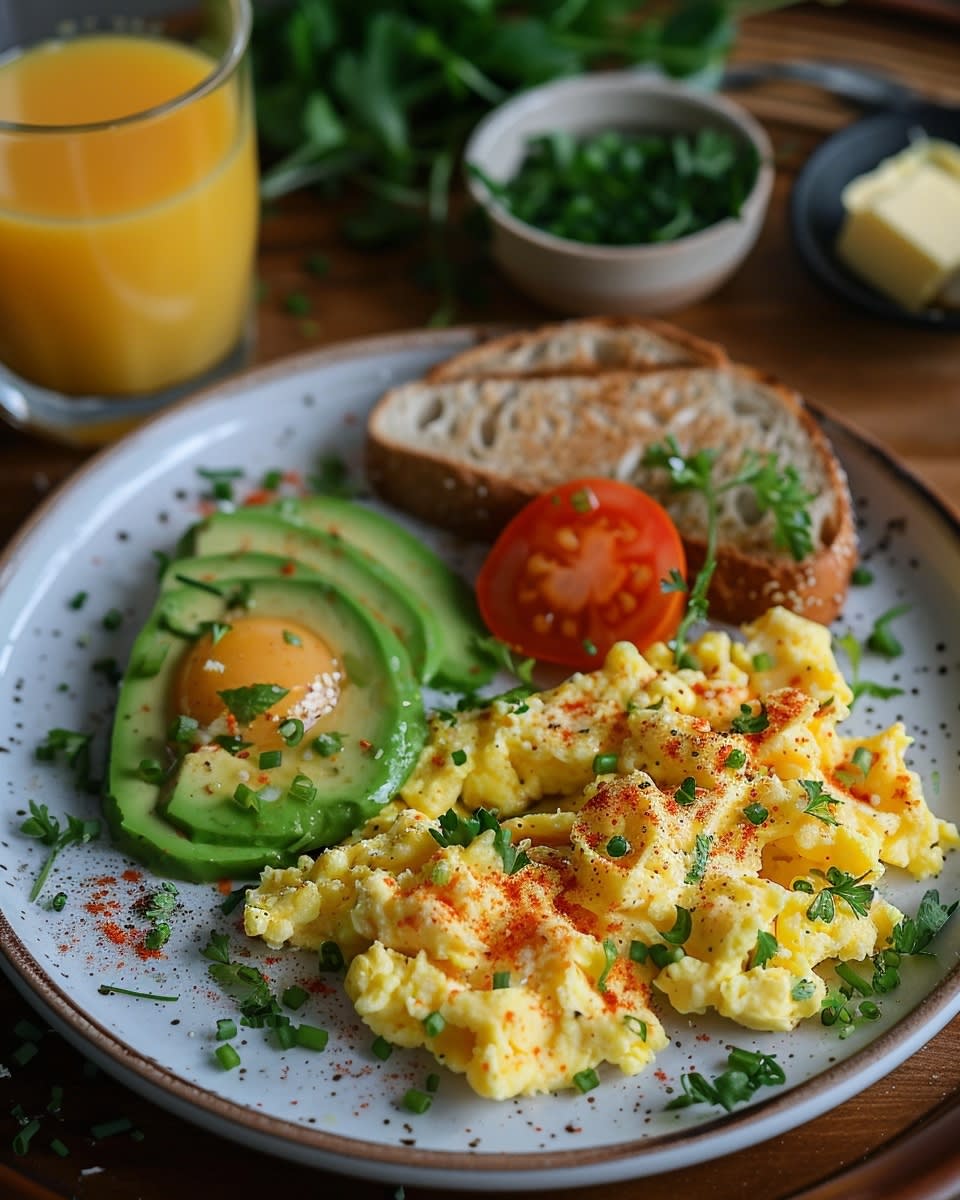
How to Make Perfect Scrambled Eggs in 5 Minutes
I’ll never forget the morning I overslept before an important meeting. I had exactly seven minutes to eat something before rushing out the door. That’s when I realized the true power of knowing how to make scrambled eggs in 5 minutes. No fancy ingredients. No complicated steps. Just simple, delicious eggs that gave me the energy I needed to tackle the day.
We all know those mornings. The alarm didn’t go off. The kids need help getting ready. You hit snooze one too many times. Life gets busy, and breakfast often becomes an afterthought. That’s why quick recipes have become so popular. We need food that works with our schedule, not against it.
My goal today is simple. I want to show you how to make delicious scrambled eggs quickly and easily. No stress. No mess. Just a reliable breakfast that takes less time than scrolling through your morning social media feed. This recipe has saved me countless times, and I know it will do the same for you.
Why Scrambled Eggs Are a Great Quick Breakfast
Let me share something that changed how I think about breakfast. Eggs are one of the most complete foods you can eat. They contain high-quality protein that keeps you full for hours. Each egg gives you about 6 grams of protein, which is impressive for something so small and affordable.
But protein isn’t the only benefit. Eggs pack essential vitamins and minerals your body needs. You get vitamin D for strong bones. B vitamins for energy. Vitamin A for healthy eyes. Plus important nutrients like selenium, zinc, and iron. All of this in a quick breakfast that costs less than a dollar per serving.
The cholesterol myth kept people away from eggs for years. I remember my mom limiting eggs to once a week because of those old warnings. Science has moved on. Research now shows that eggs don’t raise cholesterol levels for most people. The American Heart Association agrees that healthy adults can enjoy eggs as part of a balanced diet.
What makes scrambled eggs special is their incredible versatility. I cook them at least three times a week, and they never get boring. One day I add cheese. The next day I throw in some vegetables. Sometimes I keep them plain with just salt and pepper. Each version takes the same 5 minutes but feels like a different meal.
Here’s what you can add to customize your scrambled eggs:
- Cheese varieties: cheddar, feta, goat cheese, or mozzarella
- Fresh herbs: chives, parsley, basil, or cilantro
- Vegetables: tomatoes, spinach, mushrooms, or bell peppers
- Proteins: ham, bacon bits, smoked salmon, or leftover chicken
- Seasonings: garlic powder, paprika, hot sauce, or everything bagel seasoning
The ease of preparation matters just as much as the taste. You don’t need culinary school training. You don’t need expensive equipment. A bowl, a fork, and a pan are all you need. I’ve made scrambled eggs in hotel rooms with nothing but a coffee maker hot plate. That’s how simple this easy scrambled eggs recipe really is.
Scrambled eggs remain one of the most popular breakfast choices worldwide. Walk into any diner, hotel breakfast buffet, or brunch spot, and you’ll find them. There’s a reason for this universal appeal. They’re familiar. They’re comforting. They taste good whether you’re five years old or seventy-five.
I love that eggs work for any meal, not just breakfast. I’ve made scrambled eggs for lunch when my fridge looked empty. I’ve served them for dinner with toast and fruit. My friend Sarah calls them her “emergency meal” because they save her when nothing else sounds good.
The texture of well-made scrambled eggs beats any fast food breakfast. Soft, creamy curds that melt in your mouth. Not rubbery. Not watery. Just perfectly cooked eggs that feel like a warm hug on a plate. Once you master the basic technique, you’ll never want the drive-through version again.
Cost matters too, especially right now. A dozen eggs costs less than most prepared breakfast foods. You can make two or three servings of scrambled eggs for the price of one fancy coffee drink. When you’re feeding a family or watching your budget, this adds up quickly.
Eggs also store well and last longer than most breakfast options. Fresh eggs keep in the refrigerator for three to five weeks. This means you can always have breakfast ready. No planning required. No grocery store runs at 6 AM. Just open the fridge and you’re good to go.
The satisfaction of making your own breakfast shouldn’t be overlooked. Something feels right about starting your day with food you prepared yourself. It takes the same time as waiting in a drive-through line. But you end up with a homemade breakfast that’s fresher, healthier, and made exactly how you like it.
People often ask me about the difference between scrambled eggs and other egg dishes. Omelets take longer and require more skill to flip. Fried eggs need perfect timing to avoid breaking the yolk. Poached eggs intimidate even experienced cooks. But scrambled eggs forgive mistakes. They’re the most approachable egg recipe for beginners and busy people alike.
The portability factor helps too. You can make scrambled eggs and wrap them in a tortilla for a breakfast burrito. Stuff them in a pita pocket. Put them between two slices of toast. Suddenly you have a portable breakfast you can eat during your commute or at your desk.
I appreciate how scrambled eggs adapt to different dietary needs. They’re naturally gluten-free. They work for low-carb diets. They fit into high-protein meal plans. Add vegetables and you boost the nutrition even more. This flexibility makes them perfect for households where everyone eats differently.


Gathering Your Scrambled Egg Ingredients
Now that you understand why scrambled eggs work so well, let’s talk about what you actually need to make them. The beauty of this recipe is how few ingredients you need. I’m talking about stuff you probably already have in your kitchen right now.
The foundation is simple: eggs, a splash of milk, butter for the pan, salt, and pepper. That’s it. Five basic scrambled egg ingredients that come together in minutes. I usually grab two or three eggs per person, depending on how hungry everyone is. On weekends when I’m really hungry, I’ll do three. Busy weekday mornings? Two eggs does the job just fine.
Here’s the thing about milk. You don’t need much. I’m talking about one tablespoon per two eggs. Some people use cream instead, which makes richer eggs. Others skip dairy completely and use water. My grandmother always used a tiny splash of water because she said it made the eggs lighter. Honestly, all these methods work. Pick what you have on hand.
Butter matters more than people think. I keep both salted and unsalted butter around, but for scrambled eggs, I prefer unsalted so I can control the salt level myself. You need about a tablespoon of butter for the pan. Don’t try to skip this step with cooking spray. The butter adds flavor and prevents sticking in ways that spray just can’t match.
Salt and pepper seem obvious, but the timing of when you add them changes everything. I learned this the hard way after years of making slightly watery eggs. Add your seasonings to the beaten egg mixture before cooking, not after. This way, the salt distributes evenly and doesn’t draw out moisture at the wrong time.
The optional add-ins are where this recipe gets fun. I keep shredded cheddar cheese in my fridge specifically for morning eggs. A handful of cheese mixed in right at the end creates these amazing melty pockets. Fresh chives from my windowsill herb garden add a fancy touch that takes zero extra effort. Just snip them with kitchen scissors right over the pan.
When I’m feeling ambitious, I’ll chop up half a bell pepper or throw in some baby spinach. The vegetables need to be prepped before you start cooking though. Unlike quick yogurt and fruit bowls where you can prep as you go, scrambled eggs move fast once they hit the pan. Everything should be ready and waiting.
Quality matters with eggs. I can taste the difference between fresh eggs from the farmers market and the ones that have been sitting in the store for weeks. Fresh eggs have firmer whites and brighter yolks. They taste richer. If you can find them, farm-fresh eggs will upgrade your scrambled eggs from good to incredible.
The color of the yolk tells you about the chicken’s diet. Deep orange yolks come from chickens that ate a varied diet with lots of greens. Pale yellow yolks indicate a grain-only diet. Both work fine for scrambling, but I notice the darker yolks have more flavor. My neighbor keeps chickens, and her eggs spoiled me forever.
Room temperature eggs actually scramble better than cold ones. I know this sounds fussy, but hear me out. Cold eggs from the fridge don’t blend as smoothly and can cook unevenly. I take my eggs out while I’m making coffee, and by the time I’m ready to cook, they’ve warmed up enough. Takes no extra time at all.
Preparing the Eggs Like a Pro
Cracking eggs properly is one of those skills that seems basic until you get a piece of shell in your mixture. I crack each egg on a flat surface, not on the bowl’s edge. Sounds weird, right? But hitting the egg on a flat counter creates a cleaner break. The bowl edge can push shell fragments into the egg.
I crack my eggs into a small bowl first, not directly into the pan. This gives me a chance to fish out any shell bits and check that the eggs look fresh. Nobody wants to scramble three eggs perfectly, then crack a bad one right into the mix. Been there. Not fun.
The beating process doesn’t require any special equipment. A regular fork works perfectly. I whisk the eggs in a circular motion for about 30 seconds until the whites and yolks blend completely. You want a uniform yellow color with no streaks of clear egg white visible.
People always ask me how to beat eggs for scrambled eggs without overdoing it. The answer is simpler than you’d think. Stop when the mixture looks even and slightly frothy. You’re not making meringue here. Over-beating incorporates too much air, which can make your eggs puffy at first but then deflate into something rubbery.
Adding the milk at this stage helps create creamy scrambled eggs. Pour it in after the eggs are mostly mixed, then whisk everything together for another 10 seconds. The milk dilutes the egg proteins slightly, which keeps them tender during cooking. This is the secret to avoiding those dry, sad scrambled eggs you get at bad diners.
By the way, some people add their cheese or herbs right into the egg mixture before cooking. I prefer to add them during cooking because it gives me more control. But if you’re making a microwave mug omelette style version, mixing everything together first makes sense.
Season your egg mixture with salt and pepper now. I use about a quarter teaspoon of salt for four eggs. Maybe six or seven grinds of black pepper. Taste preferences vary wildly, so adjust this to what you like. My husband goes heavy on the pepper. I keep mine lighter.
Cooking Perfect Scrambled Eggs
The pan choice affects your results more than you might expect. I use a nonstick eight-inch skillet for two or three eggs. Non-stick makes your life easier, especially during cleanup. Cast iron works too if it’s well-seasoned, but stainless steel tends to stick unless you really know what you’re doing.
Heat is where most people mess up their scrambled eggs. I set my burner to medium-low. Not medium. Not medium-high. Medium-low. Patience wins this game. High heat cooks eggs too fast, creating brown spots and a rubbery texture. Low heat takes forever and can make them watery.
Drop that tablespoon of butter into your pan and watch it melt. The butter should foam and sizzle gently but not brown. When the foaming subsides, your pan has reached the perfect temperature. This whole process takes about a minute. I use this time to grab my spatula and make sure my toast is ready to go.
Pour your egg mixture into the center of the buttered pan. Don’t stir immediately. Let the eggs sit undisturbed for about 20 seconds. You’ll see the edges start to set. This moment requires restraint because your instinct will be to start stirring right away.
When those edges look slightly firm, use a silicone spatula to gently push the eggs from the edge toward the center. Tilt the pan so the uncooked egg runs to the empty spaces. This technique creates those beautiful soft curds that make perfect scrambled eggs.
Keep stirring slowly and gently. I move my spatula maybe once every 15 seconds. Think of it as folding the eggs rather than scrambling them frantically. This slower approach gives you bigger, creamier curds instead of tiny broken pieces.
The timing for fully cooked eggs runs between three and four minutes once they hit the pan. But here’s my insider tip: remove the eggs from heat when they still look slightly wet. They’ll continue cooking from residual heat for another 30 seconds. If you wait until they look completely done in the pan, you’ll end up with overcooked eggs on the plate.
Funny enough, this is similar to how I approach banana peanut butter toast timing. You prep while things are heating, work quickly during assembly, and trust the process.
If you’re adding cheese, sprinkle it over the eggs during the last 30 seconds of cooking. The residual heat will melt it perfectly without making the eggs greasy. Fresh herbs go on right at the end too, literally as you’re sliding the eggs onto your plate.
I check my eggs for doneness by looking at the consistency. They should be soft, fluffy, and still glossy. No liquid egg should be visible, but they shouldn’t look dry either. This sweet spot takes practice to recognize, but you’ll get it after making them a few times.
The total time from cracking your first egg to plating your finished scrambled eggs? About five minutes if you’re moving at a normal pace. Maybe six if you’re also making coffee and checking your phone. Still faster than any other homemade breakfast I can think of.
One last thing about cleanup. If you let your pan cool with the butter residue still in it, washing becomes a nightmare. I rinse my pan with hot water immediately after plating my eggs. Takes 10 seconds and saves me from scrubbing later. This is especially helpful on mornings when I’m already running late.
Some mornings I’ll make scrambled eggs alongside simple overnight oats that I prepped the night before, giving myself options depending on whether I want something warm or cold. Having multiple quick breakfast strategies means I never have an excuse to skip the meal entirely.


Serving and Customizing Your Scrambled Eggs
Let’s talk about what happens after those eggs hit your plate. This is where your scrambled eggs recipe transforms from good to absolutely craveable. The serving options are endless, and honestly, this is my favorite part of making scrambled eggs. You can keep it simple or get creative depending on your mood and what’s in your kitchen.
Toast is my go-to pairing most mornings. I’m talking about real bread, toasted until it’s golden and crispy. Butter it while it’s hot so the butter melts into all those little holes. Place your scrambled eggs right on top, and you’ve got yourself a proper breakfast. Sometimes I use sourdough. Other days it’s whole wheat. My daughter loves when I use everything bagels sliced in half.
Avocado changes the whole game. I slice half an avocado and fan it out next to my eggs. The creamy texture complements the soft eggs perfectly. A squeeze of lime juice and a sprinkle of red pepper flakes on the avocado makes it taste like something from a fancy brunch spot. Total added time? Maybe 45 seconds to slice the avocado.
Bacon and scrambled eggs are a classic combination for good reason. I usually cook my bacon first, then use some of that bacon fat instead of butter for the eggs. The smoky flavor gets into every bite. If you’re not into pork, turkey bacon works just as well. Or try some breakfast sausage links on the side.
Fresh tomatoes add brightness that cuts through the richness of the eggs. I dice up a Roma tomato and either mix it into the eggs during the last minute of cooking or serve it on the side with a little salt. Cherry tomatoes work great too. Just slice them in half and throw them on the plate.
Here’s something I discovered last year that might sound weird but totally works. A dollop of salsa or pico de gallo on top of your scrambled eggs brings this amazing tangy kick. My wife introduced me to this after a trip to the Southwest, and now I keep a jar of fresh salsa in the fridge specifically for breakfast.
Cheese options deserve their own conversation. Sure, cheddar is reliable. But have you tried scrambled eggs with crumbled feta and chopped cucumber? Or cream cheese folded in during the last 30 seconds of cooking? Goat cheese with sun-dried tomatoes? Each cheese creates a completely different experience.
The British know something we often forget in America. Baked beans with scrambled eggs might sound strange, but trust me on this one. The sweet and savory combination works beautifully. A scoop of beans on the side turns your simple scrambled eggs into a filling, satisfying meal that keeps you full for hours.
Spinach and mushrooms make your breakfast feel more substantial without adding much time. I’ll sauté some sliced mushrooms in the pan first, set them aside, then cook my eggs in the same pan. The mushroom flavor seasons the eggs naturally. Baby spinach can go right into the eggs while they’re still cooking, and it wilts in seconds.
By the way, if you’re feeding multiple people and want to keep the eggs warm, here’s a trick I learned from my friend who runs a bed and breakfast. Transfer your cooked scrambled eggs to a bowl and place that bowl over a pot of barely simmering water. The gentle heat keeps them at the perfect temperature for up to 15 minutes without overcooking them. This works great when you’re making several batches or waiting for your family to gather at the table.
Hot sauce deserves a mention because it’s become my morning essential. I keep three different types in my fridge. Regular Tabasco for a vinegary kick. Sriracha when I want some sweetness with the heat. And a habanero sauce for weekends when I’m feeling brave. Just a few drops can wake up your taste buds faster than coffee.
Herbs transform scrambled eggs from basic to restaurant-quality. Fresh chives are my favorite, but dill works surprisingly well too. Parsley adds color and a mild flavor. Cilantro gives them a Mexican-inspired taste, especially good if you’re doing the salsa topping I mentioned earlier. Dried herbs don’t work as well here. The fresh stuff makes all the difference.
Here’s a serving idea I borrowed from a diner in Portland. Put your scrambled eggs in a warm flour tortilla with some cheese, wrap it up, and you’ve got a breakfast burrito ready to go. I do this at least once a week when I’m running late. Add some black beans and you’ve seriously upgraded your morning.
Smoked salmon with scrambled eggs feels fancy but takes no extra skill. Lay a few pieces of lox on your plate next to the eggs. Add some capers if you have them. A thin slice of red onion. Maybe some cream cheese on the side. Suddenly your five-minute breakfast looks like something worth posting on social media.
The presentation matters more than people think. I use a warm plate because scrambled eggs cool down fast. Running your plate under hot water for 20 seconds, then drying it off, keeps your eggs at the right temperature while you eat. This tiny detail makes the whole experience better.
Fruit on the side balances out the richness of eggs. I’ll slice up some strawberries or throw some blueberries in a small bowl. Grapes work fine too. The sweetness provides a nice contrast between bites of savory eggs. Plus, you get some vitamins and fiber to round out your meal.
Speaking of sides, hash browns or home fries turn scrambled eggs into a proper breakfast feast. I buy the frozen kind because making them from scratch takes way longer than five minutes. Pop them in the toaster oven while you’re making your eggs, and everything finishes at the same time.
Coffee is obvious, but what about tea? A strong English breakfast tea pairs incredibly well with eggs. Or try orange juice if you want something cold and refreshing. My point is that thinking about your whole breakfast, not just the eggs, makes the meal more satisfying.
Leftover vegetables from dinner make excellent scrambled egg additions. Roasted bell peppers from last night? Chop them up and toss them in. Leftover steamed broccoli? Same deal. This is actually how I prevent food waste in my kitchen. Those random bits of vegetables find new life in my morning eggs.
Experimenting with international flavors keeps breakfast interesting. Add some curry powder and cilantro for an Indian-inspired version. Mix in some soy sauce and scallions for an Asian twist. Throw in some za’atar and serve with pita bread for a Middle Eastern breakfast. The base recipe stays the same, but the flavors take you somewhere different each time.
One last serving suggestion that might surprise you. Scrambled eggs work great in a sandwich. Put them between two slices of bread with some cheese and a slice of tomato. My teenage son makes these egg sandwiches and wraps them in foil to eat on the bus. Not glamorous, but it gets the job done on busy mornings.
If you’re looking for more inspiration on quick morning meals, you might want to check out other easy breakfast ideas that work with your schedule. Sometimes having a variety of options helps you avoid breakfast burnout.
Frequently Asked Questions About Making Scrambled Eggs
How many eggs should I use for one person?
The standard serving is two to three eggs per person, depending on appetite and what else you’re serving. I usually do two eggs if I’m having toast and other sides. Three eggs work better if the scrambled eggs are your main protein source. Teenage boys and very active people might want three or even four eggs. Women and smaller appetites typically feel satisfied with two eggs. Listen to your body and adjust accordingly.
Can I use non-dairy milk instead of regular milk?
Absolutely, and most non-dairy milks work surprisingly well in scrambled eggs. Almond milk is my go-to dairy alternative because it has a neutral flavor that doesn’t interfere with the eggs. Oat milk works great too and adds a subtle creaminess. Soy milk is fine but can taste slightly bean-like to some people. Coconut milk from a carton works, though avoid the canned version as it’s too thick and fatty. The ratio stays the same, one tablespoon per two eggs, regardless of which milk you choose.
What’s the best way to reheat leftover scrambled eggs?
Reheating scrambled eggs requires a gentle approach to avoid making them rubbery. The microwave works if you use low power and short intervals, about 30 seconds at a time, stirring between each round. I prefer reheating them in a pan over low heat with a tiny bit of butter, stirring constantly for about a minute. Some people add a splash of milk before reheating to restore moisture. Honestly though, scrambled eggs taste best fresh, so I try to make only what I’ll eat right away.
Why do my scrambled eggs turn out rubbery?
Rubbery scrambled eggs usually mean you cooked them too hot or too long. High heat causes the proteins in eggs to tighten up and squeeze out moisture, creating that unpleasant texture. The solution is cooking over medium-low heat and removing the eggs from the pan while they still look slightly wet. They continue cooking from residual heat after you plate them. Also, overcooking eggs in the microwave or letting them sit on a warm stove too long will turn them rubbery. Temperature control makes all the difference.
Is there a way to make scrambled eggs without using butter?
You definitely can make scrambled eggs without butter, though they won’t taste quite as rich. Olive oil works well and adds a different flavor profile that’s actually nice with vegetables mixed in. Coconut oil is another option, though it imparts a subtle coconut taste. Avocado oil has a high smoke point and neutral flavor. Some people use the fat from cooked bacon. Non-stick cooking spray is my least favorite option because it doesn’t add any flavor, but it prevents sticking if you’re really trying to cut calories.
How can I make my scrambled eggs more flavorful?
Seasoning is key to flavorful scrambled eggs, and it starts before cooking. Salt and pepper in the raw egg mixture distribute flavor evenly throughout. Garlic powder, onion powder, or smoked paprika added to the eggs before cooking create depth. Fresh herbs stirred in at the end add brightness. Cooking your eggs in bacon fat instead of butter adds smoky richness. Quality ingredients matter too, fresh eggs from well-fed chickens taste noticeably better than old supermarket eggs. Finally, don’t be shy with the salt since eggs need adequate seasoning to shine.
Can I prepare the egg mixture ahead of time?
You can definitely crack and beat your eggs ahead of time, which helps on busy mornings. The mixture keeps in the refrigerator for up to two days in a covered container. Give it a quick whisk before using since the mixture might separate slightly. I sometimes prep my eggs the night before and add any vegetables or cheese I plan to use, storing everything together. Just be aware that eggs with added ingredients should be used within 24 hours. Always ensure proper storage to avoid foodborne bacteria that can develop when eggs sit at room temperature too long.
What’s the best type of pan to use for scrambled eggs?
A non-stick skillet in the eight to ten inch range is your best friend for scrambled eggs. The smooth surface prevents sticking and makes cleanup ridiculously easy. Cast iron works beautifully if it’s well-seasoned, though you need to use more fat. Stainless steel pans tend to stick unless you really heat them properly and use plenty of butter. Avoid pans that are too large because your eggs will spread too thin and overcook. For two to four eggs, an eight-inch pan is perfect. Size matters because it affects how your eggs cook and form those nice soft curds.
Can I add vegetables directly to raw eggs?
Adding raw vegetables directly to your egg mixture depends on the vegetable. Soft items like spinach, pre-cooked mushrooms, or diced tomatoes can go straight in without pre-cooking. However, harder vegetables like onions, bell peppers, or raw mushrooms need to be sautéed first to soften them and release moisture. Otherwise, they’ll be crunchy and release water into your eggs, making them watery. I cook my vegetables in the pan first, set them aside, then add them back during the last minute of cooking the eggs. This gives you the best texture for everything.
How do I know when my scrambled eggs are done?
The perfect doneness for scrambled eggs is when they’re mostly set but still look slightly glossy and wet. They should be soft, with large curds rather than small broken pieces. Here’s the trick, remove them from heat about 30 seconds before they look completely done because they continue cooking from residual heat. If you wait until they look fully cooked in the pan, they’ll be overdone on your plate. No liquid egg should be visible, but they shouldn’t look dry or matte either. This sweet spot takes practice, but after a few attempts, you’ll recognize it immediately.
Making perfect scrambled eggs really does come down to practice and paying attention to these little details. The more you cook them, the more naturally these techniques will come to you, and before long, you’ll be whipping up restaurant-quality eggs without even thinking about it.
Ingredients
Equipment
Method
- Take the eggs out of the refrigerator to reach room temperature.
- Crack the eggs into a bowl, ensuring no shell fragments get in.
- Beat the eggs with a fork until fully mixed and slightly frothy.
- Add milk (or water) and season with salt and pepper, mixing well.
- Heat a non-stick skillet over medium-low heat and add butter until melted.
- Pour the egg mixture into the center of the pan and let it sit undisturbed for about 20 seconds.
- Gently push the eggs from the edges toward the center with a silicone spatula, tilting the pan to allow uncooked eggs to flow into the empty spaces.
- Continue stirring slowly every 15 seconds until the eggs are mostly set but still slightly wet.
- Remove from heat when glossy and soft, and fold in optional cheese or herbs before serving.