
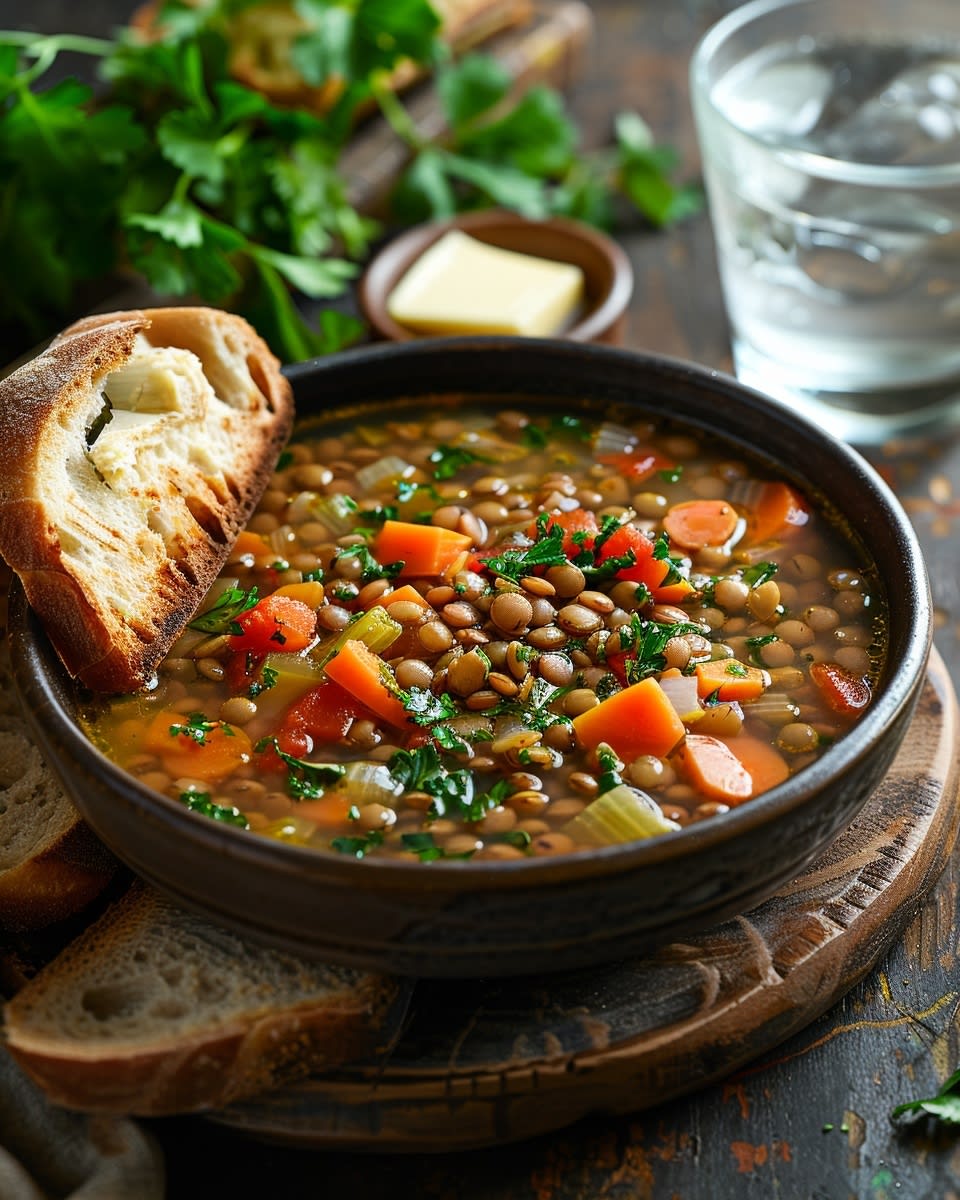
Why I Love Making Lentil and Vegetable Soup
Last winter, I came home after a long day feeling completely drained. My fridge had some random vegetables that needed using up, and I didn’t want to order takeout again. That’s when I threw together my first lentil and vegetable soup. The smell that filled my kitchen was incredible. The warmth of the bowl in my hands felt like a hug. I was hooked from that first spoonful.
This soup became my go-to meal for busy weeks. It’s cheap to make, incredibly filling, and tastes even better the next day. I’ve made it at least fifty times since then, tweaking the recipe each time based on what’s in my pantry. Friends ask me for the recipe constantly. My neighbor even borrowed a container when she was sick and texted me the next day asking for more.
The best part? You can adapt this soup to work with almost any diet. Vegetarian, vegan, gluten-free, dairy-free – lentil and vegetable soup checks all these boxes naturally. You don’t need to make substitutions or special adjustments. It just works.
Why Lentil and Vegetable Soup is a Great Choice
Let me tell you why this soup deserves a regular spot in your meal rotation. The health benefits alone make it worth trying, but there’s so much more to love about it.
Lentils pack a serious nutritional punch. One cup of cooked lentils gives you about 18 grams of protein and 16 grams of fiber. That’s more protein than most meat alternatives and enough fiber to keep you satisfied for hours. Your body needs both to function well and feel full after eating.
I used to struggle with afternoon energy crashes. I’d eat lunch and feel hungry again by 2 PM. When I started eating hearty vegetable soup with lentils for lunch, that problem disappeared. The combination of protein and fiber keeps your blood sugar stable. You won’t experience those energy spikes and crashes that come from eating simple carbs alone.
The vegetables in this soup add vitamins, minerals, and antioxidants your body craves. Carrots bring vitamin A for eye health. Tomatoes offer lycopene, which supports heart health. Celery provides potassium. Spinach or kale add iron and calcium. Every spoonful delivers nutrients that help your body thrive.
People often ask me about lentil and vegetable soup calories. A typical bowl contains between 200 and 300 calories, depending on what you add. That’s remarkably low for such a filling meal. You’re getting a huge volume of food with relatively few calories, which makes this soup perfect for weight management.
This is why lentil and veg soup slimming world friendly versions are so popular. The soup naturally fits into many weight loss plans because it’s nutrient-dense but calorie-light. You can eat a big, satisfying bowl without worrying about overdoing it. The fiber keeps you full, so you’re less likely to snack between meals.
I remember making a batch when I was trying to eat healthier last spring. I portioned it into containers for the week. Having those ready-to-eat meals in my fridge meant I didn’t reach for chips or cookies when I got hungry. The soup did the work of keeping me on track with my health goals.
The beauty of lentil and vegetable soup is its flexibility. You can make a red lentil and vegetable soup good housekeeping style with a smooth, creamy texture. Red lentils break down quickly and create a velvety consistency without needing any cream or dairy. This works great if you prefer soups you can sip easily.
Or try a brown lentil soup if you like your lentils to hold their shape. Brown and green lentils stay firmer during cooking. They give the soup more texture and a heartier feel. I switch between types based on my mood and what I have available.
Some people love trying a lentil and vegetable soup jamie oliver inspired version with Mediterranean flavors. Add some garlic, rosemary, and a splash of balsamic vinegar. The result tastes bright and fresh. Others prefer an italian lentil soup recipe with tomatoes, basil, and a parmesan rind simmered in the broth.
If you’re short on time, a lentil and vegetable soup slow cooker method works perfectly. Dump everything in before work. Come home to a house that smells amazing and dinner that’s ready to eat. I do this at least twice a month when I know I’ll have evening commitments.
You can even make a smooth vegetable and lentil soup by blending everything at the end. My kids actually prefer it this way. They don’t pick out vegetables when they can’t see them. Sneaky? Maybe. Effective? Absolutely.
The nutritional benefits extend beyond basic vitamins and minerals. Lentils contain compounds that support heart health by helping lower cholesterol. The soluble fiber binds to cholesterol in your digestive system and helps remove it from your body.
Speaking of heart health, people often wonder which soup is best for a heart patient. Lentil and vegetable soup ranks high on that list. It’s low in sodium when you control the salt, high in fiber, and contains zero cholesterol. The potassium from vegetables helps regulate blood pressure. The antioxidants fight inflammation.
Another common question I get: is lentil soup good for diabetics? Yes, it really is. The fiber in lentils slows down how quickly your body absorbs sugar. This prevents blood sugar spikes after eating. The protein helps too. Together, they create a meal that’s diabetes-friendly and satisfying.
I watched my dad manage his diabetes for years. He struggled to find meals that tasted good and kept his blood sugar stable. When I shared this soup with him, he was skeptical. After trying it and checking his glucose levels, he was convinced. Now he makes a pot every week.
The soup also supports digestive health thanks to all that fiber. Your gut bacteria feed on fiber and create compounds that keep your intestines healthy. Regular bowel movements become easier. Bloating often decreases. These might not be glamorous topics, but they matter for feeling your best.
Making this soup doesn’t require fancy ingredients or special cooking skills. Basic vegetables, dried lentils, and broth or water are all you need. The ingredients cost just a few dollars and make enough for multiple meals. Compare that to restaurant meals or processed convenience foods, and the savings add up quickly.
I love how this simple soup brings so many benefits to one bowl. It nourishes your body, satisfies your hunger, and supports your health goals. Whether you’re looking to eat more plants, manage your weight, or just enjoy a delicious meal, lentil and vegetable soup delivers on every level.


How to Make the Perfect Lentil and Vegetable Soup
Now that you know why this soup should be in your regular rotation, let’s talk about actually making it. I promise it’s easier than you think, even if you’ve never cooked with lentils before.
The foundation of any great lentil and vegetable soup starts with understanding your ingredients. Lentils are your protein powerhouse and thickener rolled into one. They absorb flavors beautifully and give the soup body without needing cream or flour. Stock or broth provides the flavor base – I alternate between vegetable broth and chicken broth depending on what I’m in the mood for. Aromatics like onions and garlic create depth. Vegetables add texture, color, and nutrition. Herbs and spices pull everything together into something that tastes way more complex than the effort required.
Here’s the thing about choosing your vegetables. What vegetables go in lentil soup? The answer is pretty flexible. I always use onions and garlic as my base – they’re non-negotiable for building flavor. Carrots and celery come next because they’re classic soup vegetables that add sweetness and earthiness. Tomatoes bring acidity that balances the earthiness of lentils. I usually toss in some diced tomatoes from a can or fresh ones if I have them.
Beyond these basics, the vegetable world is your oyster. Potatoes make the soup more filling and add a creamy texture when they break down slightly. Bell peppers contribute a subtle sweetness and beautiful color. Zucchini works great but add it toward the end so it doesn’t turn to mush. Leafy greens like spinach, kale, or Swiss chard add a nutritional boost – just stir them in during the last few minutes of cooking.
I’ve experimented with more unusual additions too. Sweet potatoes create a slightly sweet, hearty version that my kids request repeatedly. Butternut squash does something similar. Green beans add a nice snap if you want more texture contrast. Some people love adding corn for sweetness. Last month I even tried adding some chopped cabbage, and it worked surprisingly well, especially when paired with black bean and corn salad on the side for a complete meal.
When it comes to cooking methods, you’ve got options. The stovetop method is my default because I can control everything and adjust as I go. You just sauté your aromatics, add everything else, bring it to a boil, then simmer until the lentils are tender. Usually takes about 30 to 40 minutes depending on the lentil type. You can taste and season as you cook, which I find reassuring.
The lentil and vegetable soup slow cooker approach works beautifully when you need a hands-off option. I’ve followed several lentil and vegetable soup jamie oliver inspired slow cooker versions that turned out amazing. Toss everything in the slow cooker in the morning. Set it on low for 6 to 8 hours or high for 3 to 4 hours. Come home to dinner that’s ready and a house that smells incredible. The downside? You can’t really adjust seasoning until it’s done, so you need to be confident with your initial measurements.
A pressure cooker or Instant Pot cuts the time dramatically. Everything cooks in about 15 minutes under pressure. This method is perfect for those nights when you forgot to plan ahead. The texture comes out great, though I’ll admit the flavors don’t develop quite as deeply as with longer cooking methods. Still, it’s way better than ordering takeout.
Funny enough, each cooking method produces slightly different results. Slow cooker soup tends to have more mellow, blended flavors because everything mingles for hours. Stovetop gives you brighter, more distinct vegetable flavors. Pressure cooker falls somewhere in between. I don’t think one is better than another – they’re just different.
By the way, I learned about common mistakes the hard way. What are the common mistakes in making lentil soup? The biggest one is adding salt too early. Salt can toughen lentil skins and make them take forever to cook. Wait until your lentils are tender, then season. Trust me on this – I ruined a batch by salting at the beginning and ended up with crunchy lentils even after an hour of cooking.
Another mistake is not rinsing your lentils. They can be dusty or have small debris. A quick rinse in a fine-mesh strainer takes ten seconds and prevents any unpleasant grittiness. I also sort through them quickly, spreading them on a plate to check for small stones. It’s rare, but it happens.
Overcooking vegetables is another pitfall. If you’re making a hearty vegetable soup with lentils where you want distinct vegetable pieces, add quicker-cooking vegetables later. I add potatoes and carrots at the beginning since they take longer. Zucchini, spinach, and frozen peas go in during the last 5 to 10 minutes.
Using too much liquid is surprisingly easy to do. Start with less broth than you think you need. You can always add more, but reducing a soup that’s too thin takes time and can overcook your ingredients. I usually aim for just enough liquid to cover everything by about an inch. The soup thickens as it cooks and the lentils release starch, similar to how a roasted veggie quinoa bowl thickens as it sits.
Not building flavor layers is another missed opportunity. Sauté your aromatics until they’re golden and fragrant before adding liquid. This step creates depth you simply can’t achieve by dumping everything in at once. A red lentil and vegetable soup good housekeeping style recipe often emphasizes this technique because it makes such a difference in the final taste.
Variations and Customizations
The beauty of this soup lies in how adaptable it is. Different lentils create completely different experiences. Red lentil soup cooks faster and breaks down into a creamy, smooth consistency. Red lentils disintegrate after about 15 to 20 minutes, creating an almost pureed texture without any blending. This version feels lighter and works great when you want something comforting but not too heavy.
I make red lentil versions when I’m feeling under the weather. The smooth texture is easy to eat, and you can boost it with ginger and turmeric for extra immune support. It pairs wonderfully with crusty bread for dipping.
Brown lentil soup keeps its shape and gives you a heartier, more textured result. Brown and green lentils take longer to cook – usually 35 to 45 minutes – but they maintain their form. Each spoonful has distinct lentils you can see and feel. This version feels more substantial, almost like a stew. I prefer this style when I want something really filling, especially after a workout or on particularly cold days.
Black lentils, sometimes called beluga lentils because they look like caviar, are my fancy option. They hold their shape beautifully and have a slightly earthy, almost nutty flavor. They take about 25 to 30 minutes to cook. When I’m serving soup to guests, I often use black lentils because they look sophisticated in the bowl.
Regional variations add exciting twists. An italian lentil soup recipe incorporates tomatoes, basil, oregano, and sometimes a parmesan rind simmered in the broth. The cheese rind adds incredible umami depth without making the soup non-vegan – just remove it before serving. Some Italian versions include small pasta like ditalini added during the last 10 minutes of cooking.
Indian-inspired versions use curry powder, cumin, coriander, and coconut milk. I add a squeeze of lime juice at the end for brightness. The coconut milk makes it creamy and rich while keeping it dairy-free. This variation reminds me of dal but with more vegetables mixed in, creating something that works perfectly alongside spinach salad with grilled chicken for a complete dinner.
Middle Eastern variations incorporate warm spices like cumin, coriander, and sometimes a pinch of cinnamon. A squeeze of lemon and fresh cilantro at the end brightens everything up. Some versions include preserved lemon for a more authentic taste.
You can customize based on what you need. Want more protein? Add some cooked chicken, sausage, or even leftover baked cod with green beans chopped into pieces. Need it spicier? Red pepper flakes, fresh jalapeños, or a dollop of harissa paste work great. Prefer it creamy? Blend half the soup and stir it back in, or add a splash of coconut milk.
For a smooth vegetable and lentil soup, use an immersion blender right in the pot after cooking. Blend it completely or just partially for a chunky-smooth hybrid. I do this when I’m craving something velvety and comforting. The texture becomes almost like a bisque but without any cream.
Dietary restrictions? No problem. The soup is naturally vegetarian and vegan when made with vegetable broth. It’s gluten-free without any modifications. Low-carb? It’s got more carbs than some diets allow, but they’re complex carbs with tons of fiber. For lower carbs, reduce the lentils and increase the vegetables.
The possibilities really are endless, which is why I never get bored making this soup.


Health Benefits and Special Diets for Lentil and Vegetable Soup
Here’s where things get really interesting. Beyond just being delicious and filling, lentil and vegetable soup offers specific health benefits that make it particularly valuable for people managing certain health conditions. I’ve seen this firsthand with family members and friends who’ve incorporated this soup into their diets for medical reasons.
Which soup is best for a heart patient? This question came up when my uncle had a minor heart scare last year. His doctor told him to focus on low-sodium, high-fiber meals with plenty of vegetables. Hearty vegetable soup with lentils became one of his staples, and I’ll tell you why it’s such a smart choice for heart health.
The soluble fiber in lentils actively works to lower LDL cholesterol, the kind that clogs arteries. It binds with cholesterol in your digestive tract and carries it out of your body before it can enter your bloodstream. Studies show that eating lentils regularly can reduce cholesterol levels by 5 to 10 percent, which might not sound dramatic but can significantly impact heart disease risk over time.
Potassium from vegetables like tomatoes, spinach, and potatoes helps counteract sodium’s effects on blood pressure. When you make this soup at home, you control exactly how much salt goes in. Restaurant and canned soups often contain 800 to 1200 milligrams of sodium per serving. My homemade version has less than 300 milligrams, sometimes even less if I use low-sodium broth and season with herbs instead.
The magnesium in lentils supports heart rhythm and helps blood vessels relax. Folate, another nutrient abundant in lentils, helps lower homocysteine levels in the blood. High homocysteine is linked to increased heart disease risk. Every bowl delivers these protective compounds naturally, without supplements or medications.
My uncle now makes a big pot every Sunday and eats it throughout the week. His cholesterol numbers improved within three months. His doctor was impressed enough to ask for the recipe herself.
Is lentil soup good for diabetics? Absolutely, and I’ve got personal experience with this too. My neighbor has type 2 diabetes and struggles to find meals that keep her satisfied without spiking her blood sugar. She started eating lentil and vegetable soup for lunch three times a week based on my recommendation.
Lentils have a low glycemic index, meaning they don’t cause rapid blood sugar spikes. The combination of protein, fiber, and complex carbohydrates creates a steady, sustained release of energy. Your body digests lentils slowly, which keeps blood sugar levels stable for hours after eating.
The fiber content is particularly important for diabetics. It slows down how quickly your body converts food into glucose. This prevents those dangerous spikes and crashes that make managing diabetes so challenging. One study found that people with diabetes who ate lentils regularly saw improvements in both their fasting blood sugar and long-term blood sugar control.
My neighbor checks her blood sugar religiously. After eating lentil and veg soup slimming world style without added fats or refined ingredients, her numbers stay consistently in her target range. She even noticed she needed less insulin after making this a regular part of her diet, though she made those adjustments with her doctor’s guidance.
The vegetables add another layer of benefit. Non-starchy vegetables like leafy greens, zucchini, and peppers have minimal impact on blood sugar while providing essential nutrients. The variety of colors ensures you’re getting different antioxidants that combat the oxidative stress associated with diabetes.
For people managing inflammation-related conditions like arthritis or autoimmune diseases, the anti-inflammatory properties of this soup help too. Tomatoes contain lycopene, a powerful antioxidant. Leafy greens offer compounds that reduce inflammatory markers. Garlic and onions have natural anti-inflammatory effects that research continues to support.
Funny enough, my own inflammation issues improved after I started eating this soup regularly. I have mild joint pain that flares up when I eat too much processed food. During weeks when I eat hearty vegetable soup with lentils several times, my joints feel noticeably better. Could be coincidence, but I don’t think so.
Adapting the Soup for Special Diets
Making this soup work for specific dietary needs is surprisingly straightforward. For low-sodium diets, skip the salt entirely during cooking. Use low-sodium or no-salt-added broth. The vegetables and lentils have natural flavors that shine through when you’re not masking them with salt. Add aromatics like garlic, ginger, and fresh herbs generously.
I boost flavor without sodium by including acid and umami. A squeeze of lemon juice at the end brightens everything. Nutritional yeast adds a cheesy, savory depth without any salt. Dried mushrooms simmered in the broth create incredible umami richness. Sometimes I add a splash of balsamic vinegar or red wine vinegar right before serving.
By the way, roasting your vegetables before adding them to the soup intensifies their natural sweetness and creates deeper flavors without needing extra salt. I roast carrots, bell peppers, and tomatoes with just a tiny bit of olive oil until they’re caramelized and tender, then add them to the soup. The difference in taste is remarkable.
For gluten-free diets, the soup is naturally compliant. Just double-check that your broth doesn’t contain any hidden gluten. Some commercial broths use wheat-based thickeners. Read labels carefully or make your own broth from scratch.
Vegan versions are the easiest adaptation since the basic recipe is already plant-based. Use vegetable broth instead of chicken broth. Skip any cheese garnishes or replace them with nutritional yeast. The smooth vegetable and lentil soup variation works beautifully for vegans because blending creates creaminess without needing dairy.
If you want that creamy richness without dairy, coconut milk is your friend. Just a half cup stirred in at the end transforms the soup into something luxurious. Cashew cream works too. Soak raw cashews for a few hours, blend them with water until smooth, then stir into your soup. The result tastes indulgent while staying completely plant-based.
For people following low-carb or keto diets, this soup in its traditional form doesn’t quite fit. But you can modify it. Reduce the lentils significantly and bulk up on low-carb vegetables like cauliflower, mushrooms, zucchini, and leafy greens. Add extra protein through chicken or tofu. The result won’t be traditional lentil and vegetable soup, but it captures similar flavors while fitting your macros.
People with digestive sensitivities sometimes struggle with lentils. The fiber can cause gas and bloating, especially if you’re not used to eating legumes. Start with small portions and gradually increase as your gut adjusts. Soaking lentils for a few hours before cooking helps break down some of the compounds that cause gas. Adding a strip of kombu seaweed during cooking does the same thing.
The smooth vegetable and lentil soup variation is gentler on sensitive stomachs. Blending breaks down the fiber structure, making it easier to digest. Red lentils naturally create this smooth texture without any extra work. When my stomach is upset, I always reach for a red lentil soup variation because it’s comforting and easy to handle.
Making It Work for Your Lifestyle
This soup fits into meal prep routines beautifully. I make a double batch every time I cook it. Portion it into individual containers and freeze half. It thaws perfectly and tastes just as good as fresh. Having these containers ready means healthy lunches are always available when I’m rushed or tempted by less nutritious options.
For busy families, involving kids in the cooking process increases the chances they’ll actually eat it. Let them choose which vegetables to include. My friend’s daughter picks out different colored bell peppers at the store specifically for soup days. That ownership makes her excited to eat something she helped create.
If you’re managing a chronic condition that requires careful eating, having go-to recipes like this reduces decision fatigue. You don’t need to wonder if something is safe for your diet. You know exactly what’s in it. You trust how your body responds to it. That peace of mind is valuable when you’re dealing with health challenges.
The soup also works as a base for other meals. Pour it over cooked rice or quinoa for a more substantial dinner. Serve it alongside a simple sandwich for lunch. Pair it with a salad for a lighter meal. It’s versatile enough to play different roles depending on what else you’re eating.
If you’re looking for more ideas on building balanced, nourishing meals throughout your day, exploring various healthy lunch ideas can help you create a rotation of dishes that support your wellness goals without getting boring.
I genuinely believe this soup deserves a place in everyone’s cooking repertoire, regardless of dietary restrictions or health status. It adapts, it nourishes, and it delivers consistent results every single time. The fact that it supports specific health needs while tasting delicious makes it even more valuable.
Try making a pot this week. Notice how you feel after eating it. Pay attention to your energy levels, how satisfied you stay, and whether it fits naturally into your routine. I think you’ll find yourself making it again and again, tweaking it to suit your preferences and needs. That’s exactly how it became such a staple in my kitchen, and I hope it does the same for you.
Frequently Asked Questions
What vegetables go in lentil soup?
The classic base includes onions, garlic, carrots, celery, and tomatoes. From there, you can add potatoes, bell peppers, zucchini, leafy greens like spinach or kale, green beans, or sweet potatoes. Root vegetables work well since they hold up during longer cooking times. Quicker-cooking vegetables like zucchini and greens should be added toward the end. Really, almost any vegetable you enjoy can work in this soup.
What are the common mistakes in making lentil soup?
The biggest mistake is adding salt too early, which toughens lentil skins and extends cooking time. Not rinsing lentils before cooking can leave them gritty. Using too much liquid makes the soup watery instead of hearty. Overcooking delicate vegetables turns them to mush. Not building flavor by sautéing aromatics first results in a flat-tasting soup. These are all easy to avoid once you know about them.
Which soup is best for a heart patient?
Lentil and vegetable soup is excellent for heart patients because it’s naturally low in sodium when homemade, high in soluble fiber that lowers cholesterol, and packed with potassium that helps regulate blood pressure. The soup contains no cholesterol and provides magnesium and folate that support heart health. Using low-sodium broth and seasoning with herbs instead of salt makes it even more heart-friendly. The variety of vegetables provides antioxidants that protect cardiovascular health.
Is lentil soup good for diabetics?
Yes, lentil soup is excellent for people with diabetes. Lentils have a low glycemic index, meaning they don’t cause blood sugar spikes. The combination of protein and fiber slows digestion and creates steady energy release. This helps maintain stable blood sugar levels for hours after eating. The non-starchy vegetables add nutrients without significantly affecting blood sugar. Many people with diabetes report better blood sugar control when they include lentil soup regularly in their diets.
How long does lentil and vegetable soup last in the fridge?
Properly stored in an airtight container, lentil and vegetable soup lasts 4 to 5 days in the refrigerator. Make sure to cool it completely before refrigerating. The soup actually tastes better the next day as flavors continue to develop. If you notice any off smells, discoloration, or mold, discard it. For longer storage, freeze the soup in portions for up to 3 months.
Can I freeze lentil and vegetable soup?
Absolutely, this soup freezes beautifully. Let it cool completely, then transfer to freezer-safe containers, leaving about an inch of space at the top for expansion. It stays good for up to 3 months frozen. Thaw overnight in the refrigerator or reheat directly from frozen on the stovetop over low heat. The texture stays great after freezing, though you might need to add a splash of broth when reheating if it seems too thick.
Do I need to soak lentils before making soup?
Unlike beans, lentils don’t require soaking before cooking. They cook relatively quickly without any prep beyond rinsing. However, soaking them for a few hours can reduce cooking time slightly and may make them easier to digest for people sensitive to legumes. If you do soak them, drain and rinse before adding to your soup. Red lentils especially don’t need soaking since they cook so fast.
Why is my lentil soup watery?
Using too much liquid is the main culprit. Start with just enough broth to cover ingredients by about an inch. Remember that lentils release starch as they cook, which naturally thickens the soup. If your soup is too watery, simmer it uncovered for 10 to 15 minutes to let excess liquid evaporate. You can also mash some of the lentils against the side of the pot to release more starch, which helps thicken the soup naturally.
Can I use canned lentils instead of dried?
Yes, but the process changes slightly. Canned lentils are already cooked, so add them during the last 10 minutes of cooking just to heat through and absorb flavors. If you add them earlier, they’ll turn mushy. The soup won’t thicken as much with canned lentils since they’ve already released their starch during processing. The texture will be different, but it still tastes good and saves significant time.
How can I make my lentil soup more flavorful?
Build flavor layers by sautéing aromatics until golden before adding liquid. Use quality broth instead of water. Add acid at the end through lemon juice or vinegar to brighten flavors. Include umami-rich ingredients like tomato paste, soy sauce, or nutritional yeast. Fresh herbs added just before serving make a huge difference. Don’t skip the garlic. Toasting your spices briefly in oil before adding other ingredients intensifies their flavors dramatically.
Ingredients
Equipment
Method
- Rinse the lentils under cold water and set aside.
- In a large pot, heat olive oil over medium heat and sauté diced onion and minced garlic until fragrant.
- Add diced carrots and celery to the pot, stirring for 3-4 minutes until softened.
- Stir in the diced tomatoes, lentils, and broth.
- Bring to a boil, then reduce heat to a simmer.
- If using, add diced potato and bell pepper at this stage.
- Simmer for 30-40 minutes, or until lentils are tender, stirring occasionally.
- In the last 5-10 minutes of cooking, add zucchini and leafy greens.
- Season with dried herbs, salt, and pepper to taste.
- If desired, blend part of the soup for a smoother texture, or serve as is.