
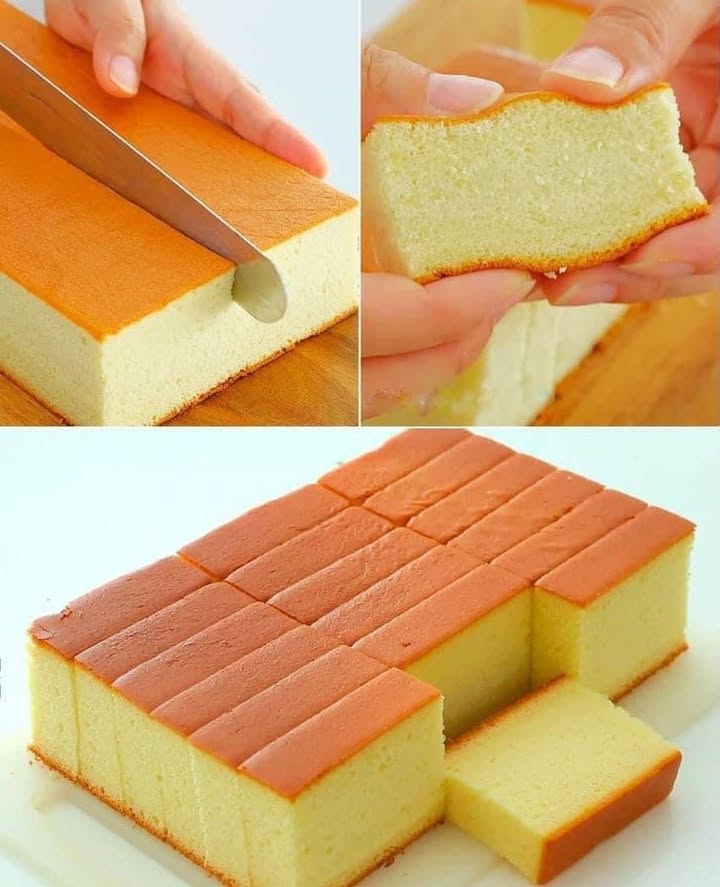
My Go-To Blender Cake: Creamy Condensed Milk Magic!
Have you ever had that sudden craving? You need something sweet, comforting, and homemade, but you don’t have hours to spend in the kitchen. I get it all the time! This Blender Creamy Cake recipe is my secret weapon. It’s the cake I make when my grandson visits, when friends pop over unexpectedly, or when I just need a little kitchen therapy. It all starts with that magical can of condensed milk. The result is a cake so tender and moist, it feels like a hug from the oven.
A Sweet Slice of History
While this exact blender method is a modern shortcut, cakes using condensed milk have a rich history. In many cultures, condensed milk was a precious ingredient. It offered guaranteed sweetness and richness, especially when fresh milk or sugar was scarce. My grandmother used it in her treasured “magic cake” recipe, which required lots of elbow grease. Today, we get the same incredible flavor, but our trusty blender does all the work in minutes! It’s a beautiful blend of old-fashioned taste and new-fashioned ease.
Why You’ll Love This Blender Creamy Cake
This recipe is a true friend. First, it’s incredibly simple. You literally dump everything in the blender! Second, the flavor is unparalleled. The condensed milk gives it a unique, caramel-like sweetness and a velvety texture that regular sugar cakes just can’t match. Third, it’s incredibly versatile. You can enjoy it plain, dust it with powdered sugar, or drizzle it with a glaze. It’s a humble cake that always feels special.
Perfect Occasions for Your Blender Cake
This cake fits into life perfectly. It’s ideal for a last-minute birthday celebration when you forgot to plan. It’s a wonderful after-school snack that will make your kids smile. It’s the perfect partner for a weekend coffee chat with your neighbors. I’ve even served it at brunches alongside fruit salad. Basically, any moment that calls for a little sweetness and joy is the right moment for this cake.
What You’ll Need: The Ingredients
Gathering these simple items is the first step to bliss. Here’s your list:
- 1 can of condensed milk (that wonderful canned sweetness)
- 1 can of milk (use the empty condensed milk can as your measure!)
- 3 eggs (they give a touch of life to your mixture)
- 1 cup of wheat flour (for that guaranteed softness)
- 1 tablespoon of butter or margarine (so that nothing sticks)
- Extra butter or margarine and wheat flour to prepare your baking pan
Smart Substitution Options
Don’t worry if you’re missing something! Cooking is about adapting.
- For the milk: You can use whole milk, 2%, or even a non-dairy milk like almond or oat milk. The flavor will change slightly, but it will still work.
- For the wheat flour: A gluten-free all-purpose flour blend can be used in the same measure for a gluten-free version.
- For the butter: Margarine, coconut oil, or a neutral vegetable oil will all work fine to grease the pan and add to the batter.
- Flavor boost: Add a teaspoon of vanilla extract or the zest of one lemon to the blender for an extra flavor layer.
Creating Your Blender Creamy Cake: Step-by-Step
Step 1: Get Your Pan Ready
First, turn your oven on to 180°C (350°F). Let it warm up while you prepare. Take your baking pan—a round 9-inch or a loaf pan works great. Take a small bit of butter or margarine and grease the entire inside. Then, sprinkle a little flour over the grease and shake it around until the surface is lightly coated. This little step is your insurance policy for a clean unmolding later. Set your prepared pan aside.
Step 2: Blend the Wet Ingredients
Now for the fun part! Grab your blender. Pour in the entire can of condensed milk. It will look thick and golden. Then, fill the empty can with regular milk and add that too. Crack your three eggs and add them into the mix. The eggs will bring a beautiful pale yellow color to the mixture. Put the lid on and blend! Blend for about a minute until everything is silky, smooth, and perfectly uniform. You should see a creamy, light liquid.
Pro tip: If your blender has a “mix” or “liquid” setting, use that. High-speed blending is perfect here.
Step 3: Add the Flour
With your wet mix ready, it’s time to add the structure. Sprinkle your one cup of wheat flour into the blender. You can add it all at once. Put the lid back on and blend again. Blend for another 30-60 seconds. You want to make sure all the flour is incorporated and there are no lumps hiding at the bottom. The batter will transform, becoming thicker and more opaque, like a rich pancake batter. Stop and scrape down the sides if needed, then blend once more quickly.
Step 4: Pour and Prep for Magic
Take your prepared baking pan. Pour the beautiful, smooth batter directly from the blender into the pan. It will flow easily and settle evenly. Give the pan a gentle tap on the counter to release any air bubbles. The sight of that smooth, uncooked batter in the pan is a promise of delicious things to come. Your cake is now ready for its transformation in the oven.
Step 5: The Perfect Bake
Carefully place your cake pan into the preheated oven. Now, let the oven do its work. Bake for 40 to 50 minutes. Around 40 minutes, start checking. The top should become a lovely golden brown color, and the cake should feel firm to a light touch. The best test? Do the toothpick test. Insert a clean toothpick or skewer into the center of the cake. If it comes out clean, with no wet batter clinging to it, your cake is perfectly baked. If it’s still gooey, give it a few more minutes.
Step 6: Cool and Celebrate!
Once baked, take the cake out of the oven. Let it cool in the pan for about 15-20 minutes. This rest period lets the structure set, making unmolding easier. Then, run a thin knife around the edges. Gently turn the cake out onto a plate or cooling rack. The aroma of sweet, creamy cake will fill your kitchen. Slice it, serve it, and let everyone be conquered by its incredible, simple creaminess.
Chef’s tip: For an extra tender cake, let it cool almost completely before slicing. This gives the moisture time to settle evenly throughout every slice.
Your Time Commitment
This recipe respects your busy life. Here’s the quick timeline:
- Prep Time: 7-10 minutes (including blending!)
- Cooking Time: 40-50 minutes
- Cooling/Resting Time: 20 minutes
- Total Time: About 1 hour and 20 minutes
Chef’s Secret for the Best Blender Cake
My little secret is in the blending order. Always blend the liquid ingredients (condensed milk, milk, eggs) first until they are completely smooth. This creates a homogenous base. Then add the flour and blend again. This two-stage blending incorporates the flour perfectly and minimizes the chance of any lumps, guaranteeing that ultra-smooth texture we all love.
A Fun Fact About Our Star Ingredient
Condensed milk has a fascinating story! It was invented in the 19th century as a way to preserve milk without refrigeration. By removing about 60% of the water and adding sugar, it became a shelf-stable product. This made it a vital source of nutrition for soldiers and explorers. Today, it’s a beloved baking ingredient across the world, from Brazilian brigadeiros to our simple, wonderful blender cake.
Necessary Equipment
You don’t need fancy tools for this cake. Here’s what I use:
- A reliable blender (any standard model works)
- A mixing bowl (for the flour if you prefer, but you can add it straight to the blender)
- A 9-inch round cake pan or a medium loaf pan
- A rubber spatula or knife for unmolding
- An oven, of course!
How to Store Your Creamy Cake
Once your cake is completely cooled, you can store it to enjoy later. Place it in an airtight container or cover it well with plastic wrap. Because it’s so moist, it needs to be protected from drying out. You can keep it at room temperature for up to 2 days, if your kitchen isn’t too warm.
For longer storage, I recommend the refrigerator. In an airtight container in the fridge, your Blender Creamy Cake will stay fresh and delicious for up to 5 days. The cool temperature helps preserve its creamy texture perfectly.
You can also freeze this cake! Wrap the whole cake or individual slices tightly in plastic wrap, then in foil. Freeze for up to 2 months. Thaw it overnight in the refrigerator before serving. It will taste just as lovely as the day you baked it.
My Top Tips and Advice
- Always preheat your oven. Putting the cake into a properly hot oven ensures even baking from the start.
- Use the “can measure” for the milk. It’s not just clever; it guarantees the perfect ratio of liquid to condensed milk.
- Don’t over-blend after adding the flour. Once it’s smooth, stop. Over-blending can sometimes affect the texture.
- If you want a taller cake, use a smaller pan (like a 7-inch round). For a more standard cake, the 9-inch is perfect.
- Experiment with toppings! A simple dusting of powdered sugar, a drizzle of chocolate syrup, or fresh berries on the side make it special.
Presentation Tips to Impress
Even a simple cake can look stunning. Try these ideas:
- Serve slices on individual plates with a small dollop of whipped cream and a strawberry.
- Dust the top with powdered sugar through a small sieve for a pretty, snow-like effect.
- For a brunch, present the whole cake on a cake stand surrounded by fresh grapes or orange slices.
- If you used a loaf pan, slice it thickly and arrange the slices on a wooden board for a rustic, homey look.
Healthier & Fun Alternative Recipes
This basic Blender Creamy Cake is a wonderful template. You can easily create variations to suit different tastes or dietary needs. Here are six ideas to explore:
- Citrus Zest Cake: Add the zest of one lemon or two limes to the blender with the wet ingredients. It gives a bright, refreshing twist that cuts through the sweetness beautifully.
- Coconut Dream Cake: Substitute the regular milk with coconut milk. You can also add ½ cup of unsweetened shredded coconut to the batter. It becomes a tropical delight.
- Chocolate Blend Cake: Add ½ cup of cocoa powder to the flour when blending. You’ll get a rich, chocolate version that’s equally moist and easy.
- Spiced Version: Add a teaspoon of cinnamon, nutmeg, or pumpkin pie spice to the dry flour. This is perfect for autumn or holiday gatherings.
- Banana Blender Cake: Add one ripe mashed banana to the wet ingredients. It adds natural sweetness, moisture, and a lovely banana flavor.
- Gluten-Free Blender Cake: Simply replace the wheat flour with a certified gluten-free all-purpose flour blend. Ensure all other ingredients are gluten-free, and you have a safe treat for everyone.
If you love creamy, dreamy desserts, you might also enjoy exploring our recipe for a Velvet White Chocolate Cheesecake. For those who crave chocolate, our Ultimate Fudgy Brownies are a must-try. When you need a super quick fix, this Gooey Fudge Delight is incredible. And for a layered dessert party showstopper, check out this decadent Peanut Butter Trifle.
Common Mistakes to Avoid
Mistake 1: Not Preheating the Oven
Putting the cake into a cold oven is a common error. It changes the baking time dramatically. The cake will start cooking slowly and unevenly. This can lead to a dense texture or a sunken middle. Always wait for your oven to reach the right temperature (180°C/350°F) before you put the pan in. The wait is worth it for perfect results.
Mistake 2: Skipping the Pan Prep
It seems like a small step, but greasing and flouring the pan is crucial. If you just grease it, the cake might still stick, especially to corners. If you skip it entirely, you risk the cake tearing when you try to take it out. Take that extra minute to butter the pan, then sprinkle flour and shake it around. Your beautiful cake will slide out intact.
Mistake 3: Over-Baking the Cake
Because this cake is so moist, it can look done on top but still be wet inside. The toothpick test is your best friend. Start checking at 40 minutes. If the toothpick has wet batter, bake 5 more minutes and check again. Over-baking will dry out the edges and make the cake less creamy. Perfect baking keeps that dreamy texture.
Mistake 4: Adding Flour Before Blending Liquids
The order matters! If you put all ingredients including flour into the blender at once, you might get flour lumps stuck at the bottom. The blender blades can’t always reach them. Always blend the condensed milk, milk, and eggs first to create a smooth liquid base. Then add the flour and blend again. This ensures a perfectly smooth batter.
Mistake 5: Not Letting it Cool Before Unmolding
Excitement makes us want to unmold the cake right away. But a hot cake is fragile. It can break or collapse. Let the cake cool in the pan for at least 15-20 minutes. This allows the structure to set and firm up a bit. Then, it will hold its shape beautifully when you turn it out onto your plate.
Frequently Asked Questions
Can I make this Blender Creamy Cake without a blender?
Yes, you absolutely can! While the blender makes it super quick, you can use a hand mixer or even whisk by hand. Just make sure you mix the condensed milk, milk, and eggs together very thoroughly until perfectly smooth. Then, sift the flour into the mixture and whisk or mix until combined. The key is to achieve that same smooth, lump-free batter. It might take a little more arm power, but the result will be just as delicious.
Why is my cake too dense or didn’t rise well?
A dense cake can have a couple of causes. First, check your flour measurement. Make sure you’re using a standard “cup” measure and not packing the flour down. Too much flour makes a heavy cake. Second, ensure your oven was properly preheated. A cold start affects the rise. Third, don’t over-mix the batter after adding the flour. Just mix until it’s combined. Over-mixing can develop the gluten in the flour too much, leading to a tougher texture.
Can I use sweetened condensed milk for this recipe?
The recipe calls for “condensed milk,” which is typically sweetened condensed milk. That’s the standard product in cans. Evaporated milk is unsweetened and would not work here because it lacks the sugar. So yes, use the regular sweetened condensed milk you find in the baking aisle. It provides both the creamy texture and the necessary sweetness for this cake.
How do I know if my cake is done without a toothpick?
If you don’t have a toothpick, you can use other thin, clean objects. A thin skewer, a dry spaghetti strand, or even a small, sharp knife works. Insert it into the center. Pull it out and look for wet batter. Also, look at the edges: they should be pulling away slightly from the pan. The top should be uniformly golden brown and feel firm when you gently press the center with a fingertip.
Can I add fruits or nuts to this blender cake?
You can, but add them after blending. Blend the basic batter first until smooth. Then, by hand, stir in about ½ cup of small additions like chopped nuts, raisins, or small berry pieces. If you add them directly to the blender, they might be pulverized too much or disrupt the smooth batter texture. Fold them in gently for the best distribution.
My cake sank in the middle after baking, why?
A sunken middle often points to under-baking. The center wasn’t cooked enough to set, so it collapsed as it cooled. Use the toothpick test diligently. Another cause could be opening the oven door too often during baking. The sudden temperature drop can affect the rising process. Try to check only towards the end of the baking time, and be quick about it.
Is this cake suitable for people with egg allergies?
The eggs in this recipe provide structure and lift. Replacing them can be tricky. You could try using a commercial egg replacer, but the texture might change. Another option is to use ¼ cup of plain yogurt per egg, but this will also alter the flavor and moistness. For a true egg-free cake, you might want to look for a recipe specifically designed without eggs.
Can I double this recipe?
Doubling is possible, but you need a big blender! Make sure your blender jar can handle the larger volume. You might need to blend in batches if it’s too full. Also, use a larger baking pan or two separate pans. The baking time might increase slightly because of the thicker cake layer. Keep an eye on it and use the toothpick test to determine doneness.
What’s the difference between this and a traditional pound cake?
A traditional pound cake uses equal weights of butter, sugar, eggs, and flour. Our Blender Creamy Cake uses condensed milk as the main sweetener and fat source, along with additional liquid milk. It’s much simpler to mix (thanks to the blender) and has a uniquely creamy, moist texture that is different from the denser, richer crumb of a classic pound cake.
How can I make the top of my cake look more decorative?
For a simple decoration, sprinkle the top with a little sugar or cinnamon before baking. After baking, you can drizzle melted chocolate, caramel sauce, or a thin glaze over the cooled cake. You can also serve it with a side of fruit compote or whipped cream. Remember, good basic food prep includes thinking about presentation to make the meal more enjoyable!
This wonderful Blender Creamy Cake is just one of many easy, satisfying treats you can make. If you’re looking for more delightful dessert ideas, you can find a whole collection on our dessert recipes page.
A Final Sweet Thought
I hope you try this recipe. It’s more than just a cake; it’s a little piece of kitchen magic that comes together in a blink. It proves that the most comforting treats don’t need to be complicated. The smell of it baking, the joy of sharing a slice, the creamy texture that melts in your mouth—that’s what home cooking is all about. So grab your blender, your can of condensed milk, and create some sweetness today. Happy baking!
Blender Creamy Cake
Ingredients
Equipment
Method
- Preheat the oven to 180°C (350°F) and prepare the baking pan by greasing with butter and dusting with flour.
- Blend the condensed milk, regular milk, and eggs in a blender until smooth.
- Add the wheat flour to the blender and blend again until fully incorporated.
- Pour the batter into the prepared baking pan and tap it gently on the counter to release air bubbles.
- Bake in the preheated oven for 40 to 50 minutes, checking for doneness with a toothpick.
- Once baked, cool the cake in the pan for 15-20 minutes before unmolding.