
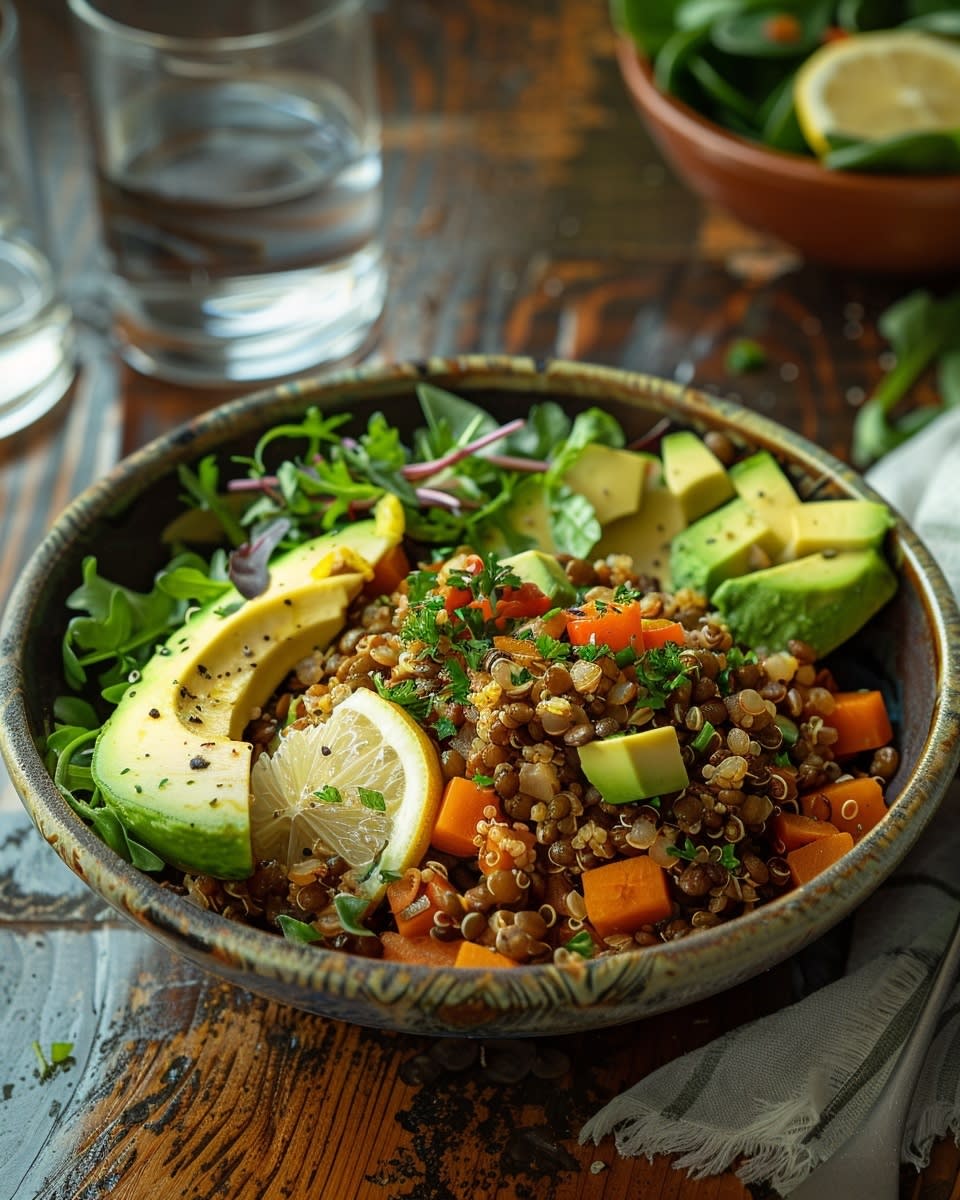
Why the Panera Vegan Lentil Quinoa Bowl Has Everyone Talking
I’ll never forget the first time I walked into Panera on a cold Tuesday afternoon, starving and determined to find something healthy. That’s when I spotted the vegan lentil quinoa broth bowl on the menu. I was skeptical at first. Could a bowl of lentils and quinoa really satisfy my hunger? One spoonful later, I was hooked. The warm broth, the perfectly cooked grains, and those tender lentils came together in a way that felt both comforting and nourishing.
The Panera vegan lentil quinoa bowl has become a go-to meal for people who want something filling without the guilt. It’s packed with protein, fiber, and nutrients that keep you energized throughout the day. Unlike heavy meals that leave you sluggish, this bowl gives you sustained energy without weighing you down.
What makes this dish special is its simplicity. There’s no dairy, no meat, and no artificial ingredients. Just wholesome foods that work together to create something delicious. Whether you’re vegan, vegetarian, or just trying to eat more plant-based meals, this bowl checks all the boxes.
In this article, I’m going to show you exactly how to recreate the panera vegan lentil quinoa bowl recipe at home. I’ll break down the nutritional benefits, share my honest review, and give you tips for making it even better. By the end, you’ll be able to make this restaurant favorite in your own kitchen anytime you want.
The Panera Vegan Lentil Quinoa Bowl Recipe
Making the panera broth bowl recipe at home is easier than you might think. The key is getting the right ingredients and following a few simple steps. I’ve made this bowl dozens of times, and I’ve learned what works best through trial and error.
What You’ll Need for Your Lentil Quinoa Bowl
The beauty of this recipe is that most ingredients are probably already in your pantry. Here’s what you need to gather before you start cooking:
- Green or brown lentils – 1 cup, rinsed and drained
- Quinoa – 1/2 cup, uncooked
- Vegetable broth – 4 cups, low sodium works best
- Tomatoes – 1 cup diced, fresh or canned
- Kale or spinach – 2 cups, roughly chopped
- Onion – 1 medium, diced
- Garlic – 3 cloves, minced
- Carrots – 1 cup, diced small
- Celery – 1/2 cup, diced
- Olive oil – 2 tablespoons
- Cumin – 1 teaspoon
- Turmeric – 1/2 teaspoon
- Black pepper and salt – to taste
- Lemon juice – 2 tablespoons, fresh squeezed
These panera vegan lentil quinoa bowl ingredients combine to create a hearty meal that serves about four people. You can easily double the recipe if you’re meal prepping for the week.
Step-by-Step Instructions for Making Your Bowl
I’ve refined this process over time to make it as simple as possible. Follow these steps, and you’ll have a delicious lentil quinoa bowl ready in under an hour.
Step 1: Prep Your Ingredients
Start by rinsing your lentils under cold water. Pick through them to remove any small stones or debris. Rinse the quinoa in a fine mesh strainer until the water runs clear. This removes the natural coating that can make quinoa taste bitter. Chop all your vegetables while you’re at it. Having everything ready makes the cooking process smooth and stress-free.
Step 2: Sauté the Aromatics
Heat the olive oil in a large pot over medium heat. Add the diced onion and cook for about 3 minutes until it becomes translucent. Toss in the garlic and cook for another minute. Your kitchen will start smelling amazing at this point. Add the carrots and celery, stirring occasionally for about 5 minutes until they start to soften.
Step 3: Add the Spices
Sprinkle in the cumin and turmeric. Stir everything together for about 30 seconds. This step is crucial because it wakes up the spices and releases their flavors into the oil. Don’t skip this part, even though it seems quick.
Step 4: Build the Broth
Pour in the vegetable broth and add the rinsed lentils. Bring everything to a boil, then reduce the heat to a simmer. Cover the pot and let it cook for 15 minutes. The lentils need this time to start getting tender without falling apart.
Step 5: Add the Quinoa
After 15 minutes, stir in the quinoa. Make sure it’s fully submerged in the liquid. Cover again and continue simmering for another 15 minutes. Check occasionally to make sure there’s enough liquid. If it looks dry, add a bit more broth or water.
Step 6: Add the Vegetables
Once the quinoa and lentils are tender, add the diced tomatoes and chopped greens. Stir everything together and cook for another 5 minutes. The kale will wilt down significantly. Season with salt and pepper to taste. I usually add about 1/2 teaspoon of salt, but start with less and adjust.
Step 7: Finish and Serve
Remove the pot from heat and stir in the fresh lemon juice. This brightens up all the flavors and adds a fresh note to the dish. Taste and adjust seasonings if needed. Some people like to add a pinch of red pepper flakes for heat.
Pro Tips for the Perfect Lentil Quinoa Bowl
After making countless lentil quinoa bowl recipes, I’ve picked up some tricks that make a big difference.
Don’t overcook the lentils. They should be tender but still hold their shape. Mushy lentils ruin the texture of the whole bowl. Brown lentils take about 20-25 minutes total, while green lentils might need a few extra minutes.
Use good quality vegetable broth. The broth is the backbone of this dish. Cheap broth can taste flat or overly salty. I like to use organic low-sodium broth so I can control the salt level myself.
Add the greens at the end. If you add kale or spinach too early, they become too soft and lose their vibrant color. Adding them in the last 5 minutes keeps them bright and gives the bowl a fresh feel.
Make it your own. Once you master the basic panera vegan lentil quinoa bowl recipe, feel free to experiment. I sometimes add roasted red peppers, swap the kale for Swiss chard, or throw in some fresh herbs like parsley or cilantro.
Batch cook for meal prep. This recipe keeps well in the fridge for up to 5 days. I make a big batch on Sunday and portion it into containers. It reheats beautifully on the stove or in the microwave. Just add a splash of water or broth when reheating to loosen it up.
Adjust the consistency. Some people prefer a soupier bowl, while others like it thicker. If you want more broth, add an extra cup or two of vegetable broth. For a thicker bowl, let it simmer uncovered for the last few minutes to reduce the liquid.
The panera bread vegan lentil quinoa broth bowl is one of those recipes that gets better the next day. The flavors have time to meld together, and the lentils and quinoa absorb more of the seasoned broth.


Nutritional Value of the Panera Vegan Lentil Quinoa Bowl
Now that you know how to make this bowl, let’s talk about why it’s actually good for you beyond just tasting great. I remember when my sister first asked me about the lentil quinoa bowl panera calories, she was shocked to learn how nutrient-dense it was for the amount of food you get. It’s not one of those meals that looks healthy but leaves you hungry an hour later.
The panera vegan lentil quinoa bowl nutrition profile is genuinely impressive. A standard serving from Panera contains roughly 400-420 calories, depending on portion size and any modifications you make. That might sound like a lot at first, but when you consider that you’re getting a complete meal with 18-20 grams of protein, around 14 grams of fiber, and minimal saturated fat, those calories are working hard for you. It’s not empty calories from refined carbs or added sugars. Every bite is packed with nutrients that your body can actually use.
Here’s the thing about plant-based proteins. People often worry that going vegan means missing out on protein, but this bowl proves that wrong. Lentils alone provide about 18 grams of protein per cup when cooked, and quinoa adds another 8 grams per cup. Together, they form a complete protein, meaning they contain all nine essential amino acids your body can’t make on its own. That’s pretty rare in plant foods. Most need to be combined strategically, but lentils and quinoa naturally complement each other.
The fiber content is where this bowl really shines. With 14 grams per serving, you’re getting nearly half of your daily recommended fiber intake in one meal. I used to struggle with feeling satisfied after lunch, and I realized it was because I wasn’t eating enough fiber. Since incorporating more meals like this vegan lentil quinoa broth bowl panera into my routine, I stay full for hours without that mid-afternoon crash.
Funny enough, when I compare my homemade version to the restaurant version, the nutritional values are surprisingly similar. My homemade bowl comes in at about 380 calories per generous serving, with slightly more vegetables since I tend to be heavy-handed with the kale. The sodium is significantly lower in my version because I use low-sodium broth and control the salt myself. The Panera version has around 900-1000 milligrams of sodium, while mine has closer to 400-500 milligrams. If you’re watching your salt intake, making it at home gives you that control.
One thing that surprised me about the panera bread vegan lentil quinoa broth bowl is how it compares to other restaurant options. A typical restaurant salad with chicken can easily hit 700-800 calories once you add dressing and toppings. A pasta dish? Often over 1000 calories with minimal nutrition. This bowl sits in a sweet spot where you get substantial food, excellent nutrition, and moderate calories.
The carbohydrate content is around 60-65 grams per serving, but these are complex carbohydrates that digest slowly. That means steady energy rather than a spike and crash. I’ve eaten this bowl before long afternoon meetings, and it keeps me alert without making me drowsy. The combination of protein, fiber, and complex carbs creates this perfect trifecta of sustained energy.
What makes this dish work for both vegans and non-vegans is its completeness. You’re not missing anything nutritionally. The iron from the lentils, the magnesium from the quinoa, the vitamins from the greens, it all adds up to a meal that supports your body’s needs. My friend Jake, who’s about as far from vegan as you can get, orders this bowl regularly because he says it makes him feel good without feeling heavy. That’s high praise from someone whose usual order is a bacon turkey bravo.
By the way, if you’re interested in exploring more nutrient-dense meals, you might want to check out this Baked Salmon Salad that pairs beautifully with similar cooking techniques and offers a different protein profile. Sometimes mixing up your protein sources keeps meal prep interesting.
Ingredients Breakdown
Let’s break down the specific panera vegan lentil quinoa bowl ingredients and what they’re doing for your health. I find it helpful to understand why each component matters, especially when I’m trying to convince myself to cook instead of ordering takeout.
Lentils: These little legumes are absolute powerhouses. Beyond their protein content, they’re loaded with folate, which is essential for cell growth and metabolism. One cup of cooked lentils provides about 90% of your daily folate needs. They’re also rich in iron, though it’s non-heme iron, which means you absorb it better when paired with vitamin C. That’s why the lemon juice in this recipe isn’t just for flavor, it actually helps your body absorb more iron from the lentils. I learned this after years of wondering why I felt more energized after citrus-topped legume dishes.
Quinoa: Technically a seed rather than a grain, quinoa brings more than just protein to the table. It’s one of the few plant foods that contains all nine essential amino acids. It’s also high in manganese, magnesium, and phosphorus, minerals that support bone health and energy production. The magnesium content is particularly notable if you deal with muscle cramps or tension. I notice a difference in my recovery after workouts when I eat more quinoa-based meals.
Kale or Spinach: Both greens offer incredible nutritional value, though in slightly different ways. Kale is exceptionally high in vitamin K, which supports blood clotting and bone health. One cup provides over 600% of your daily needs. Spinach brings more folate and slightly more iron. Both are excellent sources of antioxidants that fight inflammation. The dark green color indicates high chlorophyll content, which supports detoxification. I rotate between them depending on what looks better at the market.
Tomatoes: Fresh or canned, tomatoes add lycopene, a powerful antioxidant linked to heart health and reduced cancer risk. Cooked tomatoes actually provide more available lycopene than raw ones, so don’t feel bad about using canned tomatoes in this recipe. They also add natural umami flavor that makes the broth more satisfying without adding salt.
Vegetable Broth: Quality matters here more than you might think. Good vegetable broth made from real vegetables provides minerals and subtle flavors that water simply can’t match. It also contains small amounts of various vitamins that leach out from the vegetables during cooking. This is the foundation of your bowl’s flavor, so don’t skimp on it.
Onions and Garlic: Beyond their aromatic qualities, these alliums contain compounds that support immune function and cardiovascular health. Garlic has natural antimicrobial properties, and onions contain quercetin, an anti-inflammatory compound. They’re also prebiotic foods, meaning they feed the good bacteria in your gut.
Carrots and Celery: These aromatic vegetables form part of the classic mirepoix base used in countless recipes for good reason. Carrots bring beta-carotene, which your body converts to vitamin A for eye health and immune function. Celery adds crunch and contains beneficial plant compounds that may help lower blood pressure. Together, they create depth of flavor and nutritional variety.
Turmeric and Cumin: These spices aren’t just flavoring agents. Turmeric contains curcumin, a compound with powerful anti-inflammatory effects. Cumin aids digestion and provides iron and antioxidants. When you toast spices as instructed in the recipe, you activate their essential oils and make their beneficial compounds more available. The warm, earthy flavors they add make this bowl taste like you spent hours developing the broth.
Lemon Juice: Fresh citrus does triple duty in this recipe. It brightens the flavors, helps with iron absorption as mentioned earlier, and adds vitamin C. That vitamin C is crucial for immune function and collagen production. The acidic kick also helps balance the earthy flavors from the lentils and quinoa, making each bite more interesting.
The combination of these ingredients creates a synergistic effect where the whole really is greater than the sum of its parts. Each component supports the others, both in flavor and nutrition. This is what I love about well-designed plant-based meals like the vegan lentil quinoa broth bowl panera. Nothing is there by accident. Every ingredient serves multiple purposes.
If you’re looking for more ways to incorporate nutritious ingredients into your meals, you might enjoy this Trinidad Pineapple Upside Down Cake, which shows how fruit can transform a dessert into something special. Different context, but the same principle of thoughtful ingredient selection applies.
Understanding what’s in your food changes how you eat. When I know that my lunch is supporting my immune system, giving me sustained energy, and helping my body repair itself, I make better choices throughout the day. The panera vegan lentil quinoa bowl nutrition makes it easy to feel good about what you’re eating without obsessing over every calorie or gram of protein.


A Personal Review of the Panera Vegan Lentil Quinoa Broth Bowl
I’ve ordered the vegan lentil quinoa broth bowl panera more times than I care to admit, both from the restaurant and my own kitchen version. Let me be completely honest about what it’s like from someone who’s experienced both sides of the equation.
The first thing that hits you when the bowl arrives at your table is the aroma. There’s something comforting about that earthy, slightly spiced smell that just says “this is going to make you feel good.” The presentation at Panera is simple but appealing. You get a generous portion in a decent-sized bowl, steam rising off the top, with visible greens and those distinctive red lentils scattered throughout.
Taking that first spoonful, the texture is what I always notice most. The lentils have this tender but not mushy quality that’s hard to achieve at home sometimes. They pop gently between your teeth without turning to paste. The quinoa adds these tiny little bursts of texture that contrast nicely with the softer vegetables. I appreciate that everything maintains its own identity rather than becoming one homogeneous mush. The broth itself is lighter than I expected the first time, more delicate than a heavy stew, which actually works in its favor. It doesn’t sit like a brick in your stomach.
Flavor-wise, the vegan lentil quinoa broth bowl panera review I’d give is solidly positive with some caveats. The turmeric and cumin come through clearly without overwhelming the natural flavors of the vegetables and legumes. There’s a subtle brightness that I’m pretty sure comes from lemon juice or some kind of acid, which keeps the whole thing from tasting flat. My one consistent complaint? It could use more salt. Nearly every time I order it, I find myself reaching for the salt shaker after a few bites. I get that they’re trying to keep sodium levels reasonable, but the flavor development suffers a bit because of it.
The kale or spinach, whichever they’re using that day, is cooked just right. It’s wilted and tender but still has some body to it. I’ve gotten versions where the greens were a bit overdone and versions where they seemed barely wilted, so there’s some inconsistency in preparation across different locations or times of day. When it’s done right, though, those greens add a freshness that balances the earthiness of the lentils.
Here’s something I didn’t expect to appreciate as much as I do: the temperature stays consistent throughout eating. Unlike some soups that get lukewarm halfway through, this bowl seems to retain heat well. Maybe it’s the density of the ingredients or the bowl they use, but I can take my time eating it without feeling like I’m racing against cooling food.
Now for the satisfaction factor. Does it fill you up? Absolutely. The combination of protein and fiber means you’re genuinely full for hours afterward. I’ve had this for lunch before long afternoon stretches without access to snacks, and it carries me through without problem. There’s no mid-afternoon sugar crash or that desperate hunger that hits out of nowhere. The fullness feels clean, if that makes sense. Not heavy or uncomfortable, just satisfied.
Comparing my homemade version to Panera’s, I’d say mine tastes fresher but less consistent. Sometimes I nail it and think it’s better than the restaurant version. Other times, something’s off, maybe the spice balance or I let the lentils go too long. Panera’s version has that standardization going for it. You know what you’re getting, which has value when you’re ordering lunch on a busy workday.
The pros of the Panera version are clear. It’s convenient, reliably good, and you don’t have to clean up afterward. The portion size justifies the price, unlike some of their other offerings that feel skimpy. It travels reasonably well if you’re getting it to-go, though I’d recommend eating it within thirty minutes for the best experience. The ingredients taste fresh, not like they’ve been sitting around for days.
On the con side, beyond the undersalting issue I mentioned, there’s the price. At around nine to eleven dollars depending on your location, it’s not cheap for what amounts to relatively inexpensive ingredients. Making it at home costs maybe three dollars per serving, possibly less if you buy in bulk. The sodium content, even though I wish it had more flavor, still sits at nearly half your daily recommended intake. If you’re watching your salt intake for health reasons, that’s worth noting. Also, the customization options are limited. You can’t really modify it much beyond maybe asking for extra greens.
Something I’ve noticed over multiple orders is that the ratio of ingredients varies. Sometimes I get lots of lentils and quinoa with less broth, other times it’s brothier with fewer solids. I prefer the thicker version, but you don’t really get to specify that when ordering. It’s pot luck, literally.
One aspect that deserves mention is how this bowl fits into different eating situations. It works beautifully as a standalone lunch. As a light dinner, it’s perfect. But if you’re coming off a hard workout or you’re particularly hungry, you might want to pair it with bread or a side salad. I’ve found that adding a slice of their sourdough makes it feel more substantial without going overboard on calories.
The reheating situation is interesting. If you take leftovers home or get it delivered, reheating in the microwave works okay but changes the texture slightly. The quinoa can get a bit mushy, and you might need to add some water to loosen up the broth. Stovetop reheating works better if you have the option, bringing it back to something closer to the original texture.
Would I order it again? Yes, and I do regularly. Would I recommend it to others? Absolutely, especially if you’re looking for a genuinely healthy fast-casual option that doesn’t taste like cardboard. The panera vegan lentil quinoa bowl hits that sweet spot of being virtuous without feeling like punishment. You’re not choking down something healthy because you should. You’re eating it because it actually tastes good and makes you feel good.
For people transitioning to more plant-based eating, this bowl is an excellent gateway food. It doesn’t try to imitate meat or cheese. It just showcases how satisfying vegetables, legumes, and grains can be when prepared thoughtfully. My brother, who’s a pretty dedicated meat-eater, was shocked when he tried it and actually enjoyed it. That’s saying something.
The overall experience of eating this bowl, whether at Panera or making my version at home, feels nurturing. That might sound overly sentimental about what’s essentially vegetable soup with lentils and quinoa, but food is emotional. This particular combination just works on multiple levels: nutritionally sound, reasonably priced for what you get, environmentally friendlier than animal-based meals, and genuinely tasty. Those elements together create something more than the sum of its parts.
Frequently Asked Questions
Can I freeze the lentil quinoa bowl for later?
Yes, this bowl freezes surprisingly well for up to three months. I portion it into individual containers, leaving about an inch of headspace for expansion. Let it cool completely before freezing. When you’re ready to eat it, thaw overnight in the fridge and reheat on the stovetop with a splash of broth. The texture won’t be exactly the same as fresh, the quinoa might be slightly softer, but it’s still delicious and way better than most frozen meals. According to meal prep experts at Healthline, properly stored cooked legumes maintain most of their nutritional value after freezing. I do this regularly when I make big batches.
How long does the homemade version last in the refrigerator?
Stored in an airtight container, your homemade panera broth bowl recipe will stay good for four to five days in the fridge. I’ve pushed it to six days without issues, but I wouldn’t go beyond that. The flavors actually develop and improve over the first couple of days as everything marinates together. Make sure to let it cool to room temperature before refrigerating to prevent condensation, which can make it watery. If it smells off or you see any mold, toss it obviously, but that’s rare with this recipe.
What can I substitute if I don’t like quinoa?
Brown rice, farro, or barley all work beautifully in place of quinoa. Brown rice takes about the same cooking time and gives you a similar texture with a slightly nuttier flavor. Farro adds a wonderful chewiness and holds up even better than quinoa in the broth. Barley creates a heartier, more stew-like consistency. You could also try millet for a gluten-free option that’s lighter than quinoa. The cooking times vary slightly, so adjust accordingly. Rice and quinoa are fairly similar, but barley might need an extra five to ten minutes.
Is this bowl actually filling enough for a complete meal?
For most people, yes, absolutely. The combination of protein from lentils and quinoa, plus all that fiber, creates genuine satiety that lasts for hours. I’m a pretty active person and this bowl keeps me satisfied from lunch through dinner without snacking. That said, if you’re coming off intense exercise or you have higher caloric needs, you might want to pair it with some whole grain bread or add extra protein like roasted chickpeas on top. Some people bulk it up with avocado slices for healthy fats.
Can I make this in an Instant Pot or slow cooker?
Definitely, and both methods work great. For the Instant Pot, sauté the aromatics using the sauté function, add everything except the greens, and cook on high pressure for 12 minutes with natural release. Stir in the greens at the end with the residual heat. For slow cooker preparation, combine everything except quinoa and greens on low for four hours, add the quinoa for the last hour, and stir in greens during the final ten minutes. The slow cooker version develops even deeper flavors since everything simmers together longer.
What’s the best type of lentils to use for this recipe?
Green or brown lentils work best because they hold their shape well and don’t turn mushy. French green lentils, also called Puy lentils, are my favorite since they have a firmer texture and slightly peppery taste. Red or yellow lentils break down quickly and will make your bowl more like a thick stew, which some people like but isn’t quite the same texture as the Panera version. Black lentils also work and add visual interest. Avoid using old lentils that have been sitting in your pantry for years since they take longer to cook and never get quite as tender.
How can I add more protein to this bowl?
The bowl already provides substantial protein, but if you want more, try adding hemp hearts or nutritional yeast at serving time. Cubed tofu cooked right into the broth during the last ten minutes adds protein without changing the flavor much. Some people top it with roasted chickpeas for crunch and extra protein. Edamame stirred in at the end works nicely too. If you’re not strictly vegan, a soft-boiled egg on top is incredible and adds about six grams of protein. Even just increasing the lentil quantity by half a cup adds significant protein.
Is this recipe actually as healthy as the nutrition section suggests?
Yes, it really is that nutritious when you make it at home with quality ingredients. The panera vegan lentil quinoa bowl nutrition delivers on its promises: high fiber, complete protein, tons of vitamins and minerals, and minimal processed ingredients. The key is using good vegetable broth and fresh vegetables. Where people sometimes go wrong is adding excessive salt or oil, which increases sodium and calories. Stick close to the recipe as written and you’ll get all those nutritional benefits. It’s genuinely one of the healthiest complete meals you can make quickly.
Can I use dried herbs instead of fresh ones?
Absolutely, and dried spices are actually what I use most of the time. For herbs like parsley or cilantro mentioned in some variations, use about one-third the amount if substituting dried for fresh since dried herbs are more concentrated. The cumin and turmeric in the base recipe are already dried spices. If you want to add dried thyme, oregano, or bay leaves, they work beautifully. Just add them early in the cooking process so they have time to hydrate and release their flavors into the broth. Remove bay leaves before serving.
Why does my homemade version taste bland compared to Panera’s?
This usually comes down to three things: not enough salt, underseasoning the base, or using weak vegetable broth. Restaurants typically use more salt than we’d use at home, which really brings out flavors. Make sure you’re toasting your spices as described in the recipe, that step is crucial. Taste as you go and adjust seasonings before serving. The lemon juice at the end makes a huge difference in brightness. Also, letting the bowl sit for ten minutes after cooking allows flavors to meld. Sometimes what tastes bland immediately after cooking tastes perfect after resting.
By the way, if you’re looking for more ideas on how to build balanced, satisfying meals that don’t compromise on flavor, you might find inspiration in other healthy lunch ideas that follow similar principles of whole ingredients and thoughtful preparation.
Making this bowl part of your regular rotation doesn’t just change what you eat, it shifts how you think about nourishing yourself. Give yourself permission to experiment with the recipe, adjust it to your preferences, and most importantly, enjoy the process of creating something that makes you feel genuinely good from the inside out.
Ingredients
Equipment
Method
- Rinse lentils under cold water, picking through for any debris. Rinse quinoa in a fine mesh strainer until water runs clear.
- Chop all vegetables for easy access while cooking.
- Heat olive oil in a large pot over medium heat and sauté diced onion for about 3 minutes until translucent.
- Add minced garlic and cook for another minute.
- Stir in diced carrots and celery, cooking for about 5 minutes until they start to soften.
- Sprinkle in cumin and turmeric, stirring for about 30 seconds to release flavors.
- Add vegetable broth and rinsed lentils, bringing to a boil. Then, reduce heat and simmer for 15 minutes.
- Stir in quinoa, ensuring it's submerged in liquid, cover, and simmer for another 15 minutes.
- Once quinoa and lentils are tender, add diced tomatoes and chopped greens, cooking for another 5 minutes. Season with salt and pepper to taste.
- Remove from heat and stir in fresh lemon juice. Adjust seasonings as needed.