
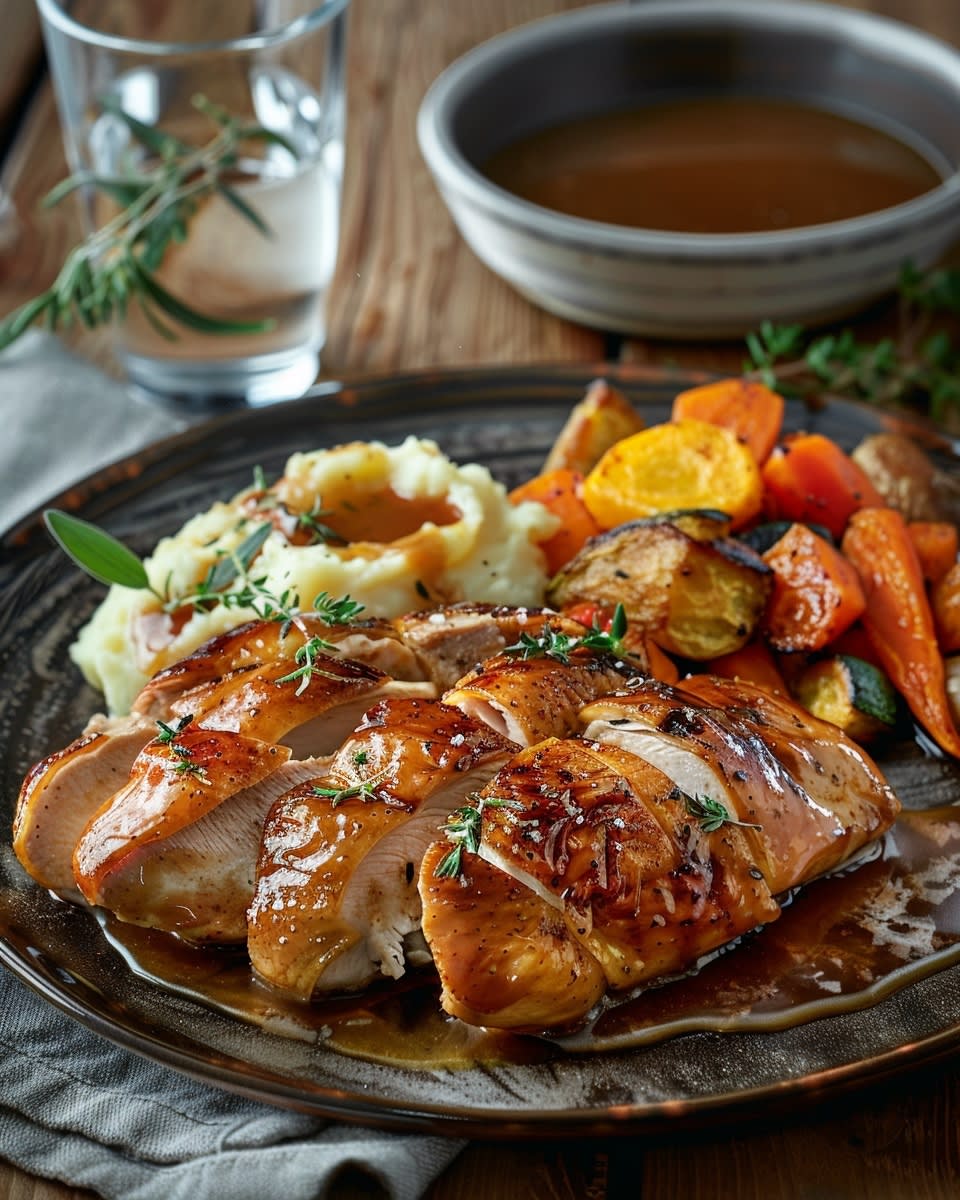
Welcome to My Kitchen: Roasted Chicken and Veggies Made Simple
Last Tuesday night, I stood in my kitchen staring at a package of chicken thighs and a pile of vegetables. I was tired, hungry, and had zero energy for complicated cooking. That’s when I remembered the beauty of roasted chicken and veggies. I tossed everything on one pan, slid it into the oven, and went to relax for 40 minutes. The result? A perfectly cooked meal that tasted like I’d spent hours in the kitchen.
This is exactly why I love sharing this recipe with you. It’s honest, straightforward cooking that delivers amazing results without the fuss. Whether you’re cooking for your family on a busy weeknight or meal prepping for the week ahead, this dish has your back.
Why Roasted Chicken and Veggies Should Be Your Go-To Meal
Roasting is hands down one of my favorite cooking methods. The dry heat of the oven works magic on both chicken and vegetables. It caramelizes the natural sugars in the veggies, creating those crispy, golden edges that everyone fights over at the dinner table. The chicken skin gets wonderfully crispy while the meat stays juicy and tender inside.
Health-wise, roasting beats many other cooking methods. You don’t need much oil or fat to get delicious results. The chicken cooks in its own juices, and the vegetables develop deep flavors without being drowned in butter or cream. This makes baked chicken and vegetables in the oven a smart choice for anyone watching their diet.
The convenience factor can’t be ignored either. I’m talking about one pan, minimal prep work, and easy cleanup. After dinner, you’re washing one baking sheet instead of juggling multiple pots and pans. On those evenings when doing dishes feels like climbing a mountain, this matters.
This meal adapts to nearly any dietary requirement. If you’re wondering “Can a diabetic eat baked chicken?” the answer is absolutely yes. Chicken is a lean protein that doesn’t spike blood sugar levels. Pair it with non-starchy vegetables like broccoli, bell peppers, and zucchini, and you have a diabetic-friendly meal that’s both satisfying and nutritious.
For those managing cholesterol, this dish is perfect. When you’re thinking about how to cook chicken for cholesterol, roasting is ideal. Choose skinless chicken breast or remove the skin from thighs before eating. Add plenty of vegetables rich in fiber, which helps lower cholesterol naturally. Skip heavy sauces and season with herbs and spices instead.
The versatility of roasted chicken pieces and vegetables means you can customize it endlessly. Use whatever vegetables you have on hand or whatever’s in season. Swap chicken breasts for thighs, drumsticks, or even a whole cut-up chicken. Each variation brings something different to the table.
Can You Roast Veggies and Chicken Together?
This is probably the most common question I get about this recipe. Can you roast raw chicken and vegetables in the same pan? Yes, you absolutely can. I do it several times a week, and it works beautifully every single time.
The key is understanding cooking times and temperatures. Chicken needs to reach an internal temperature of 165°F to be safe to eat. Most vegetables roast perfectly at temperatures between 400°F and 425°F. This overlap makes them ideal cooking companions.
When I make roasted boneless chicken thighs and vegetables, I arrange everything on the pan strategically. The chicken goes in the center or on one side, and the vegetables surround it. This setup allows the chicken juices to drip onto the vegetables, adding incredible flavor. Those pan drippings are liquid gold for taste.
Here’s what I’ve learned about getting both components perfect:
- Cut vegetables into uniform sizes so they cook evenly
- Choose vegetables with similar roasting times or adjust sizes accordingly
- Place denser vegetables like potatoes and carrots on the pan first
- Add quicker-cooking vegetables like cherry tomatoes halfway through
- Give everything enough space on the pan so it roasts rather than steams
For roast chicken with vegetables and potatoes, I typically cube the potatoes into 1-inch pieces. They need the full roasting time alongside the chicken. If I’m using baby potatoes, I just halve them. The smaller pieces ensure they’re tender and golden by the time the chicken is done.
Temperature matters more than you might think. I usually roast at 425°F for sheet pan chicken and vegetables tasty enough to impress anyone. This high heat creates that crispy exterior we all love while keeping the inside moist. If you’re using bone-in chicken pieces, you might need to lower the temperature to 400°F and extend the cooking time slightly.
Timing varies based on what you’re cooking. Boneless chicken breasts take about 25-30 minutes. Bone-in thighs need 40-45 minutes. Drumsticks fall somewhere in the middle at 35-40 minutes. I always use a meat thermometer to check. Guessing leads to either undercooked or dry chicken, and nobody wants that.
The vegetables should be tender with crispy, caramelized edges when everything’s done. If your chicken is ready but the vegetables need more time, remove the chicken and tent it with foil. Let the vegetables finish roasting. It happens sometimes, and it’s not a problem.
One trick I use for baked chicken with veggies and potatoes is tossing the vegetables in oil and seasonings separately from the chicken. This ensures everything gets evenly coated. I season my chicken with one set of spices and my vegetables with complementary flavors. They enhance each other without competing.
The beauty of chicken with vegetables recipes easy like this one is that you don’t need fancy techniques or special equipment. A basic rimmed baking sheet, some olive oil, and your choice of seasonings are all you need. Maybe some parchment paper or foil if you want even easier cleanup.
When people ask me about healthy chicken and vegetable recipes, this tops my list. It’s naturally low in calories but high in protein and fiber. The vegetables provide vitamins and minerals your body needs. You’re getting a complete, balanced meal from one pan. Add a simple side salad if you want more greens, but the dish stands perfectly well on its own.
The flavor enhancement from roasting everything together is real. As the chicken cooks, its juices mingle with the vegetables. The vegetables release their own moisture and sugars, creating a delicious sauce at the bottom of the pan. Sometimes I spoon those pan drippings over everything before serving. It’s the kind of natural flavor you can’t fake.


Getting Your Ingredients Ready for Perfect Sheet Pan Chicken and Vegetables
Now that you understand why this method works so well, let’s talk about what actually goes into the pan. The ingredient list for chicken and vegetables recipe is refreshingly simple, which is part of its charm.
For the chicken portion, I usually grab about two pounds of whatever cut looks good at the store. Boneless, skinless chicken breasts work fine if you’re watching fat intake. Bone-in, skin-on thighs deliver more flavor and stay juicier during roasting. I personally lean toward thighs because they’re harder to overcook and cost less. Drumsticks are another solid choice, especially if you’re feeding kids who love eating with their hands.
My vegetable lineup changes with the seasons, but here’s what typically makes it onto my sheet pan. Baby potatoes or regular potatoes cut into chunks form the hearty base. Carrots add sweetness and that gorgeous orange color. I peel them and cut them into thick coins or leave baby carrots whole. Broccoli florets bring a slight bitterness that balances everything else. Red or yellow bell peppers contribute both color and a mild sweetness. Red onions cut into wedges caramelize beautifully and add depth.
Sometimes I throw in zucchini or yellow squash, though they cook faster than the other vegetables. Brussels sprouts are amazing roasted, developing crispy outer leaves and tender centers. Cherry tomatoes burst in the oven, creating little pockets of concentrated flavor. Cauliflower florets get golden and almost nutty. Green beans stay crisp-tender and pick up the chicken flavors perfectly.
The quality of your ingredients matters more than you might expect. Fresh vegetables roast better than tired ones sitting in your crisper for two weeks. They have more moisture and natural sugars to caramelize. When I use sad, wilted vegetables, the results are predictably disappointing. They either dry out completely or turn mushy without developing those crispy edges I’m after. If you’re committed to making healthy chicken and vegetable recipes, starting with good produce gives you a serious advantage.
Funny enough, I learned this lesson the hard way last month. I used some broccoli that had been hanging around my fridge way too long. It came out gray and lifeless, nothing like the vibrant green florets I usually get. My husband took one look and asked if I’d forgotten to cook it properly. Nope, just used old vegetables. Lesson learned.
For chicken specifically, look for pieces that are similar in size. If one breast is twice as thick as another, they won’t finish cooking at the same time. I sometimes pound thicker pieces with a meat mallet to even them out. With roasted boneless chicken thighs and vegetables, this is less critical since thighs are more forgiving.
Speaking of chicken cuts, let me break down what works best for this cooking method. Boneless, skinless breasts are the leanest option but require careful timing. They can dry out quickly if you’re not paying attention. I recommend checking them at the 20-minute mark. Bone-in breasts take longer but stay moister thanks to the bone conducting heat from the inside. The skin protects the meat from drying out, though you can remove it before eating if you prefer.
Chicken thighs are my personal favorite for roasted chicken thighs and vegetables. The slightly higher fat content means they stay juicy even if you accidentally overcook them by a few minutes. Boneless thighs take about 30-35 minutes at 425°F. Bone-in thighs need closer to 40-45 minutes. Both develop wonderfully crispy skin that I never skip eating.
Drumsticks work great too, especially for casual family dinners. Kids love them, and they’re budget-friendly. They need about 40 minutes to cook through completely. Chicken wings can work in a pinch, though they don’t provide as much meat. I’ve found that mixing cuts on the same pan gets tricky because of different cooking times, so I stick with one type per batch.
Baked Chicken and Vegetables in the Oven: Making It Happen
Here’s where theory meets practice. The actual preparation for this chicken with vegetables recipes easy approach takes maybe fifteen minutes if you’re moving at a relaxed pace.
Start by preheating your oven to 425°F. Don’t skip this step and toss everything in a cold oven. Preheating ensures consistent cooking from the moment your pan goes in. While the oven heats up, line your baking sheet with parchment paper or foil. You don’t have to, but cleanup becomes so much easier. Sometimes I skip it if I’m feeling lazy, then regret it when I’m scrubbing stuck-on bits the next morning.
Pat your chicken pieces completely dry with paper towels. This step seems minor but makes a real difference in getting crispy skin. Wet chicken steams instead of roasting, and nobody wants rubbery skin. Once dried, place the chicken in a large bowl or directly on your lined baking sheet.
For seasoning, I keep things straightforward but flavorful. Drizzle olive oil over the chicken, about one tablespoon per pound. Add salt and freshly ground black pepper generously. Then comes the fun part where you can get creative. Dried herbs like rosemary, thyme, and oregano are classics that never disappoint. Garlic powder and onion powder add savory depth. Paprika brings mild sweetness and beautiful color. A little cayenne pepper gives subtle heat if you want it.
I mix my seasonings right on the chicken, rubbing them into every surface. Make sure to get under any skin flaps where flavor can hide and infuse the meat. If you’re making roasted boneless chicken thighs and vegetables, flip each piece to season both sides evenly. This hands-on approach might seem messy, but it guarantees every bite tastes good.
By the way, if you’re looking for more ways to incorporate vibrant produce into your meals, you might enjoy trying a fresh baked salmon salad that pairs beautifully with roasted vegetables on busy weeknights.
Now tackle the vegetables separately. Put them in another bowl and drizzle with olive oil, roughly two tablespoons for a full pan of vegetables. Season with salt, pepper, and complementary herbs. I often use the same seasonings as the chicken for consistency, but sometimes I switch it up. Italian seasoning works wonderfully with most vegetables. Cumin and coriander give a warmer, earthier flavor profile.
Toss everything with your hands until each piece glistens with oil and seasoning. Don’t be stingy with the coating. Properly oiled vegetables caramelize instead of burning. Under-oiled ones dry out and stick to the pan. You want that perfect middle ground where they’re coated but not swimming in oil.
For roast chicken with vegetables and potatoes, remember that potatoes need direct contact with the hot pan to get crispy. I place them cut-side down whenever possible. Arrange your chicken pieces on the pan first, leaving space between each one. Then surround them with vegetables, again making sure nothing overlaps too much. Crowding leads to steaming, and we’re going for roasted here.
One technique that never fails me: put denser vegetables like potatoes and carrots closer to the edges of the pan where heat is most intense. Place quicker-cooking items like broccoli and bell peppers near the center. This small adjustment helps everything finish at roughly the same time. If you’re using cherry tomatoes, consider adding them halfway through cooking so they soften without completely collapsing.
Here’s the thing about arranging baked chicken with veggies and potatoes on your pan. You want the vegetables to catch some of those chicken drippings for extra flavor, but not so much that they get soggy. I typically angle the pan slightly when arranging so juices flow toward heartier vegetables that can handle the moisture, like potatoes and carrots. More delicate items like broccoli stay on higher ground.
Once everything’s arranged, slide that pan into your preheated oven. Set a timer for the appropriate cooking time based on your chicken cut. I always keep a meat thermometer handy because guessing leads to problems. The chicken is done when it reaches 165°F in the thickest part. For bone-in pieces, insert the thermometer near the bone without touching it. For boneless pieces, check the center of the thickest part.
About halfway through cooking, I open the oven and give everything a quick stir or flip. The vegetables on the edges might be browning faster than those in the middle. Redistributing ensures even cooking and prevents burning. If you notice the chicken skin getting too dark before the meat cooks through, tent it loosely with foil for the remaining time.
The question that always comes up: Can you roast raw chicken and vegetables in the same pan? Absolutely, and I’ve already covered why this works, but let me address the safety angle directly. As long as your chicken reaches that safe internal temperature of 165°F, everything is perfectly safe. The vegetables cooking alongside absorb those flavorful juices, and the high heat kills any bacteria. I’ve been cooking this way for years without a single issue.
Temperature and timing work together to make this magic happen. At 425°F, chicken breasts need 25-30 minutes, thighs need 35-40 minutes, and drumsticks fall around 35-40 minutes too. Most vegetables roast perfectly in that same timeframe when cut to appropriate sizes. If something finishes early, just remove it and keep going with the rest. No stress, no problem.
When everything’s done, your kitchen will smell incredible. The chicken should have golden, crispy skin or a beautiful browned exterior if it’s skinless. The vegetables will show caramelized edges and tender interiors. Let everything rest on the pan for about five minutes before serving. This allows the chicken juices to redistribute, keeping the meat moist when you cut into it.
Sometimes after preparing a hearty dinner like this, I crave something lighter for lunch the next day. That’s when I turn to a protein-packed lentil quinoa bowl that balances out my meals beautifully.
One last tip about this sheet pan chicken and vegetables tasty method: don’t throw away those pan drippings stuck to the bottom. Once you’ve plated everything, add a splash of chicken broth or white wine to the hot pan. Scrape up all those browned bits with a wooden spoon. You’ve just made a simple pan sauce that elevates everything to restaurant quality. Drizzle it over your chicken and vegetables, and watch people’s eyes light up.
The beauty of this preparation method is its flexibility. Once you’ve made it a few times following these guidelines, you’ll develop your own rhythm and preferences. Maybe you’ll discover that you love extra garlic or that your oven runs hot and needs a temperature adjustment. That’s exactly how cooking should work, with basic techniques that you adapt to your own kitchen and taste. Much like perfecting a delicate raspberry mousse cake that requires attention to detail, this dish rewards you for understanding how your specific oven behaves.
Trust me when I say that mastering this simple baked chicken and vegetables in the oven technique will change your weeknight dinner game completely. It’s become my fallback meal, the one I make when I’m too tired to think but still want something delicious and nutritious. And honestly, isn’t that what good home cooking is all about? If you’re interested in expanding your sheet pan repertoire even further, you might explore how similar techniques apply to desserts, like achieving the perfect texture in a strawberry seismic cake where temperature control makes all the difference.


Creative Ways to Mix Up Your Roasted Chicken and Veggies
Once you’ve nailed the basic technique, the real fun begins. This is where roasted chicken and veggies transforms from a reliable weeknight dinner into something you actually look forward to making. I’ve probably made this dish a hundred different ways over the years, and I’m still discovering new combinations that make my taste buds happy.
Let me share some of my favorite twists on the classic version. Lemon herb chicken with asparagus and new potatoes is my go-to when spring arrives. I slice a lemon into thin rounds and tuck them under and around the chicken pieces. The citrus infuses everything with bright, fresh flavor while the juice helps keep the meat moist. Fresh rosemary sprigs scattered over the top bring that woodsy, aromatic quality that makes the whole house smell like an Italian kitchen. Asparagus spears need less time than heartier vegetables, so I add them during the last fifteen minutes of roasting.
Mediterranean-style roasted chicken pieces and vegetables works beautifully too. I use chicken drumsticks or thighs with red onions, cherry tomatoes, Kalamata olives, and chunks of bell pepper. The seasoning shifts to oregano, garlic, and a sprinkle of crumbled feta cheese added right before serving. Sometimes I throw in artichoke hearts from a jar, drained and patted dry. The salty, briny flavors transport you straight to a Greek island, or at least they make you forget you’re standing in your suburban kitchen on a Tuesday.
Asian-inspired versions have become surprisingly popular in my household. I marinate boneless chicken thighs in soy sauce, ginger, garlic, and a touch of sesame oil for about thirty minutes. Then I roast them with broccoli, snap peas, and sliced shiitake mushrooms. A drizzle of honey in the marinade helps the chicken caramelize beautifully. My kids, who normally turn their noses up at vegetables, will actually fight over the roasted broccoli when it’s seasoned this way.
Here’s the thing about garlic: you can never have too much in my opinion. When I’m making garlic-forward baked chicken with veggies and potatoes, I use whole garlic cloves still in their papery skins. Just toss them onto the pan with everything else. They roast until soft and sweet, almost like butter. Squeeze the roasted garlic out of its skin and spread it on the chicken or vegetables. It’s ridiculously good and adds minimal effort.
For a heartier winter meal, I lean toward root vegetables. Think parsnips, turnips, and sweet potatoes alongside regular potatoes. These earthy vegetables pair wonderfully with chicken thighs seasoned with sage and thyme. The natural sweetness of roasted root vegetables balances the savory chicken perfectly. This version also reheats exceptionally well, making it ideal for meal prep.
Spicy variations work if that’s your thing. I coat chicken pieces in a mixture of smoked paprika, cumin, chili powder, and a pinch of cayenne. Roast them with bell peppers, red onions, and corn kernels for a Southwestern vibe. Serve everything with lime wedges and fresh cilantro. Add a dollop of Greek yogurt or sour cream on the side, and you’ve got something that feels special without being complicated.
By the way, balsamic vinegar makes an incredible addition to roasted chicken thighs and vegetables. I drizzle it over everything about ten minutes before the cooking finishes. It reduces and caramelizes, creating a glossy, tangy coating that clings to the chicken and vegetables. Brussels sprouts and red onions particularly shine with this treatment.
Fresh herbs make everything better, but dried herbs work fine too when that’s what you have. I keep dried rosemary, thyme, oregano, and basil in my pantry year-round. They’re convenient and last forever. But when I have access to fresh herbs from my garden or the farmers market, the difference is noticeable. Fresh thyme leaves stripped from their stems, chopped fresh rosemary, or torn basil leaves added right after roasting bring a brightness that dried herbs can’t quite match.
Funny enough, I discovered one of my favorite variations completely by accident. I had leftover pesto in the fridge that needed using, so I mixed it with olive oil and brushed it over chicken breasts before roasting. The basil, garlic, and parmesan from the pesto created this incredible crust on the chicken. Now I make it intentionally, pairing pesto chicken with zucchini, tomatoes, and green beans. Sometimes happy accidents turn into regular dinner rotation items.
Dijon mustard adds another layer of complexity. I brush it directly onto chicken pieces before seasoning them. It creates a slightly tangy, golden crust that everyone seems to love. This works especially well with roasted boneless chicken thighs and vegetables because the mustard helps the seasonings stick better to the smooth surface of boneless cuts.
Different potato varieties change the dish too. Fingerling potatoes have a buttery texture and hold their shape beautifully. Purple potatoes add visual interest and have a slightly nuttier flavor. Sweet potatoes bring natural sweetness that complements savory chicken. I’ve even used Japanese sweet potatoes, which are less sweet than orange ones and have a fluffier texture.
Green vegetables beyond the usual suspects work great. Try green beans, snap peas, or even kale leaves torn into pieces. Kale gets crispy around the edges while staying tender in the center, almost like kale chips but better because they’re infused with chicken drippings. Spinach wilts too quickly for this method, but heartier greens like Swiss chard handle roasting temperatures well.
Citrus variations beyond lemon deserve attention. Orange slices under chicken create a sweeter, more subtle citrus flavor. Lime works beautifully with spicier seasoning blends. I’ve even used grapefruit once when I had some that needed using, and while it was unusual, the slightly bitter citrus paired nicely with fennel and red onion.
Making Your Healthy Chicken and Vegetable Recipes Even Better for You
If you’re focused on making this dish as healthy as possible, you’ve already chosen a smart cooking method. Roasting requires minimal added fat compared to frying or sautéing. But there are additional tweaks that can make healthy chicken and vegetable recipes even more nutritious without sacrificing flavor.
Start by removing the skin from your chicken before cooking if you’re watching fat intake. Yes, skin gets deliciously crispy and adds flavor, but it also contains most of the fat and calories in chicken. Skinless chicken breasts are the leanest choice, coming in at about 165 calories and 3 grams of fat per 3.5-ounce serving. They’re almost pure protein, which keeps you satisfied longer and supports muscle maintenance.
When considering how to cook chicken for cholesterol, skinless is definitely the way to go. Chicken skin contains saturated fat that can raise LDL cholesterol levels. But here’s a trick I learned: you can roast chicken with the skin on for flavor and moisture, then remove it before eating. The meat stays juicier this way, and you still avoid consuming the fat. I do this when I’m cooking for my dad, who needs to watch his cholesterol but loves flavorful food.
Choosing the right cooking oil matters too. Extra virgin olive oil is my standard choice because it contains heart-healthy monounsaturated fats. These actually help lower bad cholesterol while maintaining good cholesterol levels. Avocado oil is another excellent option with a higher smoke point, making it ideal for roasting at 425°F. It’s neutral-flavored and packed with beneficial fats.
Skip butter and heavy cream-based sauces entirely. They add unnecessary saturated fat and calories without providing much nutritional value. Instead, brighten your finished dish with fresh lemon juice, herb-infused olive oil, or a sprinkle of fresh herbs. These additions enhance flavor without compromising health benefits.
Load up on non-starchy vegetables to maximize nutrition and fiber. Broccoli, cauliflower, Brussels sprouts, bell peppers, zucchini, and green beans are all fantastic choices. They’re low in calories but high in vitamins, minerals, and fiber. Fiber helps lower cholesterol naturally by binding to it in your digestive system and removing it from your body. According to the CDC’s nutrition guidelines, home cooking with plenty of vegetables is one of the most effective ways to improve your overall diet quality and reduce disease risk.
If you’re including potatoes, consider sweet potatoes instead of white ones sometimes. Sweet potatoes have a lower glycemic index, meaning they won’t spike your blood sugar as quickly. They’re also loaded with vitamin A, fiber, and antioxidants. I leave the skins on for extra fiber and nutrients, just scrub them well before cutting.
Portion control plays a role in keeping this meal healthy. A serving of chicken should be about the size of your palm, roughly 3-4 ounces. Fill the rest of your plate with vegetables, aiming for at least two cups. This ratio gives you plenty of protein while maximizing your vegetable intake. When I’m meal prepping, I use divided containers to ensure proper portions throughout the week.
For diabetics wondering about baked chicken and vegetables in the oven, this meal structure works excellently. Lean protein doesn’t affect blood sugar levels, and non-starchy vegetables have minimal impact too. The fiber from vegetables actually helps stabilize blood sugar by slowing down digestion. If you’re including potatoes or sweet potatoes, just watch your portions since they contain more carbohydrates.
Seasoning choices impact health more than you might think. I’ve learned to enhance flavor with herbs, spices, garlic, and citrus instead of relying on salt. Don’t get me wrong, I still use salt because food needs proper seasoning. But I’m mindful about the amount, especially since processed foods already load us up with sodium. Fresh herbs and aromatics deliver tons of flavor without any downside.
Turmeric deserves special mention as a seasoning choice. This golden spice contains curcumin, which has powerful anti-inflammatory properties. I add it to my chicken seasoning blend along with black pepper, which helps your body absorb the curcumin better. It gives everything a beautiful color and earthy flavor while potentially offering health benefits.
Here’s something I started doing last year that made a difference: adding leafy greens at the very end. After my sheet pan chicken and vegetables tasty creation comes out of the oven, I toss a couple handfuls of fresh spinach or arugula directly onto the hot pan. The residual heat wilts the greens just enough while keeping their nutrients intact. It’s an easy way to sneak in extra greens without any additional cooking.
Bone broth makes a healthy addition too. If your vegetables seem dry halfway through cooking, splash some bone broth over them instead of adding more oil. Bone broth adds flavor and moisture while providing collagen and minerals. It’s especially good with root vegetables that can sometimes dry out during longer roasting times.
The nutritional benefits of combining chicken and vegetables in one meal are significant. You’re getting complete protein from the chicken, which provides all essential amino acids your body needs. The vegetables contribute fiber, vitamins C, A, and K, plus minerals like potassium and magnesium. Together, they create a balanced meal that supports everything from immune function to bone health to digestive wellness.
Antioxidants from colorful vegetables protect your cells from damage. The more colors you include, the wider variety of beneficial compounds you consume. Red bell peppers provide vitamin C and lycopene. Orange carrots deliver beta-carotene. Purple cabbage offers anthocyanins. Green broccoli supplies sulforaphane. Each color represents different phytonutrients working together to keep you healthy.
If weight management is your goal, this meal structure supports that too. High protein from chicken keeps you satisfied for hours, reducing the likelihood of snacking later. The fiber from vegetables adds bulk without many calories, helping you feel full. The combination stabilizes blood sugar levels, preventing the energy crashes that lead to cravings for sugary snacks.
One more health tip I discovered recently: let your seasoned chicken sit for ten minutes before roasting. This brief rest allows the salt to penetrate the meat, seasoning it throughout rather than just on the surface. You’ll need less salt overall because it’s distributed more effectively. Every little reduction in sodium helps when you’re managing blood pressure or heart health.
I’ve found that making healthy food delicious is the only sustainable approach. Bland, boring healthy meals don’t last in anyone’s rotation. But when you master flavorful techniques like roasting, using herbs and spices generously, and combining ingredients thoughtfully, healthy eating becomes genuinely enjoyable. That’s when it stops feeling like deprivation and starts feeling like good living. When you’re ready for even more healthy lunch ideas throughout the week, this same sheet pan approach adapts beautifully to different proteins and seasonal produce combinations.
Remember that consistency matters more than perfection. Making chicken with vegetables recipes easy like this one several times a week adds up to real health benefits over time. You’re choosing whole foods, controlling ingredients, and avoiding the excessive sodium, sugar, and unhealthy fats hiding in restaurant meals and processed foods. That’s worth celebrating, even if you keep the crispy chicken skin sometimes because life’s too short not to enjoy your food.
My hope is that this recipe becomes as useful in your kitchen as it’s been in mine. It’s gotten me through busy weeks, helped me feed my family nutritious meals, and honestly made me feel more confident as a cook. There’s something deeply satisfying about pulling a perfectly roasted pan from the oven, knowing you’ve created something delicious with your own hands.
Frequently Asked Questions About Roasted Chicken and Veggies
Can a diabetic eat baked chicken?
Absolutely yes, baked chicken is an excellent choice for diabetics. Chicken is a lean protein that doesn’t contain carbohydrates, so it won’t raise blood sugar levels. The key is avoiding sugary marinades, sauces, or breading that add unnecessary carbs. Stick with herb and spice seasonings, and pair your chicken with non-starchy vegetables like broccoli, peppers, and green beans. If you include potatoes, watch your portion size and consider leaving the skin on for added fiber. This combination provides steady energy without blood sugar spikes.
How to cook chicken for cholesterol management?
Choose skinless chicken breast or remove the skin from other cuts before eating, as most of the cholesterol and saturated fat is in the skin. Use heart-healthy oils like olive or avocado oil instead of butter. Roasting, baking, or grilling are better methods than frying. Load your plate with fiber-rich vegetables, which help lower cholesterol naturally. Avoid cream-based sauces and heavy gravies. Season with herbs, garlic, lemon, and spices for flavor without adding unhealthy fats.
What temperature should I roast chicken and vegetables together?
The ideal temperature is 425°F for most combinations. This high heat creates crispy, caramelized exteriors while keeping chicken moist inside. Some prefer 400°F for bone-in pieces that need longer cooking times. The key is preheating your oven fully before adding your pan. If vegetables are browning too quickly, you can tent them with foil while the chicken finishes cooking. Always use a meat thermometer to ensure chicken reaches 165°F internal temperature.
Can I meal prep roasted chicken and vegetables for the week?
Yes, this dish is perfect for meal prep. Once cooled, divide portions into airtight containers and refrigerate for up to four days. The chicken and vegetables reheat well in the microwave or oven. I actually think some vegetables taste even better the next day after the flavors meld. For best results, store components separately if possible, though together works fine too. Freeze portions for up to three months if you want to prep further ahead.
What vegetables roast best with chicken?
Hearty vegetables that can withstand 30-45 minutes of roasting work best. Potatoes, carrots, Brussels sprouts, broccoli, cauliflower, bell peppers, and onions are all excellent choices. Root vegetables like parsnips and sweet potatoes roast beautifully too. Cut everything into similar-sized pieces so they cook evenly. Delicate vegetables like cherry tomatoes or asparagus should be added halfway through cooking. Avoid watery vegetables like cucumber or lettuce that won’t hold up to high heat.
Why is my roasted chicken dry?
Overcooking is the most common culprit for dry chicken. Always use a meat thermometer and remove chicken when it reaches exactly 165°F, not higher. Chicken breasts dry out faster than thighs, so watch them carefully. Make sure to coat chicken well with oil before roasting, which helps retain moisture. Letting chicken rest for five minutes after cooking allows juices to redistribute. Consider switching to bone-in, skin-on pieces or chicken thighs, which are more forgiving and stay juicier.
Do I need to flip the chicken while roasting?
Generally, no flipping is necessary for bone-in, skin-on pieces. Place them skin-side up and leave them alone for crispy skin. For boneless, skinless chicken breasts or thighs, flipping halfway through promotes even browning on both sides. I do recommend stirring or flipping the vegetables halfway through to ensure even cooking and prevent burning. If you notice uneven browning on the chicken, a quick flip won’t hurt anything.
Can I use frozen vegetables for this recipe?
Fresh vegetables work much better than frozen for roasting. Frozen vegetables contain excess moisture that causes them to steam rather than roast, resulting in mushy texture instead of caramelized edges. If you must use frozen, thaw them completely first and pat them thoroughly dry with paper towels. Even then, results won’t match fresh vegetables. Save frozen vegetables for soups and stews where their texture works fine.
What’s the best way to get crispy chicken skin?
Pat your chicken completely dry with paper towels before seasoning, as moisture prevents crisping. Make sure your oven is fully preheated before the pan goes in. Don’t overcrowd the pan, which traps steam and makes skin soggy. Place chicken skin-side up and resist the urge to flip it. A light coating of oil helps, but too much makes skin greasy instead of crispy. Some people finish under the broiler for 2-3 minutes for extra crispiness.
How do I prevent vegetables from burning before chicken is done?
Cut vegetables larger if they’re cooking faster than your chicken. Dense vegetables like potatoes and carrots can handle the full cooking time. Add quicker-cooking items like zucchini, asparagus, or cherry tomatoes halfway through. If vegetables brown too quickly, cover them loosely with foil while chicken finishes. You can also remove done vegetables and let the chicken continue cooking alone. Different sized cuts and strategic timing solve this problem easily.
Ingredients
Equipment
Method
- Preheat the oven to 425°F.
- Line a baking sheet with parchment paper or foil.
- Pat the chicken pieces dry with paper towels.
- In a bowl or on the baking sheet, drizzle olive oil over the chicken and season generously with salt, pepper, and herbs.
- Toss the vegetables in a separate bowl with olive oil and seasonings to coat evenly.
- Arrange the chicken on the pan with vegetables surrounding it, ensuring they don’t overlap.
- Slide the pan into the preheated oven.
- Cook according to chicken cut: boneless breasts (25-30 min), bone-in thighs (40-45 min), drumsticks (35-40 min), ensuring chicken reaches 165°F.
- Halfway through cooking, stir or flip the vegetables for even browning.
- If chicken skin gets too dark, tent it loosely with foil.
- Let everything rest on the pan for about 5 minutes before serving.