
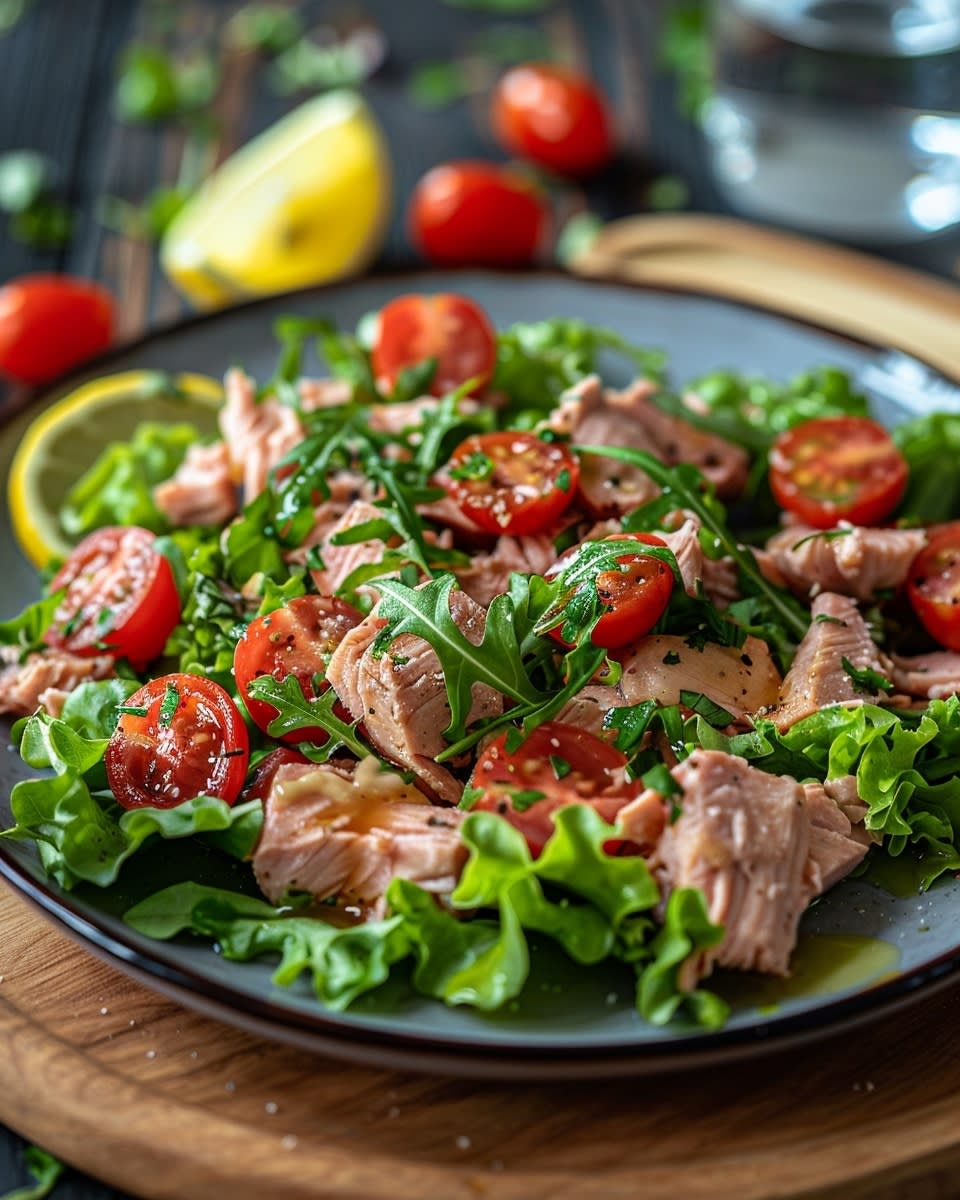
Why I’ll Never Go Back to Regular Tuna Salad
Last summer, I found myself staring at the same boring lunch options every single day. I needed something quick, filling, and most importantly, something that wouldn’t make me feel sluggish by 2 PM. That’s when I decided to give my old tuna salad recipe a complete makeover. The result? A healthy tuna salad that actually tastes amazing and keeps me satisfied for hours.
Tuna salad gets a bad reputation sometimes. People think it’s just a gloopy mess loaded with mayo and not much else. But when you make it right, it becomes one of the most versatile and nutritious meals you can prepare. You can serve it on whole grain bread, stuff it in a tomato, wrap it in lettuce, or simply eat it straight from the bowl. It takes about five minutes to make, costs less than most takeout options, and packs serious protein.
I’ve spent months experimenting with different combinations and ingredients. Some attempts were total failures (trust me, don’t try adding peanut butter). But many turned out fantastic. This article shares everything I’ve learned about making various healthy tuna salad recipes that taste great and fuel your body properly. You’ll find options without mayo, recipes with Greek yogurt, Mediterranean-inspired versions, and plenty of tips to make your tuna salad work for your specific needs.
What Makes a Tuna Salad Healthy?
The foundation of any healthy tuna salad starts with understanding what you’re putting in the bowl. Not all ingredients are created equal, and small choices can make a huge difference in nutrition.
First, let’s talk about the tuna itself. I always choose canned tuna packed in water rather than oil. The water-packed version cuts out unnecessary calories while keeping all the protein and omega-3 fatty acids your body needs. Look for low-sodium options if you’re watching your salt intake. I learned this the hard way after making a batch with regular canned tuna and adding more salt – it was way too salty to eat.
The type of tuna matters too. Chunk light tuna typically has less mercury than albacore (white) tuna. If you eat tuna regularly, this becomes important. I rotate between both types, but I lean toward chunk light for my weekly meal prep.
High-quality ingredients transform a basic tuna salad into something special. Fresh vegetables add crunch, color, and tons of vitamins. I always include at least two or three vegetables in my mix. Celery, red onion, bell peppers, and cucumbers are my go-to choices. They stay crisp and don’t make the salad watery.
Fresh herbs elevate the flavor without adding calories. Dill, parsley, and basil work beautifully with tuna. I grow a small herb garden on my kitchen windowsill just for this purpose. Dried herbs work in a pinch, but fresh ones make a noticeable difference.
Balanced nutrition means thinking about more than just protein. Your tuna salad should include healthy fats, fiber, and various vitamins. Adding ingredients like avocado, olive oil, or nuts brings in good fats. Vegetables provide the fiber and micronutrients. When you combine everything thoughtfully, you get a complete meal that satisfies your hunger and nourishes your body.
Skip the processed ingredients when possible. Pre-made dressings often hide added sugars and preservatives. Making your own dressing takes an extra minute but gives you complete control over what goes into your food.
Is Tuna Salad Healthy for Weight Loss?
This question comes up constantly, and the answer is yes – but with some important details. A can of tuna contains about 25 grams of protein and very few calories. Protein keeps you full longer and helps maintain muscle mass while losing weight. I’ve used healthy tuna salad for lunch during my own weight loss phases, and it worked really well.
The catch is what you add to the tuna. Traditional recipes dump in half a cup of mayonnaise, which adds hundreds of calories and lots of fat. That version won’t help your weight loss goals. But when you use lighter alternatives and load up on vegetables, tuna salad becomes an excellent choice for dropping pounds.
The key is portion awareness. Even healthy ingredients have calories. I measure my portions when I’m being strict about weight loss. One can of tuna with plenty of veggies and a light dressing makes a satisfying lunch under 300 calories.
Making Healthy Tuna Salad Without Mayo
This recipe changed my entire relationship with tuna salad. I used to think mayo was non-negotiable. Then I tried making a healthy tuna salad without mayo, and honestly, I prefer it now. The flavors are brighter and cleaner.
Here’s what you need:
- 2 cans of tuna in water, drained
- 2 tablespoons extra virgin olive oil
- 1 tablespoon fresh lemon juice
- 1 teaspoon Dijon mustard
- 1/4 cup finely chopped celery
- 2 tablespoons finely chopped red onion
- 1 tablespoon capers, chopped
- Salt and black pepper to taste
- Fresh dill or parsley, chopped
The magic happens in the dressing. Combine the olive oil, lemon juice, and Dijon mustard in a bowl first. Whisk them together until they emulsify slightly. The mustard helps everything blend smoothly and adds a tangy kick that replaces the richness you’d get from mayo.
Add your drained tuna and break it up with a fork. Pour the dressing over the top and mix well. The olive oil coats every piece of tuna without making it heavy. Then fold in your chopped vegetables and capers.
The capers are optional, but I highly recommend them. They add a briny, salty pop that makes each bite more interesting. If you’ve never tried capers, start with just a few and adjust to your taste.
For extra creaminess without mayo, try these variations:
- Mash half an avocado and mix it in for healthy fats and smooth texture
- Add a tablespoon of tahini for a nutty, creamy element
- Use plain Greek yogurt mixed with the olive oil for protein and tang
- Include a teaspoon of honey mustard instead of regular Dijon for subtle sweetness
The red onion provides sharp flavor and crunch. If raw onion is too strong for you, soak the chopped pieces in cold water for five minutes, then drain. This mellows the bite while keeping the flavor.
Celery is non-negotiable for me. That crisp texture contrasts perfectly with the soft tuna. Cut it into small dice so you get some in every forkful. I learned to cut against the strings in the celery – it makes a big difference in texture.
This easy healthy tuna salad keeps well in the fridge for three days. I make a big batch on Sunday and eat it throughout the week. Pack it with crackers, use it in a healthy tuna salad sandwich, or eat it over mixed greens. The versatility makes meal prep so much easier.
Some people worry that tuna salad without mayo will be dry. It won’t be if you use enough olive oil and add moisture-rich vegetables like cucumber or tomatoes. The lemon juice also adds liquid while brightening all the flavors. Trust the process – you won’t miss the mayo.


Healthy Tuna Salad With Mayo (But Make It Better)
Now, I know I just spent the last section convincing you to ditch the mayo entirely. But here’s the thing – some people really love that creamy texture, and I totally get it. My husband absolutely refused to eat my no-mayo version at first. So I figured out how to make a healthy tuna salad with mayo that actually deserves the “healthy” label.
The trick is replacing traditional mayonnaise with something better. Greek yogurt has become my secret weapon. It gives you that creamy, rich mouthfeel you crave but with way more protein and significantly less fat. A two-tablespoon serving of full-fat mayo contains about 200 calories and almost no protein. The same amount of plain Greek yogurt has roughly 20 calories and 3 grams of protein. That’s a massive difference.
I do a 50/50 mix when I’m making this for my family. Half Greek yogurt, half light mayo. This combo keeps everyone happy – the mayo lovers get their familiar taste, while I feel good about sneaking in extra protein. Over time, I’ve gradually increased the yogurt ratio, and nobody has complained yet.
Here’s how I make this version: Drain two cans of water-packed tuna really well. Press it with paper towels if you need to – excess moisture makes everything watery. In a separate bowl, mix two tablespoons of plain Greek yogurt with one tablespoon of light mayo. Add a squeeze of lemon juice, half a teaspoon of garlic powder, and a pinch of black pepper. This becomes your binding agent.
Combine the tuna with your dressing base, then start adding your extras. This is where things get fun. I learned about adding diced apples from my friend Sarah, who’s basically a lunch genius. She throws in half a crisp apple – Honeycrisp or Granny Smith work best – cut into tiny cubes. The sweetness and crunch completely transform the dish. Sounds weird, I know. I thought so too. But it works amazingly well, especially with a handful of chopped walnuts.
Speaking of walnuts, they add omega-3s on top of what the tuna already provides. Toast them lightly in a dry pan first – it takes three minutes and amplifies their flavor tenfold. Roughly chop them so you’re not biting into huge pieces. I add about a quarter cup to a double batch.
Hard-boiled eggs turn this into an even more substantial meal, similar to how protein-packed options like a lentil quinoa bowl keep you full for hours. Chop two eggs and fold them in gently. The yolks add richness while the whites contribute more protein. Some weeks I include eggs, other weeks I skip them depending on what I have available. Both versions are excellent.
For vegetables, I switch it up from the no-mayo version. Diced bell peppers – red, yellow, or orange – add sweetness and vibrant color. A handful of halved cherry tomatoes brings juiciness. I avoid cucumbers in the mayo-based version because they release too much water and thin out the dressing.
The avocado option deserves its own mention. Instead of Greek yogurt, you can mash half a ripe avocado until it’s smooth and creamy. Mix it with just one tablespoon of mayo (or skip the mayo entirely). The avocado provides healthy monounsaturated fats that actually help your body absorb vitamins from the other vegetables. The texture is unbelievably smooth and luxurious. My kids call this version “fancy tuna” and request it for special lunches.
When using avocado, timing matters. Make it fresh and eat it the same day if possible. Avocado browns quickly even with lemon juice. If you’re meal prepping, store the avocado separately and mash it in right before eating. Takes an extra thirty seconds but keeps everything looking and tasting fresh.
This healthy tuna salad with greek yogurt version fits perfectly into a balanced meal plan alongside other nutritious options like veggie soup with beans throughout the week. The protein content makes it especially satisfying for lunch.
Easy Healthy Tuna Salad Recipe with Egg
Let me tell you about my fastest lunch ever. I’m talking ten minutes from start to finish, including eating time. This easy healthy tuna salad with eggs has saved me on countless busy afternoons when I’m working from home and barely have time to breathe.
The beauty is in the simplicity. While your eggs are boiling, you can prep everything else. Put three eggs in a pot, cover them with cold water, bring to a boil, then turn off the heat and let them sit for ten minutes. Perfect hard-boiled eggs every single time. I used to overcook eggs constantly until I learned this method.
While those eggs do their thing, drain your tuna. I use one can for a single generous serving or two cans if I’m making lunch for myself and my daughter. Place the tuna in your bowl and add a tablespoon of olive oil, a teaspoon of Dijon mustard, and a splash of apple cider vinegar. The vinegar adds tanginess without making things too sour.
Chop up whatever vegetables you have handy. This recipe is extremely forgiving. Celery and red onion are classic, but I’ve used radishes, snap peas, and even leftover roasted red peppers from dinner the night before. Just dice everything small so it mixes evenly.
When your eggs are done, run them under cold water for a minute. This stops the cooking and makes them easier to peel. Peel them, chop them roughly, and fold them into your tuna mixture. Season with salt, pepper, and a generous handful of fresh herbs – parsley, dill, or cilantro all work great.
The thing about this recipe is its versatility. Some days I eat it straight from the bowl with crackers on the side. Other times I pile it onto a massive bed of mixed greens with cherry tomatoes and cucumber slices around the edges. The salad becomes the protein component while the greens bulk up the meal. Drizzle everything with a little extra olive oil and lemon juice, and you’ve got yourself a proper composed salad.
My favorite way to serve this is in a whole-grain wrap, especially when I need to eat at my desk. Spread a thin layer of hummus on the wrap first, add a layer of spinach leaves, then pile on the tuna and egg mixture. Roll it tight, cut it in half, and you’re set. The wrap contains any drips and makes everything portable. Much neater than trying to eat a sandwich while typing.
This preparation works brilliantly for meal prep too. Make a big batch on Sunday evening. Store it in an airtight container, and it stays fresh through Wednesday. After that, the eggs start getting a bit rubbery, so I don’t push it past midweek. Just pair it with different sides each day to keep things interesting, much like you might rotate between protein options such as roasted chicken and veggies to prevent meal fatigue.
Healthy Tuna Salad with Avocado
This version is honestly my personal favorite when I want something that feels indulgent but is actually good for me. The healthy tuna salad with avocado hits all the right notes – creamy, satisfying, and packed with nutrients that actually do something useful for your body.
Selecting the right avocado makes or breaks this recipe. I learned this the hard way after trying to use an avocado that was basically still a rock. You want one that yields slightly when you press it gently but isn’t mushy. The skin should be darker green to almost black, depending on the variety. If you only have hard avocados, leave them on your counter for a couple days. Never refrigerate unripe avocados – it messes up the ripening process.
Here’s a trick nobody told me for years: to speed up ripening, put your avocado in a paper bag with a banana or apple overnight. The ethylene gas they release triggers faster ripening. Works like magic.
When you’re ready to make your salad, cut the avocado in half and remove the pit. Score the flesh in a crosshatch pattern with a knife, then scoop it out with a spoon. Put it in your bowl and mash it with a fork until it’s mostly smooth but still has some texture. I like leaving small chunks because they create little pockets of creaminess throughout the salad.
Add your drained tuna directly to the mashed avocado. Mix them together until the avocado coats all the tuna. This creates an incredibly creamy base without any mayo or yogurt needed. Squeeze in fresh lime juice – lime works better than lemon with avocado in my opinion. The lime keeps the avocado from browning and adds a bright, zesty flavor.
Now layer in your additions. I go with diced red bell pepper for sweetness and color, finely minced red onion for bite, and lots of fresh cilantro. If you’re one of those people who thinks cilantro tastes like soap (I feel for you), use parsley instead. A pinch of cumin and a tiny bit of cayenne pepper give it a subtle southwestern vibe that works beautifully.
Cherry tomatoes, halved and added just before serving, bring juiciness and acidity. Don’t add them too early or they’ll release water and thin out your perfectly creamy mixture. I learned this after meal prepping a batch that turned into soup by day two.
For serving, whole-grain crackers are fantastic. I buy the kind with seeds on top – they add extra crunch and nutrition. Spread your avocado tuna salad generously on each cracker. Sometimes I top each one with a thin slice of radish or a small piece of pickled jalapeño for extra pizzazz when I’m feeling fancy.
The healthy tuna salad sandwich version with avocado is next-level good. Use sturdy whole-grain bread – sourdough works particularly well because it doesn’t get soggy as quickly. Toast the bread lightly, add lettuce or arugula, then pile on your avocado tuna salad. I always add sliced tomato and a few thin rings of red onion on top. Close it up, cut it diagonally (because diagonal always tastes better, right?), and enjoy.
This also makes an excellent topping for rice cakes if you’re looking for a lighter option. Or stuff it into a hollowed-out tomato for a fun presentation. The combination works as a satisfying meal base, much like how spinach chickpea bowls provide filling nutrition in a simple package.
One important note about storage: avocado-based tuna salad doesn’t keep as long as other versions. Make only what you’ll eat within 24 hours. Even with lime juice, the avocado will eventually oxidize and turn brown. It’s still safe to eat, just not as visually appealing. For this reason, I usually make single servings rather than big batches.
The nutritional benefits here are impressive. You’re getting omega-3 fatty acids from the tuna, monounsaturated fats from the avocado, fiber from all the vegetables, and a solid protein punch. This combination keeps your blood sugar stable and your energy consistent. No afternoon crash, no desperate hunt for snacks an hour later. Just steady, sustained fullness that carries you through to dinner.


Healthy Tuna Salad for Lunch: My Go-To Meal Prep Strategy
Here’s what I figured out after months of bringing healthy tuna salad for lunch to work: the difference between a sad desk lunch and something you actually look forward to eating comes down to preparation and presentation. I used to just throw everything in a container and call it done. Big mistake. By noon, everything would be soggy and unappetizing.
The key to perfect tuna salad throughout the week is keeping components separate until you’re ready to eat. I use those meal prep containers with dividers – you know, the ones with two or three compartments. Tuna salad goes in the main section, crackers or bread in another, and cut veggies in the third. This way, nothing gets mushy or loses its texture.
For maximum freshness, I prep my tuna salad on Sunday evening and Wednesday evening. That’s it. Two small batches instead of one big one. This approach keeps everything tasting fresh rather than that “been sitting in the fridge too long” flavor that creeps in by day five. Trust me, I’ve eaten enough questionable week-old tuna salad to know the difference matters.
Funny enough, I started adding a folded paper towel at the bottom of my storage container after watching my mom do this with her salads. The towel absorbs any excess moisture that naturally releases from the ingredients. Sounds like a tiny detail, but it genuinely works. No more watery puddles collecting at the bottom.
When it comes to portability, tuna salad wins hands down. I’ve eaten it in my car between meetings, at my desk while working, on park benches during nice weather, and even on a hiking trail once (that was ambitious). The versatility makes it perfect for unpredictable schedules. Pack it with different accompaniments each day to keep things interesting.
Monday might be tuna salad with whole-grain crackers and baby carrots. Tuesday, I’ll bring a whole-wheat pita and some cherry tomatoes. Wednesday could be a big container of mixed greens that I top with the tuna salad right before eating. Thursday, I might pack cucumber slices to make little cucumber boats – scoop the tuna onto thick cucumber rounds for a crunchy, low-carb option. Friday gets fun because it’s almost the weekend, so I’ll bring some good quality bread and make myself a proper sandwich.
By the way, investing in a good insulated lunch bag changed my entire meal prep game. Keeping everything properly chilled until lunchtime means better taste and food safety. I throw in one of those slim ice packs, and everything stays perfectly cold for hours. No more lukewarm tuna salad that’s been sitting in a warm office kitchen.
The mediterranean tuna salad sandwich deserves special mention because it’s become my Friday treat. I take my basic tuna salad and give it a Mediterranean twist by adding chopped kalamata olives, diced cucumber, crumbled feta cheese, and a sprinkle of dried oregano. Stuff this into a whole-wheat pita pocket with some crisp romaine lettuce and sliced tomato. The combination of salty olives, creamy feta, and fresh vegetables makes you feel like you’re eating at a nice café rather than heating up leftovers.
Another creative serving idea came from my coworker Maria, who’s basically a lunch influencer in our office. She makes tuna salad boats using romaine lettuce leaves as the vessel. Line up three or four large romaine leaves on your plate, fill each one with a scoop of tuna salad, and top with diced tomatoes, a sprinkle of cheese, and a few tortilla strips for crunch. It’s like eating tacos but healthier, and you can pick them up with your hands. Perfect for when you’re eating at your desk and need to keep typing between bites.
For people who get bored easily with the same lunch, tuna salad works as a base that you can completely transform with different mix-ins and toppings. One week I go Italian-style with sun-dried tomatoes and basil. The next week it’s Asian-inspired with a splash of sesame oil, edamame, and sliced scallions. Then maybe a southwestern version with black beans, corn, and lime. Same protein base, totally different eating experience.
The meal prep strategy I swear by involves making a plain tuna base and portioning it into separate containers. Then I keep various add-ins ready to go – pre-chopped vegetables in small containers, different dressings, various garnishes. Each morning, I customize that day’s lunch based on what I’m craving. Takes maybe two minutes but makes lunch feel personalized rather than routine.
Storage tips matter more than people realize. Always use glass containers when possible. They don’t absorb odors or stains like plastic does, and tuna has a pretty strong smell. Nobody wants their meal prep containers permanently smelling like fish. I learned this after ruining several plastic containers that never quite recovered.
Keep your tuna salad at the back of the fridge where it’s coldest, not in the door. The door experiences temperature fluctuations every time you open it. Consistent cold temperature keeps everything safer longer. Label your containers with the date you made them – I use painter’s tape and a permanent marker. Simple system that prevents any guesswork about freshness.
Here’s something I wish someone had told me earlier: make your dressing separately and add it right before eating if you’re meal prepping. Mix the tuna with just a tiny bit of oil to keep it from drying out, then store your Greek yogurt dressing or vinaigrette in a small container on the side. Combine them at lunchtime. This prevents the salad from getting too wet and soggy from sitting in dressing for days.
The beauty of incorporating simple healthy tuna recipes without mayo into your rotation is that they naturally last longer than mayo-based versions. Oil and vinegar-based preparations don’t break down or separate as much. If you’re someone who preps on Sunday for the entire week, stick with the no-mayo versions for Thursday and Friday lunches.
For people who work from home like I do most days, tuna salad still makes sense. Having pre-made portions means you won’t waste time deciding what to eat or end up snacking your way through lunch hour. I keep mine ready in the fridge, and when lunchtime hits, I grab it and I’m eating within minutes. Much better than standing in front of the pantry trying to cobble together random snacks because you’re too busy to make real food.
Temperature matters when serving. Let your tuna salad sit at room temperature for about five minutes before eating if it’s been refrigerated. Cold food has muted flavors. Letting it warm up slightly brings all those herbs and seasonings back to life. I take mine out of the fridge when I start my lunch prep, and by the time I’ve arranged everything on my plate, it’s perfect.
Understanding different culinary techniques can help you elevate simple dishes like tuna salad beyond basic mixing – little touches like brunoising your vegetables (cutting them into tiny, uniform cubes) or properly emulsifying your dressings make surprisingly noticeable differences.
Finally, don’t underestimate presentation, even for a casual lunch. I put my tuna salad in a nice bowl rather than eating straight from the storage container. Add some color with fresh vegetables on the side. Maybe a few whole-grain crackers arranged nicely. It sounds silly, but taking thirty seconds to make your lunch look appealing makes you enjoy it more. Your lunch break should feel like a break, not just refueling.
If you’re building a collection of reliable midday meals, this tuna salad fits perfectly alongside other healthy lunch ideas that keep your energy steady and your taste buds happy throughout the workweek.
Frequently Asked Questions
Is tuna salad healthy for weight loss?
Absolutely, when made right. A typical serving of tuna salad with smart ingredients contains around 200-300 calories while delivering 25-30 grams of protein. That protein keeps you full for hours and helps maintain muscle mass during weight loss. The key is controlling your add-ins – skip heavy mayo, load up on vegetables, and use lighter dressings. I’ve successfully used tuna salad as my main lunch during weight loss phases because it satisfies hunger without excessive calories. Just watch your portions and avoid eating it with high-calorie sides like chips or white bread.
What can I use instead of mayonnaise in tuna?
You’ve got tons of options. Greek yogurt is my favorite replacement because it’s creamy and adds protein. Mashed avocado works beautifully for healthy fats and smooth texture. Olive oil mixed with lemon juice and Dijon mustard creates a light, tangy dressing. Some people use hummus for a Mediterranean twist. Cottage cheese blended until smooth provides extra protein and creaminess. Even a combination of tahini and lemon juice works if you like nutty flavors. I’ve tried them all, and honestly, each brings something different to the table.
Which tuna is better for diabetics?
Tuna packed in water is definitely better for diabetics than oil-packed varieties because it has fewer calories and no added fats that might affect blood sugar indirectly. Chunk light tuna and albacore both work fine from a diabetes perspective – they’re pure protein with essentially zero carbohydrates. The important part is what you add to the tuna. Diabetics should avoid sweet pickle relish, honey-based dressings, or serving it with white bread. Pair your tuna with plenty of fiber-rich vegetables and whole grains to keep blood sugar stable. My dad has diabetes, and his doctor actually recommended tuna salad as a great lunch option when made with Greek yogurt and served on whole-grain bread.
What is Matthew McConaughey’s tuna salad recipe?
Matthew McConaughey’s famous tuna salad is super simple and clean. He uses canned tuna, diced dill pickles, Dijon mustard, lemon juice, and a small amount of mayo. The actor has mentioned in interviews that he keeps his version pretty basic and relies on the pickles for crunch and tanginess. He often eats it straight from the bowl or with crackers. It’s not particularly revolutionary, but it’s a straightforward, no-fuss approach that fits his laid-back lifestyle. I’ve made a version inspired by his recipe, and it’s definitely tasty, though I usually add more vegetables to mine for extra nutrition.
How long does homemade tuna salad last in the fridge?
Generally, tuna salad stays fresh for three to five days in the refrigerator when stored properly in an airtight container. Mayo-based versions tend to last toward the shorter end of that range, while oil-based versions can push to five days. Avocado-based tuna salad should be eaten within 24 hours because avocado browns quickly. Always store it in the coldest part of your fridge, not in the door. If it smells off or looks discolored, throw it out. I personally make smaller batches twice a week rather than one big batch to ensure everything tastes fresh.
Can I freeze tuna salad?
I don’t recommend freezing tuna salad. The mayonnaise or yogurt will separate when thawed, creating a watery, unappetizing texture. Vegetables like celery and onions get mushy after freezing and lose their crunch. Even plain tuna mixed with just oil doesn’t freeze particularly well – the texture becomes grainy and dry. If you need longer storage, keep canned tuna in your pantry and make fresh batches as needed. It only takes five minutes anyway. Freezing just isn’t worth the compromise in quality.
What bread is best for a healthy tuna salad sandwich?
Whole-grain or whole-wheat bread is your best bet for maximizing nutrition. Look for brands that list whole grains as the first ingredient and contain at least 3 grams of fiber per slice. Ezekiel bread or other sprouted grain options offer extra protein and nutrients. Sourdough made with whole grains is another excellent choice because it has a lower glycemic index. Avoid white bread, which spikes blood sugar and offers minimal nutrition. For lower-carb options, try whole-grain pita pockets, lettuce wraps, or serving your tuna salad on cucumber slices or tomato halves instead of bread entirely.
Is canned tuna actually healthy?
Yes, canned tuna is genuinely healthy despite being processed. It’s an excellent source of lean protein, omega-3 fatty acids, selenium, and vitamin D. Water-packed tuna is low in calories and fat while delivering impressive nutritional value. The main concern is mercury content, which is why health experts recommend limiting consumption to two to three servings per week. Chunk light tuna generally has less mercury than albacore. Choose low-sodium versions if you’re watching salt intake. Overall, canned tuna is one of the most affordable, convenient, and nutritious proteins available.
Can I eat tuna salad every day?
I wouldn’t recommend eating tuna salad every single day due to mercury concerns. Most health organizations suggest limiting tuna consumption to two or three times per week. Mercury accumulates in your body over time, and excessive amounts can cause health problems. That said, having tuna salad for lunch three times a week is perfectly safe for most people. Pregnant women, nursing mothers, and young children should be more cautious and consult their doctors about appropriate limits. I rotate tuna salad with other protein sources like chicken, eggs, and beans throughout the week.
What vegetables go best in tuna salad?
Celery is the classic choice for good reason – it adds crunch without strong flavor. Red onion brings sharpness and bite. Bell peppers (especially red ones) contribute sweetness and color. Cucumber adds refreshing crunch and moisture. Cherry tomatoes bring acidity and juiciness. Radishes offer peppery crunch. Shredded carrots add subtle sweetness and color. I also love adding fresh herbs like dill, parsley, or basil. The key is choosing vegetables that stay crisp and don’t release too much water. Avoid watery vegetables like regular tomatoes or zucchini unless you’re eating the salad immediately.
Whether you’re packing lunch for work or looking for a quick meal at home, these tuna salad variations give you endless options that actually taste good and fuel your body properly. Start with one recipe that sounds appealing, make it your own, and before you know it, you’ll have figured out your perfect version.
Ingredients
Equipment
Method
- Combine olive oil, lemon juice, and Dijon mustard in a bowl and whisk until emulsified.
- Add the drained tuna to the bowl and break it up with a fork.
- Pour the dressing over the tuna and mix well.
- Fold in the chopped vegetables and capers (if using).
- Season with salt, black pepper, and fresh herbs to taste.