
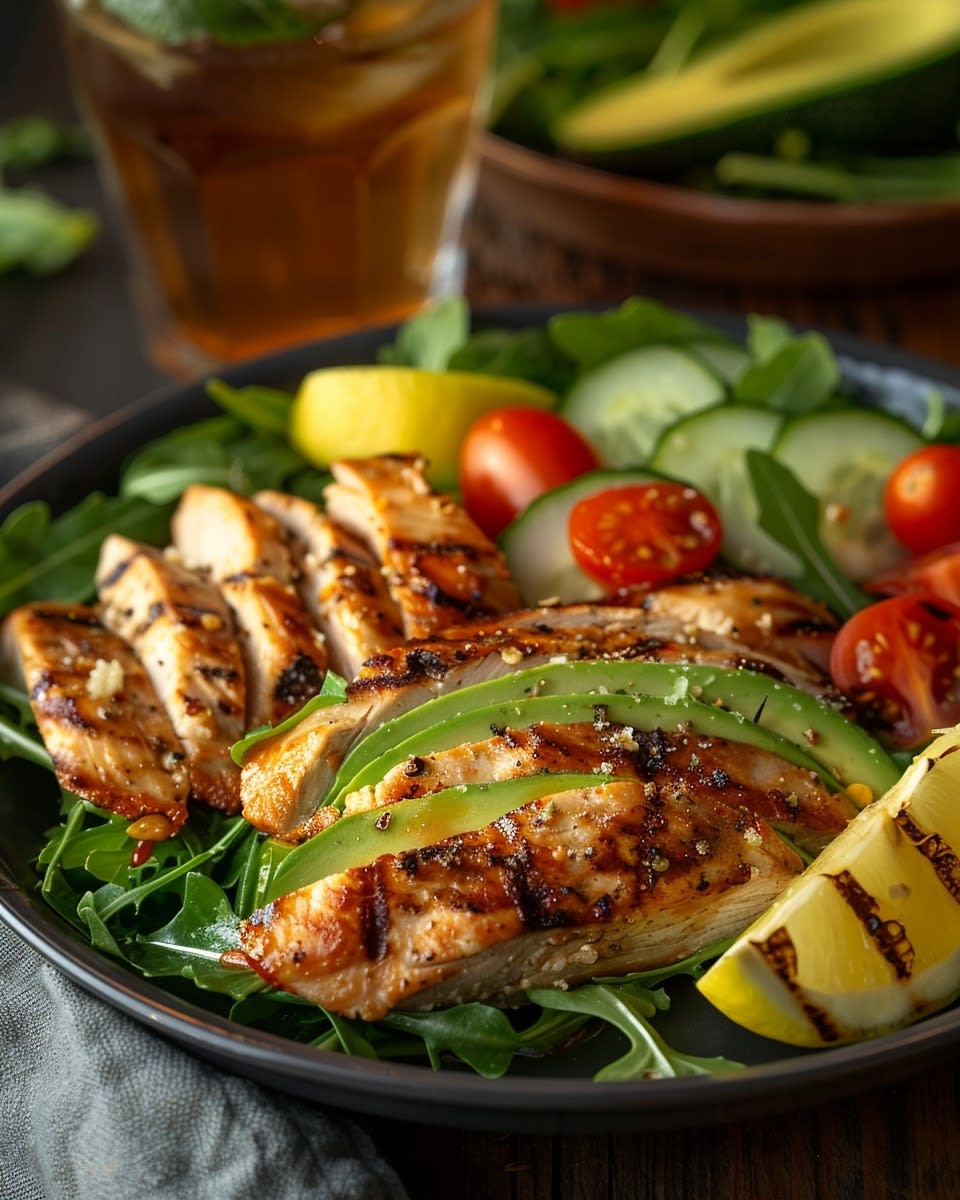
Why I Fell in Love with Grilled Turkey Salad
Last summer, I stood in my kitchen at noon, sweating over a hot stove. I was making a heavy pasta dish while the temperature outside hit 95 degrees. My family sat at the table, picking at their food with zero enthusiasm. That’s when it hit me. I needed a complete reset for my summer cooking routine.
The next week, I tried something different. I fired up the grill, cooked some turkey breast, and tossed it with fresh greens and vegetables. My family devoured every bite. They asked for seconds. That grilled turkey salad changed how I approach warm-weather cooking forever.
Summer meals should make you feel energized, not sluggish. When temperatures rise, our bodies crave lighter foods that won’t weigh us down. A grilled turkey salad delivers exactly that. It’s packed with protein, loaded with fresh vegetables, and satisfying enough to keep you full for hours.
This dish works for almost any situation. Pack it for lunch at work. Serve it at a backyard barbecue. Make it for a quick weeknight dinner. The versatility of this salad means you’ll never get bored. You can change up the ingredients based on what’s fresh at the market or what’s hiding in your refrigerator.
The health benefits speak for themselves. Turkey provides lean protein without excess fat. Fresh vegetables add fiber, vitamins, and minerals. The combination keeps your energy steady throughout the afternoon. No post-lunch crash. No regrets about overeating. Just clean, natural fuel for your body.
Why Choose Grilled Turkey Salad for Your Summer Meals?
Let me share why this healthy option should become your go-to recipe when the weather heats up. I’ve tested dozens of summer recipes over the years, and this one consistently wins for flavor, nutrition, and convenience.
Turkey breast contains about 24 grams of protein per 3-ounce serving. That’s impressive for any meal. Protein helps build muscle, keeps you satisfied longer, and supports overall health. Unlike processed lunch meats, grilled turkey gives you pure protein without added sodium, nitrates, or mysterious preservatives.
The grilling process adds another layer of benefits. When you grill turkey instead of frying it, you avoid unnecessary oils and fats. The high heat creates a delicious charred exterior while keeping the inside juicy. Those grill marks aren’t just pretty. They add a smoky flavor that makes this salad taste like a treat, not a punishment.
Calories matter if you’re watching your weight. A typical grilled turkey salad contains between 300 and 450 calories, depending on your toppings and dressing. Compare that to a burger and fries at 1,200 calories or more. You save calories without feeling deprived.
The light nature of this dish makes it perfect for hot days. Heavy meals slow down digestion and make you feel tired. Your body diverts blood flow to your stomach, leaving less energy for everything else. A light summer meal like this salad keeps digestion easy and energy levels high.
I love how refreshing this salad feels on a sweltering afternoon. The crisp lettuce, cool cucumbers, and juicy tomatoes provide natural hydration. Many vegetables contain over 90% water. Eating them helps you stay hydrated alongside drinking water. The combination of warm grilled turkey and cold, crunchy vegetables creates a perfect temperature contrast.
Preparation time matters when you’re busy. This grilled turkey salad comes together in about 30 minutes from start to finish. You can cut that time in half if you grill the turkey ahead. I often grill extra turkey on Sunday and use it throughout the week. Meal prep doesn’t get much simpler.
The cooking process requires minimal skills. If you can turn on a grill and chop vegetables, you can make this dish. No complicated techniques. No special equipment beyond basic kitchen tools. Even beginning cooks succeed with this recipe every time.
Dietary restrictions don’t have to limit your options anymore. This salad naturally fits into many eating plans:
- Low-carb and keto diets: Skip croutons and use a low-carb dressing
- Paleo eating: Turkey and vegetables fit perfectly into this plan
- Gluten-free needs: Naturally gluten-free when you avoid certain toppings
- Dairy-free requirements: Easy to make without cheese
- High-protein goals: Add extra turkey or hard-boiled eggs
Budget concerns? Turkey breast costs less than many other proteins. You can often find it on sale for $3 to $5 per pound. One pound feeds three to four people when combined with vegetables and greens. That’s an affordable meal for any family.
The versatility of this salad deserves special attention. Your base stays the same, but you can swap ingredients based on preferences or seasons. Try these variations:
- Add fresh berries for a sweet twist
- Include nuts or seeds for extra crunch
- Mix in roasted vegetables for deeper flavors
- Change your greens from romaine to spinach or arugula
- Experiment with different dressings each time
Leftovers actually improve this dish. The flavors blend together overnight in the refrigerator. Just keep the dressing separate until you’re ready to eat. Soggy salad ruins the experience, but proper storage keeps everything crisp and delicious.
Kids often resist healthy meals, but this salad wins them over. The grilled turkey tastes like something from a restaurant. Let them choose their own toppings and they’ll feel invested in the meal. My pickiest eater now requests this salad at least once a week.
This summer meal also works well for entertaining. Set up a salad bar with grilled turkey and various toppings. Guests build their own perfect combination. Everyone leaves happy, and you spend less time in the kitchen during the party.
The bottom line? Grilled turkey salad solves multiple problems at once. It’s healthy, quick, affordable, and adaptable. It keeps you cool during hot weather while providing solid nutrition. Whether you’re feeding yourself or a crowd, this salad delivers every single time.


Gathering Your Ingredients for the Perfect Grilled Turkey Salad
Now that you understand why this salad deserves a spot in your meal rotation, let’s talk about what you actually need to make it happen. I’m going to walk you through the shopping list and preparation steps that turn simple ingredients into something memorable.
The turkey itself comes first. I always grab boneless, skinless turkey breast cutlets. They cook faster than whole breasts and give you more surface area for those beautiful grill marks. Plan on about 6 ounces of raw turkey per person. It shrinks during cooking, so don’t skimp here.
For the greens, I mix things up depending on my mood. Romaine lettuce provides that satisfying crunch, while baby spinach adds more iron and a softer texture. Sometimes I throw in some arugula for a peppery kick. About 2 cups of greens per person gives you a substantial base that won’t leave you hungry an hour later.
The fresh vegetables are where this salad really comes alive. Cherry tomatoes add bursts of sweetness. Cucumbers provide cool crispness. Red onions give you a sharp bite that balances the mild turkey. Bell peppers contribute color and crunch. I usually include whatever looks freshest at the market. That’s the beauty of this recipe. The ingredients list isn’t rigid.
Here’s my standard shopping list for four servings:
For the turkey: 1.5 pounds boneless turkey breast cutlets, 3 tablespoons olive oil, 2 cloves minced garlic, 1 tablespoon fresh lemon juice, salt and black pepper to taste.
For the salad base: 8 cups mixed greens, 2 cups cherry tomatoes halved, 1 large cucumber diced, 1 red bell pepper sliced, half a red onion thinly sliced, 1 avocado cubed (optional but highly recommended).
The homemade dressing makes a huge difference compared to bottled versions. I whisk together 6 tablespoons extra virgin olive oil, 2 tablespoons red wine vinegar, 1 teaspoon Dijon mustard, 1 minced garlic clove, and a pinch of dried oregano. Add salt and pepper to taste. This takes maybe three minutes and tastes infinitely better than anything from a store shelf.
By the way, if you’re into meal prepping, check out this spinach chickpea bowl for another protein-packed option that stores beautifully throughout the week.
The Step-by-Step Preparation Process
Let me walk you through exactly how I prepare this dish from start to finish. The preparation moves quickly once you get your system down.
Start by trimming any excess fat from your turkey breast cutlets. Place them in a shallow dish. In a small bowl, combine the olive oil, minced garlic, lemon juice, salt, and pepper. Pour this mixture over the turkey, making sure each piece gets coated. I use my hands for this. It’s messy, but it works better than any spoon.
Let the turkey sit in this simple marinade for at least 15 minutes. If you have more time, an hour in the refrigerator develops even better flavor. I’ve marinated turkey overnight when I knew I’d be rushed the next day. That works great too.
While the turkey marinates, prep your vegetables. Wash and dry your greens thoroughly. Soggy lettuce ruins a salad faster than anything else. I use a salad spinner, but patting the leaves dry with paper towels works fine. Chop all your vegetables into bite-sized pieces. Nobody wants to wrestle with giant cucumber chunks while trying to eat.
For the dressing, combine all ingredients in a jar with a tight lid. Shake vigorously for about 30 seconds. Taste it and adjust the seasoning. Some people prefer more acid, others want more oil. Make it yours. Store it in the refrigerator until serving time.
Similar to how you’d prepare ingredients for a healthy tuna salad, having everything ready before you start cooking makes the final assembly effortless.
Mastering the Grilling Technique
Here’s where many people get nervous, but I promise you this is simpler than it looks. Getting perfect grill marks and juicy meat just requires attention to a few key details.
Preheat your grill to medium-high heat, around 400 to 450 degrees. This temperature creates those gorgeous sear marks without drying out the meat. I learned this the hard way after serving my family turkey jerky one too many times. Too hot and you char the outside while leaving the inside raw. Too cool and you get steamed, gray meat without any caramelization.
Clean your grill grates thoroughly with a wire brush. Then oil them lightly using tongs and a paper towel dipped in vegetable oil. This prevents sticking and ensures clean grill marks. I used to skip this step and ended up with turkey stuck to the grates while I frantically tried to salvage dinner.
Remove the turkey from the marinade and let excess drip off. Place the cutlets on the grill at a 45-degree angle to the grates. This creates those professional-looking diamond-pattern grill marks. Don’t move them. Just leave them alone for 4 to 5 minutes. Resist the urge to peek or flip constantly.
The turkey will release naturally from the grates when it’s ready to flip. If it’s sticking, give it another minute. Flip the pieces over and grill the second side for another 4 to 5 minutes. The internal temperature should reach 165 degrees. I always use an instant-read thermometer. Guessing leads to either undercooked or overcooked turkey.
Once the turkey reaches temperature, move it to a clean plate and let it rest for 5 minutes. This step isn’t optional. The juices need time to redistribute throughout the meat. Cut into it immediately and those juices run all over your cutting board instead of staying in the meat where they belong.
Tips for Perfect Grill Marks Every Time
Let me share the tricks I’ve learned through years of trial and error. These details separate okay grilled turkey from restaurant-quality results.
The marinating process does more than add flavor. The oil helps conduct heat evenly across the meat surface. The acid in the lemon juice tenderizes the turkey slightly. Even 15 minutes makes a noticeable difference. When I’m really pressed for time, I at least brush the turkey with seasoned oil before it hits the grill.
Seasoning matters more than most people realize. I go heavier on the salt and pepper than seems necessary. The grill’s high heat diminishes seasoning, so what tastes well-seasoned raw will taste perfect when cooked. Don’t be timid here.
For extra flavor layers, I sometimes add smoked paprika, garlic powder, or dried herbs to my marinade. Italian seasoning works beautifully. So does a Cajun spice blend if you want some heat. The turkey acts as a blank canvas for whatever flavor profile appeals to you that day.
The grilling time varies based on your cutlet thickness. Thin cutlets under half an inch thick might only need 3 minutes per side. Thicker pieces up to an inch need the full 5 minutes or slightly more. I’ve started butterflying really thick pieces to ensure even cooking.
Funny enough, I’ve discovered that slightly underdone turkey at 160 degrees works perfectly for this salad. The meat continues cooking as it rests, reaching the safe 165 degrees while staying incredibly juicy. Those five degrees make a substantial difference in texture.
If you don’t have an outdoor grill, a grill pan on your stovetop works almost as well. Heat it over medium-high until a drop of water sizzles instantly. Follow the same timing and technique. You’ll get grill marks without firing up the backyard equipment.
Smart Serving Suggestions That Elevate the Experience
The way you serve this salad can transform it from a basic lunch into something special. I’ve tested different approaches with my family and friends, and certain combinations consistently win.
I slice the rested turkey against the grain into strips about half an inch wide. This makes every bite tender and easier to eat than large chunks. Arrange the turkey on top of the dressed greens rather than mixing it in. This keeps the presentation appealing and prevents the warm turkey from wilting the cold greens too quickly.
For serving at home, I build the salad on individual plates. It feels more intentional than dumping everything in a bowl. For gatherings, I create a salad bar setup. Put the greens in a large bowl, arrange the vegetables in smaller dishes, place the sliced turkey on a platter, and offer the dressing on the side. People love customizing their own portions.
Side dishes should complement without competing. Crusty bread works great for soaking up extra dressing. Grilled corn on the cob adds sweetness and more charred flavor. A simple fruit salad provides refreshing contrast. I’ve served this alongside zucchini and rice skillet when I needed something more substantial for hungry teenagers.
For beverages, I lean toward light and refreshing options. Iced tea with lemon complements the savory turkey perfectly. Sparkling water with fresh mint feels sophisticated. A crisp white wine like Sauvignon Blanc works for dinner parties. Even cold beer pairs surprisingly well, especially a wheat beer or light lager.
Here’s the thing about timing. Dress the salad right before serving, never in advance. I learned this lesson after bringing a pre-dressed salad to a potluck that turned into wilted mush by the time we ate. Keep components separate until the last possible moment.
For packed lunches, I use divided containers. Greens in one section, vegetables in another, turkey separate, and dressing in a small container. Assemble it when you’re ready to eat. This keeps everything fresh and crisp even hours after packing.
Sometimes I’ll add grilled vegetables alongside the fresh ones. Zucchini, eggplant, or asparagus take on wonderful flavor on the grill. They add variety and work beautifully with the turkey. This turns the salad into something even heartier, perfect when you need maximum satisfaction.
If you’re into warming soups on the side, consider pairing this salad with something light like veggie soup with beans for a complete meal that covers all your nutritional bases without feeling heavy.
The presentation details matter too. A sprinkle of toasted nuts adds crunch and visual appeal. Fresh herbs like basil or cilantro contribute color and aroma. A few shavings of Parmesan cheese create an elegant finish. These small touches take seconds but make the dish feel special rather than ordinary.


Creative Variations to Keep Your Grilled Turkey Salad Exciting
Here’s the thing about making the same salad over and over. You get bored. Your family gets bored. Eventually, nobody wants to eat it anymore, no matter how healthy it is. That’s why I started experimenting with variations that keep the core concept intact while changing up the experience completely.
The California-style version became a huge hit in my house. I add sliced avocado, which brings a creamy richness that balances the lean turkey. A handful of alfalfa sprouts adds a fresh, almost grassy flavor. Swap the regular dressing for a cilantro-lime vinaigrette, and suddenly you’ve got a completely different dish. My daughter requests this version at least twice a month now.
Adding grains transforms this from a side salad into a proper meal replacement. Quinoa works brilliantly because it’s high in protein and has this slightly nutty taste that complements grilled meat. I cook about half a cup of dry quinoa, let it cool completely, then mix it directly into the greens. Farro is another excellent choice if you want something chewier. Brown rice works too, though it’s a bit heavier.
The Mediterranean twist takes this salad in a completely different direction. I add Kalamata olives, crumbled feta cheese, sun-dried tomatoes, and chickpeas. Instead of my usual vinaigrette, I make a lemon-oregano dressing with a touch of honey. It tastes like vacation in Greece, even though I’m standing in my suburban kitchen. This version pairs wonderfully with warm pita bread on the side.
For an Asian-inspired approach, I swap traditional vegetables for shredded cabbage, julienned carrots, edamame, and mandarin orange segments. The dressing gets a complete makeover with rice vinegar, sesame oil, fresh ginger, and a splash of low-sodium soy sauce. Top it with toasted sesame seeds and crispy wonton strips for texture. My husband, who usually resists anything too adventurous, devours this version.
Funny enough, my kids love the taco salad variation most of all. I season the turkey with cumin, chili powder, and smoked paprika before grilling. Then I build the salad with romaine, black beans, corn, cherry tomatoes, shredded cheddar, and crushed tortilla chips. A simple lime-cilantro dressing ties everything together. It feels like eating nachos, but it’s actually nutritious.
Seasonal variations keep things interesting throughout the year. In fall, I add roasted butternut squash, dried cranberries, toasted pecans, and a maple-balsamic dressing. Winter calls for roasted Brussels sprouts, pomegranate seeds, and a warm bacon vinaigrette. Spring brings strawberries, goat cheese, and a poppy seed dressing. Each season offers unique produce that changes the whole character of the salad.
The protein-packed version appeals to anyone trying to build muscle or stay fuller longer. I add hard-boiled eggs, chickpeas, and a handful of pumpkin seeds on top of the grilled turkey. Sometimes I’ll toss in white beans or edamame too. This bumps the protein content up past 40 grams per serving. My gym-obsessed brother lives on this version during his training cycles.
Customizing for Dietary Restrictions and Personal Preferences
One of the best features of this salad is how easily it adapts to accommodate dietary restrictions without losing its appeal. I’ve made versions for friends with every imaginable eating plan, and nobody ever feels left out.
For my friend following a strict keto diet, I load up on high-fat ingredients. Extra avocado, bacon bits, full-fat cheese, and a creamy ranch-style dressing made with Greek yogurt and mayonnaise. I skip any grains, beans, or high-carb vegetables like carrots. She stays under her carb limit while feeling completely satisfied.
Vegan friends appreciate when I swap the turkey for grilled portobello mushrooms or marinated tempeh. Both develop beautiful grill marks and absorb marinades wonderfully. The rest of the salad stays essentially the same, just without cheese or any animal-based dressing. A tahini-lemon dressing works perfectly here. By the way, if you’re exploring more plant-based options, this plant-based diet guide offers comprehensive information about meeting your nutritional needs without animal products.
Dairy-free requirements? Easy. Skip the cheese or use a cashew-based alternative. Most vinaigrettes naturally contain no dairy anyway. The salad tastes just as satisfying without any dairy products at all. I honestly don’t miss the cheese when the other flavors are strong enough.
For gluten-free eaters, this salad is naturally safe as long as you avoid croutons and check your dressing labels. Some bottled dressings contain wheat-based thickeners. Making your own dressing eliminates this concern completely. I keep gluten-free crackers or rice cakes on hand as a crunchy substitute if someone really wants that textural element.
People watching their sodium intake need to take control of the seasoning process. I use salt-free seasoning blends on the turkey and make dressings without added salt. The natural flavors of fresh vegetables and herbs provide plenty of taste without needing excessive sodium. Lemon juice, vinegar, and fresh herbs become your best friends here.
Nut allergies require vigilance if you’re adding toppings. I skip the nuts entirely and use toasted seeds instead. Sunflower seeds, pumpkin seeds, and sesame seeds all add that satisfying crunch without triggering allergic reactions. They’re also significantly cheaper than nuts, which helps the grocery budget.
Picky eaters, especially kids, benefit from a build-your-own approach. I set out all the components separately and let everyone construct their own bowl. My son avoids tomatoes but loads up on cucumbers. My daughter wants extra cheese but no onions. When people control their own portions and combinations, they eat more willingly.
Texture preferences matter more than people realize. Some folks hate raw onions but love them grilled. Others want everything chopped tiny, while some prefer larger chunks. I adjust the knife work based on who’s eating. These small customizations show you care about making the meal enjoyable for everyone.
Heat tolerance varies wildly too. I keep hot sauce, pickled jalapeños, and red pepper flakes available for anyone who wants to spice things up. My father-in-law drowns his portion in sriracha. I prefer just a whisper of heat. The beauty of a salad is everyone can adjust their own plate.
Smart Storage Solutions and Meal Prep Strategies
Let me share the storage tricks I’ve learned that keep this salad fresh and delicious for days. Proper storage makes the difference between enjoying leftovers and throwing away soggy vegetables.
The golden rule is separation. Never mix dressed salad if you plan to store it. The dressing wilts greens within hours, turning your beautiful salad into a sad, limp mess. I keep everything in separate containers. Greens in one, chopped vegetables in another, grilled turkey in a third, and dressing in a small jar. This system keeps everything fresh for up to four days.
The grilled turkey stores beautifully on its own. I slice it immediately after grilling and let it cool to room temperature before refrigerating. Stored in an airtight container, it stays moist for four to five days. Sometimes I freeze extra grilled turkey in portion-sized bags. It thaws quickly in the refrigerator overnight and tastes nearly as good as fresh.
Vegetables require different strategies based on type. Harder vegetables like carrots, bell peppers, and cucumbers last longer than soft ones. I chop everything at the beginning of the week and store each type separately in containers lined with paper towels. The paper towels absorb excess moisture that would otherwise make things slimy.
Greens need special attention. I wash and thoroughly dry them as soon as I get home from the store. Then I wrap them loosely in paper towels and store them in a plastic bag with a few holes poked for air circulation. This method keeps lettuce crisp for over a week. Seriously, it works better than those expensive produce keepers.
Avocados present a challenge because they brown quickly once cut. I’ve found that squeezing lemon juice over them slows the oxidation significantly. If I’m prepping for just a day ahead, this works fine. For longer storage, I wait and cut the avocado fresh each day.
Mason jars became my secret weapon for portable salads. I layer ingredients strategically: dressing on the bottom, then hard vegetables, then proteins, then softer vegetables, and finally greens on top. When you’re ready to eat, shake it up and everything gets coated perfectly. These jars last three to four days in the refrigerator without any sogginess.
For maximum efficiency, I designate Sunday as my meal prep day. I grill several pounds of turkey, chop all my vegetables, wash my greens, and mix up a big batch of dressing. Everything goes into its proper container. During the week, assembling lunch takes literally two minutes. This system saved my sanity during particularly hectic work periods.
Freezing dressed salad doesn’t work, but you can freeze many components separately. Grilled turkey freezes wonderfully. Some vegetables like corn, edamame, and beans freeze well too. I don’t recommend freezing fresh greens or vegetables with high water content like cucumbers or tomatoes. They turn to mush when thawed.
Label everything with dates. I thought I’d remember when I made things, but I never do. A simple piece of masking tape with the date saves you from eating something that’s past its prime. Food safety matters, even with healthy ingredients.
If you’re looking for more inspiration for work lunches or weekday meals, I’ve collected tons of ideas in my healthy lunch ideas section that complement this grilled turkey salad perfectly.
The investment in good storage containers pays off quickly. I use glass containers with airtight lids for almost everything now. They don’t stain, don’t hold odors, and last forever. Plus, you can see what’s inside without opening them, which reduces food waste significantly.
Before you go, let me leave you with this thought: The best salad is the one you’ll actually make and eat consistently. Don’t stress about perfection. Start with the basic version I’ve outlined, then adjust based on what you and your family enjoy. Every time you make it, you’ll get a little faster and more confident. Pretty soon, this grilled turkey salad will become second nature, and you’ll wonder how you ever survived summer without it.
Frequently Asked Questions About Grilled Turkey Salad
How long does it take to grill the turkey for the salad?
Grilling turkey breast cutlets takes about 8 to 10 minutes total, depending on thickness. You’ll cook them for 4 to 5 minutes per side over medium-high heat at around 400 to 450 degrees. Thinner cutlets under half an inch thick need only 3 minutes per side. Always check with an instant-read thermometer to ensure the internal temperature reaches 165 degrees. Don’t forget to let the turkey rest for 5 minutes after grilling before slicing.
Can I use leftover grilled turkey for the salad?
Absolutely, leftover turkey works perfectly in this salad. In fact, I often grill extra turkey specifically for this purpose. Store the cooked turkey in an airtight container in the refrigerator for up to four days. You can use it cold straight from the fridge, or warm it briefly in a skillet if you prefer. Leftover Thanksgiving turkey also works beautifully, though it tends to be a bit drier than freshly grilled breast meat. Just add a more generous amount of dressing to compensate.
What are some good dressings for a grilled turkey salad?
The possibilities are truly endless. A simple red wine vinaigrette complements the turkey without overpowering it. Balsamic vinaigrette adds sweetness that balances savory flavors. Ranch or blue cheese dressing creates a creamy, indulgent option. For lighter choices, try lemon-herb vinaigrette or a honey-mustard dressing. I’ve also used store-bought options like Italian dressing or Caesar when I’m pressed for time. The key is choosing something that matches your other ingredients and personal taste preferences.
Is this salad suitable for a low-carb diet?
Yes, this salad fits perfectly into a low-carb eating plan. Turkey breast contains zero carbs, and most salad vegetables are very low in carbohydrates. Skip high-carb additions like croutons, beans, corn, or grains. Focus on leafy greens, cucumbers, tomatoes, bell peppers, and avocado. Use an oil-based dressing rather than sweet options that contain added sugars. A typical serving of this salad without high-carb toppings contains only 10 to 15 grams of carbs, mostly from vegetables.
How can I make the salad more filling?
Several strategies increase the satiety factor significantly. First, add more protein by using extra turkey or including hard-boiled eggs. Second, incorporate healthy fats like avocado, nuts, seeds, or olives. Third, add fiber-rich ingredients such as beans, chickpeas, or quinoa. Fourth, increase the volume of vegetables so you’re eating more food overall. Finally, make sure you’re using enough dressing, as fat helps you feel satisfied longer. These adjustments transform a light side salad into a substantial meal.
Can I prepare the salad in advance?
You can prep components in advance, but don’t assemble the complete salad until serving time. Grill the turkey up to four days ahead and store it refrigerated. Chop vegetables up to three days in advance, keeping them in separate containers. Wash and dry greens ahead of time. Make dressing up to a week early. When you’re ready to eat, simply combine everything and toss with dressing. Assembled, dressed salad keeps for only a few hours before wilting.
What are some other proteins I can use instead of turkey?
Grilled chicken breast works almost identically to turkey with similar cooking times. Grilled shrimp cooks even faster, needing only 2 to 3 minutes per side. Salmon adds omega-3 fatty acids and a richer flavor profile. For plant-based options, try grilled tofu, tempeh, or portobello mushrooms. Canned tuna or salmon straight from the can requires no cooking at all. Leftover steak sliced thin creates a heartier, more indulgent version. Each protein brings its own character to the salad.
How do I store the leftover salad?
Store all components separately in airtight containers in the refrigerator. Keep dressing in a jar or small container. Store greens wrapped in paper towels inside a plastic bag. Put chopped vegetables in their own container, also lined with paper towels if they’re wet. Keep grilled turkey separate from everything else. This separation prevents sogginess and keeps everything fresh for up to four days. Never store dressed salad, as it becomes inedible within hours due to wilting.
Can I make this salad without a grill?
Definitely, you have several options for cooking turkey without an outdoor grill. A stovetop grill pan creates similar grill marks and flavor over medium-high heat. You can also bake turkey cutlets in a 400-degree oven for about 15 to 20 minutes until they reach 165 degrees. Pan-searing in a regular skillet works too, though you won’t get grill marks. Even a countertop electric grill like a George Foreman produces good results. The cooking method matters less than proper seasoning and not overcooking the meat.
What’s the best way to prevent the turkey from drying out?
Several techniques ensure juicy turkey every time. First, don’t overcook it beyond 165 degrees internal temperature. Second, let it rest for 5 minutes after cooking so juices redistribute. Third, use a marinade or at least brush with oil before grilling to add moisture. Fourth, avoid pressing down on the meat while it cooks, which squeezes out juices. Fifth, slice against the grain into strips rather than chunks. If your turkey does end up slightly dry, a generous amount of dressing compensates nicely.
Ingredients
Equipment
Method
- Trim excess fat from turkey breast cutlets and place in a shallow dish.
- In a small bowl, mix olive oil, minced garlic, lemon juice, salt, and pepper.
- Pour the mixture over the turkey cutlets, coating each piece.
- Marinate turkey for at least 15 minutes (or up to overnight).
- While turkey marinates, wash and dry greens thoroughly.
- Chop all vegetables into bite-sized pieces.
- In a jar, combine dressing ingredients: olive oil, red wine vinegar, Dijon mustard, minced garlic, oregano, salt, and pepper. Shake vigorously.
- Preheat grill to medium-high heat (400-450 degrees).
- Clean and lightly oil grill grates.
- Place marinated turkey on the grill at a 45-degree angle for 4-5 minutes without moving.
- Flip turkey and grill the second side for another 4-5 minutes until it reaches 165 degrees internal temperature.
- Remove turkey from grill and let it rest for 5 minutes before slicing.
- Arrange salad by placing greens in a bowl or on plates, topping with chopped vegetables, sliced turkey, and optional avocado.
- Drizzle with dressing and toss gently to combine just before serving.