
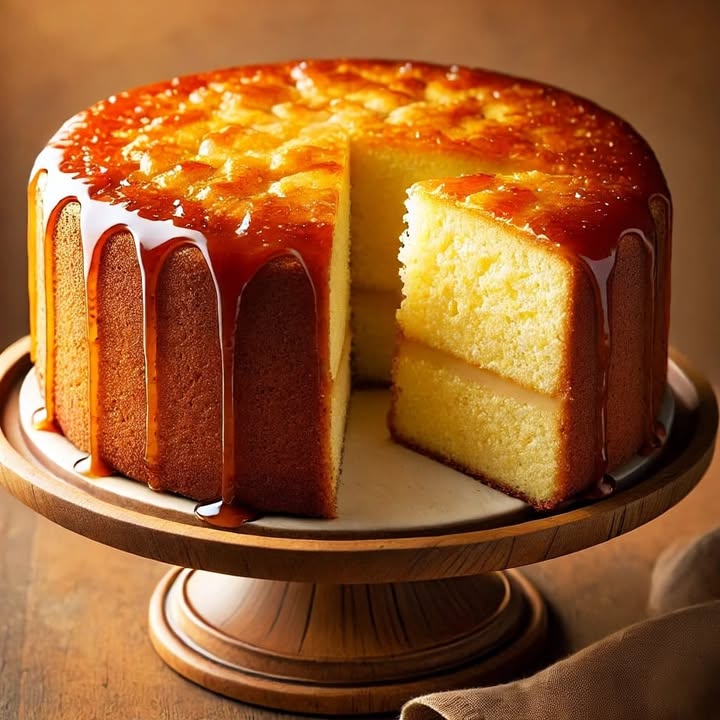
Your Search for the Perfect Kentucky Butter Bliss Ends Here!
There’s a certain magic to a cake that makes you close your eyes and sigh after the first bite. I’ve baked hundreds, but this Kentucky Butter Cake is the one my family demands for every single celebration. It’s not just a cake; it’s a buttery, tender hug in dessert form that sends a wave of warmth through the whole kitchen. If you’re looking for a showstopper that whispers “homemade love,” you’ve found it.
The Story Behind This Slice of Comfort
This cake feels like a delicious mystery. It pops up in community cookbooks all over the American South and Midwest, a treasured recipe passed between friends. While its exact Kentucky origin is debated, its legacy is crystal clear: it’s a classic. Imagine church potlucks, family reunions, and holiday tables where this simple Bundt cake steals the show. The modern twist I adore is the buttery, boozy glaze poured over the hot cake, letting it soak into every single crumb and create a melt-in-your-mouth texture.
Why You’ll Fall Head Over Heels for This Recipe
First, it’s unbelievably easy. No fancy layers or tricky techniques—just a gorgeous Bundt pan doing the heavy lifting. The flavor is pure, rich vanilla and butter, with a moist, dense crumb that holds up beautifully. That warm glaze transforms it from a great cake to an unforgettable experience, creating a slightly crisp, sugary crust on the outside. It’s the kind of dessert that makes people ask for the recipe before they’ve even finished their slice.
Perfect Occasions for Your Kentucky Butter Bliss
- Sunday Dinner Grand Finale: It’s the perfect end to a cozy family meal.
- Potluck Power Player: Transport is easy, and it always, always gets eaten first.
- “Just Because” Baking Therapy: Sometimes, a Tuesday needs a slice of cake.
- Holiday Buffet Anchor: Pair it with a light Smoothie with Frozen Berries for a beautiful spread.
Gathering Your Ingredients for Success
Let’s check the pantry! Use room-temperature ingredients for a smoother batter.
For the Cake:
- 3 cups of all-purpose flour
- 1 teaspoon baking powder
- 1/2 teaspoon baking soda
- 1/2 teaspoon salt
- 1 cup butter, softened
- 2 cups of granulated sugar
- 1 cup of whole milk
- 1 tablespoon of white vinegar
- 4 large eggs
- 2 teaspoons vanilla extract
For the Butter Glaze:
- 1 cup of granulated sugar
- 1/2 cup butter
- 3 tablespoons of brandy or water
- 1 teaspoon vanilla extract
Easy Ingredient Swaps (Don’t Panic!)
Out of something? No worries. You can make great substitutes.
- Milk & Vinegar: This combo makes “buttermilk.” You can use 1 cup of real buttermilk instead.
- Brandy: The brandy adds a lovely, deep note, but water works perfectly for a non-alcoholic version.
- Bundt Pan: If you don’t have one, a 9×13-inch pan works. Bake time may be less, so check early.
Crafting Your Kentucky Butter Cake: A Step-by-Step Journey
Step 1: Preheat and Prep Your Pan
First, get that oven humming at 350°F (175°C). This is key for even baking. Now, take your Bundt pan and give it a really good coating of butter or baking spray. Get into every nook and cranny! Then, dust it with a tablespoon of flour, tap out the excess, and set it aside. A well-prepped pan is your best insurance for a clean release later. Pro tip: Use a pastry brush to spread softened butter for the most thorough coverage.
Step 2: Whisk the Dry Ingredients
In a medium bowl, whisk together your flour, baking powder, baking soda, and salt. This isn’t just mixing; it’s ensuring every bit of leavening is evenly distributed throughout the flour. You’ll see little clouds of powder puffing up. Doing this now prevents you from over-mixing later when you combine wet and dry, which is the secret to a tender crumb.
Step 3: Cream the Butter and Sugar to Fluffy Bliss
Here’s where the magic starts. In a large bowl, beat the softened butter and sugar together for a good 3–5 minutes. You want it pale, fluffy, and almost whipped. This step incorporates air, which is part of your cake’s rise. Now, add the eggs one at a time, letting each fully blend into that creamy mixture before adding the next. Finally, beat in the vanilla. The aroma is already heavenly.
Step 4: Combine with Care
Time to marry the mixtures. In a measuring cup, stir the milk and vinegar together—it will slightly curdle, which is perfect. Add about one-third of your flour mixture to the butter bowl and mix on low until just combined. Follow with half of the milk mixture. Repeat, ending with the final third of the flour. Mix only until you see no more dry streaks. The batter will be thick and luxurious.
Step 5: Bake and Prepare for the Glaze
Pour that beautiful batter into your prepared pan. Smooth the top. Place it in your preheated oven’s center rack and bake for 50-60 minutes. The cake is done when a toothpick inserted near the center comes out clean. The top will be a glorious golden brown. This is crucial: As soon as it comes out of the oven, take a skewer or toothpick and poke holes all over the hot cake. Go nearly to the bottom. You’re creating little tunnels for the glaze to flood into.
Step 6: Create the Liquid Gold Glaze
While the cake bakes (or right after), make the glaze. In a small saucepan over medium-low heat, melt the butter, sugar, and brandy (or water). Stir constantly until the sugar dissolves and everything is just combined. Do not let it boil! Remove from heat and stir in the vanilla. It will be a shiny, syrupy pot of liquid gold.
Step 7: Glaze, Cool, and Celebrate
Slowly, patiently, pour that hot glaze over your hot, hole-poked cake. You’ll hear it sizzle and see it disappear into the cake. Let the cake cool in the pan for a full 30 minutes—this lets the glaze set. Then, place a plate over the pan, flip it with confidence, and lift the pan away to reveal your masterpiece. A light dusting of powdered sugar is all it needs. For a real party, serve it alongside a rich Cinnamon Roll Cheesecake Delight for a dessert table people will talk about for ages.
Your Kentucky Butter Cake Timeline
| Activity | Time Needed |
|---|---|
| Preparation & Mixing | 20 minutes |
| Baking Time | 50–60 minutes |
| Glazing & In-Pan Cooling | 30 minutes |
| Total Time to Slice | About 1 hour 50 minutes |
Chef’s Secret for Ultimate Moisture
Wrap the completely cooled cake tightly in plastic wrap and let it sit overnight on the counter. This rest allows the glaze to redistribute evenly throughout the entire cake, making every single slice unbelievably moist and cohesive. The flavor deepens, too. It’s patience that pays off in spades.
A Sweet Bit of Extra Info
That trick of adding vinegar to milk is an old-fashioned “cheat” for buttermilk. The acid reacts with the baking soda in your batter, creating tiny bubbles of carbon dioxide. This reaction gives the cake a wonderful lift and a tender, fine texture. It’s kitchen science making your dessert dreamy!
Necessary Equipment
- A 10–12 cup Bundt pan
- Stand mixer or hand mixer
- Large and medium mixing bowls
- Whisk and spatula
- Small saucepan
- Toothpick or skewer
Storing Your Butter Bliss
Because of the rich butter glaze, this cake stores beautifully at room temperature. Once completely cool, wrap it tightly in plastic wrap or place it under a cake dome. It will stay fresh and moist for up to 3 days right on your counter.
For longer storage, you can freeze it. Wrap the whole cake or individual slices in plastic wrap, then a layer of aluminum foil. It will keep in the freezer for up to 3 months. Thaw overnight at room temperature when the craving hits.
If you refrigerate it, the texture will firm up. Simply let a slice come to room temperature for about 30 minutes before serving to regain that soft, tender crumb. It’s a sturdy cake, making it a fantastic candidate for mailing to a loved one or taking on a picnic, much like a durable Hanuta cake.
Tips and Advice for Baking Success
- Room temperature ingredients are non-negotiable for a smooth, emulsified batter.
- When measuring flour, spoon it into the cup and level it off. Don’t scoop from the bag!
- Don’t rush the creaming of butter and sugar. Fluffiness equals lightness.
- Let the cake cool in the pan as directed. If you try to flip it too soon, it might stick or break.
Presentation Tips to Make it Shine
- Dust with powdered sugar just before serving for a snowy, elegant look.
- Serve with a dollop of freshly whipped cream and a few berries on the side.
- Drizzle with a little caramel sauce for an extra-decadent touch.
- Place it on a beautiful cake stand—its Bundt shape is decoration enough!
Healthier Twists on the Kentucky Butter Bliss
Love the idea but want a lighter version? Here are six simple tweaks you can experiment with, embracing a spirit of clean eating by using whole, quality ingredients.
- Whole Wheat Blend: Swap half the all-purpose flour for whole wheat pastry flour for more fiber.
- Reduced Sugar: You can often reduce the sugar in the cake by 1/4 cup without drastic texture change.
- Greek Yogurt Swap: Replace the milk/vinegar mix with an equal amount of plain, full-fat Greek yogurt for protein.
- Applesauce Helper: Substitute 1/2 cup of the butter in the cake with unsweetened applesauce for less fat.
- Nutty Glaze: Use a nut-based “butter” in the glaze for a dairy-free, nutrient-rich alternative.
- Portion Control: Bake it in a muffin tin (as “Butter Bliss Cakes”) for automatic, perfectly sized servings.
Common Mistakes to Avoid
Mistake 1: Using Cold Ingredients
Cold butter doesn’t cream properly, and cold eggs can cause the batter to curdle or separate. This leads to a dense, heavy cake instead of one with a light, tender crumb. Always plan ahead. Take your butter, eggs, and milk out of the fridge at least an hour before you start baking. Your butter should be soft enough that your finger leaves a clear indent when you press it.
Mistake的经验2: Over-mixing the Batter
Once you add the flour, too much mixing is the enemy. It over-develops the gluten in the flour, making your cake tough and chewy. Mix on low speed and stop as soon as the last streaks of dry flour disappear into the batter. A few tiny lumps are perfectly fine! They will bake out. Treat the final mixing stage with a gentle hand.
Mistake 3: Skipping the Hole-Poking Step
This seems like a small, odd step, but it’s vital for the signature texture of this cake. If you don’t poke those holes while the cake is piping hot, the thick butter glaze will just sit on top and pool at the bottom of the pan. The holes act like little aqueducts, drawing the glaze down into the heart of the cake, ensuring every bite is infused with sweet, buttery goodness.
Mistake 4: Inverting the Cake Too Soon
Impatience here can lead to disaster. The cake needs that full 30 minutes to cool and set in the pan. The glaze needs time to solidify slightly. If you try to flip it while it’s too hot, the cake is fragile and can crack, or large pieces can stick to the pan. Set a timer, have a cup of coffee, and let it rest. It will release cleanly when it’s ready.
Frequently Asked Questions (FAQ)
Can I make this cake without a Bundt pan?
Absolutely! A 9×13-inch rectangular baking pan is a great alternative. The baking time will likely be less—start checking for doneness around 35-40 minutes. The cake will be a bit thinner, but it will still be delicious and easy to serve. Just poke the holes and pour the glaze over the top as you would with the Bundt version.
Why do I add vinegar to the milk?
This quick trick creates a buttermilk substitute. The acid in the vinegar reacts with the baking soda in the recipe. This chemical reaction produces little bubbles of carbon dioxide gas while the cake bakes. These bubbles help the cake rise and give it a wonderfully tender, light texture. It’s a simple bit of science for a better cake!
My glaze is very thin. Did I do something wrong?
Not at all! The glaze is meant to be a pourable syrup when hot. It will seem very thin as you pour it over the cake. Don’t worry. As it soaks into the warm cake and then cools, it thickens up beautifully, creating that irresistible sugary crust on the outside. Just be sure you didn’t actually boil it, as that can change the consistency.
Can I use alcohol other than brandy in the glaze?
Yes, you can get creative here! Bourbon is a classic and fantastic choice that pairs beautifully with the butter. Rum or a good whiskey also work well. If you prefer no alcohol, water is a perfectly fine substitute—the glaze will still be sweet, buttery, and amazing. The alcohol flavor mostly cooks off, leaving just a rich depth behind.
How do I know when the cake is perfectly baked?
Use the toothpick test. Insert a long toothpick or a thin skewer into the cake, near the center but not right by the central tube. Pull it out. If it comes out clean or with just a few dry crumbs clinging to it, the cake is done. If you see wet batter, it needs more time. Also, the edges will pull slightly away from the pan, and the top will be a springy golden brown.
Can I make this cake a day ahead?
You absolutely should! This cake actually tastes better the next day. Once it’s completely cool, wrap it tightly in plastic wrap and let it sit at room temperature overnight. This gives the glaze and moisture time to evenly distribute throughout the entire cake, resulting in an even more moist and flavorful slice. It’s the perfect make-ahead dessert.
Why did my cake stick to the pan?
This usually means the pan wasn’t greased and floured thoroughly enough. Bundt pans have lots of details, so you need to get butter or spray into every single crevice. After greasing, dust with flour and tap out the excess. Also, make sure you let the cake cool for the full 30 minutes before trying to invert it. If it’s still stubborn, gently run a thin, flexible knife around the edges and center tube to loosen.
Is this cake very sweet?
It is a dessert cake, so it is sweet, but not overpoweringly so. The richness of the butter and the slight tang from the “buttermilk” balance the sugar beautifully. The glaze adds a sweet crust, but much of it soaks inward to add moisture. If you’re sensitive to sweetness, you can slightly reduce the sugar in the glaze by a couple of tablespoons.
What’s the difference between this and a pound cake?
They are close cousins! Both are rich, buttery cakes. A traditional pound cake uses a pound each of butter, sugar, eggs, and flour. This Kentucky Butter Cake is a bit lighter (using baking powder and soda for lift) and is distinguished by its signature soak of a buttery glaze poured over the hot cake. This gives it a unique texture and an extra layer of flavor.
Can I freeze leftover slices?
Yes, freezing works wonderfully. Wrap individual slices tightly in plastic wrap, then place them in a freezer bag or wrap in foil. They will keep for up to 3 months. Thaw a slice at room temperature for about an hour, or warm it gently in the microwave for 15-20 seconds. It’s a fantastic way to have a homemade treat ready anytime, much like keeping a stash of Toast with Butter and Jam supplies on hand for a quick, comforting bite.
So, what are you waiting for? This Kentucky Butter Cake deserves a spot in your recipe box as a go-to for every special—or not-so-special—occasion. Its simplicity and incredible reward are what home baking is all about. For more ideas that satisfy your sweet tooth, explore our entire collection of favorite dessert recipes.
Ready, Set, Bake!
There you have it—everything you need to create a legendary cake that will have everyone begging for more. It’s forgiving, it’s impressive, and it tastes like pure, unadulterated joy. Preheat your oven, gather your ingredients, and get ready to fill your home with the best smell in the world: butter and sugar turning into love. I can’t wait for you to experience your own Kentucky Butter Bliss. Happy baking!
Kentucky Butter Bliss
Ingredients
Equipment
Method
- Preheat the oven to 350°F (175°C) and prepare a Bundt pan with butter or baking spray and flour.
- Whisk together the flour, baking powder, baking soda, and salt in a medium bowl.
- In a large bowl, cream the butter and sugar for 3–5 minutes until pale and fluffy, then add eggs one at a time, mixing well after each, and beat in the vanilla.
- Combine the milk and vinegar in a measuring cup, then alternate adding the flour mixture and milk mixture to the butter mixture, mixing until just combined.
- Pour the batter into the prepared Bundt pan and smooth the top. Bake for 50-60 minutes or until a toothpick inserted comes out clean.
- While the cake bakes, prepare the glaze by melting the butter, sugar, and brandy (or water) in a saucepan over medium-low heat until combined.
- After baking, poke holes in the hot cake, then pour the glaze over it, allowing it to soak in. Let the cake cool in the pan for 30 minutes before inverting onto a plate.