
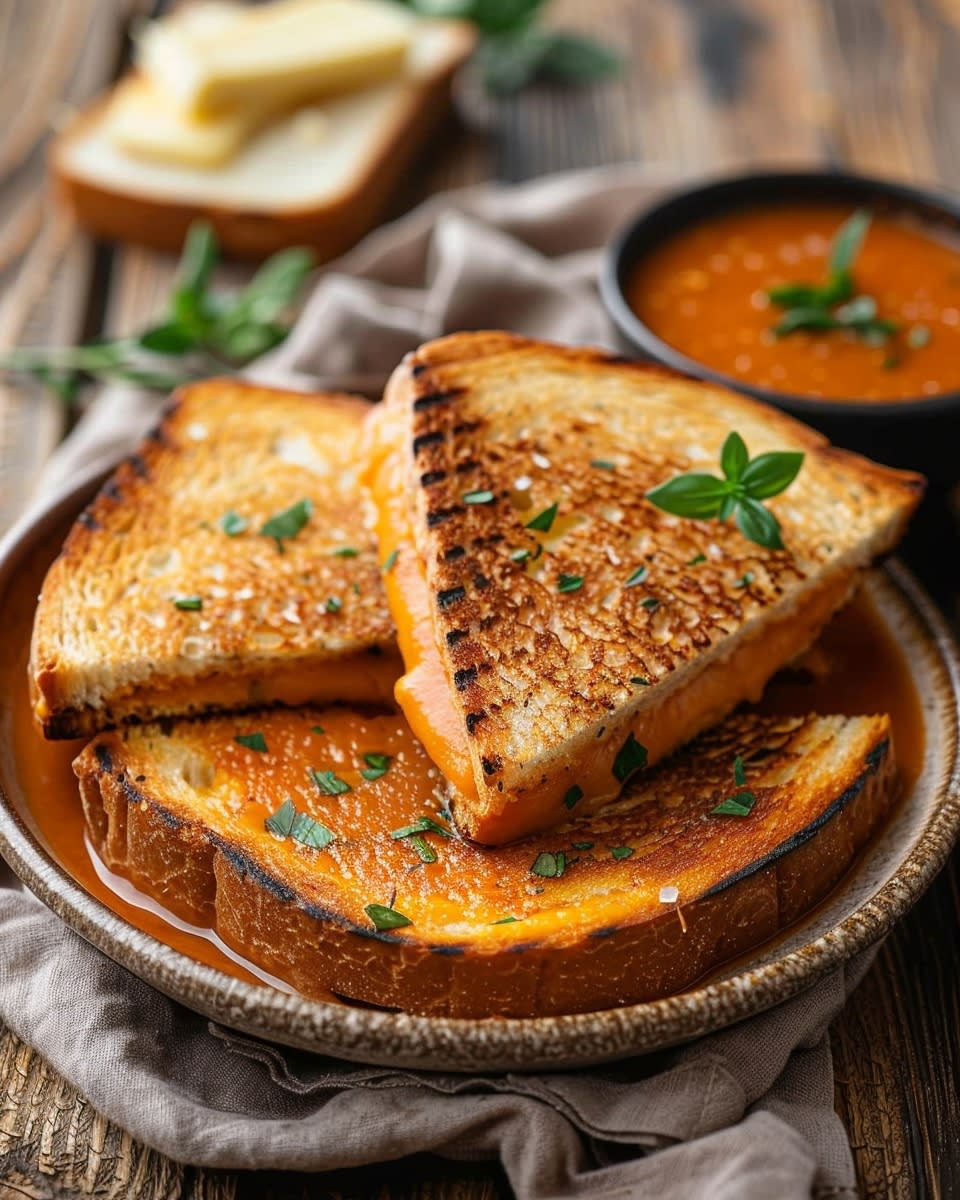
I’ll never forget the first time I made a grilled cheese sandwich by myself. I was eight years old, standing on a wobbly step stool in my grandmother’s kitchen. The butter sizzled in the pan, and the smell of toasting bread mixed with melting cheese filled the air. That simple sandwich tasted like pure magic. Years later, I still get that same feeling of comfort and happiness every time I bite into a perfectly golden grilled cheese sandwich.
The grilled cheese sandwich holds a special place in American hearts and kitchens. It’s the meal we turn to when we need comfort after a long day. It’s what we make when we’re tired, hungry, or just craving something delicious. Parents make it for picky kids who refuse everything else. College students survive on it during late-night study sessions. And food lovers everywhere are taking this humble sandwich and turning it into gourmet masterpieces.
In this guide, we’ll explore everything about making the perfect grilled cheese sandwich. We’ll start with the basics that everyone should know. Then we’ll move into creative variations that will surprise your taste buds. Whether you’re searching for a grilled cheese sandwich near me or want to master making one at home, you’ll find everything you need right here.
Understanding the Basics of a Grilled Cheese Sandwich
What is a Grilled Cheese Sandwich?
A grilled cheese sandwich is beautifully simple. Take two slices of bread, add cheese in between, and cook it in a pan with butter or oil until both sides turn golden brown and the cheese melts into gooey perfection. That’s it. No fancy equipment needed. No complicated techniques to master.
The magic happens when heat transforms ordinary ingredients into something extraordinary. The bread becomes crispy and buttery on the outside while staying soft inside. The cheese melts and stretches when you pull the sandwich apart. These contrasting textures create a satisfying experience that’s hard to beat.
The history of this beloved sandwich goes back further than you might think. People have been combining bread and cheese for centuries. But the modern grilled cheese sandwich became popular in America during the 1920s. Sliced bread had just been invented, making sandwiches easier to prepare. Processed cheese came onto the market around the same time. These two innovations made the grilled cheese sandwich accessible to everyone.
During the Great Depression, the grilled cheese sandwich became a lifesaver for struggling families. It was cheap, filling, and required only basic ingredients. World War II soldiers ate countless variations of bread and cheese. When they came home, the sandwich remained a staple in American kitchens.
Today, the grilled cheese sandwich enjoys incredible popularity across the country. Food trucks dedicated entirely to grilled cheese roam city streets. Restaurants create gourmet grilled cheese recipes with fancy ingredients and premium cheeses. Social media feeds overflow with photos of cheese pulls and perfectly toasted bread. The grilled cheese sandwich calories might vary based on ingredients, but a basic version typically contains 300 to 400 calories.
Common ingredients include white bread, cheddar cheese, and butter. But variations are endless. Some people use sourdough or rye bread. Others prefer Swiss, American, or mozzarella cheese. You can add tomatoes, bacon, or avocado. The beauty of this sandwich lies in its flexibility. You can keep it simple or get creative based on your mood and what’s in your fridge.
How to Make a Grilled Cheese Sandwich on the Stove
Learning how to make a grilled cheese sandwich on the stove is an essential cooking skill. Once you master the basic technique, you’ll be able to whip one up in about five minutes. Here’s my tried-and-true method for creating the best grilled cheese recipe ever.
Start by gathering your ingredients. You’ll need two slices of bread, about two ounces of cheese (sliced or shredded), and butter. Let the butter soften at room temperature for easier spreading. This small step makes a big difference in getting even coverage.
Heat your pan over medium-low heat. Many people make the mistake of using high heat, which burns the bread before the cheese melts. Patience pays off here. A medium-low temperature gives you control and consistent results.
While the pan heats up, butter one side of each bread slice. Spread the butter all the way to the edges. Those corners need love too, or they’ll end up pale and sad while the rest of the bread turns golden.
Place one slice of bread in the pan, buttered side down. Add your cheese on top of the bread. I like to tear the cheese slices so they cover the entire surface. This ensures every bite has cheese in it. Place the second slice of bread on top, buttered side facing up.
Let the sandwich cook for about three to four minutes. Don’t press down on it constantly. Let it do its thing. You’ll know it’s ready to flip when the bottom turns golden brown. Peek underneath with a spatula to check.
Flip the sandwich carefully. Cook the other side for another two to three minutes until it’s equally golden and the cheese has melted completely. If your cheese isn’t melting fast enough but your bread is getting too dark, lower the heat and cover the pan with a lid. The trapped steam helps melt the cheese faster.
Here are my top tips for achieving perfection:
- Use room temperature cheese. It melts faster and more evenly than cold cheese straight from the fridge.
- Shred your own cheese instead of buying pre-shredded. Pre-shredded cheese contains anti-caking agents that prevent smooth melting.
- Don’t rush the process. Low and slow wins the race for the ultimate grilled cheese sandwich.
- Cut your sandwich diagonally. It tastes better this way. I can’t explain why, but it does.
- Let it rest for one minute before cutting. This lets the cheese set slightly so it doesn’t all pour out.
Grilled Cheese with Mayo: A Modern Twist
The grilled cheese with mayo technique has sparked passionate debates in kitchens everywhere. Some people swear by butter and refuse to try anything else. Others have converted to mayo and never looked back. I was skeptical at first, but after trying it, I understand why this method has gained so many fans.
Using mayo instead of butter creates an incredibly crispy, golden crust. Mayo contains oil and eggs, which brown beautifully when heated. The texture becomes almost lacy and crunchy. It’s noticeably different from the softer crust that butter creates.
The flavor changes too. Mayo adds a subtle tangy note that complements the cheese nicely. It’s not overwhelmingly different, but you can taste a slight brightness that cuts through the richness. Some people can’t detect any taste difference at all, which makes mayo perfect if you want crispiness without altering the classic flavor profile.
One major benefit of mayo is how easy it spreads, even when cold. Butter needs to soften or you’ll tear your bread trying to spread it. Mayo glides on smoothly straight from the jar. This convenience factor alone converts many people.
Mayo also browns more evenly than butter. Butter contains milk solids that can burn if your heat is slightly too high. Mayo is more forgiving. You get consistent color across the entire surface without dark spots or pale patches.
To use this method, simply spread a thin layer of mayo on the outside of your bread slices instead of butter. Use regular mayo, not the low-fat version. The fat content is what creates that crispy texture. Then cook the sandwich exactly as you would with butter, using medium-low heat and flipping once.
My honest opinion? Both methods work wonderfully. I use butter when I want that classic, comforting taste. I choose mayo when I’m craving extra crispiness or when I’ve forgotten to soften the butter. Try both ways and decide which one earns a spot in your personal best grilled cheese recipe ever collection.


Nutritional Insights
Grilled Cheese Sandwich Calories: A Closer Look
Now that you know the techniques, let’s talk about what’s actually going into your body when you eat this delicious creation. The calories in a grilled cheese sandwich can vary wildly depending on your choices. A basic version made with white bread, American cheese, and butter usually lands somewhere between 300 to 450 calories. That’s not terrible for a complete meal, honestly.
Here’s where things get interesting though. The type of bread makes a massive difference. Two slices of standard white bread contain about 140 to 160 calories. Sourdough or whole wheat typically adds another 20 to 30 calories. Thick-sliced artisan bread can push that number even higher, sometimes reaching 200 calories just for the bread alone.
Cheese is where most people underestimate. One ounce of cheddar cheese packs roughly 110 calories. Most of us use at least two ounces in our sandwiches, sometimes three if we’re feeling generous. That’s 220 to 330 calories from cheese alone. And let’s be real, when has anyone ever complained about too much cheese?
The cooking fat matters too. A tablespoon of butter adds about 100 calories. Mayo comes in slightly lower at around 90 calories per tablespoon. If you’re heavy-handed with your butter application like I sometimes am, you could easily be using closer to two tablespoons without realizing it.
The nutritional breakdown looks something like this for a typical grilled cheese. You’re getting approximately 15 to 20 grams of protein from the cheese, which is actually pretty decent. The fat content sits around 20 to 30 grams, depending on your cheese choice and how much butter you use. Carbohydrates come mainly from the bread, usually 30 to 40 grams. Sodium tends to be high, often exceeding 700 milligrams, especially with processed cheese.
Want to make it healthier without sacrificing too much flavor? I’ve found several strategies that actually work. Switch to whole grain bread for added fiber and nutrients. The taste difference is minimal, especially once everything’s toasted and melted together. Choose reduced-fat cheese, but here’s my tip: mix it with a small amount of full-fat cheese. This gives you the health benefits while maintaining that satisfying richness.
Add vegetables to boost nutrition without many extra calories. Thin tomato slices add barely any calories but provide vitamins and moisture. Spinach leaves practically have negative calories and add a nice color contrast. By the way, if you’re looking for other ways to incorporate vegetables into simple meals, my zucchini and rice skillet recipe offers another quick and nutritious option.
Use cooking spray instead of butter or mayo if calories are a major concern. You’ll sacrifice some flavor and texture, but you’ll save about 80 to 100 calories per sandwich. Another trick is to butter only one side of the sandwich instead of both. It still gets golden and crispy, just slightly less indulgent.
Can You Eat Grilled Cheese with Diabetes?
This question comes up more often than you’d think. My cousin was diagnosed with type 2 diabetes last year, and grilled cheese was one of the first foods she worried about giving up. The good news is that people with diabetes can absolutely enjoy a grilled cheese sandwich. The key is being smart about it.
The main concern with diabetes is blood sugar management. White bread causes rapid blood sugar spikes because it’s made from refined flour that digests quickly. The solution isn’t to avoid grilled cheese entirely, but to modify the ingredients. Whole grain bread contains fiber that slows down digestion and leads to a more gradual rise in blood sugar levels.
Portion control matters significantly. Instead of making a massive sandwich with three slices of cheese, stick to a reasonable serving with one or two ounces of cheese. Pair it with a protein-rich side or a salad to balance the meal. Speaking of balanced meals with protein, you might enjoy my grilled turkey salad as another diabetes-friendly option that satisfies without causing blood sugar chaos.
Choosing the right cheese helps too. Some cheeses are better options for diabetics than others. Part-skim mozzarella contains less fat and fewer calories while still providing good protein. Swiss cheese has a relatively low sodium content compared to American cheese. Feta adds big flavor in small amounts, so you can use less overall.
Funny enough, adding fat can actually help with diabetes management. Fat slows down the absorption of carbohydrates, which prevents those dangerous blood sugar spikes. This doesn’t mean drowning your sandwich in butter, but using a moderate amount of healthy fats like olive oil or avocado can improve the glycemic response.
Timing matters when you have diabetes. Eating a grilled cheese sandwich as part of a balanced meal works better than having it alone as a snack. Include some lean protein on the side or add protein-rich ingredients to the sandwich itself. Turkey slices, chicken, or even an egg can transform it into a more diabetes-friendly meal.
Here’s the thing about bread choices. Look for bread with at least three grams of fiber per slice. The ingredient list should show whole wheat or whole grain as the first ingredient, not enriched wheat flour. Sourdough bread has a lower glycemic index than regular white bread, making it another good option. Pumpernickel and rye breads work well too.
Monitor your portions and pair your sandwich wisely. A grilled cheese sandwich alongside a hearty soup or a large salad creates a more balanced meal that won’t send blood sugar soaring. Just like how my one pan chicken and rice combines carbs with protein for sustained energy, you can apply the same principle to your sandwich meals.
Creative Grilled Cheese Recipes
Beyond the Basics
Once you’ve mastered the classic version, a whole world of creative grilled cheese recipes opens up. I spent one entire week last summer experimenting with different combinations, and my family thought I’d lost my mind. But the results were incredible, and now we rarely make plain grilled cheese anymore.
The secret to gourmet grilled cheese recipes is balancing flavors and textures. You want something creamy, something crunchy, something savory, and sometimes something sweet. It sounds complicated, but it’s actually intuitive once you start playing around.
Think about adding caramelized onions with gruyere cheese. The sweetness of the onions pairs beautifully with the nutty, slightly sharp cheese. Throw in some fresh thyme, and you’ve got something that belongs in a fancy restaurant. Apple slices with sharp cheddar create that classic sweet-and-savory combination that never gets old. Add a drizzle of honey before closing the sandwich, and prepare for your taste buds to throw a party.
For those who love bold flavors, try jalapeño slices with pepper jack cheese and crispy bacon. The heat from the peppers, the smokiness from the bacon, and the creamy spiciness of the cheese create layers of flavor in every bite. If jalapeños are too intense, roasted red peppers offer sweetness and a mild kick without burning your mouth off.
Mediterranean-inspired versions work wonderfully too. Combine feta cheese, sun-dried tomatoes, fresh basil, and a smear of pesto on the bread before grilling. The flavors transport you straight to a Greek island, or at least they make you forget you’re standing in your kitchen on a Tuesday night.
Pizza grilled cheese is a huge hit with kids and adults alike. Use mozzarella cheese, add a spoonful of marinara sauce, and toss in some pepperoni slices. Grill it up, and you’ve got all the pizza flavors in sandwich form. It’s less messy than actual pizza and cooks in a fraction of the time. For another quick and satisfying sandwich option that’s perfect for busy weeknights, check out this quick tuna sandwich recipe.
Breakfast grilled cheese deserves its own category. Add a fried egg, some bacon or sausage, and cheese between two slices of buttered bread. Cook it like a regular grilled cheese, and you’ve got breakfast and lunch combined into one handheld masterpiece. The runny yolk mixing with melted cheese is pure heaven.
The Best Grilled Cheese Recipe Ever
After years of experimenting and tasting countless variations, I’ve landed on what I genuinely believe is the best grilled cheese recipe ever. This version combines the perfect bread-to-cheese ratio, uses a blend of cheeses for complex flavor, and includes one secret ingredient that elevates everything.
For this ultimate grilled cheese sandwich, you’ll need two slices of sourdough bread, sharp cheddar cheese (about one and a half ounces), gruyere cheese (about one ounce), fontina cheese (half an ounce), softened butter, and a tiny pinch of garlic powder mixed into the butter. That’s the secret ingredient that makes people ask what’s different about this sandwich.
Start by mixing your softened butter with just a pinch of garlic powder. Don’t overdo it; you want a subtle hint, not garlic bread. Spread this mixture on the outside of both bread slices, making sure to cover every inch right to the edges.
Grate all three cheeses and mix them together in a bowl. Using three different cheeses might seem excessive, but each one brings something important. Sharp cheddar provides that classic tangy flavor. Gruyere adds nuttiness and melts beautifully. Fontina contributes creaminess and helps everything meld together smoothly.
Heat your pan over medium-low heat. Place one slice of bread butter-side down in the pan. Pile the cheese mixture on top, spreading it evenly across the bread. Place the second slice on top, butter-side up.
Cook for four to five minutes without disturbing it. When the bottom is deep golden brown and you can see the cheese starting to melt around the edges, carefully flip it. Cook the second side for another three to four minutes until equally golden.
Here’s the crucial part: when you remove the sandwich from the pan, let it sit on a cutting board for exactly one minute before cutting. This resting time allows the cheese to set just enough so it doesn’t all ooze out, but it stays stretchy and gooey inside.
Cut it diagonally, take a bite, and experience what grilled cheese can truly be. The crispy, buttery exterior gives way to three types of melted cheese working together in perfect harmony. That subtle garlic note keeps people guessing. Every time I make these for friends, someone asks for the recipe, and every time I share it, they can’t believe it’s this simple.
This recipe has converted many people who thought they didn’t like grilled cheese. It’s become my go-to for killer grilled cheese sandwiches that impress without requiring fancy ingredients or complicated techniques. Just quality components, proper technique, and that one tiny twist that makes all the difference.


Gourmet and Ultimate Variations
Gourmet Grilled Cheese Recipes: Elevating the Classic
Taking a simple grilled cheese sandwich and transforming it into something extraordinary doesn’t require culinary school training. I learned this lesson at a small café in Portland where I paid twelve dollars for a grilled cheese. At first, I was annoyed by the price. Then I tasted it, and suddenly everything made sense. The combination of ingredients was so thoughtful, so perfectly balanced, that I went home determined to recreate that magic in my own kitchen.
The foundation of any gourmet grilled cheese recipe starts with premium ingredients. This doesn’t mean breaking the bank, but it does mean being selective. Artisan bread makes an enormous difference. Visit a local bakery and grab a fresh loaf of something interesting. Walnut bread pairs beautifully with blue cheese and pears. Olive bread creates Mediterranean vibes when combined with fresh mozzarella and tomatoes. Rye bread offers earthy flavors that complement stronger cheeses like aged gouda.
Cheese selection becomes an art form when you’re going gourmet. Move beyond the usual suspects and explore your grocery store’s specialty cheese section. Aged white cheddar brings sharpness and complexity that regular cheddar can’t match. Taleggio, an Italian cheese with a creamy texture and slightly funky aroma, melts like a dream and adds sophisticated flavor. Manchego from Spain offers nutty, caramel notes that surprise people in the best way.
Here’s where things get really interesting. Start incorporating unexpected ingredients that complement your cheese choices. Fig jam spread on the bread before adding brie and prosciutto creates sweet, salty, and creamy layers that work together beautifully. Truffle oil drizzled between layers of fontina and mushrooms brings restaurant-quality earthiness to your sandwich. A smear of whole grain mustard with ham and Swiss adds tangy depth that cuts through richness.
Fresh herbs transform everything. Roughly chopped basil mixed with mozzarella and tomato is classic for good reason. Thyme leaves scattered throughout gruyere and caramelized onions add aromatic complexity. Rosemary, when used sparingly, pairs wonderfully with goat cheese and roasted red peppers. Just don’t go overboard. Too many herbs and your sandwich tastes like you’re eating someone’s garden.
Nuts and seeds add textural contrast that takes things up several notches. Toasted pine nuts sprinkled inside a sandwich with ricotta and honey create little bursts of crunch. Candied pecans with brie and apple slices offer sweetness and texture simultaneously. Pumpkin seeds add subtle nuttiness without overwhelming other flavors.
One technique that professional chefs use involves compound butter. Mix softened butter with ingredients like roasted garlic, fresh herbs, or even a touch of lemon zest. Spread this on the outside of your bread before grilling, and every bite carries those extra flavor dimensions. I keep three different compound butters in my freezer ready to go whenever inspiration strikes.
Killer Grilled Cheese Sandwiches: Bold and Flavorful
Sometimes you want a grilled cheese that punches you in the taste buds. These killer grilled cheese sandwiches aren’t subtle. They’re loud, proud, and absolutely delicious for anyone who loves bold flavors.
Start with a buffalo chicken grilled cheese that combines shredded rotisserie chicken tossed in buffalo sauce with a mixture of cheddar and blue cheese. The spicy, tangy sauce against cooling blue cheese creates that classic buffalo wing experience in sandwich form. Add a thin spread of ranch dressing on the bread, and you’ve got something that disappears in minutes at any gathering.
Korean-inspired versions have become my latest obsession. Use kimchi, which might sound weird until you try it. The fermented, spicy cabbage pairs incredibly well with mozzarella and a fried egg. The heat, the funk, the creaminess all work together in this completely unexpected way. My neighbor thought I was crazy when I described it, but after one bite, she was making them for her family the next week.
BBQ pulled pork grilled cheese takes leftover pulled pork to new heights. Mix the pork with a bit of BBQ sauce, pile it onto bread with smoked gouda and pickled jalapeños, then grill until crispy. The smokiness, sweetness, heat, and tang create layers upon layers of flavor. It’s messy, sure, but absolutely worth having napkins nearby.
For seafood lovers, a lobster grilled cheese sounds fancy but comes together easily if you can find frozen lobster meat on sale. Mix it with a little mayo, lemon juice, and Old Bay seasoning. Combine with gruyere cheese on buttered brioche bread. It tastes like summer vacation in New England even if you’re landlocked in the middle of winter.
Spicy lovers need to try a grilled cheese with pepper jack, chorizo, and pickled jalapeños. The heat builds with each bite, and the richness of the cheese balances the spice just enough to keep things enjoyable rather than painful. If you’re really brave, add a few drops of your favorite hot sauce directly into the cheese before melting.
By the way, incorporating protein-rich foods like chicken, turkey, or even chickpeas into your grilled cheese transforms it from a snack into a complete meal that keeps you satisfied for hours.
The Ultimate Grilled Cheese Sandwich: A Masterpiece
After exploring countless variations and techniques, I’ve developed what I consider the ultimate grilled cheese sandwich. This version combines everything I’ve learned about bread selection, cheese blending, temperature control, and flavor layering into one spectacular creation.
You’ll need thick-cut sourdough bread, preferably from a bakery. For cheese, use a combination of aged white cheddar, smoked gouda, and cream cheese. Yes, cream cheese. It creates the creamiest interior you’ve ever experienced while the other cheeses provide structure and flavor. You’ll also need butter mixed with a tiny bit of dijon mustard, caramelized onions prepared ahead of time, and paper-thin slices of prosciutto.
The process matters as much as the ingredients. Start by preparing your compound butter. Mix softened butter with just enough dijon mustard to add tang without making it mustardy. This subtle addition creates complexity that people notice without being able to identify.
Spread the mustard butter on the outside of both bread slices. On the inside of one slice, spread a thin layer of cream cheese. This acts as a creamy base that melts into the other cheeses. Layer your shredded aged cheddar and smoked gouda on top of the cream cheese. Add a generous spoonful of caramelized onions, spreading them evenly. Lay the prosciutto slices over the onions. The saltiness cuts through the richness while adding a different texture. Top with the second slice of bread, butter side facing out.
Cook this masterpiece over medium-low heat. Because you’ve got more filling than a basic sandwich, it needs extra time for the center to heat through. Give it about five minutes per side, checking frequently to make sure the bread doesn’t burn. If the outside is getting too dark before the cheese melts completely, reduce the heat and cover the pan with a lid. The trapped heat creates a mini oven effect that melts everything perfectly.
When both sides are deeply golden and you can see cheese starting to ooze out the edges, remove it from the pan. Let it rest for two full minutes this time. With this much filling, that resting period is crucial. Cut it diagonally with a sharp knife, and prepare yourself for the most satisfying cheese pull of your life.
The first bite delivers everything at once. Crispy, buttery bread with that subtle mustard tang. Three types of cheese creating different flavor notes and textures. Sweet caramelized onions. Salty, crispy prosciutto. It’s rich without being heavy, complex without being confusing. Every element has a purpose, and they all work together instead of competing.
This sandwich has become my signature dish for when I really want to impress someone. It works for a fancy lunch, a special dinner paired with soup, or even cut into quarters as an appetizer at parties. People always ask what makes it so different, and I love watching their faces when I walk them through the components.
If you’re looking for more satisfying lunch ideas that come together quickly but taste like you spent hours in the kitchen, exploring other easy lunch recipes can give you plenty of inspiration for weekday meals that don’t sacrifice flavor for convenience.
Frequently Asked Questions
What is the secret to a good grilled cheese sandwich?
The biggest secret is temperature control. Cook your sandwich over medium-low heat instead of rushing it on high. This gives the cheese time to melt completely while the bread turns golden brown without burning. Another secret is spreading butter or mayo all the way to the edges of the bread so every corner gets crispy. Using room temperature cheese helps it melt faster and more evenly. Finally, let your finished sandwich rest for a minute before cutting to let the cheese set slightly.
What are the top 3 cheeses for grilled cheese?
Sharp cheddar ranks first for its tangy flavor and reliable melting properties. It’s the classic choice that never disappoints. Gruyere comes in second because it melts beautifully and adds nutty, complex flavor that elevates any sandwich. American cheese takes third place for its unmatched melting ability, creating that smooth, creamy texture everyone loves. Many people combine two or three cheeses to get the best of all worlds. Experiment with different combinations until you find your personal favorite blend.
Can you eat grilled cheese with diabetes?
Absolutely, but making smart modifications helps manage blood sugar better. Choose whole grain bread instead of white bread because the fiber slows down digestion. Use moderate amounts of cheese rather than piling it on too thick. Adding protein like turkey or chicken helps balance the meal and prevents blood sugar spikes. Pairing your sandwich with a salad or vegetable soup creates a more balanced meal overall. Portion control matters too, so stick to one sandwich rather than two.
What can I add to a grilled cheese sandwich?
The possibilities are practically endless. Tomato slices add moisture and freshness. Bacon brings smokiness and crunch. Avocado creates creaminess and healthy fats. Caramelized onions add sweetness. Apple slices offer surprising sweetness that pairs well with sharp cheese. Fresh herbs like basil or thyme add aromatic flavors. Roasted red peppers contribute mild sweetness and color. Basically, if it sounds good to you, try it. The worst that happens is you learn what doesn’t work.
Should I use salted or unsalted butter for grilled cheese?
Salted butter works perfectly fine and is what most people have on hand. The salt enhances the overall flavor of the sandwich. Unsalted butter gives you more control over the sodium content, which matters if you’re watching salt intake or using particularly salty cheese. Either way, the difference is minimal. Don’t stress about this choice. Use whatever butter you already have in your fridge and focus instead on proper cooking temperature and technique.
How do I prevent my grilled cheese from getting soggy?
Avoid adding ingredients with high moisture content like fresh tomatoes directly onto the cheese. If you want tomatoes, pat them dry with paper towels first. Don’t oversaturate the bread with butter or mayo. A thin, even layer works better than thick globs. Make sure your pan is properly preheated before adding the sandwich. Cook on medium-low heat so the inside and outside cook at similar rates. Finally, serve immediately after cooking instead of letting it sit and steam in its own heat.
Can I make grilled cheese in advance?
Grilled cheese really tastes best fresh off the pan. The contrast between crispy exterior and gooey interior disappears once it cools and sits for a while. If you absolutely must make them ahead, cook them about eighty percent of the way through, let them cool, then refrigerate. Reheat them in a pan over medium heat or in a 350-degree oven until heated through and crispy again. Honestly though, they only take five minutes to make fresh, so I recommend waiting until you’re ready to eat.
What’s the best pan to use for grilled cheese?
A heavy-bottomed skillet works best because it distributes heat evenly and prevents hot spots that burn bread. Cast iron is excellent once properly seasoned and heated. Nonstick pans make flipping easier and require less butter, though they don’t get quite as crispy. Stainless steel works well but needs more butter to prevent sticking. Avoid thin, lightweight pans that heat unevenly and create burnt spots next to pale patches. Whatever pan you choose, make sure it’s large enough that you’re not crowding multiple sandwiches.
How do I get a perfect cheese pull in photos?
Use cheeses that are known for being stretchy, like mozzarella, fontina, or young cheddar. Avoid aged cheeses that crumble rather than stretch. Make sure your cheese is fully melted by cooking low and slow. When you’re ready for the photo, cut the sandwich while it’s still hot, then slowly pull the two halves apart at an angle. The cheese should stretch dramatically. Good lighting helps too. Natural daylight near a window works better than overhead kitchen lights. Take lots of shots because timing is everything.
What sides go well with grilled cheese sandwiches?
Tomato soup is the absolute classic pairing that never gets old. The acidity of the soup cuts through the richness of the cheese perfectly. A crisp green salad with vinaigrette adds freshness and balances the meal. Pickle spears or chips offer tangy crunch that complements melted cheese. Roasted vegetables like brussels sprouts or broccoli add nutrition and variety. Sweet potato fries create an interesting sweet and savory combination. Basically, you want something that adds contrast in either temperature, texture, or flavor to balance out all that melted cheese.
The beauty of grilled cheese sandwiches lies in their incredible versatility and the way they adapt to whatever you’re craving. Whether you stick with the classic version or venture into gourmet territory, you’re working with one of the most forgiving and rewarding recipes in existence. Don’t be afraid to experiment, trust your instincts about flavor combinations, and remember that even your “mistakes” will probably still taste pretty delicious.
Ingredients
Equipment
Method
- Mix softened butter with a pinch of garlic powder.
- Spread the garlic butter mixture on the outside of both slices of bread.
- In a bowl, mix together the shredded cheddar, gruyere, and fontina cheese.
- Heat a pan over medium-low heat.
- Place one slice of bread, buttered side down, in the hot pan.
- Pile the cheese mixture evenly on top of the bread.
- Place the second slice of bread on top, butter-side up.
- Cook for 4-5 minutes until the bottom is golden and cheese starts to melt.
- Carefully flip the sandwich and cook for another 3-4 minutes until golden on both sides.
- Remove from the pan and let sit for 1 minute before cutting diagonally.