
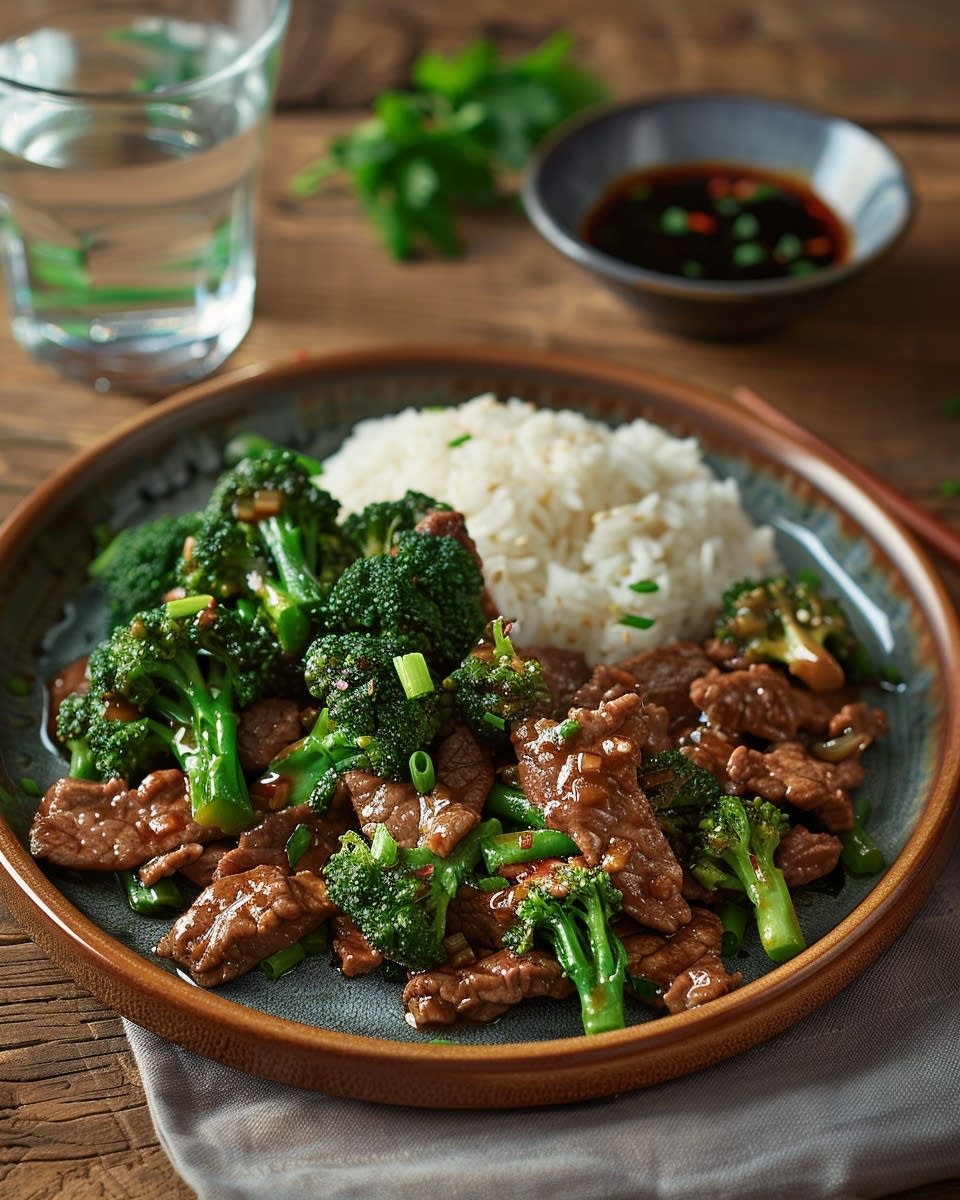
Picture this: It’s 6:30 PM on a Tuesday. You just walked through the door after a long day. The kids are asking what’s for dinner, and your stomach is already growling. You open the fridge and see some beef, a few vegetables, and wonder if ordering takeout is your only option. Here’s where I stop you. A quick beef stir fry can be on your table in less time than it takes for delivery to arrive, and it tastes so much better.
I’m Sarah, and I’ve been cooking for my family of four for over a decade. Between school pickups, work deadlines, and everything in between, I learned that stir fries became my secret weapon. They’re fast, flexible, and surprisingly simple once you get the hang of them. A healthy beef stir fry fits perfectly into even the busiest schedules while keeping everyone happy and well-fed.
The beauty of stir frying is that you’re not just making dinner. You’re creating a complete meal in one pan. Protein, vegetables, and flavor all come together in minutes. Plus, you can customize it based on what’s in your fridge or what your family enjoys. Want a teriyaki beef stir fry tonight and a pepper steak stir fry tomorrow? No problem. The foundation stays the same while the flavors change.
Health-wise, stir fries check so many boxes. You control the ingredients, the sodium levels, and the amount of oil used. Unlike heavy comfort foods that leave you feeling sluggish, a good stir fry gives you energy. The vegetables stay crisp and retain their nutrients because of the quick cooking method. The lean beef provides protein to keep you satisfied. It’s a winning combination that doesn’t require sacrificing taste for health.
Why Quick Beef Stir Fry is Perfect for Busy Weeknights
Let me tell you about the night that changed my dinner routine forever. I had exactly 20 minutes before my daughter’s soccer practice. My original dinner plan fell through because I forgot to defrost the chicken. I grabbed some beef strips from the freezer, tossed them in the microwave for a quick thaw, and threw together a stir fry with whatever vegetables I could find. My family ate every bite and asked me to make it again. That’s when I realized how truly convenient stir fries are.
The convenience factor goes beyond just speed. A quick beef stir fry requires minimal cleanup. One pan or wok does all the work. You’re not juggling multiple pots, coordinating side dishes, or heating up the oven. Everything cooks together in harmony. When dinner is done, you wash one cooking vessel and you’re finished. That means more time relaxing after dinner instead of scrubbing dishes.
The variety you can create with stir fries never gets old. Some nights I lean into Asian-inspired flavors with a Chinese beef stir fry loaded with ginger and garlic. Other times I try a sweet and savory Mongolian beef stir fry that my kids absolutely love. When I want something with a kick, a pepper steak stir fry with bell peppers and black pepper fits the bill perfectly. The base technique remains the same, but the flavor profiles can transport you anywhere.
Adding different vegetables based on the season or what’s on sale makes stir fries budget-friendly too. In summer, I use fresh snap peas and zucchini. Winter calls for heartier options like broccoli and carrots. You can even sneak in vegetables that your family might otherwise avoid. The flavors blend so well that picky eaters often don’t notice they’re eating their greens.
For those watching their health, a healthy beef stir fry delivers nutrition without feeling like diet food. You can load up on colorful vegetables that provide vitamins, minerals, and fiber. Choose lean cuts of beef to keep the fat content reasonable. Use less oil than traditional frying methods require. The result is a meal that satisfies your taste buds while supporting your health goals.
Speaking of health, many people ask me: Is stir fry ok for diabetics? The answer is yes, with some smart choices. A stir fry can be excellent for blood sugar management. Focus on non-starchy vegetables like peppers, mushrooms, and leafy greens. Keep the sauce lighter on sugar by making your own. If you want to add carbs, choose a small portion of brown rice or serve your stir fry over cauliflower rice instead.
Another common question I hear is: Is beef stir fry good for cholesterol? It can be. Select lean beef cuts and trim visible fat. Load your plate with vegetables, which contain fiber that helps manage cholesterol levels. Go easy on the oil and skip heavy, cream-based sauces. The quick cooking method preserves nutrients and requires less fat than other cooking techniques.
The flexibility extends to accommodating different dietary needs too. Need more protein? Add extra beef or toss in some scrambled eggs. Want a heartier meal? Make a beef stir fry with noodles by adding rice noodles or whole wheat pasta. Trying to cut carbs? Skip the rice and double the vegetables. The stir fry adapts to your needs rather than forcing you to adapt to it.
How to Make a Quick and Easy Stir Fry
If someone asks me how to make a quick and easy stir fry, I always start with the same advice: prep everything first. This step matters more than you might think. Stir frying happens fast. Once you start cooking, you won’t have time to chop vegetables or measure sauce ingredients. I learned this the hard way when I burned garlic while frantically trying to slice bell peppers.
Set up your workspace like a cooking show. Slice your beef into thin strips against the grain. This cutting technique is crucial. Cutting against the grain shortens the muscle fibers, which makes the beef more tender. Aim for strips about a quarter inch thick and two inches long. Uniform size ensures even cooking.
Prepare all your vegetables next. Chop them into similar-sized pieces so they cook at the same rate. Place each ingredient in its own small bowl. This might seem fussy, but it makes the actual cooking smooth and stress-free. You’ll feel like a professional chef when you can just grab and toss ingredients into the pan without hesitation.
Now let’s talk about how to make beef soft and tender for stir fry. The secret involves a beef stir fry marinade. Even 15 minutes of marinating makes a huge difference. My go-to marinade includes soy sauce, a touch of cornstarch, and a small amount of oil. The soy sauce adds flavor, the cornstarch helps seal in moisture, and the oil prevents sticking. Some cooks call this technique velveting, and it truly transforms tough beef into something tender and delicious.
Here’s my basic marinating process:
- Mix 2 tablespoons of soy sauce with 1 tablespoon of cornstarch
- Add 1 tablespoon of vegetable oil
- Toss the beef strips in this mixture
- Let it sit for 15 to 30 minutes while you prep other ingredients
- The beef will absorb the marinade and become incredibly tender
When you’re ready to cook, heat your wok or large skillet over high heat. This is important: the pan needs to be hot before you add anything. A hot pan creates that signature stir fry sear and prevents steaming. Add a small amount of oil and swirl it around to coat the surface.
Cook the beef in batches. Overcrowding the pan drops the temperature and causes the beef to steam instead of sear. I usually divide my beef into two or three batches depending on how much I’m making. Each batch takes only 2 to 3 minutes. You want the beef about 80% cooked at this stage. Remove it to a plate and set it aside.
The key to learning how to cook stir fry beef strips tender is not overcooking them. Beef continues cooking from residual heat even after you remove it from the pan. It will also cook more when you add it back in with the vegetables later. Slightly undercooking at first prevents tough, chewy beef in your final dish.
Next, cook your vegetables in the same pan. Start with harder vegetables like carrots or broccoli that need more time. Add softer vegetables like bell peppers or snap peas after a minute or two. Keep everything moving in the pan. The constant motion prevents burning and ensures even cooking. This whole vegetable stage takes about 4 to 5 minutes.
Add aromatics like garlic and ginger toward the end of cooking the vegetables. They burn easily, so adding them too early creates bitter flavors. Just 30 seconds of cooking releases their amazing fragrance and flavor without any bitterness.
Return the beef to the pan along with your sauce. This is where a simple beef stir fry sauce brings everything together. You don’t need complicated ingredients. Soy sauce, a touch of sugar or honey, and some beef broth create a delicious base. For a teriyaki beef stir fry, add mirin and a bit more sugar. For Mongolian beef stir fry, include hoisin sauce and extra garlic.
Toss everything together for about one minute. The sauce should coat the beef and vegetables without pooling at the bottom of the pan. If your sauce seems too thin, mix a teaspoon of cornstarch with a tablespoon of water and add it to the pan. It will thicken in seconds.
That’s it. From start to finish, the actual cooking takes less than 15 minutes once your prep is done. Serve your stir fry recipe immediately over rice, noodles, or on its own. The flavors are brightest and the textures are best when everything is fresh from the pan.


Popular Variations of Quick Beef Stir Fry
Once you master the basic technique, a whole world of flavors opens up right in your kitchen. I remember the first time I realized that my quick beef stir fry could taste completely different just by changing the sauce and a few key ingredients. My son came home from his friend’s house raving about the dinner they had, and when he described it, I knew I could make my own version that very night.
Let’s start with what might be the most beloved variation: Chinese beef stir fry. This version captures those classic takeout flavors we all crave but does it better because you control what goes in. The foundation includes fresh ginger and lots of garlic, which create that unmistakable aroma that fills your kitchen. I add oyster sauce to my version, which brings a deep, savory richness you just can’t get any other way. A splash of rice wine or dry sherry adds complexity, though you can skip it if you don’t keep alcohol in the house. Dark soy sauce gives that gorgeous caramel color while regular soy sauce provides the saltiness.
What makes a Chinese beef stir fry distinctive is the balance. Sweet, salty, savory, and a touch of umami all work together. I typically include bok choy or Chinese broccoli, which you can find at most grocery stores now. Snow peas add crunch and a subtle sweetness. Some nights I throw in water chestnuts for an extra textural element that my family loves. The vegetables stay crisp while absorbing just enough sauce to be flavorful.
Then there’s Mongolian beef stir fry, which honestly might be my personal favorite on cold evenings. Despite the name, this dish is actually an American-Chinese creation, but that doesn’t make it any less delicious. The sauce leans sweeter than traditional Chinese versions, with brown sugar and hoisin sauce creating a sticky, glossy coating. I use less oil than most recipes call for and compensate by adding a bit more beef broth to keep everything moist.
Here’s the thing about Mongolian beef: it’s surprisingly simple. The ingredient list is short. Brown sugar, soy sauce, hoisin sauce, ginger, and garlic. That’s basically it for the sauce. Some recipes add chili flakes for heat, which I do when my husband and I eat alone. The kids prefer it mild. I serve this version over white rice, though it’s equally fantastic with noodles tossed in a light sauce. The contrast between the sweet beef and plain starch works perfectly.
If you want something with more vegetables and a peppery bite, pepper steak stir fry delivers every time. This variation showcases bell peppers in all their colorful glory. I use red, yellow, and green peppers for visual appeal and slightly different flavor notes. Red peppers taste sweeter, green ones more bitter and sharp. Combining them creates depth. Black pepper is the star here, not just a background player. I add it generously both in the marinade and at the end of cooking.
The sauce for pepper steak stays lighter than Mongolian beef. I build it from beef broth, soy sauce, and a touch of cornstarch for thickening. Some recipes include tomatoes, which might sound odd but actually adds a pleasant acidity that cuts through the richness of the beef. My grandmother used to make it this way, and now I understand why. That little bit of brightness makes the whole dish more balanced.
Now, teriyaki beef stir fry brings Japanese-inspired flavors to your weeknight dinner rotation. The teriyaki sauce is naturally sweeter than Chinese-style sauces, with mirin and sake providing complexity beyond just sugar and soy sauce. I make my own teriyaki sauce because store-bought versions often contain way too much sugar and additives. It takes five minutes and tastes infinitely better. Mix soy sauce, mirin, a bit of sake or white wine, sugar, and fresh ginger. Simmer it until slightly thickened and you’re done.
The beautiful part about teriyaki is how forgiving it is. You can adjust the sweetness to your preference. Add more soy sauce if you want it saltier, more mirin for sweetness. I sometimes stir in a tiny bit of sesame oil at the end, which adds a nutty finish that elevates everything. Serve it with steamed broccoli and carrots for a meal that feels restaurant-quality but costs a fraction of the price.
Speaking of versatility, beef stir fry with noodles deserves its own spotlight. This variation turns your stir fry into a complete one-bowl meal. No need for rice or side dishes. Everything comes together in satisfying harmony. I use different noodles depending on my mood and what’s available. Rice noodles create that classic Asian takeout experience, similar to what you’d get with pad see ew. Lo mein noodles work beautifully and soak up sauce like champions.
When I’m looking for something quicker on a truly hectic night, I’ll even use regular spaghetti. Sounds weird, I know. But tossed with a good stir fry recipe, it actually works. The key is cooking the noodles until just barely tender, then finishing them in the pan with the beef and vegetables. They’ll absorb flavors while getting slightly crispy in spots where they touch the hot pan. It’s different from traditional stir fry but equally delicious in its own right.
For noodle stir fries, I sometimes look to other simple dishes for inspiration. The way fresh ingredients come together in wraps reminds me that simple combinations often work best. Don’t overthink it. Good noodles, flavorful beef, crisp vegetables, and a tasty sauce create magic.
All these variations adapt easily to dietary restrictions too. Need gluten-free? Use tamari instead of soy sauce and rice noodles instead of wheat-based ones. Want lower sodium? Make your own sauces and control the salt. Following a low-carb diet? Skip the noodles or rice and double up on vegetables. Load it with zucchini noodles or serve it over cauliflower rice instead. The core technique stays the same while the details flex to meet your needs.
By the way, these variations also teach you about flavor building. Once you understand what makes Mongolian beef sweet and sticky versus what makes pepper steak bold and sharp, you can start creating your own combinations. Maybe you prefer the sauce from one version with the vegetables from another. That’s the beauty of stir frying. There’s no stir fry police checking if you’re following rules.
Health Benefits of Quick Beef Stir Fry
Let me be honest: when I first started focusing on healthier eating, I worried stir fries wouldn’t make the cut. They seemed indulgent, something you’d order as a treat rather than a nutritious weeknight staple. I was completely wrong. A healthy beef stir fry packs serious nutritional value while still tasting like something you’d actually want to eat.
The protein content alone makes beef stir fry a smart choice. Lean beef provides high-quality protein that helps build and repair tissues, supports immune function, and keeps you feeling satisfied for hours. I notice that when we eat stir fry for dinner, nobody’s raiding the pantry an hour later looking for snacks. The combination of protein and fiber from vegetables creates lasting fullness that processed foods just can’t match.
Beef also delivers important nutrients beyond protein. Iron supports healthy blood cells and energy levels. Zinc aids immune function and wound healing. B vitamins help your body convert food into energy. These aren’t empty calories. They’re nutrients your body actually uses and needs. Choosing lean cuts like sirloin, flank steak, or tenderloin keeps the fat content reasonable while maximizing these benefits.
People often ask me: Is beef stir fry good for cholesterol? The answer is more nuanced than a simple yes or no. Beef itself contains cholesterol and saturated fat, which need to be managed if you have high cholesterol. However, the way you prepare stir fry can actually support heart health. Load your plate with vegetables, which contain soluble fiber that helps reduce cholesterol absorption. Use minimal oil. Choose lean beef cuts. These strategies make stir fry a reasonable option even if you’re watching your cholesterol levels.
The vegetables in your stir fry do serious heavy lifting for your health. Bell peppers provide vitamin C. Broccoli delivers vitamin K and folate. Carrots offer beta-carotene. Snap peas add fiber. When you pile your plate with colorful vegetables and use beef more as a flavoring than the main event, you create a genuinely nutritious meal. I aim for at least twice as many vegetables as beef in my stir fries, sometimes more.
Here’s something I’ve learned from my own experience: the quick cooking method preserves more nutrients than longer cooking techniques. When you boil vegetables for extended periods, vitamins leach into the water. Roasting at high heat for long periods can degrade certain nutrients. Stir frying uses high heat for a short time, which means vegetables stay crisp and retain most of their nutritional value. They don’t get mushy or overcooked.
Another common question: Is stir fry ok for diabetics? Actually, yes, with some thoughtful ingredient choices. The key is managing carbohydrates and choosing foods that won’t spike blood sugar. Focus on non-starchy vegetables like peppers, mushrooms, cabbage, and leafy greens. These contain fiber and nutrients without a lot of carbs. If you want to include carbs, choose brown rice or pair your meal with a small portion of whole grain bread on the side.
The sauce deserves special attention for diabetics. Many store-bought stir fry sauces contain shocking amounts of sugar. I’ve seen bottles with more sugar than soda. Making your own simple beef stir fry sauce lets you control exactly how much sweetness goes in. Use low-sodium soy sauce as your base. Add flavor through garlic, ginger, and a small amount of honey or a sugar substitute if needed. You’ll get all the taste without the blood sugar roller coaster.
The lean protein from beef also helps stabilize blood sugar. Unlike carb-heavy meals that cause quick spikes and crashes, protein digests more slowly and provides steady energy. Combining protein with fiber-rich vegetables creates an even more balanced effect. My neighbor has type 2 diabetes and tells me that stir fries have become one of her go-to meals because she feels good after eating them, not sluggish or hungry again quickly.
Using fresh, whole ingredients makes all the difference for maximizing health benefits. Pre-made sauces often contain preservatives, excess sodium, and artificial flavors. Frozen vegetable blends sometimes include added salt or sauce packets loaded with questionable ingredients. When you start with fresh beef, fresh vegetables, and make your own sauce from basic pantry staples, you know exactly what you’re eating. There’s no mystery meat or hidden additives.
Funny enough, this approach to fresh ingredients reminds me of other simple meals I’ve learned to love. The way fresh ingredients shine in an egg salad or a basic pasta dish shows that you don’t need complicated preparations to eat well. Sometimes the simplest approach is the healthiest.
The portion control aspect of stir fry helps too. When you eat it over a moderate serving of rice or noodles, you naturally limit your portions because the vegetables and protein fill you up. Compare that to eating a huge plate of pasta with a tiny amount of vegetables on the side. The stir fry approach puts vegetables front and center, which aligns with what nutritionists recommend for balanced eating.
One last thing about health benefits: stir fries help you eat seasonally and locally. When I shop at farmers’ markets, I grab whatever vegetables look best and freshest. Summer brings zucchini and snap peas. Fall offers hearty greens and mushrooms. Using seasonal produce means better flavor, more nutrients, and often lower prices. Your stir fry becomes a reflection of what’s growing right now, which connects you to real food in a way that processed meals never can.


Tips for Making the Best Quick Beef Stir Fry
After years of making stir fries, I’ve picked up tricks that elevate them from “decent weeknight dinner” to something my family actually requests by name. The difference between an okay stir fry and an exceptional one often comes down to small details that nobody tells you about until you’ve made the same mistakes a dozen times. Let me save you that learning curve.
First up: choosing the right beef. This matters more than you might think. I used to just grab whatever beef was on sale, which led to some chewy, disappointing dinners. Now I know better. For stir frying, you want cuts that are naturally tender or at least can become tender with the right treatment. Flank steak is my go-to choice because it’s relatively affordable and has great beefy flavor. Sirloin works beautifully too, especially top sirloin. Ribeye creates an incredibly rich stir fry, though it’s pricier and has more fat.
Here’s what I avoid: chuck roast or stew meat. These cuts need long, slow cooking to become tender. The quick, high heat of stir frying just turns them tough and rubbery. Round steak can work if you slice it super thin and marinate it well, but it’s not my first choice. If you find yourself with a tougher cut, just extend your marinating time and be extra careful about slicing against the grain.
Speaking of slicing, let’s talk technique because this is where most people struggle without realizing it. The way you cut beef dramatically affects how tender it ends up. Always, always cut against the grain. Look at your piece of beef and you’ll see lines running through it. Those are muscle fibers. You want to cut perpendicular to those lines, not parallel. This shortens the fibers, which makes each bite more tender.
I partially freeze my beef before slicing, about 30 minutes in the freezer. This firms it up just enough to make clean, thin slices much easier. You’re aiming for slices about a quarter inch thick. Thinner is actually better than thicker here. Some people worry that thin slices will overcook, but with the quick stir fry method, thin slices get beautifully caramelized on the outside while staying juicy inside.
Cut your strips into similar sizes too. If some pieces are huge and others tiny, they won’t cook evenly. The small pieces will be overdone before the large ones are ready. I aim for strips about two to three inches long and fairly uniform in width. It takes an extra minute of attention while slicing, but the payoff in texture is worth it.
Now about vegetables. The best ones for stir fry have a few things in common: they can handle high heat without turning to mush, they add color and variety, and they complement beef without overpowering it. Bell peppers are classics for good reason. They stay crisp, add sweetness, and look gorgeous. Broccoli brings a slight bitterness that balances rich beef perfectly. Snap peas or snow peas add wonderful crunch and a subtle fresh flavor.
Onions might seem boring, but they’re actually essential. They create a savory base that ties other flavors together. I use yellow onions most often, though red onions add a pretty color and slightly sharper taste. Mushrooms contribute earthiness and soak up sauce like little flavor sponges. Carrots need to be sliced thin so they cook quickly, but they add natural sweetness and bright color.
Here’s my vegetable prep trick: cut everything slightly smaller than you think you should. Vegetables shrink less than you expect during stir frying, and big chunky pieces take too long to cook. By the time they’re done, your beef has turned tough. Thin slices, small florets, and matchstick cuts work best. If I’m using something really dense like carrots or broccoli stems, I’ll sometimes blanch them quickly in boiling water first, just for a minute. This gives them a head start so they finish cooking at the same time as softer vegetables.
The importance of prep really can’t be overstated. I know I mentioned this earlier in the article, but it’s worth repeating in this context because it’s that crucial. Have absolutely everything ready before you turn on the heat. Your mise en place should include sliced beef, all vegetables prepped and separated, aromatics minced, sauce mixed and ready in a bowl or measuring cup. I even have my serving platter sitting out. Once you start cooking, there’s no time to hunt for ingredients or wash a cutting board.
Equipment matters too. A proper wok is ideal if you have one, especially if you have a gas stove that can create high heat. The sloped sides make tossing ingredients easy, and the shape concentrates heat at the bottom while keeping the sides cooler. But honestly? I made stir fries in a regular 12-inch skillet for years before I got a wok. The key is using the largest pan you have. Crowding ingredients into a small pan drops the temperature and causes steaming instead of searing.
Whatever pan you use, it needs to be screaming hot before you add oil. I test mine by flicking a tiny drop of water into it. If the water sizzles and evaporates immediately, you’re ready. If it just sits there, keep heating. This high heat creates the slightly charred, caramelized edges that give stir fry its distinctive flavor. Without adequate heat, you’re just braising beef in a pan, which is fine but not what we’re after here.
Oil choice makes a subtle difference. I use vegetable oil most often because it has a high smoke point and neutral flavor. Peanut oil is traditional for Asian cooking and adds a barely detectable nuttiness. Avoid olive oil for stir frying. Its smoke point is too low, and it can turn bitter at high temperatures. Save that for other dishes. A tiny drizzle of sesame oil at the very end adds wonderful aroma, but never cook with it as your main oil.
Let’s revisit the marinating process with some additional depth. A good beef stir fry marinade does multiple things at once. It adds flavor, obviously. But it also helps tenderize the meat and creates a protective coating that prevents moisture loss during cooking. My basic formula includes soy sauce for salt and umami, cornstarch for coating and velveting, and a small amount of oil to prevent sticking.
Some people add baking soda to their marinade, which is a legitimate technique for tenderizing. It raises the pH of the meat’s surface, which helps it retain moisture. If you try this, use just a quarter teaspoon per pound of beef and don’t marinate longer than 30 minutes, or the texture can become weird. I personally skip the baking soda and rely on proper slicing and cornstarch instead, but it’s an option if you’re working with a tougher cut.
Marinating time is flexible based on your schedule. Even 15 minutes helps, which is perfect for weeknight cooking. If you have more time, 30 minutes to an hour is better. I wouldn’t go much beyond two hours with a marinade containing cornstarch because the texture starts changing in ways I don’t love. If you want to prep ahead, slice and marinate your beef in the morning before work, then refrigerate it. When you get home, everything’s ready to cook.
Temperature control during actual cooking separates good results from great ones. Start with high heat to sear the beef. You want color and caramelization. But once you add vegetables, you might need to adjust. Really delicate vegetables like leafy greens can burn at maximum heat. I sometimes lower my burner to medium-high once the beef is done and I’m cooking vegetables. Trust your eyes and nose. If things are burning or smoking excessively, turn it down slightly.
The order you add ingredients creates layers of flavor and ensures proper cooking. Beef first, removed to a plate when mostly done. Harder vegetables next. Softer vegetables after that. Aromatics like garlic and ginger go in near the end because they burn easily. Sauce and beef return at the very finish for one final toss to bring everything together. This choreography might seem fussy, but it becomes second nature after making a few stir fries.
Sauce consistency is something I struggled with early on. Too thin and it doesn’t coat anything properly, just pools at the bottom of the pan. Too thick and it becomes gloppy and heavy. The secret is cornstarch slurry. Mix about a teaspoon of cornstarch with a tablespoon of cold water until smooth. Add this to your sauce near the end of cooking. It thickens in seconds, transforming a watery sauce into something glossy and clingy that coats every piece of beef and vegetable beautifully.
By the way, if you’re someone who’s working on healthy weight management, these cooking techniques support your goals really well. You’re using minimal oil, loading up on vegetables, and controlling exactly what goes into your food. The high-protein, high-fiber combination keeps you satisfied without excessive calories.
Don’t forget about garnishes and final touches. They might seem optional, but they make a real difference. A sprinkle of sesame seeds adds nutty flavor and visual interest. Sliced green onions bring freshness and a mild onion bite. A few cilantro leaves brighten the whole dish. If you like heat, add some red pepper flakes or fresh sliced chili peppers. These little additions take thirty seconds but elevate the finished dish significantly.
Serving matters too. I always serve stir fry immediately after cooking, while everything is hot and the textures are at their peak. Vegetables should still have some crunch, not be limp and soggy. The beef should be tender but not falling apart. If you need to wait before serving, keep the stir fry warm in the oven at the lowest setting, but honestly it’s best eaten right away. This is one dish where timing your sides to be ready when the stir fry finishes really pays off.
One more thing I’ve learned over the years: stir fries actually improve with practice. Your first few attempts might be just okay. You might overcook the beef or undercook the vegetables. You might add too much sauce or not enough. That’s completely normal. Each time you make a quick beef stir fry, you’ll get a better feel for timing, temperature, and proportions. You’ll develop instincts about when to adjust heat or when things are done. Cooking is a skill, and skills improve with repetition.
If you’re looking for more inspiration on quick, satisfying meals that come together fast, exploring easy lunch recipes can give you ideas for other dishes that use similar techniques and fresh ingredients. The principles that make stir fries work translate well to other quick-cooking methods.
Remember that stir frying should feel energizing, not stressful. Yes, it happens quickly. Yes, you need to pay attention. But that’s also what makes it exciting. You’re actively engaged with your food, responding to what you see and smell. It’s the opposite of walking away from a slow cooker for eight hours. There’s something satisfying about that hands-on cooking that connects you to the meal in a different way.
So grab your ingredients, heat up that pan, and trust yourself. You’ve got this. Every stir fry recipe you make teaches you something new, and before long, you’ll be creating delicious dinners without even looking at measurements or timing charts. It becomes intuitive, almost meditative. That’s when cooking stops feeling like a chore and starts feeling like something you actually look forward to.
FAQs
How to make a quick and easy stir fry?
Start by prepping all ingredients before you begin cooking. Slice beef thinly against the grain and marinate it briefly with soy sauce and cornstarch. Heat your wok or large skillet until very hot, then cook beef in batches to avoid overcrowding. Remove beef and cook vegetables starting with harder ones. Add aromatics near the end, return beef with sauce, and toss everything together for one minute. The whole cooking process takes about 15 minutes once prep is complete.
Is stir fry ok for diabetics?
Yes, stir fry can be excellent for diabetics when prepared thoughtfully. Focus on non-starchy vegetables like peppers, broccoli, and leafy greens which provide nutrients without spiking blood sugar. Make your own sauce to control sugar content rather than using store-bought versions. The lean protein from beef helps stabilize blood sugar levels. If you want to include carbs, choose a small portion of brown rice or serve over cauliflower rice instead. The combination of protein and fiber creates balanced, sustained energy.
Is beef stir fry good for cholesterol?
Beef stir fry can fit into a cholesterol-conscious diet with smart choices. Select lean cuts like sirloin or flank steak and trim visible fat. Load your plate with vegetables, which contain soluble fiber that helps reduce cholesterol absorption. Use minimal oil and avoid heavy sauces. The quick cooking method requires less fat than many other preparations. Making vegetables the star of your plate while using beef more as a flavoring component creates a heart-healthier balance overall.
How to make beef soft and tender for stir fry?
The key is a combination of proper cutting and marinating. Always slice beef thinly against the grain to shorten muscle fibers. Partially freezing the beef for 30 minutes makes slicing easier. Marinate with soy sauce, cornstarch, and a bit of oil for at least 15 minutes, which is called velveting and helps seal in moisture. Cook beef quickly over high heat until only 80% done, then remove it. It will finish cooking when you add it back with vegetables at the end.
What are the best vegetables for beef stir fry?
Bell peppers, broccoli, snap peas, carrots, and onions are classic choices that complement beef perfectly. These vegetables handle high heat well and maintain good texture. Mushrooms add earthiness and absorb flavors wonderfully. Choose vegetables with different colors and textures for visual appeal and varied nutrition. Cut everything into similar-sized pieces so they cook evenly. You can also use whatever’s in season or on sale, making stir fries incredibly flexible and budget-friendly year-round.
Can I make stir fry without a wok?
Absolutely, a wok isn’t necessary for great stir fry. Use the largest skillet you have, preferably 12 inches or bigger. The key is having enough surface area so ingredients aren’t crowded, which would cause steaming instead of searing. A heavy-bottomed pan retains heat better. Make sure it gets very hot before adding ingredients. While a wok is traditional and works wonderfully, I made excellent stir fries in regular skillets for years before getting one.
How much oil should I use for stir fry?
You need less than you might think. I typically use about one to two tablespoons total for an entire stir fry serving four people. Add about a tablespoon when cooking beef, using it in batches if needed. Add another small amount when cooking vegetables. The key is having a properly heated pan and keeping ingredients moving so they don’t stick. Too much oil makes the dish greasy. High heat and constant motion are more important than lots of oil for preventing sticking.
Can I meal prep beef stir fry in advance?
You can prep components ahead, though the finished dish is best fresh. Slice and marinate beef in the morning and refrigerate it. Chop all vegetables and store them in containers. Mix your sauce and keep it ready. However, I don’t recommend cooking stir fry completely ahead because vegetables lose their crispness and beef can become tough when reheated. If you must make it ahead, slightly undercook vegetables and reheat gently. Freshly cooked always tastes better though.
What cut of beef is cheapest for stir fry?
Flank steak offers good value and works beautifully for stir fry when sliced properly. Round steak is often cheaper but requires more careful preparation since it’s less tender. Watch for sales on sirloin, which sometimes drops to reasonable prices. You can also use less beef and more vegetables to stretch your budget while still getting great flavor. Even a half pound of beef goes a long way when combined with plenty of colorful vegetables in a healthy beef stir fry.
Why is my stir fry watery?
This usually happens when the pan isn’t hot enough or when ingredients are overcrowded, causing them to steam and release moisture. Make sure your pan is very hot before adding anything. Cook beef in batches rather than all at once. Don’t add sauce until the very end. If your vegetables release a lot of water during cooking, increase the heat or remove excess liquid before adding sauce. Using a cornstarch slurry helps thicken any sauce and prevents that watery pool at the bottom of the pan.
Ingredients
Equipment
Method
- Slice beef into thin strips against the grain and marinate with soy sauce, cornstarch, and oil for 15-30 minutes.
- Chop vegetables into similar-sized pieces.
- Heat a wok or large skillet over high heat until very hot.
- Add a small amount of oil and swirl to coat the pan.
- Cook beef in batches for 2-3 minutes until about 80% cooked, then remove to a plate.
- In the same pan, add harder vegetables and cook for 3 minutes.
- Add softer vegetables and cook for an additional 2 minutes while stirring.
- Add minced garlic and ginger; cook for 30 seconds until fragrant.
- Return the beef to the pan along with soy sauce, sugar or honey, and beef broth if using.
- Toss everything together for 1 minute. If needed, add cornstarch slurry to thicken.
- Serve immediately over rice or noodles.