
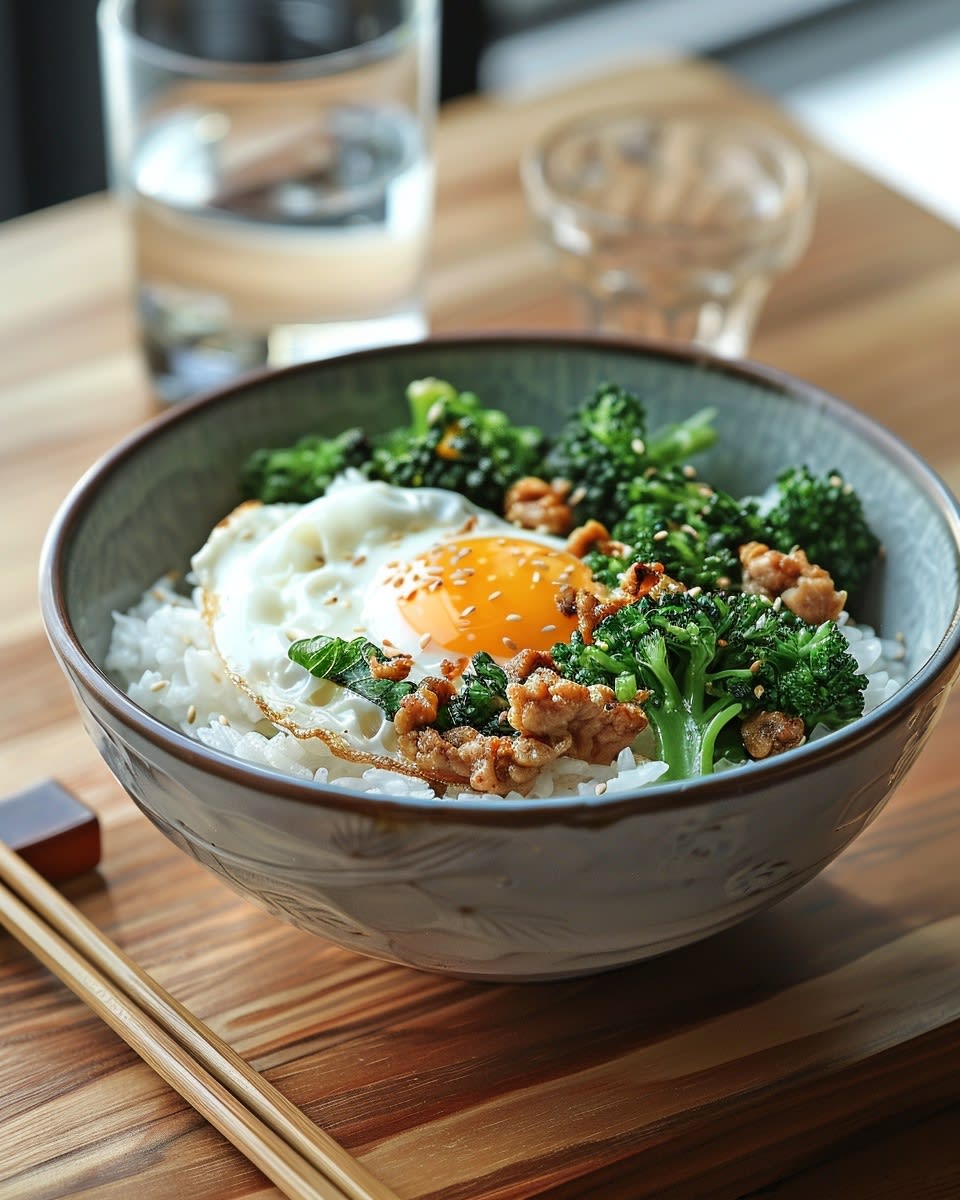
Why I Can’t Stop Making This Simple Rice Bowl with Fried Egg
Last Tuesday morning, I woke up late and hungry. My fridge was nearly empty, but I had rice left over from dinner and a few eggs. Ten minutes later, I was eating one of the most satisfying meals I’d had all week. That’s when I remembered why this simple combination has saved me countless times.
Welcome to my kitchen, where I love sharing simple and delicious recipes that you can make at home. Today, I’m excited to introduce you to a dish that’s both comforting and versatile: the Rice Bowl with Fried Egg. This isn’t fancy restaurant food. It’s real home cooking that actually works for busy people like you and me.
This meal is not just about the basics. It’s a canvas for creativity, allowing you to add your favorite flavors and ingredients to make it uniquely yours. Some days I keep it plain with just salt and pepper. Other days I pile on vegetables, hot sauce, and whatever leftovers I find in my fridge. The beauty is that it works either way.
I learned this recipe from my college roommate who grew up eating rice bowls every morning. She taught me that you don’t need complicated ingredients or fancy cooking skills to make something truly good. You just need to understand a few simple techniques.
What Makes a Rice Bowl with Fried Egg So Special?
The magic of this dish lies in its simplicity and versatility. It’s perfect for any time of the day, whether it’s a quick breakfast, a hearty lunch, or a satisfying dinner. I’ve eaten this meal at 7 AM before work and at midnight after a long day. It hits the spot every single time.
The combination of fluffy rice and a perfectly fried egg creates a base that’s both filling and flavorful. When you break that yolk and watch it run through the warm rice, something special happens. The richness of the egg transforms plain rice into something almost creamy and luxurious.
Here’s what I love most about rice bowls with fried eggs:
- They cost less than three dollars to make
- You can prepare one in under 15 minutes
- They use ingredients you probably already have
- You can customize them in endless ways
- They provide lasting energy without feeling heavy
- Leftovers actually taste good the next day
My kids used to turn their noses up at “boring” rice and eggs. Then I started letting them build their own bowls. Now they request them twice a week. My daughter adds sriracha and green onions. My son prefers soy sauce and sesame seeds. Same base, completely different meals.
The protein from the egg keeps you full for hours. I used to grab sugary breakfast bars on my way out the door, then crash by mid-morning. Since switching to rice bowls, my energy stays steady until lunch. The complex carbs in rice give you fuel that lasts.
This dish also works for any diet preference. Need more protein? Add two eggs instead of one. Want extra vegetables? Toss in whatever you have on hand. Following a gluten-free diet? This naturally fits. You control every ingredient, which means you control the nutrition.
The Comfort Food That Actually Makes Sense
I call this my “bad day” meal. When everything goes wrong and I’m too tired to think about cooking, I make a rice bowl with fried egg. Something about the warm rice and runny yolk feels like a hug in a bowl.
My mom used to make a version of this when I was sick as a kid. She’d add a little butter to the rice and cook the egg until the edges got crispy. I still make it her way when I need comfort. The memories come flooding back with every bite.
But this isn’t just comfort food. It’s practical food that fits into real life. You can meal prep the rice on Sunday and have the base ready all week. Cook a fresh egg each morning and you have breakfast in five minutes. No drive-through needed.
I’ve made this dish in tiny apartment kitchens and fancy suburban homes. The location doesn’t matter. You need a pot for rice, a pan for the egg, and a bowl to eat from. That’s it. No special equipment or hard-to-find tools required.
The technique is forgiving too. Burn the egg a little? The crispy edges actually taste great. Rice too soft? Mix in the egg and it all comes together. Forget to season? Add flavor at the table. You can’t really mess this up.
Friends always seem surprised when I tell them how often I eat rice bowls. They think it sounds boring. Then they try one. The combination of textures changes everything. Fluffy rice, crispy egg edges, creamy yolk, and whatever toppings you add create layers of flavor and texture.
I started tracking how much money I save making these instead of buying breakfast out. Over a month, I saved more than $60. That’s $720 a year just from one simple change. The food tastes better and costs less. It’s a win on both sides.
This recipe has become my go-to recommendation for new cooks. If you can boil water and crack an egg, you can make this. It builds confidence in the kitchen. My nephew learned to cook his first meal using this recipe. Now he’s experimenting with other dishes too.
The best part? This rice bowl adapts to whatever you have available. Leftover chicken from last night? Chop it up and add it in. Half a bell pepper in the crisper? Dice and sauté it. That bottle of hot sauce collecting dust? Now it has a purpose. Nothing goes to waste.


Getting Your Ingredients Right Makes Everything Better
Now that you understand why this dish works so well, let’s talk about what actually goes into your bowl. I used to think all rice was basically the same and any egg would do the job. Then I started paying attention to what I was buying, and suddenly my rice bowls went from good to genuinely crave-worthy.
The rice you choose changes everything about this dish. I’ve experimented with pretty much every type I could find at my local grocery store, and each one brings something different to the table. Jasmine rice is my weekday favorite because it cooks up fluffy and slightly fragrant without being overwhelming. The natural aroma pairs beautifully with a fried egg, especially when you add a drizzle of soy sauce.
My neighbor swears by basmati rice for her breakfast bowls. She’s originally from Pakistan and grew up eating it daily. When I tried her version, I got it. Basmati has these long, separate grains that don’t clump together. Each grain stays distinct, which means the egg yolk coats everything more evenly. If you’re planning to add lots of toppings, basmati gives you a sturdier base that won’t turn mushy.
Here’s the thing though. Brown rice completely changes the game nutritionally. I switched to brown rice for a month just to see what would happen. My energy levels stayed higher, and I didn’t get hungry again an hour later. The nutty flavor actually complemented the egg better than I expected. The only downside? It takes about 40 minutes to cook, so I started making big batches on Sunday nights.
Short-grain white rice creates an entirely different experience. It’s stickier and almost creamy when mixed with egg yolk. My college roommate who taught me this recipe always used short-grain because that’s what her family preferred. When you’re eating with chopsticks, that stickiness actually helps. I keep both jasmine and short-grain in my pantry now, depending on my mood.
The eggs matter more than you’d think. I used to grab whatever was cheapest, but then my cousin who raises chickens gave me a dozen from her henhouse. The yolks were this deep orange color, and the flavor was completely different. Richer, almost buttery. I’m not saying you need farm-fresh eggs every time, but fresher really does taste better.
You can test egg freshness with a simple water trick. Fill a bowl with water and gently place your egg in it. Fresh eggs sink and lay flat on the bottom. Older eggs start to stand up or even float. I learned this from my grandmother who never wasted food. Now I check my eggs before I cook, and I use the oldest ones for baked dishes where the taste difference matters less.
When I’m at the store, I open the carton and look for cracks. Sounds obvious, but I’ve grabbed cracked eggs in a rush more times than I’d like to admit. Also check the sell-by date, obviously, but the water test at home tells you more. Store eggs in the main part of your fridge, not the door. The temperature stays more consistent there.
Adding vegetables transforms your simple rice bowl into something that actually counts as a balanced meal. I used to feel guilty eating just rice and egg, like I was being lazy about nutrition. Then I started keeping pre-washed spinach in my fridge. Throw a handful in the pan after the egg cooks, let it wilt for thirty seconds, and boom. You’ve got greens.
Bell peppers add this nice crunch and sweetness that contrasts with the soft rice. I dice them small, about the size of peas, and keep them in a container for the week. Red and yellow peppers taste sweeter than green ones, which can be slightly bitter. My kids will eat the red ones but pick out green, so I stick with the colorful varieties.
Carrots need a bit more attention since they’re harder. I either grate them raw for a fresh crunch or sauté thin slices until they soften. The grated version saves time, which matters on busy mornings. Sometimes I prep a mix of grated carrots, diced peppers, and sliced green onions on Sunday, store it in the fridge, and grab a handful each morning.
Frozen vegetables work fine too. I keep a bag of mixed veggies in my freezer for emergencies. You can toss them in while the rice finishes cooking or microwave them separately. They’re already washed and chopped, which removes most of the work. The texture isn’t quite as crisp as fresh, but when you’re short on time, it beats skipping vegetables entirely.
The Secret to Rice That Actually Turns Out Right
I ruined rice for the first six months I lived alone. Sometimes it was crunchy in the middle. Other times it turned into weird mush. My roommate finally sat me down and walked me through it step by step, and I realized I’d been making the same mistakes over and over.
The water-to-rice ratio is where most people mess up, including past me. For white rice, I use a ratio of 1 cup rice to 1.5 cups water. Some people say 2 cups water, but that always makes my rice too soft. Brown rice needs more water, usually 1 cup rice to 2.5 cups water, because it takes longer to cook through. Write these ratios down somewhere visible until they stick in your brain.
Rinsing rice before cooking changed everything for me. I used to skip this step because it seemed pointless. Then I learned it removes excess starch that makes rice gummy. Put your rice in a fine-mesh strainer and run cold water over it, stirring with your hand, until the water runs mostly clear. Takes maybe two minutes but makes a huge difference in texture.
For stovetop cooking, bring the water to a full boil first, then add your rinsed rice. Give it one good stir, reduce the heat to the lowest setting, and cover with a tight-fitting lid. This part is important: don’t lift the lid to check on it. I know it’s tempting. I used to peek constantly. But every time you lift that lid, steam escapes and your rice won’t cook evenly.
Set a timer for 15 minutes for white rice, 40-45 minutes for brown rice. When the timer goes off, turn off the heat but leave the pot covered for another 10 minutes. This resting time lets the rice finish steaming and become perfectly fluffy. Then fluff it with a fork, not a spoon. A fork separates the grains better without mashing them.
Rice cookers are honestly worth the investment if you eat rice regularly. I resisted buying one for years because I thought it was a waste of counter space. My sister finally convinced me to try hers, and I bought my own the next week. You dump in rice and water, press a button, and walk away. It turns off automatically when the rice is done. No watching, no timing, no burned pots.
The ratios stay the same in a rice cooker, but you don’t have to worry about heat levels or timing. I make rice while I’m getting ready for work, and it’s waiting when I need it. Most rice cookers have a “keep warm” function that holds your rice at the perfect temperature for hours. Similar to how quick stir fry dishes benefit from prep work, having rice ready to go makes throwing together a bowl almost effortless.
Instant Pots cook rice faster, which matters when you forget to start dinner until everyone’s already hungry. Use the same 1:1.5 ratio for white rice, seal the lid, and set it to high pressure for 3 minutes. Yes, just 3 minutes. Then let it naturally release pressure for 10 minutes. The total time is about 20 minutes including pressurizing, which beats stovetop cooking.
The most common mistake I see people make is using too much water. Their rice turns mushy and sticky in a bad way. If this happens to you, try reducing the water by a quarter cup next time. Every pot and stove is slightly different, so you might need to adjust. I had to use less water when I moved to a new apartment with a different stove.
Undercooking is less common but more fixable. If you bite into your rice and it’s still crunchy in the center, add a quarter cup of water, cover it again, and cook for another 5 minutes. The extra moisture will finish cooking those hard centers. I’ve salvaged many batches this way.
Seasoning your rice while it cooks adds flavor without extra work. I often throw a pinch of salt into the cooking water, just like I would for pasta. Some days I add a small piece of butter or a splash of olive oil, which keeps the grains from sticking together and adds subtle richness.
Bay leaves are my secret weapon for everyday rice. Drop one or two dried bay leaves into the pot before cooking. They add this gentle herbal background flavor that makes people wonder what you did differently. Remove them before serving though, since eating a whole bay leaf is unpleasant. My aunt taught me this trick, and now I rarely make plain rice without them.
For Asian-inspired rice bowls, I sometimes replace a quarter of the water with chicken or vegetable broth. The rice absorbs those savory flavors as it cooks, creating a base that’s already seasoned. This works especially well if you’re keeping your toppings simple. Just remember that broth contains salt, so skip adding extra salt to the cooking water.
Garlic powder and onion powder stirred into dry rice before adding water create this subtle savory note. I use maybe a quarter teaspoon of each for 2 cups of dry rice. It’s not enough to taste distinctly like garlic or onion, but it makes the rice more interesting. My son who claimed to hate rice now asks specifically for “the good rice” when I make it this way.
Fresh herbs added after cooking keep their bright flavor better than if you cook them with the rice. I stir in chopped cilantro, parsley, or green onions right before serving. If you’re meal prepping, wait to add fresh herbs until you’re actually eating your bowl. They stay vibrant and fresh instead of wilting into sad brown bits throughout the week, which is something I learned after ruining a whole week’s worth of meal prep once.


Mastering the Fried Egg for Your Rice Bowl
Alright, you’ve got your perfectly cooked rice waiting. Now comes the part that used to intimidate me more than it should have—frying an egg. I burned so many eggs when I first started cooking that my roommate joked about installing a smoke detector just above the stove. But here’s what I eventually figured out: once you understand what’s actually happening in that pan, frying an egg becomes almost automatic.
The pan temperature makes or breaks your egg. I used to crank the heat to high because I was impatient and wanted breakfast faster. Every single time, the bottom burned before the white fully set. Medium heat is your friend here. Heat your pan for about a minute before adding any oil or butter. You can test if it’s ready by flicking a tiny drop of water into the pan—if it sizzles and evaporates quickly, you’re good to go.
Choosing between oil and butter changes the flavor profile completely. Butter gives you that rich, slightly nutty taste, especially if you let it brown just a bit. I use butter when I’m making a simple bowl without many toppings, because that butter flavor really shines through. Olive oil works great for Mediterranean-style bowls with tomatoes and feta. Sesame oil creates an Asian-inspired flavor that pairs beautifully with soy sauce and green onions. Coconut oil is my go-to when I’m adding spicy elements, since it has a higher smoke point and won’t burn as easily.
Use enough fat to coat the bottom of the pan generously. I’m talking about a full tablespoon, not just a little spray. This prevents sticking and helps create those crispy edges that make a fried egg actually interesting. My grandmother used to say you can’t fry an egg in a dry pan, and she was absolutely right. The egg should sizzle immediately when it hits the fat.
Crack your egg into a small bowl first, not directly into the pan. This extra step saves you from fishing out shell pieces while your egg overcooks. I learned this the hard way after ruining three eggs in a row trying to extract tiny shell fragments with a spoon. Plus, pouring from a bowl gives you more control over where the egg lands in the pan.
For a sunny-side up egg, which is my personal favorite for rice bowls, pour the egg gently into the pan and leave it alone. Seriously, don’t touch it. Let it cook undisturbed for about 3 minutes over medium heat. The white will set from the bottom up while the yolk stays liquid. If the top white is still translucent and jiggly, cover the pan with a lid for the last 30 seconds. The trapped steam finishes cooking the top without flipping.
The crispy edge trick changed my entire relationship with fried eggs. Once the white is mostly set but still has a little jiggle, tilt your pan slightly so the hot oil pools on one side. Use a spoon to scoop up that hot oil and drizzle it over the edges of the egg white. The edges will bubble up and turn golden brown and crispy. This takes maybe 20 seconds but adds so much texture. Sometimes I get the edges so crispy they’re almost lacy, which is absolutely delicious against soft rice.
Over-easy eggs require a flip, which used to terrify me. Here’s the method that finally worked: let the egg cook sunny-side up until the white is completely set and no longer translucent. Slide a thin spatula under the entire egg, making sure nothing is stuck. In one confident motion, flip it away from yourself. Cook for literally 15 seconds, maybe 20 if you want the yolk slightly less runny. Any longer and you’ve got an over-medium or over-hard egg, which is fine if that’s what you want, but not great if you’re after that runny yolk for your rice.
My brother-in-law prefers over-hard eggs, which I used to think was weird until I tried his version. He cooks them until the yolk is completely solid, then chops the whole egg right in the pan and mixes it through the rice like a fried rice situation. It’s actually really good, especially if you add soy sauce and vegetables. Different from the classic runny yolk experience, but delicious in its own way.
Seasoning the egg while it cooks makes a bigger difference than adding salt after. As soon as the egg hits the pan, sprinkle salt and black pepper over the top. The seasoning adheres to the egg as it cooks instead of just sitting on the surface. I use more salt than you’d think—maybe a quarter teaspoon for one egg. Eggs can handle a lot of seasoning.
Beyond basic salt and pepper, I experiment with different seasonings depending on my mood. Garlic powder and paprika create a slightly Spanish vibe. Everything bagel seasoning is amazing on eggs and adds sesame seeds, dried garlic, dried onion, and poppy seeds all at once. Red pepper flakes give you heat without needing hot sauce. Dried herbs like oregano or thyme work too, though I prefer adding fresh herbs after cooking so they stay bright.
Furikake, a Japanese rice seasoning, sprinkled on the egg while it cooks is a total game-changer. My coworker brought some back from a trip to Tokyo and shared it with me. It’s got seaweed, sesame seeds, dried fish, and salt all mixed together. Sounds weird, tastes incredible. You can find it at Asian grocery stores or online, and one bottle lasts forever.
Building Your Perfect Rice Bowl
Now we get to the fun part—putting everything together. I used to just dump rice in a bowl and plop an egg on top, and honestly, that works fine. But taking an extra minute to actually build your bowl makes it more enjoyable somehow. It’s the difference between eating fuel and eating a meal.
Start with warm rice as your base, and here’s a tip I wish someone had told me earlier: fluff the rice right before you add it to the bowl. Use a fork to separate the grains, which prevents dense, compacted rice at the bottom. Pack it down just slightly so your toppings have a stable foundation. I fill my bowl about two-thirds full with rice, leaving room for the egg and everything else.
The egg placement matters more than you’d think. I put mine slightly off-center rather than dead in the middle. This gives me room to arrange other ingredients around it. If the yolk is runny, I’ll sometimes make a small well in the rice for the egg to nestle into, which prevents it from sliding around. When I break the yolk, it flows down into the rice instead of all over the sides of the bowl.
Layering your vegetables creates visual interest and also affects how the flavors mix. I usually put cooked vegetables under the egg where they’ll stay warm, and fresh vegetables like sliced cucumber or shredded carrots around the sides. Leafy greens go on top where they wilt slightly from the heat of the egg but don’t completely cook. This variety of textures makes each bite different.
Color matters, and I’m not just being Instagram-obsessed here. When your bowl looks good, you enjoy eating it more. That’s not superficial—that’s human psychology. I try to include at least three colors beyond white rice and yellow egg. Red bell peppers, green onions, purple cabbage, orange carrots—whatever I have on hand. Even just a sprinkle of black sesame seeds adds contrast.
Sauces and condiments are where you really personalize your bowl. Soy sauce is the classic choice, and I drizzle it around the edges rather than dumping it all in one spot. This way you can mix as much or as little as you want into each bite. Low-sodium soy sauce gives you more control over the salt level, especially since you’ve already seasoned your egg and possibly your rice.
Sriracha or gochujang add heat with different flavor profiles. Sriracha brings vinegary spice, while gochujang gives you fermented depth and a hint of sweetness. I draw a little zigzag of sriracha across the top, which looks nice and also lets me gauge how much heat I’m getting. My daughter does dots of sriracha like she’s creating art, and honestly, her bowls always photograph better than mine.
Sesame oil used as a finishing drizzle adds this incredible nutty aroma. Just a few drops—this stuff is potent. I pour a tiny bit into a spoon first, then drizzle it over the bowl. Too much makes everything taste overwhelmingly sesame-flavored. Toasted sesame oil is worth seeking out if you can find it, since it has more depth than regular sesame oil.
Toasted sesame seeds scattered on top provide crunch and visual appeal. I keep a jar of them in my pantry specifically for rice bowls. White sesame seeds, black sesame seeds, or a mix both work. Sometimes I’ll toast them myself in a dry pan for a couple minutes until they smell fragrant, which intensifies the flavor. Let them cool before sprinkling or they’ll roll right off your egg.
Chopped green onions or scallions are my number one garnish. They add brightness, color, crunch, and a mild onion flavor that works with basically everything. I slice them thin on a diagonal, which looks fancier than straight cuts and isn’t any harder. Both the white and green parts work, though I prefer the green tops for their color and milder taste.
Fresh cilantro, basil, or mint can transform your bowl depending on what direction you’re going flavor-wise. Cilantro works with Asian or Mexican-inspired bowls. Basil leans Italian or Thai. Mint adds freshness that cuts through rich egg yolk beautifully. I tear the herbs roughly rather than chopping them, which releases more of their oils and aromatics.
Pickled vegetables add acidity that balances the richness of the egg. I keep a jar of pickled radishes or quick-pickled cucumbers in my fridge. The tangy crunch wakes up your palate between bites. You can buy them pre-made or pickle your own—slice vegetables thin, cover with vinegar, add a pinch of sugar and salt, and let them sit for at least 30 minutes. They’ll keep in the fridge for weeks, providing an easy way to make meals feel more complete, much like the fresh elements that brighten up any easy lunch recipe you’re putting together.
Avocado slices add creaminess and healthy fats. I usually place them on the side rather than mixing them in, since they can get mushy. A squeeze of lime over the avocado prevents browning and adds brightness. Half an avocado is usually plenty for one bowl, and the leftovers can go in tomorrow’s bowl if you store the half with the pit still in it and wrap it tightly.
Protein additions turn your rice bowl into a complete meal if you’re extra hungry. Leftover grilled chicken, sliced thin, fits perfectly. Cooked shrimp adds a fancy touch without much work—I buy pre-cooked frozen shrimp and just warm them up. Crispy bacon or sausage crumbles bring breakfast vibes. Even a spoonful of black beans or chickpeas boosts the protein and fiber content. According to research on maintaining a nutritious diet, including diverse protein sources throughout the day helps maintain energy levels and supports overall health.
Nori sheets torn into pieces add umami and a subtle ocean flavor. I buy the roasted seaweed snacks and tear them up right before eating, since they lose their crispness quickly once exposed to steam. My kids actually love these, which surprised me since they’re picky about most things.
Crispy fried onions or garlic give you textural contrast and intense flavor. You can buy them pre-made in the Asian food section, or make your own by frying thinly sliced onions or garlic in oil until golden. I tried making my own once and set off the smoke alarm, so now I buy them. No shame in using shortcuts that work.
A drizzle of Japanese mayo mixed with sriracha creates a spicy, creamy sauce that looks professional and tastes amazing. Japanese mayo is richer and less acidic than American mayo, which makes it perfect for this application. Mix equal parts mayo and sriracha, thin it out with a few drops of water if it’s too thick, and drizzle it over your bowl in a decorative pattern.
When you’re eating solo, you can be as messy as you want. I break my yolk first thing and mix it all through the rice so every bite is coated. But when I’m serving this to guests, I leave the yolk intact so they can break it themselves—there’s something satisfying about being the one to break that golden yolk and watch it run through the rice.
For family-style serving, I set out all the toppings and sauces in small bowls and let everyone build their own. This solves the problem of different preferences and also makes weeknight dinners feel more interactive. My kids get excited about choosing their own toppings, and they eat more when they’ve customized their bowls.
The best way to eat this bowl, in my opinion, is with a spoon rather than a fork. A spoon lets you scoop up rice, egg, and toppings all in one bite. If you’re comfortable with chopsticks, they actually work great too for picking up individual components. Just have a spoon handy for the rice at the bottom.
Eating it while it’s still warm is ideal, but honestly, I’ve eaten lukewarm rice bowls during particularly hectic days and they’re still good. The egg yolk acts as a sauce even when things cool down a bit. I wouldn’t let it sit for hours, but if you need to make it and eat 15 minutes later, it’ll be fine.
Photography tip if you want your bowl to look as good as it tastes: natural light near a window is your best friend. I take my bowl to the dining room table before I eat and snap a quick picture from above. The bird’s-eye view shows all your toppings nicely. Wipe any drips from the edge of the bowl before shooting. I’m not a professional photographer, but these simple tricks make my bowls look restaurant-quality.
Questions People Actually Ask About Rice Bowls with Fried Eggs
What are some good side dishes to go with a rice bowl with fried egg?
Honestly, a well-built rice bowl is a complete meal on its own, but sometimes I’ll add a side of miso soup or a simple cucumber salad. The soup adds warmth and umami, while the salad provides a cool, refreshing contrast. Kimchi is another great option that adds probiotics and tangy heat. If I’m serving this for dinner and want to make it feel more substantial, I’ll add some edamame or a small side of sautéed greens. The key is keeping sides light so they complement rather than compete with your bowl.
Can I use leftover rice for this recipe?
Leftover rice actually works better than fresh rice for this dish in some ways. Day-old rice has dried out slightly, which means it won’t get mushy when you mix in the egg yolk. Just reheat it in the microwave with a damp paper towel over the bowl to add back some moisture, or warm it in a pan with a splash of water. I intentionally make extra rice at dinner specifically so I can make rice bowls the next morning. Cold rice straight from the fridge works too if you’re in a rush, though I prefer it at least room temperature.
How do I keep the egg from sticking to the pan?
Use enough fat—that’s the main secret. A full tablespoon of butter or oil prevents sticking better than cooking spray. Make sure your pan is properly heated before adding the egg, and resist the urge to move it around. Let it cook undisturbed for at least two minutes. A non-stick pan makes life easier, obviously, but I’ve successfully fried eggs in stainless steel pans using plenty of butter. If your egg does stick, slide a thin spatula underneath gently rather than forcing it, and accept that sometimes the egg breaks and that’s totally okay.
Is there a vegetarian version of this dish?
The basic rice and egg version is already vegetarian, as long as you’re someone who eats eggs. If you’re vegan, you could substitute a tofu scramble for the fried egg—crumble firm tofu, season it with turmeric for color, add nutritional yeast for a cheesy flavor, and cook it until slightly crispy. Another option is a over-medium fried avocado slice, which sounds strange but is surprisingly good. Load up on vegetables, add some chickpeas for protein, and use vegetable-based sauces. The foundation of rice plus toppings works for any dietary preference.
Can I make this dish ahead of time?
You can definitely prep components ahead, but I wouldn’t assemble the complete bowl until you’re ready to eat. Cook a big batch of rice on Sunday and store it in the fridge for up to five days. Chop your vegetables and store them in containers. Pre-make any sauces you want to use. Then each morning or whenever you’re eating, reheat rice, fry a fresh egg, and assemble. The egg is really the only thing that doesn’t hold well, since reheated eggs get rubbery. I’ve tried meal-prepping complete bowls and they’re honestly disappointing compared to fresh.
What are some protein options to add to the rice bowl?
Beyond the egg itself, leftover grilled chicken is my most common addition. Cooked shrimp, either fresh or frozen and reheated, works beautifully. Pan-fried tofu gives you vegetarian protein with a nice crispy texture. Canned tuna mixed with a little mayo and soy sauce creates a completely different but equally delicious bowl. Edamame adds plant-based protein and bright green color. Even a handful of roasted chickpeas contributes protein plus crunch. Ground meat cooked with garlic and ginger turns your bowl into something closer to a Korean-style bibimbap.
How do I store leftover rice and egg?
Store rice and egg separately, not assembled together. Rice keeps in an airtight container in the fridge for four to five days. Let it cool completely before refrigerating to prevent bacterial growth. For the egg, I honestly don’t recommend storing fried eggs—they just don’t reheat well. If you absolutely must save one, store it in a covered container and eat it cold or reheat very gently, but expect the texture to be different. It’s better to just cook eggs fresh each time and only prep the rice and toppings in advance.
Can I use different types of eggs, like quail or duck eggs?
Absolutely, though the cooking time adjusts for different sizes. Quail eggs are tiny and cook in maybe 90 seconds, so you’d want to use three or four per bowl. They look really impressive all arranged on top of the rice. Duck eggs are larger than chicken eggs with richer, creamier yolks—one duck egg is plenty for a bowl. They take slightly longer to cook, maybe an extra minute. The technique stays the same regardless of egg type. I’ve used duck eggs a few times when my neighbor who raises ducks shares them, and the extra richness is noticeable.
What’s the best way to reheat leftover rice without drying it out?
Sprinkle a tablespoon or two of water over the rice before reheating—this creates steam that re-moisturizes the grains. Cover the bowl with a damp paper towel if you’re using the microwave, which traps steam. Microwave in 30-second intervals, stirring between each interval, until heated through. On the stovetop, add the rice to a pan with a splash of water over medium-low heat, cover it, and stir occasionally until warm. You can also steam leftover rice in a steamer basket, which brings it back to almost-fresh texture. The water is key regardless of method.
How can I make my rice bowl more filling if I’m really hungry?
Add a second egg—that’s the easiest way to boost satisfaction. Including more protein like chicken, tofu, or beans makes a huge difference in how long you stay full. Using brown rice instead of white rice adds fiber that keeps you satisfied longer. Load up on vegetables, especially starchy ones like sweet potato or butternut squash. Adding avocado contributes healthy fats that increase satiety. Honestly, don’t be afraid to make a bigger bowl if you’re hungry. I sometimes use what seems like an embarrassing amount of rice, but if it keeps me full and happy, who cares.
This rice bowl with fried egg has become more than just a recipe in my kitchen—it’s turned into a reliable friend that shows up when I need something quick, satisfying, and endlessly adaptable. Start with the basic version, then follow your cravings and creativity wherever they lead you. The best version is the one that makes you actually excited to eat it.
Ingredients
Equipment
Method
- Rinse the rice under cold water until the water runs clear.
- Combine rice and water in a pot, bring to a boil, then reduce heat to low, cover, and cook for 15 minutes.
- While the rice is cooking, heat a pan over medium heat and add butter or oil.
- Crack the egg into a bowl, then pour it gently into the preheated pan. Cook the egg undisturbed for about 3 minutes until the white is set.
- Season the egg with salt and pepper. If desired, create crispy edges by tilting the pan and spooning hot oil over the egg edges.
- Once the rice is fully cooked, fluff it with a fork and serve it in a bowl. Place the fried egg on top of the rice.
- Add any desired toppings like vegetables, sauces, or herbs.