
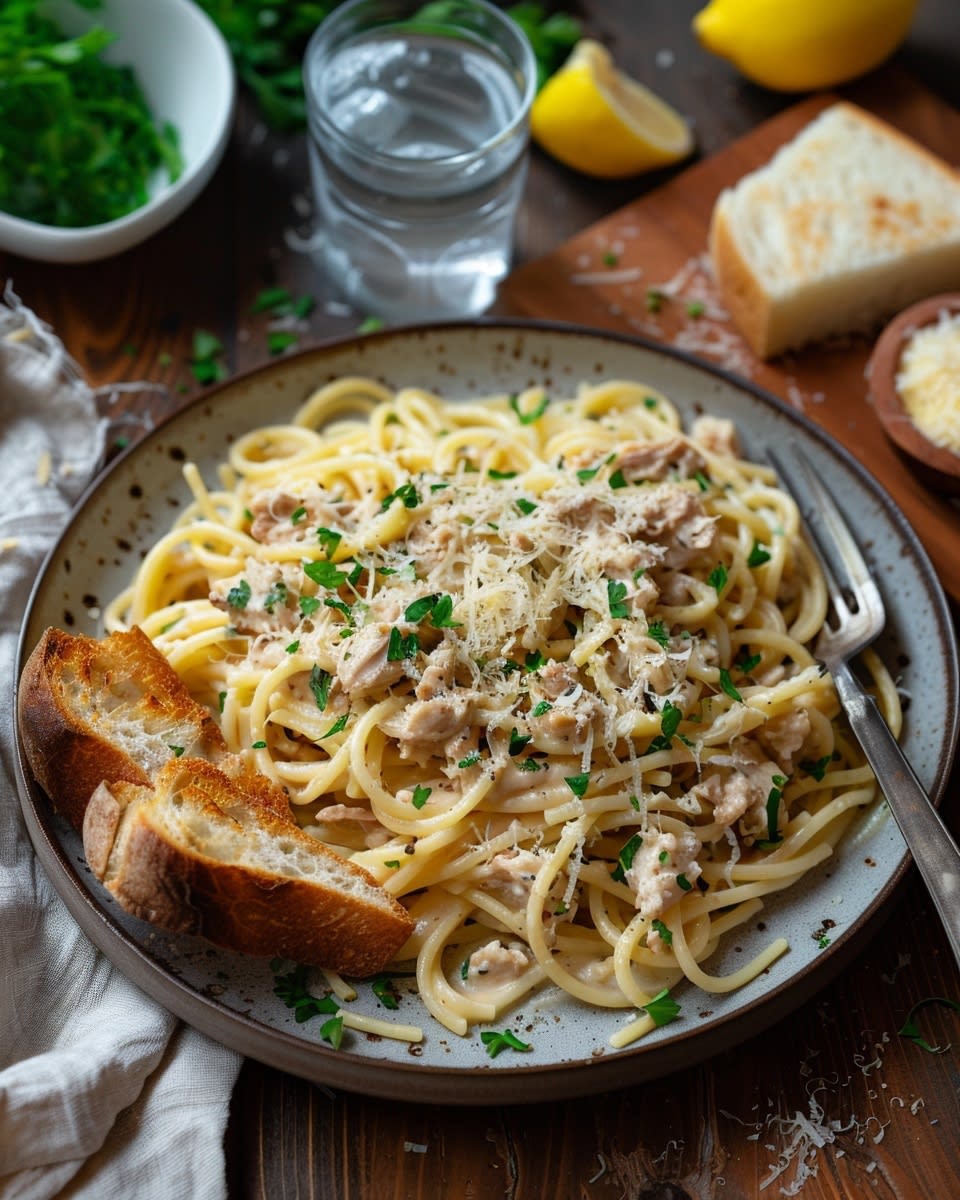
Why This Simple Tuna Pasta Recipe Will Become Your Go-To Meal
Last Tuesday, I stared at my pantry at 6 PM with zero energy and even less motivation to cook. My kids were hungry, and I hadn’t planned dinner. Then I spotted a can of tuna and a box of pasta. Twenty minutes later, we were all sitting down to a meal that had everyone asking for seconds. That’s the magic of simple tuna pasta.
Welcome to my kitchen, where I love sharing simple and tasty recipes that anyone can make. Today, I’m excited to share with you a recipe for simple tuna pasta, a dish that’s not only easy to prepare but also incredibly satisfying. This recipe is perfect for busy weeknights or when you’re craving something comforting and delicious.
I’ve been making this meal for years. It’s saved me countless times when life gets hectic. The best part? You probably have most of these ingredients sitting in your pantry right now. No last-minute grocery runs. No fancy cooking skills needed. Just good food made fast.
People often think pasta dishes need to be complicated to taste good. That’s not true. Some of my favorite meals use just a handful of ingredients. This tuna pasta recipe proves that simple cooking can deliver amazing flavors. You don’t need hours in the kitchen to feed your family something they’ll actually enjoy.
What Makes This Tuna Pasta Recipe So Special
I’ve tried many versions of canned tuna pasta over the years. Some were too dry. Others were bland and boring. This recipe hits the sweet spot. It’s creamy without being heavy. It’s flavorful without overwhelming your taste buds.
The secret is in how you combine the ingredients. You’re not just dumping tuna on pasta. We’re building layers of flavor that work together. The garlic adds depth. The olive oil brings richness. And the tuna provides that protein punch that makes this meal actually filling.
This dish works for so many situations. Need a quick lunch? Done. Want something warm for dinner? Perfect. Bringing food to a potluck? This travels well. I’ve even packed it cold for picnics, and it still tastes great.
My neighbor once told me she doesn’t cook with canned tuna because she doesn’t know what to do with it. I made her this recipe, and now she makes it twice a week. That’s how easy and good it is.
How to Make a Simple Tuna Pasta (The Basics)
Let me walk you through the basic process before we get to the detailed recipe. Understanding the steps helps you feel confident in the kitchen. Plus, once you know the method, you can start making your own variations.
First, you’ll cook your pasta according to the package directions. Nothing fancy here. Just boil water, add salt, and cook until the pasta is done. I usually taste a piece to check. It should be tender but still have a little bite to it.
While the pasta cooks, you’ll prepare the sauce. This is where the flavor happens. You’ll heat olive oil in a pan, add minced garlic, and let it smell amazing for about a minute. Then you’ll add your other ingredients based on which version you’re making.
The final step is combining everything. You’ll drain the pasta, mix it with your sauce, and add the tuna. Stir it all together, and you’re done. The whole process takes about 20 minutes from start to finish.
Ingredients for Simple Tuna Pasta
Before we start cooking, let’s take a look at the ingredients you’ll need. For this simple tuna pasta, you’ll need canned tuna, pasta (I prefer penne), olive oil, garlic, and a few other pantry staples. Don’t worry; I’ll list all the exact quantities in the recipe section.
The type of pasta you choose matters more than you might think. I like penne because the tube shape holds the sauce well. But rigatoni, fusilli, or even spaghetti work fine. Use what you have. The pasta police won’t come knocking.
For the tuna, I recommend buying canned tuna in olive oil instead of water. It adds more flavor and keeps the pasta from drying out. That said, if you only have tuna in water, drain it well and add a bit more olive oil to your recipe.
If you’re looking for a creamy version, you can add some cream or mayo. But if you prefer a lighter option, a simple tomato-based sauce will do the trick. I’ll show you both methods because they’re equally delicious.
Different Ways to Make Your Tuna Pasta
One reason I love this recipe is how flexible it is. You can make tuna pasta with mayo for a creamy, rich dish. Or try tuna pasta with tomato for something lighter and brighter. Both versions are fantastic.
The tuna pasta recipe creamy version uses either heavy cream or cream cheese. You add it to the pan with the garlic and let it melt into a smooth sauce. It’s comfort food at its finest. My kids prefer this version on cold days.
For simple tuna pasta without cream, you’ll use tomatoes instead. Either canned diced tomatoes or fresh cherry tomatoes work great. The tomatoes add moisture and a slight tang that balances the richness of the tuna and olive oil.
Some people ask me what sauce goes best with canned tuna. Honestly, it depends on your mood. Creamy sauces make the dish feel more indulgent. Tomato sauces keep things fresh and light. I rotate between both depending on what I’m craving.
You can also make a tuna pasta bake by transferring everything to a baking dish, topping it with cheese, and broiling it for a few minutes. The cheese gets bubbly and golden. It turns a simple meal into something that feels special.
What to Mix with Tuna and Pasta for Extra Flavor
Once you master the basic recipe, you can start adding extras. I like throwing in some vegetables to boost the nutrition. Frozen peas are my favorite because you don’t even need to thaw them. Just toss them in with the hot pasta.
Capers add a salty, briny punch that pairs beautifully with tuna. Just a tablespoon transforms the dish. Olives work too, especially black or kalamata olives. Chop them up and stir them in at the end.
Fresh herbs make everything taste brighter. Parsley is classic, but basil works if you’re making the tomato version. I keep dried herbs on hand for when I don’t have fresh ones. Italian seasoning is a good all-purpose choice.
Red pepper flakes give the dish a gentle kick. I add just a pinch because my kids don’t love spicy food. But if you enjoy heat, go ahead and add more. A squeeze of lemon juice at the end adds freshness and makes all the flavors pop.
Some people mix in different cheeses. Parmesan is traditional and adds a nice salty note. Mozzarella makes it creamier. Feta gives it a Mediterranean twist. Play around and find your favorite combination.
Tips for Cooking Pasta with Canned Tuna
Let me share some tricks I’ve learned over the years. These small details make a big difference in how your tuna pasta ingredients come together.
Always save some pasta water before draining. That starchy water is gold. If your pasta looks dry after mixing everything, add a splash of pasta water. It helps the sauce coat the noodles better and brings everything together.
Don’t overcook your pasta. It will continue cooking slightly when you mix it with the hot sauce. I usually drain it when it’s just barely done. This keeps it from getting mushy.
Drain your canned tuna well, even if it’s packed in oil. Too much liquid makes the dish watery. I press on the tuna with a fork to squeeze out extra moisture.
Add the tuna at the end and stir gently. You want chunks of tuna throughout the pasta, not a mush. Breaking it into too-small pieces ruins the texture.
Taste and adjust seasoning before serving. Canned tuna can be salty, so you might not need much extra salt. I usually add black pepper and sometimes a pinch of salt if needed.


How to Make Simple Tuna Pasta Step-by-Step
Now that you understand the basics and have those tips under your belt, let me walk you through the actual cooking process. I’m going to give you the full method here, and honestly, once you do this a couple times, you won’t even need to look at a recipe anymore. It becomes muscle memory, kind of like making a quick sandwich when you’re in a rush.
Grab your biggest pot and fill it with water. I use about 4 quarts for a pound of pasta. Add a generous amount of salt—don’t be shy here. I probably use about 2 tablespoons. The water should taste like the ocean. This is your only chance to season the pasta itself, so make it count. Place the pot on high heat and cover it with a lid to speed things up.
While you’re waiting for that water to boil—which always feels like forever when you’re hungry—get out a large skillet or frying pan. I prefer a pan that’s wide enough to toss the pasta around later. Medium-sized works fine, but bigger is better here. Pour in about 3 tablespoons of olive oil and turn the heat to medium.
Getting the Garlic Just Right
Here’s where things get good. Take 3 or 4 cloves of garlic and mince them up. I used to use a garlic press, but I actually prefer chopping by hand now. It releases less moisture and gives you more control over the size. Toss that minced garlic into your warm olive oil.
Now pay attention because garlic can go from perfect to burnt in about 15 seconds. I learned this the hard way when I got distracted by a phone call once and ended up with bitter, brown garlic. Not fun. You want it to sizzle gently and turn just barely golden. The smell will be incredible. Your whole kitchen will smell like an Italian restaurant. This takes about a minute, maybe 90 seconds tops.
Some people ask me if they can use pre-minced garlic from a jar. Sure, you can. I won’t judge. But fresh garlic really does make a difference in flavor. It’s one of those small things that elevates your simple tuna pasta from good to actually memorable.
Adding the Tuna and Building Flavor
By now your pasta water should be boiling. Go ahead and add your pasta—I’m using a pound of penne today. Give it a good stir so nothing sticks to the bottom. Set a timer based on the package directions. I usually aim for one minute less than suggested because remember, we’re finishing it in the pan.
Back to your skillet with that gorgeous garlic oil. Open your cans of tuna. I typically use two 5-ounce cans for a pound of pasta. Drain them really well. Even if you bought canned tuna in oil, you still want to drain most of it out. Add the tuna to your pan with the garlic.
Use a wooden spoon to break up the tuna chunks a bit, but don’t go crazy. You want some texture left. Let it cook with the garlic for about 2 minutes. This step seems simple, but it’s actually doing something important. The tuna is absorbing all that garlicky oil flavor and getting slightly warmed through.
The Creamy Version Method
If you’re making the creamy tuna pasta recipe creamy style, this is your moment. Pour in about half a cup of heavy cream or add about 4 ounces of cream cheese cut into cubes. I’ve used both, and they each work differently. Heavy cream gives you a lighter, silkier sauce. Cream cheese makes it thicker and tangier.
Stir everything together and let it simmer gently. The cream will start bubbling around the edges. If you used cream cheese, it’ll melt and get smooth as you stir. This takes about 3 minutes. Sometimes I add a pinch of red pepper flakes here for a subtle kick. Maybe a quarter teaspoon if I’m feeling adventurous.
Funny enough, I discovered you can also use a few spoonfuls of tuna pasta with mayo mixed with a bit of milk as a shortcut cream sauce. Sounds weird, but it works surprisingly well. The mayo melts into the warm pasta and creates this rich coating. My sister does it this way because she always has mayo but not always cream.
The Tomato-Based Approach
On the other hand, if you’re going for the lighter simple tuna pasta with tomato version, you’ll skip the cream entirely. Instead, grab a 14-ounce can of diced tomatoes. I prefer the kind with basil already added, but plain works fine too. Pour the whole can—juice and all—right into that pan with your tuna and garlic.
If you want more depth, add a tablespoon of tomato paste. This concentrates the tomato flavor and makes the sauce less watery. Stir it all together and let it simmer while your pasta finishes cooking. The tomatoes will break down a bit and create this light, fresh sauce that coats the pasta without feeling heavy.
I sometimes toss in a handful of cherry tomatoes cut in half along with the canned ones. They burst when they heat up and add these little pockets of sweetness. It’s similar to how I build flavors in my one pan veggie pasta, layering different textures and tastes.
Bringing Everything Together
Alright, your timer should be going off about now. Before you drain that pasta, grab a coffee mug and scoop out about a cup of the pasta cooking water. Set it aside. This is that liquid gold I mentioned earlier. You might not need it all, but it’s better to have it ready.
Drain your pasta in a colander. Give it a shake to get rid of excess water, but don’t rinse it. You want some of that starch clinging to the noodles. Immediately add the hot pasta directly into your skillet with the tuna sauce. This is the moment everything comes together.
Using tongs or two big spoons, start tossing everything together. Make sure every piece of pasta gets coated with sauce. If things look dry or the sauce isn’t coating well, add some of that reserved pasta water. Start with a quarter cup and add more if needed. The starch in the water helps the sauce stick to the pasta. It’s like magic.
Taste it now. Does it need salt? Probably not much because the tuna is already salty. But definitely add some freshly cracked black pepper. Be generous. I probably use about a teaspoon of pepper for the whole batch. If you’re making the tomato version, a tiny pinch of sugar can balance the acidity.
Final Touches That Make a Difference
Keep the heat on low and let everything hang out together for about a minute. This lets the pasta absorb more sauce and helps all the flavors marry. My grandmother used to say this resting moment is when the dish “finds itself.” I didn’t understand what she meant until I started cooking myself.
Right before serving, I like to add fresh stuff. Chop up a handful of fresh parsley and toss it in. The bright green looks beautiful, and the fresh herb flavor wakes everything up. If I have a lemon in the fridge, I squeeze half of it over the whole pan. That acid brightens everything and makes the tuna taste fresher.
Here’s a trick I learned from a friend who studied in Italy: add a drizzle of your best olive oil right at the end. Not the stuff you cooked with, but the fancy bottle you keep for special occasions. Just a tablespoon over the finished pasta adds this fruity, peppery note that makes people think you’re a better cook than you actually are.
Serving Your Simple Tuna Pasta
Divide the tuna pasta ingredients mixture among bowls or plates while it’s still hot. If you made the creamy version, it should look rich and glossy. The tomato version will be lighter and more rustic looking. Both are equally delicious, just different moods.
I usually put out some grated Parmesan cheese on the table so people can add their own. Some folks don’t like cheese with fish, which is a traditional Italian thing, but I’m not that strict about it. In my house, cheese goes on everything. Sometimes I’ll also set out extra red pepper flakes for anyone who wants more heat.
This dish is honestly best eaten right away while it’s hot. The pasta absorbs sauce as it sits, so leftovers can get a bit dry. That said, I’ve definitely eaten this cold straight from the fridge the next day, and it’s still pretty good. Similar to how rice bowls can be great at any temperature, this pasta is forgiving.
If you do have leftovers you want to reheat, add a splash of water or broth to the pan before warming it up. This brings the sauce back to life. You can also turn leftovers into a tuna pasta bake the next day by transferring everything to a baking dish, topping with mozzarella, and baking until bubbly. It’s like getting a completely different meal from the same base.
The whole process from boiling water to sitting down takes about 20 minutes. Maybe 25 if you’re moving at a relaxed pace. That’s faster than ordering delivery and definitely cheaper. Plus you know exactly what’s going into your food. No weird additives or mystery ingredients. Just real food that tastes good and fills you up. Kind of like throwing together a quick rice and egg bowl when you need something satisfying without the fuss.


Creative Ways to Transform Your Tuna Pasta
Here’s where things get really fun. Once you’ve made the basic version a few times, you’ll start seeing this recipe as a blank canvas. I remember the first time I got creative with mine—I had some leftover roasted red peppers from another meal, and I just threw them in. Game changer. Suddenly my simple tuna pasta felt fancy enough to serve to guests.
Let me share some of my favorite variations. These aren’t just random ideas I’m throwing at you. These are combinations I’ve actually tested in my kitchen, sometimes multiple times because my family asked for them again. Each one brings something different to the table, and you’ll probably find yourself rotating through them based on what you’re in the mood for.
The Mediterranean version is probably my most-requested variation. After you’ve mixed your pasta with the tuna, add a handful of kalamata olives—roughly chopped—and about two tablespoons of capers. The briny, salty punch these ingredients bring makes the whole dish taste like you’re eating at a seaside taverna. I also like to add some crumbled feta cheese on top. It doesn’t melt completely, so you get these pockets of tangy, creamy cheese throughout. Cherry tomatoes work beautifully here too, especially if you cut them in half and let them warm through with everything else.
Another twist I do regularly is the lemon-herb version. This one’s lighter and perfect for warmer weather. Use the basic recipe, but add the zest of a whole lemon along with the juice. Then throw in tons of fresh herbs—I use a combination of parsley, dill, and basil. The brightness completely transforms the dish. Sometimes I’ll add a handful of baby spinach at the very end. The residual heat wilts it just enough without making it mushy.
Boosting Nutrition Without Sacrificing Taste
I’m always looking for ways to sneak more vegetables into meals, especially when I’m feeding my kids. The beauty of tuna pasta recipes is that they’re forgiving enough to handle extra ingredients without losing their identity. You’re still eating tuna pasta, just with some bonus nutrition.
Frozen peas are my go-to addition. I buy the big bags and keep them on hand specifically for this. Just toss a cup or two into the colander right before you drain your pasta. The hot water thaws them instantly, and then they mix right in with everything else. They add sweetness, color, and fiber without any extra work. My kids don’t even notice they’re eating vegetables because everything’s coated in that delicious sauce.
Spinach works similarly well. If you’re using fresh spinach, add it right at the end when you’re tossing everything together. The heat wilts it down, and it practically disappears into the pasta. If you only have frozen spinach, thaw it first and squeeze out as much water as possible. Nobody wants a watery canned tuna pasta.
Broccoli florets are another winner. I’ll sometimes steam or roast them separately and then fold them in. Roasted broccoli is especially good because it adds a slightly charred, nutty flavor that contrasts nicely with the creamy sauce. Bell peppers—any color—add sweetness and crunch. I dice them small and sauté them with the garlic at the beginning.
By the way, making smart food choices doesn’t mean you have to sacrifice flavor. Adding vegetables to your pasta dishes actually enhances the overall experience while giving you more nutrients per bite.
Turning Your Pasta Into a Show-Stopping Bake
Sometimes you want to elevate this dish into something that looks impressive. That’s when I turn to the tuna pasta bake method. It’s basically taking everything you’ve already made and giving it a golden, crispy top that makes people think you spent way more time on it than you actually did.
After you’ve mixed your cooked pasta with the tuna sauce, transfer everything into a greased baking dish. I use a 9×13 inch pan for a full pound of pasta. Spread it out evenly. Now comes the fun part—the topping. Mix together about a cup of breadcrumbs with a quarter cup of grated Parmesan cheese. Add a drizzle of olive oil and mix it with your hands until the breadcrumbs are lightly coated. This helps them brown beautifully.
Sprinkle this mixture all over the top of your pasta. If you want it extra indulgent, scatter some shredded mozzarella or cheddar cheese over the top first, then add the breadcrumb mixture. Pop it under the broiler for about 5 minutes, watching carefully because things can go from golden to burnt really fast. You want that top layer to be crispy and brown, with the cheese bubbling up through the breadcrumbs.
The contrast between the crunchy top and the creamy pasta underneath is addictive. I made this version for a potluck once, and three different people asked me for the recipe. One woman even emailed me later to tell me she’d made it twice that week. That’s the power of a good bake.
Adapting the Recipe for Different Dietary Needs
I’ve had friends ask me if they can modify this recipe for various dietary restrictions. The answer is almost always yes. This is one of those flexible recipes that can bend without breaking.
For a gluten-free version, just swap regular pasta for your favorite gluten-free variety. I’ve used brown rice pasta and chickpea pasta with good results. The chickpea pasta actually adds extra protein, which is a nice bonus. The sauce and tuna pasta ingredients stay exactly the same.
If you’re watching calories or fat, you can make a lighter version pretty easily. Use whole wheat pasta for more fiber. Skip the cream and go with the tomato-based sauce instead. Use tuna packed in water rather than oil. You’ll still get a satisfying meal, just with fewer calories. I do this version sometimes when I’m trying to eat lighter, and honestly, I don’t feel like I’m missing out on anything.
Dairy-free is another easy modification. Leave out the cheese, or use a plant-based alternative. Instead of cream, use coconut cream or cashew cream. I’ve tried both, and they work surprisingly well. The coconut cream adds a subtle sweetness that’s actually really nice with the tuna.
Storage and Meal Prep Strategies
Funny enough, this dish has become part of my meal prep routine. I’ll make a big batch on Sunday and portion it out for quick lunches during the week. It keeps well in the fridge for about three days. After that, the pasta starts absorbing too much sauce and gets a bit mushy.
If you’re planning to eat it as leftovers, I’d recommend slightly undercooking the pasta initially. It’ll continue to soften as it sits in the sauce. When you reheat individual portions, add a splash of water, broth, or even milk to loosen things up again. Microwave on medium power rather than high to prevent the edges from drying out.
I’ve also frozen this successfully, though the texture changes slightly. The creamy version freezes better than the tomato one in my experience. Portion it into freezer-safe containers, leaving a little room at the top for expansion. It’ll keep for about two months. Thaw it overnight in the fridge, then reheat gently on the stove with a bit of added liquid.
One trick I learned is to freeze the sauce separately from the pasta. Cook fresh pasta when you’re ready to eat, then heat up your frozen tuna sauce and mix them together. This gives you a fresher texture while still saving time on busy nights.
Pairing Suggestions That Complete the Meal
While simple tuna pasta is definitely filling enough to stand on its own, sometimes I like to serve it with a few sides that round out the meal. A simple green salad with a lemon vinaigrette cuts through the richness of the pasta nicely. I usually just throw together some mixed greens, cucumber, and cherry tomatoes with olive oil, lemon juice, salt, and pepper.
Garlic bread is always a hit, though it does make the meal more carb-heavy. If you’re okay with that, it’s perfect for soaking up any extra sauce. I make a quick version by spreading butter mixed with garlic powder on sliced baguette and toasting it under the broiler.
Roasted vegetables make the meal feel more complete and add nutrition. I’ll often throw some zucchini, bell peppers, or asparagus in the oven while I’m making the pasta. By the time dinner’s ready, everything comes together beautifully. This approach reminds me of how I plan other simple weeknight meals, like the various easy lunch recipes I turn to when I need something satisfying without too much effort.
Wine-wise, if you’re into that sort of thing, a crisp white wine like Pinot Grigio or Sauvignon Blanc pairs wonderfully. The acidity of the wine balances the richness of the pasta. But honestly, I usually just drink water or iced tea with mine.
Common Mistakes and How to Avoid Them
After making this recipe countless times and watching others make it too, I’ve noticed a few common pitfalls. Let me save you from these mistakes so your tuna pasta recipe creamy or tomato version turns out perfect every time.
The biggest mistake is overcooking the pasta. I’ve said it before, but it bears repeating. Mushy pasta ruins the whole dish. Set a timer, and check your pasta a minute or two before the package says it should be done. Remember, it’ll cook a bit more when you toss it with the hot sauce.
Another issue is not draining the tuna well enough. Excess liquid makes your pasta watery and dilutes the flavor. I actually press down on the tuna with a fork after draining to squeeze out any remaining liquid. It might seem fussy, but it makes a difference.
Some people add the tuna too early and then stir it aggressively. This breaks it down into tiny pieces and you lose that nice chunky texture. Add it near the end and fold it in gently. You want distinct pieces of tuna throughout, not a tuna-flavored paste.
Not seasoning properly is another common problem. Tasting as you go is essential. The salt level can vary significantly depending on what brand of canned tuna you use. Some are quite salty, others less so. Always taste before you serve and adjust accordingly.
Starting with a great foundation matters too—using quality pantry staples makes the simple preparations like this come alive. When you know your basics are solid, everything else falls into place naturally.
Give yourself permission to experiment with this recipe. Maybe you’ll discover a combination I’ve never thought of. That’s the beauty of cooking at home—you get to make it exactly how you like it.
Frequently Asked Questions About Simple Tuna Pasta
How to make a simple tuna pasta?
Cook your pasta according to package directions while you sauté garlic in olive oil. Drain your canned tuna and add it to the garlic oil. Mix in either cream for a rich version or tomatoes for a lighter option. Toss everything with the cooked pasta, add some reserved pasta water if needed, and season with salt and pepper. The whole process takes about 20 minutes from start to finish.
What to mix with tuna and pasta?
Capers, olives, sun-dried tomatoes, and fresh herbs all work beautifully with tuna and pasta. You can also add vegetables like peas, spinach, cherry tomatoes, or roasted bell peppers. Lemon juice and zest brighten everything up. Red pepper flakes add heat, while Parmesan cheese adds a salty, umami punch. Really, you can mix in whatever sounds good to you.
What sauce goes best with canned tuna?
Both creamy sauces and tomato-based sauces pair wonderfully with canned tuna. A cream sauce makes the dish feel more indulgent and comforting. A tomato sauce keeps things lighter and adds brightness. I rotate between both depending on my mood and what I have on hand. You can even do a simple olive oil and garlic sauce if you want something really light.
How to cook pasta with canned tuna?
Boil your pasta in well-salted water until it’s just tender. Meanwhile, heat olive oil with garlic, then add your drained tuna. Create your sauce by adding cream, tomatoes, or both. Drain the pasta, saving some cooking water. Toss the pasta with the tuna mixture, adding pasta water as needed to help the sauce coat everything. Finish with fresh herbs and a squeeze of lemon.
Can I make tuna pasta ahead of time?
Yes, but it’s best eaten fresh. If you need to make it ahead, slightly undercook the pasta since it’ll continue absorbing sauce as it sits. Store it in an airtight container in the fridge for up to three days. When reheating, add a splash of water or broth to loosen the sauce. You can also freeze portions for up to two months, though the texture won’t be quite as perfect as fresh.
What type of canned tuna works best?
I prefer tuna packed in olive oil because it adds more flavor and keeps the pasta from drying out. However, tuna in water works fine too—just drain it well and add a bit more olive oil to your recipe. Solid or chunk tuna gives you nicer pieces throughout the dish compared to flaked tuna. Both albacore and skipjack work, though albacore has a milder flavor.
Is tuna pasta healthy?
Tuna pasta can definitely be part of a healthy diet. Tuna provides lean protein and omega-3 fatty acids. Using whole wheat pasta adds fiber. The tomato-based version is lighter than the creamy one. Adding vegetables boosts the nutrition even more. Like most things, it depends on your portion size and what version you make. The lighter tomato-based version with added vegetables is quite nutritious.
Can I use fresh tuna instead of canned?
Absolutely, though it changes the dish significantly. Sear fresh tuna steaks in a hot pan until they’re cooked to your liking—I prefer mine medium-rare. Let them rest, then break them into chunks and add to your pasta at the very end. Fresh tuna has a meatier texture and more delicate flavor than canned. It’s more expensive but makes the dish feel special.
What pasta shape works best for tuna pasta?
Short pasta shapes with ridges or hollows work best because they catch and hold the sauce. Penne, rigatoni, and fusilli are my top choices. The tubes and spirals trap bits of tuna and sauce in their shapes. That said, long pasta like spaghetti or linguine works too, just mix it more gently. Really, use whatever pasta you have on hand—it’ll still taste good.
How do I prevent my tuna pasta from being too dry?
The key is saving some pasta cooking water before you drain. That starchy water helps bind the sauce to the pasta and adds moisture without making it watery. Start by adding a quarter cup and add more as needed. Don’t skip the olive oil either—it helps coat the pasta. If you’re using tuna in water, add extra olive oil to compensate. Toss everything together while it’s still hot so the pasta absorbs the sauce properly.
Ingredients
Equipment
Method
- Fill a large pot with about 4 quarts of water, add a generous amount of salt, and bring to a boil.
- In a large skillet, heat 3 tablespoons of olive oil over medium heat.
- Mince 3 to 4 cloves of garlic and add them to the heated oil, cooking until fragrant and barely golden.
- Add the drained tuna to the skillet with the garlic and continue cooking for about 2 minutes.
- If making the creamy version, stir in 1/2 cup of heavy cream. For the tomato version, add 14 oz of diced tomatoes.
- Cook the sauce on low heat while waiting for the pasta to finish.
- Add the pasta to the boiling water and cook according to package directions, usually 1 minute less than recommended.
- Reserve about 1 cup of pasta cooking water before draining the pasta.
- Drain the pasta and add it directly to the skillet with the sauce, tossing to combine.
- Use reserved pasta water to adjust the consistency of the sauce as needed.
- Season with salt and black pepper to taste.
- Let the dish rest on low heat for about a minute, allowing flavors to meld.
- Add fresh parsley and a squeeze of lemon juice before serving.