
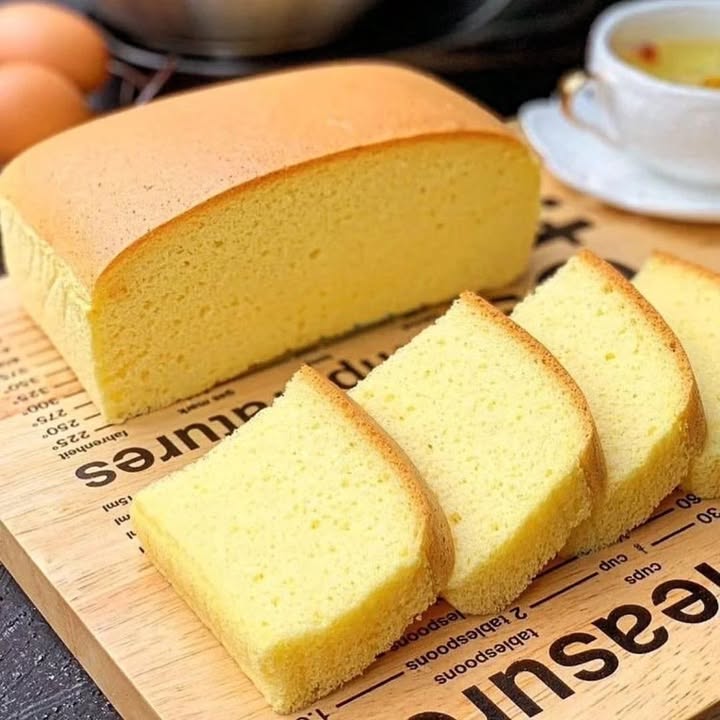
The Warm Hug of a Fluffy Castella Cake
Have you ever fallen in love with a cake the moment it touched your lips? That happened to me with Castella Cake. Its gentle bounce, feather-light texture, and sweet, honey-kissed whisper surprised me. I was skeptical a cake with so few ingredients could feel so special. But after baking it for my daughter’s birthday, she declared it was “cloud cake.” Now, it’s a staple in our home for every quiet moment and small celebration.
A Journey from Portugal to Japan
The story of Fluffy Castella Cake is a beautiful tale of food traveling the world. Portuguese merchants brought their “Pão de Castela” (bread from Castile) to Japan in the 16th century. The Japanese adored it. They refined it, swapping bread yeast for what we know today: eggs, flour, sugar, and honey. The result is this iconic, perfectly rectangular, sponge-like cake. It is known for its incredibly fine pores and moist, springy texture. While traditional Castella is often baked in wooden boxes for specific texture, our home-friendly version uses a simple loaf pan. It captures that soul perfectly.
Why You’ll Absolutely Love This Fluffy Castella Cake Recipe
You’ll love this recipe because it feels like magic but requires no wizardry. Its ingredient list is short and humble. The process is simple, focusing more on gentle folding than fancy techniques. The payoff? A cake that is:
- Unbelievably soft and airy. It’s like biting into a sweet, edible sponge.
- Subtly sweet. The honey and sugar create a delicate flavor, not an overpowering one.
- Wonderfully versatile. It’s perfect plain, with tea, or as a base for creative toppings.
- A joy to make. Watching the eggs foam into a pale, voluminous cloud is genuinely satisfying.
Perfect Occasions for Your Homemade Castella Cake
This cake shines at so many moments. It’s elegant enough for a tea party with friends, yet comforting enough for a Tuesday afternoon snack. I love making it for:
- Light afternoon tea or coffee gatherings.
- As a gentle, not-too-sweet dessert after a rich meal.
- Packed in a lunchbox for a special midday treat.
- Birthday celebrations for those who prefer less rich cakes.
- A homemade gift wrapped beautifully in parchment paper.
Ingredients for Your Perfect Castella Cake
Gathering these simple ingredients is the first step to cloud-like bliss. Here’s what you need:
- 6 large eggs (room temperature is key!)
- 200 g of sugar
- 200 g of wheat flour (all-purpose works perfectly)
- 2 tablespoons of honey
- 2 tablespoons of milk
Smart Substitution Options
Don’t fret if you’re missing something. Here are some easy swaps:
- Honey: You can use an equal amount of maple syrup or agave nectar for a similar moisture and mild sweetness.
- Milk: Any milk you have works—whole, skim, or even a non-dairy alternative like almond or oat milk.
- Flour: For a slightly different texture, you can use cake flour. It will make the cake even softer.
Step-by-Step Guide to a Fluffy Castella Cake
Step 1: Preheat and Prepare
Start by preheating your oven to 180°C (350°F). This ensures it’s perfectly hot when your batter is ready. Line a rectangular pan (about 22×12 cm or 9×5 inch) with baking paper. The paper not only prevents sticking but also helps achieve those clean, classic Castella sides. A little tip: let the paper extend over the edges for easy lifting later.
Step 2: Whisk to a Clouds
In a large bowl, combine your room-temperature eggs and sugar. Now, whisk! Use a hand mixer or stand mixer and beat for about 10 minutes. You’ll see the mixture transform from a yellow liquid into a pale, foamy, and voluminous cloud. This stage is crucial for that signature airy texture. Pro tip: The mixture should triple in volume and leave ribbon-like trails when you lift the whisk.
Step 3: Blend in Honey and Milk
Add the two tablespoons of honey and milk to your fluffy egg mixture. Beat again for just a minute or two until everything is beautifully incorporated. The honey will add a warm golden hue and that lovely moistness to the final cake. The aroma starts to become sweet and inviting here.
Step 4: Fold in the Flour with Care
Sift your wheat flour over the egg mixture. This prevents lumps and ensures a smooth batter. Now, use a spatula and fold gently. Cut through the center and sweep around the edges. Do this until no flour streaks remain. The key is gentleness! Overmixing here will deflate your precious air bubbles and lead to a denser cake.
Step 5: Pour and Settle
Pour the smooth, pale batter into your prepared pan. It will flow like a thick, velvety ribbon. Then, lightly tap the pan on your countertop a few times. This helps release any trapped large air bubbles, which leads to a more uniform texture inside your Fluffy Castella Cake.
Step 6: Bake to Golden Perfection
Place the pan in your preheated oven and bake for 40-45 minutes. The cake will rise gracefully, turn a lovely golden brown, and develop a flat top. Check for doneness by inserting a toothpick into the center. If it comes out clean, your cake is ready. The smell filling your kitchen will be absolutely heavenly.
Step 7: Cool for the Best Texture
Once baked, remove the cake from the oven. Let it cool in the pan for just about 5 minutes. This lets it settle slightly. Then, using the overhanging parchment paper as handles, lift it out and transfer it to a cooling rack. Let it cool completely before slicing. This patience ensures the structure sets and you get those perfect, clean slices.
Castella Cake Timing Guide
Here’s a quick overview of the time investment for this blissful cake:
- Preparation Time: 20 minutes (mostly for that glorious whisking!)
- Cooking Time: 40-45 minutes
- Resting/Cooling Time: 1 hour (very important for texture)
- Total Time: About 2 hours
Chef’s Secret for the Ultimate Castella
My absolute secret is room temperature eggs. Cold eggs do not whip up as voluminously or as quickly. Taking your eggs out of the fridge an hour before you start makes that 10-minute whisking far more effective. It creates a sturdier, more airy foam that holds up better when you fold in the flour. This simple trick is the backbone of the fluffiness.
A Little Extra Sweet Info
The rectangular shape of Castella Cake isn’t just for looks. In Japan, it’s often sold in long, box-like portions called “Castella.” It’s common to enjoy it plain, but also dipped lightly in soy sauce for a unique sweet-salty combo! While we might stick to the sweet version, it’s a fun reminder of its cultural adaptability.
Necessary Equipment
You don’t need fancy tools. Here’s what gets the job done:
- A large mixing bowl
- A hand mixer or stand mixer (a whisk and strong arms can work, but it’s a long workout!)
- A rectangular loaf pan (approx. 22×12 cm or 9×5 inch)
- Baking parchment paper
- A fine mesh sieve or sifter for the flour
- A flexible spatula for folding
- A cooling rack
Storing Your Beautiful Castella Cake
To keep your Fluffy Castella Cake at its best, let it cool completely first. Then, wrap it tightly in plastic wrap or store it in an airtight container. It will stay wonderfully moist and soft at room temperature for up to 3 days.
If you need to store it longer, you can refrigerate it for up to 5 days. The cold might make it a tad firmer. Simply let it sit at room temperature for a bit before serving to regain its soft texture.
For long-term storage, you can freeze Castella Cake. Wrap it well in plastic wrap and then in aluminum foil. Freeze for up to 2 months. Thaw it overnight in the refrigerator and then at room temperature before serving.
My Best Tips and Advice
- Weigh your flour. For the most accurate results, use a kitchen scale. Cup measurements can vary.
- Don’t rush the whisking. The full 10 minutes of beating eggs and sugar is non-negotiable for height and airiness.
- Slice with a serrated knife. Use a gentle sawing motion to cut the cake. This prevents squashing the delicate structure.
- If the top browns too quickly, you can place a sheet of parchment paper loosely over it during the last 10 minutes of baking.
Presentation Tips to Make it Shine
A beautifully presented cake makes the experience even sweeter.
- Slice it into thick, elegant rectangles and serve on a simple white plate.
- Dust the top with a light snowfall of powdered sugar for a festive look.
- Serve with a side of fresh berries and a dollop of whipped cream.
- For a tea party, cut it into smaller, bite-sized squares.
- Wrap a whole cake in brown parchment paper and tie with twine for a charming homemade gift.
Healthier and Fun Variations
The basic Fluffy Castella Cake is a fantastic canvas for creativity. Here are six delightful variations to try:
- Matcha Castella: Add 2 tablespoons of premium matcha powder sifted with the flour. It creates a beautiful green cake with a gentle earthy flavor perfect for tea time.
- Chocolate Castella: Replace 30g of the wheat flour with high-quality cocoa powder. You’ll get a light chocolate sponge that’s divine with a cup of coffee.
- Brown Sugar Castella: Substitute the white sugar with dark brown sugar. It gives a deeper, caramel-like flavor and a richer color, amazing for autumn.
- Citrus Castella: Add the zest of one lemon or orange to the egg mixture. The citrus perfume lifts the cake and makes it feel fresh and zesty.
- Whole Wheat Castella: Use whole wheat flour for half of the flour amount. It adds a nutty depth and a bit more dietary fiber while still staying tender.
- Spice Castella: Mix in one teaspoon of cinnamon or cardamom with the flour. It’s a warming variation perfect for the holiday season.
Common Mistakes to Avoid
Mistake 1: Using Cold Eggs
This is the most common pitfall. Cold eggs simply won’t whip up to the necessary volume and stability. Your foam will be weaker, leading to a flatter, denser cake. To avoid this, always plan to use room temperature eggs. Take them out of the fridge at least 30-60 minutes before you start baking.
Mistake 2: Under-whipping or Over-whipping the Eggs
Undermixing the eggs and sugar means you won’t incorporate enough air. The cake won’t rise properly. Overwhipping, especially after adding the flour, will collapse the air structure you built. Follow the time guide for whipping initially, and then switch to a spatula for gentle, careful folding when combining the flour.
Mistake 3: Skipping the Sifting of the Flour
Adding flour directly from the bag can create lumps in your delicate batter. These lumps won’t dissolve and can lead to dense spots in your finished cake. Always sift your flour over the egg foam. It aerates the flour and ensures it blends in smoothly and evenly.
Mistake 4: Slicing the Cake Before It’s Fully Cooled
The cake’s structure is still setting as it cools. If you slice it while warm or hot, it can tear, crumble, or compress. The texture won’t be as perfect. Patience is key here. Let it cool on the rack completely, for at least an hour, before you cut into it.
Mistake 5: Overbaking the Cake
Castella Cake should be moist and springy. Leaving it in the oven too long will dry it out and make the edges hard. Stick to the 40-45 minute guideline and rely on the toothpick test. If it comes out clean with just a few moist crumbs, it’s done. Remember, it will continue to set as it cools.
Frequently Asked Questions (FAQ)
Can I make Castella Cake without a mixer?
Yes, you can, but it requires a lot of effort and time. You would need to whisk the eggs and sugar vigorously by hand for likely 15-20 minutes to achieve the same foamy, ribbon-stage consistency. A mixer makes this process much easier and more reliable for achieving the signature fluffiness.
Why is my Castella Cake dense and not fluffy?
A dense cake usually points to one of a few issues. The most common is not whipping the eggs and sugar long enough. Another cause is overmixing after adding the flour, which deflates the air bubbles. Also, using cold eggs can prevent proper foaming. Check these steps next time for a lighter result.
Can I add flavorings or fruits to this recipe?
Absolutely! This cake is a wonderful base. You can add zest, spices, or even matcha powder sifted with the flour. However, avoid adding wet ingredients like fruit pieces or purees directly to the batter. They can weigh it down and affect the texture. Dried fruits or nuts folded in very gently at the end can work.
What is the best way to serve Castella Cake?
Castella Cake is traditionally served plain, at room temperature, often with tea. It’s exquisite that way. For a modern twist, you can serve it with a light dusting of powdered sugar, a side of fresh berries, or a dollop of whipped cream. It also pairs beautifully with a scoop of vanilla ice cream.
How do I know when the cake is perfectly baked?
The cake will be golden brown on top and will have pulled away slightly from the sides of the pan. The best test is the toothpick or skewer test. Insert it into the center of the cake. If it comes out clean, with no wet batter clinging to it, the cake is done. A few dry crumbs are okay.
Can I use a different pan size?
You can, but it will affect the baking time and final height. A larger pan will result in a thinner cake that will bake faster. A smaller pan will make a taller cake that may need more baking time. Adjust the time accordingly and keep an eye on it using the toothpick test.
Why does the recipe use honey?
Honey plays a dual role. First, it adds a subtle, warm sweetness that’s distinct from plain sugar. Second, honey is a humectant, meaning it helps retain moisture. This is crucial for Castella Cake’s signature moist, tender texture that lasts for days after baking.
Is Castella Cake suitable for people with dietary restrictions?
The basic recipe contains eggs, wheat flour, and dairy (milk). It is not suitable for those with egg, gluten, or dairy allergies. However, you can explore substitutions like gluten-free flour blends and non-dairy milk. Replacing eggs is more complex and would change the fundamental texture.
Can I freeze Castella Cake?
Yes, you can freeze it very successfully. Ensure the cake is completely cooled. Wrap it tightly in plastic wrap, then in aluminum foil or place it in a freezer bag. Freeze for up to 2 months. Thaw it gradually in the refrigerator overnight and then at room temperature before serving.
What’s the difference between Castella Cake and regular sponge cake?
While both are egg-based, Castella Cake typically has a higher ratio of eggs and sugar to flour, resulting in a denser yet incredibly moist and springy texture. It often uses honey and is baked in a rectangular loaf shape, giving it a distinctive look and feel compared to a lighter, more crumbly Western sponge.
Final Sweet Thoughts
Baking this Fluffy Castella Cake is more than following steps. It’s about creating a moment of gentle joy. From the whisking cloud of eggs to the golden-brown loaf cooling on your rack, the process is soothing. The result is a cake that feels like a tender, sweet hug. It proves that simplicity, when done with care, can create something truly extraordinary. I hope it becomes a beloved recipe in your home, just as it has in mine. For more sweet inspirations, explore our collection of favorite dessert recipes that bring joy to any table.
More Recipes You Might Love
If you adore this gentle, fluffy cake, you might also enjoy exploring other delightful treats. For a burst of fruity flavor, try our German Blueberry Bliss. If you’re feeling festive, our Carnival Sugar Donuts are a joyous project. For a truly indulgent chocolate experience, the Decadent Volcano Cake is a showstopper. And on a warm day, nothing beats the refreshing taste of a Strawberry Malibu Colada. Happy baking!
Fluffy Castella Cake
Ingredients
Equipment
Method
- Preheat the oven to 180°C (350°F) and line a rectangular pan (22x12 cm or 9x5 inch) with baking paper.
- In a large bowl, whisk the room-temperature eggs and sugar with a mixer for about 10 minutes until pale, foamy, and triple in volume.
- Add honey and milk to the egg mixture and beat until incorporated.
- Sift the flour over the mixture and gently fold it in using a spatula until no flour streaks remain.
- Pour the batter into the prepared pan and tap it on the countertop to release air bubbles.
- Bake for 40-45 minutes until golden brown and a toothpick inserted in the center comes out clean.
- Cool in the pan for 5 minutes, then lift it out using the parchment paper and transfer to a cooling rack to cool completely.