
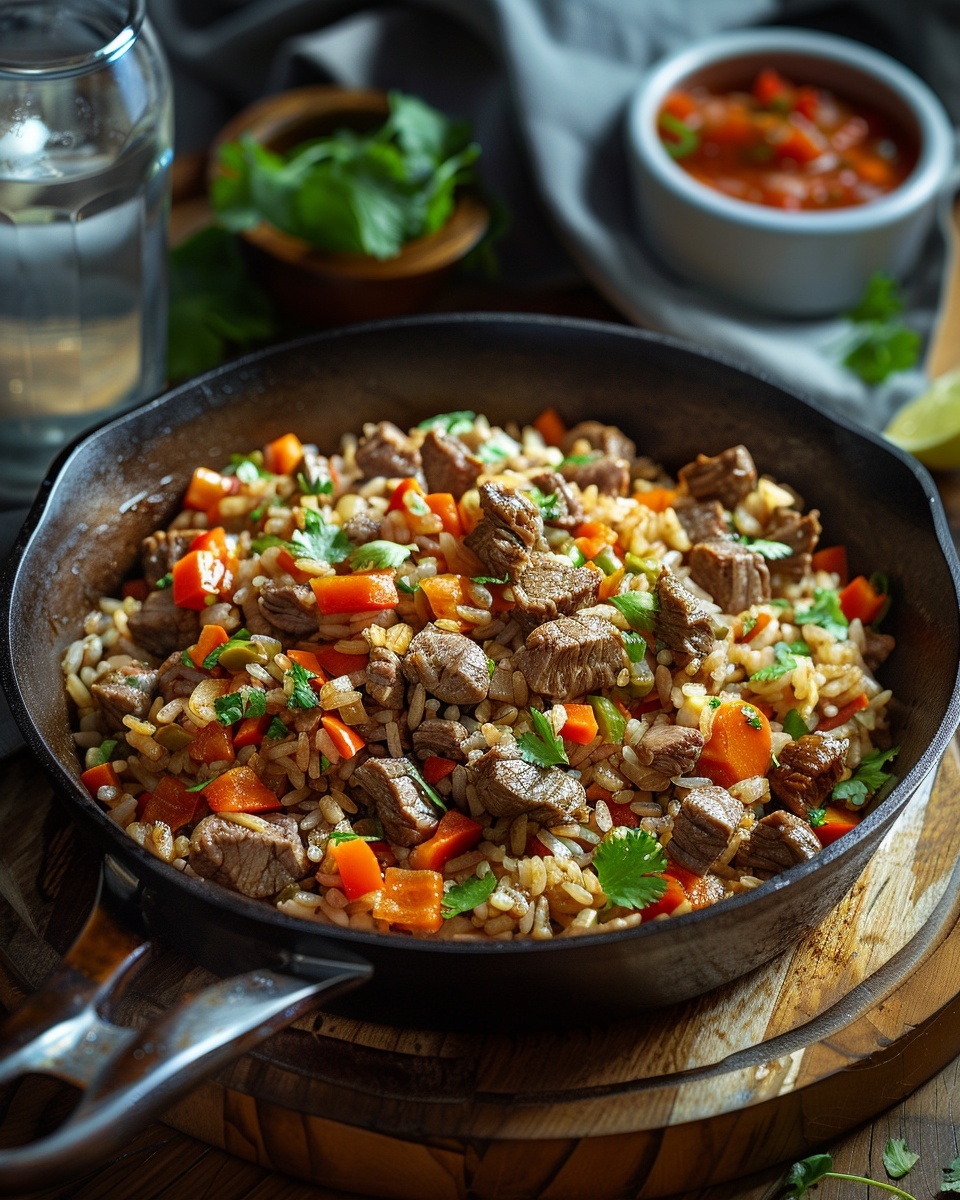
Welcome to My Kitchen: The Magic of a Simple Beef Rice Skillet
Last Tuesday, I stood in my kitchen at 5:47 PM with three hungry kids asking what’s for dinner. My fridge held a pound of ground beef, and my pantry had rice. That’s it. No fancy ingredients, no meal plan, just the basics. What happened next changed how I think about weeknight cooking forever. I threw everything into one skillet, and within 30 minutes, my family devoured what’s now our favorite comfort meal.
This is the beauty of a beef rice skillet. You don’t need a culinary degree or a stocked pantry to create something amazing. This dish saves me at least twice a week, and I’m willing to bet it’ll do the same for you.
Why This Ground Beef and Rice Recipe Works Every Time
Here’s the truth about cooking on busy nights. You need something fast, filling, and foolproof. This easy ground beef skillet meal checks every single box. I’ve made it on nights when I was too tired to think. I’ve made it when unexpected guests showed up. I’ve even made it when my oven broke and I had zero backup plans.
The recipe comes together in one pan. Yes, just one. That means less time scrubbing dishes and more time doing literally anything else. My sink used to overflow with pots and pans after dinner. Now I wash one skillet, and I’m done.
Ground beef cooks quickly, which matters when you’re racing against bedtime routines. Rice soaks up all the flavors you add, turning simple seasonings into something that tastes like you spent hours cooking. Together, they create a meal that sticks to your ribs without weighing you down.
The Versatility That Makes This Dish Special
I love recipes that adapt to what I already have. Some nights, I make a classic ground beef and rice casserole with cream of mushroom soup from the pantry. Other nights, I go bold with a Mexican beef and rice skillet loaded with cumin, chili powder, and pepper jack cheese.
My neighbor asked me for the recipe last month. Two weeks later, she told me she’d made it four different ways. She added bell peppers one night, corn and black beans another night, then threw in whatever vegetables her kids would actually eat. Every version worked.
That’s the power of this base recipe. You can dress it up or keep it simple. Need a cheesy ground beef and rice casserole for a potluck? Add extra cheese and bake it for ten minutes. Want something lighter? Skip the cheese and load up on vegetables. The recipe bends to fit your needs, not the other way around.
Perfect for Busy Weeknights and Beyond
My schedule looks like controlled chaos most days. Between work meetings, soccer practice, and helping with homework, I rarely have an hour to cook. This hamburger rice skillet fits into the tiny windows of time I actually have.
The active cooking time runs about 10 minutes. Brown the beef, add your seasonings, throw in the rice and liquid, then cover and walk away. The skillet does the heavy lifting while you handle the million other things on your to-do list.
I’ve tested this recipe on my pickiest eaters. My six-year-old, who typically turns his nose up at anything green, ate two helpings when I mixed in peas. My teenager, who claims she doesn’t like “mixed food,” asked for leftovers in her lunch. When a recipe wins over that crowd, you know it’s a keeper.
One Pan Means Easy Cleanup
Let me paint you a picture. You finish cooking dinner in one skillet. You serve straight from that same skillet. After everyone eats, you wash one pan, and your kitchen returns to normal. No mountain of dishes. No sauce-splattered stovetop. No baking dishes that need soaking overnight.
This matters more than people realize. On nights when I’m already exhausted, the thought of cleaning up can make me want to order takeout instead. But with this ground beef rice skillet, cleanup takes less time than finding my phone to place a delivery order.
My husband, who usually avoids kitchen duty, actually volunteers to clean up on skillet nights. That’s how easy it is.
Budget-Friendly Comfort Food
Ground beef and rice rank among the most affordable ingredients at any grocery store. I can make this entire meal for under ten dollars, and it feeds my family of five with leftovers. Compare that to restaurant prices or even basic takeout, and the savings add up fast.
I buy ground beef in bulk when it goes on sale, freeze it in one-pound portions, and always keep rice in my pantry. These staples mean I can skip emergency grocery runs on hectic days. The other ingredients, like onions, garlic, and basic seasonings, cost pennies per serving.
During one particularly tight month last year, I made variations of this recipe three times a week. Nobody complained. The different seasonings and add-ins kept it interesting enough that my family didn’t feel like we were eating the same thing over and over.
Can You Really Cook Raw Rice in a Skillet?
This question comes up every time I share this recipe. Yes, you absolutely can cook raw rice in a skillet. The trick is getting your liquid ratio right and keeping the heat consistent.
I use a 2-to-1 ratio: two cups of liquid for every cup of rice. The liquid can be water, broth, or even a combination of both. Broth adds more flavor, but water works fine if that’s what you have. Once everything’s in the pan, I bring it to a boil, then reduce the heat to low and cover it tight.
The rice steams in the covered skillet, absorbing all the beefy, seasoned goodness around it. After about 18-20 minutes, you get perfectly tender rice without any extra pots. I used to cook rice separately in a rice cooker or pot. That created an extra dish to wash and an extra appliance taking up counter space. Cooking everything together changed the game for me.
Why Beef and Rice Work So Well Together
Some food combinations just make sense. Peanut butter and jelly. Bacon and eggs. Beef and rice fall into that category. The rice provides a neutral, starchy base that balances the rich, savory beef. Together, they create a complete, satisfying meal.
Rice also stretches the beef further. One pound of ground beef mixed with rice easily feeds more people than beef alone. This makes the meal more filling without adding much cost. My grandmother used this trick during harder times, and the tradition stuck because it works.
The texture contrast matters too. The tender rice paired with the slightly crispy, browned bits of beef creates interest in every bite. Add some vegetables for crunch, and you’ve got a meal that keeps your taste buds engaged from start to finish.


Gathering Your Ingredients for the Perfect Ground Beef and Rice Skillet
Now that you understand why this dish works so beautifully, let’s talk about what actually goes into the pan. The shopping list is refreshingly short, which I appreciate on those days when I’m trying to dodge crowds at the grocery store.
For the basic version, you need one pound of ground beef. I typically use 80/20 because the fat adds flavor and keeps everything moist. My mother-in-law swears by 90/10 for health reasons, and honestly, it still tastes great. You also need one cup of long-grain white rice—not instant, just regular rice. The instant stuff turns mushy in the skillet, and nobody wants that texture.
Here’s what else goes into my standard recipe: one medium onion diced small, two or three cloves of garlic minced, two cups of beef broth, one can of diced tomatoes with their juice, and basic seasonings like salt, pepper, paprika, and a pinch of garlic powder. Some people add Worcestershire sauce for depth. I do when I remember to buy it.
The beauty of ground beef and rice recipes quick like this one is how you can modify based on what’s already sitting in your kitchen. Last week, I didn’t have fresh garlic, so I used garlic powder. The week before, I substituted chicken broth for beef broth because that’s what I had open. Both times, the meal turned out delicious.
If you’re making a cheesy ground beef and rice casserole, grab eight ounces of shredded cheddar, Monterey Jack, or whatever cheese makes you happy. I’ve used Mexican blend, Italian blend, even pepper jack when I wanted some heat. For those recipes with ground beef and rice and cream of mushroom soup, you’ll need one can of condensed cream of mushroom soup. My aunt makes it this way every time, and her grandkids ask for it by name.
Want to make a Mexican beef and rice skillet? Add a can of black beans, a cup of frozen corn, a can of diced green chiles, and swap your regular seasonings for cumin, chili powder, and oregano. I also throw in a squeeze of lime juice at the end, which brightens everything up in a way that surprises people.
For a southern-style hamburger rice skillet southern living version, I add bell peppers, a bit of hot sauce, and sometimes a handful of okra if I can find it fresh. The okra thickens the sauce naturally and adds that authentic Southern touch my neighbors from Georgia taught me about.
Prepping Your Ingredients Before You Start Cooking
I learned this lesson the hard way after burning garlic one too many times. Get everything ready before you turn on the stove. Dice your onion, mince your garlic, measure your rice and liquids, and have your seasonings within arm’s reach.
The French call this “mise en place,” which sounds fancy but just means “everything in its place.” When I skip this step, I end up frantically searching for the paprika while my onions turn brown. Not ideal.
I usually set up small bowls with my prepped ingredients. One bowl for the onion and garlic, another for the rice, and I line up my liquids and cans near the stove. This setup makes cooking feel less chaotic, especially on nights when my toddler decides dinner time is the perfect moment to need my attention.
If you’re adding vegetables like bell peppers, zucchini, or mushrooms, chop them to roughly the same size as your onions. Uniform pieces cook evenly, which means no crunchy bits mixed with mushy bits. My daughter refuses to eat vegetables cut too large, so I’ve gotten good at dicing things small enough that they blend in seamlessly.
Mastering the Skillet Cooking Technique
Here’s where the magic happens. Heat your skillet over medium-high heat—I use a 12-inch skillet with a lid, though a 10-inch works if you’re cooking for fewer people. Add your ground beef and break it apart with a wooden spoon or spatula. You want it in small crumbles, not big chunks.
As the beef browns, it releases fat. If you’re using 80/20 beef, you’ll probably want to drain some of that fat off. I tip the pan carefully and spoon out the excess, leaving maybe a tablespoon or two for flavor. With leaner beef, you might not need to drain anything at all.
Once your beef looks mostly browned with just a hint of pink remaining, toss in your onions. They need about three minutes to soften and turn translucent. Then add your garlic and cook for maybe thirty seconds, just until you smell that amazing garlic aroma. Garlic burns quickly, so don’t walk away during this part.
Now comes the rice. Stir it into the beef mixture and let it toast for about a minute. This step isn’t absolutely necessary, but toasting the rice gives it a slightly nutty flavor that elevates the whole dish. I learned this trick from a vegetable stir fry with rice recipe, and it works just as well here.
Add your liquids—broth, diced tomatoes, whatever you’re using—and stir everything together. This is when I add my seasonings too. For a basic version, I use a teaspoon of salt, half a teaspoon of black pepper, a teaspoon of paprika, and maybe some Italian seasoning if I’m in that mood. For dinner ideas with ground beef and rice with a Mexican twist, I go heavy on the cumin and chili powder.
Bring the whole mixture to a boil, then immediately reduce the heat to low and cover your skillet with a tight-fitting lid. This is crucial. If your lid doesn’t fit well, the steam escapes and your rice won’t cook properly. I once tried using aluminum foil instead of my lid, and the rice came out crunchy in spots.
The Waiting Game and Why Patience Pays Off
Set a timer for eighteen minutes and resist the urge to lift that lid. I know it’s tempting. I peek sometimes too, but every time you lift the lid, steam escapes and you add cooking time. The rice needs consistent heat and moisture to cook through.
While you’re waiting, you can throw together a simple side salad, set the table, or just sit down for a minute. I usually use this time to help with homework or respond to emails. The skillet doesn’t need babysitting, which is why this ranks among my favorite easy ground beef skillet meals.
After eighteen minutes, lift the lid and check your rice. It should be tender with all the liquid absorbed. If there’s still liquid pooling at the bottom, give it another two or three minutes with the lid on. If the rice seems done but looks a little wet, remove the lid and let it sit for a minute off the heat. The residual warmth will finish the job.
Fluff everything with a fork, mixing the rice and beef together. At this point, if you’re making a cheesy version, sprinkle your cheese on top, put the lid back on for a minute, and let it melt from the residual heat. No need to turn the stove back on.
Seasoning Secrets That Transform Basic to Amazing
The difference between an okay beef rice skillet and an incredible one often comes down to seasoning. Salt and pepper alone won’t cut it. You need layers of flavor that build on each other.
For a classic American comfort food version, I stick with garlic powder, onion powder, paprika, and maybe a dash of dried thyme. This combination reminds me of the pot roast my grandmother made, translated into a quick weeknight format. Sometimes I add a tablespoon of tomato paste along with the diced tomatoes for a deeper, richer taste.
When I’m making ground beef fried rice style, I swap out some of the broth for soy sauce and add a drizzle of sesame oil at the end. Ginger and a pinch of red pepper flakes go in with the garlic. This version tastes completely different from the classic, even though the technique stays the same. Similar to how I approach pan fried fish with veggies, the seasonings make all the difference.
For the Mexican version, the spice blend matters. I use two teaspoons of cumin, one teaspoon of chili powder, half a teaspoon of oregano, and a quarter teaspoon of cayenne if I want heat. Fresh cilantro stirred in at the end adds brightness that dried herbs can’t match. A squeeze of lime juice right before serving wakes up all those flavors.
My friend who grew up in Louisiana makes a Cajun version with paprika, cayenne, thyme, oregano, and a bay leaf thrown in while the rice cooks. She removes the bay leaf before serving, obviously. That version has a kick that clears your sinuses in the best possible way.
Avoiding Common Mistakes That Ruin Your Skillet
I’ve messed this up enough times to know what not to do. First mistake: using too high heat after you add the rice and liquid. High heat burns the bottom before the rice cooks through. Keep it on low once you cover the pan.
Second mistake: lifting the lid constantly to check progress. I mentioned this before, but it bears repeating because I still catch myself doing it. Trust the process. The rice will cook if you leave it alone.
Third mistake: not using enough liquid. If your rice comes out crunchy and there’s no liquid left, you didn’t add enough. Stick to that 2-to-1 ratio—two cups liquid per one cup rice. If you’re adding extra vegetables that release moisture, like zucchini or tomatoes, you might get away with slightly less liquid. But when in doubt, measure it out.
Fourth mistake: forgetting to season properly. Rice is bland. Beef needs help too. Don’t be shy with your seasonings. Taste as you go, and adjust. I keep a small spoon nearby specifically for tasting so I can fix the seasoning before serving.
By the way, if you accidentally oversalt, adding a diced potato during cooking can absorb some of that excess salt. I learned that trick after ruining a batch last year. The potato saved my dinner, and I just fished it out before serving. Kind of like how you’d salvage an oversalted creamy mushroom pasta by adding extra cream.
Creative Additions That Keep Things Interesting
Once you’ve mastered the basic technique, the variations become endless. I’ve added frozen peas, corn, diced carrots, green beans, and bell peppers at different times. Vegetables add nutrition and color without much extra effort.
For a heartier meal similar to baked chicken with potatoes, I sometimes dice potatoes small and add them with the rice. They take the same amount of time to cook and make the dish even more filling. My husband requests this version when he’s extra hungry after working outside all day.
Beans work beautifully too. Black beans, pinto beans, kidney beans—drain and rinse them, then stir them in during the last five minutes of cooking. They warm through without getting mushy, and they add protein and fiber that stretches the meal even further.
Different types of rice change the whole dynamic. Brown rice takes longer to cook, so you’ll need to add about fifteen extra minutes and a bit more liquid. Wild rice adds a nutty flavor and chewy texture that feels fancier than plain white rice. Jasmine rice makes the dish slightly fragrant and sticky in a good way.


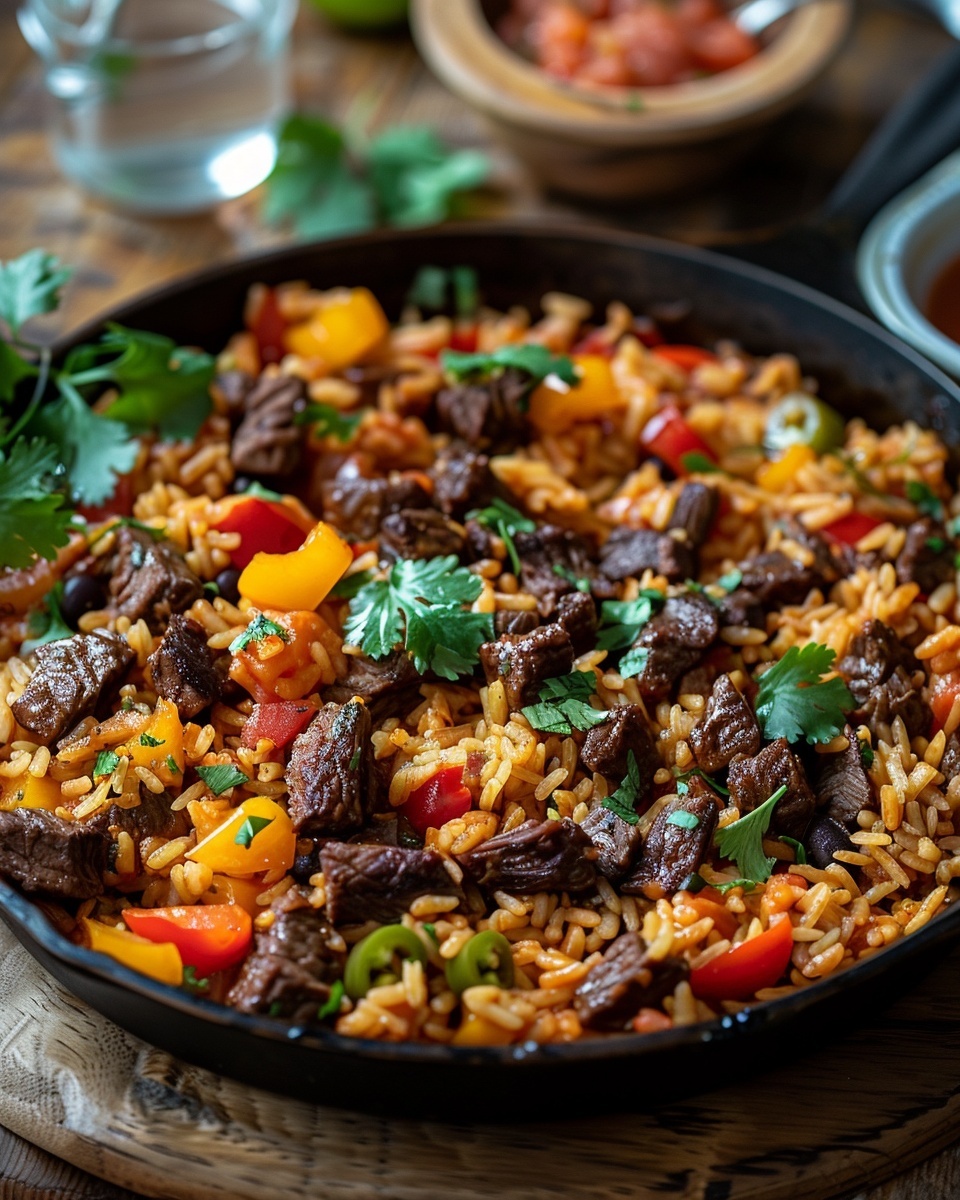
Turning Your Beef Rice Skillet Into Something New Every Time
Here’s where things get really fun. Once you’ve nailed the basic technique, this dish becomes a playground for whatever flavors you’re craving. I go through phases where I make the same variation three weeks in a row, then suddenly switch to something completely different. My family never knows what to expect, which somehow keeps them more interested than if I stuck to one version.
The Italian route works surprisingly well. I add Italian sausage mixed with the ground beef, throw in some sun-dried tomatoes, fresh basil, and finish with mozzarella cheese melted on top. It tastes like a deconstructed lasagna without all the layering hassle. My sister-in-law tried this version at my house and now makes it for her book club meetings. Apparently, it’s become their favorite potluck contribution.
For a Greek-inspired twist, I use ground lamb instead of beef, add oregano, lemon zest, and crumbled feta cheese at the end. Diced cucumber and tomatoes on the side make it feel like a complete Mediterranean meal. My neighbor from Athens approved this version, which felt like winning a cooking award.
Asian flavors transform this dish entirely. Besides the ground beef fried rice version I mentioned earlier, you can go Thai with fish sauce, lime juice, and fresh basil. Or Korean with gochujang paste, sesame seeds, and green onions. I made the Korean version after watching a cooking show, and my teenagers requested it again two days later. That never happens with vegetables involved.
Indian spices create yet another dimension. Curry powder, turmeric, cumin, and a dollop of yogurt stirred in at the end make this taste like something from a restaurant. I add frozen peas and diced potatoes for authenticity. Sometimes I serve it with naan bread on the side, though honestly, the rice makes bread unnecessary.
Funny enough, my most creative variation came from desperation. I had leftover taco meat and rice but no tortillas. I combined them in a skillet with salsa, corn, and cheese. It became what my kids now call “taco rice,” and they ask for it by name. Sometimes the best recipes happen when you’re just trying to clean out the fridge.
Making It a Complete Meal With Smart Sides
While this beef rice skillet stands alone as a complete meal, certain sides elevate the experience. A simple green salad with vinaigrette cuts through the richness. I keep bagged lettuce and bottle dressing on hand specifically for these nights. Zero effort, maximum impact.
Garlic bread works with the Italian versions. I buy the frozen kind, throw it in the oven while the rice cooks, and everything finishes at the same time. The bread soaks up any extra sauce left in the bowl, which my husband appreciates because he hates wasting food.
For the Mexican variations, I set out tortilla chips, salsa, sour cream, and sliced avocado. People can customize their bowls however they want. This approach saved me when my daughter went through her “I only eat plain food” phase. She ate the rice plain while the rest of us loaded up on toppings.
Steamed broccoli or roasted vegetables add nutrition without complicating things. I roast whatever vegetables looked good at the store—Brussels sprouts, cauliflower, carrots—with olive oil and salt while the skillet cooks. Two pans total still counts as easy cleanup in my book.
Meal Prep Magic With Beef and Rice
This recipe multiplies beautifully for meal prep. I sometimes double the batch on Sunday, portion it into containers, and have lunches ready for the week. It reheats perfectly in the microwave, unlike some dishes that turn weird after sitting in the fridge.
The freezer-friendly nature of ground beef and rice casserole versions saves me regularly. I make a huge batch, divide it into freezer-safe containers, and label them with the date. Three months later, I pull one out on a night when cooking feels impossible. Thaw it overnight in the fridge, reheat it on the stove or in the oven, and dinner’s done.
My friend who just had a baby lives on these freezer meals now. I brought her four containers of different variations, and she texted me a week later saying they’d been a lifesaver. New parents need easy dinner ideas with ground beef and rice that don’t require brain power.
For meal prep, I slightly undercook the rice by about two minutes. This prevents it from getting mushy when reheated. I also keep the cheese separate until serving time. Nothing worse than reheated, congealed cheese that looked beautiful before freezing.
Kid-Friendly Tweaks That Actually Work
Getting kids to eat dinner without complaining feels like a small miracle some nights. This dish helps because I can customize portions before anyone starts protesting. I scoop out plain portions for my picky eater before adding the “scary” vegetables for everyone else.
Mixing vegetables into the rice hides them better than serving them on the side. Finely diced bell peppers, shredded carrots, and frozen peas disappear into the mixture. My son, who claims he hates vegetables, eats them without realizing it. I’m not above this kind of trickery.
The cheese factor matters with kids. A cheesy ground beef and rice casserole gets way more enthusiasm than a plain version. I let my kids sprinkle their own cheese on top, which gives them control and makes them more likely to actually eat what’s in front of them. Psychology matters at dinnertime.
Letting kids help cook increases buy-in too. My five-year-old measures the rice, my eight-year-old stirs, and my eleven-year-old handles the can opener. They’re more invested in eating something they helped create. Plus, they’re learning skills they’ll need later, which makes me feel like less of a slacker parent.
Nutritional Tweaks for Different Dietary Needs
Not everyone eats the same way, which this recipe accommodates surprisingly well. For lower-carb versions, I replace half the rice with riced cauliflower. You still get volume and texture without all the carbs. I add the cauliflower rice during the last five minutes of cooking so it doesn’t turn to mush.
Turkey or chicken can substitute for beef if you’re watching fat intake. The flavor changes slightly—leaner and lighter—but the technique stays identical. I season more aggressively with turkey since it’s blander than beef. Extra garlic and herbs compensate for what you lose in beef flavor.
Gluten-free folks don’t need to change anything unless you’re using cream of mushroom soup. Those condensed soups often contain gluten, so check labels or make your own mushroom sauce with butter, mushrooms, and cream. By the way, if you’re concerned about ingredient quality, checking nutrient labeling helps you make informed choices about packaged products.
Dairy-free versions work by skipping the cheese or using dairy-free alternatives. Nutritional yeast adds a cheesy flavor without actual dairy. My lactose-intolerant cousin makes it this way and doesn’t feel like she’s missing out.
Adding extra vegetables boosts nutrition without adding many calories. Spinach wilts down to nothing but adds iron and vitamins. Diced zucchini disappears into the mixture. Mushrooms add umami and meaty texture that makes the dish feel more substantial.
Troubleshooting When Things Don’t Go As Planned
Even easy recipes go sideways sometimes. If your rice turns out crunchy, add a quarter cup of water or broth, cover, and cook for another five minutes on low heat. The extra moisture and time usually fix the problem. I’ve rescued many batches this way.
Mushy rice means you added too much liquid or cooked it too long. Not much you can do after the fact except learn for next time. I’ve served mushy rice anyway, calling it “creamy” instead, and nobody complained. Perspective matters.
If the bottom burns while the top stays undercooked, your heat was too high. Scrape off the non-burnt portions, transfer everything to a new pan if necessary, add some liquid, and finish cooking on lower heat. The burnt bottom doesn’t ruin the whole batch unless you stir it in. Just leave it stuck to the pan.
Bland flavor usually means not enough seasoning. This happens when I’m distracted and forget to add salt or use water instead of broth. Fix it by stirring in bouillon paste, soy sauce, or even just more salt and pepper. Taste and adjust until it tastes right. Cooking isn’t a precise science despite what recipe measurements suggest.
Converting This Into a Baked Casserole
Sometimes I want the flavors of this skillet but the presentation of a casserole. The conversion is simple. Follow all the steps through browning the beef and toasting the rice, then transfer everything to a greased 9×13 baking dish. Add your liquids and seasonings, cover tightly with foil, and bake at 375°F for about 35-40 minutes.
This method works great when I’m making recipes with ground beef and rice and cream of mushroom soup. Mix a can of cream of mushroom soup with your broth, pour it over the beef and rice mixture, top with cheese, and bake. It comes out looking fancy enough for company while requiring minimal effort.
The baked version also frees up your stovetop for other dishes. During holidays when I’m juggling multiple recipes, baking the rice in the oven means one less thing competing for burner space. I make it ahead, refrigerate it, then reheat it covered with foil before serving.
Casserole dishes also travel better than skillets. When I’m bringing food to someone or taking it to a potluck, the casserole dish fits better in my car and looks more presentable than a skillet wrapped in foil. Appearances matter sometimes, even though the skillet version tastes just as good.
Scaling the Recipe Up or Down
Need to feed a crowd? This recipe doubles or triples easily. Use a larger skillet or even a Dutch oven for bigger batches. Keep your ratios the same—two cups liquid per one cup rice—and everything works out. I’ve made quadruple batches for youth group dinners, and it held up perfectly.
Cooking for one or two? Cut everything in half and use a smaller pan. An 8-inch skillet works well for half portions. The cooking time stays mostly the same since the depth of the rice mixture doesn’t change much. Maybe shave off a minute or two, but watch it toward the end to be sure.
By the way, if you’re exploring other options, you might enjoy browsing through more dinner ideas that use similar simple techniques with different ingredients.
Leftovers keep for about four days in the fridge in an airtight container. I’ve pushed it to five days when I’m being optimistic, and it was still fine. Freeze leftovers for up to three months. I portion them into single servings for easy grab-and-go lunches.
Reheating works best on the stovetop with a splash of water or broth to refresh the moisture. Microwave works too, though it dries things out slightly. Cover your container with a damp paper towel to help retain moisture. Takes about two minutes on high for a single serving.
So there you have it—a recipe that bends to fit your life instead of demanding you rearrange everything to accommodate it. Whether you make it classic and simple or get creative with international flavors, this beef rice skillet delivers comfort, flavor, and convenience every single time. The flexibility means you’ll never get bored, and the ease means you’ll actually make it instead of just bookmarking the recipe and forgetting about it. Give it a try tonight, and I bet it becomes part of your regular rotation just like it did for me.
Frequently Asked Questions
What are the ingredients in Mexican beef and rice skillet?
For a Mexican version, you need ground beef, rice, beef broth, diced tomatoes with green chiles, black beans, corn, onion, and garlic. Season with cumin, chili powder, oregano, and a pinch of cayenne for heat. Top with shredded cheese, fresh cilantro, and a squeeze of lime juice. You can also add diced bell peppers or jalapeños if you want more vegetables or spice. This variation brings bold flavors that remind me of my favorite taco nights without all the assembly work.
What seasoning is good for beef and rice?
The classic combination includes salt, black pepper, garlic powder, and paprika for a basic American comfort food flavor. For depth, add Worcestershire sauce or dried thyme. If you want Italian flavors, use oregano, basil, and a bit of red pepper flakes. Asian versions benefit from soy sauce, ginger, and sesame oil. Mexican styles need cumin, chili powder, and oregano. I always taste and adjust as I go since personal preference varies, and what tastes perfect to me might need tweaking for your family.
Can you cook raw rice in a skillet?
Yes, absolutely. Use a 2-to-1 ratio of liquid to rice, bring everything to a boil, then reduce heat to low and cover tightly. The rice steams in about 18-20 minutes without needing a separate pot. Make sure your lid fits snugly so steam doesn’t escape, and resist lifting it during cooking. This one-pan method saves time and dishes while allowing the rice to absorb all the flavors from the beef and seasonings. I’ve been cooking rice this way for years with consistent results.
Are beef and rice good together?
They’re a classic combination that appears in cuisines worldwide for good reason. The rice provides a neutral, filling base that balances the rich, savory beef while stretching the meat to feed more people. The texture contrast between tender rice and browned beef creates interest in every bite. Nutritionally, they complement each other by providing protein, carbohydrates, and essential nutrients in one dish. My family finds this combination satisfying and comforting, which is why we eat it so often without getting tired of it.
How do I prevent the rice from sticking to the bottom of the skillet?
Keep your heat on low once you’ve covered the pan, and make sure you have enough liquid. Stir everything well before covering to distribute the rice evenly. Using a good-quality nonstick skillet or a well-seasoned cast iron pan helps too. Don’t lift the lid repeatedly during cooking, as this releases steam needed for even cooking. If sticking happens anyway, don’t scrape it while cooking—wait until the rice finishes, then soak the pan in warm soapy water for easier cleanup.
Can I use brown rice instead of white rice?
Brown rice works but requires adjustments since it takes longer to cook. Add about fifteen extra minutes to the cooking time and increase your liquid by a quarter to half cup. I use two and a quarter cups of liquid per cup of brown rice. The texture will be chewier and the flavor nuttier compared to white rice. Some people prefer this for the added fiber and nutrients. Just be patient with the longer cooking time, and check that it’s fully tender before serving.
What’s the best type of ground beef to use?
I prefer 80/20 ground beef because the fat content adds flavor and keeps everything moist. The 20% fat renders during cooking, creating a richer taste without making the dish greasy if you drain the excess. If you’re watching fat intake, 90/10 works fine but tastes slightly leaner. Avoid anything leaner than 90/10 as it can turn dry and crumbly. You can also mix beef with ground pork or Italian sausage for different flavor profiles that still work beautifully with this cooking method.
How can I make this dish vegetarian?
Replace the ground beef with plant-based crumbles, crumbled firm tofu, or extra vegetables like mushrooms and lentils. Use vegetable broth instead of beef broth. The cooking method stays exactly the same. I’ve made vegetarian versions with black beans, corn, diced zucchini, and mushrooms that were so hearty nobody missed the meat. Season generously since vegetables are milder than beef. Adding smoked paprika or liquid smoke can provide depth that mimics the savory quality of meat.
Can I make this ahead and reheat it later?
This dish reheats beautifully, making it perfect for meal prep. Store it in an airtight container in the fridge for up to four days. Reheat on the stovetop with a splash of broth or water to restore moisture, or microwave it covered with a damp paper towel. You can also freeze portions for up to three months. I slightly undercook the rice when making ahead so it doesn’t get mushy during reheating. Thaw frozen portions overnight in the fridge before reheating for best results.
What vegetables work best in this skillet?
Bell peppers, onions, corn, peas, carrots, and green beans all work wonderfully. I dice vegetables small so they cook in the same time as the rice. Frozen vegetables save prep time and work just as well as fresh. Leafy greens like spinach or kale can be stirred in during the last few minutes of cooking. Zucchini and mushrooms add bulk without many calories. The key is choosing vegetables your family actually enjoys eating, since this dish only works if people clean their plates.
Ingredients
Equipment
Method
- Heat a 12-inch skillet over medium-high heat.
- Add the ground beef, breaking it apart and cooking until mostly browned, with a hint of pink remaining.
- Drain any excess fat if necessary, leaving a tablespoon or two for flavor.
- Add diced onion and cook for about 3 minutes until softened.
- Stir in minced garlic and cook for another 30 seconds.
- Add rice to the skillet and toast for about 1 minute, stirring to combine.
- Pour in the beef broth and diced tomatoes, then add seasonings (salt, pepper, paprika).
- Bring to a boil, then reduce heat to low and cover tightly with a lid.
- Cook for 18 minutes without lifting the lid.
- After 18 minutes, check for doneness. If necessary, allow to cook an additional 2-3 minutes.
- Fluff rice and beef mixture with a fork before serving.