
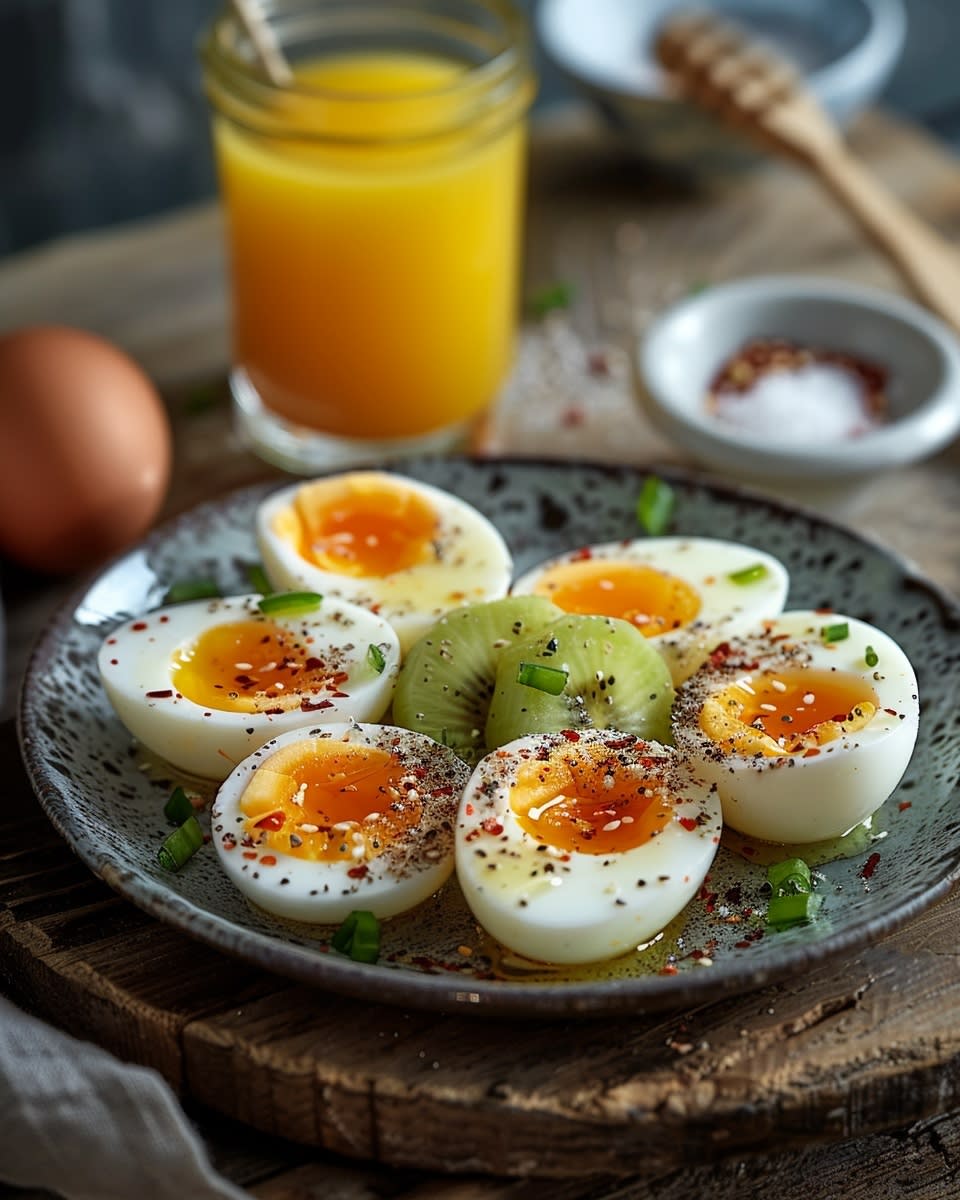
My Accidental Discovery: Boiled Eggs with Fruit Changed Everything
I’ll never forget the morning I ran out of bread and couldn’t make my usual toast. I had just finished boiling eggs for meal prep when I spotted a bowl of fresh strawberries on my counter. Out of pure hunger and curiosity, I sliced up a peach, paired it with a couple of warm boiled eggs, and took my first bite. The combination seemed odd at first, but something clicked. The creamy texture of the egg yolk mixed with the sweet juice from the peach created this perfect balance I didn’t know I needed.
That random breakfast became my go-to meal, and I’ve been hooked ever since. Friends thought I was crazy when I first told them about boiled eggs with fruit. They’d wrinkle their noses and question my food choices. But after convincing a few brave souls to try it, they understood. This simple combination offers more than just an unusual taste. It delivers real nutrition that keeps you full and energized for hours.
The beauty of pairing protein-rich eggs with naturally sweet fruit lies in how your body processes these foods together. Eggs provide steady, long-lasting energy through their protein content. Fruit gives you quick fuel from natural sugars along with essential vitamins. Your body gets both immediate and sustained energy, which means no mid-morning crashes or desperate snack runs.
I’ve turned this discovery into my secret weapon for busy days. Whether I’m rushing to work or need a quick lunch between meetings, this combo takes minutes to prepare. You can eat it at your desk, pack it in a container, or enjoy it as a late-night snack. The versatility makes it perfect for anyone with a hectic schedule.
Why Boiled Eggs with Fruit Works So Well
Let’s talk about what makes this pairing so effective. Boiled eggs are nutrition powerhouses. One large egg contains about 6 grams of protein, all nine essential amino acids, and important nutrients like vitamin D, B12, and selenium. The protein in eggs helps build and repair your muscles. It also keeps you feeling satisfied much longer than carbs alone would.
Eggs contain healthy fats that your brain needs to function properly. The yolk, which many people wrongly avoid, holds most of these beneficial nutrients. Choline, found in egg yolks, supports brain health and memory. When you eat the whole egg, you’re getting complete nutrition in a tiny package.
Now add fruit to this equation. Fresh fruit brings vitamins, minerals, and antioxidants that eggs can’t provide on their own. Berries fight inflammation and protect your cells from damage. Citrus fruits boost your immune system with vitamin C. Bananas offer potassium for healthy blood pressure and heart function. Stone fruits like peaches and plums provide fiber that aids digestion.
The natural sugars in fruit get absorbed quickly, giving your brain immediate fuel. But here’s where the magic happens. When you eat fruit alongside eggs, the protein and fat from the eggs slow down how fast those sugars enter your bloodstream. This means you avoid the spike and crash you’d get from eating fruit alone. You enjoy steady energy instead of feeling wired and then exhausted an hour later.
This combination creates what nutritionists call a balanced meal. You’re getting:
- Complete protein from eggs
- Healthy fats for brain function and hormone production
- Natural sugars for quick energy
- Fiber for digestive health
- Vitamins and minerals from both foods
- Antioxidants that protect your cells
I’ve noticed real differences in how I feel throughout the day when I start with this breakfast. My focus stays sharp during morning meetings. I don’t reach for sugary snacks by 10 AM. The protein keeps hunger at bay until lunch time arrives.
Perfect for Any Time of Day
One reason I love boiled eggs with fruit is how well they fit into different parts of my day. This isn’t just a breakfast food. I’ve eaten this combination at lunch, as an afternoon snack, and even as a light dinner when I wasn’t very hungry.
For breakfast, I keep pre-boiled eggs in my fridge at all times. I can grab two eggs and whatever fruit looks good, and I’m out the door in five minutes. Some mornings I’ll have eggs with sliced apples and a sprinkle of cinnamon. Other days, I’ll pair them with grapes and melon chunks. The variety keeps things interesting and ensures I’m getting different nutrients throughout the week.
At lunch, this combo shines when you need something light but filling. I’ll often pack three hard-boiled eggs with a container of mixed berries and some mango slices. It takes up minimal space in my lunch bag and doesn’t need refrigeration for a few hours. Unlike sandwiches that get soggy or salads that wilt, eggs and fruit stay fresh and appetizing.
For an afternoon snack, one egg with half a banana or a handful of cherries hits the spot perfectly. It’s enough to curb hunger without making you too full before dinner. The protein prevents that late-afternoon energy dip that sends most people running to the vending machine.
I’ve even made this my post-workout meal. After exercise, your muscles need protein to recover and grow stronger. The quick carbs from fruit help restore the energy you just burned. Together, they create an ideal recovery snack that’s much healthier than processed protein bars.
The preparation couldn’t be simpler. Boil a batch of eggs once or twice a week, and you’ll always have them ready. Most fruits require nothing more than a quick rinse or simple slicing. No cooking skills needed. No fancy equipment required. Just real, whole foods that fuel your body properly.
This flexibility makes the combination practical for students, busy parents, athletes, office workers, and anyone who values their health but doesn’t have hours to spend in the kitchen. You can adjust portions based on your hunger levels and nutritional needs. Need more protein? Add an extra egg. Want more sweetness? Include additional fruit. The choice is yours.


Choosing the Right Fruits to Pair with Your Boiled Eggs
Now that you understand why this combination works, let’s get into the fun part—picking which fruits actually taste good with eggs. I’ve experimented with dozens of options over the years, and some combinations turned out way better than others. Trust me, not every fruit belongs on the same plate as a hard-boiled egg.
Here’s the thing about fruit selection: you want something that either contrasts nicely with the rich, creamy texture of eggs or complements their mild flavor. Fruits that are too bland won’t add much excitement. Overly tart options can sometimes clash, though I’ve found exceptions to that rule.
Berries are my absolute top choice for pairing with boiled eggs. Strawberries, blueberries, raspberries, and blackberries all bring this perfect sweet-tart balance. The small size of berries makes them easy to eat alongside eggs without needing a knife. Their juiciness cuts through the richness of the yolk in the most satisfying way. I usually grab a handful of mixed berries and alternate bites between fruit and egg. Strawberries work especially well if you slice them thin and add a tiny pinch of black pepper—sounds weird, but the pepper enhances both the eggs and berries.
During summer months, stone fruits become my go-to option. Peaches, nectarines, plums, and apricots have this incredible sweetness that makes every bite feel like a treat. I prefer them slightly chilled from the fridge. The firm yet juicy texture provides a nice contrast to the tender egg whites. When picking stone fruits at the market, give them a gentle squeeze near the stem. They should yield slightly but not feel mushy. A ripe peach with a warm boiled egg is honestly one of life’s simple pleasures.
Funny enough, citrus fruits surprised me the most. I initially thought oranges and grapefruit would be too acidic, but they actually work beautifully. The bright, zesty flavor wakes up your taste buds and makes the eggs taste fresher somehow. I peel an orange and eat the segments between bites of egg, letting the citrus juice cleanse my palate. Grapefruit works better if you add a drizzle of honey to balance the bitterness. Mandarins and clementines are perfect during winter when berry season ends.
Then there’s melon, which brings pure refreshment to the table. Watermelon, cantaloupe, and honeydew all have high water content that makes them incredibly hydrating. I cube them into bite-sized pieces and chill them thoroughly before eating. The cool, sweet melon against a warm or room-temperature egg creates this temperature contrast that’s really satisfying. Melons work great when you need something light and cooling, especially during hot weather. When choosing a melon, knock on it gently—you want to hear a hollow sound, which indicates ripeness.
Tropical fruits like mango, pineapple, and papaya add an exotic twist to your egg plate. Mango is probably my favorite from this category because it’s creamy and sweet without being overwhelming. A ripe mango should give off a sweet aroma near the stem end. Pineapple works best when it’s super ripe and sweet rather than tart. I actually enjoy combining it with eggs and a sprinkle of chili powder for a sweet-spicy-savory experience that reminds me a bit of breakfast crackers with cheese but with completely different flavors.
What about avocado? Yes, it’s technically a fruit, and it’s probably the most savory option on this list. Unlike sweet fruits, avocado enhances the egg’s richness rather than contrasting it. I’ll slice half an avocado and arrange it next to my eggs, maybe adding some cherry tomatoes and a squeeze of lime. This combination feels more like a proper meal than a snack. When selecting avocados, press gently near the stem—if it yields to gentle pressure, it’s ready to eat.
Apples and pears offer a satisfying crunch that I sometimes crave with eggs. The crisp texture provides variety if you’re eating soft-boiled eggs with runny yolks. Granny Smith apples bring tartness, while Honeycrisp or Gala varieties lean sweeter. Pears are more delicate and buttery. I slice them thin and sometimes sprinkle them with cinnamon. For a heartier option similar to microwave oatmeal with banana, you could warm sliced apples with cinnamon and serve them alongside your eggs.
Speaking of bananas, they’re probably the most convenient fruit to grab. No washing, easy to peel, available year-round, and filling. Bananas contain resistant starch that feeds your gut bacteria, especially when they’re slightly green. I prefer mine with just a few brown spots—perfectly ripe but not mushy. The creamy texture pairs well with eggs, though the flavor combination takes some getting used to if you’re new to this.
Seasonal eating makes everything taste better and costs less. In spring, look for strawberries and early cherries. Summer brings the peak of berry season along with peaches, plums, and watermelon. Fall offers apples, pears, and late-season grapes. Winter is perfect for citrus fruits that are at their juiciest. Shopping seasonally means you’ll get better-tasting fruit at lower prices.
By the way, quality matters more than variety. One perfectly ripe peach beats five mediocre fruits any day. At the grocery store or farmer’s market, smell your fruit. Ripe berries and stone fruits should have a sweet aroma. Avoid fruits with bruises, mold, or overly soft spots. For berries especially, check the bottom of the container for signs of crushing or moisture, which leads to quick spoilage.
Preparation Tips for Perfect Boiled Eggs Every Time
Let me share the method that’s never failed me for making boiled eggs that peel easily and turn out exactly how you want them. I’ve tried probably a dozen different techniques over the years, and this one consistently delivers perfect results.
Start by placing your eggs in a single layer in a pot. Don’t overcrowd them. Fill the pot with cold water until it covers the eggs by about an inch. Adding a pinch of salt or a splash of vinegar to the water can help prevent cracking, though I honestly forget this step half the time and my eggs turn out fine anyway.
Place the pot on your stove over high heat and bring it to a rolling boil. Once you see big bubbles breaking the surface, immediately remove the pot from heat and cover it with a lid. Now comes the timing part, which determines your egg’s doneness.
For soft-boiled eggs with runny yolks, let them sit in the hot water for 4-6 minutes. Six minutes gives you a jammy yolk that’s partially set but still glossy. For medium-boiled eggs with creamy yolks, go for 8-10 minutes. The yolk will be mostly set but still have a softer center. For hard-boiled eggs with fully cooked yolks, leave them for 12-14 minutes. I typically stick with 12 minutes because anything longer risks that greenish ring around the yolk, which isn’t harmful but doesn’t look appetizing.
Here’s where most people mess up—the cooling process. As soon as your timer goes off, drain the hot water and immediately transfer the eggs to a bowl of ice water. This stops the cooking process instantly and prevents overcooking. Let them sit in the ice bath for at least 5 minutes. This step also makes peeling significantly easier because the rapid temperature change causes the egg white to contract slightly away from the shell.
For easy peeling, gently tap the egg all over on your counter to create cracks throughout the shell. Start peeling from the wider end where the air pocket sits. Peel under cool running water if you’re struggling—the water gets under the membrane and helps separate it from the egg white. Older eggs actually peel easier than super fresh ones, so if you bought eggs specifically for boiling, let them sit in your fridge for a week first.
I boil a dozen eggs every Sunday night and store them in an airtight container in the fridge. They’ll keep safely for up to one week. Keep them in their shells until you’re ready to eat them—they stay fresher that way. Write the date on the container so you remember when you made them. Once peeled, eggs should be eaten within a couple of days.
Now for some creative serving ideas. The simplest approach is just slicing your eggs and arranging them on a plate with your chosen fruit. But sometimes I like to get a bit fancier. You can create a breakfast salad by chopping eggs and mixing them with diced fruit, maybe adding some spinach or arugula, and drizzling everything with olive oil and lemon juice. This turns your egg-and-fruit combo into something that feels more substantial.
Another option I enjoy is making egg and fruit skewers. Thread quartered hard-boiled eggs onto skewers alternating with strawberries, melon cubes, and grapes. It looks impressive for brunch gatherings, and the presentation makes people more willing to try this unusual combination.
You can also create a fruit bowl topped with sliced eggs. Start with a base of mixed berries and melon, add some nuts for crunch (similar to the texture combination in yogurt with honey and nuts), then top with sliced hard-boiled eggs and a drizzle of balsamic glaze. The sweet-savory contrast is addictive.
For a portable version, pack eggs and fruit in a divided container with separate compartments. This prevents the eggs from picking up fruit flavors if you’re not eating them immediately. Add a small container of salt, pepper, or everything bagel seasoning to sprinkle on your eggs when you’re ready to eat.
Some mornings when I want something that feels more like a smoothie consistency, I’ll make what’s essentially a savory version of a simple breakfast smoothie—I chop hard-boiled eggs very fine, mash them with avocado, and serve the mixture alongside fresh berries. It’s not technically a smoothie but gives you that easy-to-eat, no-chewing-required convenience.
The beauty of mastering boiled eggs is that you can always have protein ready to go. Combined with whatever fruit is in season, you’ve got endless meal possibilities that require minimal effort but deliver maximum nutrition.


Health Benefits of Boiled Eggs with Fruit You Need to Know About
I’m going to be honest—when I first started eating boiled eggs with fruit, I just thought it tasted good and kept me full. I didn’t realize I was accidentally doing something really beneficial for my body until my doctor commented on my improved cholesterol levels during a routine checkup. That got me curious enough to dig into the actual science behind this combination, and what I found made me even more committed to keeping it as a regular part of my diet.
Let’s start with digestion, because this is where things get interesting. Eggs are incredibly easy for your body to break down and absorb. The protein in eggs has a biological value of about 94%, which basically means your body can use almost all of it efficiently. Fruit, especially varieties high in fiber like berries and apples, helps move everything through your digestive system smoothly. The soluble fiber in fruit feeds the good bacteria in your gut, which play a huge role in everything from immune function to mood regulation.
Here’s something I noticed personally—I used to struggle with mid-morning bloating when I’d eat cereal or pastries for breakfast. Since switching to eggs and fruit, that uncomfortable feeling disappeared completely. The combination doesn’t sit heavy in your stomach like processed foods do. The natural enzymes in fresh fruit actually help your body break down the protein from eggs more effectively. It’s like they’re working as a team to make digestion as smooth as possible.
The energy boost from this pairing deserves its own discussion. I used to rely on coffee and energy drinks to get through my mornings, which inevitably led to afternoon crashes that left me useless by 3 PM. When you eat eggs alongside fruit, you’re getting what nutritionists call a complete energy package. The protein provides long-lasting fuel that your body converts slowly and steadily. Meanwhile, the natural sugars in fruit give you that immediate pick-me-up without the jittery feeling you get from caffeine or processed sugar.
What really impressed me was learning about how this combination affects blood sugar stability. When you eat fruit by itself, your blood sugar spikes quickly because the natural sugars get absorbed fast. That spike feels great initially, but it’s always followed by a crash that leaves you tired and craving more sugar. Adding eggs to the equation changes everything. The protein and fat in eggs slow down how quickly those sugars enter your bloodstream. Research from nutritional science shows that pairing protein with carbohydrates leads to a more gradual rise in blood sugar, which means sustained energy without the roller coaster ride.
Now let’s talk about weight management, because this is where this combination really shines. I’ve never been a fan of restrictive diets that leave you hungry and miserable. The protein in eggs triggers the release of hormones that tell your brain you’re satisfied. Studies have shown that people who eat eggs for breakfast consume fewer calories throughout the rest of the day compared to those who eat carb-heavy breakfasts. I’ve experienced this firsthand—when I start my day with eggs and fruit, I’m genuinely not interested in snacking before lunch.
The fruit component helps with weight management in a different way. It satisfies your sweet tooth naturally, which means you’re less likely to reach for cookies or candy later. I used to have intense sugar cravings every afternoon, but having sweet fruit in the morning seems to reset my taste buds somehow. Plus, the fiber in fruit helps you feel fuller longer, adding to the satiety you get from the eggs.
One aspect people don’t talk about enough is muscle preservation and growth. As we age, we naturally lose muscle mass, which slows down our metabolism and makes weight management harder. The complete protein in eggs contains all the essential amino acids your body needs to maintain and build muscle tissue. I started doing light weight training a few years ago, and my trainer emphasized the importance of getting enough protein. This egg and fruit combo became my post-workout staple because it delivers exactly what my muscles need to recover.
The micronutrients you get from this combination are honestly impressive. Eggs provide selenium, which supports thyroid function and acts as a powerful antioxidant. They’re also one of the few natural food sources of vitamin D, which most of us don’t get enough of, especially in winter months. The choline in egg yolks supports brain health and memory—something I definitely need on busy work days. When you pair eggs with a variety of fruits, you’re adding vitamin C, potassium, folate, and countless other micronutrients that work together to keep your body functioning optimally.
By the way, the antioxidants in fruit deserve special mention. Berries in particular contain compounds called anthocyanins that fight inflammation and protect your cells from damage. Inflammation is linked to pretty much every chronic disease you can think of—heart disease, diabetes, arthritis, even depression. I think of antioxidants as my body’s cleanup crew, dealing with the daily damage from stress, pollution, and just normal living. Pairing them with the nutrients in eggs creates this powerful combination that supports overall health.
Something that surprised me in my research was learning about eye health. Eggs contain lutein and zeaxanthin, which are carotenoids that accumulate in your retina and protect against age-related vision problems. Many fruits, especially orange and yellow ones like mangoes and apricots, also contain carotenoids. My grandmother developed macular degeneration in her seventies, which motivated me to take eye health seriously while I’m still young enough for prevention to matter.
For anyone concerned about heart health, the combination might seem counterintuitive because eggs contain cholesterol. But here’s what the current research actually shows—for most people, dietary cholesterol has minimal impact on blood cholesterol levels. Your liver produces most of the cholesterol in your body, and it adjusts production based on what you eat. The bigger factors affecting heart health are inflammation, oxidative stress, and blood sugar control—all areas where eggs and fruit actually help rather than harm.
I’ve also noticed improvements in my skin and hair since making this a regular part of my diet. Eggs contain biotin, which is essential for healthy hair growth. The healthy fats in egg yolks help your body absorb fat-soluble vitamins like A, D, E, and K. Vitamin C from fruits is crucial for collagen production, which keeps your skin firm and elastic. These might seem like superficial benefits, but they’re actually signs that your body is getting the nutrients it needs to maintain itself properly.
The convenience factor shouldn’t be underestimated when it comes to maintaining healthy eating habits. I’ve tried elaborate meal prep routines that left me exhausted and more likely to order takeout by Wednesday. This simple combination requires minimal preparation but delivers maximum nutrition. When healthy eating is this easy, you’re way more likely to stick with it long-term. Consistency matters more than perfection when it comes to seeing real health benefits.
If you’re looking for more practical ways to incorporate nutritious options into your morning routine, check out these easy breakfast ideas that complement the simplicity of eggs and fruit perfectly. Building a collection of simple, nutritious meals makes healthy eating feel effortless rather than like a constant struggle.
Frequently Asked Questions About Eating Boiled Eggs with Fruit
What are the best fruits to eat with boiled eggs?
Berries like strawberries, blueberries, and raspberries are my top recommendations because their sweet-tart flavor balances perfectly with the richness of eggs. Stone fruits such as peaches, nectarines, and plums work beautifully during summer months. Citrus fruits like oranges and grapefruit provide a refreshing contrast, while melons offer hydration and sweetness. Honestly, it comes down to personal preference—experiment with what’s in season and see what combinations you enjoy most.
How do I know if my eggs are perfectly boiled?
The spin test is my go-to method for checking if eggs are fully cooked without cracking them open. A hard-boiled egg spins smoothly and quickly on a flat surface, while a raw egg wobbles and stops quickly. Timing is your best guide though—12 minutes in hot water after boiling gives you firm yolks without that green ring. If you cut one open and the yolk is your desired consistency, you’ve nailed it. The more you practice, the more intuitive it becomes.
Can I eat boiled eggs with fruit every day?
Yes, most people can safely eat this combination daily without any issues. Eggs are nutrient-dense and have been wrongly demonized in the past. Current research shows that healthy individuals can eat several eggs per day without negative effects on cholesterol or heart health. The variety of fruits you choose will give you different nutrients, so rotating your fruit selections keeps things balanced. If you have specific health conditions or dietary restrictions, it’s always smart to check with your doctor.
Are there any risks associated with eating raw fruits with boiled eggs?
The main concern is just making sure you wash your fruit thoroughly to remove any pesticides or bacteria on the surface. Some people worry about food combining theories that claim protein and fruit shouldn’t be eaten together, but there’s no solid scientific evidence supporting these claims. Your digestive system is perfectly capable of handling both foods simultaneously. The only real risk would be if you have an allergy to specific fruits or eggs, which is fairly obvious and would require avoiding those foods entirely.
How can I make this dish more appealing to kids?
Kids are visual eaters, so presentation makes a huge difference. Try making funny faces on plates using sliced eggs for eyes and fruit pieces for other features. Thread eggs and fruit onto skewers to make colorful kabobs that feel more like a treat than a meal. Let kids help prepare the dish by choosing which fruits to include or arranging items on their plate. Adding a small drizzle of honey or a sprinkle of cinnamon can make the combination more dessert-like and appealing to young taste buds.
Can I meal prep boiled eggs with fruit for the entire week?
Eggs can definitely be boiled in advance and stored in the refrigerator for up to one week, preferably kept in their shells until you’re ready to eat them. Fruit is trickier because some varieties brown quickly or get mushy after cutting. Berries and citrus hold up best for a few days in airtight containers. Stone fruits, apples, and pears should be cut fresh each day for best quality. I usually boil all my eggs on Sunday but prepare fruit fresh each morning, which takes less than two minutes.
What’s the best time of day to eat boiled eggs with fruit?
Breakfast is ideal because the combination provides sustained energy that carries you through the morning without crashes. That said, this pairing works great any time you need balanced nutrition—as a pre-workout snack, post-workout recovery meal, afternoon energy boost, or even a light dinner. I’ve eaten it at literally every time of day depending on my schedule and hunger levels. The beauty is its versatility, so eat it whenever it fits your lifestyle and dietary needs best.
Do I need to eat organic eggs and fruit for maximum health benefits?
Organic options are nice if your budget allows, but they’re not absolutely necessary to get health benefits from this combination. Conventional eggs and fruit still provide excellent nutrition. If you’re prioritizing where to spend extra money, I’d suggest buying organic for fruits on the “dirty dozen” list that typically have higher pesticide residues, like strawberries and apples. For eggs, look for labels like “pasture-raised” if you can afford it, as these typically have better nutrient profiles. But honestly, eating regular eggs with regular fruit is infinitely better than skipping them altogether.
Can people with diabetes safely eat boiled eggs with fruit?
Actually, this combination can be particularly beneficial for blood sugar management because the protein in eggs helps slow the absorption of natural sugars from fruit. That said, portion control matters—someone with diabetes should be mindful of fruit quantities and choose lower-glycemic options like berries over high-sugar fruits like grapes or watermelon. The protein-fruit pairing prevents the blood sugar spikes that eating fruit alone would cause. Of course, anyone managing diabetes should work with their healthcare provider to determine appropriate portion sizes for their individual needs.
What if I don’t like the taste of eggs?
If plain eggs aren’t your thing, try seasoning them differently with everything bagel seasoning, curry powder, or smoked paprika to make them more interesting. Mixing chopped eggs with mashed avocado creates a creamier texture that some people find more appealing. You could also try incorporating eggs into a larger breakfast bowl with fruit, nuts, and a small amount of yogurt so the egg flavor isn’t as prominent. Sometimes it’s about finding the right preparation method—soft-boiled eggs with runny yolks taste completely different from hard-boiled ones, so experiment with different cooking times.
The next time you’re planning your meals, give this simple combination a real chance. You might discover, like I did, that the simplest approaches to nutrition often deliver the best results. Your body will thank you with steady energy, better focus, and genuine satisfaction that lasts for hours.
Ingredients
Equipment
Method
- Place eggs in a single layer in a pot and cover with cold water (about an inch above the eggs).
- Bring water to a rolling boil, then remove from heat and cover with a lid.
- For soft-boiled eggs, let sit for 4-6 minutes; for medium-boiled, sit for 8-10 minutes; for hard-boiled, sit for 12-14 minutes.
- Prepare an ice bath while the eggs sit.
- Once the timer goes off, transfer eggs to the ice water for at least 5 minutes.
- Tap the eggs to create cracks and peel, starting from the wider end.
- Slice the boiled eggs and serve with your choice of fresh fruit.