
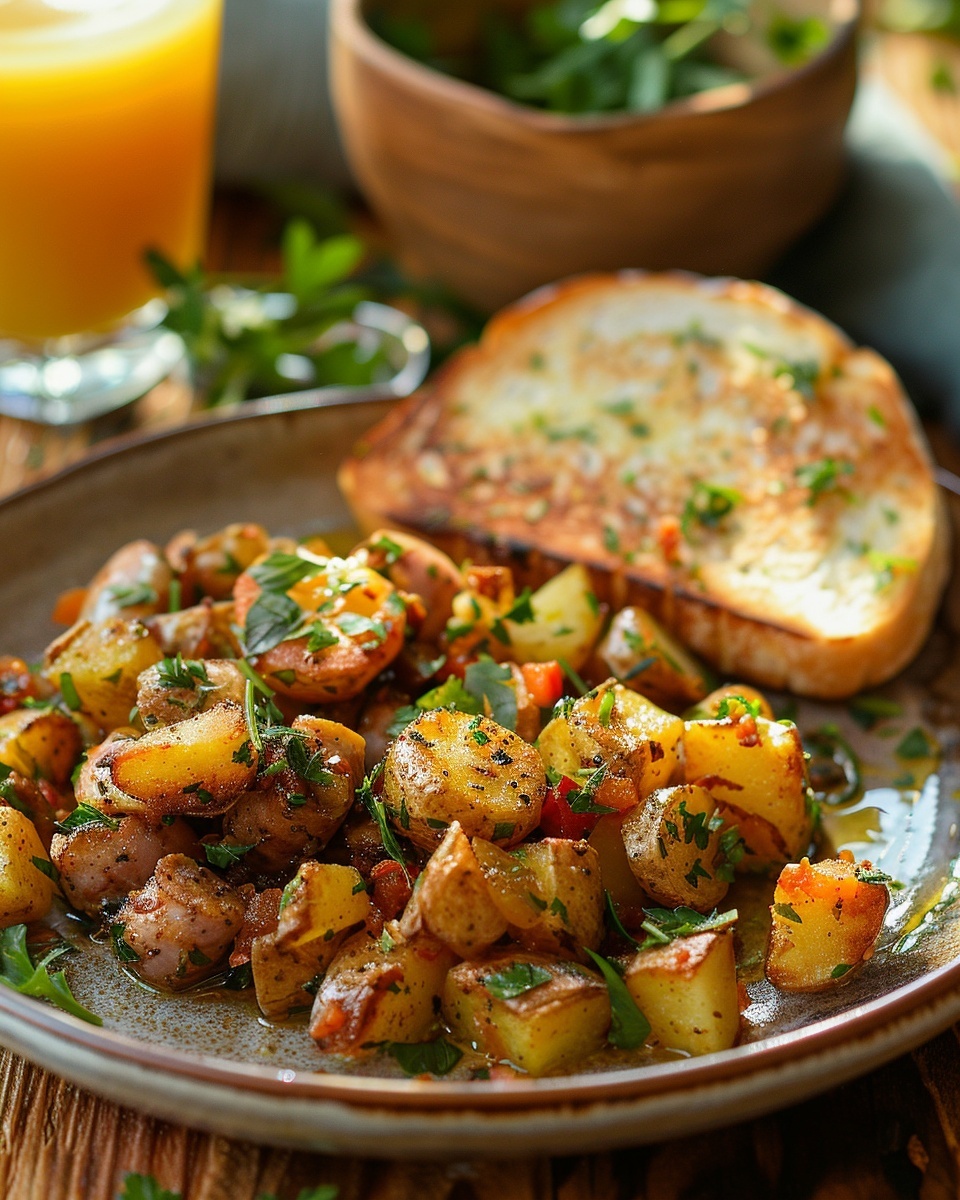
Why I Can’t Stop Making This Breakfast Hash with Potatoes and Sausage
Last Saturday morning, I woke up to find my refrigerator almost empty except for a few potatoes, half a pack of sausage, and some wilted peppers. Instead of ordering takeout, I threw everything into a cast-iron skillet. Twenty minutes later, I had created the most satisfying breakfast I’d eaten in weeks. My family devoured it in minutes and asked me to make it again the next day.
That’s the beauty of a good Breakfast Hash with Potatoes and Sausage. You don’t need fancy ingredients or complicated techniques to create something amazing. This dish proves that simple food, done right, beats restaurant meals every time.
In this guide, I’ll walk you through everything you need to know about making the perfect breakfast hash. You’ll learn which ingredients work best, how to prepare them properly, and creative ways to customize the dish for your taste. I’ve also included answers to common questions people ask when they’re making this recipe for the first time.
The Benefits of a Hearty Breakfast
My grandmother used to say that breakfast sets the tone for your entire day. She was right. When I skip breakfast or grab something quick and sugary, I feel tired and hungry by mid-morning. But when I eat a solid meal with protein and complex carbs, I stay energized for hours.
A proper breakfast does more than just fill your stomach. It jumpstarts your metabolism after a night of fasting. Your body needs fuel to function well, and giving it quality nutrition first thing helps you think clearly and stay focused.
Breakfast Hash with Potatoes and Sausage delivers exactly what your body needs in the morning. The potatoes provide long-lasting energy through complex carbohydrates. Your body breaks these down slowly, which means you won’t experience the sugar crash that comes from eating pastries or sugary cereals.
The sausage brings protein and fat to the table. Protein helps build and repair your muscles, while healthy fats keep you feeling full. When you combine protein with carbs, you create a balanced meal that satisfies your hunger and prevents mindless snacking before lunch.
Potatoes often get a bad reputation, but they’re actually packed with nutrients. A medium potato contains vitamin C, potassium, and vitamin B6. These vitamins support your immune system and help your body convert food into energy. The skin of the potato adds fiber, which aids digestion and keeps you regular.
Sausage quality matters a lot. Good sausage made from quality meat provides iron, zinc, and B vitamins. I always choose sausage with minimal additives and preservatives. The cleaner the ingredient list, the better it is for your body.
Adding vegetables like peppers and onions boosts the nutritional value even more. Peppers contain vitamins A and C, while onions offer antioxidants that support overall health. You’re basically getting a complete meal in one skillet.
Ingredients for the Perfect Breakfast Hash
The ingredient list for breakfast hash stays wonderfully simple. You probably have most of these items in your kitchen already. Here’s what you need to make a basic version:
- Potatoes – About 1.5 to 2 pounds (Yukon Gold or russet work best)
- Sausage – 12 to 16 ounces (your choice of breakfast sausage, Italian sausage, or chorizo)
- Onion – One medium yellow or white onion
- Bell peppers – One or two peppers in any color you like
- Garlic – Two to three cloves, minced
- Olive oil or butter – For cooking
- Salt and black pepper – To taste
- Optional seasonings – Paprika, cumin, or your favorite spice blend
Choosing the right potatoes makes a huge difference in your final dish. I’ve tried many varieties over the years, and I keep coming back to Yukon Gold potatoes. They have a creamy texture and hold their shape well during cooking. The natural butter flavor pairs perfectly with sausage.
Russet potatoes work great too, especially if you like crispier hash. They have less moisture than Yukon Golds, which means they develop those beautiful golden-brown edges more easily. Red potatoes are another solid choice. They’re waxy and firm, so they don’t fall apart in the pan.
Whatever potato you pick, look for ones that feel firm and heavy for their size. Avoid potatoes with green spots, sprouts, or soft areas. Fresh potatoes make better hash every single time.
For sausage, you have endless options. Traditional breakfast sausage with sage and black pepper creates a classic flavor profile. Italian sausage adds fennel and garlic notes that taste incredible. Chorizo brings smoky heat that takes your hash in a completely different direction.
I recommend buying sausage from a butcher if you can. The quality difference is noticeable. Look for sausage with a high meat content and minimal fillers. Read the ingredient label. If you see a long list of chemicals and additives, put it back and find something cleaner.
Fresh vegetables always beat frozen ones for this recipe. A crisp onion adds sweetness and depth to the dish. Yellow onions work perfectly, but red onions add a slightly sharper bite if that’s what you prefer. I dice my onions into medium-sized pieces so they cook evenly with the potatoes.
Bell peppers bring color, crunch, and mild sweetness to breakfast hash. Red and yellow peppers taste sweeter than green ones. I usually grab whatever looks freshest at the market. Make sure your peppers feel heavy and have smooth, shiny skin without wrinkles or soft spots.
Garlic is non-negotiable in my kitchen. Fresh garlic cloves give you the best flavor, but jarred minced garlic works in a pinch. Just remember that fresh garlic packs more punch, so adjust the amount if you’re using the pre-minced kind.
Some people make breakfast hash with just these basic ingredients. Others like to get creative with add-ins. Here are some optional ingredients that work beautifully:
- Eggs – Crack them right into the hash for the last few minutes of cooking
- Cheese – Shredded cheddar, pepper jack, or feta
- Fresh herbs – Parsley, cilantro, or green onions for garnish
- Hot sauce – For people who like extra heat
- Mushrooms – Sliced button or cremini mushrooms add earthiness
- Spinach or kale – Toss in a handful for extra nutrients
- Jalapeños – Fresh or pickled for a spicy kick
If you follow a specific diet, you can easily adapt this recipe. Turkey sausage or chicken sausage work for people avoiding red meat. Plant-based sausage creates a vegetarian version that still tastes hearty and satisfying. Sweet potatoes can replace regular potatoes if you want extra vitamins and a touch of sweetness.
People watching their sodium intake should choose low-sodium sausage and go easy on added salt. The vegetables and spices provide plenty of flavor without relying on salt alone.
The beauty of Breakfast Hash with Potatoes and Sausage lies in its flexibility. Once you master the basic technique, you can adjust ingredients based on what’s in your fridge or what your family enjoys eating. There’s no wrong way to make it as long as you use quality ingredients and cook them properly.


Making Your Breakfast Hash with Potatoes and Sausage from Start to Finish
Now that you’ve gathered your ingredients, let’s get cooking. I’ve made this dish probably a hundred times, and I’ve learned exactly which steps matter most. The secret to amazing hash isn’t complicated, but the order you do things makes all the difference.
Start by preparing your potatoes. Wash them thoroughly under cold water, scrubbing off any dirt. I usually leave the skins on because they add texture and nutrients, but you can peel them if you prefer. Cut the potatoes into half-inch cubes. Try to keep the pieces roughly the same size so they cook evenly. Nothing’s worse than having some pieces mushy while others stay hard.
Here’s a tip I learned from my uncle who ran a diner for twenty years: after cutting the potatoes, rinse them one more time in cold water. This washes away excess starch, which helps them get crispier instead of gummy. Pat them dry with a clean kitchen towel. Wet potatoes won’t brown properly because they’ll steam instead of fry.
If you’re using sausage links, remove the casings and break the meat into chunks. Bulk sausage works even better since you can skip this step. Don’t worry about making the pieces perfect. Irregular chunks actually create more surface area for browning, which means more flavor.
Dice your onion and peppers while the potatoes dry. I like my vegetables cut slightly larger than the potatoes so they stay a bit crunchy after cooking. Mince the garlic last so it stays fresh and pungent.
Heat a large cast-iron skillet over medium-high heat. Cast iron holds heat beautifully and creates those crispy edges everyone loves. If you don’t have cast iron, a heavy-bottomed stainless steel pan works fine. Just avoid nonstick pans for this recipe because you can’t get them hot enough without damaging the coating.
Add the sausage first. Let it cook undisturbed for about three minutes. I know the temptation to stir constantly, but resist it. Leaving the meat alone lets it develop a brown crust. After three minutes, break it up with a wooden spoon and continue cooking until it’s browned all over, about five to seven minutes total. Remove the cooked sausage to a plate, but leave the fat in the pan.
That rendered sausage fat is liquid gold for cooking potatoes. Add a tablespoon of butter or olive oil to the pan along with the fat. When it’s shimmering hot, add your dried potato cubes in a single layer. This is crucial: don’t overcrowd the pan. If the potatoes are piled on top of each other, they’ll steam instead of getting crispy. Cook them in batches if you need to.
Season the potatoes with salt and pepper right away. Let them cook without stirring for about five minutes. When you finally flip them, you should see golden-brown bottoms. If they’re sticking, give them another minute. They’ll release when they’re ready. Continue cooking, flipping every few minutes, until the potatoes are tender inside and crispy outside. This takes about fifteen to twenty minutes total.
When the potatoes are almost done, push them to the sides of the pan and add your onions and peppers to the center. Let them cook for three to four minutes until they start softening. Toss in the garlic and cook for just thirty seconds. Garlic burns easily, and burnt garlic tastes bitter.
Return the cooked sausage to the pan. Mix everything together and let it cook for another two minutes so all the flavors meld. Taste and adjust the seasoning. I usually add a pinch more black pepper at this point, maybe some smoked paprika if I’m feeling fancy.
The whole process takes about thirty minutes from start to finish. Your kitchen will smell absolutely incredible. This hearty breakfast recipe delivers maximum flavor with minimal fuss, which is exactly what I need on busy mornings.
Ways to Make This Hash Your Own
Once you’ve mastered the basic version, the fun really begins. I love experimenting with different combinations depending on what I’m craving or what’s in season.
Adding eggs transforms this from a side dish into a complete meal. My favorite method is creating little wells in the hash about five minutes before it’s done. Crack an egg into each well, cover the pan with a lid, and let the eggs cook until the whites set but the yolks stay runny. When you break into that yolk and it runs through the crispy potatoes, it’s basically breakfast heaven. This technique reminds me of other satisfying breakfast bowls where the presentation makes everything taste better.
Cheese belongs in breakfast hash, at least in my opinion. Shredded cheddar is classic, but I’ve been obsessed with pepper jack lately. The little kicks of heat from the jalapeños in the cheese wake up your taste buds. Crumble some feta or goat cheese on top right before serving for a tangy contrast to the rich sausage. Gruyere or fontina get beautifully melty if you stir them in during the last minute of cooking.
Different sausages create completely different dishes. Andouille sausage brings Cajun flavors that pair perfectly with some hot sauce and green onions. Kielbasa gives you a Polish-inspired hash that tastes amazing with sauerkraut mixed in. I made a version with chorizo and sweet potatoes last month that my neighbor still talks about.
By the way, vegetables are completely customizable. Mushrooms are fantastic in hash because they get meaty and satisfying when you brown them properly. Zucchini works well if you cut it thick and don’t add it until the very end. I’ve thrown in leftover roasted Brussels sprouts, and they were surprisingly delicious. Spinach or kale wilts right into the hot hash if you toss it in during the last minute.
Funny enough, breakfast hash isn’t just for breakfast. I’ve served this for dinner more times than I can count, usually when I’m too tired to think of anything else. Nobody ever complains. Pair it with a simple green salad, and you’ve got a balanced meal.
Regional variations exist all over the country. In the Southwest, people add green chiles, cumin, and sometimes black beans. Southern cooks often include okra and Cajun seasoning. I’ve seen New England versions with corned beef instead of sausage, basically turning it into a deconstructed corned beef hash.
Want to get really creative? Try these combinations I’ve tested:
Greek-Style: Use chicken sausage with sun-dried tomatoes and spinach. Add feta cheese, oregano, and a squeeze of lemon at the end. Serve with a dollop of Greek yogurt.
Mexican-Inspired: Chorizo with sweet potatoes, black beans, and corn. Top with avocado, cilantro, and a fried egg. This version pairs beautifully with the same bright flavors you’d find in other creative breakfast dishes.
Italian Twist: Italian sausage with red bell peppers, tomatoes, and fresh basil. Finish with mozzarella and serve with crusty bread for dipping.
Breakfast for Dinner: Regular sausage with regular potatoes, but serve it alongside dinner-worthy sides to make it feel more substantial.
The beauty of this potato sausage hash recipe is that it welcomes improvisation. Clean out your vegetable drawer. Use up that partial package of sausage. Experiment with spices from your cabinet. You really can’t mess it up as long as you follow the basic technique.
Serving Your Hash to Impress
Presentation matters more than people think. I used to just dump everything onto a plate, but taking thirty extra seconds to make it look nice actually makes it taste better. I’m not kidding. There’s something about eating with your eyes first.
Serve the hash on warm plates if you can. Cold plates make hot food cool down too fast. I heat mine in a low oven while I’m finishing the hash. Pile the hash in the center of the plate, leaving some room around the edges. This looks more intentional than spreading it edge to edge.
Garnishes add both flavor and visual appeal. Fresh herbs are my go-to finishing touch. Chopped parsley adds brightness without overpowering anything. Cilantro works if you’re going for Mexican flavors. Sliced green onions give you little pops of sharpness and that pretty green color.
A dollop of sour cream or Greek yogurt on top creates a creamy element that balances the crispy potatoes. Hot sauce belongs on the table for people who want extra heat. I always put out several options and let everyone customize their own plate.
For sides, keep things simple. This hash is already hearty, so you don’t need much else. Buttered toast is classic for a reason. The crispy bread is perfect for scooping up every last bit. Fresh fruit cuts through the richness beautifully. Sliced oranges or grapefruit segments add acidity and sweetness. Berries work great too, especially in summer.
Coffee is pretty much mandatory with breakfast hash. The bitter, roasted notes complement the savory flavors perfectly. I brew a strong pot and serve it alongside the meal. Fresh orange juice is another winner, especially if you’re serving this for brunch.
Speaking of brunch, this dish shines at gatherings. You can make a huge batch in a large skillet or even in the oven. I spread everything on a sheet pan and roast it at 425 degrees, stirring every ten minutes. It takes about forty minutes total, but you can feed a crowd without standing over the stove.
Here’s the thing: breakfast hash travels well, which makes it fantastic for camping trips. I prep all the ingredients at home, store them in containers, and cook everything over the campfire in a cast-iron skillet. It’s even better when you’re eating it outdoors with the smell of pine trees and morning air. The same hearty satisfaction you get from filling comfort foods translates perfectly to outdoor cooking.
Leftovers actually taste great, which is rare for potato dishes. Store them in an airtight container in the fridge for up to three days. Reheat in a skillet over medium heat to restore some crispiness. You can even use leftover hash as a filling for breakfast burritos or stuff it into bell peppers for a fun twist.
Whether you’re making this sausage breakfast skillet for yourself on a quiet Sunday morning or feeding your whole family, the versatility makes it a recipe you’ll return to again and again. It’s become one of those dishes I don’t even need to think about anymore. My hands just know what to do.


Storing and Reheating Your Breakfast Hash Like a Pro
Here’s something I wish someone had told me years ago: breakfast hash stores better than almost any other potato dish. Most potato recipes turn into mushy disasters after sitting in the fridge overnight, but hash actually holds up remarkably well if you handle it right.
Let the hash cool completely before storing it. I know you’re probably in a hurry to clean up the kitchen, but stuffing hot food into containers creates condensation. That moisture makes everything soggy and can actually encourage bacteria growth. Spread the leftover hash on a baking sheet and let it cool for about twenty minutes at room temperature.
Transfer cooled hash to an airtight container. Glass containers work better than plastic in my experience because they don’t absorb odors. The sausage has strong flavors that can linger in plastic, and nobody wants their tomorrow’s lunch to smell like yesterday’s breakfast. Fill the container close to the top, leaving just a little space. Less air means less oxidation, which keeps everything fresher longer.
Stored properly in the refrigerator, your breakfast hash will stay good for three to four days. I’ve pushed it to five days before, but the potatoes start getting a weird texture after that. The sausage is the limiting factor here. Cooked meat doesn’t last forever, and you want to err on the side of caution with food safety.
Freezing works surprisingly well if you want to prep ahead. Portion the cooled hash into freezer-safe containers or heavy-duty freezer bags. Squeeze out as much air as possible before sealing. Label everything with the date because frozen food all starts looking the same after a while. I learned this the hard way when I discovered mystery containers from three months ago buried in the back of my freezer.
Frozen breakfast hash keeps for up to three months. Beyond that, it’s still safe to eat but the quality drops. Freezer burn starts affecting the texture, and the flavors dull out. Thaw frozen hash in the refrigerator overnight before reheating. Never thaw it on the counter because that creates the perfect temperature for bacteria to multiply.
Reheating properly makes all the difference between mediocre leftovers and something that tastes almost as good as when you first made it. The microwave is tempting because it’s fast, but it turns everything rubbery and steams away any remaining crispiness. I avoid the microwave for hash unless I’m absolutely desperate.
The best reheating method brings back that skillet. Heat a tablespoon of butter or oil in your pan over medium heat. Add the leftover hash in an even layer. Don’t stir it constantly. Let it sit for three to four minutes so the bottoms get crispy again. Flip sections of it like you’re making a pancake, letting each side develop some color. The whole process takes about eight minutes, and it’s worth every second.
My oven works great for reheating larger portions. Spread the hash on a baking sheet, drizzle with a tiny bit of oil, and bake at 375 degrees for about fifteen minutes. Stir it halfway through. This method doesn’t get things quite as crispy as the skillet, but it heats everything evenly and you can warm up enough for the whole family at once.
Food safety matters more than people realize. I’ve seen folks leave hash sitting out for hours during brunch parties, and that makes me nervous. The USDA says perishable food shouldn’t sit at room temperature for more than two hours. In hot weather, that drops to just one hour. Bacteria multiply fast in what they call the “danger zone” between 40 and 140 degrees Fahrenheit.
If you’re making hash for a crowd and want to keep it warm, use a warming tray or slow cooker on the “warm” setting. This keeps the temperature high enough to prevent bacterial growth. Just know that the potatoes will soften the longer they sit, so fresh is always better.
When reheating, make sure everything reaches 165 degrees internally. I don’t usually get out a thermometer for this because I can tell when it’s steaming hot throughout, but if you’re uncertain, checking the temp gives you peace of mind. This is especially important if you’ve frozen and thawed the hash.
By the way, leftover hash makes incredible breakfast burritos. Warm up a tortilla, fill it with the reheated hash, add some scrambled eggs and cheese, and you’ve got a portable breakfast that beats anything from a drive-through. I pack these for my morning commute at least twice a week.
Trust your senses when evaluating leftovers. If the hash smells off or sour, toss it without hesitation. Discoloration or slimy texture are other red flags. Food poisoning isn’t worth the risk, no matter how much you hate wasting food. Practicing conscious eating means paying attention not just to what you consume, but also to the quality and safety of your ingredients.
Your Breakfast Hash Questions Answered
How do I make the potatoes crispy in my Breakfast Hash?
The secret to crispy potatoes is removing excess starch and avoiding overcrowding. After cutting your potatoes, rinse them in cold water and pat them completely dry with a towel. Moisture is the enemy of crispiness. Make sure your skillet is properly heated before adding the potatoes, and resist the urge to stir them constantly. Let them sit undisturbed for several minutes so they develop a golden crust. Using enough fat in the pan also helps create that perfect crispy exterior while keeping the insides tender.
Can I use sweet potatoes instead of regular potatoes?
Absolutely, and sweet potatoes bring a whole different flavor profile to the dish. They’re slightly sweeter and packed with even more vitamins than regular potatoes, especially vitamin A. Sweet potatoes cook a bit faster than russets, so watch them carefully to prevent burning. They pair beautifully with chorizo or spicy sausage because the heat balances their sweetness. I usually cut them slightly smaller than regular potatoes since they’re denser and take a minute longer to soften in the center.
What are some good side dishes to serve with Breakfast Hash?
Since hash is already pretty filling, keep sides simple and fresh. Buttered toast or English muffins are classic choices that help scoop up every bite. Fresh fruit like melon, berries, or citrus segments add brightness and cut through the richness of the sausage. A light green salad with vinaigrette works surprisingly well for brunch. Some people love biscuits with gravy alongside their hash, though that’s definitely going for a super hearty meal. Coffee and fresh juice round out the experience perfectly.
Is it possible to make this dish vegetarian or vegan?
Definitely! Plant-based sausages have come a long way in recent years, and many taste remarkably similar to the real thing. Beyond Sausage and Field Roast both work great in hash. For a completely whole-food approach, skip the sausage substitute and load up on mushrooms, black beans, and chickpeas for protein. Use olive oil instead of butter, and make sure you’re adding enough spices since you’re missing the seasoning that comes built into sausage. Smoked paprika, cumin, and nutritional yeast add depth and savory flavors that make the dish feel just as satisfying.
How can I make the hash spicier?
There are several ways to turn up the heat depending on your preference. Start by choosing spicy sausage like hot Italian or chorizo as your base. Add diced jalapeños or serrano peppers when you cook the onions and bell peppers. Red pepper flakes stirred in during cooking distribute heat throughout the entire dish. Hot sauce at the table lets everyone customize their spice level. I’ve also used cayenne pepper in the seasoning mix, though go easy because a little goes a long way. Finishing with sliced fresh jalapeños and a drizzle of sriracha gives you both heat and fresh pepper flavor.
Can I prepare the ingredients ahead of time?
Prep work ahead of time makes weekday breakfasts so much easier. You can cut potatoes up to 24 hours in advance if you store them covered in cold water in the refrigerator. This prevents them from turning brown. Drain and pat them dry right before cooking. Dice your onions and peppers and keep them in separate containers in the fridge for two to three days. You can even cook the sausage the night before and just reheat it when you make the hash. I don’t recommend cooking the entire dish ahead because the potatoes lose their texture, but having everything chopped and ready cuts your morning cooking time in half.
What are some alternative proteins I can use instead of sausage?
Bacon is probably the most popular sausage alternative, and it creates a slightly different but equally delicious hash. Chop it before cooking and use the rendered bacon fat for cooking the potatoes. Diced ham works beautifully and gives you a more subtle flavor than sausage. Ground beef or turkey seasoned with your favorite spices creates a customizable version. Leftover rotisserie chicken mixed in at the end makes for a quick protein addition. I’ve even made hash with flaked smoked salmon for a fancy brunch, topping it with crème fraîche and fresh dill. Corned beef creates a classic diner-style hash that people absolutely love.
How can I make the hash healthier without sacrificing flavor?
Start by choosing turkey sausage or chicken sausage instead of pork, which significantly reduces the fat content while still delivering great flavor. Load up on vegetables, adding things like zucchini, spinach, mushrooms, and tomatoes to increase the nutrient density. Use minimal oil for cooking, relying more on non-stick spray or a well-seasoned cast-iron pan. Sweet potatoes instead of regular potatoes boost the vitamin content. Skip the cheese or use just a small amount of a strong-flavored variety like sharp cheddar so you get flavor without tons of calories. Fresh herbs and spices add tons of flavor without any fat or calories, so don’t hold back on those.
Funny enough, I get asked about timing more than almost anything else. People want to know exactly how long each step takes, but here’s the thing: your stove is different from mine. Your potatoes might be cut slightly larger. Your sausage might have more or less fat. Instead of watching the clock obsessively, watch the food. Cook until the potatoes are golden and tender. Cook until the onions soften. Your eyes and nose are better guides than any timer.
One more question that comes up constantly: can you make this in an air fryer? Technically yes, but I don’t love the results. The air fryer does crisp the potatoes nicely, but you lose the flavor that comes from cooking everything together in the same pan. Those little browned bits from the sausage, the way the onions caramelize in the fat, the garlic that flavors the whole dish—you miss all that when you cook components separately. If you’re determined to use an air fryer, cook the potatoes there for crispiness and everything else in a pan, then combine them at the end.
This satisfying breakfast skillet has become such a staple in my kitchen that I’ve started experimenting with it constantly. If you’re looking for more ways to start your day right, you’ll find plenty of inspiration in our collection of breakfast recipes that range from classic comfort food to creative new ideas.
The best part about mastering breakfast hash is the confidence it gives you in the kitchen. Once you understand the basic technique—crispy potatoes, browned protein, sautéed vegetables, everything combined—you can apply it to endless variations. You’re not following a rigid recipe anymore. You’re cooking with intuition, using what you have, creating something delicious without stress. That’s when cooking stops feeling like a chore and starts feeling like something you actually enjoy. Give it a try this weekend, adjust it to your taste, and pretty soon you’ll be making it without even thinking about measurements or steps.
Ingredients
Equipment
Method
- Wash and scrub the potatoes, then cut them into half-inch cubes.
- Rinse the diced potatoes in cold water and pat them dry with a towel.
- If using sausage links, remove the casings and break meat into chunks.
- Dice the onion and bell peppers, keeping the pieces larger than the potatoes.
- Heat a large cast-iron skillet over medium-high heat.
- Add the sausage to the skillet, cooking undisturbed for about three minutes.
- Break up the sausage and cook until browned all over, about five to seven minutes.
- Remove the cooked sausage from the skillet but leave the fat in the pan.
- Add a tablespoon of butter or olive oil to the skillet and let it heat up.
- Add the dried potato cubes in a single layer, seasoning with salt and pepper.
- Cook the potatoes without stirring for about five minutes, then flip them to brown the other side.
- Continue flipping the potatoes every few minutes for about fifteen to twenty minutes total.
- When the potatoes are almost done, push them to the sides of the pan.
- Add the onions and peppers to the center and cook for three to four minutes until softened.
- Toss in the garlic and cook for thirty seconds until fragrant.
- Return the cooked sausage to the pan and mix everything together, cooking for another two minutes.
- Taste and adjust the seasoning if necessary before serving.