
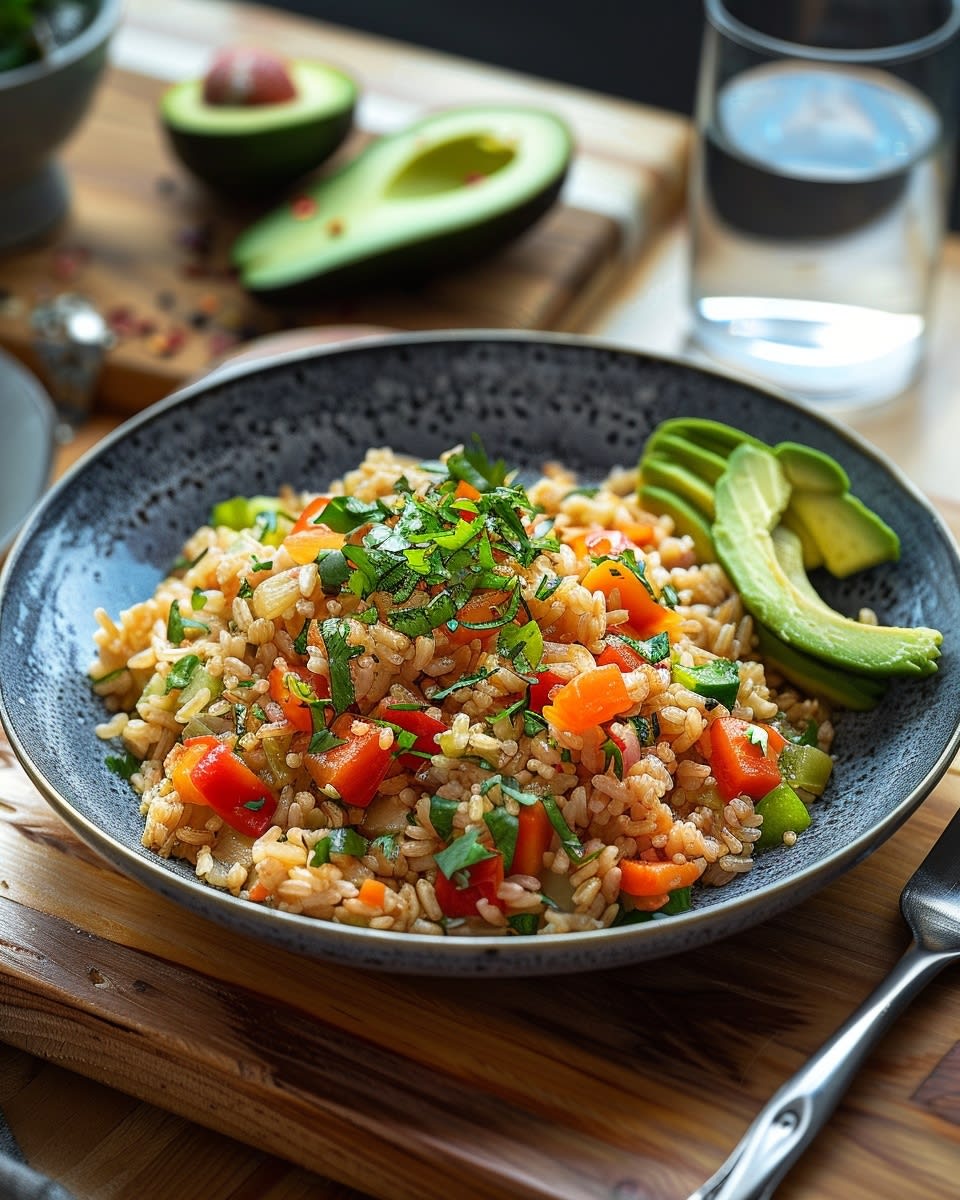
Welcome to My Brown Rice Bowl Kitchen
Last Tuesday, I found myself staring into my fridge at 6 PM with absolutely no idea what to make for dinner. I had some leftover brown rice, a bunch of colorful vegetables, and about 20 minutes before my stomach would start staging a protest. That’s when I threw together what has now become my go-to meal: a Brown Rice Bowl with Vegetables. The best part? My picky teenage son actually asked for seconds. That’s when I knew I had stumbled onto something special.
Here’s the thing about rice bowls. They’re like a blank canvas waiting for you to create something amazing. You don’t need fancy ingredients or complicated cooking techniques. Just good brown rice, fresh vegetables, and a little creativity. I’ve been making these bowls at least twice a week for the past six months, and I’m still not bored with them.
What I love most about this meal is how forgiving it is. Got leftover vegetables from last night’s dinner? Toss them in. Found a sad-looking bell pepper in the back of your crisper drawer? Perfect. That’s exactly what you need. This isn’t a recipe that demands perfection. It welcomes whatever you’ve got on hand.
Why Choose a Brown Rice Bowl with Vegetables?
Let me tell you why I’m slightly obsessed with brown rice as my bowl base. When I switched from white rice to brown rice about two years ago, I noticed some real changes. My energy levels stayed more consistent throughout the afternoon. I didn’t get that mid-day crash that used to send me running for a third cup of coffee.
Brown rice is a whole grain, which means it still has all its natural layers intact. The bran and germ haven’t been stripped away like they are in white rice. Those layers pack in fiber, B vitamins, magnesium, and other nutrients your body actually needs. We’re talking about real nutritional value here, not just empty calories.
The fiber content alone makes brown rice worth it. One cup of cooked brown rice gives you about 3.5 grams of fiber. That’s roughly 14% of what you need in a day. Fiber keeps your digestive system happy and helps you feel full longer. I used to snack constantly between meals, but now I can actually make it from lunch to dinner without raiding the pantry.
Now let’s talk about what to put in a brown rice bowl. This is where things get fun. I like to think of my bowl in three parts: the base (brown rice), the vegetables, and the toppings. The vegetables are where you can really get creative and add different flavors and textures.
The Heart-Healthy Connection
My father had a heart scare about three years ago. Nothing major, but enough to make our whole family rethink our eating habits. His cardiologist gave him a list of foods to include in his diet, and brown rice was right there near the top. So, is brown rice good for cardiac patients? According to his doctor and the research I’ve done since then, yes.
Brown rice contains nutrients that support heart health. The fiber helps lower cholesterol levels. The magnesium helps regulate blood pressure. Plus, brown rice has a lower glycemic index than white rice, which means it doesn’t cause those sharp spikes in blood sugar that can stress your cardiovascular system.
My dad now eats a brown rice bowl at least three times a week. His cholesterol numbers have improved, and he’s lost about 15 pounds without really trying. He jokes that his new diet is “boring health food,” but I catch him sneaking seconds when he thinks no one’s looking.
Choosing the Right Vegetables for Your Bowl
When people ask me what vegetables go well with brown rice, I always say: almost anything. But I do have my favorites that I return to again and again. The key is mixing different colors, textures, and flavors to keep things interesting.
Roasted vegetables are my top choice. Something magical happens when you roast vegetables in the oven. They get slightly caramelized, sweeter, and develop this depth of flavor you just can’t get from steaming or boiling. I usually roast broccoli, bell peppers, zucchini, and carrots. Just toss them with a little olive oil and salt, spread them on a baking sheet, and roast at 425 degrees for about 20 minutes.
Here are vegetables that are good in a rice bowl:
- Broccoli: Gets crispy edges when roasted and adds a nice crunch
- Bell peppers: Sweet and colorful, plus loaded with vitamin C
- Carrots: Add natural sweetness and that satisfying bite
- Zucchini: Mild flavor that soaks up whatever seasonings you use
- Spinach or kale: Wilt them right into the warm rice for easy greens
- Cherry tomatoes: Burst with flavor when roasted
- Red onions: Become sweet and tender when cooked
- Mushrooms: Add a meaty, savory element
- Snap peas: Provide a fresh, crispy contrast
- Edamame: Boost the protein content
I try to include at least three different vegetables in each bowl. More variety means more nutrients and more interesting flavors. Sometimes I’ll do all roasted vegetables. Other times I’ll mix roasted with raw for different textures.
One trick I learned is to prep vegetables on Sunday for the whole week. I wash, chop, and store them in containers. Then on busy weeknights, I just grab what I need and throw it together. This simple habit has saved me so much time and kept me from ordering takeout on those exhausted evenings.
Making It Your Own
The beauty of a Brown Rice Bowl with Vegetables is that it adapts to your tastes and dietary needs. My sister is vegan, so she loads hers up with chickpeas and tahini sauce. My husband likes to add grilled chicken or salmon. My kids prefer theirs simple with just a few vegetables and some soy sauce.
You can make these bowls fit any eating style. They work for vegetarians, vegans, gluten-free diets, and dairy-free lifestyles. They’re budget-friendly since rice and vegetables cost less than most proteins. And they’re meal-prep friendly because both rice and roasted vegetables keep well in the fridge for several days.
I’ve served these bowls to dinner guests, packed them for work lunches, and made them for quick weeknight dinners. Every single time, they deliver. They fill you up without weighing you down. They taste good without requiring hours in the kitchen. And they make you feel good about what you’re eating.


Building Your Perfect Vegetable Combination
Now that you understand why these bowls work so well, let’s get into the actual construction process. I remember the first time I tried to plan out a rice bowl, I just stood there overwhelmed by all the vegetable options at the grocery store. Should I buy everything? Just a few things? Which ones actually taste good together?
Here’s what I’ve learned through lots of trial and error. You want to think about three things when picking your vegetables: texture, flavor, and color. I know that sounds like something from a cooking show, but trust me, it makes sense. Texture means combining soft vegetables with crunchy ones. Flavor means balancing sweet vegetables like carrots with more savory ones like mushrooms. And color? That’s just making sure your bowl looks as good as it tastes.
My daughter came home from college last month and watched me make one of these bowls. She said, “Mom, that looks like something from Instagram.” I’ll take that as a compliment. The reality is that when you pile different colored vegetables on top of brown rice, it naturally looks appealing. You’re not trying to be fancy. It just happens.
The vegetables I reach for most often are bell peppers because they add this sweet crunch that contrasts beautifully with the nutty brown rice. I usually grab one red and one yellow pepper. Sometimes orange if I’m feeling adventurous. I dice them into bite-sized pieces because nobody wants to wrestle with a huge chunk of pepper while trying to eat with chopsticks.
Carrots are another staple in my rotation. I used to just slice them into rounds, but then I discovered that cutting them on a diagonal makes them cook more evenly and look more interesting. Funny how such a small change makes a difference. When roasted, carrots get this caramelized sweetness that my kids actually prefer over candy. Well, almost.
Broccoli was harder to win over in my house. My husband claims he hated it growing up because his mom always served it steamed and mushy. But roasted broccoli? That’s a completely different vegetable. The florets get these crispy, almost burnt edges that taste incredible. I cut the stems into smaller pieces too because they’re actually the best part once they’re roasted. Nothing goes to waste.
Spinach or kale works perfectly when you want some greens without much effort. I don’t even cook them separately. I just pile fresh spinach on top of the hot rice and vegetables, and it wilts on its own. My trick is to tear the leaves into smaller pieces first. Makes it easier to eat and helps it wilt faster. Sometimes I’ll mix spinach into a spinach salad with grilled chicken for variety during the week.
One combination I come back to repeatedly is roasted broccoli, red bell pepper, shredded carrots, and wilted spinach. That mix gives me crunch from the broccoli, sweetness from the peppers and carrots, and earthiness from the spinach. It hits all the right notes. Plus, the colors look fantastic together in the bowl.
Sometimes I’ll switch things up with zucchini and yellow squash. They absorb flavors really well, so I’ll toss them with garlic powder and a little lemon zest before roasting. They cook down quite a bit, so I always use more than I think I need. My neighbor taught me that trick after I served her a bowl with barely any zucchini because it had all shrunk in the oven.
By the way, don’t sleep on frozen vegetables. I keep bags of frozen edamame and corn in my freezer for those nights when I haven’t made it to the store. They thaw quickly and add protein and sweetness to the bowl. Actually, the edamame pairs really well with corn in lots of dishes, including a black bean and corn salad I make during summer.
The Art of Cooking Brown Rice Properly
Okay, confession time. I ruined brown rice for years before I figured out what I was doing wrong. It was either mushy and overcooked or hard and crunchy in the middle. My mother-in-law finally showed me her method, and it changed everything. Now my rice comes out perfect every single time.
First thing: rinse your rice. I know some people skip this step, but those people are eating starchy, gummy rice. Put your rice in a fine-mesh strainer and run cold water over it until the water runs clear. This usually takes about a minute. You’re washing away excess starch that would otherwise make your rice clump together.
The water-to-rice ratio matters more than you’d think. For brown rice, I use 2 and a quarter cups of water for every cup of rice. Some people use 2 cups, some use 2 and a half. I’ve tested different ratios, and 2.25 cups gives me rice that’s tender but still has a slight chew to it. That’s what you want.
Here’s my exact process. I put the rinsed rice and water in a pot with a tight-fitting lid. I add a pinch of salt because unsalted brown rice tastes like cardboard. Then I bring it to a boil over high heat. Once it’s boiling, I immediately turn the heat to the lowest setting, put the lid on, and set a timer for 45 minutes. This is important: do not lift the lid. Not even to peek. The steam needs to stay trapped inside to cook the rice properly.
My husband used to lift the lid to check on it, and every time he did, the rice came out undercooked. Steam escaped, temperature dropped, and the rice didn’t cook evenly. Now I literally stand guard over the pot when he’s in the kitchen to make sure he doesn’t interfere.
After 45 minutes, I turn off the heat but leave the pot on the burner with the lid still on for another 10 minutes. This resting time lets the rice finish absorbing any remaining water and firms up the texture. Then, and only then, I remove the lid and fluff the rice with a fork. Never use a spoon to fluff rice. A fork separates the grains without mashing them.
The result? Perfectly cooked brown rice with distinct grains that aren’t sticky or mushy. It’s nutty, slightly chewy, and makes an excellent base for all those vegetables we talked about. This rice also works great in other dishes like lentil and vegetable soup when I want to add some heartiness.
One shortcut I use on busy weeks is cooking a big batch of brown rice on Sunday. Brown rice keeps in the refrigerator for up to five days, so I’ll make three or four cups at once. Then throughout the week, I just reheat what I need. To reheat, I sprinkle a tiny bit of water on the rice and microwave it covered for a minute or two. Comes out almost as good as fresh.
Some people swear by rice cookers, and honestly, they’re not wrong. I got one as a wedding gift and ignored it for five years before finally trying it. Now I use it at least once a week. You still rinse the rice, but then you just dump everything in the cooker, press a button, and walk away. It beeps when it’s done. Zero stress, zero monitoring, zero burnt rice stuck to the bottom of a pot.
If you’re using a rice cooker, the water ratio stays about the same. Most rice cookers have a brown rice setting that adjusts the cooking time automatically. Mine takes about 50 minutes from start to finish. During that time, I can prep all my vegetables, make a sauce, and maybe even start a load of laundry. Multitasking at its finest.
What Actually Goes in Your Brown Rice Bowl
So you’ve got your perfectly cooked rice and your vegetables ready. What else should you throw in there? This is where personal preference really takes over, but I’ll tell you what works in my house.
Protein is the first thing I consider. If you’re making this for dinner, you probably want something to make it more filling. Grilled chicken is my go-to. I’ll season chicken breasts with salt, pepper, and garlic powder, then grill them until they’re cooked through. Sliced on top of the rice bowl, it’s simple and satisfying. When I want something lighter, I’ll make a version similar to my grilled chicken veggie plate but served over rice instead.
For vegetarian versions, I love adding chickpeas or black beans. Both add protein and fiber, plus they’re cheap and shelf-stable. I’ll often roast chickpeas with the vegetables to make them crispy. Just toss them in a little oil and whatever seasonings you’re using, and they get this crunchy exterior that’s addictive.
Tofu is another option, though I had to learn how to cook it properly. The secret is pressing out the water first and then either baking it or pan-frying it until it gets crispy on the outside. My son went through a phase where he wanted crispy tofu on everything. I got really good at making it during those months.
Then there are the toppings and sauces that tie everything together. A drizzle of soy sauce or tamari is the easiest option. Sometimes I’ll make a quick peanut sauce with peanut butter, soy sauce, lime juice, and a touch of honey. Other times I’ll use tahini mixed with lemon juice and garlic. These sauces add moisture and flavor without being heavy.
Don’t forget about the finishing touches. Sesame seeds add a nice nutty crunch. Chopped green onions give you a fresh, sharp bite. A squeeze of lime juice brightens up all the flavors. Fresh cilantro if you’re into that (I know it’s divisive). Maybe some crushed peanuts or sliced almonds for extra texture.
The thing about building these bowls is that once you get the basics down, you can customize them endlessly. Asian-inspired with soy sauce and sesame. Mediterranean with chickpeas and tahini. Mexican-ish with black beans and salsa. The brown rice and vegetables stay the same, but the seasonings and toppings completely change the experience.
What I put in my bowl changes based on what I’m craving that day. Sometimes I want something light and fresh. Other times I want something rich and satisfying. The flexibility is what keeps me coming back to this meal week after week without getting bored.


Assembling and Seasoning Your Brown Rice Bowl
Here’s where everything comes together, literally. You’ve got your perfectly cooked brown rice, your vegetables are roasted or prepped, and now it’s time to build something beautiful. I used to just dump everything into a bowl and call it done. It tasted fine, but it looked like a mess. Then my friend who went to culinary school showed me how she assembled hers, and I realized that layering actually matters.
Start with the rice as your foundation. I use about one to one and a half cups of cooked brown rice per bowl, depending on how hungry I am. Spread it across the bottom of your bowl rather than piling it in a mound. This gives you more surface area to work with and makes every bite more interesting. If you’re reheating rice from the fridge, make sure it’s nice and warm before you start building on top of it.
Now comes the fun part. Instead of mixing everything together, I arrange my vegetables in sections around the bowl. Picture a clock face. At twelve o’clock, I’ll put the broccoli. At three o’clock, the bell peppers. At six o’clock, the carrots. You get the idea. This method makes the bowl look intentional and appealing, plus it lets you taste each vegetable distinctly or combine them as you eat.
My teenage daughter started making these bowls for her Instagram stories, and her friends always comment on how good they look. She’ll spend an extra two minutes arranging everything just right, adding little piles of different vegetables in a circular pattern. I tease her about it, but honestly, it does make the meal feel more special. Even on a random Wednesday night when you’re exhausted, eating something that looks this good lifts your mood.
If you’re adding protein, that goes on last. I’ll place sliced chicken breast or baked tofu right in the center of the bowl, on top of the rice but surrounded by the vegetables. Chickpeas get scattered over everything because they’re small enough to settle into all the gaps. This layering technique means you get a bit of everything in each spoonful.
Funny enough, the order you eat a rice bowl matters to some people. My husband always mixes his up immediately, stirring everything together until it’s one uniform mixture. My daughter eats one section at a time, moving clockwise around her bowl. Me? I eat from the outside in, saving the center protein for last. There’s no right way to do it. The bowl adapts to however you want to experience it.
Now let’s talk about seasonings and sauces because this is what transforms a plain rice bowl into something you actually crave. I keep about five different sauce options in my rotation, and I switch between them depending on my mood.
The simplest option is straight-up soy sauce or tamari if you’re avoiding gluten. Just drizzle it over the top before eating. I prefer low-sodium soy sauce because regular soy sauce can be overwhelmingly salty. Start with a tablespoon and add more if you need it. The soy sauce soaks into the rice and vegetables, adding that savory umami flavor that makes everything taste more satisfying.
When I want something creamy, I make a quick peanut sauce that takes maybe three minutes. In a small bowl, I whisk together three tablespoons of peanut butter, two tablespoons of soy sauce, one tablespoon of rice vinegar, one teaspoon of honey, and a splash of water to thin it out. Sometimes I’ll add a tiny bit of sriracha for heat. This sauce is ridiculously good. It coats everything and adds richness without being heavy.
Sesame ginger dressing is another favorite. I mix two tablespoons of sesame oil with one tablespoon of rice vinegar, one teaspoon of grated fresh ginger, one teaspoon of honey, and a pinch of salt. The ginger gives it this bright, zingy flavor that wakes up your taste buds. Fresh ginger makes a huge difference compared to powdered, by the way. I keep a knob of ginger in my freezer and grate it frozen, which actually makes it easier to work with.
For a Mediterranean vibe, I’ll make a lemon tahini sauce. Three tablespoons of tahini, juice from one lemon, one minced garlic clove, a pinch of salt, and enough water to make it drizzle-able. This one’s earthy and tangy and works especially well if you’re using chickpeas as your protein. The tahini is thick, so you’ll need to add water gradually until it reaches the consistency of heavy cream.
Here’s the thing about sauces. They should enhance the vegetables and rice, not drown them. I used to pour way too much sauce on my bowls, and everything tasted like whatever sauce I was using. Now I add just enough to coat the ingredients lightly. You should still be able to taste the individual components, not just the sauce.
Beyond sauces, simple seasonings make a big impact. I always have these ready to sprinkle on top:
- Sesame seeds: Both black and white add crunch and a subtle nutty flavor
- Green onions: Slice them thin and scatter them over everything for a fresh, sharp bite
- Fresh cilantro: If you’re not one of those people who thinks it tastes like soap
- Crushed red pepper flakes: For when you want some heat
- Everything bagel seasoning: Sounds weird, but it’s actually amazing on rice bowls
- Furikake: A Japanese rice seasoning with seaweed and sesame that I discovered at an Asian market
- Lime wedges: A squeeze of fresh lime juice brightens up the entire bowl
- Chopped peanuts or cashews: Extra protein and satisfying crunch
I keep these toppings in small containers on my counter so they’re easy to grab when I’m assembling bowls. My kids know exactly where to find them, and they’ll experiment with different combinations. Last week my son made a bowl with peanut sauce, sesame seeds, and crushed peanuts. Basically peanuts three ways. He loved it.
One technique I picked up from watching cooking videos is finishing your bowl with something fresh and crunchy. Even if all your vegetables are roasted and soft, adding raw shredded cabbage or sliced cucumber on top gives you that textural contrast. I’ll sometimes add pickled vegetables too. Quick-pickled red onions or carrots take about twenty minutes to make and last in the fridge for weeks. They add this acidic punch that cuts through the richness of the rice and sauce.
Temperature matters more than I realized when I first started making these bowls. Everything should be warm except for any raw toppings you’re adding at the end. Cold rice straight from the fridge makes for a sad, unappetizing bowl. Take the extra minute to heat things up properly. The warmth helps release aromas and makes the whole experience more comforting.
Speaking of temperature, if you want to get fancy with your vegetable preparation, try sautéing some of them instead of roasting everything. I’ll sometimes sauté mushrooms in a hot pan with a little oil until they’re golden brown and crispy around the edges. Takes maybe five minutes and adds this incredible depth of flavor. Sautéed mushrooms mixed with roasted vegetables gives you multiple layers of taste and texture in one bowl.
A trick I use when I’m meal prepping these bowls for the week is keeping the components separate until I’m ready to eat. I’ll pack the rice in one container, the vegetables in another, and the sauce in a small jar. Then at lunchtime, I heat up the rice and vegetables, assemble them in a bowl, and add the sauce. This prevents everything from getting soggy and keeps the textures distinct. Plus, you can switch up which sauce you use each day even if you’re eating the same rice and vegetables.
What I love about the assembly process is how customizable it is for different family members. When I’m making dinner, I’ll set out all the components buffet-style and let everyone build their own bowl. My daughter loads up on vegetables and skips the protein. My husband wants double protein and minimal vegetables. I can make mine exactly how I like it without having to please everyone. It’s way better than trying to serve one dish that works for the whole family.
The seasoning combinations are truly endless once you start experimenting. I went through a phase where I made a different sauce every week just to see what I liked best. Some were amazing, some were just okay, and a few were terrible. That’s part of the fun though. You figure out your preferences and then you’ve got this arsenal of flavor options.
By the way, don’t underestimate the power of a good chili oil. I bought a jar of crunchy chili oil from an Asian grocery store, and it’s become my secret weapon. Just a spoonful adds heat, crunch, and this addictive savory flavor. My husband puts it on literally everything now, not just rice bowls. It’s one of those ingredients that’s worth seeking out.
Sometimes I’ll add a soft-boiled egg on top of my bowl right before eating. The runny yolk acts like a sauce when you break it open, coating the rice and vegetables in this rich, creamy layer. Soft-boiling eggs took me a while to master, but now I can do it consistently. Six and a half minutes in boiling water, then straight into an ice bath. Perfect jammy yolk every time.
For anyone looking for more inspiration on building balanced, satisfying meals like this, I keep a whole collection of healthy lunch ideas that follow the same principle of combining whole grains, vegetables, and protein in different ways. The brown rice bowl is definitely my favorite, but it’s nice to have variety throughout the week.
The best advice I can give you about assembling and seasoning your bowl is to start simple and build from there. Make your first bowl with just rice, a few roasted vegetables, and some soy sauce. See how you like it. Then next time, add a different vegetable or try a new sauce. Eventually you’ll develop your own signature combination that you love, and that’ll become your go-to version.
After making these bowls hundreds of times, I still get excited about the possibilities. Every bowl is a little different depending on what vegetables I have, what sauce I’m craving, and how much time I have to spend on preparation. That’s the beauty of this meal. It never gets boring because it never has to be exactly the same twice.
Your Bowl, Your Way
The truth is, there’s no wrong way to build a Brown Rice Bowl with Vegetables. Start with good brown rice, add vegetables you actually like, and season it in a way that makes you want to eat it. That’s the whole recipe. Everything else is just details. Trust your instincts, use what you have, and enjoy the process of creating something nourishing and delicious. You might surprise yourself with what you come up with.
Frequently Asked Questions
What to put in a brown rice bowl?
Start with cooked brown rice as your base, then add roasted or sautéed vegetables like broccoli, bell peppers, carrots, and zucchini. Include a protein such as grilled chicken, tofu, chickpeas, or a soft-boiled egg. Finish with a sauce like soy sauce, peanut sauce, or tahini dressing. Add toppings like sesame seeds, green onions, or fresh herbs for extra flavor and texture. The key is balancing different textures, colors, and flavors in one bowl.
Is brown rice good for cardiac patients?
Yes, brown rice is generally beneficial for people with heart conditions. It contains fiber that helps lower cholesterol levels and magnesium that supports healthy blood pressure. Brown rice has a lower glycemic index than white rice, which means it won’t cause sharp blood sugar spikes. Of course, always check with your doctor about specific dietary recommendations. Combined with vegetables and lean protein, a brown rice bowl makes a heart-healthy meal option.
What vegetables go well with brown rice?
Almost any vegetable pairs well with brown rice, but some favorites include broccoli, bell peppers, carrots, zucchini, spinach, kale, mushrooms, snap peas, and cherry tomatoes. Roasted vegetables work particularly well because they develop caramelized flavors that complement the nutty taste of brown rice. Try to include at least three different vegetables for variety in nutrients, textures, and colors. Mix cooked and raw vegetables for interesting textural contrast in your bowl.
What vegetables are good in a rice bowl?
The best vegetables for rice bowls include broccoli, bell peppers, carrots, edamame, corn, spinach, kale, mushrooms, zucchini, snap peas, and cucumber. Choose vegetables with different textures and colors to make your bowl more interesting. Roasted vegetables add depth and sweetness, while raw vegetables like cucumber or shredded cabbage provide crunch. You can also use frozen vegetables like edamame or corn when fresh options aren’t available. Aim for variety to keep your bowls exciting.
How do you store leftover brown rice bowls?
Store the components separately for best results. Keep cooked brown rice in an airtight container in the refrigerator for up to five days. Store roasted vegetables separately for three to four days. Keep sauces in small jars or containers for up to a week. When you’re ready to eat, reheat the rice and vegetables, then assemble with fresh sauce and toppings. Storing components separately prevents sogginess and maintains better texture and flavor.
Can you meal prep brown rice bowls for the entire week?
Absolutely, brown rice bowls are perfect for meal prep. Cook a large batch of brown rice and roast several trays of vegetables on Sunday. Portion them into separate containers for each day of the week. Prepare your sauces and store them in small containers. When it’s time to eat, simply heat the rice and vegetables, assemble in a bowl, and add your sauce. Keep sauces separate until serving to prevent soggy bowls. This approach saves tons of time during busy weekdays.
How do you reheat brown rice without drying it out?
Sprinkle a tablespoon of water over the rice before reheating to add moisture back. Cover the container with a damp paper towel if microwaving, which creates steam and prevents drying. Microwave in one-minute intervals, stirring between each interval until heated through. Alternatively, reheat rice in a covered pan on the stovetop over low heat with a splash of water. The added moisture keeps the rice from becoming hard or crunchy during reheating.
What’s the best way to add protein to a vegetable rice bowl?
Grilled or baked chicken breast is the easiest option for meat-eaters. For plant-based protein, try chickpeas, black beans, edamame, or baked tofu. A soft-boiled or fried egg adds protein and creates a creamy sauce when the yolk breaks. Tempeh is another great option with a nutty flavor that complements brown rice. You can also add nuts or seeds like almonds, cashews, or sunflower seeds for extra protein and crunch throughout your bowl.
Can you make brown rice bowls without a rice cooker?
Yes, you can easily cook brown rice on the stovetop. Rinse one cup of brown rice and combine it with 2.25 cups of water and a pinch of salt in a pot. Bring to a boil, then reduce heat to the lowest setting and cover with a tight-fitting lid. Cook for 45 minutes without lifting the lid. Remove from heat and let rest covered for 10 more minutes, then fluff with a fork. A rice cooker is convenient but definitely not necessary for perfect brown rice.
What sauces work best for brown rice bowls?
Popular sauce options include soy sauce or tamari, peanut sauce made with peanut butter and rice vinegar, sesame ginger dressing, lemon tahini sauce, and teriyaki sauce. For something lighter, try a simple lime and olive oil dressing. Spicy mayo or sriracha mixed with a little mayo adds heat and creaminess. You can also use store-bought dressings like ginger sesame or Asian-style vinaigrettes. Start with two tablespoons of sauce per bowl and adjust based on your preference for moisture and flavor intensity.
Ingredients
Equipment
Method
- Preheat the oven to 425°F (220°C).
- Rinse the brown rice thoroughly under cold water until the water runs clear.
- In a pot, combine rinsed brown rice with 2.25 cups of water and a pinch of salt, then bring to a boil.
- Once boiling, reduce the heat to low, cover tightly, and cook for 45 minutes without lifting the lid.
- Meanwhile, prep the vegetables by chopping them into bite-sized pieces.
- Toss the vegetables with olive oil and salt, then spread them evenly on a baking sheet.
- Roast the vegetables in the preheated oven for about 20 minutes, or until tender and slightly caramelized.
- After cooking, turn off the heat for the rice and leave it covered for an additional 10 minutes.
- Fluff the rice with a fork, then serve it as the base in a bowl.
- Arrange the roasted vegetables on top of the rice.
- Add any desired protein, toppings, or sauce before serving.