
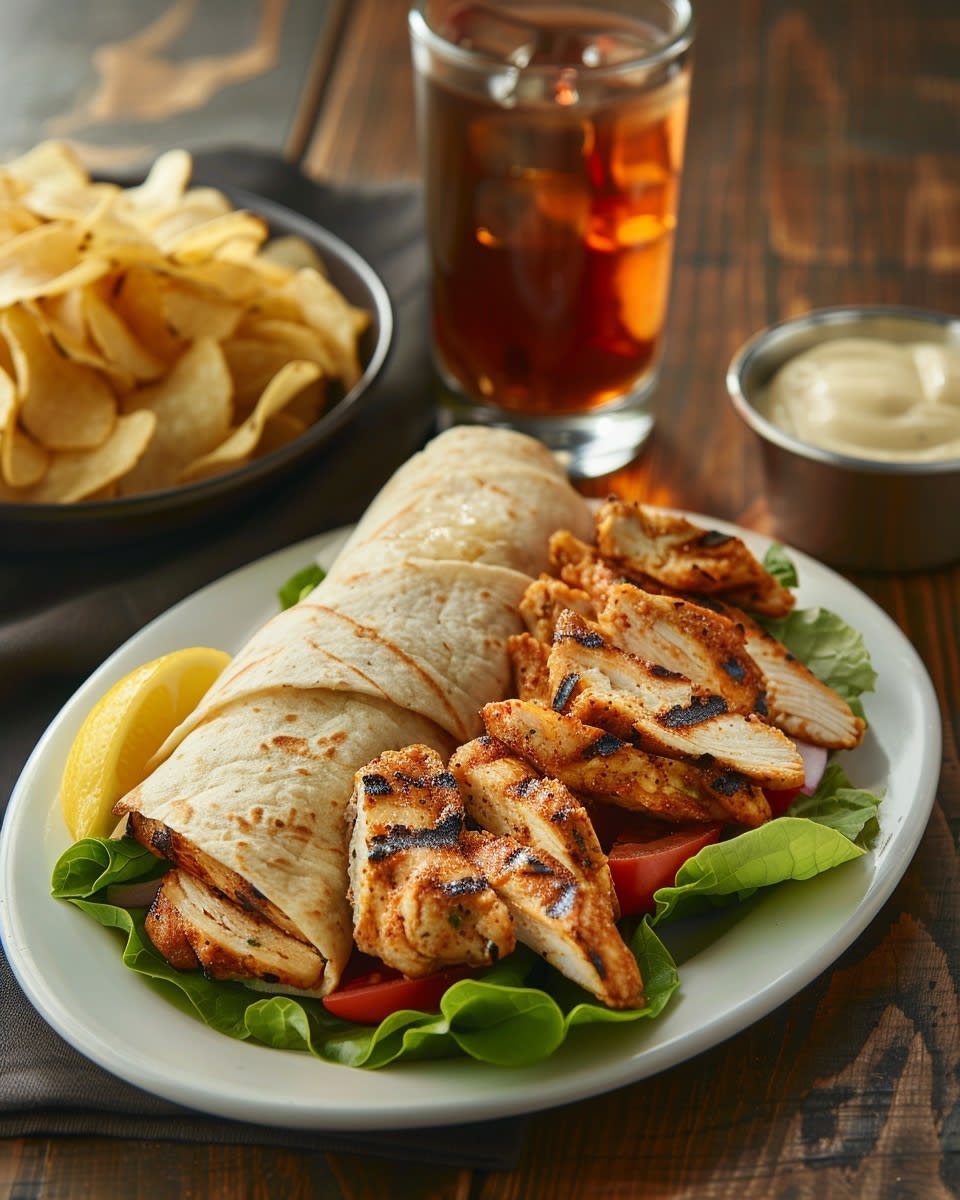
Welcome to My Kitchen: The Best Chicken Wrap with Lettuce
Last Tuesday, I stood in front of my fridge at 6 PM with absolutely no clue what to make for dinner. My kids were hungry, I was tired, and the last thing I wanted was to spend an hour cooking. That’s when I remembered my secret weapon: the chicken wrap with lettuce. Twenty minutes later, everyone was happy, fed, and asking for seconds. This is the kind of meal that saves busy weeknights.
I’ve been making these wraps for about three years now. They started as a way to use up leftover grilled chicken, but they quickly became a family favorite. My daughter, who’s usually picky about vegetables, actually asks for these. That alone tells you something special is happening here.
What I love most about this recipe is how it fits into any lifestyle. Need something low-carb? It’s perfect. Want to meal prep for the week? These wraps hold up beautifully. Hosting friends for lunch? They look impressive but take almost no effort. I’ve served them at summer barbecues, packed them for picnics, and eaten them at my desk during lunch breaks.
The beauty of a chicken wrap with lettuce is its simplicity. You don’t need fancy ingredients or special cooking skills. If you can grill or sauté chicken and chop some vegetables, you’re already halfway there. The rest is just assembly, and even kids can help with that part.
I remember the first time I made these for my sister, who was trying to eat healthier. She was skeptical because she thought healthy food meant bland food. One bite changed her mind completely. She now makes them at least twice a week and has converted her entire book club to the recipe.
What Goes in a Chicken Lettuce Wrap?
Let me break down exactly what makes these wraps so good. The magic happens when you combine the right ingredients in the right way. Each component plays a specific role in creating the perfect bite.
The Chicken
Your protein is the star of this show. I usually go with boneless, skinless chicken breast because it’s lean and cooks quickly. You can grill it, pan-sear it, or even use rotisserie chicken from the store. The key is to season it well. I marinate my chicken for at least 30 minutes in a mixture of olive oil, garlic, lemon juice, and herbs. This simple step makes a huge difference in flavor.
Some days I’ll use leftover chicken from dinner the night before. Other times I’ll cook a big batch on Sunday and use it throughout the week. The chicken should be tender and juicy, never dry. If you overcook it, the whole wrap suffers.
The Lettuce
Now let’s talk about the wrap itself. Romaine lettuce is my go-to choice. The leaves are sturdy enough to hold all your fillings without tearing or getting soggy. Plus, they have a natural cup shape that makes them perfect for wrapping. I always use the inner leaves because they’re crisper and more pliable.
Is romaine lettuce good for chicken wraps? Absolutely. It has a mild flavor that doesn’t overpower the other ingredients. The crunch adds texture that makes every bite satisfying. I’ve tried iceberg lettuce, butter lettuce, and even cabbage leaves. Romaine wins every time for its combination of strength and taste.
Make sure to wash and dry your lettuce thoroughly. Wet lettuce makes everything slide around and dilutes the flavors. I learned this the hard way during a particularly messy lunch.
The Vegetables
This is where you can get creative. I always include diced tomatoes, shredded carrots, and thinly sliced cucumbers. These add color, crunch, and freshness. Red bell peppers bring a sweet note, while red onions add a bit of sharpness. Sometimes I’ll throw in some corn or black beans for extra substance.
The vegetables should be cut into small, uniform pieces. Nobody wants to bite into a huge chunk of onion or a massive piece of carrot. Think about how everything will fit together in one bite.
The Sauce
This is what ties everything together. My favorite is a simple yogurt-based sauce with garlic, dill, and a squeeze of lemon. It’s creamy, tangy, and adds moisture without making the wrap soggy. Some days I’ll use hummus instead. Other times I’ll go with a spicy sriracha mayo or a honey mustard dressing.
The sauce should complement the chicken, not drown it. I usually drizzle about two tablespoons per wrap. You want enough to add flavor but not so much that it drips everywhere.
Optional Add-ons
Here’s where you can make this recipe your own. I often add crumbled feta cheese for a salty kick. Avocado slices make it more filling and add healthy fats. Fresh herbs like cilantro or basil bring brightness. Crushed nuts or seeds add extra crunch and protein.
My teenage son likes to add hot sauce to his. My husband prefers extra cheese. The kids usually want ranch dressing on the side. That’s the beauty of these wraps – everyone can customize them.
Are Chicken Lettuce Wraps Healthy?
This is probably the question I get asked most often. The short answer is yes, chicken lettuce wraps are incredibly healthy. They’re packed with lean protein, loaded with vegetables, and skip the heavy carbs from traditional tortillas or bread.
One wrap typically contains around 200-300 calories, depending on your toppings and sauce. Compare that to a regular sandwich or burrito, which can easily hit 600-800 calories. You’re getting all the satisfaction without the food coma that follows.
The protein from the chicken keeps you full for hours. I’ve noticed that when I eat these for lunch, I don’t get that mid-afternoon slump. The vegetables provide fiber, vitamins, and minerals. The lettuce itself is rich in vitamin A and K, plus it has almost no calories.
Are chicken wraps ok for diabetics? They can be an excellent choice. Since you’re using lettuce instead of a flour tortilla, you’re eliminating most of the carbohydrates. This means less impact on blood sugar levels. The protein and healthy fats help stabilize glucose even further.
My aunt has Type 2 diabetes, and her doctor actually recommended she try lettuce wraps as a sandwich alternative. She was thrilled to find a meal that tasted good and fit her dietary needs. Just watch your sauce choices if you’re managing diabetes. Skip sweet sauces and stick with yogurt-based or vinegar-based options.
These wraps are also great for anyone watching their weight or trying to eat cleaner. You get volume and satisfaction without excess calories. I lost 15 pounds last year, and meals like this were a big part of my success. I never felt deprived or like I was eating diet food.


Why Romaine Lettuce Works Better Than You’d Think
Now that we’ve covered the health benefits, let me dive deeper into why romaine lettuce specifically deserves its place as the foundation of your chicken wrap. I’ve experimented with probably a dozen different lettuce varieties over the years, and there’s a reason I keep coming back to romaine.
The texture is everything here. Romaine has this perfect balance between crisp and flexible. When you bite into it, there’s an audible crunch that makes the whole eating experience more satisfying. But unlike iceberg lettuce, which is basically crunchy water, romaine actually has substance. It won’t disintegrate when you add warm chicken or a generous drizzle of sauce.
Here’s the thing – the natural cup shape of romaine leaves is like nature designed them specifically for wraps. I’m not even kidding. You pull off a leaf, and it’s already curved in a way that cradles your fillings perfectly. Compare that to butter lettuce, which is too floppy and tears if you look at it wrong, or iceberg, which is too rigid and breaks into shards.
The flavor profile matters more than most people realize. Romaine has this subtle sweetness and a slightly earthy taste that doesn’t compete with your other ingredients. It’s assertive enough to contribute to the overall flavor but mild enough to let the seasoned chicken shine. Last month, I tried making these wraps with red leaf lettuce because that’s all my store had in stock. The slightly bitter edge threw off the whole balance. My husband asked if I’d changed the recipe because something tasted different.
Another practical advantage is how romaine holds up over time. I mentioned meal prep earlier, and this is where romaine really proves its worth. If you assemble these wraps in the morning for lunch later, romaine won’t wilt and get slimy like softer lettuces would. The sturdy ribs running through each leaf act like structural support. I’ve had prepared wraps stay crisp in my fridge for four hours without any issues.
Now, I know what some of you are thinking – what if I genuinely don’t like romaine? Fair enough. Napa cabbage is your best alternative. It’s got similar structural integrity and a slightly sweeter flavor. My neighbor, who can’t stand traditional lettuce, makes her chicken wraps with cabbage leaves and swears they’re even better. I still prefer romaine, but I respect her dedication.
For those interested in other protein options with lettuce wraps, you might enjoy checking out this grilled turkey salad recipe, which uses similar fresh ingredients and techniques. The flavor profiles complement each other nicely.
One trick I learned from a restaurant chef friend: choose leaves from the middle of the romaine head. The outer leaves are too tough and often damaged, while the innermost leaves are too small and delicate. Those middle leaves hit the sweet spot of size, strength, and texture. When you’re at the grocery store, give the romaine head a gentle squeeze. It should feel firm and dense, not loose or soft.
The Real Health Story Behind Chicken Lettuce Wraps
Let me get into the nitty-gritty of why these wraps are such a nutritional powerhouse. I’m not a nutritionist, but after years of trying to feed my family healthy meals they’d actually eat, I’ve learned a thing or two about what makes food both good for you and good to eat.
First off, the protein content is impressive. A typical chicken wrap with lettuce contains about 25-30 grams of protein, depending on how much chicken you use. That’s roughly half of what most adults need in a day. Protein is crucial for muscle repair, keeping you full, and maintaining a healthy metabolism. When I started prioritizing protein in my meals, I noticed I had more energy throughout the day and fewer cravings for junk food.
The carbohydrate situation is where these wraps really stand out. A regular flour tortilla adds about 30-40 grams of carbs to your meal. With romaine lettuce? You’re looking at maybe 2 grams per leaf. That’s a massive difference if you’re watching your carb intake. My brother-in-law follows a keto diet, and these wraps are one of his staple lunches. He’s lost 40 pounds this year and says meals like this made the whole process sustainable.
Funny enough, the fat content depends entirely on what you add. The chicken breast itself is very lean, usually containing only 3-4 grams of fat. But if you add avocado, cheese, or a creamy dressing, those numbers climb. That’s not necessarily bad, though. Healthy fats from avocado or olive oil-based dressings help your body absorb fat-soluble vitamins from the vegetables. Plus, they keep you satisfied longer.
Speaking of vegetables, let’s talk about the micronutrient bonanza happening in these wraps. Romaine lettuce gives you vitamin A, vitamin K, folate, and potassium. The tomatoes add vitamin C and lycopene. Carrots bring beta-carotene. Cucumbers provide hydration and silica for healthy skin. By the time you’ve added all your veggie toppings, you’re getting multiple servings of vegetables in one meal. Try doing that with a regular sandwich without it becoming a soggy mess.
The fiber content is another win. Between the lettuce and all the vegetable add-ins, you’re getting about 5-7 grams of fiber per wrap. Fiber is essential for digestive health, helps regulate blood sugar, and contributes to that feeling of fullness. When I’m busy and skip vegetables, I notice the difference in how I feel. These wraps make it easy to get fiber without thinking about it.
By the way, if you’re looking for other quick and healthy meal options, this one pan chicken and rice recipe is another weeknight lifesaver that keeps nutrition in check while saving time on cleanup.
One aspect people often overlook is sodium content. Restaurant wraps can be shockingly high in sodium, sometimes exceeding 1000 milligrams per serving. When you make these at home, you control exactly how much salt goes in. I typically use about 1/4 teaspoon of salt in the chicken marinade and another pinch in the sauce. That keeps each wrap well under 400 milligrams of sodium, which is perfectly reasonable.
The calorie density deserves mention too. You can eat a huge, satisfying wrap that looks and feels like a substantial meal for around 250 calories. Compare that to the calorie bombs served at most restaurants. I can eat two of these wraps and still consume fewer calories than a single fast-food burger. The volume of food matters psychologically – your brain registers that you ate a full meal, not some tiny diet portion.
For anyone dealing with food sensitivities, these wraps are incredibly adaptable. They’re naturally gluten-free, which is why my cousin who has celiac disease makes them regularly. You can easily make them dairy-free by skipping the cheese and using a non-dairy sauce. They’re already grain-free. And if you need them to be nut-free, just avoid adding nuts to your toppings.
What really sold me on the health benefits was a conversation with my doctor last year during my annual checkup. My cholesterol had improved, my blood pressure was down, and I’d lost weight without really trying. When she asked about my diet changes, I mentioned eating more meals like these chicken lettuce wraps. She literally wrote the idea down to share with other patients. That moment validated everything I’d been doing in my kitchen.
If you enjoy quick assembly meals with fresh ingredients, you might also appreciate this quick tuna sandwich for those days when you need something even faster than chicken wraps.
The glycemic load of these wraps is extremely low, which brings us back to the diabetes question. Low glycemic foods cause a slower, more gradual rise in blood sugar compared to high-carb alternatives. This steady energy release means no sugar spikes followed by crashes. I don’t have diabetes myself, but since making these kinds of swaps in my diet, I’ve noticed I don’t get those afternoon energy dips anymore. No more reaching for coffee and cookies at 3 PM to stay awake.
One unexpected benefit I discovered was how these wraps helped my kids develop better eating habits. Because they can see all the colorful ingredients and help assemble their own wraps, they’re more invested in eating vegetables. My youngest used to refuse anything green. Now he proudly loads his wrap with cucumbers and even asks for extra lettuce. Sometimes the presentation and involvement matter just as much as the nutrition facts.
For comfort food that’s still relatively light, this grilled cheese sandwich recipe offers a different kind of satisfaction when you need something warm and cozy instead of fresh and crisp.


Making Chicken Lettuce Wraps Work for Diabetic Diets
I need to share something personal here. My dad was diagnosed with Type 2 diabetes about five years ago. Watching him struggle to find meals that tasted good while managing his blood sugar was heartbreaking. He’d stare at his plate with this defeated look, like eating had become a medical chore instead of something enjoyable. That’s when I started adapting recipes specifically with his needs in mind, and chicken lettuce wraps became one of his absolute favorites.
The beauty of these wraps for diabetic management is that they’re naturally low-glycemic. Without the flour tortilla, you’re eliminating the main source of fast-acting carbohydrates that cause blood sugar spikes. A traditional wrap made with a flour tortilla can contain 35-45 grams of carbs, most of which are simple carbohydrates that convert to glucose quickly. With romaine lettuce as your wrap, you’re looking at less than 3 grams per serving. That’s a game-changer.
But here’s where it gets interesting – it’s not just about removing carbs. The combination of lean protein, healthy fats, and fiber in these wraps creates what’s called a “blunted glycemic response.” Basically, the protein and fat slow down digestion, which means any carbohydrates you do consume get absorbed more gradually. My dad’s continuous glucose monitor showed remarkably steady readings after eating these wraps compared to his old lunch routine of sandwiches.
Now, let me give you some specific tips to make these wraps even more diabetic-friendly. First, pay attention to your sauce choices. This is where people often sabotage themselves without realizing it. Store-bought dressings can be loaded with hidden sugars. I once checked a “honey mustard” dressing at the store – 8 grams of sugar per two tablespoons. That’s basically two teaspoons of sugar! Instead, make a simple Greek yogurt sauce with fresh herbs, garlic, and lemon juice. Zero added sugar, tons of flavor, plus the yogurt adds protein which further helps with blood sugar control.
The vegetable selections matter too. While all vegetables are generally good, some have higher natural sugar content than others. Carrots, corn, and sweet peppers are slightly higher in carbs compared to cucumbers, celery, and leafy greens. I’m not saying avoid them entirely – the fiber content helps offset the natural sugars – but if you’re being really careful about carb counts, load up more heavily on the lower-carb options.
Here’s something most people don’t think about: the timing of when you eat these wraps can make a difference. My dad’s endocrinologist suggested eating higher-protein meals like these earlier in the day when insulin sensitivity tends to be better. He started having chicken lettuce wraps for lunch instead of dinner, and his post-meal glucose readings improved even more. Sometimes it’s not just what you eat, but when you eat it.
Adding healthy fats is actually beneficial for diabetic diets, despite what old-school nutrition advice might have said. A quarter of an avocado, a sprinkle of sunflower seeds, or a tablespoon of olive oil-based dressing adds satiety and helps regulate blood sugar. Following a heart healthy diet is especially important for people with diabetes, since they’re at higher risk for cardiovascular issues, and these wraps check all the boxes for heart health.
One thing I learned from my dad’s diabetes educator was the importance of consistency in carb intake from meal to meal. These wraps make that easy because you can keep the recipe basically the same each time. You’re not guessing at portion sizes or wondering how much bread you actually ate. Two romaine leaves, four ounces of chicken, a cup of mixed vegetables, and your chosen sauce – boom, you’ve got a predictable meal that won’t throw your blood sugar management off track.
Portion control becomes naturally built into this meal. Unlike a burrito where you might mindlessly eat whatever giant serving the restaurant gives you, with lettuce wraps you’re physically limited by the size of the lettuce leaves. This automatic portion control was huge for my dad, who admitted he used to overeat without realizing it. The visual feedback of “I’m having two wraps” is much clearer than “I ate three-quarters of this massive burrito.”
For those on insulin or certain diabetes medications, the lower carb content means you might need to adjust your dosing. My dad’s insulin requirements for lunch dropped by about 40% when he switched from regular wraps to lettuce wraps. Of course, you should work with your healthcare provider on any medication adjustments – I’m just sharing what happened in our experience.
The fiber content in these wraps deserves special mention for diabetic diets. Fiber slows glucose absorption and can improve long-term blood sugar control. The combination of lettuce, tomatoes, cucumbers, and other vegetables easily gives you 6-8 grams of fiber per meal. My dad’s A1C (the three-month blood sugar average) improved by almost a full point after six months of eating more fiber-rich meals like these wraps.
Another practical tip: meal prep these ingredients separately so you can assemble fresh wraps throughout the week. Cook a big batch of chicken on Sunday, chop all your vegetables, and make your sauce. Store everything in separate containers. This way, you’re never tempted to skip the healthy option because it’s “too much work.” When everything’s prepped, assembling a wrap takes literally two minutes.
If you’re looking for more diabetic-friendly meal ideas that are just as quick and satisfying, exploring various easy lunch recipes can give you a rotation of blood sugar-friendly options that keep meals interesting throughout the week.
I’ve also found that the customizable nature of these wraps helps with adherence to a diabetic diet long-term. My dad never feels like he’s eating “diabetes food” – he’s just eating delicious wraps that happen to work perfectly for his condition. He changes up the seasonings on the chicken, tries different sauce combinations, and varies his vegetable choices. This variety prevents the diet fatigue that causes so many people to abandon their healthy eating plans.
One last thing about diabetic considerations – stay hydrated when eating these wraps. The high protein content means your kidneys need adequate water to process everything efficiently. My dad keeps a water bottle on the table during meals now. It’s such a simple thing, but proper hydration actually helps with blood sugar management too.
The confidence boost my dad got from finding meals like this was almost as valuable as the blood sugar control itself. He went from feeling restricted and deprived to feeling empowered about his food choices. He actually invites people over for lunch now and serves these wraps with pride. Nobody would guess they’re eating a “diabetic meal” – they just think it’s delicious, healthy food.
Managing diabetes through diet doesn’t have to mean sacrificing flavor or satisfaction. These chicken lettuce wraps prove that you can have meals that are genuinely enjoyable while still supporting your health goals. The fact that they’re quick to make, endlessly customizable, and actually delicious is just the bonus on top.
Whether you’re managing diabetes yourself, cooking for someone who is, or just want to make choices that support stable blood sugar for overall health, these wraps deliver on every level. They’ve certainly made a real difference in my dad’s life, and I hope they can do the same for you.
Common Questions About Chicken Lettuce Wraps
What goes in a Chicken Lettuce Wrap?
The basic components include seasoned chicken (grilled, sautéed, or rotisserie), fresh romaine lettuce leaves as the wrap, and a variety of chopped vegetables like tomatoes, cucumbers, carrots, and bell peppers. Most people add a sauce or dressing for moisture and flavor – yogurt-based sauces, hummus, or vinaigrettes work great. Optional additions include cheese, avocado, fresh herbs, nuts, or seeds. The beauty is you can customize based on what you have in your fridge and what flavors you’re craving that day.
Are chicken wraps ok for diabetics?
Yes, chicken lettuce wraps are generally excellent for people managing diabetes because they’re very low in carbohydrates compared to traditional wraps made with flour tortillas. The combination of lean protein, healthy fats, and fiber helps prevent blood sugar spikes by slowing glucose absorption. The key is to watch your sauce choices and avoid options with added sugars. Most people with diabetes find these wraps keep their blood sugar stable while still being satisfying and delicious. As always, individuals should monitor their own responses and consult with their healthcare providers about their specific dietary needs.
Are chicken lettuce wraps healthy?
Absolutely, they’re one of the healthier meal options you can make. They’re high in protein (25-30 grams per serving), low in calories (around 250-300 calories), and packed with vitamins and minerals from all the fresh vegetables. They’re naturally gluten-free, can easily be made dairy-free, and provide substantial fiber for digestive health. The lean protein keeps you full for hours without the heavy, sluggish feeling that comes from carb-heavy meals. They work well for various eating styles including low-carb, keto, paleo, and general clean eating approaches.
Is romaine lettuce good for chicken wraps?
Romaine is actually the best lettuce choice for chicken wraps in my experience. The leaves are sturdy enough to hold fillings without tearing or getting soggy, and they have a natural cup shape that makes wrapping easy. The texture provides a satisfying crunch, and the flavor is mild enough not to overpower your other ingredients. Romaine also has nutritional benefits including vitamin A, vitamin K, and folate. Other lettuces either tear too easily (butter lettuce), are too rigid (iceberg), or have flavors that compete with your fillings.
Can I use other types of lettuce for chicken wraps?
You can experiment with other options, though results vary. Butter lettuce works if you’re gentle and don’t overfill them, but they tear easily. Iceberg lettuce is crunchy but tends to shatter rather than bend. Napa cabbage leaves are actually a great alternative if you want something slightly sweeter and equally sturdy. Some people use collard greens for an even sturdier wrap, though you might want to blanch them briefly to make them more pliable. Red leaf and green leaf lettuces are too delicate and will frustrate you during assembly.
How do I store leftover chicken lettuce wraps?
I recommend storing the components separately rather than pre-assembled if you’re planning to keep them more than an hour or two. Cooked chicken stays fresh in an airtight container for 3-4 days in the refrigerator. Chopped vegetables should be stored separately from wet ingredients to prevent sogginess. Washed and dried lettuce keeps best wrapped in paper towels inside a produce bag. Sauces should always be stored separately and added just before eating. If you must store assembled wraps, wrap them tightly in plastic wrap and eat within 4-6 hours for best quality.
Can I add other vegetables to the chicken lettuce wraps?
Definitely! The vegetable options are virtually endless. I’ve successfully used shredded purple cabbage, julienned jicama, bean sprouts, snap peas, shredded zucchini, corn kernels, diced radishes, and water chestnuts. Roasted vegetables like bell peppers or zucchini add a different flavor dimension. Just make sure to cut everything into small, uniform pieces so they’re easy to eat. Some vegetables with high water content, like zucchini, should be salted and drained before adding to prevent soggy wraps. The more colors you add, the more nutrients you’re getting.
Can I make chicken lettuce wraps ahead for meal prep?
Yes, but with some strategy. Cook your chicken in advance and store it properly refrigerated – it’ll keep for up to four days. Prep all your vegetables and store them in separate containers with paper towels to absorb excess moisture. Keep your lettuce leaves whole and unwashed until you’re ready to assemble (wash them right before use). Make your sauce ahead but store it separately. When it’s time to eat, assembly takes just two minutes. This approach keeps everything fresh and prevents the sogginess that happens when wraps sit assembled too long.
What’s the best way to season the chicken for lettuce wraps?
I usually marinate chicken for at least 30 minutes in olive oil, minced garlic, lemon juice, salt, pepper, and herbs like oregano or thyme. You can also go with different flavor profiles – try a Mexican-inspired seasoning with cumin and chili powder, Asian-inspired with ginger and soy sauce, or Mediterranean with za’atar and sumac. The key is to season more boldly than you think necessary because the mild lettuce and fresh vegetables will balance strong flavors. Don’t be shy with the seasoning, or your wraps will taste bland.
How many chicken lettuce wraps should I eat for a meal?
Most adults find two to three wraps filling for a complete meal, though it depends on the size of your lettuce leaves and how generously you fill them. I typically use about 4-5 ounces of chicken total, which I divide between two large romaine leaves. If you’re particularly hungry or very active, three wraps with some fruit or a small side salad makes a substantial meal. Kids usually do well with one or two smaller wraps. Listen to your body – the high protein and fiber content means these are quite satisfying even though they feel light.
These wraps have become such a reliable part of my weekly routine that I honestly can’t imagine going back to heavy lunches that leave me tired and sluggish. Give them a try, play around with different combinations, and I bet you’ll find your own favorite version that becomes a regular in your kitchen too.
Ingredients
Equipment
Method
- Marinate the chicken in olive oil, garlic, lemon juice, dried herbs, salt, and pepper for at least 30 minutes.
- Grill or pan-sear the marinated chicken until fully cooked, then let it rest before slicing.
- Prepare the romaine lettuce leaves by washing and drying them thoroughly.
- Chop the tomatoes, carrots, cucumbers, bell peppers, and red onions into small, uniform pieces.
- Assemble the wraps by placing sliced chicken on a romaine leaf, adding the chopped vegetables, and drizzling the yogurt-based sauce.
- Add any optional toppings if desired, then wrap the lettuce around the fillings and enjoy.