
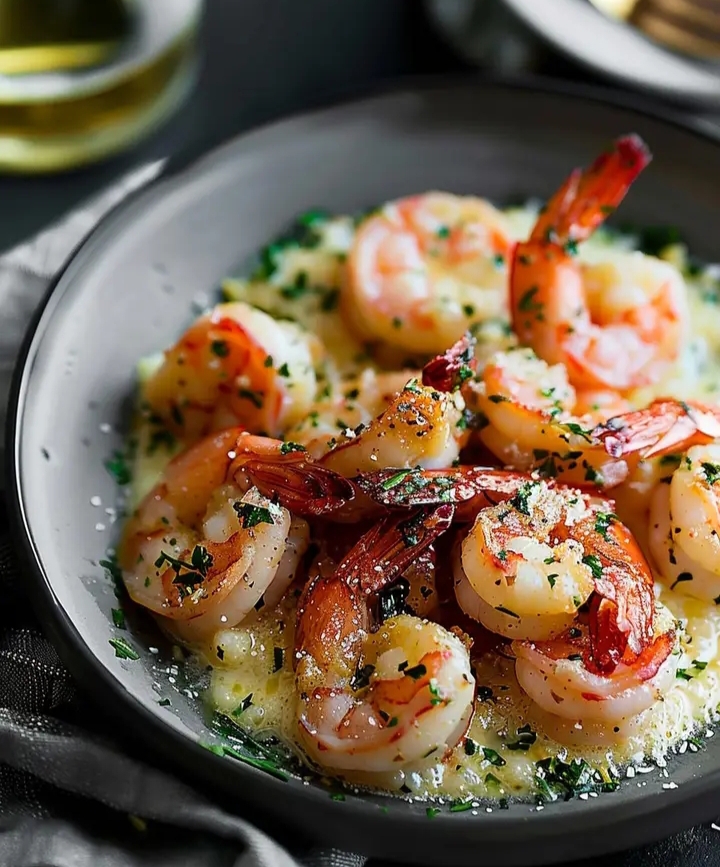
Why Citrus Poached Shrimp Will Be Your New Favorite Dish
I remember the first time I made Citrus Poached Shrimp. It was a rainy Saturday afternoon, and I wanted something quick yet impressive to serve my friends who were coming over. The combination of buttery goodness with a zesty citrus kick turned out to be an absolute hit! This dish is not only simple but also elegant enough to make any meal feel special. Whether you’re cooking for two or hosting a dinner party, this recipe will leave everyone asking for seconds.
A Little Background on Citrus Poached Shrimp
While this recipe might seem modern, poaching seafood in flavorful liquids has been done for centuries. Traditionally, wine or spirits like prosecco were used to add depth. However, swapping alcohol for fresh juices creates a family-friendly version without losing any charm. The tangy orange and lemon juices balance perfectly with the richness of butter, making it a refreshing twist on classic shrimp recipes.
Why You’ll Love This Recipe
This Citrus Poached Shrimp recipe is all about simplicity meeting sophistication. First off, it’s ready in under 20 minutes—perfect for busy weeknights or last-minute gatherings. Second, the flavors are bright and bold, thanks to the citrus juices and hint of garlic. Plus, it’s versatile! Serve it as an appetizer, main course, or even as part of a brunch spread. And let’s not forget—it’s healthy too, packed with lean protein and vitamin C.
Perfect Occasions to Prepare Citrus Poached Shrimp
Whether you’re planning a romantic dinner for two, a summer barbecue, or a cozy family meal, this dish fits the bill. Its vibrant colors and fresh taste make it ideal for outdoor parties or holiday feasts. I once served it at a bridal shower, pairing it with crusty bread and a side salad, and it stole the show!
Ingredients You’ll Need
- 500 g of raw shrimp, peeled and deveined
- 120 ml freshly squeezed orange juice
- 60 ml fresh lemon juice
- 100 g unsalted butter
- 2 cloves garlic, finely chopped
- Salt and pepper to taste
- 1 tbsp fresh parsley, chopped
- A pinch of cayenne pepper (optional)
Substitution Options
If you can’t find fresh orange juice, store-bought works fine—but opt for no-added-sugar varieties. For those avoiding dairy, try using olive oil instead of butter. Lime juice can replace lemon if needed, though lemons give a sharper tang. And if shrimp isn’t your thing, scallops or white fish fillets work beautifully here.
Step 1: Prepare the Citrus Base
In a skillet over medium heat, pour in the orange and lemon juices. As they warm up, you’ll notice their fragrant aroma filling your kitchen. Let the mixture come to a gentle simmer—not a boil—to preserve the delicate citrus notes. Pro tip: Use a nonstick pan to prevent sticking and ensure easy cleanup later.
Step 2: Add Butter and Garlic
Now comes the magic! Slowly whisk in the butter, bit by bit, until the sauce becomes smooth and glossy. Stir in the minced garlic, letting it infuse the sauce for about 2 minutes. The smell of sizzling garlic combined with citrus is heavenly and sets the stage for what’s to come.
Step 3: Cook the Shrimp
Gently place the shrimp into the skillet in a single layer. Season them lightly with salt, pepper, and a dash of cayenne if you like a little heat. Watch closely as they turn from translucent to pink and opaque—this should take just 2–3 minutes per side. Overcooking shrimp makes them rubbery, so keep an eye on them!
Step 4: Finish and Garnish
Once the shrimp are cooked, transfer them to a serving plate. If the sauce seems thin, let it reduce slightly before drizzling it over the shrimp. Sprinkle with fresh parsley for a pop of color and freshness. Chef’s tip: A squeeze of extra lemon juice right before serving adds brightness to every bite.
Timing Breakdown
- Prep Time: 10 minutes
- Cooking Time: 10 minutes
- Total Time: 20 minutes
Chef’s Secret
To elevate this dish further, toast some sliced almonds and sprinkle them on top for added crunch. It’s a small touch that makes a big difference!
An Interesting Fact About Citrus Poached Shrimp
Did you know that citrus fruits have natural enzymes that help tenderize proteins? That’s why soaking shrimp briefly in citrus juice gives them an extra juicy texture. Science meets flavor in the best way possible!
Necessary Equipment
- Skillet or frying pan
- Whisk
- Measuring cups and spoons
- Tongs or spatula
Storage Tips
Leftovers? Lucky you! Store the shrimp in an airtight container in the fridge for up to 2 days. Reheat gently in a skillet with a splash of water to keep the shrimp moist. Avoid microwaving, as it can dry them out. For longer storage, freeze the uncooked shrimp separately and prepare the sauce fresh when ready to serve.
If freezing, lay the shrimp flat on a baking sheet, freeze until solid, then transfer to a freezer bag. They’ll stay good for up to 3 months. Thaw overnight in the fridge before cooking.
Never refreeze cooked shrimp, as it affects both texture and flavor. Instead, repurpose leftovers into salads or wraps for a quick lunch option.
Tips and Advice
- Always pat shrimp dry before cooking to avoid excess moisture in the pan.
- Use room-temperature butter for a smoother sauce consistency.
- Adjust seasoning gradually—you can always add more salt or spice but can’t take it away!
Presentation Ideas
- Serve the shrimp on a bed of fluffy couscous or quinoa.
- Garnish with edible flowers for a fancy touch.
- Arrange them in a circular pattern on a platter with lemon wedges around the edges.
Healthier Alternatives
Here are six variations to suit different dietary needs:
- Zucchini Noodles: Swap traditional carbs for spiralized zucchini noodles as a low-carb base.
- Coconut Oil Sauce: Replace butter with coconut oil for a dairy-free alternative.
- Herb Mix: Add thyme or dill to the sauce for a herby twist.
- Spicy Kick: Increase the cayenne pepper or add red chili flakes for heat lovers.
- Vegan Option: Use plant-based shrimp substitutes and vegan butter.
- Grain-Free: Serve atop cauliflower rice for a paleo-friendly dish.
Mistake 1: Overcrowding the Pan
Cooking too many shrimp at once lowers the pan temperature, leading to steaming rather than poaching. To avoid this, cook in batches if necessary. Pro tip: A larger skillet helps spread out the shrimp evenly.
Mistake 2: Skipping Fresh Ingredients
Using bottled juice or pre-minced garlic won’t deliver the same vibrant flavors. Always opt for fresh ingredients—it truly makes a world of difference.
Mistake 3: Overcooking the Shrimp
Shrimp cooks incredibly fast, so keep an eye on them. Remove them from the heat as soon as they turn pink and opaque. Practice makes perfect, so don’t worry if it takes a couple of tries to nail the timing.
Frequently Asked Questions
Can I use frozen shrimp?
Absolutely! Just thaw them completely in cold water before cooking. Pat them dry thoroughly to prevent excess moisture in the pan.
Is this dish gluten-free?
Yes, it’s naturally gluten-free, making it suitable for those with dietary restrictions.
How do I know when the shrimp are done?
Look for a uniform pink color and opaque texture. They’ll curl slightly into a “C” shape when fully cooked.
Can I prep this ahead of time?
You can prep the ingredients earlier, but cook the shrimp just before serving to maintain their texture and flavor.
What sides pair well with this dish?
Rice, pasta, or roasted vegetables complement the dish beautifully. Try pairing it with a crisp green salad for balance.
Do I need to devein the shrimp myself?
Most store-bought shrimp come deveined, but check to be sure. Removing the vein ensures cleaner flavors.
Can I double the recipe?
Definitely! Just ensure your pan is large enough to accommodate the increased quantity without overcrowding.
Why does my sauce split sometimes?
This happens if the butter is added too quickly or the heat is too high. Whisk slowly and steadily for a silky-smooth result.
Can kids enjoy this dish?
Of course! Skip the cayenne pepper for a milder version that kids will love.
What other citrus fruits can I use?
Blood oranges or tangerines work wonderfully, offering unique sweetness and acidity.
There you have it—a complete guide to mastering Citrus Poached Shrimp. With its vibrant flavors, ease of preparation, and versatility, this dish deserves a spot in your regular rotation. So grab your skillet, gather your ingredients, and get ready to wow everyone at your next meal!
Citrus Poached Shrimp
Ingredients
Equipment
Method
- In a skillet over medium heat, pour in the orange and lemon juices and let simmer.
- Slowly whisk in the butter until the sauce becomes smooth and glossy.
- Stir in the minced garlic and let it infuse for about 2 minutes.
- Gently place the shrimp into the skillet and season lightly with salt, pepper, and cayenne, cooking for 2–3 minutes per side.
- Once cooked, transfer the shrimp to a serving plate and drizzle with the sauce, garnishing with fresh parsley.