
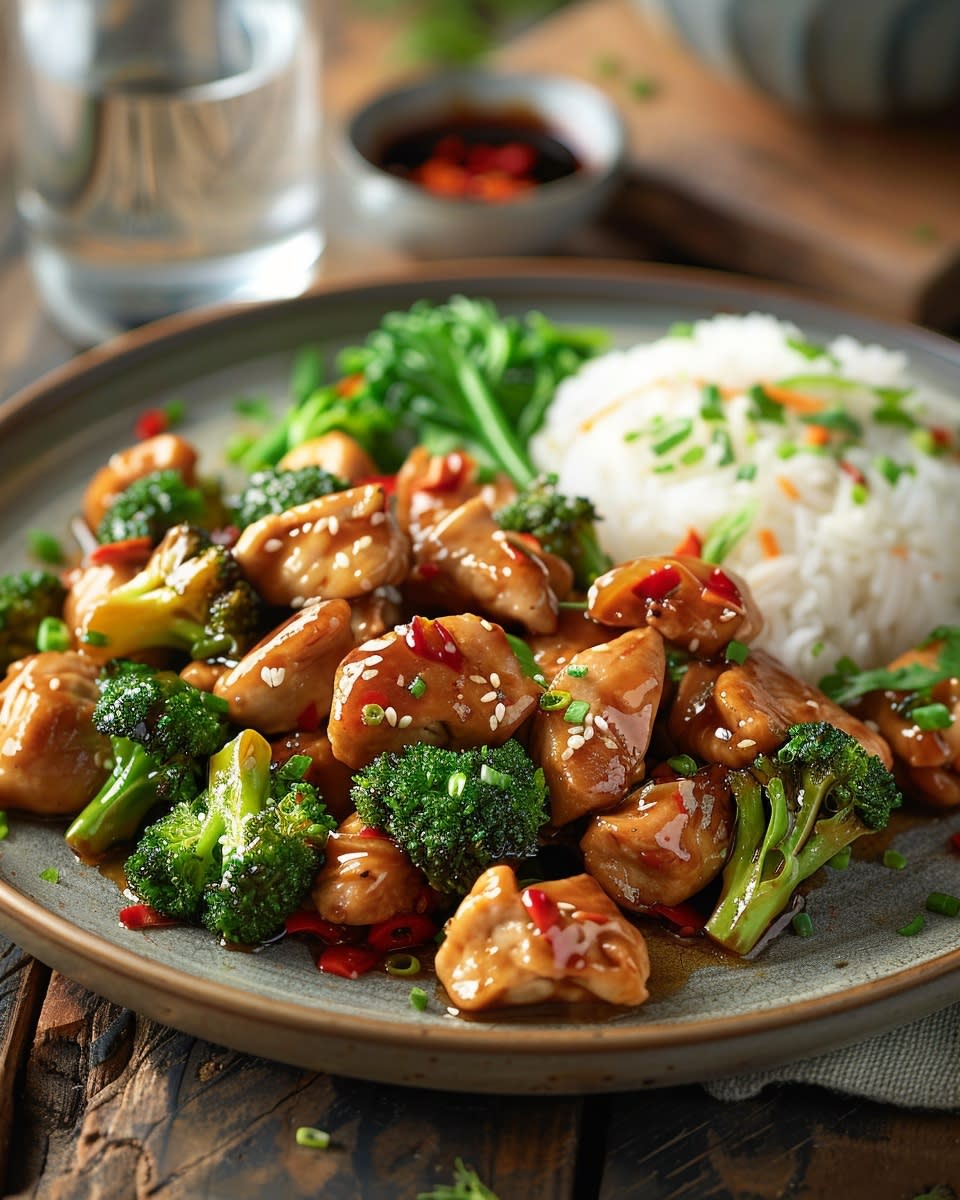
Welcome to My Kitchen: The Magic of Fast Chicken Stir Fry
Last Tuesday, I found myself staring into my refrigerator at 6 PM with two hungry teenagers hovering behind me. Soccer practice ran late. Homework was piling up. And I had about 20 minutes before the evening completely fell apart. That’s when I reached for my chicken breast and a handful of vegetables. Thirty minutes later, we were sitting down to a colorful, steaming fast chicken stir fry that had everyone asking for seconds.
This is the kind of meal that saves my sanity on a regular basis. I’m excited to share this recipe with you because it’s become my go-to solution for chaotic weeknights. When time is short and energy is even shorter, this quick chicken stir fry delivers every single time.
The best part? You don’t need fancy ingredients or complicated techniques. Just fresh chicken, crisp vegetables, and a simple sauce that comes together in minutes. I’ve made this recipe at least a hundred times, and it never gets old. My family loves it. My friends request it. And honestly, I love how it makes me look like a kitchen wizard when I’m really just working smart, not hard.
Why Fast Chicken Stir Fry Is a Weeknight Winner
Let me tell you why this easy chicken stir fry has earned its permanent spot in my weekly meal rotation. First, there’s the obvious time factor. From the moment I pull ingredients from the fridge to sitting down at the table, we’re talking about 25 to 30 minutes total. That includes prep time. On my fastest nights, when everything is prepped ahead, I’ve had dinner ready in 15 minutes flat.
But speed isn’t the only reason I keep coming back to this dish. The versatility is incredible. Got bell peppers and broccoli? Perfect. Only have snap peas and carrots? That works too. Leftover mushrooms from Sunday’s breakfast? Throw them in. This recipe adapts to whatever vegetables are sitting in your crisper drawer.
I remember one particularly bare-fridge evening when I used frozen mixed vegetables. My kids didn’t even notice. The dish still turned out delicious because the sauce and cooking method are what really make this meal shine. That flexibility means less stress about following a rigid ingredient list and fewer trips to the grocery store.
The health benefits are another huge selling point for me. When you make stir fry at home, you control exactly what goes into your food. No mystery ingredients. No excessive oil or sodium. Just lean protein, colorful vegetables, and a sauce you can adjust to your family’s taste preferences.
My daughter is an athlete, and she needs protein-packed meals that won’t weigh her down. My son is going through a growth spurt and eats everything in sight. This healthy chicken stir fry satisfies both of them while keeping me confident that they’re getting real nutrition, not empty calories.
Fresh ingredients make all the difference in taste and nutrition. When you bite into a crisp snow pea or a tender piece of chicken that’s been cooked just right, the difference from takeout is night and day. Plus, vegetables retain more vitamins and minerals when they’re cooked quickly over high heat, which is exactly what stir frying does.
The Speed Factor: Why This Recipe Works for Busy Lives
I’m not going to pretend that I have hours to spend in the kitchen after work. Most days, I’m juggling work deadlines, kids’ activities, and trying to remember if I paid the electric bill. Sound familiar? This is where a quick and easy stir fry becomes more than just a recipe. It becomes a survival strategy.
The beauty of stir frying is that the actual cooking happens fast. Really fast. We’re talking about five to eight minutes of active cooking time once everything hits the pan. The high heat sears the chicken, creating a beautiful golden exterior while keeping the inside juicy. The vegetables get tender but stay crisp, which my family loves.
Here’s what makes this even better: most of the work happens before you turn on the stove. Slice the chicken. Chop your vegetables. Mix your sauce. Once these steps are done, the cooking part is almost automatic. I often prep ingredients during my lunch break or even the night before. Then dinner assembly becomes ridiculously simple.
I’ve also discovered that this recipe works beautifully for meal prep. On Sundays, I sometimes make a double batch. The leftovers taste great for lunch the next day, either reheated or even cold over salad greens. My husband takes it to work in a container, and it’s become his favorite office lunch. His coworkers are always asking what smells so good.
Versatility That Adapts to Your Pantry
One thing I love about this chicken stir fry recipe is how forgiving it is. Unlike baking, where precise measurements matter, stir frying lets you improvise. Don’t have exactly two cups of broccoli? Use what you have. Want to add baby corn because your kids think it’s fun? Go for it.
The protein can vary too. While I’m focusing on chicken today, I’ve made this same recipe with shrimp, beef, pork, and even tofu for my vegetarian sister. The cooking method and sauce work across different proteins. You just adjust cooking times slightly based on what you’re using.
Sauce variations are endless. My basic sauce includes soy sauce, garlic, ginger, and a touch of honey. But I’ve made versions with sesame oil, rice vinegar, sriracha, oyster sauce, and hoisin. Each variation creates a different flavor profile while keeping the same simple method.
This flexibility means the recipe never gets boring. Last week I made a Thai-inspired version with basil and lime. The week before, I went with a teriyaki-style sauce. My kids think they’re getting different meals, but I’m using the same basic technique every time.
Serving options are equally flexible. Sometimes I serve this over white rice. Other times, I use brown rice, quinoa, or cauliflower rice for a lower-carb option. Noodles work beautifully too. I’ve even skipped the grain entirely and served it with extra vegetables when I’m watching my carb intake.
Fresh Ingredients Make the Difference
I learned early on that ingredient quality matters with stir fry. Since cooking time is short and the dish is relatively simple, each ingredient really stands out. Fresh chicken breast versus chicken that’s been sitting in my fridge for a week makes a noticeable difference in taste and texture.
The same goes for vegetables. Crisp, fresh broccoli tastes completely different from florets that have started to wilt. I try to shop for vegetables twice a week, buying smaller quantities more often. This keeps everything fresher and actually reduces waste because I’m not throwing away forgotten produce from the back of my crisper.
Aromatics like garlic and ginger are crucial too. I always use fresh garlic and fresh ginger root, never the jarred versions. These ingredients form the flavor foundation of the dish. When they hit the hot oil, the aroma fills my kitchen and gets everyone excited for dinner. That smell alone is worth the extra minute of chopping.


Gathering Your Fast Chicken Stir Fry Ingredients
Now that you understand why fresh ingredients matter, let’s talk about exactly what you need to stock your kitchen for this meal. I keep most of these items on hand at all times because they’re so versatile. When I know I have these basics ready, I can make dinner happen even on the craziest days.
For the chicken, I use about a pound to a pound and a half of boneless, skinless chicken breast. Sometimes I grab chicken thighs instead because they’re a bit more forgiving if you accidentally overcook them. The dark meat stays juicier, which my husband prefers. I slice the chicken into thin strips, about a quarter inch thick. Thinner pieces cook faster and absorb more sauce flavor.
The vegetable selection is where you can really make this recipe your own. My typical lineup includes one bell pepper (any color works, though I love the sweetness of red), two cups of broccoli florets, a handful of snap peas, and one medium carrot cut into thin coins. Sometimes I throw in sliced mushrooms or baby corn for variety. My youngest thinks baby corn is hilarious, so that usually guarantees he’ll eat his vegetables without complaint.
Here’s something I learned from trial and error: aim for about four to five cups of vegetables total. That ratio of protein to vegetables keeps the dish balanced and filling. Too many vegetables and the sauce gets diluted. Too few and you’re basically eating chicken with garnish.
For aromatics, fresh garlic and ginger are non-negotiable in my kitchen. I use three to four cloves of garlic, minced fine, and about a tablespoon of fresh ginger that I’ve peeled and grated. These two ingredients create the foundation flavor that makes stir fry taste authentic. My mom always said that garlic and ginger are the secret handshake of Asian cooking, and she wasn’t wrong.
The sauce components are simple but essential. I mix together a quarter cup of soy sauce (I use low sodium to control the salt level), two tablespoons of water or chicken broth, one tablespoon of honey or brown sugar, and one tablespoon of cornstarch. The cornstarch is what makes the sauce glossy and helps it cling to the chicken and vegetables. Sometimes I add a teaspoon of sesame oil at the end for extra depth, though that’s completely optional.
For cooking oil, I reach for neutral oils with high smoke points. Vegetable oil or canola oil work perfectly. I avoid olive oil for stir frying because it can’t handle the high heat without breaking down. You’ll need about two to three tablespoons total, added in stages as you cook.
Optional additions that I rotate through include red pepper flakes for heat, a splash of rice vinegar for tang, or a handful of cashews or peanuts for crunch. Green onions make a beautiful garnish and add a fresh bite. Sesame seeds scattered on top look fancy but require zero effort. These little touches can make a Tuesday night dinner feel special, which is something I appreciate after a long day.
By the way, if you’re looking for other quick dinner solutions that use pantry staples, my simple tuna pasta is another lifesaver that comes together in about the same amount of time.
Prepping Everything for Fast Chicken Stir Fry Success
This is where I’m going to share something that changed my entire approach to weeknight cooking: mise en place. That’s just a fancy French term that means “everything in its place.” Before I understood this concept, I was constantly scrambling mid-recipe, searching for ingredients while my pan was smoking. Not anymore.
I start with the chicken because it takes the most attention. The trick to slicing chicken breast evenly is to partially freeze it first. I’m serious. Pop your chicken breast in the freezer for about fifteen to twenty minutes before cutting. It firms up just enough that your knife glides through without the meat sliding around. I cut against the grain into strips that are roughly the same size. Uniform pieces cook at the same rate, which prevents some pieces from drying out while others stay undercooked.
After slicing, I often marinate the chicken for ten to fifteen minutes in a splash of soy sauce and a pinch of cornstarch. This step is optional, but it helps tenderize the meat and creates a slight protective coating that keeps the chicken juicy during high-heat cooking. On nights when I’m really rushed, I skip this and the dish still turns out great.
Vegetable prep is all about consistency in size. I’ve learned this the hard way. When I first started making stir fry, I’d chop vegetables randomly. Big chunks of broccoli, thin slivers of pepper, thick carrot rounds. Everything cooked unevenly, which meant some vegetables turned to mush while others stayed nearly raw. Now I aim for similar-sized pieces across the board. Broccoli florets about an inch wide. Bell peppers in strips roughly the same width as the chicken. Carrots sliced thin or cut into matchsticks.
The aromatics need special attention. For garlic, I peel and mince it as fine as possible. Large chunks of garlic can burn in the hot oil before they release their flavor. Ginger requires peeling first. I use the edge of a spoon to scrape off the thin skin, which is way easier than trying to use a vegetable peeler. Then I grate it on a microplane or the smallest holes of a box grater. Grated ginger distributes evenly throughout the dish instead of giving you surprise spicy bites.
Here’s the thing about sauce mixing: do it before you start cooking. Once that pan is hot, things move fast. You won’t have time to measure and mix. I combine my soy sauce, water, honey, and cornstarch in a small bowl and whisk it until the cornstarch dissolves completely. No lumps. I keep this bowl right next to the stove along with a spoon for stirring. If I’m adding rice vinegar or sesame oil, I measure those out separately because they go in at different times.
I arrange all my prepped ingredients in small bowls or on a large plate in the order I’ll use them. Chicken in one bowl. Aromatics together in another. Vegetables grouped by cooking time. Quick-cooking items like snow peas separate from harder vegetables like carrots. This organization might seem excessive, but it makes the actual cooking feel like choreography instead of chaos.
One shortcut I’ve discovered: prep ingredients the night before or during weekend meal prep. I’ll slice chicken and store it in the fridge in an airtight container. Vegetables get chopped and stored separately. The sauce can be mixed and refrigerated for up to three days. When dinner time arrives, I just pull everything out and start cooking. It’s almost as convenient as takeout but infinitely better for my family and budget. This approach reminds me of how I handle my quick rice and egg bowl on busy mornings.
Mastering the Cooking Process for Perfect Results
Right, so everything’s prepped and ready. This is where the magic happens. The actual cooking is fast and requires your full attention. I turn off my phone, ignore the dog begging for attention, and focus completely on the pan for about ten minutes. This isn’t the time to help with homework or check email.
First thing: get your pan screaming hot. I use a large skillet or wok over high heat. Really high. Higher than you probably think is safe. The pan should be hot enough that a drop of water sizzles and evaporates immediately on contact. This high heat is what creates that slightly charred flavor and crispy texture you get from restaurant stir fry. It’s called “wok hei” in Cantonese, which roughly translates to “breath of the wok.” You can achieve something similar at home with high heat and quick cooking.
I add one tablespoon of oil to the hot pan and swirl it around to coat the surface. Then immediately add the chicken in a single layer. This is crucial: don’t crowd the pan. If necessary, cook the chicken in two batches. Crowded chicken steams instead of sears, and you’ll end up with gray, sad pieces instead of golden brown, flavorful ones. I learned this lesson after serving my family pale, rubbery chicken one too many times.
Let the chicken sit undisturbed for about two minutes. Fight the urge to stir and poke at it. Let it develop a nice golden crust. Then flip the pieces and cook another two minutes on the other side. The chicken should be just cooked through, still slightly pink in the very center because it’ll finish cooking when we add it back later. Remove the chicken to a clean plate.
Now add another tablespoon of oil to the same pan. In go the aromatics: garlic and ginger. Stir constantly for about thirty seconds, just until fragrant. This happens fast, and garlic can go from perfect to burned in seconds, so stay focused. The smell at this stage is incredible and usually brings my kids wandering into the kitchen asking when dinner will be ready.
Next come the vegetables, and here’s where order matters. I start with the hardest, longest-cooking vegetables first. Carrots and broccoli stems go in first. I stir fry these for about two minutes, tossing frequently. Then I add softer vegetables like broccoli florets and bell peppers. Another two minutes of constant stirring. Finally, delicate items like snow peas or spinach get added in the last minute.
The vegetables should be tender-crisp, which means cooked through but still with a slight crunch. My kids hate mushy vegetables, and honestly, so do I. That texture contrast between tender chicken and crisp vegetables is part of what makes stir fry so satisfying. Sometimes when I’m making this alongside other quick meals like my chicken and cheese sandwich, I appreciate how different cooking methods create completely different textures from similar ingredients.
Once the vegetables hit that perfect point, I create a well in the center of the pan by pushing everything to the sides. I give my sauce a quick stir because the cornstarch settles, then pour it into that center well. It’ll start bubbling and thickening immediately. After about thirty seconds, I add the chicken back to the pan and toss everything together until the sauce coats every piece of chicken and vegetable evenly. The whole mixture should look glossy and smell amazing.
Total cooking time from the moment the chicken hit the pan to this final toss? About eight to ten minutes. That’s it. The first few times I made this, I kept thinking I must be doing something wrong because it happened so fast. But that’s literally the point of stir frying. High heat and quick cooking preserve the texture, flavor, and nutritional value of everything in the pan.
Funny enough, my biggest mistake when I started making stir fry was using medium heat because I was nervous about burning things. The result was watery, steamed vegetables and tough chicken. Once I got brave enough to crank up the heat and trust the process, everything changed. The dish went from mediocre to restaurant-quality. If you’re looking for other dishes where technique matters as much as ingredients, check out my one pan veggie pasta where timing makes all the difference.
One final tip: taste before serving. The sauce might need a pinch of salt, a squeeze of lime juice, or an extra drizzle of honey depending on your ingredients and personal preference. I always keep soy sauce and hot sauce at the table so everyone can adjust their own serving. My son drowns his in sriracha while my daughter keeps hers mild. This customization keeps everyone happy and makes my job easier.


Serving Suggestions and Pairing Your Fast Chicken Stir Fry
Alright, so you’ve just pulled off this gorgeous fast chicken stir fry, and it’s sitting in your pan looking like something from a restaurant menu. But what goes with it? This is where I’ve had tons of fun experimenting over the years, and I’ve figured out some combinations that really elevate the whole meal.
Rice is the obvious companion, and for good reason. White jasmine rice is my default because it cooks quickly and has this subtle floral aroma that doesn’t compete with the stir fry flavors. I use my rice cooker so it’s ready right when the stir fry finishes. Brown rice works beautifully if you’re going for more fiber and nutrients, though it takes longer to cook, so I start that first. My sister introduced me to forbidden black rice last year, and wow, it makes the meal look incredibly fancy despite taking the same effort.
Here’s something I do when I’m being more mindful about carbs: cauliflower rice. I was skeptical at first, thinking it would be bland and disappointing. But when you stir fry it briefly in a separate pan with a tiny bit of sesame oil and garlic, it actually complements the chicken perfectly. My husband didn’t even realize I’d swapped regular rice for cauliflower rice until I told him. He was shocked because he thought he’d just eaten a full bowl of regular rice and felt surprisingly light afterward.
Noodles are another route I take pretty often. Rice noodles, lo mein noodles, or even soba noodles create a different meal entirely. I cook them separately according to package directions, then either serve the stir fry over them or toss everything together in the pan at the end. My kids actually prefer the noodle version because they can twirl them on their forks, which apparently makes dinner more entertaining.
Sometimes I skip the starch completely and serve extra vegetables on the side. Steamed bok choy with a drizzle of oyster sauce takes three minutes and adds another layer of green to the plate. Cucumber salad with rice vinegar and a pinch of sugar offers a cool, refreshing contrast to the hot stir fry. On summer evenings, this lighter approach feels perfect, especially when we’re eating outside on the deck.
Side dishes can round out the meal nicely. Egg rolls from the freezer take ten minutes in the oven and make my kids think we’re having a real feast. Edamame sprinkled with sea salt is a protein boost that requires zero cooking skill. Spring rolls with peanut sauce feel fancy but honestly just involve wrapping some vegetables in rice paper, which my daughter loves helping with.
The beauty of understanding nutrition education is that you can make informed choices about building balanced meals that work for your family’s specific needs. I’ve learned that combining proteins, vegetables, and complex carbohydrates creates meals that satisfy hunger longer and provide steady energy.
Delicious Variations to Keep Your Stir Fry Exciting
By the way, one reason this recipe never gets boring in my house is because I’m constantly switching things up. The basic technique stays the same, but changing a few ingredients creates an entirely different eating experience.
Protein swaps are the easiest variation. Shrimp cooks even faster than chicken, which is perfect when I’m in an absolute rush. I use large shrimp, peeled and deveined, and they need maybe three minutes total in the pan. Just watch for them to turn pink and curl up. Overcooked shrimp gets rubbery, which nobody enjoys. Beef works wonderfully too. I use flank steak or sirloin, sliced thin against the grain. The cooking time is similar to chicken, and the flavor is a nice change of pace.
Pork tenderloin is another favorite that doesn’t get enough attention. It’s lean, tender, and takes on the sauce flavors beautifully. My mom used to make stir fry with pork when I was growing up, so there’s something nostalgic about it for me. Even ground turkey or ground chicken work in a pinch. You just brown the ground meat first, breaking it into small pieces, then proceed with the recipe as usual.
For my vegetarian friends and the occasional meatless Monday at our house, tofu is the answer. Extra-firm tofu, pressed to remove excess water, then cubed and pan-fried until golden creates these crispy little nuggets that soak up the sauce. I’ve also used tempeh, which has a nuttier flavor and firmer texture. Chickpeas straight from the can, drained and crisped up in the pan, create a completely different but equally satisfying meal.
Vegetable variations are virtually endless. In spring, I load up on asparagus and sugar snap peas from the farmers market. Summer brings zucchini and yellow squash, which cook quickly and add beautiful color. Fall means Brussels sprouts, which I shave thin so they cook in the same time as other vegetables. Winter calls for heartier options like bok choy, napa cabbage, and kale.
I’ve made versions with green beans, water chestnuts for crunch, bamboo shoots for something different, and even spinach wilted in at the last second. My neighbor grows Thai basil in her garden and shares it with me every summer. When I toss fresh basil into the stir fry right before serving, the anise-like flavor completely transforms the dish into something that tastes like it came from a Thai restaurant.
Sauce variations keep things interesting too. My teriyaki version uses soy sauce, mirin, sake or white wine, brown sugar, and grated ginger. For a spicy kick, I add gochujang, the Korean red pepper paste, along with a splash of rice vinegar and sesame oil. When I want something tangy, I make an orange sauce with fresh orange juice, zest, soy sauce, and a touch of cornstarch.
Last month I experimented with a peanut sauce version that my family absolutely loved. Peanut butter, soy sauce, lime juice, honey, and a splash of hot sauce created this creamy, slightly spicy coating that clung to everything. My son, who normally complains about trying new things, asked me to make it again the next week.
Here’s something fun: sometimes I make a breakfast stir fry. Same technique, but I use breakfast sausage instead of chicken, add scrambled eggs, and throw in some diced potatoes that I’ve par-cooked in the microwave. It’s weird but amazing, and it proves how versatile this cooking method really is.
Smart Storage Tips and Meal Prep Strategies
Leftovers are actually a blessing with this dish. I store cooled stir fry in airtight containers in the refrigerator, and it keeps well for three to four days. The flavors often taste even better the next day after everything has had time to meld together. My husband prefers leftover stir fry to fresh sometimes, which I find hilarious but convenient.
Reheating requires a gentle touch. I avoid the microwave when possible because it can make the vegetables soggy and the chicken rubbery. Instead, I reheat portions in a skillet over medium heat with a splash of water or broth. This steams everything gently and brings back that fresh-cooked texture. Takes maybe five minutes, and the result is infinitely better than microwaved leftovers.
When I’m doing serious meal prep, I portion the stir fry into individual containers with rice or noodles on the side. This separation keeps the stir fry from getting mushy as it sits. When lunch time rolls around, everything reheats beautifully, and I’ve got a restaurant-quality meal ready in minutes.
Freezing is possible but requires strategy. The vegetables lose some crispness after freezing and thawing, so I slightly undercook them if I know I’m freezing portions. Frozen stir fry lasts about two months. I thaw it overnight in the refrigerator, then reheat in a skillet. It won’t be quite as crisp as fresh, but it’s still tasty and convenient.
Here’s a meal prep trick I love: I prep multiple stir fry kits in bags. Each bag gets sliced chicken, chopped vegetables, and minced aromatics. I mix the sauce in a small container. Everything goes in the fridge, and I’ve got three or four quick dinners ready to go. When dinner time arrives, I just dump a bag into my hot pan and cook. The whole process takes fifteen minutes from fridge to table.
This kind of smart planning makes it so much easier to stick with easy lunch recipes and dinner solutions that keep me away from expensive takeout and drive-through temptations.
Frequently Asked Questions About Fast Chicken Stir Fry
How long does it take to make a fast chicken stir fry?
From start to finish, including prep and cooking, you’re looking at about 25 to 30 minutes total. The actual cooking time is only 8 to 10 minutes once everything hits the pan. If you prep your ingredients ahead of time, you can have dinner on the table in as little as 15 minutes. I’ve timed myself on rushed evenings, and it’s absolutely doable. The key is having everything sliced, chopped, and ready before you turn on the stove.
Can I use other types of meat in a stir fry?
Absolutely, and I do this all the time to keep things interesting. Shrimp, beef, pork, lamb, and even ground meats work beautifully with this technique. Cooking times vary slightly depending on what you choose. Shrimp cooks in about three minutes, while beef takes four to five minutes for thin slices. The sauce and method stay the same regardless of protein. I’ve even made versions with no meat at all using tofu, tempeh, or just extra vegetables for vegetarian family members.
What are some good vegetables to use in a stir fry?
Bell peppers, broccoli, snap peas, carrots, mushrooms, bok choy, zucchini, green beans, asparagus, and onions are all excellent choices. The key is cutting them into similar-sized pieces so they cook evenly. I add harder vegetables like carrots first, then medium vegetables like broccoli, and finally delicate ones like spinach or snow peas last. Baby corn, water chestnuts, and bamboo shoots add interesting texture. Honestly, almost any vegetable works as long as you adjust cooking times appropriately.
Is stir fry a healthy option?
Yes, especially when you make it at home where you control the ingredients. You get lean protein, lots of vegetables, and a small amount of sauce. The quick cooking method preserves nutrients in the vegetables better than longer cooking methods. I use minimal oil compared to restaurant versions, and I can control sodium by using low-sodium soy sauce. It’s a balanced meal that provides protein, fiber, vitamins, and minerals without excessive calories or unhealthy fats. My family’s doctor actually recommended we eat more meals like this.
How do I store leftover stir fry?
Let it cool completely, then transfer to airtight containers and refrigerate within two hours of cooking. It’ll stay fresh for three to four days in the fridge. I often portion it into individual containers for easy grab-and-go lunches. For longer storage, you can freeze it for up to two months, though the vegetables won’t be quite as crisp after thawing. Make sure to label containers with the date so you remember when you made it.
Can I make stir fry ahead of time?
You can prep all the ingredients ahead, which is what I recommend. Slice the chicken, chop the vegetables, mince the aromatics, and mix the sauce, then store everything separately in the refrigerator. This prep work can be done the night before or even a few days ahead. However, I don’t recommend cooking the stir fry fully ahead of time because it tastes best fresh. The vegetables lose their crisp texture if cooked and reheated. That said, leftovers still taste good for several days.
What kind of pan is best for stir frying?
A large wok is traditional and works beautifully because of its shape and how it distributes heat. However, I usually use a large 12-inch skillet because it’s what I have and it works perfectly fine. The important features are a wide cooking surface and the ability to handle high heat. Cast iron and carbon steel are excellent materials. Nonstick pans work but can’t handle quite as high temperatures. Avoid small pans because crowding the ingredients causes steaming instead of searing, which ruins the texture.
How do I make sure the chicken is cooked properly?
Chicken is safely cooked when it reaches an internal temperature of 165°F, which you can check with an instant-read thermometer. Visually, the chicken should be white throughout with no pink remaining, and the juices should run clear when pierced. Slicing the chicken into thin, uniform strips helps it cook quickly and evenly. Don’t overcook it though, or it becomes dry and tough. I usually slightly undercook it in the first stage since it cooks more when added back with the sauce. Practice helps you learn what properly cooked chicken looks and feels like.
Can I use frozen vegetables for stir fry?
Yes, frozen vegetables work surprisingly well, especially on nights when I haven’t made it to the grocery store. The key is not thawing them first. Add them directly to the hot pan from frozen. They release some water as they cook, so you might need to cook them a bit longer to evaporate the extra moisture. Frozen stir fry vegetable mixes are convenient, though I prefer using fresh when possible for better texture and flavor. My kids honestly couldn’t tell the difference when I’ve used frozen broccoli and snap peas in a pinch.
What can I do if my stir fry turns out watery?
This usually happens when the pan isn’t hot enough, vegetables release too much moisture, or you’ve added too much sauce. To fix watery stir fry, increase the heat and let it cook uncovered for another minute or two so excess liquid evaporates. You can also mix a small amount of cornstarch with cold water and stir it in to thicken the sauce. For next time, make sure your pan is really hot before adding ingredients, don’t overcrowd the pan, and add sauce gradually rather than all at once. High heat and quick cooking are your friends here.
I hope this guide has given you the confidence and inspiration to make fast chicken stir fry a regular part of your meal rotation. Remember, the beauty of this dish is that it adapts to your schedule, your ingredients, and your family’s preferences. Don’t stress about perfection. Just heat up that pan, trust the process, and enjoy the delicious results. Your future self will thank you on those busy weeknights when dinner comes together in less time than it takes to order takeout.
Ingredients
Equipment
Method
- Slice chicken breast into thin strips.
- Prepare vegetables by slicing bell pepper, cutting broccoli into florets, and slicing carrot.
- Mince garlic and grate ginger.
- Mix together soy sauce, water, honey, and cornstarch in a bowl.
- Heat a large skillet or wok over high heat until very hot.
- Add 1 tablespoon of oil to the pan, then add the chicken in a single layer.
- Let the chicken cook undisturbed for about 2 minutes, then flip and cook for another 2 minutes, until just cooked through.
- Remove the chicken from the pan and set aside on a clean plate.
- Add another tablespoon of oil to the pan and stir in minced garlic and grated ginger; cook for about 30 seconds until fragrant.
- Add carrot and broccoli stems first, stir frying for about 2 minutes.
- Then add bell pepper and broccoli florets, cooking for another 2 minutes.
- Finally, add snap peas and stir fry for an additional minute.
- Create a well in the center of the pan, pour in the sauce mixture ensuring it bubbles and thickens.
- Add the chicken back to the pan and toss everything together until well coated.
- Remove from heat and serve immediately over rice, noodles, or extra vegetables.