
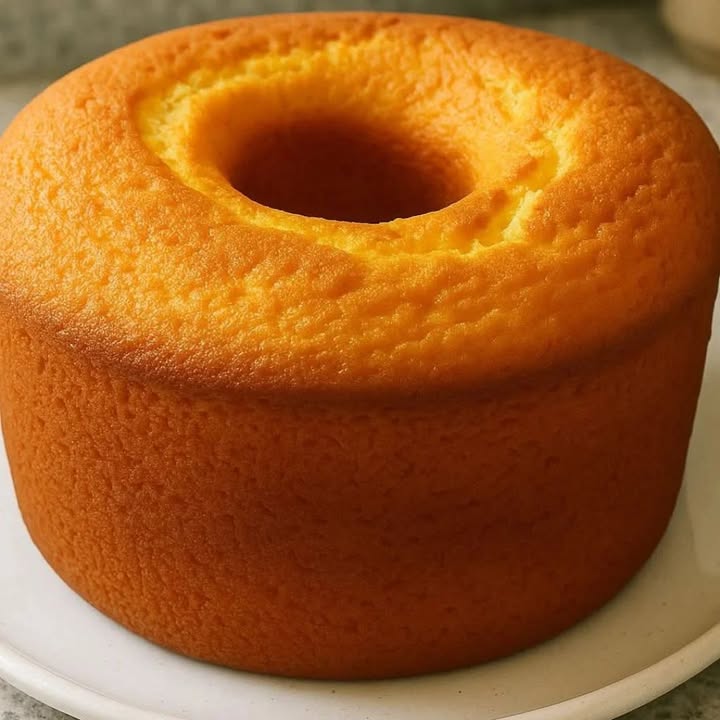
You know that perfect moment when your afternoon coffee is just begging for a little something sweet? A companion that’s light, fluffy, and doesn’t feel like a brick in your stomach? That’s exactly what this Fluffy Natural Yogurt Cake is all about. It’s the recipe I turn to when friends pop over unannounced, and it never fails to make my kitchen smell like a cozy bakery. Best part? You measure the whole thing with a simple yogurt pot!
My Kitchen Companion: The Story of Yogurt Cake
This Fluffy Yogurt Coffee Cake has roots in a classic French “gâteau au yaourt,” a beloved recipe often taught to children because it’s so simple. The tradition of using the yogurt pot as a measuring cup is pure genius—it means no scales and no fuss. My version is a little extra fluffy, thanks to a blender trick I learned from my grandma. She believed the secret to a happy home was a cake ready for coffee time. I think she was absolutely right. While traditional versions are humble, this one rises beautifully and has a perfect, tender crumb that modern bakers adore.
Why You’ll Fall in Love With This Yogurt Cake
This isn’t just any cake. First, it’s incredibly moist, thanks to the yogurt and oil. Second, it’s foolproof. If you can crack eggs and push a blender button, you’re halfway there. The flavor is subtly sweet with a slight tang, making it the ultimate partner for a bitter espresso or a cup of tea. It’s the kind of recipe that builds your baking confidence and becomes a permanent sticky note in your recipe book.
Perfect Occasions for This Simple Cake
This cake is your culinary best friend for so many moments! It’s perfect for a lazy weekend brunch, a last-minute school bake sale, or as a sweet treat after dinner. I love bringing it to potlucks because it travels like a dream and pleases everyone. It’s also my go-to “thinking of you” gift for a neighbor—simple, homemade, and always appreciated. For more decadent dessert occasions, you might also enjoy our show-stopping Cinnamon Roll Cheesecake Delight.
Ingredients for Your Fluffy Yogurt Coffee Cake
- 1 pot (170g) of natural yogurt (use the pot to measure!)
- 4 large eggs
- 1/2 cup of neutral oil (like sunflower or canola)
- 2 cups of granulated sugar
- 2 cups of all-purpose wheat flour
- 1 tablespoon of baking powder
Easy Ingredient Swaps
Out of something? No worries! Here are some easy swaps:
- Yogurt: Use Greek yogurt for a denser, richer cake, or a flavored yogurt (like lemon) for a twist.
- Oil: Melted butter can replace oil for a richer flavor.
- Flour: For a gluten-free version, use a 1:1 gluten-free baking blend.
- Sugar: You can reduce sugar to 1.5 cups for a less sweet cake, or use brown sugar for a caramel note.
How to Make Your Fluffy Yogurt Cake: Step-by-Step
Step 1: Prep Your Pan and Oven
Start by preheating your oven to 180°C (350°F). This gives it time to reach the perfect, even temperature. Take a round baking dish with a central hole—a bundt or angel food cake pan works wonderfully. Grease it generously with butter or a non-stick spray, making sure to get into all the nooks. This simple step is your insurance policy for a clean release later. The anticipation starts now!
Step 2: Blend the Wet Base
Grab your blender! Crack in the 4 eggs, add the entire pot of creamy white yogurt, and pour in the golden oil. Secure the lid and let it rip for a full 2 minutes. You’ll watch the mixture transform from separate entities into a pale, smooth, and beautifully emulsified liquid. This aeration is a big part of what gives our Fluffy Yogurt Coffee Cake its incredible lift. Pro tip: If you don’t have a blender, a stand mixer or a vigorous hand whisk will also do the trick.
Step 3: Incorporate the Sugar
With the blender still running on low, slowly pour in the two cups of sugar. The granules will swirl and dissolve into the mix. Let it blend for another minute or so until the batter looks homogenous and slightly glossy. You shouldn’t feel any grittiness if you rub a bit between your fingers. This step ensures the sugar is perfectly integrated for an even sweetness in every bite.
Step 4: Gently Fold in the Flour
Now, pour your lovely batter into a larger mixing bowl. Sift your flour—this is not just for show! Sifting removes lumps and adds air, making the cake even lighter. Add the sifted flour in two or three batches, folding gently with a spatula after each addition. Use a soft, figure-eight motion to avoid deflating all those beautiful air bubbles we just created. The batter will thicken into a gorgeous, smooth, pourable consistency.
Step 5: The Final Rise and Bake
For the grand finale, sprinkle the tablespoon of baking powder over the batter and fold it in gently, just until you no longer see streaks. Immediately pour the batter into your prepared pan. It should come up almost to the top, which is exactly what we want for that impressive rise. Slide it into the middle of your preheated oven and let the magic happen. In about 40 minutes, you’ll have a golden-brown masterpiece. Chef’s tip: The classic toothpick test is your best friend—insert it into the thickest part, and it should come out clean.
Time Investment
- Prep Time: 10 minutes
- Cook Time: 40 minutes
- Cooling Time: 1 hour (if you can wait!)
- Total Time: About 1 hour 50 minutes
The Secret to Supreme Fluffiness
My number one secret? Do not open the oven door for the first 30 minutes of baking! The sudden drop in temperature can cause the delicate rising cake to collapse in the center. Trust the process, use your oven light, and only peek when you’re close to the end time for the toothpick test.
A Fun Food Fact
Using yogurt in cakes isn’t just about flavor and moisture. The acidity in yogurt tenderizes the gluten in the flour, resulting in a softer, more delicate crumb. It’s a little bit of kitchen science that works wonders! This principle of gentle cooking for tender results reminds me of the benefits of slow cooking, which preserves moisture and deepens flavors in savory dishes.
What You’ll Need to Make It
- Blender or stand mixer
- Large mixing bowl
- Spatula
- Sifter or fine mesh strainer
- 10-cup Bundt pan or tube pan
- Toothpick or cake tester
Storing Your Fluffy Yogurt Cake
Once completely cooled, your cake can live happily on the counter for up to 3 days. Just cover it with a cake dome or place it under a large, inverted bowl to protect it from drying out. This keeps it ready for any spontaneous coffee break.
For longer storage, you can wrap the whole cake or individual slices tightly in plastic wrap and freeze them for up to 2 months. The beauty of this cake is that it thaws beautifully at room temperature, tasting just as fresh as the day it was baked.
If you’ve added any glazes or fresh fruit toppings, it’s best to store the cake in the refrigerator. Let it sit out for 20 minutes before serving to take the chill off and allow the flavors to shine.
Pro Tips for a Perfect Cake Every Time
- Room Temp is Best: Use eggs and yogurt straight from the fridge for easier blending, but room temperature ingredients blend even more smoothly.
- Don’t Overmix: Once you add the flour, mix just until combined. Overmixing develops gluten and leads to a tough cake.
- Grease Well: Be generous with the butter or spray in your pan, especially with intricate bundt designs.
- Cool Upside Down: Let the cake cool in the pan for 10 minutes, then invert it onto a wire rack. The hole in the center helps it cool evenly and prevents sinking.
Make It Look Beautiful
- Dust it simply with a snowy layer of powdered sugar right before serving.
- Drizzle with a simple lemon glaze (just mix powdered sugar and lemon juice).
- Serve with a dollop of whipped cream and fresh berries on the side.
- For a rustic look, place it on a wooden board and slice it right at the table.
Try These Tasty Variations
Once you master the basic Fluffy Yogurt Coffee Cake, the flavor world is your oyster! Here are 6 delicious twists:
- Lemon Zest Delight: Add the zest of two lemons to the batter. The citrus aroma is incredible with coffee.
- Vanilla Bean Dream: Scrape the seeds of one vanilla bean pod into the blender for a sophisticated, speckled flavor.
- Chocolate Chip Bliss: Fold 1 cup of semi-sweet chocolate chips into the batter before baking for a sweet surprise in every bite.
- Orange & Almond: Add 1 tsp of orange extract and fold in 1/2 cup of finely chopped toasted almonds.
- Spiced Apple Cider Cake: Replace 1/2 cup of the yogurt with unsweetened applesauce and add 2 tsp of apple pie spice to the flour.
- Coconut Paradise: Use coconut oil and fold in 1 cup of shredded coconut. A tropical escape in cake form!
If you love nutty flavors, our Hanuta Delight Cake is another fantastic recipe to explore. And for butter lovers, the rich, dense texture of our Kentucky Butter Bliss Cake is pure indulgence.
Common Mistakes to Avoid
Mistake 1: Using a Liquid Measuring Cup for Dry Ingredients
This is a classic baking blunder! Scooping flour directly from the bag with a liquid cup packs it down, giving you way more flour than the recipe needs. A dense, dry cake is often the sad result. Always use nesting dry measuring cups for flour and sugar. Spoon the flour into the cup and level it off with a straight edge. This “spoon and level” method ensures perfect, airy measurements every time.
Mistake 2: Not Sifting the Dry Ingredients
It might seem like an extra dish to wash, but sifting your flour and baking powder together is non-negotiable for fluffiness. Sifting aerates the flour, breaks up lumps, and evenly distributes the baking powder. This guarantees a uniform rise and a delicate crumb. If you skip this, you risk ending up with bitter pockets of baking powder or a uneven texture. Just do it—your cake will thank you!
Mistake 3: Opening the Oven Door Too Early
I know it’s tempting to check on your rising masterpiece, but resist! Opening the door in the first half of baking causes a sudden temperature drop. This can shock the delicate batter and make the cake collapse in the center before it has set. Use your oven light to spy. Only open the door for the toothpick test when the cake looks golden and is near the end of the baking time. Patience is a baker’s virtue.
Mistake 4: Overmixing After Adding Flour
When you add the flour, your mixing technique needs to change. Vigorous beating at this stage develops the gluten in the flour, which is great for bread but terrible for cake. It leads to a tough, chewy texture instead of a soft, tender one. Switch to a spatula and fold gently, just until the last streaks of flour disappear. A few small lumps are better than an overmixed batter.
Frequently Asked Questions
Can I make this yogurt cake without a blender?
Absolutely! A blender makes it quick, but you can use a hand mixer or a stand mixer with the whisk attachment. Just beat the eggs, yogurt, and oil together for a good 3-4 minutes until very smooth and slightly frothy. Then add the sugar and beat again. The key is to get enough air into the mixture for that signature lift. The final folding of the flour should always be done by hand with a spatula to keep it light.
Why did my cake sink in the middle?
A sunken cake usually points to two issues: underbaking or too much leavening. First, ensure your cake is fully baked by using the toothpick test—it should come out completely clean. Second, double-check your baking powder measurement. Using a heaping tablespoon instead of a level one can cause the cake to rise too fast and then collapse. Also, remember not to open the oven door too early, as the draft can cause a collapse.
Can I use flavored yogurt instead of natural?
You can, but choose wisely! A vanilla or lemon yogurt would be lovely and add a subtle flavor. Avoid yogurts with large fruit chunks, as they can sink and create soggy spots. Also, be mindful that flavored yogurts often contain added sugar. You might want to reduce the sugar in the recipe by 1/4 cup to account for this and avoid an overly sweet cake. Greek yogurt is a great thicker alternative.
How can I tell if my baking powder is still good?
Old baking powder loses its power and won’t make your cake rise. To test it, stir 1/2 teaspoon of baking powder into 1/4 cup of hot water. If it fizzes and bubbles vigorously immediately, it’s still active. If the reaction is weak or absent, it’s time for a new container. Baking powder typically lasts 6-12 months once opened, so mark the date on the box when you buy it.
Can I make this recipe into muffins or a loaf?
Yes, this batter is very versatile! For muffins, fill lined muffin cups 2/3 full and bake at the same temperature for 18-22 minutes. For a loaf, grease a 9×5 inch loaf pan and bake for 50-60 minutes, checking for doneness with a toothpick. The baking time will vary with the shape, so always rely on the visual cues (golden brown) and the toothpick test rather than the clock alone.
Is it possible to reduce the sugar in this recipe?
You can reduce the sugar slightly, but it will affect the texture and moisture. Sugar doesn’t just add sweetness; it helps tenderize and retain moisture. I wouldn’t recommend going below 1.5 cups for this specific recipe. If you use less, the cake may be drier and denser. For a healthier morning option, consider pairing a smaller slice with our refreshing Smoothie with Frozen Berries.
What’s the best way to grease a bundt pan?
To ensure your beautiful cake releases in one piece, be thorough! Use a pastry brush to coat every nook and cranny with softened butter or shortening (not spreadable margarine). Then, dust the entire greased surface with flour, tapping out the excess. Alternatively, a high-quality non-stick baking spray with flour (like Baker’s Joy) works wonders. Pay extra attention to the center tube.
Can I add fruit like blueberries to this cake?
Fresh blueberries are a fantastic addition! To prevent them from sinking to the bottom, toss 1 to 1.5 cups of fresh or frozen (do not thaw) blueberries in 1 tablespoon of the recipe’s flour until lightly coated. This creates a barrier. Then, gently fold them into the batter at the very end, just before pouring it into the pan. The result is a beautiful, juicy berry in every slice.
My cake is browning too fast on top. What should I do?
If your cake is getting dark before the center is baked, your oven might run hot or the rack is too high. Quickly place a loose tent of aluminum foil over the top of the pan. This will shield it from direct heat and allow the inside to catch up without burning the crust. Don’t wrap it tightly, just lay the foil sheet gently on top to create a little air gap.
Can I frost this yogurt cake?
You certainly can! A simple powdered sugar glaze or a cream cheese frosting pairs beautifully with the tangy yogurt flavor. For a lighter option, a dollop of whipped cream or a dusting of powdered sugar is perfect. Because the cake itself is so moist and flavorful, it doesn’t need a heavy frosting. It’s wonderful simply as is with a cup of coffee, making it a star in any collection of easy dessert recipes.
Your New Go-To Recipe
And there you have it! Your new secret weapon for a effortlessly impressive bake. This Fluffy Natural Yogurt Cake proves that the simplest ingredients, treated with a little care, can create something truly special. It’s humble, it’s delicious, and it has never let me down. I hope it brings as much joy to your coffee breaks as it has to mine. Now, go preheat that oven—your perfect cake is waiting to be made!
Fluffy Yogurt Coffee Cake
Ingredients
Equipment
Method
- Preheat your oven to 180°C (350°F) and grease a round baking dish with butter or non-stick spray.
- In a blender, add the eggs, yogurt, and oil, and blend for 2 minutes until smooth and creamy.
- With the blender on low, gradually add the sugar and blend until well combined and glossy.
- Transfer the mixture to a large mixing bowl. Sift in the flour and fold gently in batches until smooth.
- Sprinkle the baking powder over the batter and fold it in gently until no streaks remain.
- Pour the batter into the prepared pan and bake for about 40 minutes or until a toothpick comes out clean.