
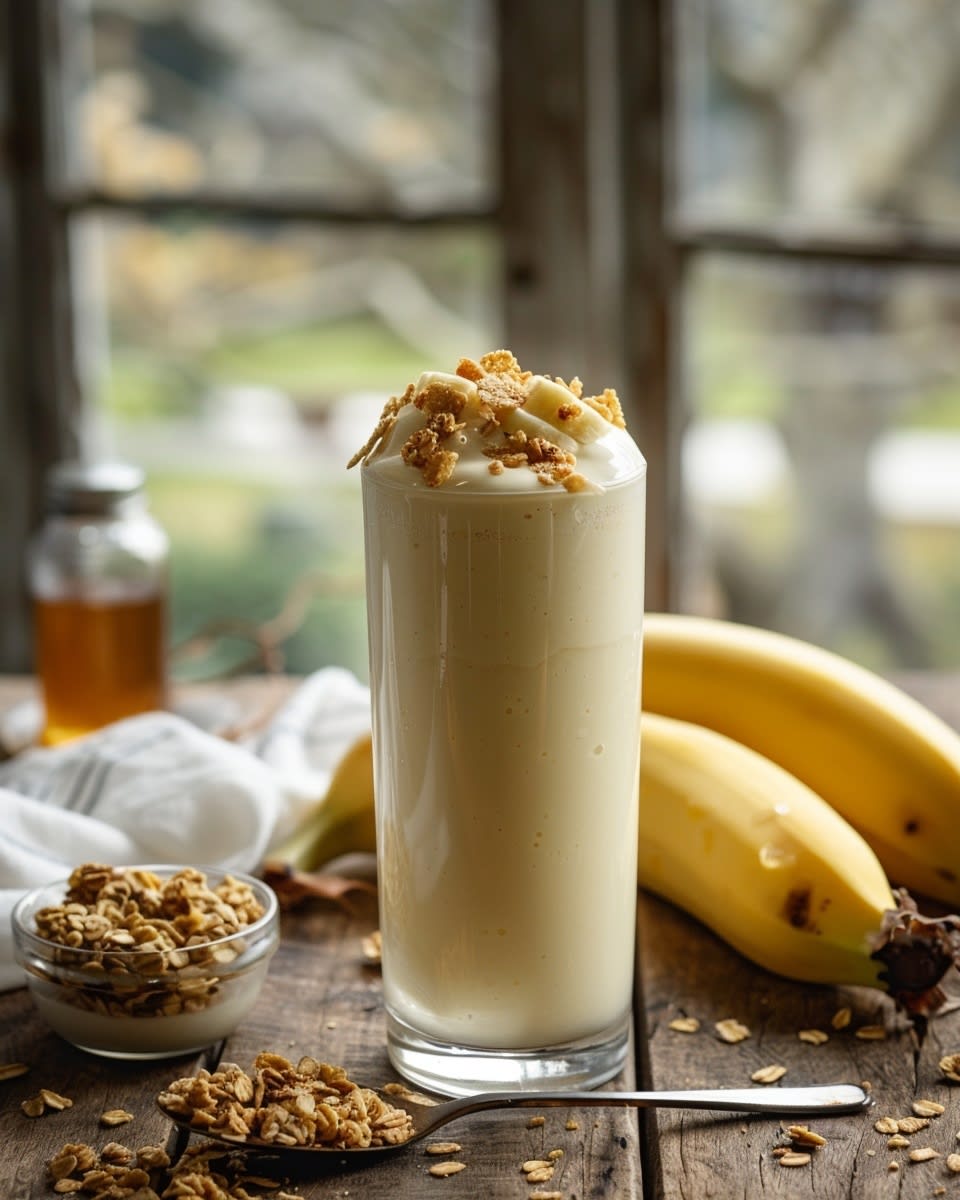
Why I Can’t Stop Making This Greek Yogurt Smoothie with Protein Powder
I’ll be honest with you. I used to skip breakfast at least three days a week. I’d grab a coffee and call it good. By 10 AM, I’d be starving and reaching for whatever snack was closest. Then I discovered the magic of a Greek yogurt smoothie with protein powder, and my mornings completely changed.
This isn’t just another smoothie recipe. This is the drink that keeps me full until lunch, helps me hit my protein goals without thinking too hard, and tastes like dessert while actually being good for me. I make one almost every morning now, and I’m excited to share exactly how I do it.
If you’re looking for a quick meal that doesn’t sacrifice nutrition, you’re in the right place. A Greek yogurt protein smoothie checks every box. It’s fast to make, easy to customize, and packs serious nutritional power into one glass. Whether you’re rushing to work, heading to the gym, or just need something satisfying, this smoothie delivers.
In this article, I’ll walk you through my favorite recipe and share all the tips I’ve learned from making hundreds of these smoothies. You’ll learn which ingredients work best, how to avoid common mistakes, and ways to switch up flavors so you never get bored.
Why Choose a Greek Yogurt Smoothie with Protein Powder?
Let me explain why this combination is so powerful. Greek yogurt and protein powder together create something special. They complement each other in ways that make this smoothie better than using either ingredient alone.
The Greek Yogurt Advantage
Greek yogurt is my secret weapon for thick, creamy smoothies. Regular yogurt just doesn’t compare. Here’s what makes Greek yogurt so good for smoothies:
- High protein content: A single cup of plain Greek yogurt contains about 15-20 grams of protein. That’s more than two eggs.
- Probiotics for gut health: These good bacteria support digestion and can boost your immune system.
- Creamy, thick texture: Greek yogurt makes your smoothie feel more like a milkshake without adding ice cream.
- Low in sugar: Plain Greek yogurt has very little natural sugar compared to regular yogurt or other smoothie bases.
- Rich in calcium: Great for bone health and muscle function.
I used to make smoothies with regular yogurt or just milk. They were always too thin and left me hungry an hour later. Greek yogurt changed everything. The thickness makes the smoothie more satisfying, and the protein keeps my energy steady.
One morning last month, I ran out of Greek yogurt and used regular yogurt instead. The smoothie tasted okay, but it was watery and I was hungry again by 10 AM. That’s when I realized how much difference Greek yogurt really makes.
Why Add Protein Powder?
You might wonder why you need protein powder if Greek yogurt already has protein. Good question. Here’s why I add it anyway:
Extra protein boost: Adding protein powder bumps your total protein up to 35-45 grams per smoothie. That’s huge if you’re trying to build muscle, lose weight, or just stay full longer. Most people need 20-30 grams of protein per meal, and this combination easily hits that target.
Flavor variety: Protein powder comes in dozens of flavors. Vanilla, chocolate, strawberry, cookies and cream, birthday cake – you name it. This makes it easy to change up your smoothie without buying different ingredients every week. I keep three flavors in my pantry and rotate them so I never get bored.
Convenience: Protein powder is shelf-stable and mixes instantly. You don’t need to cook eggs or prepare meat to hit your protein goals. Just scoop and blend.
Better post-workout recovery: If you exercise, protein powder provides fast-absorbing protein that helps your muscles recover. I always make a protein powder smoothie with Greek yogurt after my morning workouts.
Easier to reach daily protein goals: Most people struggle to eat enough protein. A smoothie with Greek yogurt and protein powder gets you halfway to your daily target in one meal.
The Perfect Partnership
Greek yogurt and protein powder work together better than either works alone. The yogurt provides probiotics, calcium, and a creamy base. The protein powder adds extra protein and flavor. Together, they create a high protein Greek yogurt smoothie that’s both nutritious and delicious.
I learned this combination from a nutritionist friend who makes smoothies for college athletes. She told me that combining different protein sources (dairy from yogurt and whey or plant protein from powder) gives you a more complete amino acid profile. Your body can use this protein more effectively.
This smoothie also helps with weight management. The high protein content keeps you full for hours. I used to snack constantly between breakfast and lunch. Now I make one of these smoothies and I’m genuinely satisfied until my next meal. That alone has made a huge difference.
Who Should Drink This Smoothie?
This Greek yogurt smoothie with protein powder works for almost everyone. Here’s who benefits most:
- Busy professionals who need a fast, nutritious breakfast
- Athletes and gym-goers looking for post-workout nutrition
- Anyone trying to increase their protein intake
- People who struggle to eat solid food in the morning
- Students who need brain fuel that lasts through morning classes
- Anyone trying to lose weight or maintain a healthy weight
I fall into the “busy professional” category. Most mornings, I have about five minutes to make and drink breakfast before I need to leave. This smoothie fits perfectly into that timeframe. I can even pour it into a travel cup and take it with me if I’m really rushed.
My husband uses it as a post-workout drink. He lifts weights three mornings a week, and this smoothie has become part of his recovery routine. He says it helps him feel less sore and more energized throughout the day.
The best part? This smoothie adapts to your needs. Want more calories? Add nut butter or oats. Need fewer calories? Use less fruit and more spinach. Dairy-free? Swap regular Greek yogurt for a plant-based version. The basic formula works for almost any dietary preference or goal.


What You’ll Need to Make Your Perfect Greek Yogurt Protein Smoothie
Now that you understand why this smoothie is such a game-changer, let’s talk about what actually goes into it. I keep all these ingredients on hand because I make this smoothie so often. The shopping list is simple, and most of these items last a while in your fridge or pantry.
Here’s what I use for my go-to recipe:
Greek yogurt (1 cup): I prefer plain, full-fat Greek yogurt because it tastes richer and keeps me satisfied longer. But low-fat or fat-free work too if you’re watching calories. The brand doesn’t matter much, though I’ve noticed some are thicker than others. Fage and Chobani are my favorites for consistency.
Protein powder (1 scoop, usually 25-30 grams): This is where you have options. Whey protein is my default choice because it mixes smoothly and tastes great. I use vanilla most often because it works with every fruit combination. Chocolate is my second choice, especially when I add banana and peanut butter.
Frozen fruit (1 cup): I almost always use frozen instead of fresh. Frozen fruit makes the smoothie cold and thick without watering it down with ice. Frozen berries, mango chunks, or mixed fruit blends all work beautifully. Keep a few bags in your freezer and you’re always ready.
Liquid (half to three-quarters cup): I usually use unsweetened almond milk because it’s low in calories and adds a subtle nutty flavor. Regular milk, oat milk, coconut milk, or even just water work fine. The amount depends on how thick you like your smoothie.
Ice (optional, 3-4 cubes): I only add ice if I’m using fresh fruit instead of frozen, or if I want an extra-thick texture.
That’s the basic formula. Five ingredients, maybe six. Takes about two minutes to throw together. But here’s where it gets fun.
Choosing Your Protein Powder
The protein powder aisle can be overwhelming. I remember standing there for twenty minutes the first time, reading labels and feeling completely lost. Let me break down the main types so you can pick what works for you.
Whey protein: This comes from milk and it’s what I use most often. It mixes really well with Greek yogurt, doesn’t get clumpy, and the flavors are usually spot-on. Whey digests quickly, which makes it great for post-workout smoothies. The downside? It’s not suitable if you’re vegan or have dairy sensitivities. I’ve tried at least a dozen brands, and my current favorite is Optimum Nutrition Gold Standard. It’s not the cheapest, but the texture is smooth and the taste is clean.
Plant-based protein: Pea protein, brown rice protein, hemp protein, or blends of these work if you’re dairy-free or vegan. I’ll be honest – plant proteins can be trickier. Some taste chalky or gritty. I’ve had the best luck with blended plant proteins rather than single-source ones. Orgain and Vega are brands that actually taste good and mix decently. They’re a bit earthier in flavor, so I usually add more fruit or a banana to balance it out. If you’re following a cottage cheese breakfast bowl routine for variety, plant-based protein powders can complement that approach nicely.
Collagen protein: This one’s different. Collagen is flavorless and supports skin, hair, and joint health. The protein content is lower than whey or plant protein, though, so I only use it when I’m making a smoothie more for the other nutrients than for maximum protein. It does mix incredibly well and never affects the taste.
Whatever you choose, read the label carefully. Some protein powders are loaded with sugar or artificial sweeteners. I prefer ones with minimal ingredients and no more than 3-4 grams of sugar per scoop.
Fruit Combinations That Actually Work
Here’s the thing about fruit in smoothies – some combinations are magical, and others are just weird. I’ve made plenty of mistakes here. Once I combined strawberries, kiwi, and mango thinking it would be tropical and amazing. It tasted like lawn clippings. Not my finest moment.
These are the combinations I come back to again and again:
Classic Berry Blast: Mix strawberries, blueberries, and a handful of raspberries. This works with vanilla or chocolate protein powder. Add a squeeze of lemon juice if you want it brighter. This combination never disappoints and the antioxidants are through the roof.
Tropical Paradise: Frozen mango, pineapple, and half a banana. Use vanilla protein powder and coconut milk instead of regular milk. This one tastes like vacation. My sister requests this specific smoothie every time she visits.
Chocolate Peanut Butter Banana: One whole banana, chocolate protein powder, and a tablespoon of peanut butter. Skip the other fruit. This tastes like a Reese’s cup but keeps you full for hours. It’s basically dessert for breakfast, and I’m not even sorry about it. Speaking of protein-packed breakfasts, this smoothie has similar staying power to my high protein oatmeal with peanut butter, just in drinkable form.
Green Machine: Frozen mango or pineapple, a handful of spinach, and vanilla protein powder. The fruit completely masks the spinach taste, but you get all those vitamins. This is my go-to when I haven’t eaten enough vegetables lately.
Cherry Vanilla: Frozen dark cherries with vanilla protein powder. Simple but sophisticated. Add a tiny bit of almond extract if you’re feeling fancy.
By the way, bananas deserve special mention. They make any smoothie creamier and add natural sweetness. I keep bananas in my freezer specifically for smoothies. When they start getting brown spots on the counter, I peel them, break them in half, and freeze them in a bag. Frozen banana transforms the texture completely.
How to Actually Make This Smoothie (The Right Way)
Making a smoothie seems foolproof, right? Just throw everything in and blend? Well, sort of. But the order matters more than you’d think, and small technique tweaks make a big difference between a smooth, creamy drink and a chunky mess.
Here’s exactly how I do it, step by step.
Step 1: Add your liquid first. Always. Pour your milk or liquid base into the blender before anything else. This prevents the blades from getting jammed and helps everything blend smoothly. I learned this the hard way after burning out a blender motor trying to blend frozen fruit with nothing underneath it.
Step 2: Add the Greek yogurt. Scoop it right on top of the liquid. The yogurt will sink down and coat the blades, which helps pull the other ingredients down as they blend.
Step 3: Add your protein powder. Sprinkle it over the yogurt. Don’t dump it in one clump or you’ll get pockets of dry powder that won’t mix properly.
Step 4: Add your fruit. Frozen fruit goes in next. If you’re using fresh fruit, add it now along with a few ice cubes for temperature and thickness.
Step 5: Add any extras. This is when I throw in things like chia seeds, flax seeds, a handful of oats, or that tablespoon of peanut butter. Greens like spinach or kale go in last, on top of everything. They blend better that way and you won’t see chunks.
Step 6: Blend on low first. Start your blender on low speed for about 10 seconds. This breaks down the bigger pieces and pulls everything toward the blades. Then increase to high speed and blend for 30-45 seconds until completely smooth. If you want a similar savory option with high protein, check out my egg white scramble with turkey for variety in your morning routine.
Step 7: Check the consistency. Stop the blender and look at what you’ve got. Too thick? Add a splash more liquid and blend for another 10 seconds. Too thin? Add a bit more frozen fruit or a few ice cubes and blend again.
Getting the Texture Just Right
Texture is everything with smoothies. Nobody wants to drink something watery or chew through something that’s basically frozen yogurt with chunks. Here’s what I’ve figured out:
For thick smoothie bowls: Use less liquid (just a quarter cup) and more frozen fruit. Blend until it’s the consistency of soft-serve ice cream. You can eat this with a spoon and add toppings like granola, fresh berries, or coconut flakes.
For drinkable smoothies: Use more liquid (three-quarters to one cup) and blend until everything is completely smooth. It should pour easily but still coat the sides of your glass as you drink.
If it’s too icy: You’ve probably used too much ice or your frozen fruit is in chunks that are too big. Blend longer on high speed. The friction will actually warm it up slightly and make it creamier. Funny enough, over-blending fixes this problem rather than making it worse.
If it’s foamy on top: This happens when you blend too long at too high a speed, especially with protein powder. Just let it sit for 30 seconds before drinking. The foam will settle.
Common Mistakes I’ve Made (So You Don’t Have To)
I’ve messed up plenty of smoothies over the years. Here are the biggest mistakes and how to avoid them:
Using too much protein powder: More isn’t always better. I once added two scoops thinking I’d get extra gains. Instead, I got a chalky, thick mess that tasted like vitamins. Stick to one scoop. If you need more protein, eat something alongside your smoothie, like the breakfast burrito with eggs and black beans I make on weekends.
Forgetting to taste your protein powder first: Not all vanilla protein powders taste the same. Some are sweet, some are bland, and some taste weirdly artificial. Try a small shake with just water before you commit it to a whole smoothie recipe.
Adding too many different fruits: Three types of fruit maximum. More than that and the flavors get muddy. You want distinct, recognizable taste, not fruit confusion.
Not using enough liquid: Your blender needs liquid to work properly. If you hear the motor straining or see ingredients just spinning on top without blending, stop immediately and add more liquid.
Blending hot ingredients: Never put hot coffee or warm liquid in a blender with a closed lid. The pressure builds up and can literally explode. I saw this happen to a friend. Her ceiling was decorated with protein smoothie for a week. If you want to add coffee, let it cool first or leave the lid slightly cracked.
The beauty of this recipe is that once you make it a few times, it becomes automatic. You’ll develop your own preferences for thickness, sweetness, and flavor. I don’t even measure anymore – I just eyeball everything and adjust as I go. That’s when you know you’ve really mastered your Greek yogurt smoothie with protein powder.


The Real Nutritional Powerhouse Behind Your Greek Yogurt Protein Smoothie
Okay, let’s talk numbers for a minute. I’m not usually someone who obsesses over macros, but when I first calculated what was actually in my morning smoothie, I was genuinely impressed. This isn’t just a tasty drink – it’s legitimately packed with stuff your body needs.
A standard Greek yogurt smoothie with protein powder made with the basic recipe I described earlier contains roughly:
- Protein: 35-45 grams (depending on your protein powder and yogurt brand)
- Calories: 300-400 calories (varies based on fruit and liquid choices)
- Carbohydrates: 35-45 grams (mostly from fruit and yogurt)
- Fat: 5-10 grams (more if you use full-fat yogurt or add nut butter)
- Fiber: 4-6 grams (higher if you add chia seeds or oats)
- Sugar: 20-25 grams (naturally occurring from fruit and yogurt, not added)
But here’s what really matters beyond just the numbers. The protein content alone is a game-changer. Most nutrition experts recommend eating at least 20-30 grams of protein with breakfast to stabilize blood sugar and prevent those mid-morning energy crashes. This smoothie gets you there without even trying.
The calcium from the Greek yogurt – usually around 250-300mg per cup – supports bone health. I’m in my thirties now, and my doctor keeps reminding me that building bone density matters more than I think. This smoothie makes it easy to care about that stuff without actually having to think about it much.
What Each Ingredient Actually Does for Your Body
Let me break down why each component matters, because I think understanding this stuff makes you appreciate what you’re drinking:
Greek yogurt does more than just add creaminess. The probiotics inside support gut health, which affects everything from digestion to mood to immune function. I used to have digestive issues that cleared up significantly once I started eating Greek yogurt regularly. The live cultures in quality yogurt help maintain healthy bacteria in your digestive system. Plus, the combination of protein and fat keeps you satisfied way longer than carbs alone ever could.
Protein powder provides fast-absorbing amino acids that your muscles use for repair and growth. Even if you’re not trying to build muscle, protein is essential for maintaining what you already have, especially as you age. It also helps with hormone production, enzyme creation, and keeping your hair and nails healthy. My nails used to be so brittle they’d break constantly. After a few months of consistent protein intake through these smoothies, they’re noticeably stronger.
Berries and fruits bring antioxidants, vitamins, and natural fiber. Blueberries especially are loaded with compounds that support brain health and memory. Strawberries have more vitamin C than you’d expect – one cup provides more than your entire daily requirement. Mangoes bring vitamin A for eye health. Bananas provide potassium, which helps regulate blood pressure and supports heart health. When preparing and storing your fruit properly, following safe meal preparation guidelines ensures you’re getting maximum nutrition without any risk of contamination.
The liquid base matters too. Almond milk adds vitamin E. Regular milk brings more protein and calcium. Coconut milk offers medium-chain triglycerides that some people say boost energy. Whatever you choose, you’re adding hydration and helping all those other nutrients get absorbed properly.
How This Smoothie Fits Into Different Eating Styles
One thing I love about this recipe is how adaptable it is for different dietary approaches. I have friends following all kinds of eating plans, and almost all of them have found ways to make this smoothie work.
For weight loss: This smoothie is filling enough to replace breakfast completely, which helps with portion control. The high protein content preserves muscle mass while you’re in a calorie deficit. I’d suggest using low-fat Greek yogurt, almond milk, and measuring your portions to keep calories around 300-350. Skip the nut butter and extra oats. The protein and fiber combination genuinely kills hunger for hours.
For muscle building: Bump up the calories by using full-fat Greek yogurt, whole milk, adding two tablespoons of almond butter or peanut butter, and throwing in a quarter cup of oats. This pushes your smoothie into the 500-600 calorie range with even more protein. My husband drinks this version after his weight training sessions and swears it helps his recovery.
For low-carb or keto diets: Use half the fruit or swap it for low-carb options like a handful of berries. Add MCT oil or coconut oil for healthy fats. Use full-fat Greek yogurt and unsweetened almond milk. You can get a solid high-protein, high-fat smoothie with just 15-20 grams of carbs this way.
For plant-based diets: Swap regular Greek yogurt for a coconut or almond-based Greek-style yogurt. Use plant-based protein powder. Add hemp seeds or chia seeds for extra omega-3s and protein. The texture won’t be quite as thick as dairy-based versions, but it’s still really good.
For diabetics or blood sugar management: The protein and fat in this smoothie slow down how quickly the natural sugars from fruit enter your bloodstream. This prevents the spike-and-crash cycle you’d get from just eating fruit alone. Still, I’d recommend using berries rather than tropical fruits since they’re lower on the glycemic index. Adding a tablespoon of ground flaxseed provides fiber that further stabilizes blood sugar.
The Long-Term Benefits I’ve Actually Noticed
I’ve been making these smoothies almost daily for over a year now. Here are the real-world changes I’ve experienced that go beyond just feeling full:
Better energy levels: I’m not crashing mid-morning anymore. The sustained energy from protein and healthy carbs keeps me productive straight through to lunch. I used to need a second coffee around 10:30. Now I rarely even want one.
Easier weight maintenance: I’m not saying this smoothie made me lose a bunch of weight, but it definitely helped me stop gaining. The portion control aspect matters – one smoothie is one meal, period. When I was skipping breakfast and snacking randomly, I had no idea how many calories I was actually eating.
Consistent protein intake: Before this habit started, my protein intake was all over the place. Some days I’d barely hit 50 grams total. Now I’m starting every day with 40 grams, which makes hitting my overall goal so much easier. My workouts feel more effective and I recover faster.
Actually eating breakfast: This sounds simple, but it matters. Breakfast eaters tend to have better overall nutrition throughout the day. I make healthier lunch and dinner choices when I start the morning with something substantial. It sets the tone.
By the way, if you’re looking for even more variety in your morning routine, I’ve found that alternating between smoothies and other high protein breakfast options keeps things interesting without sacrificing nutrition. Some days I want something to chew, and that’s totally fine.
When to Drink Your Smoothie for Maximum Benefits
Timing isn’t everything, but it does matter a bit. Here’s when I’ve found this smoothie works best:
First thing in the morning: This is my default. It breaks your overnight fast with quality nutrients and sets up your blood sugar for stable energy. Plus, getting protein early in the day has been shown to reduce cravings later.
Post-workout: Within 30-60 minutes after exercise, your muscles are primed to absorb protein and replenish glycogen. A smoothie with Greek yogurt and protein powder hits both needs perfectly. It’s also way easier to drink a smoothie when you’re sweaty and exhausted than it is to cook eggs.
As a meal replacement: When you’re genuinely short on time, this smoothie provides balanced nutrition without requiring you to sit down with a plate. I’ve definitely had smoothie dinners during particularly crazy work weeks.
Pre-workout: Some people like drinking a lighter version about an hour before exercising. I’d suggest using less yogurt and more liquid so it’s easier to digest. The carbs from fruit provide quick energy while the protein prevents muscle breakdown during your workout.
Making It Even More Nutritious
If you want to level up the health benefits without changing the taste much, try adding these extras:
Ground flaxseed or chia seeds: One tablespoon adds omega-3 fatty acids, extra fiber, and barely affects the taste. These healthy fats support heart health and brain function. They also absorb liquid and make your smoothie even more filling.
Spinach or kale: A handful completely disappears in the flavor but adds vitamins A, C, K, and iron. I was skeptical about green smoothies until I tried adding spinach to my berry version. Couldn’t taste it at all, but the nutritional boost is legit.
Rolled oats: A quarter cup adds complex carbs and soluble fiber that’s great for heart health. It makes the smoothie more filling and adds a subtle thickness. Plus, oats contain beta-glucan, which helps lower cholesterol.
Cacao powder or nibs: If you’re using chocolate protein powder anyway, add a teaspoon of raw cacao for extra antioxidants and a richer flavor. Cacao is one of the highest antioxidant foods you can eat.
Ginger or turmeric: Just a small piece of fresh ginger or a pinch of turmeric powder adds anti-inflammatory compounds. I add ginger to tropical smoothies especially. It gives this subtle warming spice that works perfectly with mango and pineapple.
Collagen powder: Beyond protein powder, adding a scoop of unflavored collagen supports skin elasticity, joint health, and gut lining. It dissolves completely with no taste.
The cool thing is you can add one or two of these extras without the smoothie tasting like a health food store threw up in your blender. Keep the fruit and protein powder flavors as your base, and these additions just boost the nutrition quietly in the background.
Common Questions About Greek Yogurt Protein Smoothies
Can I use regular yogurt instead of Greek yogurt?
You can, but your smoothie won’t be as thick or protein-rich. Regular yogurt has about half the protein of Greek yogurt and contains more liquid, which makes your smoothie thinner. If regular yogurt is all you have, use about one and a half cups instead of one cup to get more substance. You might need less liquid overall since regular yogurt is already thinner. The probiotic benefits are similar between the two, but Greek yogurt definitely wins for texture and protein content. I’d really recommend trying Greek yogurt at least once to feel the difference.
What are the best fruits to add to a Greek yogurt smoothie with protein powder?
Berries are my top choice because they’re low in calories, high in antioxidants, and work with almost any protein powder flavor. Frozen mixed berries are convenient and affordable. Bananas add natural sweetness and make everything creamier. Mango and pineapple create tropical flavors that pair beautifully with vanilla or coconut protein powder. I’d avoid citrus fruits like oranges or grapefruit since they can make dairy products taste weird. Stone fruits like peaches work fine, though they’re more seasonal. Stick to fruits you actually enjoy eating on their own – if you don’t like it fresh, you probably won’t like it in your smoothie either.
How much protein does this smoothie contain?
A typical smoothie made with one cup of Greek yogurt and one scoop of protein powder contains between 35-45 grams of protein total. The Greek yogurt provides about 15-20 grams, and most protein powder scoops add another 20-25 grams. This meets or exceeds the recommended 20-30 grams of protein per meal for most adults. If you add extras like chia seeds, oats, or use whole milk instead of almond milk, you’ll get even more protein. That’s honestly more than enough protein to keep you satisfied for hours and support muscle maintenance or growth.
Is this smoothie suitable for a post-workout snack?
Absolutely, and it’s actually ideal for post-workout recovery. The combination of fast-absorbing protein from the powder and slower-digesting protein from Greek yogurt provides both immediate and sustained amino acid delivery to your muscles. The carbohydrates from fruit help replenish glycogen stores that got depleted during exercise. The 3:1 or 4:1 carb-to-protein ratio in this smoothie is exactly what many sports nutritionists recommend for recovery. Plus, it’s way easier to drink a cold smoothie after a sweaty workout than it is to eat solid food. I always make mine right after morning gym sessions.
Can I make this smoothie without protein powder?
Yes, though you’ll get less total protein. The Greek yogurt alone provides a decent 15-20 grams of protein, which is still pretty good for a meal. To boost protein without powder, add ingredients like cottage cheese (another half cup adds 12 grams), a tablespoon of nut butter (adds 4-5 grams), chia seeds, hemp seeds, or even silken tofu. You could also use milk instead of water or almond milk for a few extra grams. The smoothie will still taste great and be nutritious, just with lower overall protein content. If you’re not specifically training or trying to build muscle, Greek yogurt alone might be plenty for your needs.
How long can I store the smoothie in the fridge?
I’d drink it within 24 hours maximum for the best taste and texture. Smoothies separate as they sit – the liquid settles to the bottom and the thicker parts rise to the top. You can shake or stir it back together, but the texture is never quite as good as fresh. The probiotics in Greek yogurt are still alive, and protein powder can develop an off taste after sitting too long. If you absolutely need to prep ahead, store it in an airtight container and give it a really good shake before drinking. Honestly though, smoothies only take two minutes to make, so I almost always make mine fresh rather than storing them.
Are there any alternatives to using milk in the smoothie?
Tons of alternatives work great depending on your preferences and dietary needs. Almond milk, oat milk, coconut milk, cashew milk, soy milk, or even just water all work. Almond milk is my go-to because it’s low calorie and has a neutral taste. Oat milk makes it creamier and slightly sweeter. Coconut milk adds tropical flavor but has more calories and fat. Water works fine if you want to keep calories really low, though the smoothie will be less creamy. You could even use cold coffee or cold green tea for a caffeinated version. Orange juice works with tropical fruit combinations. Basically, any liquid you like drinking on its own will probably work in your smoothie.
Can I add other supplements to the smoothie?
Definitely, and smoothies are actually a great way to take supplements you might otherwise forget. I regularly add ground flaxseed for omega-3s, collagen powder for skin and joints, and spirulina or chlorella for extra nutrients when I remember. Creatine monohydrate dissolves well in smoothies if you’re into fitness supplements. Powdered greens blends, probiotics, vitamin D drops, or fish oil can all hide in a fruit smoothie pretty well. Just be careful not to add too many things at once – you want it to still taste good. I’d introduce one new supplement at a time so you can notice if it affects the flavor. Also, some vitamins are better absorbed with fat, so using full-fat yogurt or adding nut butter helps.
Will this smoothie help me lose weight?
It can definitely support weight loss as part of a balanced diet, but it’s not magic. The high protein content helps preserve muscle while you’re in a calorie deficit, and it keeps you full longer than high-carb breakfasts do. This naturally reduces snacking and overall calorie intake throughout the day. Many people find that having a consistent, portion-controlled breakfast like this smoothie prevents the random eating that causes weight gain. That said, you can’t out-smoothie a bad diet. If you drink this smoothie but then eat excessive calories the rest of the day, you won’t lose weight. Use it as a meal replacement, not a meal addition, and make sure your total daily calories align with your goals.
Can kids drink these smoothies?
Yes, though you might want to adjust the recipe slightly for younger children. Kids generally don’t need as much protein as adults – a smoothie with 35-45 grams might be overkill for a small child. You could use half the protein powder or skip it entirely and rely just on the Greek yogurt. Kids often prefer sweeter flavors, so using more fruit, a drizzle of honey, or vanilla protein powder works well. My niece loves the strawberry banana version with vanilla protein. Just make sure you’re not replacing too many whole food meals with smoothies since kids need to practice chewing and eating varied textures. But as an occasional breakfast or snack, these smoothies are definitely kid-friendly and way healthier than sugary cereals.
Give this Greek yogurt smoothie with protein powder a try tomorrow morning. Start with the basic recipe and then make it your own based on what you’ve learned here. I’d love to hear which flavor combination becomes your favorite.
Ingredients
Equipment
Method
- Pour liquid into the blender first.
- Add the Greek yogurt on top of the liquid.
- Sprinkle the protein powder over the yogurt.
- Add the frozen fruit (with ice if using fresh).
- Include any extras like seeds or nut butter.
- Blend on low for 10 seconds, then on high for 30-45 seconds until smooth.
- Check the consistency and adjust with more liquid or frozen fruit as needed.