
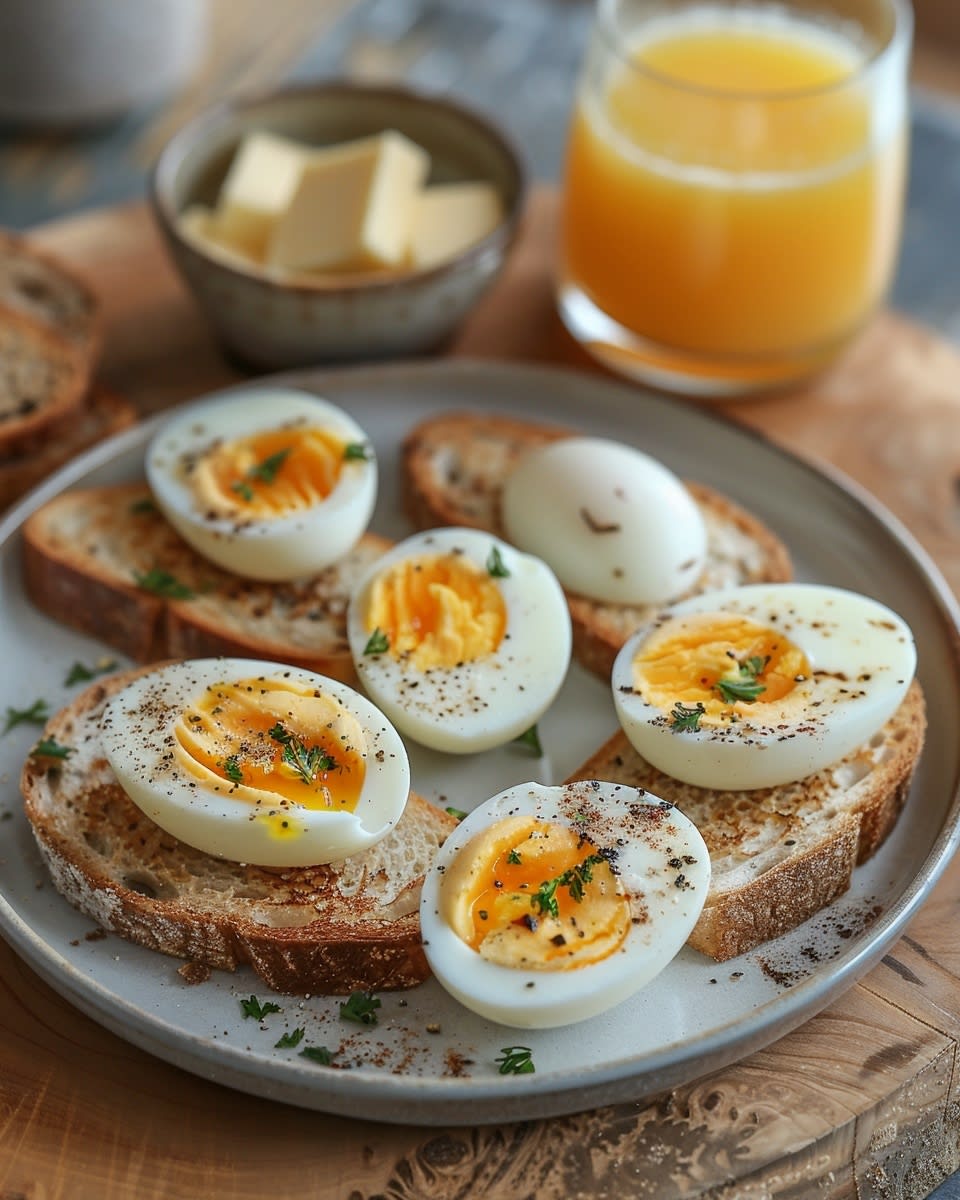
I used to grab a granola bar and coffee on my way out the door. By 10 a.m., I’d be starving and reaching for whatever snack I could find. Then I started keeping hard-boiled eggs in my fridge. That simple change made mornings so much easier. I had real energy that lasted, and I wasn’t hangry by mid-morning anymore.
Hard-boiled eggs for breakfast have become my secret weapon for starting the day right. They’re ready to eat in seconds, taste great, and keep me satisfied for hours. I can eat them plain, slice them over toast, or toss them in a quick salad. The options are endless, and prep time is basically zero.
What I love most is how these little protein powerhouses fit into my busy life. I boil a batch on Sunday, and I have breakfast sorted for most of the week. No thinking required at 6 a.m. when my brain barely works. Just grab, peel, and go.
The health benefits are real too. Eggs give me protein, vitamins, and healthy fats all in one neat package. They’re not processed or loaded with sugar like so many breakfast foods. Just pure, simple nutrition that my body actually needs.
The Benefits of Hard Boiled Eggs for Breakfast
Let’s talk about what makes hard-boiled eggs such a smart breakfast choice. One large egg has about 6 grams of protein and only 70 calories. That’s a lot of nutrition packed into something so small. The egg white alone has around 17 calories and 4 grams of protein, which is why some people prefer eating just the whites. I like the whole egg because the yolk contains most of the vitamins and minerals.
The benefits of boiled eggs for breakfast go way beyond basic calories. Each egg contains vitamin D, which many of us don’t get enough of. They also have B vitamins that help turn food into energy. The choline in eggs supports brain function and memory. I notice I can focus better at work when I’ve had eggs for breakfast instead of cereal or a pastry.
People often ask me, are hard boiled eggs healthy? The answer is yes, absolutely. For years, eggs got a bad reputation because of cholesterol. Science has moved on from that outdated thinking. Research now shows that eating eggs doesn’t raise cholesterol levels for most people. The healthy fats in eggs actually help your body absorb vitamins better.
Here’s what you get from eating two hard-boiled eggs for breakfast:
- 12 grams of high-quality protein to build and repair muscles
- About 140 calories (that’s 2 boiled egg calories total)
- Vitamin A for healthy eyes and skin
- Vitamin D for strong bones
- Iron that carries oxygen through your blood
- Selenium, an antioxidant that protects your cells
The protein in eggs is what really makes them shine as a breakfast food. Protein takes longer to digest than carbs, which means you stay full longer. I used to eat toast with jam and feel hungry an hour later. Now I eat eggs and I’m satisfied until lunch. No mid-morning snacking needed.
Many people use the boiled egg diet to lose weight. This diet focuses on eggs as a main protein source while cutting back on carbs and sugars. I haven’t followed a strict egg diet myself, but I definitely noticed that eating boiled eggs everyday helped me manage my weight better. I stopped reaching for donuts and muffins because I wasn’t hungry all the time.
The best way to eat eggs for weight loss is to prepare them without adding extra fat. Hard-boiled eggs are perfect for this. No butter, no oil, no cheese. Just the egg itself. You can season them with salt, pepper, or hot sauce for flavor without adding many calories.
I love thinking about what to eat with hard boiled eggs for breakfast. They pair well with so many foods. Some mornings I eat them with whole grain toast and avocado. Other days I slice them over a piece of smoked salmon. Sometimes I make a quick hard boiled egg breakfast salad with spinach, tomatoes, and a little olive oil.
One of my favorite discoveries is the hard boiled egg breakfast burrito. I chop up two eggs, add some black beans, salsa, and a small tortilla. It takes three minutes to make and tastes amazing. The eggs add protein while the beans provide fiber. Together they keep me full and energized all morning.
Let me share my personal experience. I started eating two hard-boiled eggs every morning about a year ago. Within a week, I noticed I had more stable energy. No more 10 a.m. crash. No brain fog that made me want to nap at my desk. I could think clearly and stay productive until lunch.
My afternoon energy improved too. When you start your day with solid protein, your blood sugar stays steadier all day. I wasn’t riding the sugar rollercoaster anymore. No more highs and crashes that left me feeling tired and cranky.
The convenience factor can’t be overstated. I work long hours and don’t always have time for a fancy breakfast. Hard-boiled eggs solve that problem. I keep them in a container in my fridge. When I’m running late, I grab two eggs and eat them in the car. It’s not glamorous, but it works.
Some people worry about eating eggs every day. I talked to my doctor about it during my annual checkup. She said that for most healthy people, eating one or two eggs daily is perfectly fine. She was actually happy to hear I was eating real food for breakfast instead of sugary cereal.
If you’re watching calories closely, knowing how many calories in a boiled egg white can help you plan your meals. The white has about 17 calories while the yolk has about 55. Some people eat just the whites to cut calories. I prefer eating the whole egg because the yolk tastes good and has so many nutrients.
The versatility of hard-boiled eggs makes them work for any eating style. If you’re doing low-carb, they’re perfect. If you’re counting calories, they fit easily. If you’re trying to eat more whole foods, eggs are as whole as it gets. They work for almost any healthy eating plan.
Making hard-boiled eggs is simple, but doing it right matters. Overcooked eggs get that gray-green ring around the yolk and smell like sulfur. Perfectly cooked eggs have bright yellow yolks and taste mild and pleasant. I’ll share my foolproof cooking method in the next section.
The bottom line is this: hard-boiled eggs are a breakfast winner. They’re cheap, healthy, filling, and easy to prepare. They give you lasting energy without weighing you down. Whether you’re trying to lose weight, build muscle, or just eat better, hard-boiled eggs deserve a spot in your morning routine.


Calories and Nutritional Content in Hard Boiled Eggs
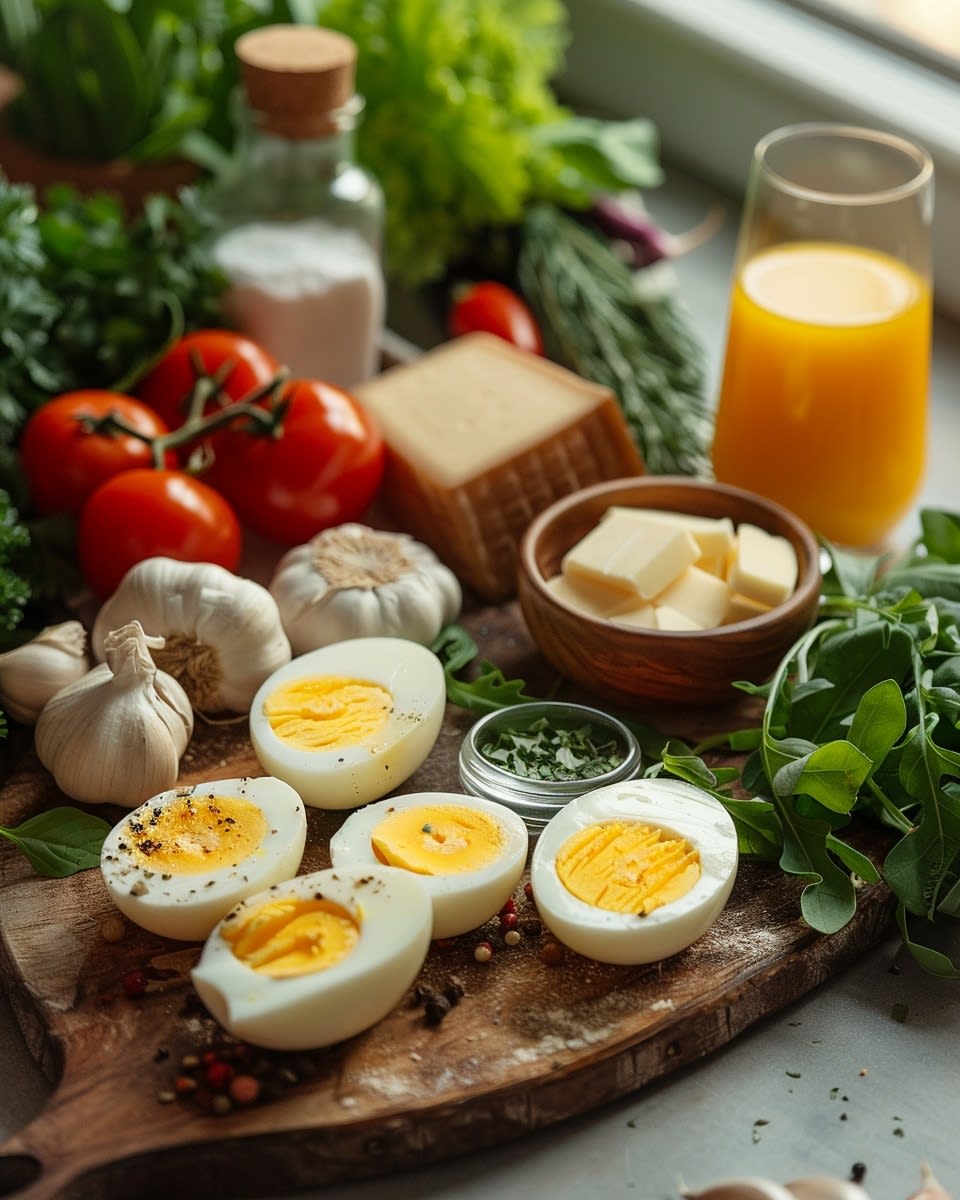
Now that you know why I love these eggs so much, let’s dig into the actual numbers. I’m not usually someone who obsesses over every calorie, but knowing what’s in your food helps you make better choices. Plus, when you see how nutrient-dense eggs are compared to most breakfast foods, you’ll understand why they’ve become my go-to.
A single large hard-boiled egg contains roughly 70-78 calories, depending on its size. Two eggs together give you about 140-155 calories. That’s what I mean when I talk about 2 boiled egg calories. Compare that to a bagel with cream cheese (around 400 calories) or a fancy coffee shop muffin (sometimes 500+ calories), and you can see why eggs are such a smart choice. You’re getting way more nutrition for way fewer calories.
Here’s something interesting about eggs that I didn’t know until I started researching this stuff. The yolk and white have completely different nutritional profiles. The white is almost pure protein with very little fat. The yolk is where most of the calories live, but it’s also where you find almost all the vitamins and minerals. When people ask me how many calories in a boiled egg white, I tell them it’s only about 17 calories. The remaining 55 or so calories are in that golden yolk.
Breaking down the macronutrients, one whole hard-boiled egg gives you approximately 6 grams of protein, 5 grams of fat (mostly the healthy kind), and less than 1 gram of carbohydrates. That protein number is what matters most to me in the morning. It’s complete protein too, meaning it contains all nine essential amino acids your body can’t make on its own. That’s the same quality protein you’d get from meat or fish, but eggs are cheaper and easier to prepare.
The fat in eggs is mostly unsaturated, which is the heart-healthy type. About 1.6 grams per egg is saturated fat. The rest is monounsaturated and polyunsaturated fats that actually help reduce bad cholesterol. Eggs also contain omega-3 fatty acids, especially if you buy the fancy omega-3 enriched varieties. I usually just buy regular eggs because they’re still plenty healthy and more budget-friendly.
When it comes to micronutrients, eggs are absolute rockstars. Each one contains vitamin A for eye health, vitamin D for bones and immune function, vitamin E as an antioxidant, and several B vitamins including B12, riboflavin, and folate. The B vitamins help convert food into energy, which is exactly what you need first thing in the morning. I used to drink three cups of coffee before noon. Now I have one cup with my eggs and feel just as awake.
Funny enough, eggs are one of the few natural food sources of vitamin D. Most of us are deficient in vitamin D, especially if we work indoors all day like I do. Getting a little boost from breakfast helps. The yolk also contains choline, which supports brain health and memory. About 150 milligrams per egg, which is a decent chunk of the 400-550 milligrams most adults need daily.
The mineral content is impressive too. Eggs provide selenium, phosphorus, iron, and zinc. Selenium is particularly important because it acts as an antioxidant and supports thyroid function. One egg gives you about 15-20% of your daily selenium needs. Not bad for something that costs maybe 30 cents.
Now let’s talk about whole eggs versus egg whites. This debate comes up constantly in fitness circles. Some people swear by eating only whites to cut calories and fat. Others insist you need the whole egg to get all the benefits. My take? It depends on your goals, but for most people, the whole egg is better.
If you’re eating just the whites, you’re getting pure protein with almost no calories. Two egg whites give you about 8 grams of protein for only 34 calories total. That’s incredibly lean. Athletes cutting weight before competitions often eat just whites. But here’s what you’re missing: basically everything else. The yolk contains nearly all the vitamins, minerals, and healthy fats. You lose the vitamin D, the choline, the selenium, and most of the flavor.
I tried eating just egg whites for a couple weeks once. I was trying to be “healthy” and cut fat wherever I could. Honestly? I was miserable. The whites tasted bland even with seasoning, and I didn’t feel as satisfied. I was hungry again within an hour. When I went back to eating whole eggs, my energy improved and I actually ate less throughout the day. The fat in the yolk helps you feel full. Sometimes cutting fat backfires because you end up eating more of other things to compensate.
For weight management, whole eggs usually work better than whites alone. The combination of protein and healthy fats keeps you satisfied longer. Unless your doctor specifically tells you to avoid egg yolks for medical reasons, I’d recommend eating the whole thing. You’re getting more nutrition, more satisfaction, and honestly, breakfast should taste good.
Best Way to Eat Eggs for Weight Loss
The best way to eat eggs for weight loss isn’t rocket science, but there are definitely some strategies that work better than others. The main principle is simple: keep the eggs themselves unadorned and pair them with foods that add volume and nutrients without piling on calories.
Hard-boiled eggs are already perfect for weight loss because you’re not adding butter, oil, or cheese. Compare that to scrambled eggs made with butter and cream, which can easily double the calorie count. With hard-boiled eggs, what you see is what you get. No hidden fats sneaking in there.
My strategy is to eat two hard-boiled eggs alongside foods that are high in fiber and volume. Vegetables are your best friend here. I’ll often have my eggs with sliced tomatoes, cucumbers, and bell peppers on the side. The vegetables fill up my plate and my stomach without adding many calories. I feel like I’m eating a feast, but the whole meal might only be 250 calories.
Here’s the thing about what to eat with hard boiled eggs for breakfast: you want foods that complement the eggs’ protein with fiber and complex carbs. A slice of whole grain toast adds fiber and keeps your blood sugar steady. Some berries on the side give you antioxidants and natural sweetness. A handful of arugula or spinach adds volume and vitamins. These combinations keep you full for hours without loading up on calories.
I rotate through different combinations so breakfast doesn’t get boring. Monday might be eggs with whole wheat toast and sliced avocado. Tuesday could be eggs chopped into a Greek yogurt bowl with diced cucumbers and dill. Wednesday I might make that breakfast burrito I mentioned. Thursday could be eggs with roasted sweet potato chunks I prepped earlier in the week. You get the idea.
One trick I learned from a nutritionist friend: pair your eggs with something you have to chew. Sounds weird, but it matters. When you chew more, you eat slower, and that gives your brain time to register fullness. Crunchy vegetables, whole grain crackers, or raw veggies with hummus all work great. I notice I’m more satisfied when my breakfast involves actual chewing versus just soft foods I can swallow quickly.
Seasoning matters too. I keep things interesting with different flavors. Sometimes I sprinkle everything bagel seasoning on my eggs. Other days I use hot sauce, which actually has zero calories and may even boost your metabolism slightly. Smoked paprika gives a nice flavor. Fresh herbs like chives or cilantro add brightness. Black pepper and a tiny pinch of salt are usually enough though.
By the way, don’t underestimate the power of making your breakfast look appealing. I arrange my eggs and vegetables on a nice plate instead of eating out of a container. It sounds silly, but eating something that looks good makes me feel more satisfied. Taking five minutes to actually sit down and eat breakfast mindfully helps too. I used to eat while checking emails and barely tasted my food. Now I take a few minutes to just eat, and I enjoy it more.
One of my absolute favorite breakfast combinations is what I call my Mediterranean plate. Two hard-boiled eggs, some cherry tomatoes, cucumber slices, a few olives, and maybe 2 tablespoons of hummus. Sometimes I add a small piece of feta cheese if I’m feeling fancy. The whole thing is around 300 calories but feels substantial and satisfying. The different textures and flavors keep it interesting.
If you’re really serious about weight loss, timing can help too. Eating your eggs earlier in the day tends to work better than having them late. Your body processes food more efficiently in the morning. Plus, starting with protein helps control your appetite all day long. I find that when I eat eggs for breakfast, I make better food choices at lunch because I’m not starving and desperate.
Now, let me tell you about my favorite quick breakfast: the hard boiled egg breakfast burrito. This thing has become my signature move. I make it at least twice a week, and it’s probably the reason I’ve stuck with eating eggs for so long. It’s easy, portable, delicious, and keeps me full until lunch without making me feel heavy.
Here’s how I make it. I take two hard-boiled eggs and chop them up roughly with a fork. Then I warm up a small whole wheat tortilla in a dry pan for maybe 30 seconds per side. I spread 2 tablespoons of black beans (from a can, drained) down the middle of the tortilla. Add the chopped eggs on top. Then comes about 2 tablespoons of fresh salsa, a handful of spinach or arugula, and maybe a sprinkle of shredded cheese if I’m feeling it. Sometimes I skip the cheese to keep calories lower.
The whole thing takes literally four minutes to assemble. I roll it up burrito-style, folding in the ends so nothing falls out. Sometimes I eat it right there at my kitchen counter. Other times I wrap it in foil and eat it at my desk. It’s portable, not messy, and tastes way better than anything I could grab from a drive-through.
The beauty of this burrito is that you can customize it endlessly. Switch out black beans for pinto beans. Use different salsas for different flavors. Add diced bell peppers or jalapeños. Use different greens. The eggs are the constant, but everything else can change based on what you have or what sounds good. Some mornings I make it with leftover roasted vegetables from dinner. Whatever works.
This breakfast gives me around 350 calories with plenty of protein, fiber, and nutrients. The tortilla provides some carbs for energy. The beans add fiber and plant-based protein. The eggs bring that satisfying protein and healthy fat. The vegetables add vitamins and crunch. It’s a complete meal that covers all your bases without requiring any cooking skills or fancy ingredients. Way better than my old granola bar habit, and honestly more satisfying than overnight oats or even a berry smoothie for keeping me full.
If you’re trying to lose weight, this kind of breakfast works because it’s satisfying enough that you won’t be hunting for snacks an hour later. That’s where most diets fail, right? You eat something tiny for breakfast, you’re starving by 10 a.m., and then you end up eating whatever’s available. With eggs and smart pairings, you actually make it to lunch without suffering. That’s sustainable. That’s something you can actually stick with long-term.


Eating Boiled Eggs Everyday
So what happens when you commit to eating boiled eggs everyday? I’ve been doing this for over a year now, and I can share both the positives and a few things to watch out for. Spoiler alert: the benefits way outweigh any downsides, but it’s good to go into this with your eyes open.
The biggest benefit I noticed was consistent energy levels. When you eat the same high-quality protein source every morning, your body gets into a rhythm. My energy doesn’t spike and crash anymore. I wake up, eat my eggs, and coast smoothly through the morning without needing constant caffeine hits or snacks. That stability alone has made me more productive at work and less irritable with my family. Turns out hangry isn’t a great look on anyone.
My digestion improved too, which surprised me. Eggs are easy on your stomach compared to greasy breakfast sandwiches or sugary cereals that can leave you feeling bloated. They’re gentle but substantial. I used to have that uncomfortable full feeling after breakfast sometimes. With eggs, I feel satisfied but light. Ready to move, not ready to nap.
Another unexpected benefit was that my grocery shopping got simpler. When you know you’re eating eggs every morning, meal planning becomes easier. I buy two or three dozen eggs every week, along with vegetables and whatever else I want to pair them with. No more standing in the breakfast aisle wondering what to buy. No more wasting money on boxes of cereal that go stale before I finish them.
My skin looks better too. I’m not saying eggs are a miracle skincare product, but the vitamins and healthy fats definitely help. Biotin, vitamin A, and selenium all support healthy skin. A few months into my egg routine, someone at work asked if I’d changed my skincare routine. Nope, just eating better from the inside out.
Now for the potential drawbacks. Some people do need to watch their egg intake. If you have certain health conditions like diabetes or heart disease, you should definitely talk to your doctor first. Most healthy adults can eat eggs daily without issues, but everyone’s different. I’m not a doctor, just someone sharing what worked for me. When in doubt, check with a medical professional who knows your health history.
The other challenge is boredom. Real talk: eating the same thing every single day can get old fast. That’s actually the main reason most people quit any healthy eating habit. It’s not that eggs stop working or stop being healthy. It’s that you get tired of them. This is totally fixable though, and I’ll share how I keep things interesting in a minute.
There’s also a small concern about food freshness and storage. You need to handle and store eggs properly to avoid any food safety issues. I always check expiration dates and keep my hard-boiled eggs in a sealed container in the fridge. They last about a week when stored correctly. I write the date on the container so I know when I made them. Simple system that works.
Here’s the thing about keeping your hard-boiled egg routine interesting: variety is everything. I rotate through different preparation styles and pairings so I never feel like I’m stuck in a rut. Some weeks I’m really into making that breakfast burrito. Other weeks I’m all about egg salads. Then I’ll switch to just eating them plain with different seasonings.
I keep a variety of seasonings and condiments on hand specifically for eggs. Everything bagel seasoning, smoked paprika, za’atar, furikake, hot sauce, sriracha mayo, different mustards, and fresh herbs. Each one transforms the basic hard-boiled egg into something that tastes completely different. Monday’s egg with sriracha tastes nothing like Wednesday’s egg with za’atar and olive oil. Trust me on this.
Another trick is changing up what you eat with the eggs rather than changing the eggs themselves. One week I might focus on toast variations. Avocado toast with eggs one day, hummus toast with eggs another day, tomato and feta toast with eggs on Friday. The eggs stay the same, but the experience feels totally different. Next week I might skip bread entirely and focus on big vegetable plates. The possibilities really are endless once you start thinking creatively.
I also play with textures and temperatures. Sometimes I slice my eggs over a hot bowl of soup. Other times I chop them into a cold pasta salad. I’ll mash them with avocado for an egg salad sandwich. Or I’ll dice them into fried rice. Changing the temperature and texture of what you’re eating makes your brain think it’s having something new and different, even when eggs are the constant.
Let me tell you about how I actually started this daily egg habit. It didn’t happen overnight. About fifteen months ago, I was feeling really sluggish and frustrated with my weight. I’d tried a bunch of different breakfast options. Smoothies left me hungry. Oatmeal was fine but boring. Cereal was too sugary. I kept bouncing around, never really finding something that worked.
Then my sister mentioned she’d been eating hard-boiled eggs every morning and felt great. I was skeptical honestly. Eggs every single day? That sounded boring and kind of sad. But I was desperate enough to try anything, so I boiled a dozen eggs one Sunday evening. I figured I’d give it a week and see what happened.
That first week was rough, not gonna lie. I wasn’t used to eating savory protein first thing in the morning. My body wanted sweet carbs like it was used to. But I pushed through because I’d committed to the full week. By Wednesday, something shifted. I noticed I wasn’t crashing mid-morning. By Friday, I realized I’d stopped thinking about food constantly. That constant low-level hunger that had been my background noise for years? It was just gone.
After that first week, I decided to try another week. Then another. Before I knew it, a month had passed and I’d lost five pounds without really trying. I wasn’t dieting or restricting anything else. I’d just replaced my crappy breakfast with something nutritious, and my body responded. That success motivated me to keep going.
Around month two, I hit my first wave of boredom. I was eating plain hard-boiled eggs with salt and pepper every morning, and I was so tired of them. That’s when I started experimenting with different preparations and pairings. I discovered that breakfast burrito. I tried making hard boiled egg breakfast salad with different greens and dressings. I learned about all those international seasonings I mentioned. The variety brought back the excitement and kept me going.
By month six, eating eggs for breakfast had become so automatic that I didn’t even think about it anymore. It was just what I did, like brushing my teeth. My body expected it. My routine required it. And honestly, I felt so much better that there was no reason to change. I had more energy, I’d lost about twelve pounds total, and my relationship with food felt healthier overall.
Now, over a year later, I’m still eating eggs almost every morning. I skip them maybe once a week when I go out for brunch with friends or when I’m traveling. But at home, in my normal routine, eggs are my breakfast. They’ve earned that spot through consistency and results. I’m healthier, happier, and more energized than I was before. All because of something as simple as boiling some eggs on Sunday.
If you’re thinking about trying this yourself, my advice is to start small. Don’t pressure yourself to eat eggs every single day forever starting tomorrow. Just try it for a week. Boil a batch, keep them ready, and see how you feel. Pay attention to your energy levels and hunger patterns. Notice if you’re making better food choices later in the day. After a week, decide if you want to continue.
The key is finding your own rhythm and your own favorite ways to enjoy them. What works for me might not work exactly the same for you, and that’s fine. Maybe you’ll discover you love eggs with kimchi, or eggs in ramen, or eggs with cottage cheese. Whatever combinations make you excited to eat breakfast, that’s what you should do. The goal is sustainable healthy eating, not suffering through food you don’t enjoy.
One last thing: give yourself permission to take breaks. If you’ve been eating eggs every day for two months and you’re feeling burned out, switch to something else for a few days. Have yogurt, or try some other easy breakfast options that keep things interesting. Then come back to eggs when you’re ready. This isn’t about perfection. It’s about finding sustainable habits that support your health and energy over the long run.
FAQ
How many hard-boiled eggs should I eat for breakfast?
Most people do well with two hard-boiled eggs for breakfast, which gives you about 12 grams of protein and 140-155 calories. If you’re very active or have higher protein needs, you could eat three. Some people eat just one egg along with other foods like toast and fruit. Listen to your body and adjust based on how satisfied you feel. I personally eat two every morning and that keeps me full until lunch without feeling overly stuffed.
Can I prepare hard-boiled eggs in advance?
Absolutely, and that’s actually the smartest way to do it. Hard-boiled eggs stay fresh in the refrigerator for up to one week when stored properly in a sealed container. I boil a dozen eggs every Sunday evening, which gives me breakfast for most of the week. Keep them in their shells until you’re ready to eat them, as the shell helps protect the egg and keep it fresh longer. Just make sure your fridge maintains proper temperature.
What are some other ingredients that go well with hard boiled eggs for breakfast?
The list is honestly endless, but here are my favorites: whole grain toast, avocado, cherry tomatoes, spinach, arugula, smoked salmon, cottage cheese, hummus, salsa, black beans, roasted vegetables, and fresh herbs. I also love pairing eggs with cucumber slices, bell peppers, olives, and feta cheese for a Mediterranean-style breakfast. Hot sauce, mustard, and everything bagel seasoning are great for adding flavor without many calories. Mix and match based on what you have available and what sounds good.
Is it better to eat the whole egg or just the egg white?
For most people, eating the whole egg is better because the yolk contains almost all the vitamins, minerals, and healthy fats. The white has only about 17 calories and provides pure protein, which is why bodybuilders sometimes eat just whites when cutting calories. But unless you have a specific medical reason to avoid the yolk, you’re missing out on nutrients like vitamin D, choline, and selenium by skipping it. The yolk also helps you feel more satisfied, which can actually help with weight management.
Can hard-boiled eggs help with weight loss?
Yes, definitely. The high protein content helps you feel full longer, which naturally reduces snacking and overeating later in the day. Protein also requires more energy to digest than carbs or fat, giving your metabolism a slight boost. Hard-boiled eggs are particularly good for weight loss because they contain no added fats or oils. I lost about twelve pounds in six months just by switching my breakfast to hard-boiled eggs, without making any other major diet changes. The key is pairing them with vegetables and whole grains rather than loading them up with cheese and mayo.
Are there any risks associated with eating hard-boiled eggs every day?
For most healthy adults, eating one to two eggs daily is perfectly safe and even beneficial. Older research worried about dietary cholesterol, but current science shows that eggs don’t significantly raise blood cholesterol for the majority of people. However, if you have diabetes, heart disease, or specific cholesterol issues, check with your doctor first. Some people may have egg allergies or sensitivities, which would obviously be a problem. Also make sure you’re storing and handling eggs properly to avoid food safety issues.
How do I make a hard boiled egg breakfast salad?
Making a hard boiled egg breakfast salad is super easy and delicious. Start with a base of mixed greens, spinach, or arugula. Chop two hard-boiled eggs and add them on top. Then add whatever vegetables you like—cherry tomatoes, cucumbers, bell peppers, and shredded carrots all work great. Dress it with olive oil and lemon juice or a light vinaigrette. I sometimes add a sprinkle of feta cheese or some sunflower seeds for extra texture. The whole thing takes five minutes to throw together and feels like a fancy brunch.
How long do hard-boiled eggs last in the refrigerator?
Hard-boiled eggs last up to one week in the refrigerator when stored properly. Keep them in their shells in a sealed container to maintain freshness and prevent them from absorbing odors from other foods. I always write the date on my container so I know when I made them. If an egg has an off smell or unusual appearance when you peel it, throw it out. Peeled hard-boiled eggs don’t last as long, maybe three to four days, so it’s better to leave the shells on until you’re ready to eat them.
What’s the best way to season hard-boiled eggs?
Salt and pepper are classic for a reason, but don’t stop there. Everything bagel seasoning is my absolute favorite—it adds onion, garlic, sesame seeds, and poppy seeds all at once. Hot sauce or sriracha adds a kick without calories. Smoked paprika gives a smoky flavor. Fresh herbs like dill, chives, or cilantro brighten things up. I also love za’atar, furikake, or even a drizzle of balsamic vinegar. Experiment with different seasonings to keep your eggs interesting and prevent flavor boredom.
Can I freeze hard-boiled eggs?
I wouldn’t recommend freezing whole hard-boiled eggs because the whites become rubbery and watery when thawed. If you really need to freeze eggs, you can freeze just the yolks after removing them from the whites, though even that changes the texture somewhat. It’s much better to just boil eggs fresh each week rather than trying to freeze them. They only take about twelve minutes to cook anyway, so weekly meal prep makes more sense than freezing and dealing with texture issues later.
Starting your morning with hard-boiled eggs isn’t about following some restrictive diet or forcing yourself to eat something you hate. It’s about giving your body real fuel that actually works. If you’re tired of feeling hungry an hour after breakfast or struggling with energy crashes, maybe it’s time to give eggs a real shot. You might just find, like I did, that something this simple can genuinely change how you feel every single day.
Ingredients
Equipment
Method
- Place eggs in a pot, cover with cold water by about an inch.
- Bring the water to a boil over medium heat.
- Once boiling, cover the pot and remove it from heat.
- Let the eggs sit for 9-12 minutes, depending on your desired doneness (9 for creamy yolks, 12 for firm).
- Once time is up, transfer the eggs to an ice bath to cool for at least 5 minutes.
- Peel the eggs and enjoy them plain or with your choice of seasoning.