
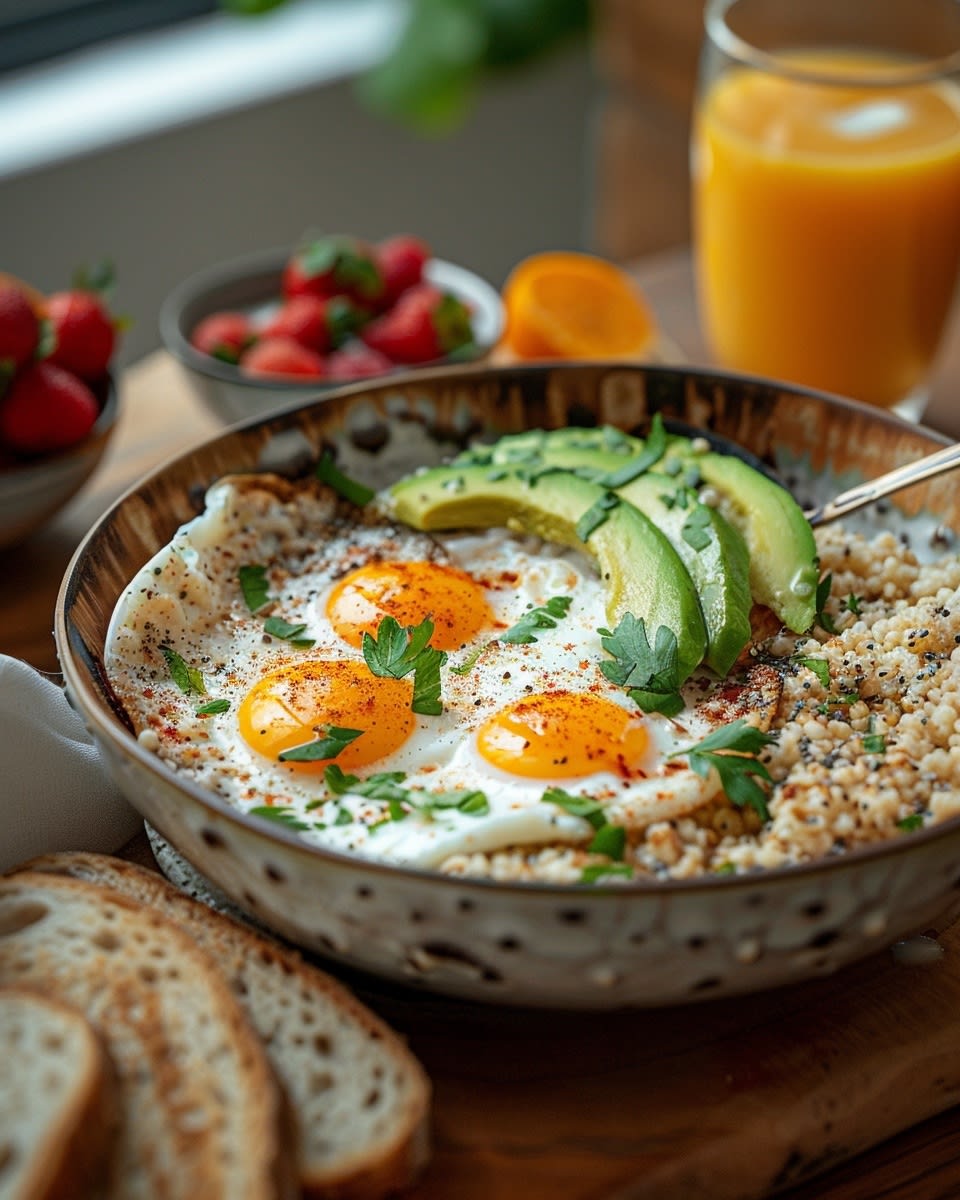
Why I Start My Day with a High Protein Breakfast Bowl with Eggs
I used to be that person who grabbed a muffin and coffee on the way out the door. By 10 AM, I’d be starving and reaching for whatever snack I could find. My energy would crash hard, and I’d struggle to focus on anything. Then I discovered the power of a high protein breakfast bowl with eggs, and everything changed. Now I wake up excited to eat, and I stay full and energized until lunch.
The difference between starting your day with protein versus starting it with sugar and carbs alone is huge. When you eat a balanced morning meal, you’re setting yourself up for success. Your body gets the fuel it needs to think clearly, move with energy, and handle whatever the day throws at you. A protein-packed breakfast isn’t just about feeling full. It’s about giving your body the building blocks it needs to function at its best.
Eggs are my go-to protein source for mornings. They’re cheap, quick to cook, and taste amazing with almost anything you add to them. You can scramble them, fry them, poach them, or bake them. Mix in some veggies, throw in some cheese, add a scoop of beans, and you’ve got yourself a complete meal in one bowl. The versatility of eggs means you’ll never get bored, and that’s key for sticking with any healthy eating habit.
Why a High Protein Breakfast Bowl Changes Everything
Let me break down what protein actually does in your body. Every cell needs protein to function properly. Your muscles, skin, hair, and organs all depend on it. When you sleep, your body goes into repair mode, fixing damaged tissues and building new ones. After hours without food, your body needs fresh protein to continue this work. Skip it at breakfast, and you’re starting the day at a deficit.
Protein is made up of amino acids, which are like tiny building blocks. Your body uses these blocks to repair muscle tissue, create hormones, and support your immune system. When you work out, your muscles develop small tears that need protein to heal stronger than before. Even if you don’t exercise, your body still needs protein for everyday maintenance and growth.
Here’s what happens when you eat a high protein breakfast bowl instead of a carb-heavy meal:
- Your blood sugar stays stable instead of spiking and crashing
- You feel satisfied for hours instead of hungry within an hour
- Your brain gets steady energy to focus and think clearly
- Your metabolism kicks into high gear earlier in the day
- You’re less likely to overeat at lunch or snack mindlessly
I noticed these changes within just a few days of switching my breakfast routine. The mid-morning hunger pangs disappeared. I stopped needing that second cup of coffee just to stay awake. My mood improved because I wasn’t dealing with energy crashes. These aren’t small changes. They add up to make your entire day better.
How Protein Helps You Feel Full and Manage Your Weight
One of the best things about starting your day with protein is how it affects your appetite. Protein takes longer to digest than carbs or fat. This slow digestion means you feel full longer. Your stomach sends signals to your brain that say “we’re good here, no need for more food yet.” This natural appetite control is way better than trying to white-knuckle your way through hunger.
Research shows that people who eat a protein-rich breakfast consume fewer calories throughout the entire day. They’re not trying to restrict themselves. They’re just naturally less hungry. When I started eating egg-based breakfast bowls, I stopped thinking about food constantly. I used to check the clock every half hour waiting for lunch. Now I’m surprised when lunchtime rolls around because I’m still satisfied.
Protein also has a higher thermic effect than other nutrients. This means your body burns more calories just digesting it. About 25-30% of the calories in protein get used up during digestion. Compare that to carbs at 6-8% and fat at 2-3%. You’re literally burning more energy by eating protein. It’s not a magic weight loss solution, but it’s a nice bonus on top of all the other benefits.
Weight management isn’t just about eating less. It’s about eating smart. When you fuel your body with what it needs, you naturally make better choices. You’re not running on empty and grabbing whatever’s convenient. You have the energy and mental clarity to prepare real food and stick to your goals.
Why Eggs Are the Perfect Breakfast Protein
I love eggs for so many reasons, but let’s start with the basics. One large egg contains about 6 grams of high-quality protein. That protein includes all nine essential amino acids your body can’t make on its own. Eggs are what nutritionists call a “complete protein,” which is rare in single foods. You’d need to carefully combine plant proteins to get the same benefit.
The nutritional value of eggs goes way beyond protein. Here’s what else you’re getting in each egg:
- Vitamin B12 for energy and brain function
- Vitamin D for bone health and immune support
- Choline for brain development and memory
- Selenium for thyroid function and antioxidant protection
- Healthy fats that help you absorb other nutrients
The yolk is where most of these nutrients live, so don’t skip it. For years, people avoided egg yolks because of cholesterol concerns. Current research shows that dietary cholesterol doesn’t significantly impact blood cholesterol for most people. The yolk contains most of the vitamins, minerals, and healthy fats that make eggs so nutritious.
Eggs are also incredibly budget-friendly. A dozen eggs costs less than many single servings of other proteins. You can feed yourself a nutritious breakfast for under a dollar per meal. When I was in college on a tight budget, eggs saved me from living on ramen and cereal. They’re proof that eating healthy doesn’t have to be expensive.
The convenience factor can’t be overstated. Eggs cook in minutes. You can prepare them the night before if you’re really rushed in the morning. Hard-boiled eggs keep for a week in the fridge. Scrambled eggs take three minutes from pan to plate. There’s no excuse for skipping breakfast when eggs are this easy.
Another thing I appreciate is how eggs work with any cuisine or flavor profile. Want Mexican? Add salsa and black beans. Craving Mediterranean? Throw in some feta and tomatoes. In the mood for Asian flavors? Add soy sauce and sesame oil. This versatility means you can eat eggs every day and never get tired of them. Your high protein breakfast bowl with eggs can be different every single morning.


Building Your Perfect High Protein Breakfast Bowl with Eggs
Now that you understand why eggs make such a powerful breakfast choice, let’s get into the fun part—actually building your bowl. I’m going to walk you through everything you need, and trust me, this isn’t complicated. You probably have half these ingredients sitting in your fridge right now.
The beauty of a high protein breakfast bowl is that it’s basically a canvas. You start with your protein foundation and then layer on whatever sounds good to you that morning. Some days I keep it simple with just eggs and veggies. Other mornings I go all out with multiple protein sources and tons of toppings. Both approaches work, and that flexibility is what keeps me coming back to this breakfast style day after day.
The Essential Ingredients You Need
Let’s start with the star of the show. For most breakfast bowls, I use two to three large eggs. That gives you between 12 and 18 grams of protein right off the bat. Some mornings when I’ve got a heavy workout planned or I know lunch will be late, I’ll go up to four eggs. Your needs might be different based on your size, activity level, and goals.
Next up, you need a base. This is what holds everything together and makes your bowl feel like a real meal. I rotate between a few options depending on my mood and what I have on hand. Cooked quinoa is my favorite because it adds another 8 grams of protein per cup plus a nice nutty flavor. Brown rice works great too and is cheaper if you’re on a budget. Sweet potato cubes give you a slightly sweet contrast that pairs amazingly with savory toppings. Sometimes I’ll use cauliflower rice when I want to keep my carbs lower. On days when I’m really hungry, I might throw in some whole grain toast cut into pieces right in the bowl—it soaks up all the good flavors.
Vegetables are non-negotiable in my book. They add volume without many calories, plus all those vitamins and fiber your body craves. I keep bags of frozen spinach and bell peppers in my freezer for lazy mornings. Fresh tomatoes, mushrooms, and onions are regular players when I have time to chop. Roasted broccoli from dinner the night before? That’s going in my breakfast bowl. Leftover roasted vegetables of any kind actually work perfectly here.
Here’s the thing about vegetables in breakfast bowls—don’t overthink it. Whatever veggies you like eating at other meals will probably taste good at breakfast too. I used to think breakfast had specific vegetable rules, but that’s nonsense. If you like it, eat it.
Boosting Your Protein Even Higher
Sometimes eggs alone aren’t enough to hit your protein goals, especially if you’re active or trying to build muscle. That’s when I bring in backup protein sources. A handful of black beans adds about 7 grams of protein plus tons of fiber that keeps you satisfied. I always keep canned black beans in my pantry because they’re ready in seconds—just rinse and toss them in.
Greek yogurt is another sneaky protein booster. A few spoonfuls on top of your bowl adds creaminess and tang while packing in 10-15 grams of protein depending on the brand. It might sound weird if you’ve never tried it, but yogurt on savory food is common in Mediterranean and Middle Eastern cuisines. The cool, tangy yogurt against warm eggs and vegetables is actually incredible. Sometimes I’ll mix in some protein waffles with yogurt topping on the side when I want something a bit different but equally filling.
Cottage cheese works similarly to Greek yogurt but has a milder flavor. Full-fat versions add healthy fats that help you absorb all those fat-soluble vitamins in your eggs. I know cottage cheese has haters out there, but give it a chance mixed into your bowl rather than eating it plain.
For meat eaters, leftover chicken breast or turkey from dinner makes an easy addition. I’ve learned to intentionally cook extra protein at dinner specifically for breakfast bowls the next day. Diced ham, crumbled bacon, or cooked sausage all work too. If you want something really special, try making a chicken sausage breakfast skillet and turning that into a bowl format—it’s phenomenal.
Smoked salmon deserves its own mention because it transforms a basic egg bowl into something that feels fancy. The salty, smoky fish pairs perfectly with eggs. Just a couple ounces adds quality protein and those omega-3 fatty acids everyone’s always talking about. When I want to treat myself, I’ll prepare a full smoked salmon and egg breakfast plate with all the fixings.
For my plant-based friends, tofu is your best bet for adding extra protein. Firm tofu crumbled and cooked with your eggs blends right in. You can also check out my tofu scramble with chickpeas recipe for a completely egg-free version that still delivers serious protein.
Flavor Boosters and Healthy Fats
This is where your breakfast bowl goes from good to amazing. Fresh herbs change everything. Chopped cilantro, parsley, or green onions scattered on top add brightness and make your bowl look restaurant-quality. I keep herbs in water on my counter like little bouquets so they stay fresh and I remember to use them.
Spices let you travel the world from your kitchen table. Cumin and chili powder create Mexican vibes. Everything bagel seasoning brings that deli breakfast feel. Curry powder with some turmeric takes you to India. Za’atar or sumac gives you Middle Eastern flavors. I have a whole shelf of spices and I’m not afraid to experiment.
Healthy fats make your meal more satisfying and help your body use all those nutrients properly. Half an avocado sliced on top is the classic move. A drizzle of good olive oil works too. I like to add a small handful of nuts sometimes—sliced almonds, chopped walnuts, or pepitas for crunch. A sprinkle of cheese adds fat and flavor. Feta, cheddar, parmesan, or goat cheese all work depending on your flavor direction.
Hot sauce, salsa, or pesto can completely change your bowl’s personality. I probably have eight different hot sauces in my fridge because I’m that person. Sriracha, Cholula, and Tabasco all bring different heat levels and flavor profiles.
How to Actually Make Your High Protein Breakfast Bowl
Alright, let’s cook this thing. I’m going to share my standard process, but remember—there’s no single right way to do this.
First, I get my base ready. If I’m using quinoa or rice, I cook a big batch on Sunday and keep it in the fridge all week. In the morning, I just scoop some into my bowl and microwave it for 30 seconds to warm it up. Sweet potato cubes I usually roast in advance too, though you can microwave a whole sweet potato if you’re starting from scratch.
While my base is warming, I start on my eggs. The cooking method matters here because it affects the whole bowl’s texture and how the flavors come together.
Scrambled eggs are my weekday go-to because they’re fast and mix well with everything else. I crack my eggs into a bowl, add a splash of milk or water, and whisk them up with a fork. Salt and pepper go in now. Heat a non-stick pan over medium heat with a little butter or oil. Pour in your eggs and let them sit for about 20 seconds before you start stirring. Use a spatula to gently push the eggs around, creating soft curds. Take them off the heat when they’re still slightly wet—they’ll continue cooking from residual heat.
Fried eggs work great when you want that runny yolk situation. The yolk becomes a sauce that coats everything in your bowl. Heat your pan with a bit of butter over medium heat. Crack your egg directly into the pan. Let it cook undisturbed for about 2-3 minutes until the white is set but the yolk is still soft. You can cover the pan for the last minute if you want the top to cook through a bit.
Poached eggs are my weekend luxury because they take a bit more attention but they’re so worth it. Bring a pot of water to a gentle simmer, add a splash of vinegar. Crack your egg into a small cup first. Create a gentle whirlpool in the water with a spoon, then slide your egg into the center. Let it cook for about 3 minutes. Remove it with a slotted spoon. The vinegar helps the whites hold together, but honestly, even if they look a bit messy, they still taste amazing.
Hard-boiled eggs are perfect for meal prep. I cook a dozen at the start of the week. Put eggs in a pot, cover with cold water by an inch. Bring to a boil, then turn off the heat and cover for 10-12 minutes. Transfer to ice water to stop the cooking. Peel and store them in the fridge. In the morning, just slice them up and add them to your bowl.
Putting It All Together
Assembly matters more than you might think. You want each bite to have a good mix of textures and flavors.
I start by putting my grain or starchy base in the bottom of the bowl. Then I add my warm vegetables on one side. This keeps things organized and lets you control how much of each ingredient you get in every bite. Your cooked eggs go right in the center or spread across the top.
Now layer on your additional proteins if you’re using them. Beans get scattered around. Salmon or chicken goes on top where you can see it. Then come your cold or fresh elements—avocado slices, tomatoes, fresh greens.
Finish with your flavor boosters. Herbs get sprinkled across everything. Cheese goes on while things are still hot so it gets a bit melty. Nuts or seeds add that final crunch. Your sauce, salsa, or hot sauce gets drizzled over the top.
The key is balancing temperatures, textures, and flavors. You want some warm and some cool. You want creamy from avocado or yogurt, but also something crunchy from veggies or nuts. You want rich from eggs and fats, but also bright from herbs or acid like lemon juice or vinegar.
Honestly, the first few times you make these bowls, they might not be perfectly balanced. That’s fine. You’ll learn what you like. Maybe you discover you need more sauce. Maybe you realize you prefer your veggies raw instead of cooked. Adjust and adapt. This is your breakfast, and it should make you happy.
The whole process from start to finish takes me about 10 minutes on a weekday morning when I’m using prepped ingredients. Maybe 20 minutes on a lazy Sunday when I’m cooking everything fresh and taking my time. Either way, it’s way faster than sitting in a drive-through line, and you end up with something that actually nourishes your body instead of just filling the void.


Why Vegetables and Whole Grains Make Your Breakfast Bowl Complete
Here’s something I learned the hard way—protein alone isn’t enough. I went through a phase where I’d just eat scrambled eggs by themselves and wonder why I felt kind of off by mid-morning. Turns out, your body needs more than just protein to function properly. That’s where vegetables and whole grains come in, and honestly, they’re what transform a basic egg breakfast into a complete nutritional powerhouse.
Fiber is the unsung hero of breakfast. Most people don’t get nearly enough of it, and that causes all kinds of problems with digestion, energy levels, and even mood. When you add vegetables and whole grains to your high protein breakfast bowl with eggs, you’re getting that fiber your body desperately needs. Fiber slows down digestion in a good way, keeping your blood sugar steady and extending that full feeling for hours.
I started noticing a huge difference when I made vegetables a non-negotiable part of my morning bowl. My digestion improved dramatically. I wasn’t dealing with that afternoon energy slump anymore. Even my skin looked better, which I didn’t expect but definitely appreciated. All these benefits from just adding some veggies to my eggs.
Whole grains bring something special to the table too. They’re packed with B vitamins that help your body convert food into energy. They contain minerals like magnesium, selenium, and zinc that support everything from your immune system to your muscle function. And unlike refined grains that spike your blood sugar, whole grains release their energy slowly and steadily.
The Best Vegetables to Add to Your Morning Bowl
Let me walk you through my favorite vegetables and why they work so well in breakfast bowls. Spinach is probably my most-used vegetable because it’s ridiculously easy. You can literally throw frozen spinach directly into your scrambled eggs while they cook. It wilts down to almost nothing, so you can pack in a ton of nutrients without feeling like you’re eating a salad for breakfast. Fresh spinach works great too if you’ve got it.
Bell peppers bring sweetness and crunch that contrasts beautifully with soft eggs. Red, yellow, and orange peppers are sweeter than green ones, which I prefer in the morning. I dice them up and either sauté them before adding eggs or just throw them in raw for maximum crunch. They’re loaded with vitamin C, which helps your body absorb iron from your eggs better. That’s a combo benefit you don’t want to miss.
Tomatoes add juiciness and a slight acidity that brightens everything up. Cherry tomatoes halved and tossed in are my lazy option. Regular tomatoes diced and cooked down with some garlic create this amazing sauce-like situation. Sun-dried tomatoes from a jar bring intense flavor when you want something different. They’re also packed with lycopene, an antioxidant that gets even better when tomatoes are cooked.
Mushrooms have this meaty, savory quality that makes your bowl feel heartier. They’re one of the few food sources of vitamin D, which is pretty cool. I slice them and cook them in butter until they’re golden and all their moisture has evaporated. That concentrates their flavor like crazy. Button mushrooms are cheap and work fine, but if you want to get fancy, shiitake or cremini mushrooms add even more depth.
Zucchini is my summer go-to because it’s everywhere and cheap during those months. Diced small and sautéed, it adds bulk without much flavor of its own, so it takes on whatever spices you’re using. Grated zucchini mixed into scrambled eggs creates the fluffiest texture you’ve ever experienced. I know that sounds weird, but trust me on this one.
Onions and garlic aren’t technically vegetables you eat in huge quantities, but they’re the flavor foundation for so many of my bowls. I sauté diced onions first, then add everything else. The sweetness they develop when cooked makes everything taste better. Garlic adds that savory punch that just makes food taste more satisfying.
By the way, don’t sleep on roasted vegetables. Roasted Brussels sprouts, cauliflower, or broccoli from dinner the night before are amazing cold or reheated in your breakfast bowl. The caramelization from roasting adds a sweetness and depth that’s different from sautéed vegetables.
Whole Grains That Actually Taste Good at Breakfast
Quinoa tops my list because it cooks up fluffy, has a slightly nutty taste, and packs 8 grams of protein per cup on top of its whole grain benefits. It’s technically a seed, but we treat it like a grain. I cook a big pot on Sunday with vegetable broth instead of water for extra flavor. Quinoa stays fresh in the fridge for about five days, so you’re set for the work week.
Brown rice is the budget-friendly option that still delivers all those whole grain benefits. It takes longer to cook than white rice, but meal prepping solves that problem. Short-grain brown rice gets stickier and holds together better in bowls. Long-grain stays more separate. Both work fine—it’s just a texture preference.
Farro is this chewy Italian grain that I discovered a few years ago and now I’m obsessed. It has this satisfying bite that doesn’t get mushy even when mixed with wet ingredients like eggs and sauce. It’s high in fiber and protein compared to other grains. The nutty, almost earthy flavor pairs incredibly well with mushrooms and herbs.
Oats aren’t just for sweet breakfasts. Savory oatmeal as a base for your egg bowl might sound strange if you’ve never tried it, but it’s actually traditional in some cultures. Steel-cut oats work better than rolled oats for savory applications because they maintain their texture. Cook them in chicken or vegetable broth, top with eggs and vegetables, and you’ve got something unique and filling.
Bulgur wheat cooks super fast—like 10 minutes fast—which makes it great for mornings when you forgot to meal prep. It has a mild, slightly nutty flavor that doesn’t compete with your other ingredients. It’s common in Middle Eastern cuisine, so it pairs especially well with ingredients like feta, cucumber, tomatoes, and herbs.
Wild rice isn’t actually rice—it’s a grass seed—but it works similarly in bowls. It has this beautiful dark color and a really distinct, almost tea-like flavor. It’s higher in protein than regular rice and packed with antioxidants. The texture stays firm and chewy, which I love for contrast against soft scrambled eggs.
Meal Prepping Vegetables and Grains Like a Pro
The biggest barrier to eating well in the morning is time. Nobody wants to spend 30 minutes chopping vegetables before they’ve had coffee. That’s where meal prep becomes your best friend, and I’m going to share exactly how I do it.
Every Sunday afternoon, I spend about 45 minutes prepping ingredients for the week. I put on some music or a podcast and just get into a rhythm. This small investment of time saves me hours during the busy weekday mornings and ensures I actually eat well instead of grabbing junk.
For grains, I cook big batches and store them in glass containers in the fridge. Quinoa and rice keep for 4-5 days easily. I portion them into individual servings so I can just grab and go. If you’re worried about them drying out, add a tablespoon of water when you reheat them in the microwave. Some people freeze cooked grains in portion sizes, which extends their life to a couple months.
Vegetables are where strategy matters. Some vegetables you can prep raw and store, while others should be cooked ahead. For raw prep, I wash and chop bell peppers, store them in containers with a paper towel to absorb moisture. Cherry tomatoes get washed and dried thoroughly. Spinach and other greens I leave whole until I’m ready to use them because they last longer that way.
For cooked vegetables, roasting is my preferred method because you can do a ton at once. I’ll roast three sheet pans of different vegetables—maybe sweet potato cubes on one, Brussels sprouts on another, and a mix of peppers and onions on the third. Everything gets tossed in a bit of oil, salt, and pepper. Roast at 400°F for 20-30 minutes depending on the vegetable. Once they’re cool, they go into containers in the fridge.
Funny enough, I used to think meal prepping meant eating the exact same thing every day. That’s not how I do it at all. I prep individual components and then mix and match them throughout the week. Monday might be quinoa with spinach and tomatoes. Tuesday could be brown rice with roasted Brussels sprouts and peppers. Same prep work, different combinations, so you never get bored.
Here’s a trick I learned that changed everything: prep some ingredients fully cooked and some just partially. For example, I’ll dice onions and peppers and store them raw. In the morning, I sauté them fresh, which only takes 3-4 minutes, but makes everything taste and smell amazing. That fresh-cooked element makes your breakfast feel restaurant-quality instead of reheated leftovers.
Frozen vegetables are totally valid for meal prep shortcuts. I always have frozen spinach, broccoli, and mixed peppers in my freezer. They’re picked and frozen at peak freshness, so the nutritional value is often better than “fresh” vegetables that have been sitting in a truck and store for a week. Plus they last forever and you never deal with vegetables going bad before you use them.
Storage matters more than people think. Invest in good glass containers with tight lids. Plastic works too, but glass doesn’t absorb odors or stains. Label everything with the date if you’re meal prepping multiple items. Keep your most-used ingredients at eye level in the fridge so you don’t forget about them.
Following Proper Nutrition Guidelines for Balance
Building a truly balanced breakfast bowl means understanding what your body actually needs. The dietary guidelines recommend filling half your plate with fruits and vegetables, a quarter with protein, and a quarter with whole grains. Your breakfast bowl can absolutely hit these targets while still being delicious and satisfying.
I used to think nutrition was super complicated, but it really comes down to variety and balance. The more colors you have in your bowl, the better. Different colored vegetables contain different phytonutrients and antioxidants. Red tomatoes, orange peppers, green spinach, purple cabbage—each brings unique benefits to your body.
Portion sizes matter, but you don’t need to obsess over them. Generally, I aim for about a cup of grains, 2-3 eggs, and then I load up on vegetables until the bowl looks full and appealing. A serving of healthy fat from avocado, nuts, or cheese rounds everything out. If you’re more active, you might need larger portions. Listen to your body.
The beauty of these breakfast bowls is they’re naturally balanced if you include all the components. You’re getting protein from eggs, complex carbs from whole grains, fiber from vegetables, and healthy fats from your toppings. That’s literally everything your body needs in one bowl. It’s way more balanced than most traditional breakfast options.
If you’re looking for more high protein breakfast inspiration beyond bowls, there are tons of other options that use the same principles of balance and variety. The key is finding what works for your lifestyle and taste preferences, then making it a consistent habit.
One thing I want to emphasize—don’t let perfect be the enemy of good. Some mornings you might only have time to throw together eggs and one vegetable over some leftover rice. That’s still infinitely better than skipping breakfast or eating something that doesn’t nourish you. Every small step toward better nutrition counts.
The most important thing I’ve learned about building these bowls is that they should make you excited to eat, not feel like a chore or something you’re forcing yourself to do because it’s “healthy.” When you find combinations that actually taste good to you, eating well becomes effortless. Experiment, try new things, and don’t be afraid to trust your own taste buds.
Start where you are with what you have. Maybe this week you just add some spinach to your eggs. Next week you try cooking quinoa for the first time. The week after that, you prep some roasted vegetables. Small changes build into big transformations over time, and before you know it, these nutrient-packed breakfast bowls become second nature.
Frequently Asked Questions About High Protein Breakfast Bowls
What are the best sources of protein for a breakfast bowl?
Eggs are the star player, but you’ve got plenty of options to boost protein even higher. Greek yogurt adds 10-15 grams per serving and brings a creamy tang. Black beans or chickpeas contribute protein plus tons of fiber. Cottage cheese works beautifully mixed in or dolloped on top. For meat eaters, leftover chicken, turkey, or breakfast sausage all work great. Smoked salmon elevates your bowl to restaurant quality while adding omega-3s. Plant-based eaters can use tofu, tempeh, or hemp seeds to hit their protein targets without animal products.
How many eggs should I include in my high protein breakfast bowl?
Most people do well with 2-3 large eggs, which gives you 12-18 grams of protein. If you’re really active, training hard, or have higher protein needs, you might go up to 4 eggs. On the flip side, if you’re adding other protein sources like beans, yogurt, or meat, 2 eggs might be plenty. Listen to your body and pay attention to how satisfied you feel until lunch. The goal is to stay full and energized for 4-5 hours, so adjust based on what works for you. There’s no universal perfect amount—it depends on your individual needs and activity level.
Can I make a high protein breakfast bowl without eggs?
Absolutely! Greek yogurt as a base with granola, nuts, and berries creates a completely different but equally protein-rich bowl. Tofu scramble seasoned with turmeric, nutritional yeast, and spices mimics eggs surprisingly well. Cottage cheese works as a base too. You can build a bowl around smoked salmon with whole grains and vegetables. Quinoa itself has protein, so a generous portion topped with beans, nuts, seeds, and veggies hits solid protein numbers. Protein powder mixed into oatmeal is another option if you’re okay with that approach. The bowl concept works with lots of different protein sources beyond eggs.
What are some good vegetable options for a high protein breakfast bowl?
Spinach is the easiest because you can add tons without changing the flavor much, plus it cooks down to nothing. Bell peppers bring sweetness and crunch along with vitamin C. Tomatoes add juiciness and brightness. Mushrooms create a meaty, savory element. Onions and garlic build flavor foundations. Zucchini adds bulk without strong flavor. Roasted Brussels sprouts, broccoli, or cauliflower from the night before work amazingly well. Kale holds up to heat and adds a hearty texture. Honestly, any vegetable you enjoy eating can go in your breakfast bowl—there are no rules saying certain vegetables are only for dinner.
How can I make my high protein breakfast bowl more filling?
Add more healthy fats, which slow digestion and increase satisfaction—think avocado, nuts, seeds, or cheese. Include a whole grain base like quinoa or brown rice rather than just vegetables. Beans or lentils add protein and fiber that keeps you full for hours. Use more eggs or add another protein source like Greek yogurt or cottage cheese. Make sure you’re drinking water with your meal, since sometimes we mistake thirst for hunger. Don’t skimp on vegetables either, because the fiber and volume help with satiety without adding many calories. If you’re still hungry an hour later, you probably need more total food or a better balance of protein, fat, and fiber.
Is a high protein breakfast bowl suitable for people with dietary restrictions?
These bowls are incredibly adaptable to almost any dietary need. Vegetarians can skip meat and focus on eggs, dairy, beans, and plant proteins. Vegans can use tofu, tempeh, beans, and plant-based yogurt instead of eggs and dairy. Gluten-free folks just need to choose grains like quinoa, rice, or certified gluten-free oats. Dairy-free people can skip cheese and yogurt or use plant-based versions. Low-carb dieters can use cauliflower rice instead of grains and load up on vegetables and eggs. People with egg allergies can build bowls around other proteins entirely. The customizable nature of these bowls makes them work for almost everyone with a little creativity and substitution.
Can I prepare a high protein breakfast bowl in advance?
Yes, with some strategic planning. Cook your grains and roast your vegetables on the weekend and store them separately in the fridge. Hard-boiled eggs keep for a week and just need slicing. You can even fully assemble bowls in containers, keeping wet ingredients like tomatoes or sauce separate until you’re ready to eat. Some people scramble eggs in advance and reheat them, though the texture isn’t quite as good as fresh. For best results, prep all your components separately and assemble the bowl in the morning, which still only takes 5 minutes. If you’re bringing it to work, layer everything in a container with the wettest items on top so the grains don’t get soggy. A quick minute in the microwave and you’re good to go.
What are some creative ways to flavor my high protein breakfast bowl?
Experiment with different spice blends to completely change your bowl’s personality. Try everything bagel seasoning, za’atar, curry powder, or taco seasoning. Sauces make a huge difference—try hot sauce, pesto, chimichurri, tahini, or salsa. Fresh herbs like cilantro, parsley, or dill add brightness. Pickled vegetables like jalapeños or red onions bring tangy punch. A squeeze of lemon or lime juice brightens everything. Different cheeses create different vibes—feta for Mediterranean, cheddar for American, parmesan for Italian. Soy sauce or tamari takes you in an Asian direction. Don’t be afraid to borrow flavors from your favorite cuisines and apply them to your breakfast bowl.
How long does a high protein breakfast bowl keep me full?
Most people stay satisfied for 4-5 hours after eating a properly balanced high protein breakfast bowl, which should take you comfortably to lunch. If you’re getting hungry sooner, your bowl probably needs more protein, healthy fats, or fiber. The combination of protein from eggs, complex carbs from whole grains, and fiber from vegetables creates sustained energy release rather than a quick spike and crash. Everyone’s metabolism is different though, so your experience might vary based on your activity level, size, and how quickly your body processes food. Pay attention to your hunger cues and adjust your bowl’s composition until you find what keeps you satisfied.
What’s the best way to reheat prepped breakfast bowl components?
For grains and roasted vegetables, the microwave works fine—add a tablespoon of water to prevent drying out, cover with a damp paper towel, and heat for 60-90 seconds. You can also reheat them in a pan on the stove with a little oil or butter for better texture. Eggs are trickiest—fresh is always best, but if you’ve prepped scrambled eggs, reheat gently on low heat or in short microwave bursts to avoid making them rubbery. Hard-boiled eggs don’t need reheating at all. Avocado, fresh herbs, and other cold toppings should be added after reheating. If something seems dry after reheating, a drizzle of olive oil or a spoonful of salsa brings moisture and flavor back.
Your morning routine is about to get so much better. These bowls have honestly changed how I feel throughout the entire day, and I think they’ll do the same for you. Start with one or two combinations you know you’ll like, then let yourself experiment from there—your perfect bowl is waiting to be discovered.
Ingredients
Equipment
Method
- Prepare your base by cooking quinoa or reheating pre-cooked grains.
- During this time, start cooking your eggs using your preferred method (scrambled, fried, poached, or hard-boiled).
- If using, warm mixed vegetables in a pan or microwave.
- Once the base and eggs are ready, assemble your bowl starting with the grains at the bottom.
- Add warm vegetables on one side of the bowl.
- Place the cooked eggs in the center or on top of the vegetables.
- Layer in black beans and any extra protein sources if desired.
- Add cold toppings like avocado, fresh tomatoes, and herbs.
- Finish with cheese, nuts, and a drizzle of sauce or hot sauce.