
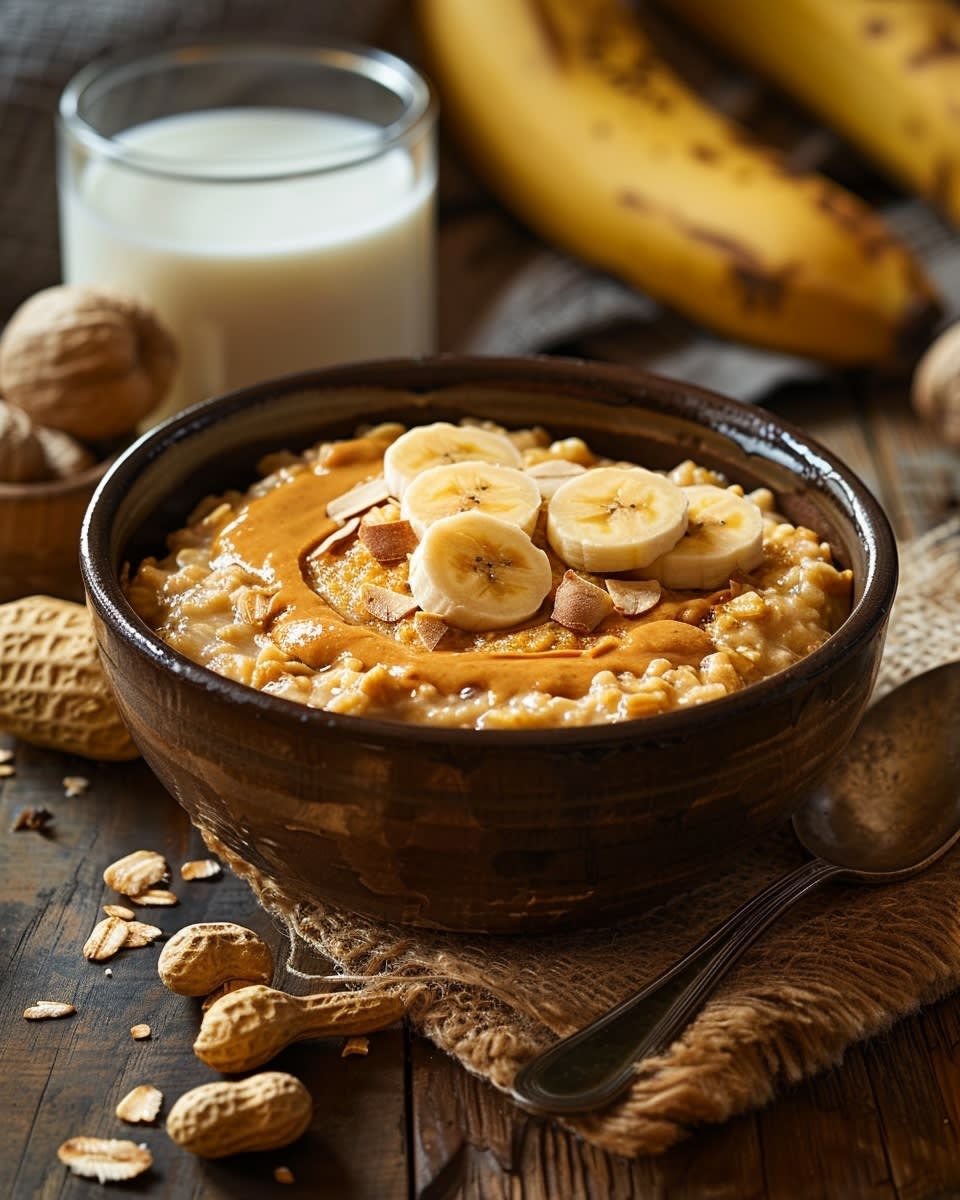
My Love Affair with High Protein Oatmeal with Peanut Butter
I still remember the first time I dragged myself to the gym at 6 AM, only to feel completely wiped out by 10 o’clock. My stomach was growling, my energy was gone, and I couldn’t focus on anything. That’s when my trainer asked me a simple question: “What did you eat for breakfast?” My answer? A sad little granola bar and coffee. She shook her head and told me about high protein oatmeal with peanut butter. That conversation changed my mornings forever.
This breakfast became my secret weapon. It’s simple, tasty, and keeps me full for hours. I’m not talking about plain, boring oatmeal that tastes like cardboard. I mean a warm, creamy bowl loaded with protein and topped with a generous spoonful of peanut butter. The combination is perfect.
I’ve spent the last three years testing different recipes and methods. I’ve talked to nutritionists, tried dozens of variations, and learned what works and what doesn’t. Today, I’m sharing everything I know about making the best protein-packed oatmeal. You’ll get my favorite recipes, practical tips for busy mornings, and answers to the questions people ask me all the time.
This isn’t just another recipe post. I want to help you understand why this breakfast works so well and how you can make it fit your lifestyle. Whether you’re trying to build muscle, lose weight, or just eat better, this meal can help you reach your goals.
Why High Protein Oatmeal with Peanut Butter Works So Well
Let me break down what makes this combination so powerful. Oats bring amazing fiber to the table. One cup of cooked oatmeal gives you about 4 grams of fiber, which helps your digestion and keeps you feeling satisfied. The type of fiber in oats is called beta-glucan, and it’s been shown to help lower cholesterol levels.
Peanut butter adds healthy fats and extra protein. Two tablespoons pack in around 8 grams of protein and 16 grams of fat. These are mostly unsaturated fats, the kind your body actually needs. When you combine oats with peanut butter, you create a complete breakfast that hits all the right notes.
Plain oatmeal only has about 6 grams of protein per cup. That’s not enough if you’re active or trying to build muscle. But when you add peanut butter and maybe some protein powder, you can easily hit 25-30 grams of protein in one bowl. That’s a huge difference.
The healthy fats from peanut butter slow down digestion. This means the carbs from the oats release energy slowly instead of spiking your blood sugar. I used to crash hard after eating sugary cereals or pastries. With this oatmeal, my energy stays steady all morning long.
Here’s what a basic high protein oatmeal with peanut butter gives you:
- Protein: 20-30 grams depending on your additions
- Fiber: 6-10 grams for digestive health
- Healthy fats: 15-20 grams to keep you full
- Complex carbs: 40-50 grams for lasting energy
- Iron, magnesium, and B vitamins: Essential nutrients your body needs
The combination helps with weight management in ways that surprised me. I thought eating fat would make me gain weight. But the opposite happened. The protein and healthy fats kept me so full that I stopped snacking on junk food before lunch. I naturally ate fewer calories throughout the day without feeling hungry or deprived.
My friend Sarah lost 15 pounds in four months after switching to this breakfast. She wasn’t following any strict diet. She just replaced her usual bagel and cream cheese with protein oatmeal. The difference was that dramatic.
For muscle building, protein timing matters. Your muscles need amino acids, especially in the morning after you’ve been fasting all night. Starting your day with 25-30 grams of protein gives your muscles what they need to recover and grow. I noticed better results from my workouts once I made this change.
The beauty of peanut butter oatmeal is how easy it is to customize. Some days I keep it simple with just peanut butter and banana. Other days I go all out with protein powder, chia seeds, berries, and a drizzle of honey. It never gets boring because you can change it up based on what you’re craving.
I’ve made this breakfast on rushed weekday mornings and lazy Sunday brunches. It works for both. You can make overnight oats in five minutes before bed, or cook a warm bowl in the microwave in three minutes flat. There’s no excuse not to eat well when breakfast is this simple.
The cost factor is huge too. A container of oats costs about three dollars and lasts for weeks. A jar of peanut butter runs maybe five dollars. Compare that to buying breakfast sandwiches or smoothies every day. I save at least a hundred dollars a month by making this at home.
When I started eating high protein oatmeal regularly, I noticed changes beyond just feeling full. My skin looked better, probably from all the vitamins and healthy fats. My hair seemed stronger. I had more mental clarity in the mornings. These small improvements added up to make a real difference in how I felt every day.
The protein content helps stabilize blood sugar levels. This is critical if you get hangry like I do. Before I found this breakfast, I would get shaky and irritable by mid-morning. Now I can easily go four or five hours without eating and still feel great. That’s the power of balanced nutrition.
One thing that shocked me was how this breakfast helped my athletic performance. I run half marathons, and I always struggled with what to eat before long training runs. Heavy foods made me sluggish. Light foods left me bonking halfway through. High protein oatmeal with peanut butter hit the sweet spot. It gave me energy without weighing me down.
The combination also supports your immune system. Oats contain zinc and selenium. Peanut butter has vitamin E. These nutrients help your body fight off illness. During cold season, I swear this breakfast has kept me healthier than my coworkers who are always getting sick.


How to Make the Perfect High Protein Oatmeal with Peanut Butter
Now that you understand why this breakfast is so amazing, let me show you exactly how I make it. The basic recipe is super straightforward, and once you get it down, you can tweak it however you want.
Here’s my go-to formula that I’ve perfected over hundreds of mornings. I’m giving you the measurements I use, but honestly, once you make this a few times, you’ll probably just eyeball everything like I do.
Basic High Protein Oatmeal Recipe:
Start with half a cup of rolled oats. Add one cup of water or milk, your choice. I usually use unsweetened almond milk because it adds creaminess without extra calories, but regular milk works great if you want even more protein. Toss in a pinch of salt because it really brings out the flavor. Cook this mixture in the microwave for two and a half minutes, or on the stovetop for about five minutes if you prefer that method.
While it’s cooking, here’s a trick I learned: mix your protein powder with a little cold milk in a separate cup first. This prevents those nasty clumps that ruin the texture. I use about one scoop of vanilla or chocolate protein powder, which adds roughly 20 grams of protein right there.
Once your oats are done cooking, let them sit for about 30 seconds to cool slightly. Then stir in your protein powder mixture. This timing is important because if the oats are too hot, the protein can get weird and chalky. After you’ve mixed that in thoroughly, add two tablespoons of peanut butter. I like to swirl it through rather than fully mixing it, so I get these amazing pockets of peanut flavor.
The whole process takes maybe four minutes tops. I’ve timed myself on rushed mornings when I was running late for work. Four minutes to a breakfast that keeps you satisfied for hours is a pretty good trade-off if you ask me.
Here’s where it gets fun. The basic version is solid, but the variations are endless. Some mornings I slice up half a banana and mix it in while the oats are still hot. The banana gets all soft and sweet, almost like natural candy. Other days I’m feeling chocolate vibes, so I use chocolate protein powder and top everything with a handful of dark chocolate chips.
My berry version has become a summer staple. I throw in a cup of frozen mixed berries right when the oats finish cooking. The heat thaws the berries and creates this gorgeous purple color. The tartness of the berries balances perfectly with the rich peanut butter. If you’re looking for other protein-packed breakfast ideas that pair well with berries, you might want to check out this cottage cheese breakfast bowl that uses similar flavor combinations.
During fall, I go all out with what I call my “dessert oatmeal.” I add a teaspoon of cinnamon, a quarter teaspoon of nutmeg, and some diced apples. Then I top it with chopped walnuts and a tiny drizzle of maple syrup. It tastes like apple pie for breakfast, except it’s actually good for you.
One variation that surprised me was the savory version. I know it sounds weird, but hear me out. Skip the protein powder and instead crack an egg into the oats during the last minute of cooking. Stir it vigorously so it scrambles throughout. Add the peanut butter, some sriracha, and top with sliced green onions. It’s kind of like an Asian-inspired savory porridge. My husband thought I was crazy until he tried it. Now he requests it weekly. Speaking of egg-based protein breakfasts, I also love making an egg white scramble with turkey when I want something completely different but equally protein-rich.
The overnight oats version is perfect for people who literally cannot function in the morning. I’m talking about those folks who hit snooze seven times. The night before, combine your oats, milk, protein powder, and peanut butter in a mason jar. Shake it up, stick it in the fridge, and go to bed. In the morning, you have cold, creamy oatmeal ready to eat. No cooking required. I do this every Sunday night for Monday mornings because Mondays are rough enough without having to cook.
For texture lovers like me, add-ins make a huge difference. Chia seeds give you extra fiber and omega-3s, plus they create this cool pudding-like consistency. Hemp hearts add protein and a subtle nutty flavor. Flaxseed meal is another powerhouse ingredient. Just two tablespoons add lignans and more fiber. I rotate through these based on whatever I have in my pantry.
Smart Tips for Maximizing Nutrition in Your High Protein Breakfast
By the way, not all oats are created equal. I learned this the hard way after buying the cheapest option at the store and wondering why my oatmeal turned into paste. Steel-cut oats have the most nutrients intact because they’re minimally processed, but they take forever to cook. Rolled oats are my sweet spot. They cook quickly and still have great nutritional value. Instant oats work in a pinch, but they’ve been processed more and tend to spike blood sugar faster.
Here’s the thing about peanut butter that nobody talks about enough. Always read the ingredient label. The only things listed should be peanuts and maybe salt. If you see added sugar, palm oil, or ingredients you can’t pronounce, put it back. Natural peanut butter separates with oil on top, which some people find annoying. Just stir it once when you open the jar and store it upside down in the fridge. Problem solved.
I experimented with different nut butters too. Almond butter is fantastic and has slightly more vitamins and minerals than peanut butter. Cashew butter is creamier and sweeter. Sunflower seed butter works great if you have nut allergies. Each one brings something different to the table, so don’t feel locked into just peanut butter.
Portion control matters, even with healthy foods. I used to go overboard with the peanut butter because it tasted so good. But three or four tablespoons add up to a lot of calories fast. Two tablespoons is the sweet spot for flavor and nutrition without going overboard. Same with the oats themselves. Half a cup of dry oats is plenty for most people. It doesn’t look like much in the bowl at first, but it expands quite a bit when cooked.
The protein powder you choose makes a difference too. Whey protein is absorbed quickly, which is great post-workout. Casein protein digests slowly, keeping you full longer. Plant-based proteins work well if you’re vegan or have dairy issues. I keep both whey and pea protein in my pantry and use them for different purposes. If you’re exploring other ways to add protein powder to breakfast, these protein pancakes with Greek yogurt are another delicious option.
Funny enough, what you drink with your oatmeal matters too. I always have a big glass of water with mine because the fiber needs liquid to work properly. Coffee is fine and actually has antioxidants. Green tea is another solid choice. Some people like to have a spinach avocado smoothie alongside their oatmeal for an extra nutrient boost, though that might be overkill for most mornings.
One tip that changed everything for me was prepping ingredients ahead. Every Sunday, I portion out my oats into individual containers. I pre-mix cinnamon and protein powder in small bags. Everything is ready to grab and go. This removes any excuse about not having time. Meal prep doesn’t have to be complicated. Just fifteen minutes on the weekend saves you time all week long.
Temperature preferences vary wildly between people. My husband likes his oatmeal piping hot with the peanut butter melted throughout. I prefer mine slightly cooled so I can taste all the flavors separately. Figure out what you like and stick with it. There’s no wrong way to enjoy your breakfast as long as you’re actually eating it.
Timing your breakfast matters too. I eat mine about thirty minutes after waking up, which gives my metabolism time to wake up first. If you work out in the morning, having this within an hour after exercise helps with recovery. The protein and carbs together are exactly what your muscles need. On rest days, I might wait longer and treat it more like a leisurely brunch.
The final piece of advice I’ll give you is to trust the process. Your first bowl might not be perfect. You might add too much water and make soup, or not enough and have cement. That’s totally normal. I probably made thirty mediocre bowls before I figured out my perfect ratio. Keep adjusting until you find what works for your taste buds and your schedule. This breakfast should make your life easier, not add stress to your morning routine.


Common Questions About Making High Protein Oatmeal with Peanut Butter
Over the years, I’ve gotten tons of questions from friends, family, and people who follow my cooking journey. Instead of answering the same things over and over, I figured I’d put together all the questions I hear most often. These are real concerns from real people trying to make this breakfast work for their lives.
What types of oats work best for protein oatmeal?
Steel-cut oats are the least processed and have a chewier texture that some people absolutely love. They take about twenty to thirty minutes to cook though, which is why I usually save them for weekends. Rolled oats, which are sometimes called old-fashioned oats, are my daily go-to because they cook in just a few minutes. Quick oats are fine if you’re really pressed for time, but they can get mushy pretty fast. I avoid instant oatmeal packets because they’re usually loaded with sugar and artificial flavors. Here’s the thing, if you’re using steel-cut oats, you’ll want to cook them the night before or use a slow cooker because ain’t nobody got time for that on a Tuesday morning.
Can I swap peanut butter for other nut butters?
Absolutely, and I actually encourage you to experiment. Almond butter has more vitamin E and magnesium than peanut butter, plus it has this slightly sweeter taste that works beautifully with berries. Cashew butter is super creamy and mild, almost like a neutral canvas for other flavors. My sister is obsessed with pistachio butter, which sounds fancy but it’s genuinely delicious. Sunflower seed butter is your best friend if you’ve got nut allergies. It has a similar consistency to peanut butter and packs plenty of healthy fats. Even tahini works if you’re feeling adventurous, though you’ll want to add a touch of honey because it’s quite bitter on its own.
What about dietary restrictions and food allergies?
This breakfast is surprisingly adaptable for different dietary needs. For vegans, use plant-based protein powder and a non-dairy milk like oat, almond, or soy milk. The peanut butter is already vegan, so you’re good there. If you’re gluten-free, make absolutely sure your oats are certified gluten-free because regular oats can be contaminated during processing. I learned this when my friend with celiac disease got sick after eating oats I made. Felt terrible about it. For people watching their sugar intake or managing diabetes, skip any added sweeteners and rely on the natural sweetness from fruit. The combination of protein, fat, and fiber actually helps regulate blood sugar pretty well.
How do I make this meal even more filling?
If you’re still hungry after a regular bowl, there are several things you can try. First, increase your oat portion to three-quarters of a cup instead of half. Add an extra tablespoon of nut butter. Mix in some Greek yogurt right before eating for additional protein and creaminess. Chia seeds expand in liquid and create this gel-like substance that’s incredibly satisfying. I sometimes add a whole egg or two egg whites directly into the cooking oats, stirring constantly so they scramble throughout. It sounds weird but it bumps up the protein significantly. Another trick is eating your oatmeal with a smaller spoon and really taking your time. Sounds silly, but eating slower gives your brain time to register fullness.
Are there creative ways to serve protein oatmeal besides in a bowl?
Funny you ask because I’ve gotten pretty creative when I’m bored with the same presentation. You can make oatmeal cups by mixing everything together, pouring it into muffin tins, and baking at 350 degrees for about twenty minutes. These are perfect for meal prep and you can grab one on your way out the door. I’ve also spread thick overnight oats on toast, kind of like a peanut butter alternative. During summer, I sometimes freeze my overnight oats in popsicle molds for a breakfast treat that feels like dessert. My kids love when I make oatmeal parfaits by layering the oatmeal with yogurt and fruit in a clear glass. Makes breakfast feel fancy even though it takes the same amount of time.
How does this fit into a weight loss plan?
The beauty of high protein oatmeal for weight management is how it naturally controls your appetite. When you start your day with adequate protein and fiber, you’re less likely to experience those intense cravings that derail your eating plans. I dropped weight without really trying once I made this my regular breakfast because I stopped mindlessly snacking before lunch. The key is being mindful about portions, which is something the CDC emphasizes in their guidance on portion control for maintaining a healthy weight. Don’t go overboard with the toppings or nut butter. Stick to reasonable amounts and you’ve got a breakfast that supports your goals without leaving you starving by mid-morning.
Can I prep this ahead for the entire week?
Yes and no, depending on which method you prefer. Overnight oats work perfectly for meal prep. I’ve made five jars on Sunday night and had breakfast sorted through Friday. Just keep them refrigerated and they stay fresh. Cooked oatmeal doesn’t hold up quite as well, but you can cook a big batch and portion it into containers. Reheat individual servings with a splash of milk to restore the creamy texture. The thing is, the protein powder can get a bit weird after sitting for days, so I sometimes leave that out of the prep and just stir it in fresh each morning. Another approach is prepping dry ingredients in mason jars with the oats, protein powder, and any spices measured out. Then you just add liquid and cook when you’re ready.
Are there any downsides or things to watch out for?
Honestly, most people do great with this breakfast, but there are a few things worth mentioning. If you’re not used to eating a lot of fiber, starting with a huge bowl of oats might cause some digestive discomfort. Build up gradually if that’s you. Some protein powders cause bloating or stomach issues for certain people, so if that happens, try a different brand or type. The calorie count can sneak up on you if you’re heavy-handed with nut butter and toppings, so be aware of how much you’re actually using. By the way, some people find that eating oats makes them hungry again quickly, which is usually because they’re not adding enough protein or fat. Make sure you’re following the ratios I outlined earlier.
What’s the best time of day to eat protein oatmeal?
Most people think of oatmeal as exclusively a breakfast food, but I’ve had it at all times of day. It makes an excellent post-workout meal regardless of when you exercise. I’ve eaten it as a late afternoon snack when I need something substantial before evening activities. Some bodybuilders I know have it as their final meal before bed because the slow-digesting protein helps with overnight muscle recovery. There’s really no wrong time. The main thing is making sure it fits into your overall daily nutrition plan. If you’re someone who works night shifts, this could be your “breakfast” at 6 PM. Do what works for your schedule.
How do I keep this interesting long-term?
Variety is crucial for sticking with any eating habit. I rotate through about ten different flavor combinations so I never get bored. Monday might be classic peanut butter banana. Tuesday could be chocolate cherry with dark chocolate chips. Wednesday I’ll do apple cinnamon with walnuts. Creating a rotation schedule helps. Also, following the seasons with your toppings keeps things fresh. Summer means berries and peaches. Fall brings apples and pumpkin spice. Winter is all about warming spices and dried fruits. Spring I go lighter with citrus zest and coconut. Another thing that helps is occasionally switching up the temperature by having cold overnight oats instead of hot cooked oats.
Speaking of variety and trying new things, if you’re looking to expand your morning repertoire beyond oatmeal, I’ve put together tons of ideas in my collection of high protein breakfast recipes that keep things exciting throughout the week.
What’s the biggest mistake people make with this recipe?
The number one issue I see is people not measuring their liquids properly and ending up with soup or concrete. The ratio of liquid to oats really matters. Start with the measurements I gave you and adjust from there based on your texture preference. Another common mistake is adding protein powder to boiling hot oats, which causes it to clump up and taste chalky. Always let things cool slightly first or mix the powder with cold liquid separately. People also tend to either undersalt or oversalt. That pinch of salt is important but don’t dump half a teaspoon in there. Finally, choosing the wrong protein powder can ruin the whole thing. Some brands just taste awful no matter what you do. Don’t be afraid to try different ones until you find your favorite.
Here’s the thing about making this breakfast a habit rather than just trying it once. The first week is always the hardest because you’re learning the process and figuring out your preferences. Give yourself permission to mess it up a few times. After two weeks, it becomes almost automatic. By the time you hit a month, you’ll probably wonder how you ever started your day any other way. That’s been my experience and I’ve seen it happen with dozens of people I’ve introduced to this meal.
The best part about getting into a routine with high protein oatmeal is how it sets a positive tone for your entire day. When you start the morning by making a healthy choice and nourishing your body properly, you’re way more likely to make good decisions at lunch and dinner too. It’s like a domino effect of healthy habits. On the flip side, when I skip my oatmeal and grab something random, my whole eating pattern tends to fall apart by afternoon. Consistency really is key, but it doesn’t have to be perfect consistency. Even having this breakfast four or five times a week makes a noticeable difference.
I hope this guide helps you create your own morning ritual around protein-packed oatmeal. It’s been genuinely life-changing for me and so many people I know. Start simple with the basic recipe and build from there. Pay attention to how your body feels and adjust accordingly. Most importantly, give yourself time to develop the habit before deciding whether it works for you. Drop a comment and let me know which variation becomes your favorite, and don’t hesitate to reach out if you run into any issues along the way.
Your Questions About High Protein Oatmeal Answered
How much protein should I aim for in my oatmeal?
I recommend targeting at least 20-25 grams of protein per bowl, which is enough to support muscle maintenance and keep you satisfied. This amount comes from combining the oats themselves (about 6 grams), peanut butter (8 grams), and a scoop of protein powder (15-20 grams). You can adjust based on your body weight and activity level. Active people who strength train might want to push closer to 30 grams, while someone less active might be fine with 20 grams. Listen to your body and see how long you stay full.
Is it okay to eat this every single day?
Eating high protein oatmeal daily is perfectly fine for most people and can actually support consistent nutrition habits. I’ve been eating it five to six times a week for years with no issues. The key is varying your toppings and mix-ins to ensure you’re getting diverse nutrients. If you notice any digestive issues or simply get bored, take a break and try other protein-rich breakfasts. There’s nothing magical about eating the exact same thing every day. Consistency matters more than perfection, so if you have it four or five times a week, you’re still doing great.
Can kids eat high protein oatmeal?
Kids can definitely enjoy this breakfast, though you might want to adjust the protein content based on their age and size. Young children don’t need as much protein as adults, so you could skip the protein powder and just do oats with peanut butter and fruit. My kids loved it when I made fun shapes or let them pick their own toppings. Be mindful of choking hazards with young kids and make sure any nut butters are spread thin or well-mixed. If your child has a nut allergy, sunflower seed butter is a safe alternative. Making breakfast fun and involving them in the process helps build healthy eating habits early.
What if I don’t like the taste of protein powder?
Not everyone enjoys protein powder, and that’s totally okay because you have other options. Instead, add Greek yogurt for extra protein, which contributes about 10-15 grams per half cup. You can also mix in cottage cheese, though I know that sounds strange until you try it. Adding extra nut butter increases protein but also adds significant calories, so be mindful of that. Eggs mixed into the cooking oats add protein without any powdery taste. Hemp hearts and chia seeds contribute smaller amounts but every bit helps. You might not hit 30 grams without powder, but 15-20 grams is still a solid protein-rich breakfast.
How long will this keep me full compared to regular oatmeal?
The difference is honestly dramatic, and it surprised me when I first started. Regular oatmeal might keep you satisfied for two to three hours tops. With the added protein and healthy fats from peanut butter, you’re looking at four to five hours of sustained energy. Some people can go even longer. The combination slows digestion and provides steady fuel rather than a quick spike and crash. I used to need a mid-morning snack every single day when I ate regular oatmeal or cereal. Now I easily make it to lunch without thinking about food. That alone has been worth the small extra effort.
Can I use this for muscle building specifically?
High protein oatmeal works wonderfully as part of a muscle-building nutrition plan because it delivers both protein for muscle repair and carbs for energy. The timing can be strategic too—having it within an hour post-workout helps with recovery. The combination of fast-digesting whey protein and slower carbs from oats creates an ideal nutrient profile. You might want to add extra carbs if you’re bulking, like additional banana or honey. Keep in mind that building muscle requires consistent protein throughout the day, not just at breakfast. This meal is a great foundation, but make sure your other meals also include adequate protein.
Does microwaving destroy nutrients in oats?
The quick answer is no, microwaving doesn’t significantly destroy nutrients in oats. This is a myth that won’t die, but research shows minimal nutrient loss from microwave cooking. In fact, because microwave cooking is faster, it might actually preserve more nutrients than prolonged stovetop cooking. The fiber, vitamins, and minerals in your oats remain intact regardless of cooking method. Choose whatever method fits your lifestyle and tastes best to you. I microwave mine almost every day because it’s fast and convenient, and I’ve gotten great results. Don’t stress about this one.
What’s the shelf life of prepared overnight oats?
Overnight oats stay fresh in the refrigerator for about three to five days, which makes them perfect for meal prep. I’ve pushed it to six days without issues, though the texture gets a bit softer over time. Make sure you’re using clean jars and storing them properly in the back of the fridge where temperature is most consistent. If you notice any off smell or taste, toss them out. Adding fresh fruit right before eating rather than during prep helps extend shelf life. Some ingredients like sliced banana brown quickly, so save those for the morning of. The oats, milk, protein powder, and nut butter mixture holds up great for several days.
Is this breakfast suitable for diabetics?
High protein oatmeal can actually be an excellent choice for people managing diabetes because the protein and fat slow down carbohydrate absorption. This prevents the blood sugar spikes that come from eating carbs alone. That said, everyone’s body responds differently, so monitoring your blood sugar after eating is important. You might want to reduce the oat portion slightly and increase the protein to find your ideal balance. Avoid adding honey, maple syrup, or dried fruit which can raise blood sugar quickly. Fresh berries are a better choice because they have fiber that moderates the sugar impact. Always consult with your healthcare provider about dietary changes, especially when managing a condition like diabetes.
Can I make this without any sweeteners and still enjoy it?
Totally, and I actually prefer it without added sweeteners most days. The natural sweetness from ripe banana or berries is usually enough once your taste buds adjust. Cinnamon and vanilla extract add flavor without sugar. The peanut butter itself has a slight sweetness that balances the oats. If you’ve been eating a lot of sugary foods, it might take a week or two for your palate to appreciate the natural flavors. I used to dump honey on everything, but now I find that version too sweet. Give unsweetened a real chance before deciding it doesn’t work. You might surprise yourself and actually prefer the more subtle, natural taste.
Ingredients
Equipment
Method
- Combine oats, water or milk, and a pinch of salt in a bowl.
- Cook the mixture in the microwave for 2.5 minutes or on the stovetop for about 5 minutes.
- Mix your protein powder with a little cold milk in a separate cup to avoid clumps.
- Once the oats are done, let them cool for about 30 seconds.
- Stir in the protein powder mixture gently.
- Add 2 tablespoons of peanut butter, swirling it into the oats without fully mixing.
- Enjoy as is or top with desired fruits, nuts, or spices.