
Welcome to My Kitchen!
Last Tuesday morning, I caught my husband eating store-bought granola straight from the box while standing over the sink. When I asked why he wasn’t using a bowl, he said he didn’t want to waste the sugary dust at the bottom. That moment made me realize something important: we deserved better breakfast options.
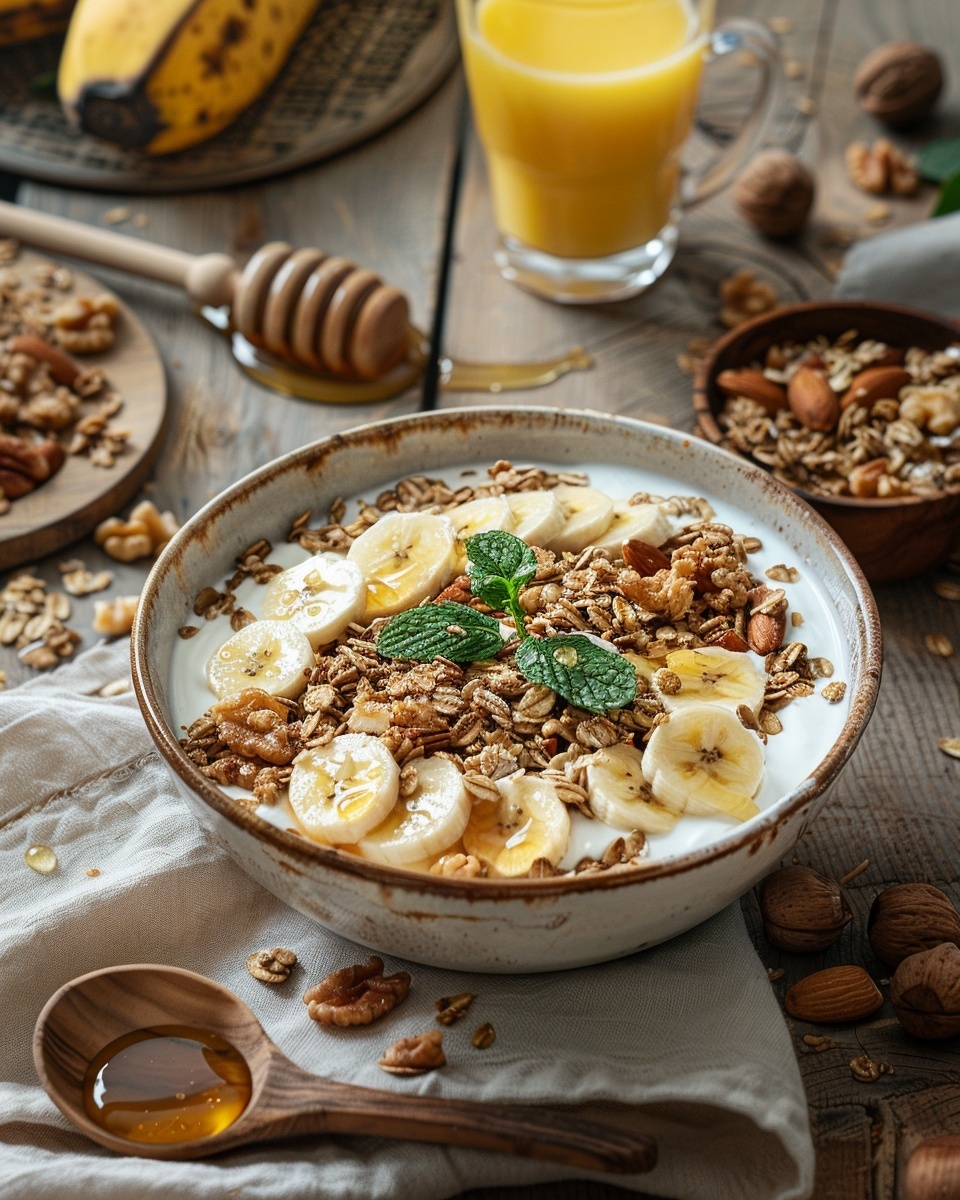
I’m excited to share my favorite recipe for homemade granola with yogurt, a breakfast that changed our mornings completely. This delightful and nutritious meal takes less time to prepare than you’d think. Your whole family will love it, and you’ll feel good knowing exactly what goes into each bite.
Making granola at home transformed how my family starts the day. No more mystery ingredients or excessive sugar. Just wholesome oats, nuts, and natural sweetness paired with creamy yogurt. The best part? You can make a big batch on Sunday and enjoy it all week long.
Let’s dive into how you can create this delicious treat in your own home. Trust me, once you try homemade granola, those store-bought boxes will collect dust in your pantry.
Why Choose Homemade Granola with Yogurt?
Store shelves overflow with granola options, each box promising health and energy. So why bother making it yourself? I asked myself the same question before trying my first batch. The answer surprised me in the best way possible.
Benefits of Making Granola at Home
Control is the biggest advantage of making your own granola. You decide what goes in and what stays out. No hidden sugars, strange preservatives, or ingredients you can’t pronounce.
I started making granola at home after reading the label on my favorite store brand. The third ingredient was corn syrup, and the sugar content shocked me. My daughter was eating what I thought was a healthy breakfast, but it had more sugar than some cookies.
Cost savings add up quickly too. A bag of oats costs a fraction of premium granola. Add some nuts, seeds, and honey, and you’re still spending less per serving. My homemade batches cost about 40% less than the fancy brands I used to buy.
The taste difference will blow your mind. Fresh granola has a crunch and flavor that packaged versions can’t match. When you pull a warm tray from the oven, the smell fills your entire house. Your family will come running to the kitchen asking what smells so amazing.
Customizable Flavors and Ingredients
This is where homemade granola really shines. You can create any flavor combination your heart desires. Love cinnamon? Add extra. Prefer chocolate chips? Toss them in after baking. Hate raisins? Leave them out completely.
I make three different versions for my family. My husband loves a nutty blend with almonds and pecans. My daughter prefers a sweeter version with dried cranberries and coconut flakes. I make mine with pumpkin seeds and dark chocolate chunks.
Seasonal variations keep breakfast interesting year-round. Fall calls for maple and apple flavors. Summer brings tropical combinations with dried mango and macadamia nuts. Winter deserves warming spices like ginger and cardamom.
Dietary needs are easy to accommodate when you’re in charge. Need gluten-free? Use certified gluten-free oats. Watching your sugar intake? Reduce the sweetener or try alternatives. Allergic to nuts? Swap in seeds instead.
Freshness and Quality Control
Factory-made granola sits in warehouses, then trucks, then store shelves for weeks or months. By the time it reaches your bowl, the ingredients have lost their peak flavor and nutrition.
Your homemade granola gets made fresh in small batches. You know it’s only days old, not months. The oils in the nuts haven’t gone rancid. The oats still have their natural goodness intact.
Quality ingredients make quality granola. I buy organic oats when possible and choose raw nuts over roasted ones. Local honey adds flavor and supports nearby beekeepers. These choices matter for taste and nutrition.
You can also ensure everything stays crispy and fresh. Store-bought granola often arrives stale or gets soggy in humid climates. Homemade granola stored in airtight containers stays crunchy for weeks. I use mason jars that look pretty on my counter and keep everything fresh.
Is Granola Good for Diabetics?
This question comes up often, and the answer depends on the granola. Many commercial brands pack in so much sugar that they spike blood glucose levels quickly. That makes them a poor choice for people managing diabetes.
Homemade granola gives you complete control over sugar content. You can reduce or eliminate added sweeteners. Use sugar-free alternatives if needed. Focus on high-fiber ingredients that slow sugar absorption.
Pairing granola with yogurt helps too. The protein and fat in yogurt slow down how quickly your body absorbs carbohydrates. This combination creates a more balanced blood sugar response than eating granola alone.
I worked with my neighbor who has type 2 diabetes to create a lower-sugar recipe. We used unsweetened coconut, plenty of nuts for healthy fats, and just a touch of stevia. She checks her blood sugar after eating it, and the numbers stay stable.
Portion control matters for everyone, especially those watching blood sugar. A serving of granola should be about one-third to one-half cup. Measure it out rather than pouring freely. Pair it with Greek yogurt for extra protein.
Can Granola Help Lower Cholesterol?
The right granola can support healthy cholesterol levels. Oats contain beta-glucan, a type of soluble fiber proven to reduce LDL cholesterol. Studies show that eating three grams of beta-glucan daily can lower cholesterol by 5-10%.
Nuts add another cholesterol-fighting punch. Almonds, walnuts, and pecans contain healthy fats that improve your cholesterol ratio. They raise good HDL cholesterol while helping lower the bad LDL kind.
Seeds like flax and chia bring omega-3 fatty acids to the mix. These healthy fats support heart health and may help reduce inflammation. I grind flaxseed fresh and add it to my granola for maximum benefit.
My doctor mentioned my cholesterol was creeping up last year. I switched to homemade granola with extra oats and walnuts for breakfast. Three months later, my numbers had improved. She was impressed and asked for the recipe.
Not all granola helps cholesterol though. Versions loaded with coconut oil, palm oil, or butter can work against you. Stick with heart-healthy oils like olive or avocado oil in small amounts. Let the natural oils from nuts provide most of the fat.
The yogurt you pair with your granola matters too. Choose low-fat or Greek yogurt to keep saturated fat in check. Greek yogurt packs extra protein that keeps you full longer. This helps prevent snacking on less healthy foods throughout the morning.


The Secret to Making Good Granola
Now that you understand why homemade granola beats the store-bought stuff every time, let me share what I’ve learned about actually making it well. I burned my first three batches before figuring out the tricks that make all the difference.
Key Ingredients for a Tasty and Healthy Granola
The foundation of any great granola starts with old-fashioned rolled oats. Don’t use quick oats or steel-cut versions. Quick oats turn mushy, and steel-cut oats stay too hard. Regular rolled oats have just the right texture and create those perfect clusters everyone loves.
Sweeteners bind everything together while adding flavor. I prefer honey because it creates better clumps than maple syrup, though both work beautifully. My sister uses date syrup for a refined-sugar-free option. Whatever you choose, you’ll need about one-third to one-half cup per three cups of oats. Start with less—you can always add more next time.
Here’s something I wish someone had told me earlier: oil is essential. I tried making granola without it once, thinking I’d save calories. The result was dry, sad, and basically inedible. A quarter cup of neutral oil like coconut or avocado oil makes your granola crispy and golden. The oil helps everything toast evenly and creates those addictive crunchy bits.
Nuts and seeds add protein, healthy fats, and satisfying crunch. I use whatever’s on sale or hanging out in my pantry. Almonds, pecans, and walnuts are my go-to choices. Pumpkin seeds and sunflower seeds work great if you’re avoiding nuts. Chop larger nuts into smaller pieces so they distribute evenly throughout the batch.
Spices transform basic granola into something special. Cinnamon is obvious but don’t stop there. Vanilla extract adds warmth. A pinch of salt brings out all the other flavors. I sometimes throw in cardamom or nutmeg for variety. My teenage son requested a version with cocoa powder once, and it became his new obsession.
Dried fruit should always go in after baking. I learned this the hard way when my beautiful raisins turned into hard little rocks in the oven. Dried cranberries, cherries, apricots, or your favorite dried fruit get stirred in once the granola cools. This keeps them soft and chewy.
Tips for Achieving the Perfect Texture and Flavor
What is the secret to making good granola? Temperature control is everything. Most people bake granola too hot and end up with burnt edges and raw middles. I set my oven to 300°F and bake low and slow. This gentle heat toasts everything evenly without burning.
Stirring matters more than you’d think. I stir my granola every ten minutes during baking. This prevents hot spots and ensures even browning. Don’t stir too much though, or you’ll break up those clusters before they form. Funny enough, I sometimes skip the last stir completely to encourage bigger clumps.
The granola will seem soft when it first comes out of the oven. Don’t panic! It firms up as it cools. I made the mistake of putting my first batch back in the oven because it felt too soft. That batch turned into charcoal. Let it cool completely on the baking sheet without disturbing it. Patience pays off with maximum crunchiness.
For the best clusters, press your granola mixture firmly onto the baking sheet before it goes in the oven. Use the back of a spatula or your hands to really pack it down. Don’t spread it too thin. A thicker layer creates better clumps. When it comes out, resist the urge to stir it immediately. Let those clusters set up properly.
Flavor develops during cooling too. Your granola will taste different fresh from the oven versus the next day. The flavors meld and deepen as it sits. I actually think it tastes better on day two. This makes breakfast prep even easier since you can make it ahead without sacrificing quality.
How to Store Homemade Granola to Keep It Fresh
Storage seems simple but gets overlooked all the time. Your beautiful homemade granola deserves proper care to maintain that perfect crunch. I store mine in large mason jars with tight-fitting lids. Glass jars look nice on the counter and keep moisture out better than plastic bags.
Room temperature storage works fine for up to two weeks. Keep your containers in a cool, dry spot away from direct sunlight. My pantry stays relatively cool, so granola lasts the full two weeks without any issues. In humid climates, you might need to eat it faster or use the fridge.
Refrigeration extends shelf life to about a month. Some people worry that refrigerating makes granola soggy, but I’ve never had that problem with airtight containers. The cold actually helps if you live somewhere hot and humid. Just let it come to room temperature before eating if you prefer less chilled breakfast options.
Freezing works surprisingly well for long-term storage. I make double batches and freeze half in freezer-safe bags. Granola stays good for three months frozen. It thaws quickly at room temperature, or you can eat it straight from the freezer if you like it extra crunchy. By the way, frozen granola on yogurt creates an interesting texture contrast my kids really enjoy.
Never store granola with the dried fruit already mixed in if you plan to keep it more than a few days. The moisture from dried fruit can make everything soft. Keep them separate and combine portions as needed. This simple trick keeps your granola crispy until the last bite.
How to Make Granola with Yogurt
Making the granola is just half the equation. Pairing it with the right yogurt and toppings creates a complete breakfast that actually keeps you satisfied until lunch. Let me walk you through my process.
Step-by-Step Guide to Preparing the Granola
First, preheat your oven to 300°F and line a large baking sheet with parchment paper. Don’t skip the parchment—it makes cleanup infinitely easier and prevents sticking.
In a big bowl, mix three cups of rolled oats with one cup of chopped nuts and half a cup of seeds. Add your spices now—I use a teaspoon of cinnamon and a pinch of salt. Stir everything together so the dry ingredients are evenly distributed.
In a small saucepan or microwave-safe bowl, warm a third cup of honey with a quarter cup of coconut oil until they’re liquid and easy to mix. Add a teaspoon of vanilla extract. This warming step helps everything combine smoothly. Pour this mixture over your dry ingredients and stir until every oat gets coated.
Spread the mixture onto your prepared baking sheet and press it down firmly. Really pack it in there if you want good clusters. Bake for forty to forty-five minutes total, stirring gently every ten minutes. Watch for even golden-brown color across the whole batch.
When it’s done, let it cool completely on the pan. This takes at least thirty minutes. Once cool, break it into chunks and stir in a cup of your favorite dried fruit. Store in airtight containers and congratulate yourself on making something way better than anything in a box.
Choosing the Right Type of Yogurt
Greek yogurt is my top choice for pairing with granola. The thick, creamy texture holds up to crunchy granola without getting watery. Regular yogurt works too, but Greek packs more protein to keep you full longer. I buy plain Greek yogurt and sweeten it myself with a drizzle of honey.
Icelandic yogurt, called skyr, offers even more protein than Greek varieties. It’s super thick and slightly tangy. My husband prefers this for his morning bowl because it feels more substantial. The price runs higher, but the nutrition profile impresses.
Regular yogurt still has a place in my rotation. Sometimes I want something lighter and less thick. French-style yogurt offers a creamy, pourable consistency that works great when I’m in a hurry. Just pour, sprinkle granola on top, and go.
Non-dairy yogurts have improved tremendously in recent years. Coconut yogurt pairs beautifully with tropical granola flavors. Almond and cashew yogurts work well too. My lactose-intolerant friend swears by oat milk yogurt with her homemade granola. She says it tastes just as good as dairy versions.
Sweetened versus unsweetened yogurt is worth considering. Most flavored yogurts contain shocking amounts of added sugar—sometimes more than ice cream. I buy plain and add my own sweetener. This way I control exactly how sweet my breakfast becomes, similar to how I appreciate making breakfast quesadilla with eggs and cheese at home for better control.
Adding Fruits, Nuts, and Other Toppings
Fresh berries are my favorite granola topping. Strawberries, blueberries, and raspberries add natural sweetness and loads of antioxidants. I buy extra when they’re in season and freeze them for year-round use. Frozen berries work perfectly in yogurt bowls since they thaw quickly.
Sliced bananas create a breakfast that feels indulgent but stays healthy. The natural sweetness means I need less added sugar. Sometimes I make a quick apple banana smoothie for breakfast on days when I want something drinkable instead.
Stone fruits shine during summer months. Sliced peaches, nectarines, or plums add juicy bursts of flavor. I dice them small so every spoonful gets a little fruit. Fresh cherries pitted and halved create a special-occasion breakfast that impresses guests.
Here’s the thing about additional nuts: you probably already have enough in your granola. But sometimes I want specific flavors, so I’ll add a few chopped walnuts or sliced almonds on top for extra crunch. Toasted coconut flakes add tropical flair without much effort.
Seeds offer nutrition without overwhelming flavor. Chia seeds, hemp hearts, or ground flaxseed boost omega-3s and fiber. I keep a jar of mixed seeds near my yogurt in the fridge for easy sprinkling. A tablespoon goes a long way nutritionally.
For special treats, dark chocolate chips or cacao nibs satisfy sweet cravings while providing antioxidants. I use these sparingly—maybe once or twice a week when I need something extra. A little goes a long way since the chocolate flavor is intense.
Nut butters drizzled on top create protein-packed breakfasts that power through busy mornings. Almond butter, peanut butter, or sunflower seed butter all work beautifully. I thin mine slightly with a splash of milk for easier drizzling. This combination reminds me of the satisfying feeling I get from a toasted bagel with cream cheese and fruit, but with better nutrition.
Sometimes simple is best. A drizzle of honey or maple syrup over yogurt and granola creates pure breakfast bliss. Don’t overthink it. The beauty of this meal lies in its flexibility and ease, much like enjoying savory endive ham requires minimal fuss for maximum flavor.


Customizing Your Homemade Granola with Yogurt
Here’s where things get really fun. Once you’ve mastered the basic granola recipe, the world becomes your playground. I’ve been making granola for three years now, and I still discover new combinations that surprise me. Last month, I threw in some leftover crystallized ginger just to use it up, and now my whole family requests “the ginger batch” constantly.
Experimenting with Different Flavors and Mix-Ins
Chocolate lovers need to try adding cocoa powder to the base mixture before baking. Use two to three tablespoons per batch and reduce the liquid slightly since cocoa absorbs moisture. When it comes out of the oven, stir in dark chocolate chips while it’s still warm. They’ll melt just slightly and create pockets of chocolate throughout.
My teenage daughter invented what she calls “cookie dough granola” by mixing in almond butter with the wet ingredients and adding mini chocolate chips after baking. She sprinkles it over vanilla yogurt, and honestly, it tastes like dessert while still being reasonably healthy. Her friends keep asking me to make batches for them.
Savory granola might sound weird, but trust me on this one. Replace the honey with olive oil, add rosemary and black pepper, and skip the sweet dried fruit. Use this on plain yogurt with a pinch of sea salt. It’s incredible with lunch or as an afternoon snack. My neighbor who hates sweet breakfasts finally found a granola version she actually enjoys.
Peanut butter granola brings nostalgic comfort to breakfast. Warm a half cup of natural peanut butter with your honey and oil mixture. The peanut butter creates amazing clusters and adds protein. Pair it with banana slices and a drizzle more peanut butter on top. My kids call this “breakfast sundae” and eat it without complaint.
Tea-infused granola offers sophisticated flavor. Grind chai tea bags into powder and mix with your spices. Earl Grey works beautifully too—the bergamot creates an unexpected citrus note. I steep the tea in the warmed honey mixture, strain it, then use that flavored honey in the recipe. Sounds fancy, but it takes maybe five extra minutes.
Seasonal Variations and Creative Ideas
Fall granola deserves warming spices and cozy flavors. I make an apple pie version with dried apples, extra cinnamon, a touch of nutmeg, and chopped pecans. Sometimes I add a tablespoon of apple cider concentrate to the wet mixture. Served over Greek yogurt with fresh apple slices on top, it tastes like autumn in a bowl.
Pumpkin spice granola happens every September in my house, whether people roll their eyes or not. Mix pumpkin pie spice into your oats, use maple syrup as the sweetener, and add pepitas for that pumpkin connection. Dried cranberries stirred in at the end complete the fall experience. Funny enough, even my husband who claims to hate pumpkin spice everything eats this one.
Winter calls for gingerbread granola with molasses, crystallized ginger, cinnamon, and a pinch of cloves. The molasses makes it darker and creates chewier clusters. I pair this with plain yogurt and orange segments. The citrus cuts through the richness perfectly.
Spring brings lighter, floral flavors to my granola rotation. Lavender and lemon zest create something special. Use only a half teaspoon of culinary lavender—too much tastes like soap. Add the lemon zest after baking to preserve the bright flavor. Serve with honey yogurt and fresh strawberries.
Summer means tropical granola at my place. Coconut flakes, macadamia nuts, and dried pineapple transport you to a beach vacation. I sometimes add lime zest too. Pair it with coconut yogurt if you really want to commit to the theme. My kids pretend they’re eating breakfast on a Hawaiian beach, which makes getting them ready for summer camp way easier.
Holiday granola makes thoughtful homemade gifts. I package cranberry-orange granola in mason jars with fabric tops and ribbon during December. Neighbors appreciate it more than another tin of cookies. Include a tag with serving suggestions for yogurt parfaits, and you’ve created something people actually use instead of regifting.
Nutritional Benefits and Health Considerations
Building nutritious meals from whole ingredients gives you control over what fuels your body. The combination of complex carbohydrates from oats, protein from yogurt and nuts, and healthy fats creates balanced nutrition that sustains energy levels.
Fiber content in homemade granola beats most breakfast cereals by a long shot. Oats, nuts, and seeds all contribute different types of fiber. This helps digestion and keeps you feeling satisfied. I notice a huge difference in how long I stay full when I eat granola with yogurt versus toast or a muffin.
Protein from Greek yogurt plus nuts makes this breakfast genuinely filling. My standard bowl has about fifteen to twenty grams of protein depending on the yogurt I choose. That’s enough to prevent mid-morning snack attacks that used to derail my healthy eating.
Probiotics in yogurt support gut health in ways that granola alone can’t match. I struggled with digestive issues for years before making yogurt a daily habit. The combination with fiber-rich granola created a noticeable improvement. Your gut microbiome needs both the probiotics and the fiber to thrive.
Calcium and vitamin D from fortified yogurt strengthen bones. This matters especially as we age. I’m in my forties now, and my doctor emphasizes getting enough calcium. A yogurt bowl with granola delivers a significant portion of daily requirements without supplements.
Antioxidants from nuts, seeds, and any added spices fight inflammation. Cinnamon alone has impressive anti-inflammatory properties. Add berries on top, and you’ve multiplied the antioxidant power. These compounds protect cells and may reduce disease risk over time.
By the way, portion awareness matters even with healthy foods. Granola packs a lot of calories into a small volume because of the nuts and oil. I stick to one-third to one-half cup of granola per serving. The yogurt and fruit add volume without adding excessive calories.
Balancing Sweetness and Texture
Finding your perfect sweet spot takes experimentation. Start with less sweetener than recipes suggest and adjust upward in future batches. Remember that dried fruit adds sweetness too, so account for that. I reduced my honey to just a quarter cup per batch once I factored in the dried cherries.
Natural sweetness from ripe fruit on top reduces the need for added sugar in the granola itself. A truly ripe peach or handful of sweet strawberries makes even unsweetened yogurt taste great. I’ve gradually reduced the honey in my granola as I’ve learned to appreciate natural fruit sugars.
Texture balance makes each bite interesting. You want crunch from granola, creaminess from yogurt, and juicy bursts from fresh fruit. I sometimes add a spoonful of nut butter for smooth richness. The contrast between textures makes the meal more satisfying than any single-texture food.
Temperature contrast adds another dimension. Cold yogurt straight from the fridge against room-temperature granola feels refreshing. In winter, I sometimes warm my yogurt slightly for a cozier breakfast. The granola softens just a bit, which some mornings hits the spot perfectly.
Layering creates visual appeal that makes breakfast feel special. I use clear glasses and alternate yogurt and granola layers. Fresh fruit goes on top with maybe a drizzle of honey. It looks like something from a brunch restaurant but takes two minutes to assemble.
How to Make Granola with Yogurt in Different Ways
The classic parfait works for good reason. Layer yogurt, granola, and fruit in a jar or glass. Make these the night before for grab-and-go breakfasts. The granola stays surprisingly crunchy if you pack it in the middle layer away from the wettest ingredients.
Smoothie bowls with granola on top became trendy for a reason—they’re delicious. Blend frozen fruit with yogurt until thick, pour into a bowl, and top with granola and fresh fruit. The cold, smooth base against crunchy granola creates an amazing texture experience. This method lets you pack in extra vegetables too. I throw spinach in my smoothie base without anyone noticing.
Yogurt bark offers a fun twist for snacks or dessert. Spread thick Greek yogurt on a parchment-lined pan, sprinkle granola and fruit on top, and freeze until solid. Break into pieces and store in the freezer. My kids grab these instead of ice cream bars, and I feel good about it.
Individual yogurt cups work great for meal prep. Portion yogurt into small containers, keep granola separate in bags, and grab both on your way out. Combine them at work or in the car. This prevents sogginess and gives you fresh crunch every time.
Breakfast bowls with warm elements change things up. Heat some berries with a tiny splash of water until they break down into compote. Pour over yogurt, add granola, and enjoy the temperature contrast. This feels indulgent on cold mornings when you want something comforting.
Yogurt-based overnight oats get a granola twist. Make overnight oats as usual, but stir in yogurt for extra protein and creaminess. Top with granola just before eating. You get the convenience of overnight oats with the satisfying crunch of granola. I do this when I want maximum fullness for busy days.
If you’re looking for more inspiration for morning meals, exploring various breakfast options can help you discover new ways to start your day with energy and creativity.
Final Thoughts
Making homemade granola with yogurt doesn’t require professional cooking skills or expensive equipment. You just need basic ingredients, a baking sheet, and a willingness to try something new. The first batch might not turn out perfect, and that’s completely okay. Mine certainly didn’t. But each time you make it, you’ll learn what works for your taste preferences and your family’s needs. The beauty lies in the process of discovering your signature blend, whether that’s extra cinnamon, a handful of chocolate chips, or an unexpected ingredient that becomes your secret weapon. Give yourself permission to experiment, make mistakes, and adjust along the way. Your perfect breakfast is waiting to be created in your own kitchen.
Frequently Asked Questions
How to make granola with yogurt?
Start by preparing homemade granola with rolled oats, nuts, honey, oil, and your choice of spices. Bake at 300°F for about forty-five minutes, stirring every ten minutes. Once cooled, add dried fruit. To serve, place a portion of Greek or regular yogurt in a bowl and top with one-third to one-half cup of granola. Add fresh fruit, nuts, or a drizzle of honey for extra flavor. You can also layer the ingredients in a glass for a parfait presentation.
Is granola good for diabetics?
Homemade granola can work for diabetics when you control the sugar content. Commercial granola often contains excessive added sugars that spike blood glucose quickly. When making your own, reduce or eliminate sweeteners, use sugar-free alternatives, or rely on natural sweetness from small amounts of dried fruit. Pair granola with protein-rich Greek yogurt to slow carbohydrate absorption. Always practice portion control by measuring servings rather than pouring freely, and monitor your individual blood sugar response to find what works for your body.
What is the secret to making good granola?
The secret lies in three key factors: proper temperature, adequate fat, and patience during cooling. Bake your granola at 300°F rather than higher temperatures to prevent burning. Include enough oil—about a quarter cup per three cups of oats—to create that signature crunch. Press the mixture firmly onto the baking sheet before baking to encourage cluster formation. Most importantly, let the granola cool completely on the pan without disturbing it. It will seem soft when hot but firms up perfectly as it cools.
Can granola help lower cholesterol?
Yes, the right granola can support healthy cholesterol levels. Oats contain beta-glucan, a soluble fiber proven to reduce LDL cholesterol when consumed regularly. Nuts like almonds and walnuts provide healthy fats that improve your cholesterol ratio by raising good HDL and lowering bad LDL. Adding seeds such as flax or chia brings omega-3 fatty acids that support heart health. However, avoid granola made with coconut oil, palm oil, or excessive butter, as saturated fats can work against your cholesterol goals. Pair your granola with low-fat Greek yogurt for the best heart-healthy breakfast.
How long does homemade granola stay fresh?
Homemade granola stays fresh for about two weeks at room temperature when stored in airtight containers. Keep it in a cool, dry place away from sunlight and moisture. Refrigeration extends shelf life to about one month, which helps in humid climates. For longer storage, freeze granola in freezer-safe bags or containers for up to three months. Always store dried fruit separately and mix portions as needed to prevent the granola from becoming soft. Glass jars with tight lids work better than plastic bags for maintaining crispness.
Can I make granola without nuts for allergies?
Absolutely! Seeds make excellent nut substitutes in granola recipes. Use pumpkin seeds, sunflower seeds, sesame seeds, or a combination to add crunch and nutrition. Coconut flakes provide texture and healthy fats without nuts. You can also increase the proportion of oats and add extra dried fruit for variety. The basic recipe structure remains the same—just swap seeds for nuts in equal amounts. Many people actually prefer seed-based granola for its lighter flavor and lower cost compared to expensive nuts.
What type of yogurt works best with granola?
Greek yogurt works best for most people because of its thick texture and high protein content. The creaminess holds up well against crunchy granola without becoming watery. Plain varieties let you control sweetness yourself. However, Icelandic yogurt offers even more protein, while regular yogurt provides a lighter option. Non-dairy alternatives like coconut, almond, or oat milk yogurt work well for those avoiding dairy. Choose based on your nutritional needs, texture preferences, and dietary restrictions rather than following strict rules.
Can I reduce the sugar in granola recipes?
You can definitely reduce sugar in homemade granola. Start by cutting the sweetener by one-third and see how you like it. Use naturally sweet additions like vanilla extract, cinnamon, or a small amount of dried fruit to enhance perceived sweetness without added sugar. Sugar-free alternatives like stevia or monk fruit work, though they don’t create clusters as well as honey or maple syrup. Remember that some sweetener helps bind the granola together, so don’t eliminate it completely unless you’re willing to accept a looser texture.
Why did my granola turn out soggy instead of crunchy?
Soggy granola usually results from insufficient oil, inadequate baking time, or improper cooling. Make sure you’re using enough oil—about a quarter cup per three cups of oats. Bake until the granola turns golden brown, which might take longer than you expect at 300°F. Most importantly, let it cool completely on the baking sheet without stirring. The granola firms up during cooling, so what feels soft when hot becomes crispy later. Also check that you’re storing it in truly airtight containers to keep moisture out.
How can I make granola clusters stick together better?
Creating good clusters requires a few specific techniques. Press the granola mixture firmly onto the baking sheet before baking rather than spreading it loosely. Use adequate sweetener—honey works better than maple syrup for binding. Include enough oil to help everything stick. Avoid stirring during the last ten minutes of baking so clusters can form. When you remove the pan from the oven, resist the urge to stir or break it up. Let it cool completely undisturbed, then break it into chunks by hand. Adding a whisked egg white to the mixture before baking also creates impressive clusters, though this makes the granola less suitable for vegans.
Ingredients
Equipment
Method
- Preheat oven to 300°F and line a large baking sheet with parchment paper.
- In a large bowl, mix rolled oats, chopped nuts, seeds, spices, and salt.
- In a small saucepan, warm honey and coconut oil until liquid; add vanilla extract.
- Pour the liquid mixture over the dry ingredients and stir until well coated.
- Spread the mixture onto the prepared baking sheet and press it down firmly.
- Bake for 40-45 minutes, stirring gently every 10 minutes until golden brown.
- Remove from oven and let cool completely, then stir in dried fruit.
- Store in an airtight container.